 English
 Deutsch
 Français
 Nederlands
 Español
SHOP AYAHUASCA RETREATS BLOG
Supporting a Partner on a Master Plant Dieta: An Honest Guide

Ezra Caldwell
September 9, 2026
Your ultimate guide to discover transforming ayahuasca and psychedelic experiences. Dive into serene destinations and elevate your consciousness to unparalled heights.
Discover Ayahuasca & Psychedelic Retreats NowSearch for ayahuasca & psychedelic retreats
Discover retreats, trainings, and holidays from all over the world
Your partner just told you they want to spend a month in the Amazon on something called a master plant dieta. Maybe they've done ayahuasca before. Maybe they haven't. Either way, you're now the person on the other end of spotty WhatsApp messages, trying to understand what they've signed up for and what your role is supposed to be. This piece is for you.
I've sat with people going through dietas, interviewed facilitators who run them, and watched partners at home fumble through the same questions you're probably asking now. There's not much written for the person left holding down normal life while their loved one drinks bitter jungle tea in the dark. So let's talk about it plainly.
What Is a Master Plant Dieta, Really?
A master plant dieta — or dieta maestra — is a traditional Amazonian practice where a person isolates with a specific teacher plant for a stretch of time, usually somewhere between one week and several months. Ayahuasca might or might not be part of it. The central relationship is between the person and one plant: bobinsana, ajo sacro, chiric sanango, noya rao, and dozens of others each work differently. The plant is understood by curanderos as a teacher with its own personality, its own lessons, and its own demands.
The setup is unglamorous. Usually a small hut — a tambo — set apart from the main lodge. Meals arrive without salt, sugar, oil, or spice. No sex. No physical contact with anyone. No phones for long stretches, sometimes not at all. Reading and writing are often restricted too, because the point is to reduce input from the outside world so the plant can do its work.
It sounds austere because it is. This is not a wellness holiday. It's an old, specific technology for reshaping a person, and the people who go through one tend to come home changed in ways that are hard to explain over dinner.
Why Would Someone Choose This?
People arrive at dietas for a lot of reasons. Some are healers or bodyworkers deepening their own capacity. Some are chasing something ayahuasca showed them once but didn't fully deliver. Many are quietly worn out by patterns they can't shake — addiction, depression, grief, relationship loops, a low-grade sense that something's wrong that no therapist has quite named.
Your partner's reasons might be clear to you, or they might be private. Both are okay. What matters is that they've decided to go, and now you're deciding how to hold it.
Worth knowing: plant-medicine work isn't a magic wand, and honest facilitators will say so. What a dieta tends to do is turn the volume up on whatever's already there — the good, the buried, the avoided. When your partner comes home, they might be softer. They might also be raw, quiet, weepy, or oddly certain about things they were fuzzy on before. All of that is normal.
What Their Days Actually Look Like
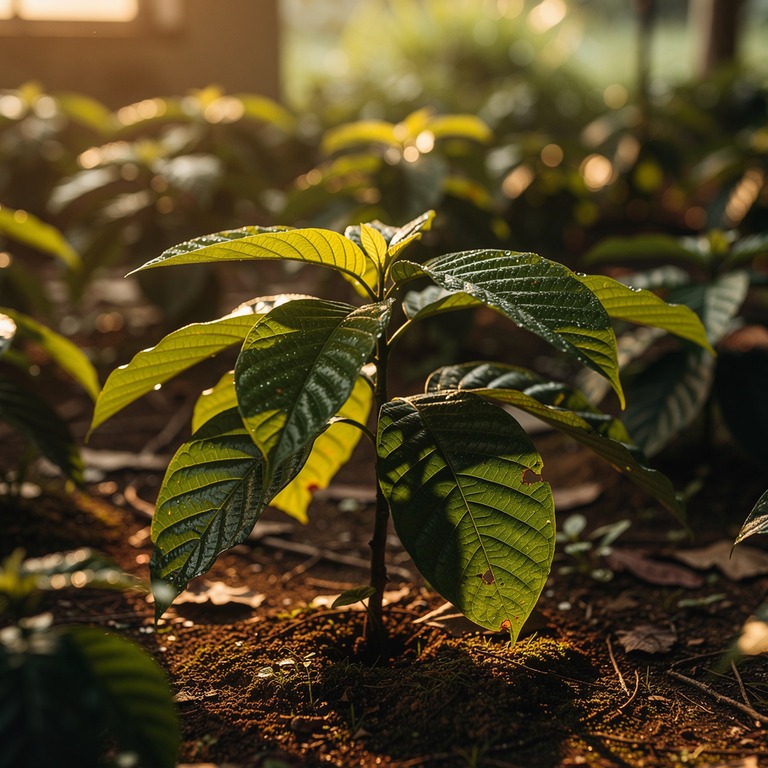
If your partner is dieting in the traditional Shipibo or Shuar style, their day is stripped down to almost nothing. Mornings are slow. They might drink the plant preparation once or twice a day, or sit in ceremonies with ayahuasca a few nights a week. Between those, mostly rest. A lot of hammock time. A lot of thinking. Some journaling if permitted. Long conversations with birds and insects that don't feel one-sided anymore.
Food is bland by design — plantain, rice, small amounts of fish, sometimes just that for weeks. No salt is the one that surprises people. The physical simplicity is part of the practice; the body gets quiet so the plant's signal can be heard.
Contact with the outside world varies wildly by center. Some allow a five-minute call once a week. Some allow nothing until the dieta closes. Some let partners write letters that get delivered but not answered. Ask specifically what your center's policy is before your partner leaves, so you're not staring at your phone wondering why it's been eleven days.
How to Actually Support Them from Home
Here's the honest part. Most of your job is to not add weight. Your partner is in a delicate internal state, and small things from the outside can land like boulders. That doesn't mean you go silent or pretend everything's fine — it means you get thoughtful about what you send into their world.
- Handle the logistics. Bills, the dog, the school run, the leaking tap. Whatever they would normally worry about, take off their plate before they leave. This is the single most valuable thing you can do.
- Keep hard news for later — usually. If a family member dies, they'll need to know. If someone got a parking ticket, it can wait a month. Use judgment. When in doubt, ask the retreat coordinator whether to pass something on.
- Write, don't demand. If letters are allowed, send short, warm ones. Tell them the tomato plant finally fruited. Don't ask questions that require a response. Don't process your feelings at them.
- Trust the container. The curanderos and facilitators have done this thousands of times. If something goes sideways, they'll handle it. Your job isn't to be the safety net from 3,000 miles away.
- Protect your own life. Sleep. See friends. Eat well. Do the thing that keeps you sane. A frazzled partner is not the person they need to come home to.
What About Your Own Feelings?
Let's be real — this is hard on you too. You might feel abandoned, jealous, worried, or quietly resentful that they get a month of jungle silence while you're managing the household. All of that is legitimate. Say it out loud to a friend, a therapist, anyone who isn't your partner in a tambo.
You might also feel a strange low-grade fear: what if they come back different in a way that doesn't include me? It's a fair question. Plant medicine sometimes clarifies things about relationships that were already unclear. More often, though, it tends to soften people toward the ones they love — not away. But the fear is worth sitting with rather than suppressing.
Some partners find it helpful to do a little inner work themselves during this stretch. Not necessarily a psychedelic experience — just therapy, journaling, a meditation practice, a course of somatic work. The dieta becomes something you're both moving through, from different angles.
What Reintegration Looks Like
The days and weeks after your partner comes home are where a lot of the actual change lands or slips away. They'll likely be quieter than usual. Loud restaurants might feel unbearable. Certain foods, alcohol, and screens might turn their stomach. Physical intimacy is often restricted for a period after the dieta closes — sometimes a month or more — because the traditional understanding is that the plant is still integrating in the body.
Don't push them to explain. Ask open questions and let long silences sit. Some of what happened isn't verbal and never will be. If they want to talk, listen without trying to translate it into terms you're comfortable with. If they don't, that's also fine.
Practical reintegration matters more than most people think. Gentle food, early bedtimes, time in nature, minimal alcohol for a good stretch. If they came home with insights about work, relationships, or how they want to live, encourage them to sit with those for a few weeks before acting. Post-retreat clarity is real, but it's also volatile — the decisions that stick are usually the ones made three months in, not three days.
Red Flags Worth Knowing About
Not every center that offers dietas runs them well. Some warning signs are worth checking before your partner books:
- No clear medical screening or intake process. A reputable center asks about SSRIs, heart conditions, psychiatric history, and current medications.
- Facilitators who position themselves as gurus, discourage outside relationships, or pressure participants to extend or return.
- No integration support after the retreat ends.
- Vague or evasive answers about what the daily practice actually involves.
- Sexual boundary violations, past or rumored. This is unfortunately not rare in the plant-medicine world. Ask around.
A good center will welcome your questions as a partner and give straight answers.
The Longer View
People who commit to plant-medicine work — dietas, ceremonies, ongoing relationship with these traditions — often describe it as a slow rewiring rather than a single revelation. Your partner may come home with a piece of something they've been looking for. They may also come home with more questions than they left with. Both are signs the work is doing what it's supposed to do.
Your role in all of this isn't small. Partners and families are often the ones who make sustained healing possible or impossible. Steady, patient, non-judgmental presence — the boring kind of love — is the thing that lets the medicine actually take root.
If you're reading this because you're the one considering a dieta yourself, or because you want to understand the world your partner is walking into, a range of curated plant medicine retreats and traditional dieta programs can be browsed on our marketplace here. Take your time with the decision. This is old work, and it's worth doing carefully.
Craving More Stories?
Join our ShopAyahuascaRetreats newsletter for the latest updates on thrilling
destinations and inspirational tales, delivered straight to your inbox!
We value your privacy. Your email address will never be shared or published.