 English
 Deutsch
 Français
 Nederlands
 Español
SHOP AYAHUASCA RETREATS BLOG
Silicon Valley Money Is Flooding Psychedelics: What It Means for Retreat-Goers

Stella Vance
September 10, 2026
Your ultimate guide to discover transforming ayahuasca and psychedelic experiences. Dive into serene destinations and elevate your consciousness to unparalled heights.
Discover Ayahuasca & Psychedelic Retreats NowSearch for ayahuasca & psychedelic retreats
Discover retreats, trainings, and holidays from all over the world
Something strange is happening at the intersection of tech money and psychedelics. Over the past few years, a growing slice of Silicon Valley's wealthiest — the kind of people who once poured cash into rockets and self-driving cars — have quietly redirected serious capital toward ayahuasca research, psilocybin startups, ibogaine clinics, and a whole spectrum of plant medicine ventures. If you're the kind of person who spends late nights researching whether an ayahuasca retreat might help you climb out of a depressive rut or break an addiction pattern, this shift matters more than it might seem.
Because here's the thing: when billionaires start writing checks, the entire landscape changes. Prices shift. New retreat models appear. Old traditions get pressure-tested against clinical protocols. And you, the person actually considering booking a ceremony, end up navigating a market that looks different from the one that existed even two years ago.
Why Tech Money Is Chasing Plant Medicine Right Now
The short answer is that the returns look enormous, and the science has finally caught up to what indigenous communities have said for centuries. Clinical trials on psilocybin for treatment-resistant depression have produced results that made pharmaceutical researchers sit up straight. MDMA-assisted therapy for PTSD keeps generating headlines. Ibogaine's efficacy for opioid dependence — long documented in underground clinics — has moved into serious academic conversation. Investors smell a category that could rival SSRIs in scale.
The longer answer is more interesting. Many of the people funding this wave aren't just chasing returns. A surprising number have sat in ceremony themselves, or watched a family member get pulled out of addiction by ibogaine after every conventional treatment failed. That personal experience — the kind that flips someone from skeptic to advocate in a single night — has translated into a willingness to back the space with real money, not just curiosity.
The result is a strange hybrid ecosystem. On one side, you have traditional Amazonian ayahuasca lineages that have operated the same way for generations. On the other, you have Delaware-incorporated startups running clinical trials on synthesized DMT analogues. Both are calling what they do psychedelic healing, and both are competing for your attention.
What This Means for the Ayahuasca Retreat You're Considering
Let's get specific. If you're weighing an ayahuasca retreat right now, the influx of investor money is affecting things you might not immediately notice.
- Price stratification. High-end retreats catering to executives and wealthy seekers have pushed weekly rates past $5,000 in some cases. Meanwhile, traditional community-run centers in Peru still operate in the $1,200–$2,500 range for a similar duration. The gap is widening, and the marketing gets more polished at the top end.
- Medicalization creep. Some newer retreats now include screening protocols, on-site medical staff, integration therapists with clinical credentials, and post-ceremony neuroimaging. This is genuinely useful for safety. It also changes the texture of the experience — a ceremony bracketed by intake forms feels different from one where the shaman just looks you in the eye and decides.
- Facilitator inflation. With more money in the space, more people are training as facilitators. Some are excellent. Some completed a two-week course and now call themselves medicine carriers. Vetting matters more than ever.
- New substances entering the retreat menu. Places that used to serve only ayahuasca now offer psilocybin, kambo, bufo (5-MeO-DMT), and San Pedro in stacked itineraries. Whether that's healing or a spiritual buffet depends on who you ask.
None of this is inherently bad. Some of the most rigorous, safety-conscious retreats operating today exist precisely because investor money let them hire the right doctors and build proper infrastructure. But it means the shopping process is more complex than it used to be.
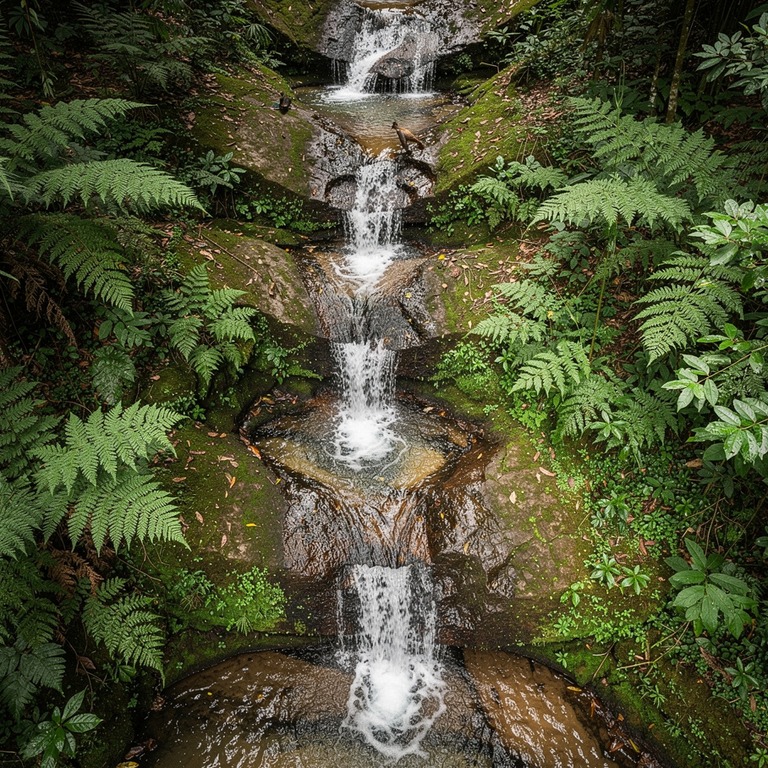
The Master Plants Are Older Than the Money
It's worth stepping back. Ayahuasca, San Pedro, peyote, iboga, and tobacco — the traditional master plants — have been used for healing and initiation for centuries, and in some cases millennia. The current investor wave is a blink in that timeline. The plants don't know or care about term sheets. The traditions that grew up around them evolved through countless hard-won lessons about dosing, ceremony, integration, and what to do when someone has a difficult night.
When you're evaluating a retreat, this history matters. A center that trains its facilitators inside a specific lineage — Shipibo, Cofán, Huachipaeri, or one of the mestizo vegetalismo traditions — is drawing on that accumulated knowledge. A slickly branded operation that flew in a curandero for the week and pairs him with a Stanford-trained therapist may still be worthwhile, but the roots are shallower. Ask where the wisdom is actually coming from.
The best retreats I've encountered blend both worlds thoughtfully. They honor the traditional dieta, the icaros, the ceremonial structure — while quietly maintaining medical safety standards that would satisfy a Western clinician. That combination is rare and worth searching for.
Can Psychedelics Really Help With Addiction?
This is the question that drives a lot of the current investment, and probably a lot of the readers who make it this far into an article like this. The honest answer: the evidence is genuinely promising, especially for certain substances and certain kinds of addiction.
Ibogaine has the strongest track record for opioid dependence. Clinics in Mexico and Costa Rica have documented cases of long-term heroin and fentanyl users interrupting withdrawal in a single session — an outcome no conventional medication produces. It's also cardiac-risky, requires proper medical screening, and is not a magic bullet. People relapse. People also stay clean for years. Both are true.
Ayahuasca has a longer, more diffuse track record with alcohol dependence, cocaine, and various process addictions. The Brazilian Santo Daime and União do Vegetal churches have members who credit the medicine with sustained recovery, and Amazonian communities have used ayahuasca in addiction contexts for decades. Recent formal studies back up what participants have long described: the plant seems to disrupt the compulsive patterns that keep addictions locked in place.
Psilocybin has produced striking results in smoking cessation trials — quit rates around 60–80% at six months in small studies, dramatically higher than nicotine replacement therapy. Similar work is underway for alcohol use disorder.
Here's what all of this shares: the psychedelic itself is only part of the equation. The setting, the preparation, the integration afterward, and the honest work of examining what the addiction was protecting you from — all of that determines whether the opening the medicine provides actually leads somewhere durable. Retreats that skip the integration piece are selling you half a treatment.
How to Vet a Retreat in the Current Landscape
Given how quickly the space is changing, here's a practical filter for anyone actively researching:
- Who runs it, and how long have they been doing this? Five-plus years of operation is a decent baseline. Anyone founded in the last 18 months during the investor rush deserves extra scrutiny.
- Is there real medical screening? A legitimate center asks about cardiac history, SSRIs, bipolar diagnosis, and family history of psychosis before accepting you. If the intake is just a credit card form, walk away.
- What does the facilitator's training look like? Ask specifically. Named lineage, years of apprenticeship, ongoing relationship with a teacher — these are green flags. Vague answers about being called to the work are yellow flags.
- What's the integration support? One follow-up call is thin. Weekly group calls for a month, access to an integration therapist, written resources — that's a program that takes the aftermath seriously.
- How do they handle a bad night? There should be a clear answer involving trained staff, a quiet space, and someone who will sit with you. If the answer is that rarely happens, they're not being honest.
The investor money washing through the space isn't going away, and honestly, some of it is doing genuine good — funding legitimate research, building safer clinics, making ibogaine available to people who would have died without it. But the responsibility to choose wisely still sits with you.
If any of this has sharpened your thinking rather than muddied it, a curated selection of ayahuasca and plant medicine retreats worth considering can be browsed on our marketplace here. Take your time. The plants have been waiting for centuries — a few more weeks of careful research won't hurt anyone.
Craving More Stories?
Join our ShopAyahuascaRetreats newsletter for the latest updates on thrilling
destinations and inspirational tales, delivered straight to your inbox!
We value your privacy. Your email address will never be shared or published.