 English
 Deutsch
 Français
 Nederlands
 Español

Reset. Heal. Grow.
Why Oregon's Psilocybin Market Faces a Tax Code Built for the Drug War
Here's something most people don't realize when they hear that Oregon legalized psilocybin: the people trying to build that market are walking straight into a federal tax landmine that was planted nearly forty years ago, during the height of the Reagan-era drug war. The substance is legal under state law. The businesses serving it are still, in the eyes of the IRS, drug traffickers. And that contradiction is about to make a lot of operators very unhappy when their first tax bill arrives. If you've been watching the psychedelic space — maybe even considering a psilocybin retreat in Oregon once licensed facilities open their doors — this matters more than it sounds. The rule in question shapes which retreats survive, which fold within a year, and which ones cut corners to stay afloat. So let's talk about what 280E actually is, why it's haunting the psychedelic industry now, and what it means for anyone weighing a future ceremony in Oregon. Section 280E of the federal tax code is a single sentence with enormous consequences. Passed in 1982, it prohibits any business that traffics in Schedule I or Schedule II controlled substances from deducting ordinary business expenses — rent, payroll, utilities, marketing, the boring stuff every other company writes off without thinking. The result is that a state-legal cannabis dispensary can pay effective tax rates north of 70 percent on its profits. Sometimes higher. The catch for the psychedelics world is that psilocybin is still federally classified as Schedule I, right next to heroin and LSD. Oregon's Measure 109 created a state framework for licensed psilocybin services, but federal law didn't budge an inch. So the moment a licensed psilocybin facilitator collects payment for a session, the IRS treats them the same way it treats a cannabis grower in Denver — meaning most of their normal operating costs aren't deductible. Until now, most psychedelic companies have sidestepped this problem by sticking to pharmaceutical research, operating offshore, or running ceremonies in countries where the law is friendlier. Oregon changes the math. For the first time, American operators are about to learn what cannabis entrepreneurs have been complaining about for over a decade. Talk to anyone who's run a dispensary and they'll tell you the same thing: 280E doesn't just shrink margins, it warps every decision you make. You can't write off the therapist's salary. You can't deduct the cost of the heating system. You probably can't even get a normal bank account, because most credit unions won't touch a federally illegal business. Financing dries up. Insurance gets weird. Landlords charge a premium because they know you're stuck. Sam Chapman, who leads the Healing Advocacy Fund in Oregon, has been blunt about expecting the tax issue to blindside operators who didn't come from the cannabis world. There's still no clean playbook for managing the liability. People assume that because their service is state-legal and looks more like therapy than retail drug sales, the IRS will see it the same way. The IRS will not. Investors are paying attention too. One venture capitalist focused on psychedelics put it plainly — from a returns perspective, a business saddled with 280E isn't exactly exciting to back. That sentiment, repeated across the funding world, means the operators most likely to survive Oregon's first few years aren't necessarily the most thoughtful or experienced. They're the ones with deep pockets and the patience to bleed cash while figuring it out. Not every business in the psilocybin supply chain is treated the same. The lines aren't fully drawn yet, but the rough shape is becoming visible: That distinction is going to shape the industry in ways most people aren't thinking about yet. Expect a wave of corporate restructuring where retreats split themselves into multiple legal entities — one that handles the ceremony space, the integration, the meals, the lodging, and another, narrower entity that handles the actual administration of psilocybin. Only the second one eats the tax penalty. Tax advisors who've been through this with cannabis clients warn that you can't just paper this over. The separation has to be economically real — different staff, different contracts, different books, a paper trail strong enough to survive an audit. Pretend-separation gets you in worse trouble than not separating at all. You're not here for tax law. You're probably here because you're quietly considering whether plant medicine might help with something you've been carrying — depression that hasn't budged, a stuck pattern, a loss you can't talk your way through, an addiction that traditional treatment hasn't touched. Oregon is the closest thing to a legal option in the United States, and that's why the business side of this matters to you, even if it sounds dry. Here's the practical translation. The financial pressure on Oregon operators is going to be real, and it's going to show up in ways that affect your experience: None of this should scare you off the idea of a psilocybin retreat. It should sharpen the questions you ask. Who's behind this operation? How are they funded? What's their facilitator training? What does integration look like after the session ends? A retreat that can answer those clearly is one that's thought past the tax form. Zoom out and the 280E situation tells you something honest about where psychedelic-assisted recovery sits in the United States right now. We have growing evidence that psilocybin can meaningfully shift depression, that ibogaine can interrupt opioid addiction in ways nothing else does, that ayahuasca and other master plants are doing real work for trauma survivors. We also have a federal legal framework that treats every one of these substances as if it were 1986 and the answer were just to say no. Until federal scheduling changes — and there are real efforts moving in that direction, but no guarantees — the legal psychedelic industry in this country will keep operating with one hand tied behind its back. That's why so many people still travel to Peru, Costa Rica, Mexico, or the Netherlands for plant medicine work. The legal climate abroad is cleaner, the traditions are older, and the price often ends up comparable once you factor in the tax distortion at home. What Oregon represents, despite the headaches, is a beginning. Imperfect, expensive, complicated — but a real legal pathway where one didn't exist before. The operators who survive the early years will help define what American psychedelic healing actually looks like. The choices they make about ethics, accessibility, and integration will matter for decades. If you're sitting with a quiet question about whether plant medicine might be part of your own next chapter, take the time to research carefully and ask the unsexy questions — about safety, screening, and aftercare — before you commit to anything. For readers who want to keep exploring, a curated range of psilocybin and plant-medicine retreats can be browsed on our marketplace here, including options both in the U.S. and internationally where the legal picture is different. Whatever you decide, decide it slowly. This kind of work rewards patience.

Your Genes and Psychedelics: What DNA Reveals About Your Trip
Two people drink the same cup of ayahuasca on the same night, in the same maloca, with the same shaman pouring. One spends six hours weeping into a bucket and rearranging the architecture of her grief. The other shrugs, says it was “interesting,” and goes to bed at midnight. What gives? Set and setting explain part of it. Dose, diet, body weight, sleep, and the thousand invisible variables of mood account for more. But somewhere in that puzzle sits your DNA — the quiet hand that decides how your brain metabolizes a molecule, how many receptors it hands out for serotonin, and whether psychedelics are likely to feel like a doorway or a landslide. For anyone weighing a plant-medicine retreat, your genetic profile is worth at least a passing thought. Genetic testing companies have started selling kits that claim to predict your psychedelic sensitivity. The science behind them is real, but it's also young, contested, and often oversimplified by marketing copy. So let's walk through five of the genes researchers keep coming back to — what each one actually does, what the research suggests, and how seriously you should take the results before you sign up for a ceremony. Classical psychedelics — ayahuasca, psilocybin mushrooms, LSD, mescaline from San Pedro — all interact with the serotonin system. Ketamine works through a different mechanism. Ibogaine is its own beast entirely. Each of these substances passes through your liver, binds to specific receptors, and is then metabolized at a speed that varies wildly between individuals. That variability has consequences. A “moderate” dose for one person can be a full ego-dissolution wallop for another. Someone with certain genetic variants may metabolize ketamine at half the normal rate, dragging out the experience for hours longer than the facilitator expected. Someone else may have a genetic profile that makes psychedelics genuinely risky — not unpleasant, but medically inadvisable. None of this means you need a lab report before you go anywhere near plant medicine. People have been drinking ayahuasca for centuries without knowing what a serotonin receptor is. But if you're someone with a family history of psychosis, schizophrenia, or bipolar disorder, the genetic conversation gets serious fast. Here are the markers most often discussed in psychedelic research. If you've read anything about how psychedelics work in the brain, you've met the 5-HT2A receptor. It's the docking site for psilocybin, LSD, DMT (the active alkaloid in ayahuasca), and mescaline. When these molecules fit into the receptor, they make cortical neurons fire in a chaotic, exuberant pattern — the neural signature, scientists believe, of the psychedelic state itself. The HTR2A gene codes for that receptor. Roughly one in five people carries a variant that produces more receptors than average, which may translate into greater sensitivity. More docking sites, more activity, potentially a more intense trip from the same dose. It's not a guarantee — sensitivity is shaped by many factors — but it's a plausible piece of the puzzle. Practically, what does this mean? If you suspect you're a sensitive responder (and many people figure this out the hard way), start lower than the standard ceremonial dose and tell your facilitator. A good shaman or guide will respect that. A facilitator who pushes you to drink more than feels right is a red flag regardless of your genes. Ketamine isn't a classical psychedelic, but it's increasingly part of the broader conversation around psychedelic-assisted therapy and addiction treatment. The CYP2B6 gene encodes a liver enzyme that breaks ketamine down. About 10 to 20 percent of people have a variant that slows that process dramatically — they clear the drug roughly half as fast as everyone else. For these slow metabolizers, a standard dose lingers. The dissociation lasts longer, the hangover is heavier, and the risk of side effects — drowsiness, confusion, unsettling hallucinations — climbs. The route of administration matters here too: intramuscular injection hits harder than nasal or oral dosing, which is part of why reputable clinics start cautious and titrate up. If you're booking a ketamine-assisted therapy session and you've ever had outsized reactions to anesthesia or other sedatives, mention it. That history is often a clue. This is where things get heavier. Three genes — C4A, NRG1, and DISC1 — have all been linked, with varying strength of evidence, to increased risk of psychosis, schizophrenia, and bipolar disorder. They influence brain development through different mechanisms: Why does this matter for psychedelics? Because powerful serotonergic drugs can, in rare cases, trigger or unmask a latent psychotic episode in people already vulnerable. Most retreat centers screen for personal and family history of schizophrenia, bipolar disorder, and psychosis — and they turn people away who disclose those conditions. That screening exists for good reason. If you have a parent, sibling, or grandparent with one of these diagnoses, talk to a psychiatrist before you book anything. A genetic test is not a substitute for that conversation; it's at best a supplement to it. The honest answer: take the results as one signal among many, not as a verdict. Genetic testing for psychedelic sensitivity is a young field. Some of the conclusions marketed by direct-to-consumer companies rest on a small handful of studies, and a few have been called out by researchers as overstated or based on outdated science. Reports often come with disclaimers that the results are not medical advice — and that disclaimer is doing real work. What a test can usefully tell you: What it can't tell you: whether you'll have a healing experience, whether you'll fall apart, whether the ayahuasca will show you the face of your grandmother or a tunnel of geometric snakes. Genes are one input. Your psychological history, your relationship with the facilitator, your preparation, the integrity of the lineage running the ceremony — all of these matter just as much, and most of them matter more. Skip the genetic test if you want. Buy one if you're curious. Either way, the practical checklist for anyone considering a plant-medicine experience looks roughly the same: Psychedelics, used carefully, are showing real promise for addiction recovery, depression, PTSD, and the kind of stuck life patterns that talk therapy struggles to crack. Master plants like ayahuasca, San Pedro, and iboga have helped many people loosen the grip of things they couldn't loosen on their own. But the keyword in that sentence is carefully. The same molecules that open doors can also kick down walls you weren't ready to lose. If you've read this far and you're still curious about taking the next step, a range of vetted ayahuasca and psychedelic retreats can be browsed on our marketplace here. Whatever you decide, decide it slowly, with good information, and with a clear sense of why you're going.
Magic Mushrooms and Studying: Does Psilocybin Actually Help You Learn?
Every few months a new study makes the rounds suggesting psilocybin might do something interesting to the brain — grow new connections, dissolve mental rigidity, nudge people out of depressive ruts. And every few months, somewhere on Reddit, a graduate student asks the obvious question: could this stuff help me study? It's a fair thing to wonder. If psychedelics genuinely rewire neural pathways and boost what scientists call plasticity, the leap to "this might help me cram for the bar exam" feels almost intuitive. But the honest answer is more layered than the hype. Let's walk through what's actually known — about psilocybin, the brain, microdosing, and whether any of this belongs anywhere near your final exam. Psilocybin is the psychoactive compound in magic mushrooms. Once it hits your system, your liver converts it into psilocin, which then latches onto serotonin receptors — particularly the 5-HT2A receptor, which lives in dense clusters across the cortex. That receptor activity is what produces the classic psychedelic experience: shifting perception, looser thinking, the sense that the walls of your mental categories have grown a bit more permeable. The part that excites neuroscientists isn't the trip itself, though. It's what happens underneath. A growing body of preclinical research suggests psilocybin promotes neuroplasticity — the brain's capacity to form new connections between neurons. Studies in rodents have shown rapid growth of dendritic spines (the little branches neurons use to talk to each other) after a single dose. In human terms, that's the cellular machinery of learning. That sounds promising on paper. But "promotes plasticity in lab mice" and "will help you memorise organic chemistry" are separated by an enormous gap that the science has not yet bridged. Short answer: not in the way most people hope. Psilocybin doesn't function like a stimulant. It won't give you the laser focus of caffeine or the synthetic concentration of prescription study drugs. Trying to highlight a textbook while on a meaningful dose is, by every account I've ever heard, a terrible idea — your attention is the first thing to scatter, and your relationship with linear thought goes with it. What psychedelics may do is shift cognition in ways that are useful around studying rather than during it. Researchers at Imperial College London and Johns Hopkins have documented changes in what's called the default mode network — the brain's habitual self-talk circuit. Quieting that network seems to loosen rigid thinking patterns and allow for more flexible problem-solving. People often report fresh perspectives on long-standing problems in the days and weeks after a session. So if you're stuck on a thesis question, or you've been circling the same dissertation argument for months, a properly held psychedelic experience might — emphasis on might — help you see it differently. That's a far cry from pharmaceutical-grade study enhancement. This is where most of the conversation actually lives. Microdosing — taking sub-perceptual amounts of psilocybin, typically a tenth of a recreational dose — has become the go-to claim for productivity, creativity, and focus. Silicon Valley engineers swear by it. So do an increasing number of students, writers, and artists. Here's what the evidence actually shows. Self-reported benefits from microdosers are real and consistent: better mood, improved focus, more creative associations, reduced anxiety. But when researchers run placebo-controlled trials, the gap between microdosing and placebo narrows dramatically. A 2021 study from Imperial College found that much of the perceived benefit could be explained by expectation alone. That doesn't mean microdosing is useless. It might mean the effect is smaller than enthusiasts claim, or that the benefit is genuinely psychological — that believing you've taken something that helps you focus is, itself, a kind of help. Either way, it's worth being honest about what you're actually buying with it. If you're considering microdosing for academic work, a few practical caveats: Here's a more honest frame. Studying isn't just sitting at a desk. It's also about how you process information, how you handle stress, how you recover from setbacks, and whether you can stay engaged with material for years on end. This is where psychedelics — used carefully, occasionally, and with intention — have shown the most credible benefits. Clinical research on full-dose psilocybin therapy has demonstrated meaningful effects on depression, anxiety, addiction, and trauma. For a student or professional whose academic life has stalled because of one of those underlying issues, addressing the root often does more than any focus-tweaking ever could. I've spoken with people who couldn't write a paragraph for years because of unresolved grief or burnout, and who, after a single supervised psilocybin session, found that the wall had quietly come down. That's not a productivity hack. That's healing. And it's a category mistake to lump the two together. Some readers are quietly asking a bigger question: not "will mushrooms help me study tonight" but "is my whole relationship to work, learning, and meaning kind of broken, and could a psychedelic experience help me reset it?" That's a more serious question and it deserves a more serious answer. Psilocybin retreats — legal in places like the Netherlands (where psilocybin truffles remain unscheduled), Jamaica, and a growing list of other jurisdictions — offer a structured container for a deeper experience. A typical retreat runs three to seven days, includes preparation sessions, one or two ceremonies, and integration support afterwards. Reputable ones screen carefully, employ trained facilitators, and don't promise outcomes they can't deliver. If you're considering one, the things to look for are unglamorous but matter: medical and psychiatric screening before you book, facilitators with documented training, a sensible participant-to-facilitator ratio, clear protocols for emergencies, and structured integration after the ceremony ends. Anyone selling you transformation without those things is selling you a Saturday night, not a healing process. If your goal is to ace tomorrow's exam, magic mushrooms are not the tool. Sleep is. Spaced repetition is. A walk outside between study blocks is. Coffee, used responsibly, is. If your goal is broader — to think more flexibly, to address the depression or anxiety that's been hollowing out your ability to learn, to step back and ask what you're actually doing with these years of your life — then psilocybin is one of several genuinely interesting tools in the modern conversation about mental health and human potential. It's not magic. It's not a shortcut. But used with respect, in the right context, it has helped a lot of people unlock things that had been stuck for a long time. For readers curious about exploring this in a structured, well-held setting, a range of legal psilocybin retreats can be browsed on our marketplace here. Whatever you decide, take it seriously — the brain you're trying to help is the only one you've got.
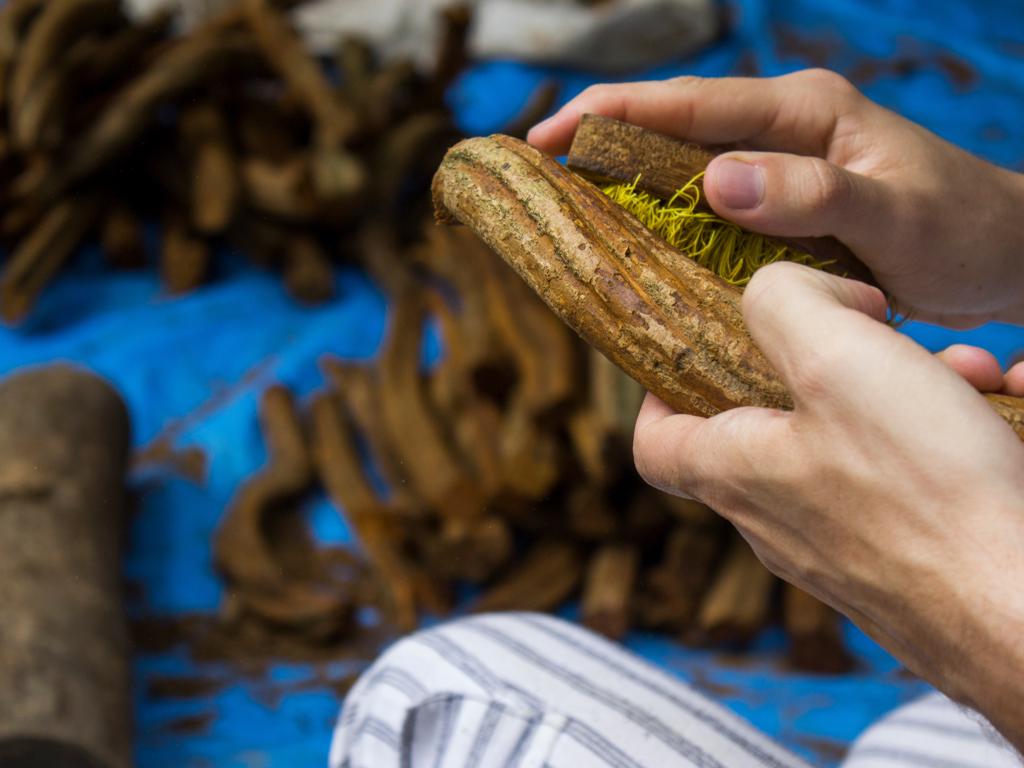
What Are Psychedelics? A Plain-English Guide to Plant Medicines and the Mind
Ask ten people what psychedelics are and you'll get ten different answers. Some will mention LSD and the 1960s. Others will talk about ayahuasca ceremonies in the Amazon. A few will bring up the recent wave of clinical trials at Johns Hopkins and NYU. All of them are partly right — and that's exactly the problem. The word covers a lot of ground. If you've landed here, you're probably weighing something serious. Maybe you've read about psychedelic-assisted therapy for depression. Maybe a friend came back from a retreat looking different — calmer, lighter — and you want to understand what actually happened to them. Maybe addiction or trauma has you considering options that mainstream medicine hasn't solved. Whatever brought you here, you deserve a straight answer rather than mystical fog or pharmacology jargon. So let's walk through it properly. What psychedelics are, where they come from, how they work, and what they're being used for right now — including the master plants that have been part of indigenous healing traditions for centuries. At the most basic level, psychedelics are a family of substances that produce a temporary, dramatic shift in consciousness. Your perception changes. Your sense of self loosens. Emotions get bigger. Thoughts you've buried for years sometimes surface uninvited. The technical mechanism is that most classic psychedelics bind to serotonin 2A receptors in the brain, which seems to scramble — in a useful, controlled way — the default patterns of thinking your mind usually runs on. The word itself was coined in 1956 by the British psychiatrist Humphry Osmond, who stitched together two Greek roots: psyche (mind, soul) and delein (to manifest). Mind-manifesting. Soul-revealing. Osmond was writing to Aldous Huxley at the time, fresh off supervising Huxley's now-famous mescaline experience. Huxley actually proposed his own term — phanerothyme — but Osmond's stuck. Probably because it sounds better. Here's a useful distinction: psychedelics are not the same as hallucinogens, even though the words get used interchangeably in news headlines. Hallucinogen is a broader category that includes dissociatives like ketamine and PCP, which behave very differently in the brain and body. Classic psychedelics are their own thing — and the differences matter, especially if you're researching what you might want to sit with. Chemists divide classic psychedelics into three structural families. You don't need to memorize the chemistry, but the categories help when you're comparing what's out there. You can also split psychedelics into natural and synthetic. The naturally occurring ones — psilocybin mushrooms, ayahuasca, peyote, San Pedro, iboga — are often called master plants in the traditions that use them. That phrase isn't marketing. It refers to plants that indigenous cultures consider teachers, beings with their own intelligence that can show you something about yourself if you approach them with respect. It's a framework worth understanding even if it doesn't match your own beliefs, because the people running traditional ceremonies operate inside it. This is the question people most want answered, and it's also the hardest one to answer honestly. The experience varies wildly by substance, by dose, by setting, and by the person sitting with it. That said, certain features show up again and again. On the perceptual side: colors get richer. Surfaces breathe. Patterns appear behind closed eyes, sometimes geometric, sometimes elaborate scenes that feel more real than the room you're in. Time stretches and compresses. Music takes on physical weight. With higher doses of compounds like DMT or psilocybin, full visionary states are common — entities, landscapes, conversations that feel meaningful in ways ordinary dreams don't. On the cognitive and emotional side, which is honestly where the real work happens: thoughts speed up or branch in multiple directions at once. Old memories surface in vivid detail. The sense of being a separate self loosens — sometimes gently, sometimes with the force of a trapdoor opening. Emotions you've been managing or numbing your whole adult life can hit all at once. People often describe crying for the first time in years, laughing at things that were never funny, or feeling waves of compassion for people they thought they'd written off. It's not always pleasant. A difficult experience — the thing pop culture calls a bad trip — is usually the mind surfacing material it's been avoiding. In a guided ceremony with trained facilitators, that difficult material is exactly where the healing tends to come from. Outside of that container, it can be genuinely frightening and sometimes destabilizing. Set and setting aren't clichés. They're the whole game. The clinical research over the past decade has been startling enough that even cautious institutions are paying attention. Psilocybin has shown strong results for treatment-resistant depression, end-of-life anxiety in cancer patients, and tobacco and alcohol addiction. MDMA has produced remarkable outcomes in trials for PTSD. Ibogaine — the longest, most physically demanding of the bunch — has been used at clinics in Mexico and Costa Rica for opioid addiction with results that conventional rehab simply doesn't match. Addiction is the area where plant medicine is making the loudest noise. Standard treatment for substance dependence has roughly a 90% relapse rate within the first year. Early ibogaine research, while still limited, suggests something genuinely different is happening — not just blunting craving but actually loosening the grip of the underlying patterns. Ayahuasca shows similar promise for alcohol and cocaine dependence in observational studies coming out of Brazil and Peru. Beyond formal diagnoses, many people seek out psychedelics for what you might call existential stuckness. The marriage that's gone hollow. The career that looks right on paper and feels wrong everywhere else. The grief that won't move. The sense that you're sleepwalking through a life that should mean more. These aren't pathologies in the medical sense, but they're the reasons most people I've spoken with actually book a retreat. Here's the part most articles skip. Psychedelics aren't a fit for everyone, and a responsible retreat will turn certain people away. If you have a personal or family history of schizophrenia or bipolar disorder, classic psychedelics carry real risk of triggering a psychotic episode. Certain SSRIs and MAOIs interact dangerously with ayahuasca in particular. Cardiovascular conditions matter, especially for ibogaine, which can affect heart rhythm. If you're medically clear, the next question is whether you're emotionally ready for what these substances actually do. They don't hand you bliss. They show you what's there. People going through acute crisis — fresh grief, a recent breakup, suicidal ideation — usually benefit more from stabilizing first and working with plant medicine later, when there's enough ground under their feet to integrate what comes up. A few honest things to look for when researching retreats: For readers who want to take this further and compare reputable options across different traditions and substances, a curated selection of psychedelic and plant-medicine retreats can be browsed on our marketplace here. Whatever you decide, take your time with the decision. These experiences tend to stay with people for years, and the difference between a well-prepared journey and a rushed one usually shows up not in the ceremony itself but in the months that follow.
How Often Should You Microdose Psychedelics? A Practical Guide
Microdosing has gone from fringe curiosity to dinner-table conversation in about a decade. Software engineers in San Francisco do it. So do schoolteachers in Berlin, retired nurses in Lisbon, and people quietly trying to climb out of a depressive patch without quitting their day job. The premise is simple enough: take a sliver of a psychedelic — small enough that you won't trip, often enough that the effects supposedly stack — and see if life gets a little easier to move through. But the practical questions are the ones nobody answers well. How often? For how long? Which substance? And how do you know if it's actually doing anything, or if you've just talked yourself into feeling better? If you're weighing microdosing as a tool — maybe alongside therapy, maybe as a curious experiment, maybe as a softer entry point before considering a full plant-medicine retreat — here's an honest look at what people actually do. A microdose is a sub-perceptual dose of a psychedelic — usually between one-tenth and one-twentieth of what you'd take to have a full experience. The whole point is that you shouldn't really feel it. No visuals. No ego dissolution. No staring at the ceiling wondering why your couch is breathing. If you're noticing strong effects, you've taken too much. What people report instead is something quieter. A slight lift in mood. Easier focus. A little more patience with their kids or their inbox. A creative problem they'd been stuck on for weeks suddenly cracking open on a Tuesday afternoon. The published research is still catching up — and some of the larger studies have suggested placebo accounts for a fair chunk of the reported benefit — but the anecdotal pile is enormous, and the practice clearly isn't going away. People microdose for a long list of reasons. The most common ones cluster around mood, focus, creativity, and reducing cravings — the latter being one of the more interesting threads, since classical psychedelics have shown real promise in clinical trials for addiction recovery. Some users report fewer migraines, others say it helps with the dull edge of menstrual pain. Your mileage will vary. Honestly. The two heavy hitters are psilocybin (magic mushrooms) and LSD. Both have been studied more than the alternatives, both are relatively well-understood at low doses, and both have clear-enough protocols to follow without flying blind. Each substance has its own character. Psilocybin tends to feel warmer and more emotional. LSD feels more clear and stimulant-adjacent. Iboga is in a different league entirely — closer to a master plant than a recreational compound, and worth treating with the respect that implies. Don't assume your experience with one transfers to another. The standard answer — one-tenth to one-twentieth of a full dose — is useful as a starting point but lies to you about the precision involved. Mushrooms vary wildly batch to batch. Two grams of one flush might hit harder than three grams of another. LSD blotters are notoriously inconsistent unless you trust the source completely. The most useful exercise before you settle into a schedule is finding your threshold dose — the smallest amount at which you can clearly feel something. Take it on a quiet day with nothing on your calendar. Then keep stepping down on subsequent occasions until you find the dose where the effects fade into background hum. Your microdose lives just below that line. This sounds tedious, and it is. But the alternative is dosing in the dark and either feeling nothing for weeks (too low) or finding yourself slightly altered during a work meeting (too high — and yes, this happens to people more often than they admit). There are essentially two protocols that everyone in this space references. Knowing both gives you a sensible starting framework. Dr James Fadiman, who's been researching psychedelics since the 1960s, is the closest thing microdosing has to a patriarch. His protocol is the original and still the most widely followed: The logic behind the spacing is twofold. Psychedelics build tolerance fast, and the dead days let your receptors reset. The two-day gap also lets you notice carryover effects — many people report a subtle lift the day after a dose, sometimes even two days after. If you microdosed daily, you'd never see the contrast. Mycologist Paul Stamets developed an alternative protocol specifically for psilocybin: four days on, three days off. He pairs the psilocybin with lion's mane mushroom and a flush dose of niacin (vitamin B3), with the theory that the three compounds together support neurogenesis. The science here is preliminary at best, and plenty of people drop the niacin and lion's mane and just use the four-on-three-off rhythm. The Stamets approach is more intensive than Fadiman's. Some people find it works beautifully; others say they hit tolerance quickly and lose the effect. Worth experimenting with if Fadiman feels too sparse. Some folks just microdose Monday through Friday and rest on weekends. Others do every other day. The non-negotiable rule across every credible protocol: don't microdose every single day. You'll either build tolerance and stop noticing anything, or you'll start to feel the substance creep into your baseline in ways that aren't useful. Give it at least a month. Microdosing isn't a same-day painkiller — it's more like a slow rearrangement of mood and patterns that you only notice in hindsight. If you're three weeks in and convinced nothing's happening, read back through your journal. Often something has shifted; you just couldn't see it from inside the week. Fadiman recommends a ten-week cycle, then a meaningful break — at least a few weeks, ideally longer — before deciding whether to start another round. The break matters. It lets you see what's actually you versus what's the substance, and it prevents the practice from quietly becoming a daily prop you can't function without. A few honest notes from people who've been at this a while: For some people, microdosing is the gentle on-ramp that eventually leads them toward a fuller psychedelic experience — a guided psilocybin session, an ayahuasca retreat, an ibogaine programme for addiction. For others, it stays a low-key background practice that helps them function a little better through ordinary life. Neither path is wrong. The honest truth is that microdosing alone rarely produces the kind of dramatic shift people sometimes claim — but as part of a broader effort to take your inner life seriously, it can be a useful piece. If your curiosity is leaning toward something deeper than self-experimentation — a held container, experienced facilitators, the kind of work that asks more of you than a Tuesday morning dose — a range of psilocybin and plant-medicine retreats can be browsed on our marketplace here. Start small either way. Pay attention. The substances aren't magic, but used thoughtfully they can help you notice things about yourself that were already there, waiting for the volume to come down enough to hear them.
Craving More Stories?
Join our ShopAyahuascaRetreats newsletter for the latest updates on thrilling
destinations and inspirational tales, delivered straight to your inbox!
We value your privacy. Your email address will never be shared or published.

The Strongest Psychedelics Explained: What Each One Actually Does
Ask ten people which psychedelic is the strongest and you'll get ten different answers, usually delivered with a kind of evangelical certainty. The truth? Potency is slippery. A drug that knocks you sideways at 25 micrograms isn't necessarily more profound than one that takes a whole cactus button to register. And profundity isn't strength — not really. Still, some compounds belong in a category of their own. They alter perception so completely that the word “hallucinogen” feels like a polite understatement. If you're researching plant medicine, weighing a psychedelic retreat, or just trying to understand what people mean when they talk about ayahuasca, master plants, or ego death, it helps to know the territory. Here's an honest rundown of five of the most potent psychedelics on the planet — what they are, where they come from, and what they actually do to a human being. Before the list, a quick reality check. Strength can mean dose required (LSD wins by a landslide — micrograms vs. grams). It can mean intensity per minute (DMT). It can mean depth of psychological territory covered (ayahuasca, ibogaine). It can mean how unrecognisable reality becomes (salvia, 5-MeO-DMT). None of these scales line up neatly. That's why “strongest psychedelic” lists are always a bit silly. But they're also genuinely useful, because the differences between these compounds matter — especially if you're thinking about working with one in a ceremonial setting. The wrong medicine in the wrong context is, at best, a wasted weekend. At worst, it's a psychiatric emergency. DMT is the active ingredient that makes ayahuasca, well, ayahuasca. But it exists in two forms that behave quite differently. N,N-DMT is the more common molecule, present in trace amounts across countless plants and animals — possibly even in human brain tissue, though that science is still messy. It's what Amazonian shamans have brewed into ayahuasca for centuries, combining it with the Banisteriopsis caapi vine to make it orally active. 5-MeO-DMT is the cousin. Structurally similar, experientially very different. It's found in the venom of the Sonoran Desert toad and in certain South American snuffs like yopo. Recent clinical interest has paired it with ibogaine in addiction-recovery protocols, with some striking early results for people coming off opioids. Smoked or vaporised, N,N-DMT lasts maybe ten or fifteen minutes and produces what users describe as visits to entirely other realms — geometric patterns, machine elves, encounters with what feel like sentient beings. Ayahuasca, by contrast, stretches that experience over four to six hours and tends to be more emotionally and somatically loaded. There's purging. There's reckoning. People often describe it as the medicine showing them something they've spent years avoiding. 5-MeO-DMT is a different animal entirely. Less visual, more annihilating. Users frequently describe it as a kind of ego death by demolition — the self simply isn't there for a while. Some find it transformative. Others find it terrifying. It is not a recreational substance, and frankly, even the word “experience” feels too small for what it does. Mescaline is the active alkaloid in peyote, San Pedro (huachuma), and a handful of related cacti. Indigenous communities across Mexico, Peru, and the southwestern United States have worked with these plants for thousands of years — long before any anthropologist showed up to write about it. The Native American Church still uses peyote sacramentally in the U.S., and San Pedro ceremonies remain a living tradition throughout the Andes. The mescaline experience is often compared to psilocybin, but that comparison undersells it. Where mushrooms can feel emotional and weather-like, mescaline tends to feel lucid. Clear. Almost philosophical in its rhythm. Visuals are vivid, particularly in open landscapes — desert, mountains, big sky country. Indoors, the medicine can feel slightly cramped, as if it wants horizon. One thing seasoned San Pedro drinkers mention: thoughts come and go without the heaviness you might get on LSD. Big questions surface and then dissolve, leaving something gentler behind. Ego dissolution is absolutely possible, but it tends to arrive softly, more like a tide than a wave. That said, “gentle” here is relative. A full dose of mescaline is still a full-day commitment to a profoundly altered state. Acid is in a class of its own when it comes to per-milligram potency. Twenty-five micrograms — a millionth of a gram, twenty-five times over — is enough to feel something. A standard recreational dose is around 100 micrograms. The amount of LSD that would fit on the tip of a pin could send a grown adult on a twelve-hour ride. Albert Hofmann synthesised it in 1938 at Sandoz Laboratories. It went on to become the central sacrament of the 1960s counterculture, the subject of CIA mind-control experiments, and eventually the most demonised psychedelic in the Western imagination. The “bad trip” mythology that surrounds acid is largely a product of context — people taking unknown doses, in unsafe settings, often with no preparation whatsoever. What LSD actually does, in a held space with intention behind it, is open up an enormous internal landscape. Visuals are present but not dominant. The real work happens in thought. Patterns become visible — the ones you run in your relationships, your career, your grief. People often emerge from a well-handled acid journey describing it as the most useful day of their adult life. Others get stuck in a thought loop for ten hours and emerge rattled. Set and setting genuinely are everything here. Salvia divinorum, the Mazatec seer's sage, is the wild card. It's legal in many places where every other psychedelic is illegal, which has led to the persistent and dangerous assumption that it must therefore be mild. It is not. Extract preparations sold online can be a hundred times stronger than the natural leaf. Smoked, salvia produces a five-to-fifteen-minute experience that is genuinely unlike anything else on this list. Users frequently report a sensation of being pulled sideways at speed, of fusing with objects in the room, of becoming a wall or a piece of furniture. The Mazatec tradition uses the chewed leaf in a quiet, dark, ceremonial context with a trained curandera present. The teenage version — smoking a 20x extract on a friend's couch — has almost nothing to do with that. If you take salvia at all, take it seriously. Start absurdly low. Have a sober person with you. And understand that this plant has a teaching reputation in Mexican shamanic medicine for a reason — it's a master plant in its own right, and it doesn't suffer casual use lightly. MDMA is the outlier here. Strictly speaking, it's an entactogen and a stimulant, not a classical psychedelic. But its therapeutic relevance — particularly in trauma work — is too significant to leave off any list of powerful mind-altering substances. Synthesised by Merck in 1912, MDMA spent decades quietly in the background before therapists discovered in the 1970s that it could open emotional doors with remarkable speed. Couples therapy, PTSD work, deep grief — for a few years, before prohibition closed the window, clinicians reported astonishing results. That clinical research has now resumed, with Phase 3 trials for PTSD treatment producing some of the most promising outcomes psychiatry has seen in a generation. The recreational version is a different conversation. The empathic warmth that makes MDMA therapeutically valuable also makes it appealing on a dance floor, and the comedown — depleted serotonin, low mood, sometimes lasting days — is the price. At higher doses or with frequent use, the after-effects can be genuinely rough. It also has real physical risks: elevated heart rate, blood pressure, body temperature, and dangerous interactions with other medications. This isn't a substance to improvise with. Here's the part nobody tells you: the strongest psychedelic isn't the best one. It's just the strongest. The medicine that will help you depends entirely on what you're trying to address, what your nervous system can handle, and the context you'll be in. None of these are casual choices. Reputable retreats screen participants medically and psychologically for good reason — these substances interact dangerously with SSRIs, lithium, stimulants, and a long list of cardiovascular and psychiatric conditions. A facilitator who doesn't ask hard questions about your medication list and mental health history before booking you is a facilitator to walk away from. The point of working with plant medicine isn't to find the biggest hammer. It's to find the right key. Some of the most transformative ceremonies happen on what would be considered modest doses, in well-held containers, with skilled facilitators who know when to intervene and when to simply hold space. The medicine does its work whether or not you're hanging off the edge of the universe. If you're seriously considering this path — for addiction, for trauma, for the stuck feeling that's been following you around for too many years — the question to sit with isn't “which is the strongest?” It's “which tradition, which setting, and which group of people will actually hold me well?” For readers who want to take that further, a curated range of ayahuasca and psychedelic retreats can be browsed on our marketplace here. Take your time with the choice. The right medicine, met properly, has a way of finding you when you're ready.
Kambo Explained: What the Amazonian Frog Medicine Actually Does to You
The first time someone described kambo to me, I assumed they were either pulling my leg or had spent too long in the sun. Burn small holes into your shoulder. Smear frog secretion on the burns. Vomit into a bucket for half an hour. Walk away feeling, supposedly, better than you have in years. And yet here we are. Kambo — the venomous secretion of Phyllomedusa bicolor, a tree frog the size of your palm that lives in the upper canopy of the Amazon — has quietly become one of the most talked-about plant-and-animal medicines on the global healing circuit. It sits oddly inside the broader conversation about ayahuasca, psilocybin, and master plants. It isn't psychedelic. It doesn't unlock cosmic visions. It just kicks your body sideways for half an hour and, for many people, leaves something noticeably different in its wake. If you're researching kambo because you've heard it might help with depression, chronic pain, addiction, or whatever stuck pattern brought you to this page, here's a clear-eyed walkthrough of what it actually is and what to weigh before you sign up for a ceremony. Kambo is the waxy secretion produced by the giant monkey frog, an arboreal amphibian that lives high in the Amazon rainforest across Peru, Brazil, Colombia, and the Bolivian basin. In traditional practice, tribes including the Matsés, Katukina, Yawanawá, and Kaxinawá have used it for centuries — sometimes longer — as a hunting aid, a strength booster, and a way to clear what's often translated as panema: bad luck, fog, the heaviness that sits on a person who's been off-track too long. The secretion itself is a chemistry lab in miniature. It contains dozens of bioactive peptides — dermorphin, deltorphin, phyllomedusin, phyllocaerulein, and others — that act on opioid receptors, vascular tissue, the gut, and the immune system. Pharmaceutical researchers have spent decades studying these compounds, hoping to isolate the bits that show promise for pain management, infection resistance, and inflammation. Interestingly, the frogs won't produce the secretion in captivity outside the rainforest. Something about their ecosystem is non-negotiable, which is part of why traditional, in-jungle harvesting still matters. Worth noting: kambo is not a psychedelic. There is nothing in it that alters perception, opens up visions, or sends you traveling through the dimensions of your psyche. People sometimes lump it in with ayahuasca because of its Amazonian provenance, but the experience is closer to a brutally efficient detox than a journey. Different category entirely. Here's the part most articles dance around. A standard kambo treatment is short — usually 20 to 40 minutes of active discomfort — but it's a vivid 20 to 40 minutes. You arrive having fasted, usually for 8 to 12 hours. The practitioner has you drink about a liter or two of water beforehand, which is essential — it gives your body something to purge. Small dots are burned into the skin, typically on the upper arm or shoulder, using a thin stick or piece of vine. The burns are shallow — they remove only the top layer of skin and don't draw blood. The dried kambo paste is rehydrated and applied as small dots on each burn. Within thirty seconds or so, things start happening. Your heart rate climbs sharply. Your face flushes hot and swells — the so-called frog face. You feel a heavy pressure rise from your stomach, your blood pressure shifts, and your limbs may tingle or feel oddly disconnected. Then comes the purge: vomiting, sometimes diarrhea, sometimes both at once (which is exactly as undignified as it sounds). For most people, this is the part where they think, briefly and sincerely, why did I agree to this. After the secretion is wiped off — usually after one or two rounds of purging — the worst of it passes within minutes. The swelling subsides. The heart rate normalizes. And then, for many people, something shifts. A quietness. A clarity. A kind of mental floor-sweeping that's hard to put into words but unmistakable when it happens. Reports of that calm lasting days, weeks, or longer are common, though not universal. The list of conditions people seek out kambo for has grown long enough to be slightly suspicious — any time a healing modality claims to address everything from migraines to infertility, your skeptic radar should ping. That said, the patterns that come up most often, and most credibly, are: Within the broader plant-medicine world, kambo often shows up alongside ayahuasca ceremonies, ibogaine treatments, or psilocybin retreats — not as a replacement, but as a companion. Many practitioners use it to prepare the body and clear gunk before deeper psychedelic work, or as integration support afterward. It's also frequently paired with two other Amazonian allies: rapé (a tobacco-based snuff) and sananga (eye drops made from a rainforest root). Where kambo fits into addiction recovery is particularly interesting. Because it isn't psychoactive, it doesn't carry the same regulatory or psychological complications as psychedelic therapies. It works on the body — the nervous system, the lymph, the gut — and many people report it interrupts cravings and clears the post-use fog in a way that gives them traction they didn't have before. Kambo is legal in essentially every country in the world. It's also not a toy. Done by a competent practitioner on someone without contraindications, kambo is generally considered safe — the body's reaction is intense but short, and most people walk away tired but fine. That said, there have been deaths associated with kambo use, almost all of them tied to one of two things: untrained practitioners, or participants who had a serious contraindication that wasn't screened for. The contraindications are real and non-negotiable. Don't take kambo if you: A trained practitioner will run you through a full medical intake before agreeing to work with you. If someone doesn't ask about your medications, your blood pressure history, your heart, and what you ate yesterday — walk away. That's a red flag the size of the rainforest itself. The other major risk is hyponatremia: drinking too much water before or during the ceremony, diluting your sodium dangerously. A good practitioner manages your water intake carefully. Again — if they don't, leave. Because kambo sits in this odd legal-but-unregulated space, the quality of practitioners varies wildly. Some are deeply trained, hold certifications from organizations like the IAKP (International Association of Kambo Practitioners), and have apprenticed with indigenous lineage holders. Others watched a few videos and bought a stick online. You want the first kind. Questions worth asking before you book: The sourcing question matters more than people realize. Ethical kambo is collected without harming the frogs — they're gently held, the secretion is scraped off, and they're released. Practitioners working with reputable suppliers know exactly where their medicine comes from. The frog is also under increasing biopiracy pressure as Western interest grows, so supporting practitioners tied to indigenous-led harvesting actually matters. Preparation is simple but worth taking seriously. The day before, eat lightly and avoid alcohol, heavy meats, and processed food. Stop eating around 8–10 hours before the ceremony. Some practitioners ask you to abstain from sex, caffeine, and intense exercise for 24 hours beforehand. Follow whatever they tell you. After, expect to feel tired. Many people sleep deeply that night and wake up feeling oddly clear. The first 24 hours are a good window to keep things gentle — light food, water, time outside, no screens if you can swing it. Some people experience an emotional release in the day or two following, particularly if there was old grief or anger sitting in the body. That's normal. Let it move. If you're combining kambo with other plant-medicine work — ayahuasca, San Pedro, psilocybin — talk to your practitioner about spacing. A common pattern is kambo a few days before a ceremony to prep the body, then again a few weeks after to support integration. Honestly, only you can answer that. Kambo isn't for everyone. If the idea of vomiting into a bucket while your face puffs up sounds like a nightmare you'd pay good money to avoid, your instinct is probably worth listening to. It's not the only path. Plenty of other Amazonian medicines work more gently. But for the right person — someone who's tried other approaches, who feels physically and emotionally stuck, who isn't afraid of a short, sharp shock to the system — kambo can be genuinely remarkable. It strips you down to something simple, and for some people that simplicity is the most useful thing they've encountered in years. If kambo or related Amazonian healing work feels like something you want to take further, a range of curated plant-medicine retreats — including programs that incorporate kambo alongside ayahuasca and other master plants — can be browsed on our marketplace here. Take your time, ask hard questions, and trust the call when it comes.
Mescaline Cacti Explained: Peyote, San Pedro, and the Plants Behind the Medicine
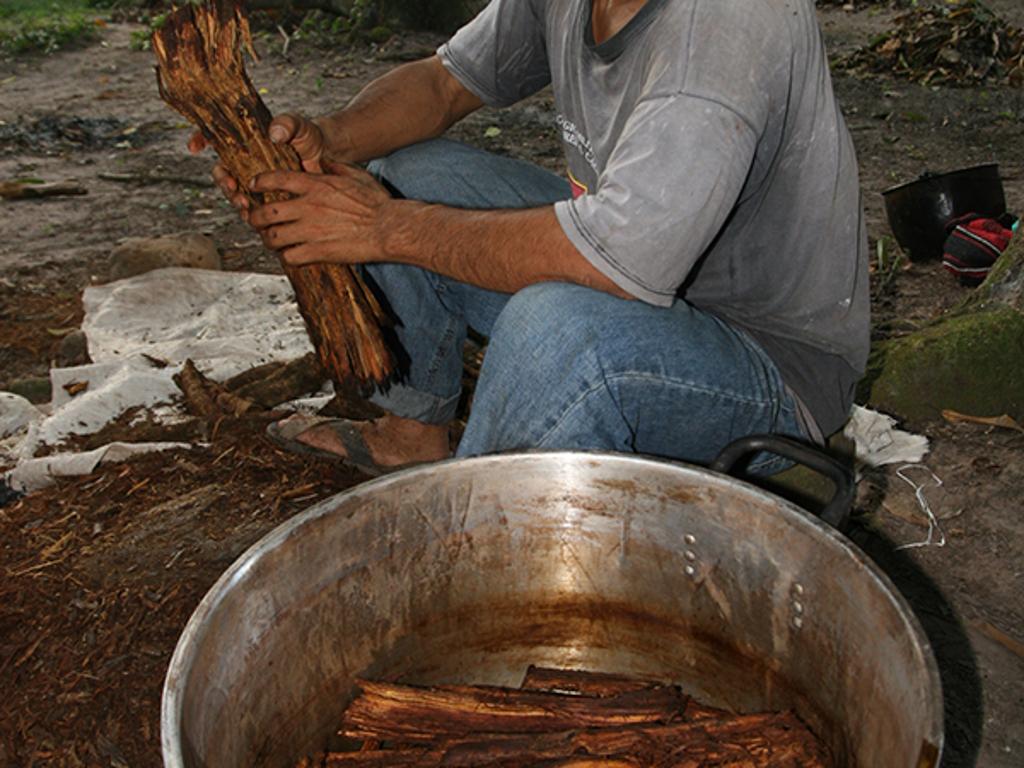
Mescaline doesn't get the attention that ayahuasca and psilocybin get these days, and that's a strange thing when you think about it. We're talking about one of the oldest psychedelic medicines on the planet — used continuously for somewhere around six thousand years across the Americas — and yet most people researching plant medicine retreats today barely know how to pronounce huachuma, let alone tell a San Pedro from a Peruvian torch. So let's fix that. If you're weighing a mescaline ceremony, looking at master plants more broadly, or just trying to understand what's actually in those tall green columns people keep posting from the Andes, this is the orientation I wish someone had given me before my first cup. A mescaline cactus is any of several cactus species that produce mescaline, a naturally occurring psychedelic alkaloid. Pharmacologically, mescaline sits in the same broad family as psilocybin and LSD — it binds to serotonin receptors and rearranges perception for several hours. But the experience people describe is its own thing entirely. Warmer. More embodied. Less of the chaotic visual fireworks of a strong mushroom trip, more of a long, lucid conversation with the world around you. The plants themselves vary enormously. Peyote is a small, button-shaped, spineless cactus that hugs the desert floor in northern Mexico and parts of Texas. San Pedro and its relatives are tall, ribbed columns that can grow taller than a person in a few good seasons. They look almost nothing alike, but the chemistry overlaps, and the ceremonies that use them share a family resemblance. One thing to understand up front: mescaline is one of those substances where the plant matters as much as the molecule. Indigenous traditions don't talk about it as a drug. They talk about it as a teacher, a grandfather, a being with its own intelligence. You can take that literally or metaphorically, but the framing shapes how the ceremonies are run — and how the experiences tend to unfold. Archaeological evidence puts ceremonial peyote use in northern Mexico at roughly 5,700 years ago. San Pedro use in the Andes goes back at least 3,000 years, with stone carvings at Chavín de Huántar in Peru depicting figures holding what's clearly a tall, ribbed cactus. These aren't fringe traditions. They're foundational ones, woven into the spiritual and medical practices of entire civilizations. When the Spanish arrived, they tried hard to stamp it out. Missionaries called peyote diabolical, persecuted its users, and drove the ceremonies underground. They mostly failed. The Wixárika (Huichol) people of Mexico still walk hundreds of kilometres each year to harvest peyote in their ancestral pilgrimage. The Native American Church, formed in the early twentieth century, won legal protection in the United States to continue peyote ceremonies. In Peru, Bolivia, and Ecuador, the San Pedro tradition — often called huachuma — never really stopped. The substance entered Western consciousness through a strange door. Aldous Huxley took mescaline in 1953 and wrote The Doors of Perception, a slim, beautiful book that influenced everyone from Jim Morrison to a generation of seekers. Then Carlos Castaneda's books on a possibly-fictional Yaqui sorcerer named Don Juan added more mythology and confusion. By the late sixties, mescaline had a reputation in counterculture circles — though most of the people who claimed to be taking it were actually taking LSD sold as mescaline, which has been a problem ever since. There are dozens of mescaline-containing cacti, but four really matter for anyone considering working with this medicine. Potency varies wildly between individual plants, even from the same parent cutting. Soil, sun, altitude, water stress, and age all matter. There's a longstanding folk belief that stressing the plant — drought, mild damage, harsh sun — pushes it to produce more alkaloids as a defence. The science here is thin, but experienced growers swear by it. I'll be honest: describing a psychedelic experience is like describing a piece of music to someone who's never heard one. You end up gesturing at it. But there are some reliable patterns worth knowing if you're considering sitting with this medicine. The come-up is slow. Where psilocybin can hit you in forty minutes and ayahuasca within an hour, mescaline takes its time — often an hour and a half to two hours before things really shift. The early part is often physical. Nausea is common (the brew tastes legitimately terrible, and the alkaloids are hard on the stomach). Some people purge. Some don't. After that initial body load passes, what tends to come is a long, sustained openness that can last eight to twelve hours. The visuals are subtler than mushrooms — more geometric, more woven into what you're already seeing rather than overlaid on it. Colours saturate. Edges soften. The world becomes textured in a way that's hard to describe but easy to recognise once you've felt it. Emotionally, people often report a deep warmth and connection to nature, sometimes a kind of philosophical lucidity that feels less like tripping and more like finally thinking clearly. Many describe an unusual sense of being held. That said: mescaline is not gentle. Twelve hours is a long time to be in an altered state. Difficult emotional material surfaces. Old grief, old patterns, things you've been avoiding — they tend to walk into the room and sit down across from you. Which is exactly the point, but it's worth knowing before you sign up. The research is decades behind where it should be. Mescaline got swept up in the 1970 Controlled Substances Act in the US and similar laws elsewhere, and serious study mostly stopped for fifty years. We're only now seeing it pick up again. That said, the available signals are interesting. A 2021 survey study published in the Journal of Psychopharmacology looked at people who'd used mescaline and found that a substantial portion reported lasting improvements in depression, anxiety, PTSD, and substance-use disorders following their experiences. Long-running observational data from the Native American Church suggests members have lower rates of alcoholism than comparable populations, though confounding factors make that hard to interpret cleanly. What's emerging — and this matches what experienced facilitators have been saying for years — is that mescaline seems particularly suited to integrative, life-pattern work. It's less about a single explosive insight and more about a slow rearrangement of how you see your relationships, your habits, your direction. For someone stuck in addiction, depression, or a calcified life pattern, that long, lucid window can be genuinely useful. It is not a cure. Anyone telling you otherwise is selling something. If you're considering a huachuma or San Pedro retreat — most mescaline retreats use San Pedro for practical reasons — the same principles apply that apply to any plant medicine retreat. But there are a few specifics worth flagging. Mescaline itself is a Schedule I controlled substance in the United States and is illegal in most of Europe, the UK, and Australia. The plants that contain it occupy a stranger legal grey zone. In many countries — including the US, the UK, and most of the EU — you can legally buy, sell, and grow San Pedro, Peruvian torch, and Bolivian torch as ornamental plants. Preparing them for consumption is the line you cross. Peyote is more tightly restricted almost everywhere. In Peru, San Pedro use in traditional ceremony is legal and culturally protected. This is the main reason most serious huachuma retreats operate there or in Ecuador. If you're considering a ceremony, doing it in a country where the practice is legal and culturally embedded is by far the cleaner path — legally, ethically, and experientially. Mescaline isn't for everyone, and the romance around plant medicine sometimes glosses over the difficult parts. The body load is real. The duration is long enough that if you're having a hard time at hour four, you've still got hours to go. People with personal or family histories of psychosis should not take this medicine. People on certain antidepressants need to taper carefully under medical supervision before they can sit safely. And — this one's important — mescaline doesn't fix anything by itself. It opens a door. What you do after walking through it is what matters. The people I've seen genuinely transform their lives after a San Pedro retreat are the ones who came home and changed how they lived. Therapy, community, daily practice, hard conversations. The medicine pointed; they walked. If any of this resonates and you want to look at what's actually available, a range of huachuma and San Pedro retreats can be browsed on our marketplace here. Take your time choosing. The plant has been waiting six thousand years — another month of careful research won't hurt.
What an Ibogaine Trip Actually Feels Like: An Honest Walkthrough
People rarely ask about ibogaine casually. By the time someone is googling “what does an ibogaine trip feel like,” they're usually weighing something serious — an opioid habit that won't quit, a depression that's outlasted three medications, a trauma loop they can't think their way out of. So let's skip the mystical preamble and talk plainly about what actually happens when you take a flood dose of this West African root. Ibogaine is the principal alkaloid in iboga, a shrub used ceremonially by the Bwiti of Gabon for centuries. In the West, it's been studied mostly for one thing: interrupting addiction, particularly to opioids. But the experience itself — long, strange, physically demanding, often profoundly confrontational — is its own animal. It is not a pleasant psychedelic. It is not recreational. And it deserves a clear-eyed description before anyone signs up. Before we get into the trip, a quick reality check. Ibogaine is cardiotoxic at the doses used for addiction interruption. It can slow your heart rate dramatically and lengthen the QT interval, which is a fancy way of saying it can trigger fatal arrhythmias in people who weren't screened properly. Every reputable clinic runs an EKG, checks liver enzymes, and reviews your medications for at least a week before you swallow anything. If a provider skips that, walk away. Most people who do ibogaine therapeutically take what's called a flood dose — somewhere between 15 and 20 mg per kilogram of body weight. That's the territory we'll describe here. Microdoses and ceremonial Bwiti doses produce very different experiences, more like a long, mildly stimulating contemplation than the deep journey a flood produces. You'll typically be lying down in a darkened room, fitted with a heart monitor, with a facilitator or nurse checking your vitals every twenty minutes or so. Phones away. Eyeshades optional. The session unfolds in distinct phases, and knowing them in advance is genuinely useful — it's a map for territory that can otherwise feel disorienting. About 30 to 60 minutes after dosing, the first sign tends to be auditory. A low buzzing or humming, like a fluorescent light somewhere in the room you can't quite locate. People describe it as cicadas, a tuning fork, a far-off engine. It's not unpleasant — more like the room itself has acquired a faint frequency. Then comes ataxia. Your coordination goes. If you try to stand and walk to the bathroom (which you'll probably need to do — more on that), you'll feel like you've had several drinks too many. This is why facilitators insist on a bedpan or a chaperoned trip to the toilet. People have fallen and broken bones during ibogaine sessions. It's not a heroic challenge. Just accept the help. Nausea typically arrives in this window too. Many people vomit at least once. Some vomit several times. Traditional Bwiti practitioners regard the purge as part of the medicine's work, which is a generous interpretation when you're hugging a bucket at 2 a.m. Anti-nausea medication tends to interact poorly with ibogaine, so most clinics ride it out with hydration and patience. This is the part people are usually asking about. Roughly an hour or two in, with eyes closed, the visual material begins. And here's the first surprise: it doesn't look much like other psychedelics. Ayahuasca and psilocybin tend to produce vivid, often geometric, often nature-saturated imagery while you're clearly still you, watching it. Ibogaine works more like a film projector aimed at the back of your skull. People consistently describe it as cinematic. Scenes from your own life play out — sometimes literally, frame by frame — but also scenes you've never lived: ancestors you never met, places you've never been, narratives that feel pulled from a library you didn't know you had access to. The visions are usually crisp, often in muted earth tones, and they have a curious quality of feeling neither fully real nor fully imagined. More like memory than hallucination. What surprises most first-timers is the emotional register. Ibogaine visions tend to be observational rather than overwhelming. You watch your own teenage decisions like footage in an editing bay. You see the moment a relationship started breaking, and the small choice you made that contributed. There's grief, sure. But the dominant feeling people report is something closer to understanding — a long, patient look at how you got here. This phase lasts roughly four to eight hours. It is long. People often describe time slowing down or losing meaning entirely. You may be physically exhausted but mentally hyper-aware. Sleep is mostly impossible — ibogaine is paradoxically a stimulant despite the heavy body, and you'll likely stay in a wakeful, dreamy state through the whole night. By the next morning, the active visions fade, but you are far from done. Ibogaine has a long half-life — its main metabolite, noribogaine, sticks around in the body for days, sometimes weeks. The 24 to 72 hours after the trip are often described as the “gray day” or the integration window. Movement is slow. You're tired in a way coffee can't touch. Light might feel too bright. Sound too loud. What's happening here is significant, especially for people who came to interrupt an opioid dependence. The classic finding — the one that put ibogaine on the map in addiction research — is that the usual withdrawal symptoms are dramatically reduced or absent. People who would normally be in acute opioid withdrawal find themselves uncomfortable but functional, often without the bone-deep restlessness and craving that defines the experience. That window of cleared craving is not a cure. It's an opportunity. The neurochemical reset that ibogaine appears to produce — affecting opioid receptors, serotonin, dopamine, and the glial cell-derived neurotrophic factor pathway — gives someone a relatively quiet mind in which to start building a different life. Without follow-up work, the window closes. Readers often arrive here after researching ayahuasca and wondering whether ibogaine is the more direct route, especially for addiction. They're different medicines for different jobs. Ayahuasca tends to work emotionally and somatically — purging, weeping, encountering the felt sense of grief and love. Psilocybin opens a more spacious, often awe-tinged state that's useful for depression and end-of-life anxiety. Ibogaine is the most physically demanding of the three and the most narratively structured. It shows you the film of your life and, for some people, edits the cravings out. It's also the riskiest of the common plant medicines. Ayahuasca has its contraindications (mostly SSRIs and certain medications), but ibogaine's cardiac risk profile is in another category. There is no responsible at-home version of a flood dose. There is no clever workaround for the screening. If a facilitator or retreat is willing to skip the EKG and the medical intake, that is the entire reason to choose someone else. If you're researching ibogaine because something in your life isn't working — a substance you can't put down, a depression that's outlasted your therapist's ideas, a pattern you can see clearly but can't break — it's worth taking seriously, and worth taking slowly. Talk to your doctor about your heart. Get the EKG even before you contact a clinic. Read participant accounts written more than a year after the fact, not just the glowing first-week testimonials. Ask any clinic you consider: who runs the medical screening, what's the staff-to-participant ratio, what happens if someone's vitals destabilize, and what aftercare looks like for the first 90 days. A reputable provider will answer all of this without flinching. They'll also tell you honestly whether you're a good candidate. Some people aren't, and that's a feature of good screening, not a problem. If, after all that, an ibogaine session still feels like the right next step, a range of vetted ibogaine and plant-medicine programs can be browsed on our marketplace here. Whatever you decide, decide it with your eyes open — that, more than anything, is the spirit the medicine seems to reward.
Why Wall Street Is Betting on Psychedelic Medicine for Mental Health
A few years ago, if you mentioned psilocybin or MDMA at a hedge-fund dinner, you'd get a raised eyebrow and a polite subject change. Now you get business cards. Something has genuinely shifted — and it's not just the kind of shift that shows up in lifestyle magazines. It's showing up in IPO filings, clinical trial registries, and Schedule I drug-development pipelines that are being shepherded by people in expensive suits. For anyone watching the world of psychedelics, plant medicine, and addiction treatment, this is one of the more interesting plot twists of the decade. Compounds that were criminalized in the 1970s are now being studied as serious candidates for treating depression, PTSD, and substance-use disorders. And the money following them tells you the smart-money crowd thinks something real is happening. Start with the unglamorous numbers. Roughly a billion people worldwide live with depression, anxiety, PTSD, or substance abuse. In the United States, the opioid crisis alone burns through hundreds of billions of dollars a year in healthcare costs, lost productivity, and the kind of human wreckage that doesn't fit neatly on a spreadsheet. Global mental-health costs over a twenty-year window have been estimated at up to sixteen trillion dollars. Then layer on what happened after the pandemic. Loneliness, deferred grief, economic anxiety, and a frayed sense of meaning didn't quietly resolve themselves when restrictions lifted. The CDC reported during the pandemic years that around forty percent of American adults were grappling with mental health or substance issues, and roughly eleven percent had considered suicide. Numbers like that don't bounce back overnight. SSRIs help some people. Talk therapy helps some people. But the gap between what conventional psychiatry can deliver and the scale of the problem is enormous. That gap is exactly what investors and clinicians are now looking at when they evaluate psychedelics — not as a counterculture revival, but as a possible new pharmacological category. Fair question. Anyone who watched the cannabis sector balloon and then deflate has earned the right to be suspicious. The lesson from that boom was painful and clear: an industry whose entire business model depended on lobbying state legislatures, with no federal approval and no real moat against commodity pricing, is a fragile thing. A lot of people who were sure they'd found the next big thing learned that warm-climate farmland is not, in fact, a defensible asset. Psychedelic medicine looks structurally different, and that's the part worth paying attention to. The serious companies in the space — Compass Pathways, MindMed, atai Life Sciences, and a growing field behind them — aren't chasing decriminalization ballot measures as their business strategy. They're doing FDA-regulated clinical trials. They're filing patents on delivery methods, formulations, and treatment protocols. They're behaving, in other words, like biotech companies rather than like dispensaries. That doesn't make any single bet safe. Biotech is brutal. Trials fail. Phase 2 results that looked promising can collapse in Phase 3. Companies raise hundreds of millions of dollars and still go to zero. But the regulatory path is real, and that changes the risk profile in ways the cannabis sector never managed. If you want to understand where the money is flowing, follow the molecules. Here's a rough map of the territory: Ayahuasca, the Amazonian brew built around DMT-containing plants, sits in a more interesting position. It's deeply tied to traditional ceremony, which means it doesn't fit neatly into a clinical-trial framework. But the underlying pharmacology is being studied closely, and several research groups are looking at whether the ceremonial container itself contains something pharmacology alone can't reproduce. Most readers of this site aren't trying to buy biotech stocks. You're trying to figure out whether plant medicine might help with something specific — a depression that hasn't lifted, a drinking pattern you can't shake, trauma that keeps replaying, or just a sense that you've gone numb. The institutional investment story matters to you for a different reason than it matters to a fund manager. It matters because it's accelerating research, training, and access. Money in the system means more trials, more trained therapists, more data on what works for whom, and — gradually — more legal pathways to treatment that don't require flying to Peru or trusting an underground guide you met through a friend. That's a real shift, even if it's slower than the headlines suggest. It also matters because it raises legitimate concerns. As psychedelic medicine becomes a market, you'll see retreats marketed with the polish of a tech startup, prices that don't always match the quality of care, and facilitators with credentials that range from decades of ceremonial training to a weekend workshop. The hype cycle creates real opportunities for healing and real opportunities for harm. Sorting one from the other is the work. If the wider conversation about psychedelics has nudged you toward looking at an actual retreat — for ayahuasca, psilocybin, ibogaine, or another plant medicine — here's a short list of things that matter more than the marketing photos: The whole story is unfinished. Regulators are moving cautiously. Some early hype has cooled. A few of the headline companies have had setbacks that reminded everyone biotech is hard. But the underlying signal — that ancient compounds, taken seriously and used carefully, can do something measurable for conditions that modern psychiatry has struggled with — has not gone away. If anything, it's gotten clearer. Albert Hofmann, who first synthesized LSD in a Basel lab in 1938, called the molecule his "problem child" and said he hoped it might one day grow into a "wonderchild." That's a romantic framing, but it captures something true. We're living through the long, slow, complicated process of finding out which of these substances can actually deliver on the promises whispered about them for generations — and which can't. For readers who want to take this further than reading, a curated range of ayahuasca, psilocybin, and ibogaine retreats can be browsed on our marketplace here. Wherever you land — investor, skeptic, or someone quietly hoping for a way through — the conversation is more honest now than it's been in fifty years, and that's worth something on its own.
Dreaming of a Psychedelic Retreat?
We have the best deals and offers from thousands of organizers all over the world! Get them into your mailbox every week!
We value your privacy. Your email address will never be shared or published.
