 English
 Deutsch
 Français
 Nederlands
 Español


Reset. Heal. Grow.

Bobinsana: The Amazonian Master Plant of the Heart Explained
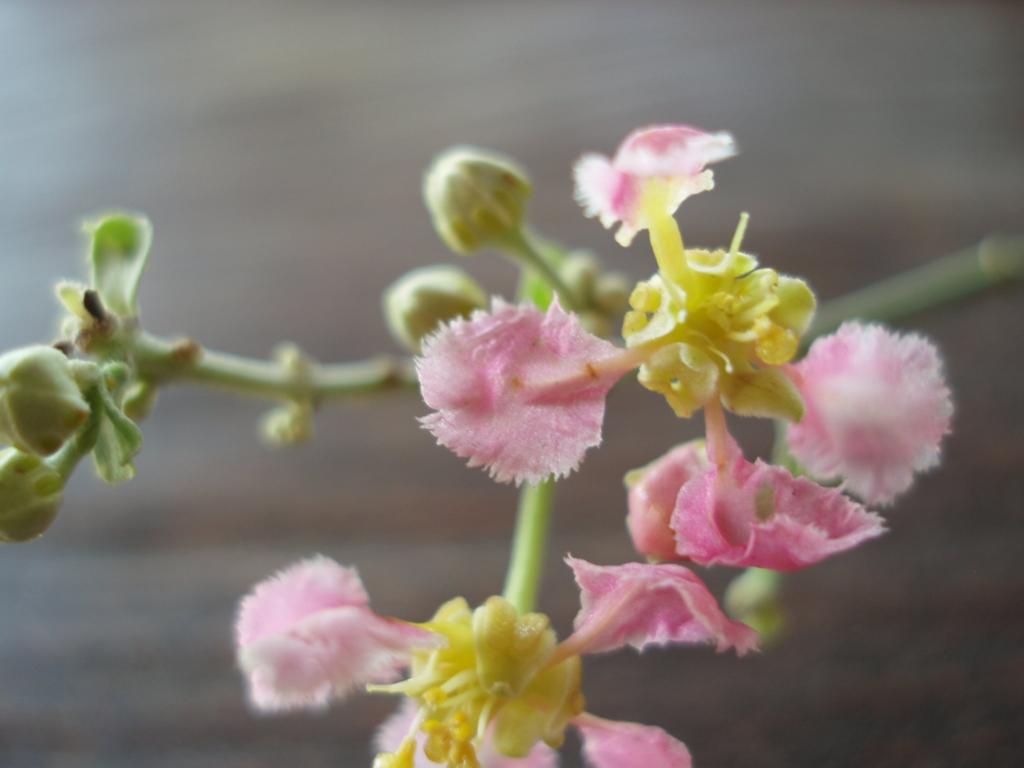
The first time I heard a curandero mention bobinsana, he tapped his chest twice and smiled. “Plant of the heart,” he said, and moved on to something else. That was it. No dramatic explanation. In the Amazon, the most important plants often get introduced this way — a single phrase, a gesture, and the rest is left for you to discover through the work itself. If you've been sent a bottle of bobinsana tincture, or you're looking at a retreat that offers her as part of an ayahuasca dieta, you probably want more than a shrugged “plant of the heart.” Fair enough. Here's what she actually is, what people report from working with her, and how she fits into the broader world of master plants and psychedelic healing. Bobinsana (Calliandra angustifolia) is a shrub that grows along the riverbanks and floodplains of the western Amazon — Peru, Ecuador, Colombia, Bolivia. She's easy to spot when she's flowering: soft pink pom-pom blossoms hanging over the water like something out of a Dr. Seuss book. The mestizo shamans of the Ucayali and the Napo have used her for generations, mostly the bark and the roots, prepared as a decoction, a macerado in aguardiente, or included in longer master-plant dietas. She's not a psychedelic in the sense that ayahuasca or psilocybin is. Drinking a cup of bobinsana tea will not send you tumbling through geometric visions. What she does is subtler, and that subtlety is the whole point. In the Shipibo and mestizo traditions, bobinsana belongs to a category of plantas maestras — master plants — whose job is to teach, not to entertain. You take her over time. She works on you slowly. Chemically, researchers have found flavonoids, sterols, and some minor alkaloids in the plant, but nothing that would explain her reputation on pharmacology alone. Which is, honestly, how it goes with most master plants. The action is real; the mechanism is not neatly mapped. Ask ten people who've dieted bobinsana what she does and you'll get ten variations on the same theme: she softens something. Chest opens up. Old grief that had been sitting there quietly for a decade suddenly has permission to move. People cry easily on bobinsana. Not in a bad way — more like the way you cry when you finally sit down after a long day and someone asks how you're actually doing. Here are the effects that come up again and again in participant reports and facilitator interviews: Curanderos will tell you she's particularly useful for grief, for heartbreak, for people whose life has become a project rather than a lived thing. Whether you take that literally or as a poetic frame, the pattern in reports is consistent enough to be worth taking seriously. Most people encounter bobinsana in one of three ways. The first is at home — a tincture arrives in the mail, and they take a dropperful before bed and see what shows up in their dreams. The second is as an isolated master-plant dieta, usually eight to thirty days in a jungle tambo, drinking her daily under strict food and behavioural restrictions. The third is as an addition inside an ayahuasca retreat — the maestro adds her to the brew, or gives her separately during the days between ceremonies. The traditional dieta is where her reputation really comes from. You eat plainly — no salt, no sugar, no oil, no pork, no spice — and you avoid sex, strong emotions, television, and confrontation. Just you, a hammock, the plant, and the jungle. In this container, over days, the plant does its teaching. People come out of a bobinsana dieta describing a shift they can't quite put into words, only that something in the chest has loosened. If you're considering a retreat that features her, ask the facilitators specifically how she's used. There's a real difference between a place that grows her on-site and prepares her with intention, and a place that added her to the brochure because master plants sell. A reputable maestro will be able to tell you where the plant came from, how it was prepared, and why it's being offered to you specifically. Vague answers are a red flag. Bobinsana has a mild reputation and no known serious toxicity in traditional doses, but “mild” is not the same as “ignore the details.” A few practical points: None of this is meant to scare you off. It's meant to help you take her seriously, which is what she seems to ask of the people who work with her. The current wave of interest in ayahuasca, psilocybin, and other psychedelics tends to focus on the big, dramatic experiences — the breakthrough journey, the mystical peak, the addiction interrupted in a single night. That framing has real merit; the research on plant medicine for addiction and depression is genuinely exciting. But it also misses something the Amazonian traditions have been quietly saying for a long time: the big medicines work better when they're supported by the small ones. Master plants like bobinsana, chiric sanango, ajo sacha, mucura, and piñon colorado are the quiet architecture underneath the ayahuasca experience. They prepare the body. They soften the heart. They give the ceremony something to work with. A person who has spent a couple of weeks in dieta with bobinsana tends to have a very different ayahuasca experience than someone who arrived from the airport that afternoon. This is worth sitting with if you're researching a retreat. The presence — or absence — of a real master-plant tradition is one of the more honest ways to distinguish a serious center from a fast-turnaround operation. Ask about the dietas. Ask which plants they work with and why. The answers will tell you a lot. So: the bottle is on your kitchen counter, and you're wondering what to do. A few unglamorous suggestions. Start low. Three to five drops in a little water, once a day, in the evening. Keep a notebook by the bed and write down your dreams the moment you wake up, even the fragments. Notice how your chest feels — not as a chakra concept, just physically, in the place where your ribs meet. Notice whether people irritate you less or more than usual. Notice what wants to be cried about. Don't mix her with other new supplements in the same week. Don't drink heavily while you're with her — she doesn't like it and neither will you. Give her at least two or three weeks before deciding whether she's doing anything, because subtle plants take time to show themselves. And if the pull grows stronger — if you find yourself curious about a proper dieta or an ayahuasca ceremony where she's part of the work — that's the plant doing what she does. For readers who want to take this further, curated ayahuasca and master-plant retreats where bobinsana is part of the traditional dieta can be browsed on our marketplace here. Whatever you decide, take her seriously and take your time. She rewards both.
How Much More Research Do Psychedelics Actually Need Before We Trust Them?
Somewhere on the internet right now, someone is asking the same tired question: how many more decades of research do we need before psychedelics get treated like real medicine? It's a fair question. It's also a frustrating one, because the answer isn't as simple as the loudest voices on either side want it to be. The science on ayahuasca, psilocybin, ibogaine and the rest of the master plants has moved faster in the last ten years than in the previous fifty combined — and yet the gap between what researchers know and what regulators are willing to say out loud is still wide enough to drive a truck through. If you're reading this, you're probably not a policy wonk. You're someone considering a psychedelic retreat, maybe for depression, maybe for addiction, maybe for a life pattern you can't seem to shake. You want to know whether the evidence backs up the stories your friend won't stop telling you. Let's actually look at that. The short version: the evidence base is now serious. Not perfect, not universal, but serious. Johns Hopkins, Imperial College London, NYU, MAPS, and a dozen other institutions have run controlled trials on psilocybin for depression and end-of-life anxiety, MDMA for PTSD, and ayahuasca for treatment-resistant depression. Effect sizes in some of these studies are larger than anything conventional psychiatry has produced in decades. That's not marketing language — that's what the peer-reviewed papers say when you actually read them. Ibogaine, the West African root that's become a last-resort tool for opioid dependence, has a smaller but striking dataset. Observational studies from clinics in Mexico and New Zealand show meaningful reductions in withdrawal symptoms and craving after a single session. It's not a miracle cure — people have died from it when it's administered without proper cardiac screening — but the signal is real enough that Kentucky and Ohio have both floated public funding for ibogaine research aimed at the opioid crisis. Ayahuasca has been studied a bit differently, partly because it's harder to fit a jungle brew into a double-blind trial. Long-term ceremonial users show lower rates of addiction and depression than matched controls. Brain imaging shows changes in the default mode network — the same system implicated in rumination, self-criticism, and the mental loops that keep people stuck. The mechanism is becoming clearer. The bigger question is what to do with that clarity. Here's the thing about the more-research-please refrain: it's true and it's a stall tactic at the same time. Every drug in the pharmacopoeia would benefit from more research. That's just how science works. But when the standard applied to psychedelics is dramatically higher than the standard applied to, say, a new SSRI with a modest effect size and a decade of side-effect complaints, something else is going on. Part of it is genuine caution. Psychedelics are powerful. They can destabilize people with certain psychiatric histories. They interact badly with common medications, particularly SSRIs and MAOIs. A bad ayahuasca experience in the wrong setting can leave someone worse off, not better. Anyone who's spent time around ceremonies has seen this happen. Caution is warranted. Part of it, though, is political inertia. The Nixon-era scheduling of psychedelics was never really about the science — it was about the culture. Undoing that has taken fifty years and it's still not finished. So while the FDA edges toward possible approval of MDMA and psilocybin-assisted therapy, most people who want to work with plant medicine right now still travel to a legal jurisdiction and do it at a retreat. That's the practical reality. You don't need to wait for the FDA to give you permission to make an informed choice about your own healing. But you do need to be honest with yourself about a few things. This is where things get specific, and where a lot of retreat marketing gets vague. The medicines aren't interchangeable. If your central issue is opioid or alcohol dependence, ibogaine has a documented track record that ayahuasca doesn't quite match, though ayahuasca has helped many people with the psychological patterns underneath addiction. If you're working with trauma or long-term depression, psilocybin and ayahuasca both have strong cases behind them, with somewhat different textures — psilocybin tends to be shorter and more emotionally direct, ayahuasca longer and more mythic. San Pedro (huachuma) sits in a gentler register. People often describe it as more heart-opening and less confrontational than ayahuasca, better suited to grief and self-worth work than to hardcore trauma processing. Kambo, the frog secretion from the Amazon, isn't psychoactive at all but has a growing following for its detoxifying and clarifying effects — often used as a preparation for deeper plant medicine work rather than a standalone. None of this maps cleanly onto Western diagnostic categories, which is part of why the research is slower than it could be. Traditional practitioners don't think in DSM terms. They think in terms of what the plant does to a specific person on a specific night, and they adjust accordingly. That's harder to publish in a journal. So how many more decades of research do we need? Probably fewer than skeptics claim and more than enthusiasts want to admit. The core clinical picture — that psychedelics, used carefully in the right setting, can produce durable improvements in depression, addiction, and trauma-related conditions — is now well established. What we still need is better data on who shouldn't take them, how to prevent the rare but real cases of prolonged difficulty afterward, and how to make integration support actually accessible to the people who need it. In the meantime, thousands of people every month are quietly booking retreats and finding what they came for. Some come back changed in ways they can't fully explain. Some come back with more questions than answers. A few come back and realize they needed a therapist, not a shaman, and that's useful information too. If any of this is landing for you, the honest next step isn't to book the first retreat that pops up on a Google ad. It's to read carefully, talk to people who've done the work, and choose a place that treats you like a whole person rather than a customer. For readers who want to take that further, a range of vetted ayahuasca, psilocybin, ibogaine and other plant medicine retreats can be browsed on our marketplace here. Take your time with the decision. The medicine will still be there when you're ready.

Aspiring Holistic Healer? Why Plant Medicine Belongs in the Conversation
Somewhere between the third cup of waking-up tea and the fourth article on root-cause medicine, a question tends to surface for people drawn to holistic healing: where does plant medicine actually fit? Ayahuasca, psilocybin, ibogaine, San Pedro — they keep showing up in the same conversations as breathwork, fasting, Ayurveda, and trauma-informed therapy. And yet most introductions to holistic health barely mention them. That gap matters. Because if you're considering a career, a practice, or even just a personal path in holistic healing, the master plants and psychedelics deserve a real seat at the table — not as a fringe curiosity, but as some of the oldest and most studied tools humans have for working with the mind, body, and spirit at the same time. Holistic healing isn't a single modality. It's a stance — the idea that a person is more than a collection of symptoms, and that body, mind, emotions, relationships, and spirit are all part of the same operating system. Treat the depression without touching the trauma underneath, and the depression comes back. Treat the gut without looking at the chronic stress, same story. This is exactly the terrain where master plants have been working for thousands of years. Ayahuasca in the Amazon, peyote in the Sonoran desert, iboga in Gabon, psilocybin mushrooms in Mesoamerica — these aren't recreational substances in their traditional contexts. They're considered teachers. The Shipibo word for ayahuasca, oni, doesn't translate as “drug.” It translates closer to “wisdom” or “knowing.” That distinction matters. When practitioners talk about plant medicine in a holistic frame, they're describing something closer to an intensive, embodied therapy session than a pharmaceutical intervention. The substance opens a door. What happens in the room — set, setting, facilitator, intention, music, aftercare — is the actual medicine. If you've been reading clinical literature over the past five years, you've noticed the pattern. Psilocybin trials at Johns Hopkins and Imperial College show meaningful reductions in treatment-resistant depression. Ibogaine has produced striking results for opioid dependence in observational studies from Mexico and New Zealand. MDMA-assisted therapy has moved through late-stage PTSD trials. Ayahuasca research, though smaller, points in similar directions for depression and substance use. The common thread isn't the molecule. It's what the molecule allows. People in these states report being able to look directly at memories, patterns, and feelings they've spent decades avoiding. They report a softening of the ego-grip that keeps shame and self-loathing locked in place. They report — and this is the part that fascinates holistic practitioners — feeling reconnected to something larger than their own suffering. For someone struggling with addiction, that reconnection often does more than any willpower-based program. Addiction, viewed holistically, is rarely just a chemical problem. It's a disconnection problem — from self, from body, from meaning, from community. Plant medicine, in the right container, can address all of those at once. Not as a cure. As a catalyst. You'll hear the term master plants in any serious conversation about Amazonian healing traditions. It refers to a category of plants — ayahuasca and chacruna among them, but also tobacco (mapacho), bobinsana, ajo sacha, chiric sanango, and others — that traditional healers say have their own intelligence and teach the person who drinks them. In a classic Amazonian dieta, a student or patient isolates with a single master plant for weeks or months. They eat a restricted diet, avoid salt and sugar, abstain from sex, and spend long hours in silence and dreaming. The plant, in this view, becomes a kind of teacher that imprints itself on the person — gifting songs, insights, healing capacities, sometimes things harder to name. You don't have to buy the cosmology to take this seriously. What you do have to take seriously is the depth of the framework. These traditions have spent centuries developing protocols for working with non-ordinary states of consciousness safely. Modern psychedelic therapy is, in many ways, slowly catching up. For readers who are weighing whether to actually sit in ceremony — whether for personal healing or as part of training to work in this field — a few honest considerations are worth more than any glossy retreat brochure. A facilitator who claims to cure cancer. A center that pressures you to drink more than you're comfortable with. Group sizes above twenty per ceremony with one or two facilitators. No medical intake. No integration support. Charismatic leader vibes — that gut feeling where everything is a little too curated. Trust the gut. The whole point of this work is learning to listen to it. If you're training toward holistic work — naturopathy, somatic therapy, coaching, herbalism, integrative psychiatry — plant medicine is increasingly something clients will ask you about. They're reading the same headlines. They want someone who can hold the conversation without dismissing it and without pushing them into it. That means doing your own homework. Read the clinical literature, yes, but also read anthropologists like Jeremy Narby and Stephan Beyer. Read practitioners who've trained inside traditional lineages and can describe what they actually learned. Sit with the discomfort of a worldview that doesn't map neatly onto the biomedical one. The best holistic practitioners I know are the ones who can hold multiple frameworks at once without forcing a synthesis. And — this part is harder to write but truer for it — many of the strongest practitioners have done their own work with these medicines. Not because it's required, but because something about the experience changes how you hold suffering, both your own and someone else's. You become less afraid of the dark rooms inside other people, because you've been in your own. Plant medicine isn't for everyone, and it isn't a shortcut. It's an intensive, sometimes brutal, often beautiful tool that asks a lot of the person sitting with it. Done well, in the right container, with the right preparation and aftercare, it can do work that years of conventional approaches couldn't touch. Done poorly, it can deepen wounds it should have helped close. So take your time. Read widely. Talk to people who've sat in ceremony and ask the awkward questions — what was hard, what didn't work, what they'd do differently. If something here speaks to you, a curated selection of ayahuasca and plant-medicine retreats can be browsed on our marketplace here, with notes on lineage, facilitator background, and integration support so you can compare honestly rather than guess. The path into holistic healing is long, and the plants are only one tributary feeding into it. But for anyone serious about working with the whole human being — body, mind, story, and spirit at once — they're a tributary worth knowing.
Ethical Palo Santo: How to Source Sacred Wood Without Harming the Forest
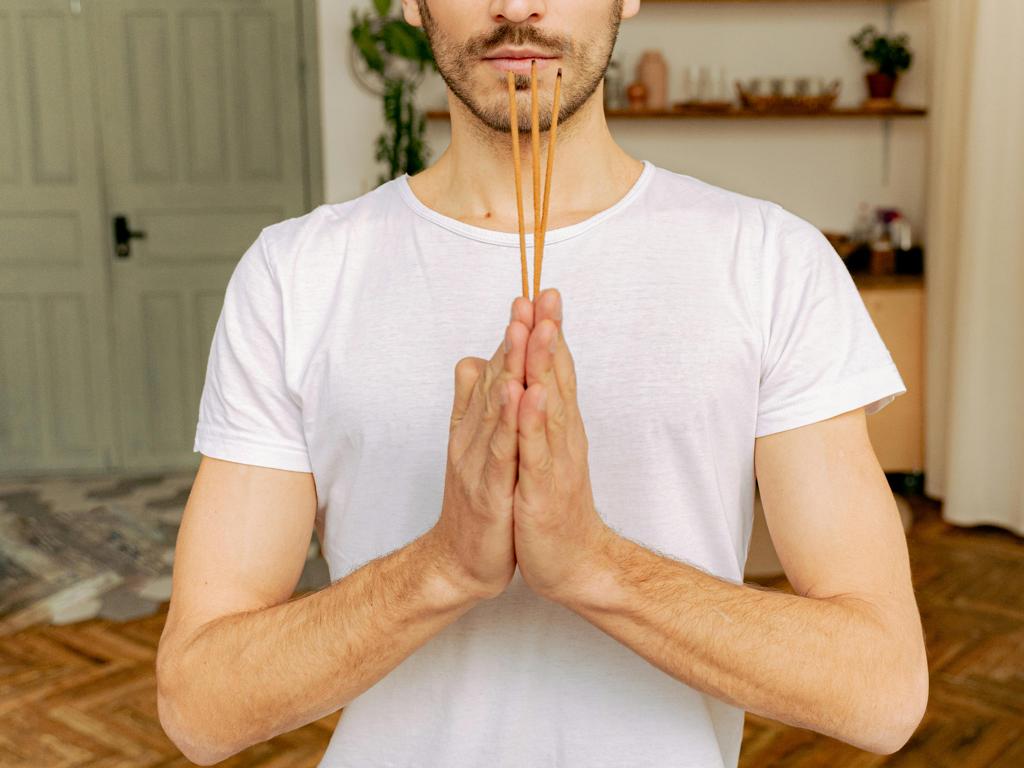
Walk into almost any wellness shop in Berlin, Brooklyn, or Bali these days and you'll smell it before you see it — that warm, milky-sweet smoke curling from a bundle of pale wood. Palo santo. The “holy wood” of South America. It's everywhere now, sold in tidy four-stick packets at yoga studios and tucked into $90 ceremony kits on Instagram. And somewhere along the way, a lot of people started asking a reasonable question: is the stuff I'm burning actually ethical? It's a fair thing to wonder. The plant-medicine and psychedelic world has had to reckon with the same question about ayahuasca, peyote, and even certain master plants — when a sacred Indigenous practice becomes a global wellness product, things get complicated fast. Palo santo sits squarely in that conversation. Here's what I've learned from years of writing about plant medicine, talking to importers, and yes, getting some answers very wrong before I got them right. Palo santo (Bursera graveolens) is a tree native to the dry tropical forests of Ecuador, Peru, and parts of Central America. It's a relative of frankincense and myrrh, which is part of why the smoke smells the way it does — resinous, citrusy, almost vanilla at the edges. Indigenous peoples of the region, particularly along Ecuador's coast, have used it for centuries in healing work, spiritual cleansing, and protection. In ayahuasca ceremonies across the Amazon, you'll often see facilitators wave a smoking stick around the maloca before the brew is served. It's part of the ritual furniture of South American plant medicine. Here's the part that often gets missed: traditionally, palo santo is only harvested after the tree has died naturally and aged on the forest floor for several years. The wood needs that long, slow decomposition for its aromatic resins to fully develop. A freshly-cut palo santo branch doesn't really smell of much. The magic happens in the years after the tree's life ends. Which means — and this matters — sustainable palo santo, in principle, should never require cutting down a living tree. Because demand exploded, and supply chains got murky. When something becomes trendy in the global wellness market, the pressure on the source ecosystem multiplies fast. A few specific issues come up again and again: None of this means you have to stop burning palo santo. It means you have to actually pay attention to who you're buying it from. This is the part most blog posts skip, so let's get specific. When I'm vetting a seller — whether for myself or for a retreat recommendation — I look for several concrete things. Generic Amazon listings with no origin information. Bulk lots on AliExpress. Tourist-trap shops in Cusco or Pisac that sell palo santo bundles for a dollar — much of that is dubious. Anything sold by a wellness influencer who can't tell you who harvested it. And — sorry — most of the “smudge kits” marketed at yoga studios, which tend to combine palo santo with white sage (another plant with its own serious sourcing problems involving Native American communities in California). I'm not going to drop a list of specific brand names here, because the landscape changes and a shop that was solid two years ago might have sold to investors and gone sideways since. But here are the categories worth searching: One more practical note: a single palo santo stick, used properly, lasts a long time. You light it, let it smolder for ten seconds, blow it out, and the same stick can serve you for weeks of brief cleansings. If you find yourself burning through bundles, you're probably using too much. Less is more, and that helps the forest too. Palo santo is part of a wider question that anyone drawn to plant medicine eventually has to sit with: what does it mean to use something sacred from a culture not your own, and how do you do it without contributing to harm? The honest answer involves slowing down, paying more, asking uncomfortable questions, and accepting that convenience and reverence rarely live in the same place. If you're already on the path of psychedelic healing — looking into ayahuasca, considering an ibogaine program, exploring master plants — these same instincts will serve you well. The retreats and traditions worth your time are the ones that can clearly articulate their relationships with the land and the people who tend it. The ones that can't, won't, or get cagey when you ask — keep walking. For readers thinking about taking the broader plant-medicine path further, a range of ceremonies and plant-medicine retreats that hold these questions seriously can be browsed on our marketplace here. Burn the wood gently. Ask where it came from. The forest is paying attention even when we aren't.
Psilocybin and Advanced Alzheimer's: What One Striking Case Report Actually Shows
A case report landed late last month in a peer-reviewed neuroscience journal, and within forty-eight hours the psychedelic corner of the internet had decided it was either a miracle or marketing. The subject: a woman in her eighties, ten years into an Alzheimer's diagnosis, repeatedly dosed with psilocybin under clinical observation. The reported result: noticeable functional improvements. Cue the breathless headlines. Cue the equally loud dismissals. If you're someone watching the psychedelic space because you're weighing whether plant medicine or psychedelics might help a loved one — or yourself — this is exactly the kind of story worth slowing down for. Not because it proves anything. Because it shows how easily a single data point gets inflated into a treatment claim, and how that hurts the people who most need careful information. The paper, published in Frontiers in Neuroscience, describes one patient. One. Her family and care team observed her after each session and reported changes in engagement, mood, and what clinicians call activities of daily living. The authors are clear about the scope: this is a hypothesis-generating observation, not a treatment protocol. Marcos Lago, the psychiatrist who led the report, told interviewers that both uncritical enthusiasm and automatic dismissal are scientifically unhelpful. He's right, and the fact that he had to say it tells you everything about the temperature of the conversation. The reviewer assigned to the paper, an anesthesiology professor at the University of Michigan, said he was both surprised and not surprised. Surprised because a single dose producing visible functional improvement in advanced Alzheimer's is genuinely striking. Not surprised because psilocybin has a growing track record in preclinical and clinical work for stubborn conditions — chronic pain, depression that won't budge, addiction patterns that have outlasted every other intervention. There's biological plausibility here. That's different from proof. One important detail that gets lost in the social-media churn: the paper does not claim to treat or reverse Alzheimer's. It documents functional improvements in one person and calls for controlled study. That distinction matters. Case reports occupy a strange spot in the evidence hierarchy. They sit near the bottom in terms of statistical weight — one patient, no control, no blinding, no placebo arm. Yet historically, case reports have flagged things that later turned out to matter enormously. The first descriptions of HIV. The early signals on thalidomide. The original observations about lithium and mania. Medicine often starts with someone noticing something and writing it down carefully. So a single Alzheimer's case shouldn't be dismissed. It also shouldn't be sold as a breakthrough. Here's what a careful reader should ask: That last question is the ethical sinkhole nobody wants to step into. Advanced Alzheimer's compromises the very capacity that informed consent depends on. Family proxies can sign forms, but a psychedelic experience is not a knee replacement. It involves consciousness, identity, and sometimes intense psychological content. Giving a high-dose serotonergic compound to someone who cannot fully understand what's about to happen to them is not the same as giving them a new blood-pressure medication, and pretending otherwise is dishonest. Step back from this one report and look at the broader pattern. Over the last decade, psilocybin, MDMA, ketamine, and ayahuasca have all generated signals in conditions where mainstream medicine has been stuck for years. Treatment-resistant depression. PTSD. Cluster headaches. End-of-life anxiety. Addiction recovery, particularly alcohol and tobacco use disorders. The list keeps growing, and the mechanisms researchers point to keep overlapping: increased neuroplasticity, changes in default-mode network activity, a window of heightened psychological flexibility. None of this means psychedelics are a universal solvent. It does mean that something interesting is happening at the intersection of these compounds and the brain's capacity to change. The Alzheimer's case fits that pattern in a tentative, intriguing way — neuroplasticity is exactly what an aging, plaque-burdened brain is short on. The question for the field is whether researchers can move from anecdote to controlled trial without the funding drying up or the regulatory environment souring. There are very few groups actively studying psilocybin in dementia populations right now. Recruiting is hard. Ethics review is harder. And the legal status of these compounds in most countries still makes the paperwork heavier than it needs to be. If you landed here while researching whether to attend a psychedelic retreat — for yourself, or because you're watching a parent decline and wondering if there's anything that might help — please read the next bit carefully. Retreats are not clinical trials. A reputable ayahuasca or psilocybin retreat is set up for psychologically stable adults working on depression, trauma, addiction, or life stagnation. They are not equipped to manage advanced Alzheimer's, late-stage Parkinson's, active psychosis, or severe cardiovascular disease. Any facilitator who tells you otherwise is one you should walk away from. The screening forms exist for a reason, and the reason is that these medicines genuinely affect the body and mind in ways that interact badly with certain conditions. For people in the broader population — those dealing with depression, PTSD, addiction, or the slow grind of feeling stuck — the evidence for plant medicine and psychedelics is more developed. Not perfect, not universally applicable, but real. If that's where you are, the considerations are different: One last piece of practical advice, because the next viral study is already on its way. When you see a headline claiming a breakthrough — Alzheimer's, autism, anorexia, take your pick — slow down and ask three questions. How many people were in the study? Was there a control group? And what does the actual paper claim, versus what the press release claims? Press releases and Twitter threads exaggerate. They have to; that's their job. The papers themselves are usually more modest. Reading the abstract takes ten minutes and will save you from a lot of misplaced hope or unwarranted cynicism. If you can't find the original paper, that's a yellow flag on the coverage. The Alzheimer's case is a hypothesis worth following. It's not a treatment, not yet, and possibly not ever. But it's a reminder that the science of psychedelic medicine is still genuinely young, still surprising, and still worth paying attention to with both curiosity and a working skepticism. If something in this story made you wonder whether a structured plant-medicine experience might be right for your own situation, a range of vetted psychedelic and plant-medicine retreats can be browsed on our marketplace here. Take your time with the decision — the best retreat is the one you've actually thought through.
Craving More Stories?
Join our ShopAyahuascaRetreats newsletter for the latest updates on thrilling
destinations and inspirational tales, delivered straight to your inbox!
We value your privacy. Your email address will never be shared or published.
Morning Glory Seeds and LSA: A Forgotten Psychedelic Worth Knowing About
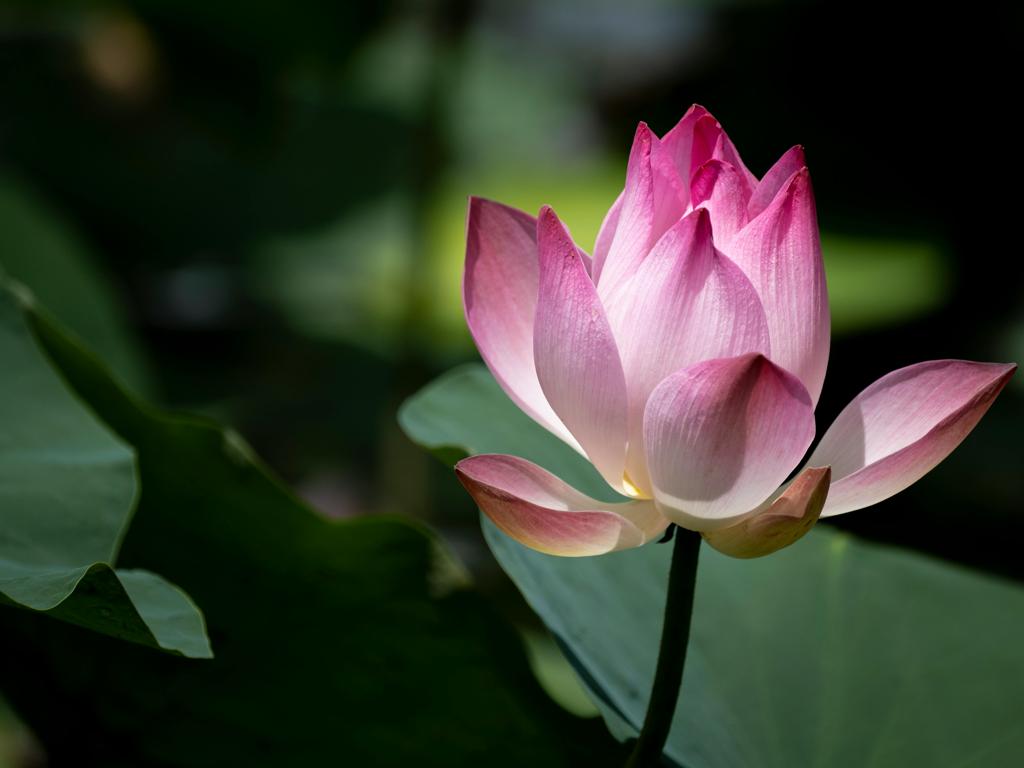
Long before psilocybin made it onto magazine covers and ayahuasca became a wellness buzzword, a humble vine was wrapping itself around fence posts in suburban gardens — quietly carrying one of the oldest psychedelic compounds humans have ever used. Morning glory seeds. The same plant your grandmother might have trained up a trellis contains LSA, a tryptamine cousin of LSD, and there's a long, strange history behind it that almost nobody talks about anymore. This isn't a how-to. It's a look at what morning glory and its LSA-containing cousins actually are, what the experience tends to be like, and where they fit into the broader conversation about psychedelics, master plants, and addiction recovery. If you're researching plant medicine seriously, this corner of the world deserves at least an honest paragraph or two. LSA — lysergic acid amide, sometimes called ergine — is a naturally occurring tryptamine found in the seeds of several climbing plants. The two most famous are Ipomoea tricolor (the common morning glory) and Turbina corymbosa, also known as ololiuqui. Hawaiian baby woodrose seeds (Argyreia nervosa) carry it too, often at higher concentrations. Chemically, LSA is a close relative of LSD. Albert Hofmann, the Swiss chemist who synthesized LSD, was the one who identified LSA in ololiuqui seeds in the 1960s — and he was surprised. At the time, scientists assumed lysergic compounds only came out of ergot fungus. Finding them in a flowering vine reshuffled the whole picture. The subjective experience is where things diverge. LSD is bright, electric, often euphoric, with a long arc — twelve hours of upholstered geometry. LSA is heavier. Slower. Dreamier. People describe a strong body load in the first hour or two — sometimes nausea, sometimes a lead-blanket sedation — followed by a softer, more introspective headspace that's closer to the threshold between waking and dreaming. It's not a party drug. It's barely even a recreational drug. It tends to put people on the couch, eyes closed, watching their own interior weather. Here's the part that gets glossed over in most psychedelic primers: ololiuqui was a sacrament in pre-Columbian Mesoamerica for centuries, possibly millennia, before Europeans arrived. The Aztecs used it. The Zapotec and Mazatec peoples used it. Spanish chroniclers in the 1500s wrote about indigenous healers — the same lineage that worked with psilocybin mushrooms and Salvia divinorum — using ololiuqui seeds in divination, healing, and ceremony. The Spanish, predictably, tried to stamp it out. They labeled it diabolical and drove the practice underground. But it survived. Twentieth-century ethnobotanists like Richard Evans Schultes and Gordon Wasson documented ololiuqui ceremonies still being performed in remote Oaxacan villages well into the modern era. The seeds were ground on a stone, mixed with cold water, strained, and drunk — usually at night, usually with a curandero present. So when people ask whether morning glory could have been a traditional shamanic medicine alongside ayahuasca, peyote, and psilocybin mushrooms, the answer is yes — it absolutely was. It's just that the lineage was disrupted hard, and unlike ayahuasca, it never got the modern renaissance. A few reasons. The first is practical: the experience is rougher around the edges than psilocybin or LSD. The body load is real. Many people who try morning glory seeds describe the first ninety minutes as genuinely unpleasant — a queasy, leaden feeling that has to be ridden out before the more visionary state opens up. That's not a great pitch for the wellness market. The second reason is that commercial seeds are often coated with fungicides and other agricultural chemicals specifically intended to discourage ingestion. This makes recreational use risky in ways that have nothing to do with the LSA itself. There are documented cases of poisoning that come down to the coatings, not the active compound. The third reason is legal ambiguity and lack of infrastructure. There's no ololiuqui retreat circuit. No facilitators have built lineages around it the way they have around ayahuasca or San Pedro. The plant exists in a strange limbo — too obscure for the underground, too dirty for the clean-psychedelic-medicine crowd, too historically important to ignore entirely. If you spend any time in ayahuasca circles, you hear about plantas maestras — master plants. The term refers to plants that, in the Amazonian view, have a teaching consciousness. They aren't just chemical delivery systems. They're entities with something to communicate to the person who sits with them properly. Whether you take that framing literally or metaphorically, it changes how you think about a plant like morning glory. Mesoamerican curanderos didn't relate to ololiuqui the way a college student relates to a baggie of seeds from a garden center. They prepared themselves. They held the ceremony at night, in silence, often alone in a dark room. They asked the plant questions and waited for answers. This is the same relational model you see in serious ayahuasca and psilocybin work today. The compound isn't the point. The context — set, setting, intention, integration — is most of the medicine. People drawn to plant medicine for addiction, depression, or stuck life patterns often discover this the hard way: the substance alone doesn't fix anything. The container around the substance is what does the work. For most people researching their first serious psychedelic experience — especially anyone considering plant medicine for addiction recovery, trauma, or depression — morning glory seeds are not the place to start. Here's why: None of that means LSA is worthless. For experienced psychonauts with good harm-reduction practices, it can be a genuinely interesting, introspective journey with a distinctive character — closer to a long lucid dream than to a classical psychedelic trip. Some practitioners working in the ethnobotanical lineage do still incorporate it. But it's a specialized tool, not a general entry point. If what's drawing you to LSA is actually the broader pull of plant medicine — the sense that something out there might help you address what years of talk therapy, prescriptions, or willpower haven't — there are better-supported paths. Ayahuasca retreats in Peru, Costa Rica, and increasingly in Europe and North America offer multi-night ceremonies with experienced facilitators, screening protocols, and integration support. Psilocybin retreats in jurisdictions where the medicine is legal or decriminalized are growing fast. Ibogaine clinics, specifically for opioid addiction, have been quietly doing serious work for decades. Each of these has its own culture, risks, and learning curve. None is a magic bullet. The reader who shows up expecting a single weekend to undo twenty years of patterns is almost always disappointed; the reader who shows up willing to do months of preparation and integration around a ceremony tends to come away changed. That's not mysticism — that's just how the work seems to function across thousands of accounts. Morning glory and its LSA-containing relatives belong to a much older story than the current psychedelic renaissance suggests, and they're worth knowing about for that reason alone. If, after reading around, you're drawn toward a more structured plant-medicine experience, a curated selection of ayahuasca and psychedelic retreats can be browsed on our marketplace here. Whatever direction you go, do the reading, talk to people who've been, and take your time. The plants, as the curanderos say, have been around a lot longer than we have. They'll still be there when you're ready.
First Psychedelic Trip: An Honest Guide to Your First Ceremony
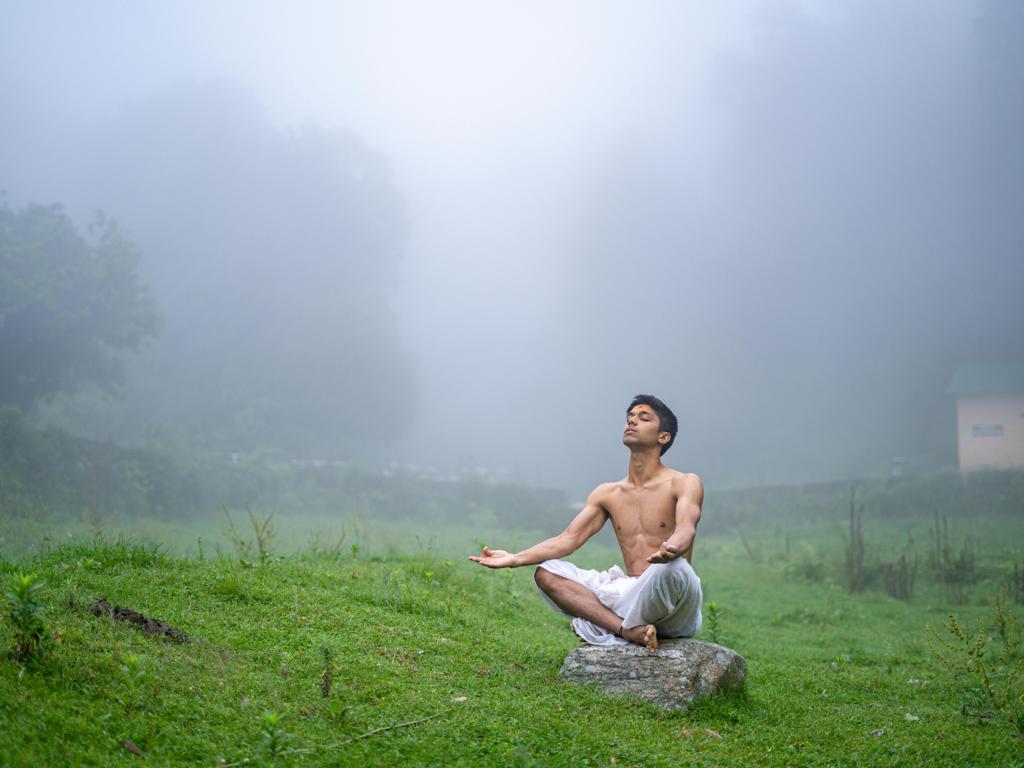
So you’re thinking about your first trip. Maybe it’s ayahuasca at a retreat in the Sacred Valley, maybe psilocybin in a legal container in the Netherlands, maybe San Pedro on a mountainside in Ecuador. Whatever the medicine, the questions tend to be the same, and most of them don’t get answered honestly online. People either oversell the bliss or overplay the terror. The truth sits somewhere in between, and it’s a lot more interesting than either extreme. I’ve spent years around plant medicine — sitting in ceremony, interviewing facilitators, talking to people the morning after their first night with the brew. What follows is what I wish someone had handed me before my first time. It’s not a substitute for talking to a trained facilitator, and it definitely isn’t a recommendation that you go drink something tonight. It’s the conversation you’d have with a friend who’s been around the block, over coffee, the week before you fly out. The cliché is that everyone goes to ayahuasca for trauma. That’s not wrong, but it’s thin. The reality is messier. Some people come because antidepressants stopped working. Some are in recovery from alcohol or opioids and have tried every twelve-step room within driving distance. Some are quietly stuck — a job they hate, a marriage running on fumes, a creative block they can’t name. A few are simply curious, and curiosity is a perfectly legitimate reason if you’re honest about it. What master plants — ayahuasca, San Pedro, iboga, psilocybin mushrooms — seem to do, in the right container, is make the things you’ve been avoiding impossible to keep avoiding. That’s the mechanism, more or less. The medicine doesn’t hand you wisdom on a plate. It removes the soundproofing between you and your own life. Whether that turns into healing or just a rough night depends on a lot of factors, most of which you can influence before you ever sit down. If you’re researching psychedelics for addiction specifically, know that the evidence base has grown considerably in the last few years. Trials at Johns Hopkins, NYU, and Imperial College London have shown meaningful results for alcohol use disorder, tobacco dependence, and treatment-resistant depression. Ibogaine — a powerful, longer alkaloid from the iboga root — has a particular reputation among opioid users for interrupting withdrawal. None of this is magic. All of it requires real preparation and real aftercare. Readiness isn’t a feeling. It’s a checklist. And it’s worth running through honestly because the consequences of skipping it are paid in the ceremony itself, not in some abstract future. If you can’t check most of those boxes, the right move is usually to wait. The retreats will still be there in six months. So will you, ideally in better shape to receive what the work is offering. People want the trip report. Fair enough. Here’s an honest sketch, with the caveat that no two ceremonies are alike and yours will be its own thing. With ayahuasca, the first hour is mostly waiting. You drink something that tastes like tar mixed with regret, you sit on your mat, you wonder if you got a weak cup. Then a shift — colors behind the eyelids, a body buzz, the icaros (the shaman’s songs) suddenly feeling like they’re happening inside your chest rather than across the room. Somewhere between forty minutes and two hours in, the medicine takes the wheel. What follows varies wildly. Some people see geometric visions and rivers of light. Others get plain, brutal clarity about their own behavior with no visuals at all. Many purge — vomiting, crying, sometimes both — and in the tradition, the purge is the point, not a side effect. You might love your facilitator, hate them, forget they exist. Time gets weird. Three hours feels like three minutes or three lifetimes. Then, slowly, you come back, the music sounds normal again, and you sleep harder than you have in years. Psilocybin is gentler in profile, usually shorter (four to six hours), and tends to feel more like a deep emotional reorientation than a metaphysical encounter. San Pedro is long and warm — eight to twelve hours, often outdoors, more grounded than transcendent. Ibogaine is its own beast: a long, often physically uncomfortable internal review that can last a day and a half. Pick the medicine that matches what you’re actually trying to do, not the one with the best Instagram aesthetic. The plant-medicine space has exploded in the last few years, and not everyone running a retreat should be. Here’s what to look for, and what to walk away from. Price isn’t a perfect signal, but it tells you something. A week-long ayahuasca retreat in Peru typically runs between $1,500 and $3,500 once you include accommodation and ceremonies. Significantly cheaper often means corners cut on safety; significantly pricier sometimes just means nicer linens. Look at what’s included, not the sticker. If I could change one thing about how first-timers approach plant medicine, it would be this: stop treating the ceremony as the destination. The ceremony is the starting gun. The race is everything that happens in the six to twelve months afterward. Integration is the unglamorous work of taking what the medicine showed you and actually changing how you live. That might mean leaving a relationship, getting sober, starting therapy, switching careers, repairing something with a parent you haven’t spoken to in eight years. None of that happens because you drank a brew. It happens because, after the brew, you finally have the clarity and the nerve to start — and you put structure around that clarity before it fades. Practical integration looks like: a weekly therapist familiar with psychedelic work, an integration circle (many run free or low-cost online), a journaling practice, time in nature, no new big decisions in the first two weeks, and a deliberate slowdown on the substances and stimuli that you’d normally use to numb out. The first month is fragile. Protect it. Plant medicine isn’t for everyone, and the people in this space who pretend otherwise are either selling something or haven’t sat with enough first-timers. Some people have life-changing experiences. Some have hard, useful experiences that take years to fully metabolize. A small number have experiences that genuinely destabilize them, which is why screening and aftercare matter as much as they do. Going in with realistic expectations — neither dread nor breathless hope — is the single best predictor I’ve seen of a good outcome. If you’ve read this far and the pull is still there, take it seriously. Talk to people who’ve done it. Read the contraindications twice. Save a little longer if you have to, so you can go somewhere properly run rather than wherever’s cheapest. For readers who want to take this further, a range of vetted ayahuasca and plant-medicine retreats can be browsed on our marketplace here. Whatever you decide, decide it slowly. The medicine, if it’s for you, will still be waiting.

Psilocybin and Alzheimer's: What That Viral Case Report Actually Says
Late last month, a single case report set the internet on fire. An 80-something woman with a decade of Alzheimer's — largely non-verbal, incontinent, dependent for nearly everything — was given five grams of dried psilocybin mushrooms. Within days, she was speaking spontaneously. Walking better. Dressing herself. Cracking jokes, even. Cue the headlines. Groundbreaking drug trial. Reverses dementia. Memory restored. Splashy stuff. The kind of story that ricochets across social feeds before anyone reads past the lede. Here's the thing, though. It wasn't a trial. There was no control group, no blinded raters, no standardised cognitive scales. It was one patient, in one private psychiatric office in São Paulo, observed by people who already knew her. That doesn't make it worthless — case reports have started plenty of legitimate research programs — but it's a long, long way from a treatment. And the psychiatrist who ran the sessions is the first to say so. The patient had been deteriorating for ten years, with the last five marked by what clinicians call hypofunction — flat affect, monosyllabic speech, chronic incontinence, difficulty swallowing, almost no spontaneous communication. Her son approached her psychiatrist, Marcos Lago, with the idea of trying psilocybin. After conversations with the legal guardian and caregivers about risks and the complete absence of evidence in advanced Alzheimer's, they went ahead. The first session used five grams of dried mushrooms of the so-called Enigma strain. According to the report, she had acute autonomic activation, profuse sweating, suspected hyperthermia, and fell into a prolonged sleep-like state. The next morning, something shifted. She began producing what the authors describe as spontaneous autobiographical speech — she was telling stories from her own life, unprompted. Over the following weeks, the changes kept stacking up. Bladder control returned. She walked with more confidence. She dressed herself. She made eye contact. A second session, this time at three grams, reportedly brought more expressivity, facial mimicry, even humour. Caregivers — people who'd watched her decline for years — said she was someone they recognised again. You can see why the press jumped on it. The story is irresistible. A cheap, ancient natural compound bringing a grandmother back from the long fog of Alzheimer's — it writes itself. The problem is that almost every word in those headlines was doing work the underlying paper couldn't support. It wasn't a clinical trial. It was private psychiatric care, written up afterward. There were no blinded independent assessors. No standardised dementia scales administered at fixed intervals. No control. The dose itself wasn't a dose in the pharmaceutical sense — dried mushrooms vary wildly in potency, and you can't convert mushroom weight into milligrams of psilocybin with any confidence. The patient's improvement, however striking, was reported through clinical observation and caregiver accounts. Those are valuable, but they're not the same thing as evidence in the regulatory sense. Lago himself is unusually clear about this. He calls the case a research hypothesis, not a treatment recommendation. He resists the framing that any of this proves efficacy. What it does, he argues, is raise a legitimate question worth investigating properly — and that's a much more modest, much more honest claim than what most of the coverage made of it. This is where things get interesting, and a bit complicated. Lago is a São Paulo psychiatrist in private practice. He says he has supervised roughly 400 psilocybin sessions involving around 200 adults — a number that would raise eyebrows almost anywhere in the world, and definitely in Brazil, where psilocybin is a proscribed substance under the country's health authority. Most of those sessions, he says, weren't conventional medical treatment. They happened within what he describes as a philosophical and contemplative framework — meditation, self-knowledge, the study of consciousness. He's also associated with a religious organisation, Associação Cruz de Ankh, which he argues operates within the constitutional protections for freedom of belief and religious practice that Brazil affords. Is that a clean legal shield? Lago doesn't claim it is. He's careful to draw lines between approved medical treatment, formal research, private psychiatric care, and ceremonial religious practice — categories that, in his words, aren't interchangeable. The Brazilian situation echoes what's happened with ayahuasca, where decades of court rulings carved out space for religious use of the brew. Whether psilocybin will follow a similar path is unsettled. If you're someone watching a parent slip into dementia, or you're considering plant medicine for your own reasons, it's worth being blunt about what this case does and doesn't establish. What it does do is suggest that psilocybin's effects on neuroplasticity, neuroinflammation, and default-mode network activity — the stuff researchers actually study — might be worth examining in dementia populations. That's a real scientific question. It deserves real trials with proper design, not viral tweets. Step back from Alzheimer's for a moment. The reason a case like this captures imagination is that it touches a broader hope: that psychedelics and master plants might unstick things that conventional medicine can't. Addiction. Depression that won't lift. Trauma stored in the body for decades. The default-mode network humming on the same anxious loop year after year. The evidence for some of these uses is genuinely promising. Psilocybin for treatment-resistant depression has produced striking results in Phase 2 trials. Ibogaine for opioid addiction has decades of underground data and now mounting clinical interest. Ayahuasca's effects on depression and substance use have been studied in religious-use cohorts for years. None of this is magic — the responsible researchers are quick to point out non-responders, adverse events, and the need for psychological support before and after. But there's a real signal in the noise. People do, sometimes, change in ways they couldn't access through talk therapy or SSRIs alone. The mechanism isn't fully understood. The set, setting, and integration matter enormously. And the people who do best are usually the ones who treated the experience as the start of work, not the end of it. For readers thinking about this for their own reasons — not Alzheimer's, but the everyday stuck places that bring most people to plant medicine — a few unglamorous suggestions. None of this is meant to talk you out of anything. Plant medicine has helped a lot of people address things that nothing else touched. It's just that the help tends to come to people who showed up prepared, not to people who showed up looking for a shortcut. The honest read on the São Paulo case is somewhere between the breathless headlines and the dismissive scoff. It's one observation. It's interesting. It probably justifies a properly designed trial in carefully screened patients with mild-to-moderate cognitive impairment, with continuous medical monitoring and standardised outcome measures. It does not justify a wave of families giving five-gram doses of unregulated mushrooms to elderly relatives at home. Please don't. What Lago seems to want — and what the field actually needs — is the boring, slow, methodical version of this story. Trials. Data. Replications. Honest reporting of the cases that didn't work alongside the ones that did. The interesting thing about psilocybin research right now is that, after decades of prohibition, that boring slow version is finally starting to happen. If reading all this has left you curious about the broader landscape of plant-medicine work — psilocybin retreats, ayahuasca ceremonies, ibogaine programs — a range of vetted psychedelic and plant-medicine retreats can be browsed on our marketplace here. Whatever you decide, decide it with eyes open.
Congratulations, You Realized Life Is Meaningless — Now What?
So you sat in ceremony. Maybe it was ayahuasca in a thatched maloca outside Iquitos. Maybe psilocybin in a quiet room with an eye mask and a playlist. Maybe a bigger-than-expected dose of something you thought you understood. And somewhere in the middle of it, the floor dropped out. Not in a scary way necessarily. In a clarifying way. You saw — really saw — that the stories you'd been carrying around about your job, your relationships, your identity, your future, were just stories. Constructions. Scaffolding. And underneath them? Nothing in particular. Just experience, happening. Welcome to one of the most common and least talked-about aftermaths of a serious psychedelic experience. The realization that meaning isn't built into the universe like a steel beam. It's something we make. And once you've seen that clearly, you can't really un-see it. This article is for the person who came home from a retreat, or surfaced from a deep journey, and is now wandering around their kitchen wondering why they should bother making the coffee. You're not broken. You're not the first. And there's actually a path through this — but it's not the one the inspirational quotes on Instagram are selling. Here's the part nobody warns you about during the pre-retreat questionnaire. A lot of people walk into a plant-medicine ceremony hoping to find meaning — a sense of purpose, a clear next step, a reason. And a meaningful chunk of those people walk out having found the opposite. They saw, with the bone-deep certainty that psychedelics can deliver, that there is no cosmic plan, no script, no objective point to any of it. This is not a malfunction of the medicine. It's actually a fairly classical mystical insight, the same one Buddhist monks spend decades chasing on the cushion. The Pali word for it is anatta — non-self. The Stoics circled it. Existentialists wrote whole bookshelves about it. What's different is that you arrived there in six hours, without the philosophical training to land softly. So the insight is real. The free-fall feeling is also real. But the despair that often follows? That part is optional. The despair comes from grafting an old assumption — meaning must come from outside me — onto a new reality where it clearly doesn't. As long as you keep waiting for the universe to hand you a reason, you'll keep finding the same empty mailbox. The current research community has a working theory for what's happening in your brain when this kind of insight hits. Psychedelics like psilocybin, DMT (the active visionary compound in ayahuasca), and mescaline (in San Pedro and peyote) appear to quiet the default mode network — the brain system most closely associated with your ongoing narrative of self. When that network goes offline, the running story about who you are and what your life means goes quiet too. And in that silence, you can briefly perceive experience without the story wrapped around it. That's the neuroscience version. The shamanic version, told around fires in the Amazon for centuries, is that the master plants show you what's actually there once you stop dressing it up. Either framing arrives at the same destination: a temporary stripping-away of the meaning-making apparatus, leaving you face to face with raw being. For some people, this is the most liberating thing that ever happened to them. For others — especially people who came to plant medicine hoping it would solve their depression, their addiction, their stuck-life feeling — the no-meaning insight can feel like a worse version of what they came in with. That's a real risk, and it's one reason competent retreat centers screen carefully and build serious integration support into their programs. In the weeks after a retreat, there's a predictable pattern. Week one: euphoria, openness, a sense of having been scrubbed clean. Week two: the glow fades and ordinary life starts pressing in again. Week three: you're back at your desk, your partner is annoying you for the same reasons they always did, and somewhere underneath, a quiet voice is asking so what was all that for? This is where the trap opens up. People try to solve the meaning problem by going back for another ceremony. Then another. Some end up rotating through retreats every few months chasing the next big insight, and each one delivers less than the last. Because the insight was never the destination. It was the door. What actually helps in this window: None of this is glamorous. None of it makes a good Instagram story. It's the slow part of the work, and it's where the actual change either happens or doesn't. Here's the move that gets you out of the trap. You stop waiting for meaning to be delivered. You start making it on purpose, with your eyes open, knowing full well that you're the one making it. This sounds like a downgrade. It's not. The person who knows their meaning is constructed and chooses it anyway is in a far stronger position than the person who believed their meaning was handed to them by a god or a job or a relationship — because the second person can have it taken away. The first person can't. What this looks like in practice is unglamorous and specific. You decide that being a good parent matters to you, not because the universe says so but because you say so. You decide your work matters because you've chosen to put care into it. You decide your friendships are worth showing up for. None of these things are objectively meaningful. All of them become meaningful the moment you treat them that way and keep treating them that way. Viktor Frankl, who survived the camps and then wrote a whole book about meaning, said it cleanly: meaning is not something we find, it's something we respond with. The psychedelic experience just removed the false bottom you were standing on. Now you get to build a real floor. Worth saying plainly. Sometimes what feels like a profound existential realization is actually a depressive episode that the medicine kicked into a higher gear. The two can be hard to tell apart from the inside. Signs it's the insight, not depression: you can still feel curiosity, you can still enjoy small things (food, music, a walk), you have energy for relationships, you sleep more or less normally, and the no-meaning realization comes with a strange undertow of freedom even when it's unsettling. Signs it might be depression: persistent low mood for more than a few weeks, loss of pleasure in everything including things you used to love, sleep that's significantly disrupted in either direction, isolating from people you care about, thoughts of self-harm. If any of those are present, talk to someone — a therapist, a doctor, your retreat's integration team. Psychedelics can absolutely surface latent depression, and the responsible move is to treat it, not to spiritualize it. If you're reading this because you've already been through a ceremony and you're trying to make sense of the aftermath, the most useful thing I can tell you is this: the disorientation you're feeling is a stage, not a verdict. People come out the other side. Most of them report, a year or two later, that the no-meaning insight became the most stable ground they've ever stood on — once they stopped fighting it and started building on it. And if you're reading this because you're considering a retreat and this whole conversation is making you nervous, good. Nerves are appropriate. Pick a place with serious screening, real integration support, and facilitators who've done their own work. Ask hard questions before you book. The retreats that take this stuff seriously will welcome the questions. The ones that don't will make you feel silly for asking, which is its own answer. For anyone wanting to look at carefully vetted ayahuasca and plant-medicine options with integration support included, a curated selection can be browsed on our marketplace here. The realization that life is meaningless isn't the end of the road. It's the part where you finally get to choose where you're walking.
Microdosing vs. Macrodosing LSD: What a Bi-Weekly 100µg Routine Really Does
Every few weeks, someone posts a version of the same question on a psychedelic forum: what if I just took 100 micrograms of LSD every two weeks, indefinitely? Not a microdose. Not a heroic dose. Something in between — enough to feel, not enough to dissolve the furniture. The replies range from cautious enthusiasm to outright alarm, and honestly, both reactions have merit. This question sits at an interesting crossroads of the broader psychedelics conversation. It's not quite the territory of master plants and ceremony — there's no curandero, no icaros, no dieta. But it borrows from that world's logic: the idea that altered states, used with intention and rhythm, can shift something stuck. Whether that idea holds up at 100 micrograms every fourteen days is the question worth chewing on. First, the dose itself. One hundred micrograms of LSD is what most people would call a light-to-moderate recreational dose. It's well above microdose territory (typically 5–20µg), and well below what veteran psychonauts consider a full psychedelic experience (200µg and up). At 100µg, expect a noticeable shift in perception — color saturation cranked up, mild visual drifting, time elongating in odd ways, and a general loosening of the usual mental scaffolding. Emotionally, the effect varies wildly by person and setting. Some people report a soft, warm openness that lasts six to eight hours. Others find themselves wrestling with anxious loops or unexpected memories. The dose is high enough that you cannot reliably work, drive, parent, or hold a serious conversation with someone outside the experience. It's also high enough that something genuinely psychedelic can happen — insights, releases, the occasional emotional avalanche. So when someone proposes doing this every two weeks, they're not proposing a maintenance routine. They're proposing twenty-six full-ish psychedelic experiences a year. That's a significant amount of inner work, even if each individual session feels modest. LSD has unusually fast and steep tolerance. Take a dose today, take the same dose tomorrow, and you'll feel almost nothing. The serotonin 5-HT2A receptors that LSD binds to downregulate quickly, and they take roughly two weeks to fully reset. This is why the bi-weekly cadence keeps surfacing — it's the shortest interval at which the drug reliably still works at full strength. That biological reality is also a warning sign. The fact that your receptors need fourteen days to recover suggests that something meaningful is happening to your neurochemistry each time. Researchers studying psychedelic-assisted therapy generally space sessions weeks or months apart for exactly this reason — not because the effects wear off, but because the integration window matters more than the experience itself. There's also the question of long-term receptor health. The honest answer is that we don't have great longitudinal data on people doing moderate LSD doses every two weeks for years. Small studies on classic psychedelics suggest the compounds themselves are physiologically gentle. But behavioral patterns, mood regulation, and the way you relate to your own emotions over time — that's a different question entirely. Here's the thing that gets lost in the dose-and-frequency debate. The psychedelic experience itself is not the work. The work is everything that happens in the days and weeks after — the journaling, the conversations, the slow rewiring of habits and beliefs that the session pointed toward. If you trip every two weeks, you essentially never finish integrating one experience before starting the next. You're constantly opening new material without closing the previous loop. For some people this feels generative — like an ongoing dialogue with their own psyche. For others it becomes a kind of psychedelic treadmill, where each session promises insight and the next one obscures it. Therapists who work with psychedelic-assisted recovery generally suggest one of two patterns: What's notable is that almost nobody in the clinical or traditional plant-medicine world recommends the middle path — moderate doses on a frequent schedule. There's a reason. The middle path tends to give you the disruption without the depth, and the frequency without the digestion. None of this is to dismiss the impulse. People reach for a routine like this for understandable reasons. They've had a powerful experience once and want to keep that door open. They're struggling with depression, addiction, or a stuck life pattern, and conventional treatment hasn't moved the needle. They've read the headlines about psilocybin trials for treatment-resistant depression and want to design their own version. Some of these motivations are legitimate. The research on classic psychedelics for depression, addiction, and end-of-life anxiety is genuinely promising. Compounds like LSD, psilocybin, ibogaine, and ayahuasca seem to do something that standard antidepressants don't — they create a brief window of neural plasticity in which long-held patterns become temporarily flexible. But that plasticity is also the catch. A window of openness without a plan is just a draft. If you keep prying the window open every two weeks without ever putting anything new in the room, you may just be letting the wind howl through. The substance is the catalyst. You are the chemistry. If you're seriously thinking about regular psychedelic use, here's what tends to separate the people who get something lasting from the people who plateau: This is where the traditional plant-medicine world has something to offer the rationalist psychonaut, even if the latter rolls their eyes at icaros and feathered headdresses. A ceremony is not just a fancy delivery system for a molecule. It's a container — a set of practices, relationships, and rituals that hold the experience and frame what comes after. You don't have to fly to Peru to access this. Plenty of people work with experienced facilitators in their own country, in legal or quasi-legal settings, with thoughtful preparation and follow-up. The point isn't the location. The point is that someone other than you is holding the structure, which lets you actually surrender into the experience instead of half-tripping while also playing the role of guide. For people whose interest in regular dosing comes from a genuine therapeutic need — addiction, trauma, depression that won't lift — a few well-held retreat experiences will usually go further than a year of solo bi-weekly sessions. They're more expensive in the short term and less expensive in every other way. For readers who want to explore that direction, a range of curated psychedelic and plant-medicine retreats can be browsed on our marketplace here. Is doing 100µg of LSD every two weeks dangerous? Probably not physiologically, for a healthy adult with no contraindications, no SSRIs in the mix, and no family history of psychosis. Is it likely to deliver the transformation people hope for? Probably not either. The cadence is too frequent for deep integration and too potent for sustainable maintenance. It splits the difference in a way that rarely serves anyone for long. If you've been considering this kind of routine, the more useful question isn't what dose, what frequency. It's what am I actually trying to change, and what's the smallest, most considered intervention that might move it? Sometimes the answer is microdosing under supervision. Sometimes it's one carefully prepared retreat. Sometimes it's therapy without any substances at all. The molecule is rarely the bottleneck. What you do with the opening it creates — that's where everything lives.
Dreaming of a Psychedelic Retreat?
We have the best deals and offers from thousands of organizers all over the world! Get them into your mailbox every week!
We value your privacy. Your email address will never be shared or published.
