 English
 Deutsch
 Français
 Nederlands
 Español
Reset. Heal. Grow.
Why a Failed Ketamine Trial Doesn't Spell Doom for Psychedelic Medicine
Earlier this year, one of the most-watched companies in the psychedelics space stumbled badly. A mid-stage clinical trial of a ketamine-based depression drug — the kind of study that's supposed to validate years of investor faith — missed its targets. The stock tanked. Headlines piled on. And a lot of people who'd been quietly hopeful about psychedelic medicine reaching the mainstream felt that familiar sinking feeling: here we go again. So is the dream dead? Not even close. But the story is more complicated than the press releases suggest, and if you're someone considering ayahuasca, psilocybin, or any other plant medicine for your own healing, it's worth understanding what actually happened — and what it doesn't tell you. The drug in question, an intranasal ketamine analog being developed for treatment-resistant depression, didn't outperform placebo in the way researchers hoped. That's a real disappointment for the patients who participated, the scientists who designed the trial, and the shareholders who were banking on a win. The CEO of the parent company has been telling anyone who'll listen that the broader pipeline is still strong — seven compounds, multiple targets, both psychedelic and non-psychedelic. He may well be right. But here's what the failed trial does not mean: it does not mean ketamine doesn't help with depression. It does not mean psilocybin won't either. And it certainly doesn't mean the wider movement around psychedelics, master plants, and plant-medicine-based healing has run out of road. One isolated drug, in one specific formulation, at one specific dose, in one specific population — that's what failed. The category is alive and well. If anything, the setback is a useful reminder that turning a powerful experience into a standardized pharmaceutical product is genuinely hard. The thing that makes ayahuasca or psilocybin so transformative in ceremony — the set, the setting, the integration, the relational container — is often exactly what gets stripped out when you're trying to file an FDA application. That's not the medicine's fault. That's the model. There are basically two routes by which psychedelics are reaching people who need help. One is the corporate biotech path: synthesize the molecule, run the trials, get FDA approval, dispense it in a clinic with a trained therapist for a few hundred dollars a session (or a few thousand, depending). The other is the retreat path — traveling to Peru, Costa Rica, Mexico, the Netherlands, or wherever the legal and cultural conditions allow, and sitting with the medicine in something closer to its traditional context. Both paths have real merit. Both have real drawbacks. The pharmaceutical route promises rigor, insurance coverage (eventually), and the comfort of a regulated environment. The retreat route promises depth, ceremony, community, and access to master plants that no clinical trial is ever going to bottle. Most people I've talked with who've done both will tell you they're different experiences entirely — not better or worse, just different animals. The trial failure highlights something practitioners in the retreat world have been saying for years: the substance alone isn't the medicine. A ketamine infusion in a beige clinic is not the same intervention as a psilocybin journey in a forest with a skilled facilitator and three days of integration afterward. Pretending they're the same — pretending a molecule is the entirety of the healing — has always been a stretch. If you've been researching ayahuasca retreats, ibogaine programs, or psilocybin journeys, here's the honest answer: probably not. The biotech industry's quarterly earnings have very little to do with whether a ceremony is right for you, what addiction recovery looks like with plant medicine, or how a master plant might or might not help with the depression that's been sitting on your chest for years. What the news should change is your tolerance for hype. Psychedelics are not a guaranteed cure. Ayahuasca is not a guaranteed cure. Ibogaine is not a guaranteed cure. The best retreat operators I know are quite clear about this — they'll tell you straight that some people have profound breakthroughs, some people have hard nights and walk away with mixed feelings, and a few people don't get what they came for at all. Anyone promising you a miracle is selling something. Here are some questions worth sitting with before you book anything: One of the most compelling reasons people are still drawn to plant medicine, despite the choppy news cycle, is its track record with addiction. Anecdotal reports — and a growing pile of preliminary research — suggest that ibogaine can interrupt opioid dependence in ways nothing else quite manages. Ayahuasca has helped people reconfigure their relationship with alcohol, cocaine, and various other substances they thought they'd carry forever. Psilocybin has shown promise with tobacco. None of this is a magic bullet, but it's also not nothing. The traditional concept of master plants — the idea that certain plants are teachers, with their own intelligence and curriculum — sits awkwardly inside a clinical-trial framework. You can't really run a placebo-controlled study of a relationship. And yet that's often what people describe after working with these medicines: less a drug experience and more an encounter with something that has its own intentions for you. Take that for whatever it's worth, but it's a thread running through thousands of years of indigenous practice and decades of contemporary retreat work. What the biotech setbacks underscore is that the institutional path is going to be slow, uneven, and full of these dramatic dips. The retreat world, meanwhile, has been operating in parallel — quieter, less venture-backed, and in many cases more grounded in the lived reality of what these substances actually do for people. If you're at the stage of seriously weighing whether to attend a retreat, the failed trial is essentially a footnote. The decision in front of you is much more personal: do you have the time, the resources, the support network, and the genuine readiness to do this work? Have you done your reading? Have you talked to people who've done it before — both the evangelists and the skeptics? Take your time choosing. The good operations have waiting lists, careful screening, and facilitators with years of training. The sketchy ones will take anyone with a credit card. That alone tells you most of what you need to know about where to look. For readers who want to take this further, a curated range of plant-medicine retreats — ayahuasca, psilocybin, ibogaine, and related programs — can be browsed on our marketplace here. Markets will move. Trials will succeed and fail. Companies will rise and stumble and rise again. The medicines themselves, and the people who've been working with them carefully for generations, are not going anywhere.
Celebrities and Psilocybin: What Famous Mushroom Trips Reveal About Plant Medicine
Something shifted in the public conversation around psilocybin somewhere around 2020. What used to be whispered about at house parties started showing up in late-night talk show segments, memoirs, and serious clinical trials. And famous people — the ones whose every habit gets dissected — started talking openly about their mushroom trips. Some of those stories are funny. Some are harrowing. A few hint at why psychedelics are finally being studied as serious tools for healing addiction, depression, and trauma. If you're reading this because you're quietly weighing whether a psilocybin retreat or another plant-medicine experience might be right for you, the celebrity anecdotes are worth paying attention to — not because famous people are reliable guides, but because their stories cover the full range of what can happen. The deep healing. The accidental tongue-biting. The ego death. The bad trip in an airport. All of it. Here's what some well-known names have shared, and what their experiences quietly tell us about the broader landscape of psychedelics, master plants, and the growing case for psychedelic-assisted recovery. Of all the celebrity psilocybin stories, Tyson's might be the most consequential. The former heavyweight champion has spoken publicly about being nearly suicidal at one point — masking a brutal depression behind the public bravado. He credits psychedelic mushrooms with pulling him back from that edge. He's since described psilocybin as “amazing medicine” and expanded his exploration into other compounds, including DMT and the venom of the Bufo alvarius toad (often called 5-MeO-DMT). His framing matters. He doesn't call it a party drug. He calls it medicine. That language shift — from recreation to healing — is exactly what's driving the current research surge around psychedelic therapy. For readers thinking specifically about plant medicine for addiction, Tyson's arc is worth sitting with. He's been candid about substance abuse earlier in his life. The fact that he found something genuinely useful in psilocybin lines up with what early clinical trials at Johns Hopkins and NYU are now finding: psychedelics, used in the right setting, can interrupt the patterns that keep addiction locked in. Bell's entry point will sound familiar to a lot of you. She read Michael Pollan's How to Change Your Mind, got curious, and decided to try psilocybin for her birthday — with her husband acting as a sober trip-sitter. She had been managing depression and anxiety with medication for years. Her takeaway: there are places in your own mind that ordinary therapy can't quite reach, and certain compounds can open the door. That's not a clinical claim — it's a personal one — but it tracks with what researchers studying psilocybin for treatment-resistant depression are reporting. The drug seems to loosen rigid thought patterns long enough for someone to see themselves from a new angle. What's instructive about her story isn't the trip itself. It's the preparation. She didn't grab mushrooms at a festival. She researched, chose a safe environment, and had a trusted person present. Those three things — intention, set, and setting — are the foundation of every reputable psychedelic retreat in operation today. You'll hear the term “master plants” thrown around in retreat brochures and Instagram posts. It refers to a specific category of plants used in Amazonian and Andean traditions for teaching, healing, and visionary work. Ayahuasca is the most famous one. San Pedro and peyote are others. Tobacco — in its raw, sacred form, not cigarettes — is considered a master plant in many lineages. Psilocybin mushrooms aren't strictly classified as “master plants” in the traditional Amazonian sense, but they belong to the same broad family of substances that indigenous and contemporary practitioners treat with deep ceremonial respect. The shared idea is that these aren't drugs you take. They're something more like teachers you sit with. That distinction matters when you're choosing a retreat. A serious facilitator talks about the medicine as a relationship — preparation, ceremony, integration. A sketchy one talks about it as a product. If you're reading promotional copy and it sounds more like a spa weekend than a sacred container, that's a signal. Harry Styles bit off the tip of his tongue. Seth Rogen accidentally ended up in Paris. Nick Kroll let his friends bury him in 50 pounds of sea kelp. Miley Cyrus had a full anxiety attack at an airport. Frances McDormand had her experimental phase. These stories are funny in the retelling because everyone survived intact, more or less. But strip away the celebrity gloss and you see the same pattern that lands ordinary people in genuine trouble: no preparation, no setting, no sitter, no plan. The mushrooms were treated as recreation, not as anything that required respect. Sometimes you get a fun story. Sometimes you get a panic attack you carry for months. Here's what an honest read of the funny stories tells you: None of this is to scold anyone. It's to point out that the same compound that helped Tyson step back from suicide also sent a 17-year-old into a panic spiral in an airport terminal. The molecule isn't the whole story. The container is. A legitimate psilocybin retreat — and there are a growing number of legal ones, particularly in Jamaica, the Netherlands, and now Oregon — exists precisely to provide what those celebrity party stories lacked. Structure. Screening. Trained facilitators. A physical space designed for safety. And, critically, integration support afterward. Here's roughly what to expect from a reputable program: The integration piece is the part most people underestimate. The trip is dramatic. The integration is where the actual rewiring happens. Skip it and you risk having a fascinating weekend that fades back into the same old patterns within a month. This question comes up constantly, and the answer keeps changing. As of now, Oregon is the only U.S. state with a regulated psilocybin services program — adults can access it through licensed facilitators. Colorado is rolling out a similar framework. Several cities, including Denver, Oakland, Santa Cruz, and Washington D.C., have decriminalized possession of psilocybin to varying degrees, which is not the same as legalization. Outside the U.S., Jamaica has long been a destination because psilocybin was never criminalized there. The Netherlands permits sale of psilocybin-containing truffles, which are biologically similar to mushrooms. Several countries in Central and South America have ambiguous or tolerant legal frameworks around traditional use. The point isn't to memorize the map. It's to know that you don't have to break the law or trust a stranger at a festival to access this medicine in a serious setting. The infrastructure for safe, legal psychedelic experiences has grown enormously over the last few years. You might roll your eyes at celebrity drug stories — fair enough — but the cultural shift they represent is real. When Tyson talks about psilocybin saving his life, when Bell credits it with reaching depression her meds couldn't touch, when serious actors and athletes describe ego death without irony, the conversation moves. Stigma loosens. Research funding follows. Insurance companies start paying attention. Veterans' organizations start advocating. For someone considering a retreat — perhaps because conventional treatment for depression, addiction, or trauma hasn't done what you hoped — that cultural shift translates into something concrete: more options, more research, more legitimate places to go, and far less shame about going there. If the stories above sparked something in you, take it seriously but don't rush. Read more. Talk to people who've done it. Ask hard questions of any retreat you consider — about screening, facilitator training, medical support, and integration. For readers ready to look at specific options, a curated selection of psilocybin and broader plant-medicine retreats can be browsed on our marketplace here. The celebrities had their wild nights. The actual work — the kind that changes a life rather than producing a good talk-show anecdote — happens in much quieter rooms, with much more preparation, and with people who know what they're doing.
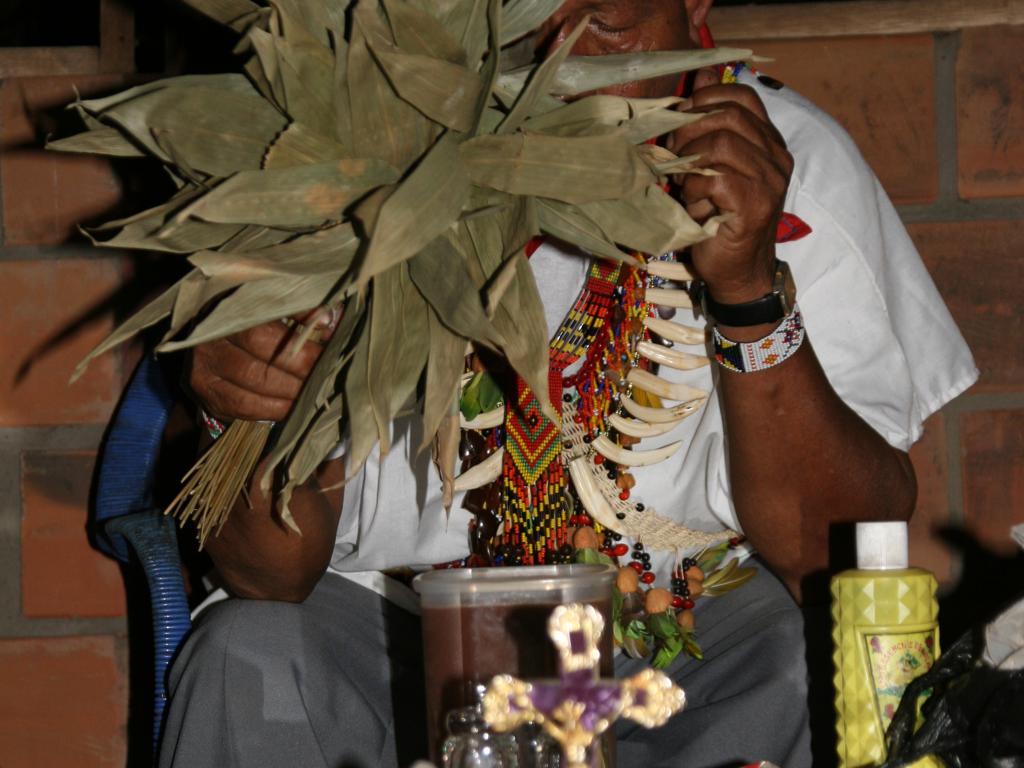
Where Psychedelic Medicine Is Headed: Five Predictions Worth Knowing
The psychedelics conversation has shifted. A few years ago, asking a doctor about psilocybin would have earned you a raised eyebrow and maybe a referral. Now there are publicly traded psychedelic companies, billion-dollar valuations, FDA breakthrough designations, and state-level legalization rolling out in real time. If you’re someone weighing a retreat — quietly wondering whether ayahuasca, psilocybin, or another master plant might help with the depression, addiction, or stuck pattern you can’t seem to shake — the ground under you is moving fast. So where is all of this actually going? I’ve been tracking the industry, sitting in ceremonies, and talking to facilitators and investors for years now. A handful of clear themes keep surfacing — and they matter, because they shape what kind of psychedelic healing will be available to you in three years, five years, ten. Here’s an honest read on what’s coming. There are two psychedelic worlds running in parallel right now, and they barely speak. One is the clinical pipeline — pharma companies, FDA trials, standardized dosing, therapists in carpeted offices. The other is everything else: the Shipibo curanderos in the Peruvian Amazon, the underground guides in Brooklyn apartments, the Bwiti iboga practitioners in Gabon, the decriminalization activists in Denver and Oakland. One side has the data and the money. The other side has thousands of years of accumulated practice and, frankly, most of the wisdom about how these substances actually work on a human soul. Several leaders in the field have pointed out — correctly, in my view — that the wall between these worlds is doing nobody any favors. The medical track could learn enormous amounts from traditional preparation, dieta, and integration. The underground could benefit from rigorous safety standards and harm reduction data. What I think we’ll see over the next five years is messy convergence. Not a clean merger — these worlds are too different — but more cross-pollination. More retreats hiring licensed therapists. More clinics borrowing ceremony elements. And more honesty from both sides about what the other does well. For the past few years, venture funding in psychedelics has been overwhelmingly aimed at drug development — new molecules, new patents, new delivery mechanisms. That’s starting to shift. Several investors I respect have been saying the next wave of capital will go into the boring-but-essential stuff: clinics, training programs, integration platforms, insurance pathways. Here’s why that matters to you. Even if the FDA approves psilocybin-assisted therapy for depression tomorrow, you can’t use it unless there are trained therapists in your city, a clinic that takes your insurance, and an aftercare program that doesn’t cost your monthly rent. The molecule is the easy part. The system around the molecule is the hard part. The bottleneck nobody talks about enough is the human one. By some estimates, the field needs tens of thousands of trained psychedelic therapists this decade just to meet projected demand for MDMA and psilocybin treatment. We’re not close. A retreat you book in 2026 — even at a reputable center — may still have facilitators who learned through apprenticeship rather than any formal credential. That’s not necessarily bad. Traditional lineages have trained people brilliantly for centuries. But it does mean you have to do your homework. This is the question I get asked most often, and there’s no single answer. But there are filters worth applying before you wire money to anywhere. The good news: the marketplace is maturing. Five years ago, you mostly had to ask around in person to find a reputable place. Now there’s real comparison, real reviews, real accountability. Drug development is brutal. Most biotech companies that start clinical trials never make it to market, and there’s no reason to expect psychedelics to defy that math. Over the next few years, plenty of well-funded, well-publicized psychedelic startups are going to quietly disappear. Some will fold their programs. Some will pivot. A few will get acquired. This will look, in headlines, like the field collapsing. It isn’t. It’s the normal washout that happens in any new industry — a clearing of the field that leaves behind the operators who actually have something durable. The companies that survive will likely be the ones who took preparation, set, setting, and integration seriously rather than treating psychedelics as just another pill. For you as a potential retreat-goer, this matters less than it sounds. The retreats themselves — especially the established ones in Peru, Costa Rica, the Netherlands, Mexico, Jamaica — operate largely outside this corporate churn. Traditional plant medicine has been running for a long time without any quarterly earnings calls. The cultural shift is real. Ten years ago, telling your boss you were taking a week off for an ayahuasca retreat would have been career-limiting. Today, in plenty of industries — tech, creative work, healthcare ironically enough — it’s become almost mundane. Therapists are getting trained. Veterans’ groups are openly advocating for MDMA-assisted therapy. Athletes and executives talk about plant medicine on podcasts. But don’t mistake the cultural shift for the legal one. Ayahuasca is still federally illegal in the United States outside of religious exemptions. Psilocybin remains Schedule I almost everywhere. Oregon and Colorado are early experiments, not the national norm. Most people who want to work with these medicines still have to either leave the country or operate in legal gray zones at home. What’s changing is the texture of the conversation. People are less embarrassed. Doctors are more curious. The phrase “plant medicine” has stopped sounding fringe to anyone under fifty. That cultural permission slip is part of why retreats are filling up — and part of why the quality of what’s on offer has gotten much better. Demand creates options. If you’re reading this because you’re considering a retreat — for addiction, for depression, for trauma, for the sense that something in your life is asking to be looked at — here’s the honest framing. The industry is professionalizing, but it isn’t finished. The science is encouraging, but it isn’t settled. The legal landscape is opening, but slowly and unevenly. Some retreats are excellent. Some are not. The work itself, when it lands, can be genuinely life-rearranging, but it isn’t magic and it isn’t guaranteed. What I can say with confidence: people who do this carefully — with proper screening, a reputable facilitator, real integration support, and clear intentions — tend to come back changed in ways that hold up over years, not weeks. People who treat it like a vacation or a bucket-list item tend to get a vacation. The variable that matters most isn’t the medicine. It’s how seriously you take the container around it. If any of this has landed somewhere in you, the next move isn’t booking — it’s researching. Read the published trial data. Talk to people who’ve sat in ceremony at the place you’re considering. Ask hard questions and notice how the retreat answers them. When you’re ready to compare specific options, a curated selection of vetted psychedelic and plant-medicine retreats can be browsed on our marketplace here. Take your time. The medicines aren’t going anywhere, and the right retreat is worth waiting for.
Microdosing Psychedelics: An Honest Look at What the Research Actually Shows
A friend once told me she'd been microdosing psilocybin for six weeks and felt like the volume knob on her anxiety had been turned down by about a third. Not silenced. Just turned down. That's the kind of report you hear constantly in this corner of the psychedelic world — quiet, modest, hard to verify, and oddly compelling. Microdosing psychedelics has moved from Silicon Valley curiosity to mainstream conversation over the past few years, and the questions I get from readers researching plant medicine almost always include some version of: should I try this before committing to a full ceremony? Fair question. Let's get into what microdosing actually is, what the science says, and what it doesn't. A microdose is what researchers politely call a sub-perceptual dose — small enough that you don't feel high, don't see walls breathing, don't have any of the textbook psychedelic experiences. You can drive. You can answer emails. You can sit through a meeting without anyone suspecting a thing. That's kind of the whole point. Roughly speaking, a microdose lands somewhere between a tenth and a twentieth of a recreational dose. For the most common substances people use, that works out to: Finding your dose is genuinely a trial-and-error process. People who are sensitive to serotonergic compounds can feel noticeable effects at amounts that another person wouldn't register at all. The rule of thumb most experienced microdosers follow: if you can feel it, you took too much. A proper microdose should slide under your perception, not announce itself. The protocol most people reference comes from researcher James Fadiman, who suggested dosing once every three to four days for around ten weeks, then taking a break. The logic is partly about tolerance — psychedelics build it fast — and partly about not letting the practice become invisible background noise. Others run shorter cycles, or use a two-days-on, one-day-off rhythm. There's no single right answer, and frankly, anyone who tells you there is hasn't been paying attention. The reasons cluster into two broad camps. The first is mental health — people dealing with depression, anxiety, PTSD, ADHD, or OCD who either haven't responded well to conventional medication or don't love the side effects that come with it. The second is what you might call optimization — focus, creativity, energy, mood, the feeling of being a little more present and a little less stuck in your own head. The mental health angle is where things get interesting, and where I see the most readers genuinely curious. If you've been on SSRIs for a decade and you're tired of feeling emotionally flattened, the idea of a sub-perceptual dose of psilocybin twice a week sounds appealing. Journalist Erica Avery wrote publicly about microdosing LSD lifting her out of a depressive episode, and writer Ayelet Waldman built a whole book around her experience doing the same. Waldman's depression stayed gone after she stopped. Avery's came back — and she eventually concluded that occasional larger doses worked better for her than ongoing small ones. Which is the most honest thing anyone can say about this practice: your mileage will vary. Dramatically. Here's where I have to put on my skeptic hat, because the gap between what people report anecdotally and what controlled studies have found is bigger than the microdosing community generally admits. The obvious worry with any sub-perceptual practice is that the effects are mostly placebo. You believe the tiny dose will help, so it does. That's not nothing — placebo effects are real and clinically significant — but it matters for the question of whether the molecule itself is doing anything. A double-blind, placebo-controlled trial published in Biological Psychiatry in 2019 tried to answer this. Researchers gave healthy volunteers LSD at 6.5, 13, and 26 micrograms versus a placebo. They found dose-related effects on subjective experience — feelings of vigor went up, but so did anxiety. Creativity scores actually got worse on LSD. Cognitive performance didn't improve. None of which lines up neatly with the rosy reports you read online. One of the researchers noted that benefits might only show up after repeated dosing over time, which the study didn't measure. And the 26-microgram dose is arguably no longer a microdose at all — most harm-reduction guides classify it as a low recreational dose. So the picture is muddier than either side of the debate likes to admit. Fadiman ran a much larger observational study with over a thousand participants across 59 countries. People microdosing LSD or psilocybin roughly every three days reported improvements in mood, productivity, focus, energy, relationships, and health habits. Some had even tapered off antidepressants in favor of microdosing. Encouraging — but it's a self-report study with no control group. Fadiman himself was careful to note that people whose primary issue is anxiety probably shouldn't microdose, because some users find it amps anxiety up rather than down. That tracks with the controlled trial. A 2019 rodent study found that microdoses of DMT given over seven weeks improved measures of depression and anxiety without messing with cognition. Promising, but it's rats, not people, and the leap from rodent brain to human depression is famously treacherous. We don't have meaningful human data on microdosing DMT for mental health yet. A few things I think are worth saying plainly: This is probably the question that matters most for readers weighing a retreat. Microdosing and ceremonial plant medicine are different tools doing different jobs. A microdose is a quiet nudge to your nervous system, maybe useful for taking the edge off a difficult month or unsticking a creative block. A full ayahuasca ceremony, or a psilocybin retreat with experienced facilitators, is something else entirely — a full confrontation with whatever you've been carrying. People recovering from addiction, in particular, tend to find that microdosing alone doesn't get them where they need to go. The research on psychedelics and addiction recovery — the work on ibogaine for opioid dependence, psilocybin for alcohol use disorder, ayahuasca for trauma underlying substance use — involves full doses in carefully held settings, not sub-perceptual experiments at the kitchen table. That said, some people use microdosing as a gentle on-ramp. A way to develop a relationship with these compounds and notice how their own system responds before committing to a multi-day retreat. There's logic to that, as long as you're honest about what microdosing can and can't do. If you're chronically anxious, on psychiatric medication, or already suspect you're someone who reacts strongly to substances, the honest answer is probably no — or at least not without serious thought and ideally a clinician who knows what you're up to. If you're a generally stable person curious about what a slightly quieter mind might feel like, and you have access to reliable material, it might be worth a careful experiment. Start lower than the standard protocol. Keep a journal. Take real breaks. Pay attention to what changes and what doesn't. And if what you're really looking for is the deeper work — the kind that addresses trauma, addiction, or the persistent sense that something in your life is stuck — microdosing is unlikely to be the whole answer. For readers who want to explore the fuller path, a curated range of psychedelic and plant-medicine retreats can be browsed on our marketplace here. Whatever direction you go, go slowly. These compounds reward patience and humble the people who don't bring it.
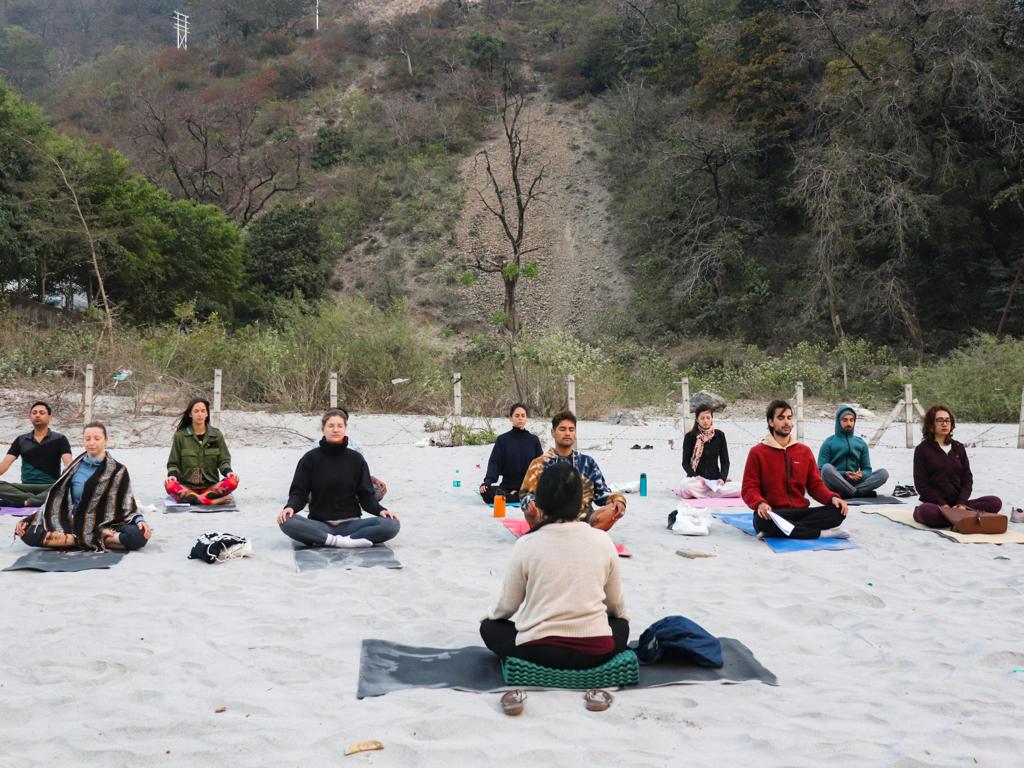
Synthetic Psilocybin and the Pharma Race to Medicalize Magic Mushrooms
Somewhere right now, in a quiet clinical room in London or Toronto or San Diego, a person with depression that hasn't budged for years is swallowing a measured dose of laboratory-made psilocybin under the gaze of two trained therapists. No shaman. No icaros. No jungle. Just a sofa, an eye mask, a curated playlist, and a molecule that — chemically speaking — is identical to the one inside a Psilocybe cubensis mushroom growing in a damp Oaxacan field. This is the version of psychedelics that's about to go mainstream. And if you're researching an ayahuasca retreat, a psilocybin ceremony, or any kind of plant-medicine experience for help with depression, addiction, or trauma, it's worth understanding what's actually being built in the pharmaceutical lane — because it changes the landscape you're choosing from. Compass Pathways became the first psilocybin-focused company to trade publicly on a major US exchange, and its CEO has been refreshingly blunt about one thing: they don't grow mushrooms. They synthesize the active compound in a lab. The reasoning is practical, not philosophical. Regulators trust standardized batches. Doctors want precise dosing. A 25-milligram capsule made in a controlled facility is easier to study than a handful of dried caps that might vary in potency by a factor of three. The FDA granted the company breakthrough therapy designation back in 2018 for treatment-resistant depression — the term for depression that hasn't responded to at least two rounds of conventional antidepressants. That designation doesn't mean approval. It means the agency agrees the unmet need is serious enough to fast-track the review process. Phase II trials are now running across roughly nine countries, testing different dose strengths to find the sweet spot before Phase III. The internal target is to have a legally prescribable psilocybin therapy on the market within the next couple of years. Whether they hit that timeline or not, the direction is clear: psilocybin is moving from the Schedule I list toward the prescription pad, one trial at a time. Here's where it gets interesting for anyone weighing a retreat. The clinical-trial version of a psilocybin session looks almost nothing like an Amazonian ayahuasca ceremony or a Mazatec velada. There's no group circle. No master plants in the traditional sense. No fasting protocols rooted in centuries of indigenous practice. The set is medical. The setting is medical. The framing is medical. That's not a criticism — it's a description. The clinical model is built to satisfy regulators and insurance companies, and it's designed for people who can't or won't travel to Peru, Costa Rica, or the Netherlands. For someone with severe depression who's been failed by SSRIs, having a covered, supervised psilocybin session in their own city might be the most accessible option they ever get. But it's a different experience from what plant-medicine retreats offer, and it answers a different set of questions. A retreat invites you into a tradition, a community, sometimes a worldview. A clinical session offers you a molecule, a sofa, and a follow-up appointment. Both can be profoundly helpful. They aren't the same thing. I get asked this almost every month. Someone reads an article about MDMA for PTSD or psilocybin for depression, sees the phrase “by 2026 or 2027,” and wonders whether they should just hang on a couple more years. My honest answer: it depends on how acute your situation is, what you're trying to address, and what kind of experience you're actually drawn to. If you're functional but stuck — patterns you can't break, grief you can't process, addictions that keep pulling you back — waiting for a clinical model that may or may not arrive on schedule is a real cost. Years of your life are not a small thing. Plenty of people who've sat in well-run ceremonies describe shifts that conventional therapy hadn't touched in a decade. The catch: the quality of the container matters enormously, and bad retreats absolutely exist. If you're in crisis — actively suicidal, in the grip of a substance dependency that's life-threatening, or managing a serious psychiatric condition — a retreat is usually not the right first move. Ceremonies are intense. They can surface material faster than you have support to handle. A reputable retreat will screen you out if you're in that zone, and if they don't, that itself is a red flag. The plant-medicine world isn't regulated the way the pharma world is. That's both its gift and its danger. The good retreats take screening seriously, run small groups, have medical staff on hand, and put as much emphasis on integration as they do on the ceremony itself. The bad ones take your money, hand you a cup, and send you back to the airport with a head full of unprocessed material and no support. A few things I'd want to know before sending money to any retreat center: For people specifically considering plant medicine for addiction, ibogaine deserves a separate conversation — it's a different molecule with a different risk profile (including real cardiac risk) and requires medical supervision that goes beyond what most ayahuasca retreats provide. Don't lump it in with mushrooms or ayahuasca just because they all fall under the “psychedelic” umbrella. The Compass CEO used the phrase “Cambrian explosion” to describe what's coming in the broader psychedelic and mental-health space. He's probably right. We're going to see prescription psilocybin, MDMA-assisted therapy, ketamine clinics on every other block, decriminalization measures in more cities, indigenous-led retreats fighting to protect their traditions, venture-backed startups trying to patent everything that isn't nailed down, and a long tail of underground practitioners doing what they've been doing for fifty years. The reader who benefits most from all this won't be the one who picks a side. It'll be the one who understands the differences — between a ceremony and a clinical session, between a master plant and a synthesized molecule, between a tradition with thousands of years behind it and a startup with a Series B. Both lanes can serve real people. Neither is the answer for everyone. If you've read this far, you're probably not researching idly. You're weighing something specific. For readers who want to take this further, a range of curated psychedelic and plant-medicine retreats can be browsed on our marketplace here — useful for getting a sense of what's actually out there before you commit to anything. Take your time. The molecule will still be there next month, and so will the vine.
Craving More Stories?
Join our ShopAyahuascaRetreats newsletter for the latest updates on thrilling
destinations and inspirational tales, delivered straight to your inbox!
We value your privacy. Your email address will never be shared or published.
Inside the Psilocybin Microdosing Boom: What Founders, Doctors, and Researchers Actually Say
Somewhere between the third espresso and the fourth Slack message, a quiet experiment is unfolding in the tech world. Founders, VCs, and operators — people who would happily debate Series A term sheets at midnight — are dropping crumb-sized amounts of psilocybin into their morning routine and reporting back like amateur neuroscientists. Welcome to the so-called shroom boom, where ayahuasca, psychedelics, addiction recovery conversations, and the older idea of master plants are colliding with the productivity industrial complex. It’s a strange moment. Magic mushrooms — the same fungi that defined a generation of 1960s counterculture — are now being microdosed before pitch meetings. Whether that’s a genuine evolution in human wellness or a tech-bro repackaging of an ancient sacrament depends on who you ask. So let’s actually ask. A microdose is small. Really small. Researchers like Dr. James Fadiman, who has spent decades documenting the practice, define it as roughly one-twentieth to one-tenth of a recreational dose — enough to nudge the nervous system, not enough to send you into the cosmos. You don’t hallucinate. You don’t see the walls breathe. Ideally, you barely notice anything other than feeling a touch more present. People microdose all sorts of substances: psilocybin mushrooms, LSD, occasionally cannabis, and in rarer cases sub-perceptual amounts of DMT or even ayahuasca tinctures. Psilocybin is by far the most popular because it’s organic, relatively forgiving, and — at the moment — culturally fashionable. Protocols vary. Some follow Fadiman’s one-day-on, two-days-off cycle. Others do two days on, five off. A few people just take it when they feel like it, which researchers tend to politely call “not a protocol.” And no, it’s not the same as sitting in a ceremony with a curandero and drinking a cup of brewed master plants for eight hours. A microdose is the opposite experience — quiet, undramatic, almost boring. That’s the point. The anecdotal case is consistent enough to be interesting. Founders describe sharper focus, less anxious chatter, a sense of being able to listen properly in conversations. One beverage entrepreneur in Florida told reporters that after he started microdosing, he found himself less reactive and more open — fewer doses of caffeine, fewer panicked spirals between meetings. A Los Angeles wellness founder calls her routine a “nano-dose,” about an eighth of a full dose, taken a few mornings a week. She says it dissolves anxiety the way a hot bath dissolves muscle tension. A former Canadian finance consultant turned psychedelic educator put it most bluntly: microdosing, she says, let her get three days of work done in one. She’s now built a small business around teaching others to do the same. You hear a few themes again and again from people who microdose seriously: That last one is interesting. Microdosers often say the effect compounds across the week, rather than living and dying inside the dose itself. Whether that’s real or a story they’re telling themselves is exactly where the science gets wobbly. Here’s the honest version. Macro-dose psilocybin research — full ceremonial doses given in clinical settings — is genuinely promising. There are well-designed trials showing meaningful effects on treatment-resistant depression, end-of-life anxiety, and addiction recovery, particularly for alcohol and nicotine dependence. That body of work is one of the reasons psychedelics, addiction, and mental-health treatment now share so much real estate in medical journals. Microdosing is a different story. The randomized, double-blind studies that do exist tend to show modest effects, much of which can be explained by expectation. As one Harvard-affiliated physician researcher has pointed out, almost everyone who microdoses believes it helps them, but the trials don’t cleanly confirm it. Creativity, focus, presence — these aren’t cholesterol levels. They’re slippery to measure. The gold-standard trial design doesn’t translate well to subjective wellness gains. That doesn’t mean microdosing is fake. It means we’re early. The psychedelic research renaissance has had perhaps two decades of serious momentum, and most of that funding has gone toward the more dramatic, easier-to-measure clinical applications. Microdosing science is still catching up. Under United States federal law, psilocybin is a Schedule I controlled substance. Possession is illegal. That’s the headline. The fine print is more interesting: Oregon allows supervised adult use through licensed service centers, Colorado has moved in a similar direction, and cities including Denver, San Francisco, Oakland, Seattle, and Minneapolis have decriminalized personal possession to varying degrees. Several state-level legalization efforts have stalled. Canada, meanwhile, is racing ahead with a patchwork of clinics, retreats, and brick-and-mortar mushroom shops operating in legal grey zones. So legality depends entirely on where you’re standing when you swallow the capsule. None of this is legal advice — please do your own homework based on your jurisdiction. As for safety, microdosing is generally considered lower-risk than full-dose use, but “lower risk” doesn’t mean “no risk.” A few honest caveats worth knowing: For a lot of people, microdosing isn’t the destination — it’s the doorway. Curious about psilocybin in small amounts, they eventually start reading about full-dose experiences, about ayahuasca, about the long-standing traditions of plant medicine and master plants in the Amazon and the Andes. That’s a meaningful step up in intensity, and it deserves a different kind of preparation. If you’re weighing a retreat — psilocybin, ayahuasca, San Pedro, or something else in the plant-medicine family — a few things are worth thinking about before the credit card comes out. Who runs the retreat? What lineage or training do the facilitators come from? What’s the medical screening process? What does integration support look like in the weeks after you fly home? Is there a real container around the experience, or is it essentially a vacation with a substance attached? The good retreats tend to ask you as many questions as you ask them. The questionable ones take your deposit before they’ve learned your last name. A retreat is not a productivity hack. It’s an experience that can reshape how you see your life, and the people guiding it matter enormously. There’s a strange double life happening in tech right now. Some founders talk openly about their psilocybin practice on podcasts. Others won’t mention it out loud, even with VCs they suspect are doing the same thing. The 2021 firing of an Iterable CEO who admitted to dosing LSD before a meeting still hangs in the air as a cautionary tale. That stigma is shifting, slowly. Investors are pouring money into psychedelic biotech. Cities and states are loosening laws. The conversation around psychedelics, addiction recovery, and mental health is moving from fringe to mainstream faster than almost anyone predicted ten years ago. Still, the most thoughtful people in this world tend to caution against treating mushrooms as a life hack. The traditions that have used these plants for centuries don’t talk about productivity. They talk about humility, listening, and being changed by something larger than yourself. Worth holding both ideas at once. If you’ve read this far, you’re probably not looking for a hot take. You’re trying to figure out whether any of this is for you. A few honest suggestions: For readers who want to take this further, a range of curated psilocybin and plant-medicine retreats can be browsed on our marketplace here. Whatever you decide, decide it slowly. These are old medicines moving through a very new world, and the people who get the most out of them tend to be the ones who took their time getting in.
Oregon's Psilocybin Law: What Legal Magic Mushrooms Actually Mean for You
When Oregon voters passed Measure 109, something shifted in the American psychedelic landscape that we're still living with the consequences of. Psilocybin — the active compound in so-called magic mushrooms — became legal for therapeutic use, with the state itself overseeing how it would be grown, distributed, and administered. No doctor's note required. No prescription pad. Just a framework, slowly being built, for adults to access psilocybin in a supervised setting. That was years ago now, and the rollout has been messier and more interesting than anyone predicted. If you're sitting in 2026 wondering whether Oregon's program is actually a path you can walk, or whether it's relevant to your own thinking about a psilocybin retreat, this is the honest version of where things stand and what it means. Let's get the basics out of the way. Measure 109 created a state-licensed program for the supervised use of psilocybin by adults. It did not make mushrooms legal to grow in your backyard, sell to your neighbor, or take recreationally. Possession outside the licensed framework is still illegal under Oregon law, though a separate ballot measure decriminalized small personal amounts to the lowest law-enforcement priority. The companion piece — the one most people miss — is that none of this changes federal law. Psilocybin remains a Schedule I substance at the federal level, which means the DEA still classifies it as having no accepted medical use. The state and the feds are essentially looking past each other on this, which is the same uneasy arrangement that's been propping up state cannabis programs for years. What you get inside Oregon is a service model. You show up at a licensed service center, you go through a preparation session with a licensed facilitator, you take a measured dose of psilocybin produced by a licensed manufacturer, and you stay there — often for six to eight hours — while a facilitator sits with you. Then there's an integration conversation afterward. It's not therapy in the clinical sense (facilitators aren't required to be therapists), and it's not a free-for-all either. The research story is what makes all of this more than a policy curiosity. Over the past decade, work out of Johns Hopkins, NYU, and a handful of other institutions has produced some of the most striking mental-health results in modern psychiatry — particularly for people who haven't responded to conventional antidepressants. Studies on treatment-resistant depression, end-of-life anxiety in cancer patients, and tobacco and alcohol addiction have all shown effects that, frankly, would be considered remarkable if they came from a pharmaceutical pill. A few things stand out in that literature. The effects tend to come from a small number of doses — sometimes just one or two — rather than daily medication. They seem to persist for months. And they appear to work through something psychologically meaningful, not just a chemical lever. People describe sessions that reframe how they relate to grief, fear, or the patterns they've been stuck in for years. None of this is a guarantee that a psilocybin session will fix what's wrong, and serious researchers are careful to say so. The data is promising; it isn't a finished story. But it's strong enough that ignoring psilocybin's potential, as a category of medicine, has gotten harder to defend. This is where people get confused, and it matters if you're trying to make a real decision. Oregon's service-center model is not a multi-day retreat in the traditional sense. You don't typically stay overnight. You don't typically join a group ceremony with songs and ritual. It's closer to an outpatient session — show up, sit with a facilitator, have your experience, go home (or to a hotel) once you're cleared to leave. Retreats, by contrast, usually involve several days of preparation, multiple ceremonies, group meals, and structured integration time. They draw on lineages — Mazatec, Amazonian, contemporary therapeutic — that shape how the medicine is offered. Some are run in jurisdictions where psilocybin is legal or unregulated (the Netherlands has long had a workaround using psilocybin truffles; Jamaica has hosted retreats for years). Others operate in the gray zones of various countries. Each model has trade-offs: Which one fits depends on what you're after. Someone working with end-of-life anxiety might want the medicalized, closer-to-home option. Someone exploring chronic depression or a long-standing stuck pattern might want the deeper container of a retreat. Neither is automatically better. Here's the part that surprises people. A single supervised psilocybin session in Oregon often runs anywhere from $1,500 to $3,500 once you factor in the preparation meeting, the dosing session, the facilitator's time, the product itself, and integration. Insurance doesn't cover it. That's not the program's fault — building this kind of infrastructure from scratch is expensive — but it has meant that the people who can access psilocybin legally in the U.S. tend to be the people who could already afford a flight to a retreat somewhere else. Retreats abroad range widely too. A short psilocybin retreat in the Netherlands can run $2,000 to $4,000 including lodging and meals. Longer programs with more ceremonies push higher. The famous Jamaica retreats have charged in the five-figure range for premium experiences. The point is, no path here is cheap, and the legal options haven't yet delivered the affordability that early advocates hoped for. If you're reading this because you're considering psilocybin for depression, anxiety, addiction, grief, or just a long stuck feeling that won't shift, a few questions are worth sitting with before you book anything. One thing I'd push back on, gently: the framing that psilocybin is a cure. The research is genuinely exciting, and people do have experiences that change their lives. But the substance is a doorway, not a destination. What you do in the weeks and months after — therapy, lifestyle change, the slow work of putting insights into practice — is where the real shift happens or doesn't. Colorado has since passed its own program with a somewhat different design. Other states have introduced bills, working groups, and pilot programs at various stages. The FDA has continued to grant Breakthrough Therapy designation to psilocybin-assisted treatment for major depression, which signals that the federal landscape is at least slowly moving. Clinical trials have multiplied. Insurance reimbursement is still mostly a fantasy, but there's chatter about pilot programs. The retreat world has also matured. There are more facilitators with serious training, more lineages openly teaching, more honest conversation about what can go wrong, and — importantly — more public reckoning with bad actors. The early years of this resurgence had a tendency to treat every charismatic guide as enlightened. That's softened into something more discerning, which is good for everyone. For readers ready to look at specific options, a curated selection of psilocybin and plant-medicine retreats can be browsed on our marketplace here. Whether you end up in Oregon, abroad, or simply continue researching for another year, the most important step is the one most people skip: getting clear, before you book anything, on what you're actually hoping the medicine will help you with.
Oregon Psilocybin Law: What's Legal, What Isn't, and Why It Matters for Retreat-Seekers
A few years back, a small herbal shop in Portland made the kind of headlines that confuse the hell out of anyone trying to understand where psychedelics actually stand in the United States. People lined up around the block. They filled out questionnaires. They walked out with bags of psilocybin mushrooms — varieties with names like Penis Envy and Albino Golden Teacher — paying somewhere around $85 to $95 for seven grams. The shop framed itself as Oregon's first licensed psychedelic dispensary. It wasn't. Not even close. And the gap between what was happening on that sidewalk and what Oregon's psilocybin law actually permits is exactly the kind of confusion that trips up people researching plant medicine, master plants, and psychedelic retreats. If you're weighing whether to spend real money on a retreat, you need to understand this landscape clearly — because the difference between a legal therapeutic container and an unregulated transaction has real consequences for your safety, your wallet, and your healing. Oregon passed Measure 109 — the Oregon Psilocybin Services Act — back in November 2020. It was the first state-level psilocybin law of its kind in the country, and it was a genuine milestone for psychedelic-assisted recovery. But the measure didn't do what a lot of casual readers assume it did. It did not decriminalize mushrooms. It did not legalize recreational sale. It did not turn psilocybin into something you can pick up alongside your kombucha. What it created was a tightly regulated framework for supervised therapeutic use. Under Measure 109, psilocybin can only be consumed at a licensed service center, in the presence of a licensed facilitator, by someone who has gone through a preparation session. There is no take-home model. There is no retail counter. There is no path — present or planned — for buying mushrooms over the counter and walking out with them. Sam Chapman, who runs the Healing Advocacy Fund, put it about as plainly as anyone can: nothing in Measure 109, and nothing in any other Oregon law, permits the retail sale of psilocybin mushrooms. Not today, not in the future as the law is currently written. The state's licensed services exist because Oregonians dealing with depression, anxiety, and addiction stand to benefit from psilocybin — but only when the therapy is delivered safely, with screening, integration, and a trained guide. The Shroom House situation is a useful case study in what happens when commercial momentum runs ahead of regulation. Customers were asked to join a so-called "Shroom House Society," show two forms of ID, prove they were over 21, and fill out a questionnaire that asked about mental health history. From a distance, that paperwork looks vaguely clinical. Up close, it's a loyalty card with extra steps. A reporter who walked in was apparently buying within five minutes of finishing the form. A former employee eventually went to local news and said management had told staff the shop was the first medically sanctioned psychedelic retailer in the state. It wasn't. The Oregon Health Authority hadn't even started issuing facilitator and service-center licenses yet. The shop was operating in a legal vacuum that didn't actually exist — psilocybin is still a Schedule I substance under federal law, and at the time, no Oregon entity had authority to sell it commercially under state law either. The honest takeaway here isn't outrage. It's the recognition that wherever there's genuine therapeutic demand and unclear regulation, opportunists will find the seam. For anyone researching psychedelics seriously — especially anyone hoping to use them for addiction or depression — knowing the difference between an above-board therapeutic container and a guy with a storefront is essential. Compare the Portland storefront with what an actual psychedelic retreat involves and the contrast becomes obvious. Whether we're talking about psilocybin services in Oregon, ayahuasca ceremonies in the Peruvian Amazon, ibogaine in Mexico, or San Pedro in the Andes, the legitimate end of this world shares a common shape: None of that is what happens when you buy mushrooms over a counter and take them home. That's not a retreat. That's not therapy. That's a transaction, and any framing that suggests otherwise is doing the medicine — and the people it might help — a disservice. The honest answer is: increasingly, the evidence says yes — but the conditions matter enormously. Clinical research on psilocybin for alcohol use disorder, ibogaine for opioid dependence, and ayahuasca for various substance and behavioral addictions has been quietly accumulating for two decades now. The trial results aren't fringe anymore. Johns Hopkins, NYU, Imperial College London — serious institutions are publishing serious data on psychedelic-assisted recovery, and the early signal is that these compounds can interrupt patterns that years of conventional treatment couldn't budge. That said, master plants and synthetic psychedelics aren't magic. They're powerful tools that work best when held inside a real therapeutic process. Someone in active addiction who buys mushrooms at a storefront and dips in alone is not running the same intervention as someone going through a screened, prepared, facilitated session. The substance might be identical. The outcome rarely is. Set and setting — that old Leary phrase — turns out to be more than a slogan. It's most of the medicine. This is why the legal framework Oregon is building, slow and frustrating as it can feel, actually matters. A regulated facilitator model creates the conditions under which psilocybin's therapeutic potential can show up reliably. A storefront free-for-all creates the conditions under which people get hurt and the whole movement gets a black eye. Here's the practical takeaway. If you're someone quietly considering plant medicine — for a stuck depression, a trauma you can't seem to metabolize, an addiction that has outlasted every other intervention — the Portland story is a useful warning. The space is filling up with operators whose understanding of safety ranges from excellent to nonexistent. Marketing language and clinical legitimacy are not the same thing. A few things worth checking before you commit money or travel: The psychedelic-assisted recovery field is in a strange adolescent phase right now. The laws are catching up unevenly. The science is racing ahead. And in the gap between the two, both genuine healing centers and outright opportunists are setting up shop. Your job as a researcher — and a potential participant — is to tell them apart. If you've read this far and want to keep exploring legitimate options, a range of vetted psilocybin and plant-medicine retreats can be browsed on our marketplace here. Take your time with the decision. The medicine isn't going anywhere, and the right container is worth waiting for.
Vancouver's Magic Mushroom Dispensaries: Civil Disobedience or Legalization Strategy?
Walk down certain blocks of East Vancouver and you'll spot something that probably shouldn't exist under federal law: storefronts openly selling psilocybin. Chocolates, capsules, dried caps in glass jars. No back rooms, no whispered passwords. Just a counter, a price list, and a clerk who'll happily explain the difference between a microdose and what they call a “heroic” one. It's strange. It's a little brazen. And if you've been following the slow, uneven march of psychedelics from underground curiosity to clinical research darling, it's also very, very familiar. Because this exact playbook — open a shop, dare the authorities to shut you down, force the conversation — is how Canada ended up legalizing cannabis. Now a handful of activists are running the same experiment with magic mushrooms, and the rest of us get to watch in real time. Psilocybin is a controlled substance under Canadian federal law. Selling it is illegal. And yet, in Vancouver, a small but growing cluster of dispensaries does exactly that — out in the open, with signage, social media accounts, and customer reviews. The most visible operator is Dana Larsen, a longtime drug-policy activist who runs the Medicinal Mushroom Dispensary out of the same space as his Coca Leaf Café. He started selling psilocybin chocolates and capsules to walk-in customers a few years back, and he's been pretty transparent about his strategy: keep selling, get noticed, force the government to either crack down hard or move toward regulation. So far the government has done neither, which is its own kind of answer. Other shops have followed. Some opened during the pandemic to make up for lost revenue from cannabis or other businesses. A few are run by people who genuinely believe psilocybin should be available for therapeutic use and are tired of waiting for Ottawa to catch up. The Vancouver Police have said mushroom prosecutions aren't a top priority. City Hall has sent some sternly worded letters. The shops are still open. Here's the thing about Vancouver: this city has been a testing ground for drug-policy civil disobedience for decades. Illegal cannabis dispensaries operated openly there from at least 2015, with the city eventually creating a municipal licensing system — even though selling weed was still federally illegal at the time. Three years later, Canada legalized recreational cannabis nationwide. Was that legalization the direct result of grey-market shops? Probably not entirely. But the shops normalized the conversation. They made it impossible for politicians to pretend the demand wasn't there. They gave the public a chance to see, for years, that the sky didn't fall. By the time Parliament got around to writing legislation, the cultural battle was largely over. The mushroom dispensary owners are betting the same dynamic will play out again. The bet isn't crazy. Psilocybin research is moving fast — clinical trials at major universities, Health Canada granting individual exemptions for people with terminal illness or treatment-resistant depression, and a steady drip of mainstream media coverage that treats the molecule as medicine rather than menace. The legal frame is wobbling. Someone was always going to push. Let's pause on the medical claim, because it matters. There's now a real body of clinical evidence suggesting that psilocybin — typically administered in larger, supervised doses alongside psychotherapy — can produce meaningful and sometimes lasting reductions in depression and anxiety, including for people who haven't responded to standard treatments. It's also being studied for addiction, end-of-life distress, and a handful of other conditions where the conventional pharmaceutical toolkit has been underwhelming. This isn't fringe stuff anymore. It's published in peer-reviewed journals. It's drawing real money into psychedelic biotech. A psychedelic-focused exchange-traded fund launched on a Canadian exchange a few years ago, which is roughly the most boring possible signal that a thing has gone mainstream. Microdosing — taking sub-perceptual amounts on a regular schedule — is a different story. The popular case for it has run well ahead of the data. Some researchers find modest mood and creativity effects; others find that most of what people report is placebo. If you're considering microdosing for a specific mental health issue, the honest answer is: the jury's still out, and a properly supervised larger-dose session may have far stronger evidence behind it. Even with the shops operating openly, psilocybin remains illegal to sell or possess in Canada outside narrow exemptions. Health Canada does grant individual access through its Special Access Program, and there's a Section 56 exemption pathway, but both processes are slow, paperwork-heavy, and require specific medical circumstances. A not-for-profit called TheraPsil has spent years helping patients — especially those facing terminal diagnoses — navigate the bureaucracy. Many people give up and turn to grey-market shops or underground guides instead. In the United States, the picture is more fragmented. Federally, psilocybin is Schedule I. But Oregon has rolled out a regulated psilocybin services program, Colorado has decriminalized personal possession and is building out its own framework, and a growing list of cities — Denver, Oakland, Seattle, Detroit, several others — have effectively deprioritized enforcement. None of this makes it legal to buy mushrooms at a shop the way Vancouverites can. But the legal terrain is shifting fast enough that anything written about it has a short shelf life. If you've read this far, there's a decent chance you're not just curious about Canadian drug policy. You're weighing whether a psychedelic experience — mushrooms, ayahuasca, something else — might actually help with something specific. Depression that won't budge. A drinking problem. Grief. A sense that you've been on autopilot for years and can't find the off switch. A few honest things to consider before you walk into any dispensary or book any retreat: Vancouver's mushroom shops won't be the last act in this story. Whether they get raided, regulated, or quietly absorbed into a future legal framework, they've already done some of the work activists wanted them to do — they've made psilocybin visible, debatable, and increasingly unavoidable as a policy question. Other cities will follow. Some governments will move quickly; others will dig in. For individuals trying to figure out whether plant medicine has a real role in their own life, the better path is usually slower than walking into a shop. It involves reading widely, talking to people who've done the work, screening yourself for real medical risks, and choosing a setting with trained facilitators and a clear integration plan. Retreats — especially ones in jurisdictions where the practice is legal or traditionally protected — remain the most evidence-supported way most people access these experiences. If you're starting that research, a range of curated psilocybin and plant-medicine retreats can be explored on our marketplace here. The Vancouver dispensaries are an interesting symptom of where the culture is going. They're probably not where your own story should start.
The Psychedelic Industry Boom: What It Means for Retreat-Seekers in 2026
Five years ago, if you mentioned psychedelics at a dinner party, the room split in two — half the table assumed you were a stoner, the other half pictured you barefoot in the Amazon. Today that same conversation might involve a venture capitalist, a clinical psychologist, and your cousin who just got back from a psilocybin retreat in Jamaica. The world has changed fast. For anyone weighing whether to book an ayahuasca retreat, try ibogaine for addiction, or sit with master plants for the first time, that shift matters. The landscape around plant medicine has matured — and so have the questions you should be asking before you hand over a deposit. This piece is for people doing that research right now: what the psychedelic boom actually means on the ground, what's hype, and what's worth paying attention to. A handful of years ago, you could count the publicly traded psychedelic companies on one hand. Now there are dozens, with billions in combined market capitalization and serious clinical trial pipelines for psilocybin, MDMA, DMT, ibogaine, mescaline, and LSD. Universities that wouldn't touch this research in the 1990s are running double-blind studies and publishing in mainstream journals. Compass Pathways, MAPS, atai Life Sciences, Usona — these names mean something now, even to people who don't follow biotech. What changed? Partly, the data caught up. Studies on psilocybin for treatment-resistant depression, MDMA for PTSD, and ibogaine for opioid addiction kept producing results that were hard to ignore. Partly, public attitudes softened. And partly — let's be honest — investors smelled money. The combination created a wave that's still building. For the retreat-seeker, this matters in two ways. First, more research means better safety knowledge and better integration protocols filtering down into the retreat world. Second, the surge of attention has attracted a lot of newcomers offering ceremonies they're not qualified to lead. The boom cuts both ways. People use these words like they're synonyms. They aren't. Decriminalization means you won't be arrested for personal use or possession — the substance is still technically illegal, but enforcement is deprioritized. Legalization means a regulated market exists: licensed producers, licensed providers, taxes, the works. Oregon broke ground by decriminalizing all drugs and creating a regulated psilocybin services program. Colorado followed with its own framework for psilocybin and other natural medicines. Several cities — Denver, Oakland, Detroit, Washington D.C. among them — have decriminalized plant medicines locally. Australia became the first country to formally allow psychiatrists to prescribe psilocybin and MDMA for certain conditions. The picture keeps shifting. Here's why this affects your decision: a legal psilocybin retreat in Oregon operates under very different conditions than an underground ceremony in California or a traditional ayahuasca retreat in Peru. Each has tradeoffs. Legal frameworks bring oversight and accountability but often strip out the ceremonial and traditional elements many seekers are specifically looking for. Underground and international retreats may offer deeper traditional practice but come with their own risks — legal, medical, and ethical. None of these is automatically better. They serve different needs. A combat veteran working through PTSD might benefit from a clinical setting. Someone wrestling with a long stuck pattern around grief or identity might find more in a traditional Amazonian dieta. Knowing the difference is half the work. Talk to enough facilitators and you'll notice the same themes coming up in intake calls. The people booking psychedelic retreats today aren't mostly seekers chasing a transcendent experience. They're mostly tired. They're tired of antidepressants that flattened them without fixing anything. Tired of years of talk therapy that helped but didn't move the deep stuff. Tired of drinking too much, scrolling too much, sleeping badly, snapping at their kids. Some are in real crisis — active addiction, suicidal ideation, treatment-resistant depression. Others are doing fine on paper but feel like they've been sleepwalking through their own life. Plant medicines and psychedelics have earned attention because, in many cases, they actually help with this stuff. Ayahuasca and ibogaine have a particularly strong track record around addiction recovery — not because the medicine "cures" anything in one sitting, but because it tends to interrupt the patterns that addiction lives inside. People describe seeing themselves clearly, sometimes for the first time in years. What they do with that clarity afterward is the whole game. The retreat industry has grown faster than its safety standards. That's the uncomfortable truth. A few things every serious researcher should know: If you've narrowed your interest to a specific medicine — ayahuasca, psilocybin, ibogaine, San Pedro, kambo — the next layer is choosing the right container. A short checklist that's served me well across years of writing about this space: If those questions get vague or defensive answers, that tells you something. If they get specific, thoughtful answers — even when the answers are honest about limitations — that tells you something different. FDA approval for MDMA-assisted therapy for PTSD has stalled and restarted more than once, and psilocybin therapy isn't far behind in the clinical pipeline. Within the next few years, it's plausible that one or two psychedelic-based medications will be available by prescription in the U.S. — under tight clinical conditions, at significant cost. That will reshape the conversation again. But the retreat world won't disappear. For many people, the medicalized version of psychedelic therapy — a clinic, a therapist, a controlled dose — won't deliver what they're actually looking for. There's a reason people fly to the Amazon to drink a bitter brew in a wooden maloca instead of taking a capsule in a beige office. The container matters. The tradition matters. The community around it matters. If you're at the point of seriously considering a retreat, the most useful thing you can do is slow down. Read more than the homepage. Talk to people who've sat with the medicine you're curious about. Get honest with yourself about what you're hoping for and what you're scared of. If something here speaks to you, the available ayahuasca and plant-medicine retreats can be browsed and booked on our marketplace here. This is a real decision with real stakes — both the upside and the downside. Treat it that way, and you'll be ahead of most people walking into ceremony.
Dreaming of a Psychedelic Retreat?
We have the best deals and offers from thousands of organizers all over the world! Get them into your mailbox every week!
We value your privacy. Your email address will never be shared or published.
