 English
 Deutsch
 Français
 Nederlands
 Español
SHOP AYAHUASCA RETREATS BLOG
What Are Psychedelics? A Plain-English Guide to Plant Medicines and the Mind

Lila Novak
June 12, 2026
Your ultimate guide to discover transforming ayahuasca and psychedelic experiences. Dive into serene destinations and elevate your consciousness to unparalled heights.
Discover Ayahuasca & Psychedelic Retreats NowSearch for ayahuasca & psychedelic retreats
Discover retreats, trainings, and holidays from all over the world
Ask ten people what psychedelics are and you'll get ten different answers. Some will mention LSD and the 1960s. Others will talk about ayahuasca ceremonies in the Amazon. A few will bring up the recent wave of clinical trials at Johns Hopkins and NYU. All of them are partly right — and that's exactly the problem. The word covers a lot of ground.
If you've landed here, you're probably weighing something serious. Maybe you've read about psychedelic-assisted therapy for depression. Maybe a friend came back from a retreat looking different — calmer, lighter — and you want to understand what actually happened to them. Maybe addiction or trauma has you considering options that mainstream medicine hasn't solved. Whatever brought you here, you deserve a straight answer rather than mystical fog or pharmacology jargon.
So let's walk through it properly. What psychedelics are, where they come from, how they work, and what they're being used for right now — including the master plants that have been part of indigenous healing traditions for centuries.
What Psychedelics Actually Are
At the most basic level, psychedelics are a family of substances that produce a temporary, dramatic shift in consciousness. Your perception changes. Your sense of self loosens. Emotions get bigger. Thoughts you've buried for years sometimes surface uninvited. The technical mechanism is that most classic psychedelics bind to serotonin 2A receptors in the brain, which seems to scramble — in a useful, controlled way — the default patterns of thinking your mind usually runs on.
The word itself was coined in 1956 by the British psychiatrist Humphry Osmond, who stitched together two Greek roots: psyche (mind, soul) and delein (to manifest). Mind-manifesting. Soul-revealing. Osmond was writing to Aldous Huxley at the time, fresh off supervising Huxley's now-famous mescaline experience. Huxley actually proposed his own term — phanerothyme — but Osmond's stuck. Probably because it sounds better.
Here's a useful distinction: psychedelics are not the same as hallucinogens, even though the words get used interchangeably in news headlines. Hallucinogen is a broader category that includes dissociatives like ketamine and PCP, which behave very differently in the brain and body. Classic psychedelics are their own thing — and the differences matter, especially if you're researching what you might want to sit with.
The Main Families of Psychedelic Compounds
Chemists divide classic psychedelics into three structural families. You don't need to memorize the chemistry, but the categories help when you're comparing what's out there.
- Tryptamines — built on a backbone similar to serotonin itself. This group includes psilocybin (the active compound in magic mushrooms), DMT (the molecule responsible for ayahuasca's visionary effects), 5-MeO-DMT (from the Bufo alvarius toad), and ibogaine (from the iboga root used in West African Bwiti tradition).
- Phenethylamines — structurally related to dopamine and adrenaline. Mescaline lives here, which means peyote, San Pedro, and Peruvian torch cacti all fall into this family. MDMA technically belongs here too, though most therapists classify it separately as an empathogen.
- Ergolines — derived from ergot, a fungus that grows on rye. LSD is the famous example. Albert Hofmann synthesized it in 1938, then accidentally rediscovered its effects five years later on the bicycle ride that probably launched the entire modern psychedelic story.
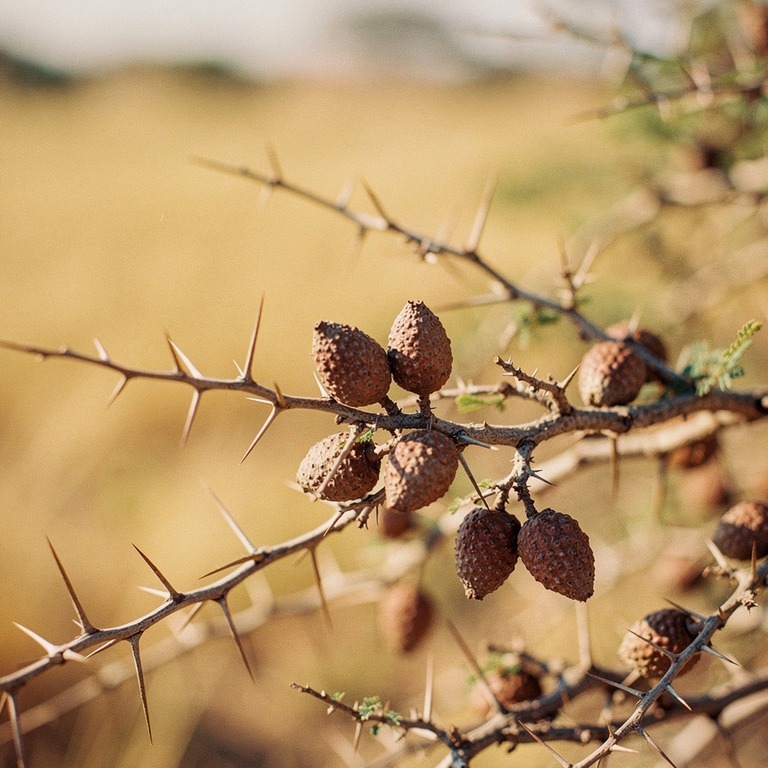
You can also split psychedelics into natural and synthetic. The naturally occurring ones — psilocybin mushrooms, ayahuasca, peyote, San Pedro, iboga — are often called master plants in the traditions that use them. That phrase isn't marketing. It refers to plants that indigenous cultures consider teachers, beings with their own intelligence that can show you something about yourself if you approach them with respect. It's a framework worth understanding even if it doesn't match your own beliefs, because the people running traditional ceremonies operate inside it.
What a Psychedelic Experience Actually Feels Like
This is the question people most want answered, and it's also the hardest one to answer honestly. The experience varies wildly by substance, by dose, by setting, and by the person sitting with it. That said, certain features show up again and again.
On the perceptual side: colors get richer. Surfaces breathe. Patterns appear behind closed eyes, sometimes geometric, sometimes elaborate scenes that feel more real than the room you're in. Time stretches and compresses. Music takes on physical weight. With higher doses of compounds like DMT or psilocybin, full visionary states are common — entities, landscapes, conversations that feel meaningful in ways ordinary dreams don't.
On the cognitive and emotional side, which is honestly where the real work happens: thoughts speed up or branch in multiple directions at once. Old memories surface in vivid detail. The sense of being a separate self loosens — sometimes gently, sometimes with the force of a trapdoor opening. Emotions you've been managing or numbing your whole adult life can hit all at once. People often describe crying for the first time in years, laughing at things that were never funny, or feeling waves of compassion for people they thought they'd written off.
It's not always pleasant. A difficult experience — the thing pop culture calls a bad trip — is usually the mind surfacing material it's been avoiding. In a guided ceremony with trained facilitators, that difficult material is exactly where the healing tends to come from. Outside of that container, it can be genuinely frightening and sometimes destabilizing. Set and setting aren't clichés. They're the whole game.
What Psychedelics Are Being Used For Right Now
The clinical research over the past decade has been startling enough that even cautious institutions are paying attention. Psilocybin has shown strong results for treatment-resistant depression, end-of-life anxiety in cancer patients, and tobacco and alcohol addiction. MDMA has produced remarkable outcomes in trials for PTSD. Ibogaine — the longest, most physically demanding of the bunch — has been used at clinics in Mexico and Costa Rica for opioid addiction with results that conventional rehab simply doesn't match.
Addiction is the area where plant medicine is making the loudest noise. Standard treatment for substance dependence has roughly a 90% relapse rate within the first year. Early ibogaine research, while still limited, suggests something genuinely different is happening — not just blunting craving but actually loosening the grip of the underlying patterns. Ayahuasca shows similar promise for alcohol and cocaine dependence in observational studies coming out of Brazil and Peru.
Beyond formal diagnoses, many people seek out psychedelics for what you might call existential stuckness. The marriage that's gone hollow. The career that looks right on paper and feels wrong everywhere else. The grief that won't move. The sense that you're sleepwalking through a life that should mean more. These aren't pathologies in the medical sense, but they're the reasons most people I've spoken with actually book a retreat.

Choosing Whether This Is for You
Here's the part most articles skip. Psychedelics aren't a fit for everyone, and a responsible retreat will turn certain people away. If you have a personal or family history of schizophrenia or bipolar disorder, classic psychedelics carry real risk of triggering a psychotic episode. Certain SSRIs and MAOIs interact dangerously with ayahuasca in particular. Cardiovascular conditions matter, especially for ibogaine, which can affect heart rhythm.
If you're medically clear, the next question is whether you're emotionally ready for what these substances actually do. They don't hand you bliss. They show you what's there. People going through acute crisis — fresh grief, a recent breakup, suicidal ideation — usually benefit more from stabilizing first and working with plant medicine later, when there's enough ground under their feet to integrate what comes up.
A few honest things to look for when researching retreats:
- Real medical screening before you arrive. A center that books anyone with a credit card is a center to avoid.
- Facilitators with verifiable training — either lineage-based apprenticeship for traditional ceremonies, or clinical credentials for therapeutic settings.
- Integration support after the ceremonies. The work doesn't end when the substance wears off. If anything, that's when it starts.
- Honest pricing and reasonable group sizes. Twenty people sharing one shaman is a warning sign.
- A clear stance on safety — emergency protocols, medication interactions, what happens if someone has a hard night.
For readers who want to take this further and compare reputable options across different traditions and substances, a curated selection of psychedelic and plant-medicine retreats can be browsed on our marketplace here. Whatever you decide, take your time with the decision. These experiences tend to stay with people for years, and the difference between a well-prepared journey and a rushed one usually shows up not in the ceremony itself but in the months that follow.

Craving More Stories?
Join our ShopAyahuascaRetreats newsletter for the latest updates on thrilling
destinations and inspirational tales, delivered straight to your inbox!
We value your privacy. Your email address will never be shared or published.