 English
 Deutsch
 Français
 Nederlands
 Español

Reset. Heal. Grow.
Is There a Must-Try Psychedelic? An Honest Look at Plant Medicines
Every so often someone messages me with a version of the same question: if I only try one psychedelic in my life, which one should it be? It's a fair thing to ask. Plant medicines and psychedelics aren't cheap, they aren't always legal, and they demand something of you — time, courage, a certain willingness to be undone for a few hours. So the impulse to pick the “right” one makes sense. But here's the thing. There isn't a must-try substance. There's a must-try process — sitting with intention, in a safe container, with people who know what they're doing. The chemical is the vehicle, not the destination. Still, different vehicles take you to different terrain, and if you're weighing an ayahuasca retreat against a psilocybin ceremony against something more obscure, it helps to understand what each one actually offers. So let's walk through them honestly. Ayahuasca gets talked about the way people talk about serious surgery — with respect, a little fear, and the acknowledgement that it changes you. The brew combines the Banisteriopsis caapi vine with a DMT-containing plant like chacruna, cooked for hours under the guidance of a curandero. What you drink is bitter, thick, and unforgiving. What happens next is often described as the hardest and most meaningful night of a person's life. People come to ayahuasca for specific reasons: trauma that hasn't budged in years of therapy, addiction that's outlasted every rehab, depression that sits like fog. The medicine works, when it works, by showing you things — memories, patterns, ancestral echoes, sometimes visions that feel more real than the room you're sitting in. It also purges you, physically and emotionally. The bucket beside your mat is not decorative. An ayahuasca retreat isn't a weekend party. Serious centers require dietary preparation — no pork, no alcohol, no fermented foods, sometimes no sex — for a week or more before you arrive. Most retreats run five to twelve days and include multiple ceremonies, integration talks, and rest. Prices in Peru or Costa Rica typically land between $1,500 and $4,500 depending on the center. This is the medicine to consider if you're carrying something heavy and you're ready to look at it. If ayahuasca is deep surgery, psilocybin is more like a long, honest conversation with yourself. Mushrooms have a shorter arc — usually four to six hours — and the experience tends to feel more personal, less mythic. You're less likely to encounter jungle spirits and more likely to encounter your own childhood, your relationships, the parts of your life you've been avoiding. Psilocybin has become the most heavily researched psychedelic of the past decade. Trials at Johns Hopkins, Imperial College London, and NYU have shown genuine promise for treatment-resistant depression, end-of-life anxiety, tobacco addiction, and alcohol use disorder. In Oregon and Colorado it's now legally accessible in supervised settings. Retreats in Jamaica, the Netherlands, and Mexico have grown into a small industry of their own. For someone new to psychedelic healing — someone who wants the depth without the physical intensity of ayahuasca — a psilocybin retreat is often the more sensible starting point. You still need preparation and integration. You still need a good facilitator. But the medicine tends to meet you closer to where you already are. Ibogaine sits in a category of its own. Derived from the root bark of the iboga plant, used ceremonially by the Bwiti people of Gabon, it's known primarily for one thing: interrupting opioid dependence. A single high-dose session can eliminate withdrawal symptoms from heroin, fentanyl, or methadone in a way nothing else in modern medicine reliably does. That's not marketing. That's what the outcome data — and the veterans who've flown to Mexico to get it — keep showing. The catch is that ibogaine is cardiotoxic. It can slow your heart in dangerous ways, and people have died in unsupervised settings. This isn't a substance to seek out casually. Legitimate ibogaine clinics require an EKG, bloodwork, and often a cardiologist on staff. Sessions last twenty-four to thirty-six hours and are usually described as more visionary and reflective than pleasurable — long, dreamlike reviews of one's life, sometimes uncomfortable, rarely mystical in the ayahuasca sense. If you or someone you love is looking at ibogaine, look at it seriously. It's arguably the most effective single tool we have for opioid addiction. It's also the one that demands the most medical caution. The mescaline cacti — San Pedro (huachuma) in the Andes and peyote in northern Mexico — offer something different again. Where ayahuasca goes deep and mushrooms go inward, mescaline tends to open the chest. People describe San Pedro ceremonies as long, gentle, and profoundly loving. The medicine lasts eight to twelve hours, often taken in daylight, sometimes with the shaman leading walks through the mountains. San Pedro doesn't tend to purge you the way ayahuasca does, and the visuals are subtler. What it does, quietly, is dissolve the armor around your heart. People arrive at retreats numb from grief or divorce or years of overwork and leave feeling something they'd forgotten how to feel. Peyote is more sacred, more restricted, and rightly so — it's endangered and central to the Native American Church's religious practice. San Pedro is the more accessible sibling for outsiders. Kambo isn't a psychedelic. It's the secretion of a giant tree frog, applied through small burns on your skin, and it triggers about fifteen minutes of intense physical purging — vomiting, sweating, a pounding heart. Most retreats offer it as a preparation for ayahuasca, a way to clean the body before the deeper work. Whether it does what practitioners claim is up for debate, but many participants swear by it. Bufo, or 5-MeO-DMT, is another one that comes up. It's short — ten to twenty minutes — and often described as the closest thing humans have to a death and rebirth experience in a single hit. It's not a starting point. It's not something to do because you're curious. If it calls you, it calls you after other work has been done. Here's the honest answer: the right medicine is the one that matches what you're actually dealing with. And here's a caveat that matters. None of these substances is a magic reset button. People who benefit most from psychedelic healing are the ones who do the work around the medicine — the therapy before, the integration after, the willingness to actually change the things the medicine points to. Without that, you get a memorable night and not much else. Whichever medicine calls to you, the retreat matters more than the chemistry. A poorly run ayahuasca ceremony can leave you worse than you arrived. A well-run psilocybin session can be genuinely life-changing. Look for facilitators with real training and years of experience, small group sizes, clear medical screening, transparent pricing, and structured integration support. Ask questions. Read participant accounts, not just the retreat's own testimonials. Trust your gut — if the marketing feels off, it usually is. If any of this has you leaning toward exploring further, a curated selection of ayahuasca, psilocybin, ibogaine and San Pedro retreats can be browsed on our marketplace here. Take your time with the decision. The medicine will still be there when you're ready.
First-Time Psilocybin Journeys: What Actually Happens on the Mushroom
Someone recently told me they took mushrooms for the first time and, halfway through the come-up, watched their tongue turn into a serpent. They laughed about it afterwards — nervously, the way people laugh when something rearranges them a little. But the question underneath was serious: what was that? Was it real? Did it mean something? If you're researching psilocybin, or plant medicine more broadly, and quietly wondering what a first ceremony or retreat might actually feel like, you're in good company. The internet is full of trip reports that range from beatific to terrifying. Most of them are true. Most of them are also incomplete. Here's a more grounded look at what tends to happen — and what shapes whether the experience lands as insight, chaos, or something in between. Psilocybin doesn't hand you a scripted movie. It amplifies whatever is already moving through you — your mood that morning, the argument you didn't finish, the grief you've been carrying since 2019. This is why two people can eat the same dose from the same bag of mushrooms and have almost opposite nights. The pharmacology is fairly simple. Psilocybin converts to psilocin in your body, which then binds to serotonin receptors and, in effect, loosens the brain's usual filing system. Regions that normally don't chat much start talking. That's the mechanism behind synesthesia (hearing colours, seeing sounds), the ego dissolution people describe, and yes — the occasional tongue-turning-into-a-snake moment. What determines whether that experience feels sacred, silly, or scary is almost never the substance. It's the person, and it's the container. Anyone who has spent time in the psychedelic space will bring these up within about ten minutes. They matter because they're accurate. Set is your internal landscape — your mental state, your intention, what you had for breakfast, whether you slept, what you've been avoiding thinking about, whether you're grieving, curious, defensive, hopeful. Setting is everything outside you — the room, the people, the music, the safety of the space, whether there's a facilitator you trust or just a friend who might also get a bit weird on you. First-timers often underestimate how much both of these matter. Eating four grams in your college apartment while your roommate plays video games is a fundamentally different experience from taking the same dose in a ceremonial setting with a trained guide, low light, and someone whose job it is to hold the space if things get intense. Both can be valuable. One is significantly less likely to leave you unmoored. There's no universal script, but there's a rough arc most people move through. Knowing it doesn't spoil anything — if anything, it helps you not panic when you hit the strange middle. The imagery — snakes, geometric lattices, ancestral figures, jungle scenes even if you've never left Ohio — comes from your own nervous system, not from the mushroom having opinions. Cultures across the Amazon and Mesoamerica have described similar visions for centuries, which tells you something about how the human brain organises altered states, not that the mushroom is broadcasting from a specific channel. People researching mushrooms often end up looking at ayahuasca, San Pedro, ibogaine, and the broader family of master plants. It's worth understanding how they differ, because the choice matters more than most first-timers realise. Psilocybin mushrooms tend to be gentler on the body than ayahuasca. Trips run four to six hours. There's no bitter, notorious brew and usually no purging, though nausea in the first hour is common. Many people find mushrooms more approachable for a first psychedelic experience. Ayahuasca, by contrast, is a longer, more physically demanding ceremony — often four to six hours of intense inner work, held by a shaman singing icaros, frequently accompanied by purging. It's traditionally taken across multiple nights during a retreat, with strict dieta beforehand. People who've done both often describe ayahuasca as more surgical — it seems to know what you came for, whether you wanted it to or not. Ibogaine sits in a different category again, mostly used in the context of addiction recovery, particularly opioid dependence. It's medically serious, requires cardiac screening, and isn't something to experiment with casually. San Pedro (huachuma) is closer to a long, warm, heart-opening walk than the more intense psilocybin or ayahuasca experience — often 8 to 12 hours, usually done outdoors during the day. None of these are interchangeable. The right question isn't which is strongest? — it's which one meets what I'm actually here to work on? The last decade of clinical research has been genuinely striking. Studies at Johns Hopkins, NYU, and Imperial College London have looked at psilocybin-assisted therapy for treatment-resistant depression, end-of-life anxiety, tobacco addiction, and alcohol use disorder. The results — with all the usual caveats about small sample sizes and the difficulty of blinding a psychedelic trial — have been consistently promising. What's interesting is the mechanism researchers keep circling back to. It doesn't seem to be that psilocybin numbs pain the way an SSRI might. It seems to open a window in which entrenched patterns become briefly negotiable. The person who has spent twenty years being defined by their drinking sees, for a few hours, that this identity is a story they've been telling themselves. The window closes, but sometimes the person doesn't fully return to the old shape. That's the promise, and it's real. It's also why the integration afterwards matters so much — the trip cracks something open, but you still have to do something with what came out. If you're weighing a retreat rather than a solo experience, that's often the wiser path for a first-timer. A good one gives you screening, preparation, skilled facilitation, and — critically — integration support. A bad one gives you a hammock, a big dose, and a hope for the best. For readers who want to take this further, a range of curated psilocybin and plant-medicine retreats can be browsed on our marketplace here. The point isn't to book the first thing that looks pretty — it's to compare, ask questions, and choose a container that matches what you're actually bringing to the medicine. The trip is loud. Integration is quiet, and it's where most of the actual change happens or fails to happen. A profound six-hour experience that gets shrugged off within a week rarely produces lasting shift. A moderate experience that gets journaled about, discussed with a therapist familiar with psychedelics, revisited slowly over months — that one tends to move the needle. Give yourself a soft landing. No scheduled meetings the next day. No big decisions in the first week (the urge to quit your job, leave your partner, or move to Peru is often just the neurochemical afterglow talking — sit with it for a month before you act). Write things down while they're fresh. Talk to someone who won't flinch. A first psychedelic experience isn't a magic key. It's more like being handed a strange, useful map of your own interior. What you do with it afterwards is the whole point.
Microdosing Ibogaine: What Really Happens Between the Big Ceremonies
Somewhere between the flood-dose ibogaine ceremony most people picture — the 24-hour visionary marathon in a Mexican clinic with an EKG monitor beeping in the corner — and the daily grind of ordinary life, there's a quieter conversation happening. It's about microdosing iboga. Not the big reset. The slow drip. I've spent enough time around plant medicine circles to know that when a topic starts popping up on obscure forums and in DMs from people I've interviewed, it's worth taking seriously. Microdosing ibogaine and its root-bark cousin, iboga, has gone from fringe curiosity to something people quietly experiment with for addiction recovery, depression, and the kind of low-grade psychological stuckness that doesn't quite qualify as a diagnosis but still ruins your Tuesdays. So let's talk about it honestly — what it is, what it isn't, and what you should actually know before you go anywhere near it. First, the vocabulary. Ibogaine is the isolated alkaloid — the one most people associate with addiction interruption, the one that gets administered in medical settings for opioid dependence. Iboga is the root bark of Tabernanthe iboga, a shrub sacred to the Bwiti tradition of Gabon and Cameroon. The root contains ibogaine plus a whole orchestra of other alkaloids that shift the experience in ways researchers are still trying to characterize. A microdose, in this context, usually means something between 50 and 300 milligrams of root bark, or a much smaller amount of purified ibogaine HCl. That's a fraction of a ceremonial dose. You're not going to lie down for eighteen hours and watch your life play out on the ceiling. You're supposed to remain functional — able to work, drive, talk to your mother without alarming her. The rhythms people report vary wildly. Some take a small amount every third day for a few weeks. Some do a weekly ritual dose slightly above true microdose territory. Others front-load with a moderate dose over a weekend and then taper. There's no established protocol the way there is with psilocybin microdosing, which itself isn't exactly settled science. The big reason iboga entered the Western psychedelic conversation at all was addiction. Specifically, opioid addiction. There's a striking body of anecdotal and preliminary clinical evidence suggesting that a single high dose of ibogaine can dramatically reduce withdrawal symptoms and interrupt craving cycles. That's the headline, and it's the reason people fly to Mexico or Costa Rica for treatment they can't legally get in the U.S. But the flood-dose model isn't for everyone. It's medically demanding. Ibogaine affects the heart's electrical rhythm — specifically the QT interval — and people have died from it, mostly when proper cardiac screening was skipped. That risk drops dramatically at microdose levels, though it doesn't disappear. This is why some people in early recovery, or people managing depression that hasn't responded to conventional treatment, are drawn to the smaller-dose approach. Less risk, less time off work, less intensity to prepare for. What do they report? A common thread is a kind of muted craving. Alcohol, nicotine, and stimulant users describe the pull losing its urgency — not vanishing, but quieting. Others describe an odd emotional clarity, like a fog lifting from decisions they'd been avoiding. Some people notice better sleep. Some notice worse sleep. Some notice nothing at all and stop after two weeks, wondering what the fuss was about. Here's where I have to slow down and be honest, because a lot of the online chatter about iboga microdosing has the same tone as early-2010s bulletproof-coffee enthusiasm, and iboga is not bulletproof coffee. The cardiac issue matters even at low doses if you're taking other medications. Ibogaine and its metabolite noribogaine hang around in the body for a long time — weeks, in some measurements. Stacking small doses can create a cumulative load. If you're on SSRIs, methadone, buprenorphine, tramadol, certain antihistamines, or basically anything that also affects heart rhythm or serotonin, mixing them with iboga is genuinely dangerous. Not "consult your doctor" dangerous in a soft, liability-covering way. Dangerous. A few concrete things worth knowing: None of this means microdosing is automatically off the table. It means the casual, self-directed approach that works reasonably well for psilocybin is a lot riskier here. If you're going to explore this, do it with medical oversight and preferably alongside a facilitator who actually understands iboga rather than someone who's added it to their menu because it's the current thing. Here's something I've noticed in the years I've been reporting on plant medicine: people who treat microdosing as a standalone fix tend to be disappointed. People who treat it as one instrument in a broader practice — therapy, movement, better sleep, hard conversations they've been avoiding — tend to get more from it. Iboga in particular seems to work best when it's paired with genuine behavioral change. It's often described as a teacher plant, one that shows you patterns and then expects you to do something about them. Microdosing might soften the grip of a substance or a mood, but the daily choices still have to happen. Nobody's iboga journey ends with the pill bottle. Many people who explore microdosing eventually find themselves considering a full ceremony — either an ibogaine flood dose in a clinical setting or a traditional Bwiti initiation. Others go the opposite direction: they try a ceremony first, then microdose afterward as part of integration. Both paths make sense depending on what you're working with. Let me be blunt. Iboga microdosing is probably a bad idea if: That last one is the softest but maybe the most important. If the honest answer to "why do I want to do this" is "because I don't want to sit with anything hard," iboga will not cooperate. It has a reputation for showing people exactly what they're trying to avoid. If you've weighed the risks and you're still curious, a few questions worth answering honestly before you take a single milligram: These aren't rhetorical. Write the answers down. Read them back to yourself in a week. If they still hold up, you're in better shape than most people who try this. For a lot of people, the safest and most useful entry point isn't a bottle of powder ordered from a website of unclear provenance. It's a supervised retreat with medical screening, an experienced facilitator, and structured integration afterward. Even if you're primarily interested in microdosing, spending time in a properly run iboga or ibogaine setting gives you a baseline to work from — you understand what the medicine feels like in your body before you start experimenting on your own kitchen counter. Cost, location, and philosophy vary enormously. Clinical ibogaine centers in Mexico focused on addiction interruption operate very differently from traditional Bwiti retreats in Gabon, which operate differently again from hybrid centers in Costa Rica or Portugal that blend clinical safety with ceremonial context. If you'd like to see what's actually out there and compare programs that take screening and aftercare seriously, a curated selection of iboga and ibogaine retreats can be browsed on our marketplace here. Whatever direction you go, take your time. Iboga has been around for a very long time, and it will still be there next month if you decide you need another month to think.
Psychedelic Trivia Night: A Crossword for the Plant-Medicine Curious
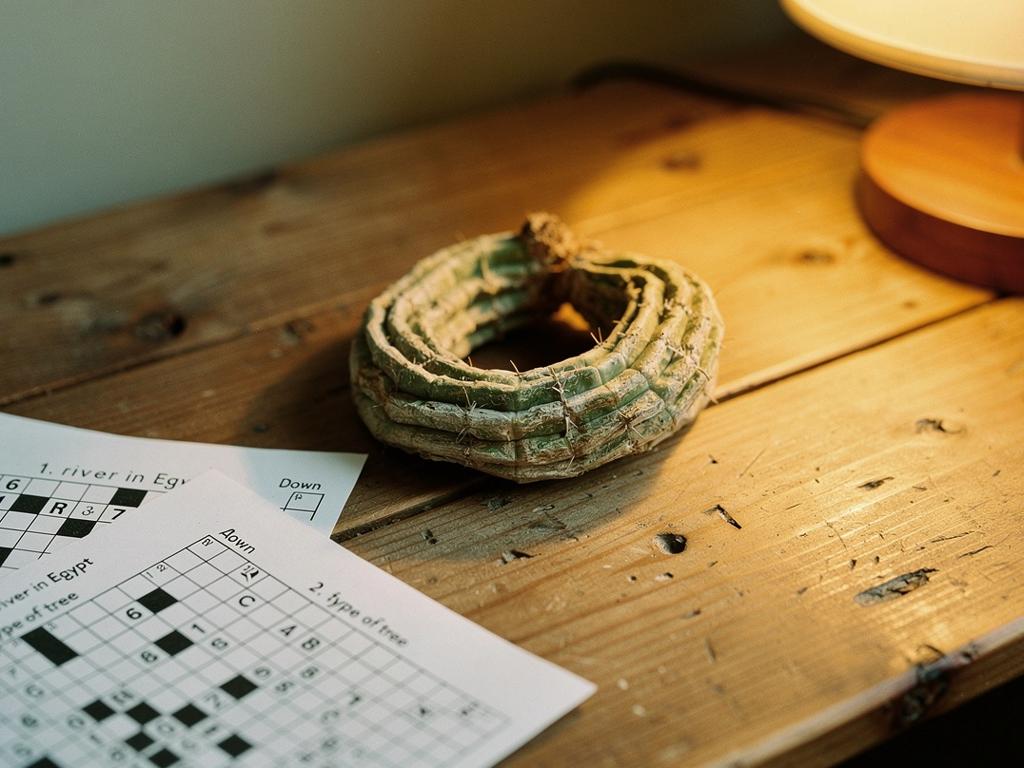
Every once in a while, the psychedelic world takes itself a little too seriously. Between clinical trial readouts, regulatory hearings, and long integration circles where someone always cries about their father, it's easy to forget the whole thing started with people getting curious about consciousness and having fun with it. So here's a small offering in that spirit: a crossword-style romp through the language of psychedelics and plant medicine, aimed at anyone who's been quietly reading about ayahuasca retreats at midnight and wondering what half the words mean. Whether you're deep in research mode or just psychedelic-curious, working through terminology is genuinely useful. The vocabulary of this world overlaps traditional Amazonian shamanism, modern neuroscience, harm reduction culture, and clinical psychiatry — four fields that don't otherwise share a dinner table. Knowing what people mean when they say dieta, set and setting, or flood dose makes the difference between an informed choice and a wildly expensive surprise. Retreats have their own dialect. Facilitators toss around words like purge, icaro, mareación, maloca, and master plants as if everyone grew up with them. Most of us didn't. And when you're about to spend two thousand dollars and a week of your life on a jungle floor, you want to know what people are actually saying. I've watched more than one first-timer arrive at a Peruvian center and realize on day two they had no idea what a dieta involved. No salt. No sugar. No sex. No pork. No onions. Some places extend the list for months on either side of the ceremony. If nobody explained this on the intake call — and nobody asked — you've got a problem you can't easily solve. So think of the puzzle below as a semi-serious way to test what you already know and fill in the blanks. Read the clues, guess the answers, and if a word makes you pause, look it up before you book. Grab a coffee. If you get more than half of these without cheating, you've been reading up. No shame either way. Even people who've done a dozen ceremonies routinely mispronounce icaro or forget which alkaloid does what. The point isn't trivia mastery. It's noticing where the gaps are. If you struggled with the medicine-specific words — dieta, purge, icaros, kambo — that's a signal to slow down before booking. A good retreat will walk you through all of it in your intake process. A less careful one will assume you've done the reading. And there is a real difference between “I read a Reddit thread” and “I understand what I'm consenting to.” If you struggled with the pharmacology terms — MAO inhibitors, tryptamines, psilocybin species — that matters too, especially if you're on any prescription medication. SSRIs and ayahuasca is the classic combination people don't take seriously enough. Neither does mixing MAOIs with certain foods. Your retreat's medical intake should catch this. Ask what their process is. Rather than leave you hanging, here are the ideas behind the trickier clues — expanded a little, because a one-line crossword answer doesn't do them justice. Dieta. More than a food restriction. In the Shipibo tradition especially, dieta is a period of quiet, isolation, and dietary discipline meant to build a relationship with a specific plant. Retreat centers vary wildly in how strict they are. Some ask for a week of light preparation. Others expect months. Ask specifically what your retreat requires — and whether they'll enforce it or leave it to you. Purge. The vomiting, crying, shaking, sweating, or occasional other-end release that often accompanies ayahuasca and, less dramatically, other plant medicines. Traditional practitioners consider it part of the healing, not a side effect. Bring your own tolerance for the fact that this is coming. Icaros. The songs. Ceremonies are largely navigated through them — the curandero's voice is essentially the steering wheel. If you sit with a facilitator who doesn't sing (many neo-shamanic and some Western-led ceremonies don't), you're getting a different experience. Not necessarily worse. Just different. Integration. The unglamorous part. What you do with the experience over the following weeks and months. Most of the real change happens here, not during the ceremony. Retreats that don't offer integration support — or at least a plan for it — are only doing half the job. Set and setting. The phrase that keeps getting rediscovered. Your mindset going in, and the environment you're in, shape the experience more than the dose. A jungle lodge with a trained curandero and a first-week dieta will produce something different than the same brew in a friend's apartment. This is not a subtle difference. In a proper crossword there's a hidden word running through the highlighted squares. In this one, the hidden word is respect. Not because it makes a good puzzle answer, but because it's the single quality that separates a healing experience from a chaotic one — respect for the medicine, respect for the tradition it comes from, respect for your own limits, and respect for the people sitting the ceremony with you. Every horror story I've heard from someone who had a bad retreat comes back to a failure of respect somewhere in the chain. A facilitator who overserved. A participant who lied on their medical intake. A center that took bookings faster than it could train staff. The medicine itself is not the problem; it's rarely been the problem. The container around it is what makes or breaks the experience. If the crossword sparked a curiosity to actually sit with one of these medicines — ayahuasca, psilocybin, San Pedro, ibogaine, or something else — a range of vetted plant-medicine retreats can be browsed on our marketplace here. Take your time choosing. The right retreat will not feel like a bargain; it will feel like a place that takes the work seriously. And if the language in this piece still feels foreign, treat that as your first task before you book anything. The words are the map. Learn them, and the terrain gets a lot less intimidating.
Is 'Unselfing' a Useful Way to Understand Psychedelic Change?
Sit in enough ayahuasca ceremonies and you'll hear the same word keep surfacing in the sharing circle the next morning: ego. Somebody says the medicine dissolved theirs. Somebody else says they finally saw past it. A third person, still a little wobbly from the night, mumbles something about becoming everything and nothing at once. The facilitator nods knowingly. And then everyone eats fruit. There's a name floating around the psychedelic and plant-medicine world for what people are gesturing at: unselfing. It's the idea that the whole point — or at least the mechanism — of a psychedelic experience is the temporary shutdown of the self, and that this shutdown is what does the healing work. It sounds tidy. It even sounds a little scientific. But is it actually a useful model for what happens inside an ayahuasca ceremony, or on a heroic dose of mushrooms, or during an ibogaine flood? I've been chewing on this for a while, and I think the answer is: partly. Unselfing is a real thing, and it explains some of what psychedelics do. It also gets used lazily, in ways that can quietly mislead people who are about to spend a lot of money and vulnerability on a retreat. Let's unpack it honestly. The term shows up in philosophy long before it shows up in psychedelic Twitter. Iris Murdoch used it in the 1970s to describe those moments when your usual grasping, anxious, self-referential inner monologue drops away — when you're absorbed in a piece of music, or a landscape, or another person's suffering, and for a second you're not the center of the story. She thought that was where moral clarity lived. Not in thinking harder about yourself, but in temporarily forgetting to. Neuroscientists later found something that at least looks like a physical correlate. On psilocybin, MDMA, and DMT (the primary active compound in ayahuasca), a network in the brain called the default mode network quiets down. That network is heavily involved in self-referential thought — the running narrative of who you are, what you've done, what people think of you, what you should be worrying about next. When it goes offline, so, apparently, does much of what people call the ego. So unselfing, in the psychedelic context, is shorthand for this: the medicine turns down the volume on the self, and in that quieter room, something else can happen. New associations. Old grief finally moving. A view of your own patterns from the outside. The addiction, briefly, without its usual grip. For people considering a retreat because they're stuck — in addiction, in depression, in some loop of trauma they can't think their way out of — the unselfing frame does something important. It reframes the point of the experience. You're not going to the jungle to gain something new. You're going to temporarily lose the thing that's been running the show. That's a much more honest expectation than the alternative, which is the retreat-brochure version: discover your true self, unlock your potential, and so on. Anyone who's actually been through a hard ayahuasca night will tell you it doesn't feel like unlocking anything. It feels like being taken apart. The healing, if it comes, tends to arrive after the taking-apart, not during. A few reasons the model earns its keep: Here's where I want to be careful, because I've watched this exact idea sell people on things they weren't ready for. First: unselfing is not a light switch. People imagine they'll go to a retreat, dissolve their ego on Tuesday night, and come home on Sunday a different person. What actually happens is messier. Sometimes you don't dissolve at all — you spend the whole night resisting, or thinking about your grocery list, or convinced the medicine isn't working. Sometimes you dissolve and it's terrifying rather than clarifying. Sometimes the dissolution happens and then, three days later at the airport, the old self is right there waiting for you, tapping its foot. Second: the model can make people passive. If the medicine is going to do the work by shutting off my self, then what's my job? A lot. Your job is preparation — the dieta, the intention, the honest reckoning with what you're bringing into the maloca. Your job is showing up in ceremony without armor. And your job, above all, is integration afterward, which is the unglamorous months of therapy and journaling and behavior change that actually convert the experience into a life change. Skip integration and unselfing becomes a very expensive vacation. Third: not every psychedelic change is about the self dropping away. Some of what plant medicine does is more like reorganization than dissolution. You don't lose yourself so much as you meet parts of yourself you'd been ignoring — grief you buried, a body that's been holding tension for twenty years, a memory you didn't know you had. That's not unselfing. That's the opposite: a fuller encounter with self. If you're weighing an ayahuasca or psilocybin retreat and the language of ego death is drawing you in, a few honest questions to sit with: My working frame, after years of watching people go through this, is less romantic than unselfing but I think more accurate. Psychedelics — ayahuasca especially — temporarily loosen the structures that hold your usual self together. What gets done with that loosening depends almost entirely on what you bring to it and what you do afterward. The medicine is not the healer. The medicine is a very intense, very concentrated few hours of altered perception during which certain kinds of change become possible that weren't possible before. Whether they actually happen — and whether they stick — is on you and the people supporting you. That's less thrilling than "the ego dissolves and you're free," but it matches what the honest facilitators say and what the durable stories of change look like a year later. The people I've watched genuinely transform through plant medicine didn't get transformed. They got a window. They climbed through it. And then they did the ordinary, difficult work of building a different life on the other side. If any of this resonates and you're starting to look at where to actually do this work, a range of vetted ayahuasca and plant-medicine retreats can be browsed on our marketplace here. Take your time choosing. The right container matters more than the perfect dose.
Craving More Stories?
Join our ShopAyahuascaRetreats newsletter for the latest updates on thrilling
destinations and inspirational tales, delivered straight to your inbox!
We value your privacy. Your email address will never be shared or published.
Where to Next After Your First Psychedelic Experience: A Grounded Guide
The days after a first psychedelic experience are strange. You feel cracked open, quietly rearranged, and — often within a week or two — restless. The question shows up almost on its own: where to next? Another ayahuasca ceremony? A different plant medicine? A meditation retreat? Nothing at all for a while? I've watched hundreds of people wrestle with this question, and I've wrestled with it myself. There's no single right answer, but there are much better and much worse ways to think about it. This is a guide for the person who's already had a taste — maybe a mushroom journey at home, maybe a full ayahuasca retreat in the jungle, maybe a psilocybin ceremony with a facilitator in Oregon — and is now trying to figure out the next step without either rushing back in or letting the whole thing quietly fade into memory. The choices you make in the next three to twelve months matter more than the ceremony itself. Really. Most people who ask “where to next” are actually asking a different question underneath. They want to know if they can repeat the intensity, the clarity, the sense of meaning. And here's the thing — you usually can't, not by simply stacking more ceremonies on top of each other. Plant medicines and psychedelics aren't a subscription service. The second ayahuasca ceremony is rarely the first one again. The tenth mushroom trip doesn't hit like the third. What actually builds on that first opening is what you do between journeys. Integration — the unglamorous work of making the insights land in your daily life — is where the real change happens. Facilitators I trust say something like this: the ceremony is maybe ten percent of the work. The other ninety is the months that follow. If you rush to the next retreat before the last one has settled, you're often just running away from the harder part. So the first honest answer to “where to next” is sometimes: nowhere yet. Sit with what you already have. Give it three months minimum. Notice what actually shifted and what didn't. That said, plenty of people are ready to keep going, and the pull isn't always avoidance. Some signs you might genuinely be ready for the next step: If most of that checks out, the question becomes which direction to go. And the options genuinely differ from each other more than most people realize. Grouping all of these under “psychedelics” is convenient but misleading. Each has its own personality, its own risks, and its own reasons someone might turn to it. A quick, honest sketch: Long, physically demanding, deeply Amazonian in its lineage. A typical ceremony lasts four to six hours and involves purging — vomiting, sometimes diarrhea, sometimes shaking. The teaching, as most curanderos describe it, comes not just from DMT but from the vine itself and the songs (icaros) that hold the space. Ayahuasca tends to be good for people wrestling with deep-seated trauma, ancestral patterns, and identity questions. It is not a party drug and it doesn't reward tourists. Gentler on the body, shorter (four to six hours), and increasingly available in legal and semi-legal contexts — Oregon's licensed service centers, the Netherlands' truffle retreats, Jamaica's mushroom ceremonies. Psilocybin research in recent years has focused heavily on depression, end-of-life anxiety, and addiction. If ayahuasca is a boot camp, psilocybin often feels more like a therapist who happens to be a mushroom. An Andean cactus medicine with a longer arc — ceremonies often last eight to twelve hours, sometimes outdoors in daylight. The character is heart-forward, quieter, less visionary than ayahuasca. Many people describe San Pedro as gentler and more integrative, a good choice for someone who found ayahuasca too intense or who wants something with a strong nature-connection element. A different beast entirely. Ibogaine is the go-to plant medicine for opioid and other severe addictions — it can interrupt withdrawal in a way nothing else does. It also has real cardiac risks and requires medical screening, an EKG, and a properly equipped facility. This is not something to book casually. If addiction recovery is your reason, ibogaine deserves serious research, but so does the aftercare plan. Shorter, more specialized. Kambo is a frog secretion used for physical and energetic cleansing — not psychedelic. Bufo is the shortest, most intense psychedelic experience most people will ever have — twenty minutes that feel like being dissolved. Peyote is a sacred medicine of specific indigenous traditions and, honestly, is best approached only through those communities rather than commercial retreats. Once you've picked the medicine, the retreat itself matters enormously. Two ayahuasca retreats can be as different as a hospital and a nightclub. Some things to weigh, in rough order of importance: Price matters too, but it's a poor primary filter. Cheap retreats are sometimes cheap because they cut corners on safety. Expensive ones are sometimes just marketing to wealthy Westerners. The correlation between cost and quality is weaker than you'd hope. If I could change one thing about how people approach psychedelic healing, it would be this: build the integration plan before you book the retreat. Not after. Before. That means finding an integration therapist, coach, or circle in advance and scheduling sessions for the weeks after you return. It means telling one trusted friend or partner what you're doing and asking them to check in with you. It means blocking off time on the calendar — actual protected time — for whatever practice you know feeds you: walking, journaling, meditation, cold water, being in nature, being with people you love. The insights from a ceremony are perishable. They fade fast under the fluorescent lights of ordinary life. What preserves them isn't willpower — it's structure. Small, boring, repeatable structure. A morning practice you actually do. A weekly conversation with someone who takes this seriously. A creative outlet where the felt sense of the experience can keep moving through you. Sometimes the honest next step is not another psychedelic at all. Consider a pause if: A pause doesn't mean the door is closed. It means the medicine has given you something, and now it's your turn to do something with it. Sometimes the most respectful thing you can do for a plant that opened you up is to spend a year proving you were listening. If you want a simple structure to work with after a first experience, try this: Most people who follow something like this end up making better decisions about what comes next. Fewer chase experiences. More build lives that don't need chasing. For readers who want to take this further and are weighing a specific direction, a curated range of ayahuasca, psilocybin, San Pedro, and ibogaine retreats can be browsed on our marketplace here. Whatever you decide, take your time. The medicines have been around for thousands of years. They're not going anywhere, and neither are you.
DMT Vape Pens: What Actually Happens When You Pull the Trigger
Someone at a party hands you a pen. It looks like any other vape — sleek, discreet, easy to mistake for nicotine. Except the cartridge holds crystallized DMT, and three deep pulls will send you somewhere your nervous system has no map for. This is the version of psychedelics almost no one at a proper retreat talks about, and yet it's everywhere. DMT — N,N-dimethyltryptamine, the same molecule that gives ayahuasca its punch — has become the most misunderstood member of the plant-medicine family. In vape form, it's stripped of ceremony, dieta, icaros, and the shaman holding space. What's left is chemistry, a lung, and about fifteen minutes of the most intense experience most humans will ever have. So let's talk about what actually happens when someone hits that pen, why it's not the same as sitting with the vine, and what a person considering psychedelics for real healing should understand before getting curious. A DMT vape pen is a small vaporizer loaded with a cartridge containing DMT freebase — usually suspended in a carrier like propylene glycol, vegetable glycerin, or occasionally a fatty acid ester. The device heats the liquid enough to vaporize the compound without combusting it. You inhale. Within seconds, the molecule crosses the blood-brain barrier and binds primarily to serotonin 5-HT2A receptors. Consciousness does something it does not normally do. The pen exists because smoking crystal DMT the traditional way is finicky. You need the right temperature, the right technique, and the courage to take three enormous hits in about twelve seconds without pausing. Miss a step and you get a partial trip — sometimes worse than no trip at all. The pen was designed to solve that problem. It made a difficult drug user-friendly. Whether that's a gift or a curse depends on who you ask. Ask ten people and you'll get ten wildly different reports. But the arc tends to follow a rough shape. The whole thing is over in the time it takes to boil an egg. That's part of what makes DMT so strange as a healing tool — the experience is short, but the residue can last months. Chemically, they share the star ingredient. Experientially, they might as well be different substances. Ayahuasca is a brew — the DMT-containing chacruna leaf combined with the banisteriopsis caapi vine, which contains MAO inhibitors that allow the DMT to remain active when swallowed. Drinking it stretches the experience across four to six hours. You purge. You cry. You crawl through the memory of a bad breakup from 2011 and come out understanding your own patterns. The vine — one of the great master plants of the Amazon — is what shamans say does the actual teaching. The DMT just opens the door. A pen skips all that. You get the door thrown open, dumped through it, and then the door slams shut. There's no vine holding your hand. No shaman singing you back. No community around the fire. For a person seeking psychedelic healing for addiction, trauma, or the kind of stuck depression that doesn't respond to SSRIs, this difference is enormous. Ayahuasca retreats build a container. A vape pen offers a launch pad and nothing else. This is the question that brings most thoughtful readers to psychedelics in the first place. The honest answer is: probably, sometimes, under the right conditions. The research on classic psychedelics for addiction has moved fast in the last few years. Psilocybin trials at Johns Hopkins have shown striking outcomes for tobacco and alcohol dependence. Ibogaine — a longer-acting tryptamine cousin — has decades of underground evidence for opioid detox. Ayahuasca, studied in Brazilian and Spanish clinics, shows real promise for treatment-resistant depression and substance use. DMT specifically is now being investigated in extended-infusion form for depression, but the pen-style five-minute blast has almost no clinical data behind it. Here's the uncomfortable truth: the substance matters, but the setting matters more. People who have breakthrough experiences on a vape pen at a music festival rarely translate them into lasting change. People who work with the same molecule inside a supported container — with a facilitator, an intention, a preparation period, and structured integration afterward — often do. Plant medicine for addiction isn't magic. It's the combination of the pharmacology and the human work around it. DMT is not physically dangerous for most healthy adults in the way opioids or stimulants are. It doesn't damage organs at typical doses, and it doesn't produce dependence. That's the good news. The rest of the news is more complicated. For someone drawn to DMT because they've heard it can shake loose something stuck, the pen is almost never the right entry point. It's the deep end of the pool with no lifeguard. A retreat setting — where ayahuasca, psilocybin, or another guided plant-medicine journey unfolds inside a proper container — gives you the pharmacology and the human support in one package. What to look for if you're weighing that decision: Psychedelic healing works when the substance, the setting, and the person doing the work all line up. The vape pen delivers only one of those three, and usually the least important one. DMT pens exist because they made an incredibly difficult drug easy. They didn't make the experience any less enormous — just easier to stumble into unprepared. For a casual psychonaut, that's a novelty. For someone actually trying to heal addiction, depression, or trauma, it's the wrong tool. The right tool is the same molecule inside a container that respects what it can do. If any of this resonates and you're weighing a real journey, a curated selection of ayahuasca and plant-medicine retreats can be explored on our marketplace here. Take your time with the decision. The medicine has been around for thousands of years. It'll wait for you to be ready.
Oregon Psilocybin Services in 2026: What the Latest Data Actually Tells Us
Oregon quietly did something almost no other place on earth has done: it built a legal, regulated psilocybin services program that anyone over 21 can access without a medical diagnosis. Four years in, the data is finally rich enough to say something useful about who’s actually going, what they’re paying, and how the whole experiment is aging. The first-quarter numbers for 2026 landed recently, and they’re worth pulling apart if you’re one of the many people quietly wondering whether a legal mushroom session in Oregon might be the psychedelic experience you’ve been circling for years. Let me say the obvious thing first. Oregon Psilocybin Services (OPS) is not a retreat model in the traditional Amazonian-ceremony sense. There’s no shaman singing icaros at 3 a.m., no dieta, no vine. It’s a licensed service center, a trained facilitator, a measured dose of psilocybin, and a session that follows a written protocol. Some people find that clinical. Others find it exactly right. Which camp you fall into matters — probably more than the data itself. The headline figure most people want first: sessions are still happening at a steady clip, and the program has moved past the wobbling infancy it had in 2023. Service centers are more stable now. Facilitator turnover has slowed. The bulk of clients are still Oregon residents, though out-of-state visitors continue to fly in — Portland and Bend remain the two gravitational centers, with a handful of smaller centers scattered across the coast and southern Oregon. Product sales data — the amount of psilocybin actually purchased by service centers from licensed manufacturers — tells a quieter story about supply chain maturity. Prices per gram have compressed compared with the wild variance of 2024, meaning centers can now forecast costs and pass more predictable pricing to clients. That’s a boring detail with a real consequence: sessions are becoming slightly more affordable, though “affordable” is still a stretch for most household budgets. Expect to pay somewhere in the range of $1,500 to $3,500 for a full session including preparation and integration, depending on dose, location, and how much support you want. Group sessions can bring the per-person cost down meaningfully. Safety data continues to look reassuring in the way regulators like: very few serious adverse events per session, and the ones that do occur are overwhelmingly psychological distress that resolves within the session itself. No deaths. No emergency department transfers of any significance. That’s not the same as saying it’s risk-free — more on that below — but it does suggest the guardrails are doing what they were designed to do. This is the part I find most interesting, because the client-motivation data cuts against the stereotype. The most common reasons people cite for booking a psilocybin session in Oregon aren’t what a casual observer might guess. They cluster around depression, anxiety, grief, and end-of-life distress, with a smaller but persistent cohort seeking help with trauma or PTSD. Curiosity and personal growth show up too, but they’re not the dominant driver. This is not a party crowd. It’s largely people who have tried therapy, tried medication, tried other things, and want to try something else. Demographically, clients skew older than you might expect — a lot of forties and fifties, some sixties, fewer twenty-somethings than the psychedelic-alpha stereotype suggests. Women slightly outnumber men. Most clients arrive with previous psychedelic experience, though a meaningful minority — perhaps a quarter — are first-timers. That last number matters if you’re a first-timer yourself. You wouldn’t be alone. Facilitators are increasingly used to guiding people who have never touched a psychedelic before. One recurring theme in the facilitator community: clients coming in for help with addiction — alcohol, particularly, and increasingly stimulant use — remain a smaller share of the total than many advocates expected. That’s partly because ibogaine and ayahuasca have stronger reputations for addiction work, and partly because the OPS framework doesn’t market itself as a treatment. It’s a service, not a therapy, and that legal distinction shapes who ends up walking through the door. If you’ve been researching ayahuasca retreats in Peru or psilocybin retreats in Jamaica or the Netherlands, you should understand what Oregon is and isn’t before you book. The Oregon program was designed around harm reduction and consumer access, not around ceremony. Here’s what that means in practice: The legality piece cannot be overstated. For a certain kind of person — parents with custody concerns, professionals with drug-testing employers, anyone with a passport that makes international travel complicated — Oregon is the only realistic option for a legal psychedelic experience in the United States, aside from Colorado’s slowly rolling-out program. The quality range across Oregon service centers is real. Not every facilitator is equally skilled, and not every center has thought carefully about who they serve best. If you’re seriously considering booking, here’s what actually matters: One honest note: the Oregon program is still young, and even the more established centers are figuring things out. If your ideal is deep, tradition-rooted ceremony, you may find Oregon underwhelming. If your ideal is a legal, safe, well-monitored psilocybin experience close to home, it’s hard to beat. I get asked this a lot, and the honest answer is: it depends what you’re looking for. If you’re drawn to plant medicine because you want lineage, community, ritual, and the accumulated wisdom of traditions that have worked with these substances for centuries, an Oregon service center is going to feel thin. Ayahuasca, San Pedro, or peyote in their traditional contexts offer something the OPS model simply doesn’t try to replicate. If, on the other hand, you want a first psychedelic experience under professional supervision, in a country where the whole thing is above-board, with medical backup a phone call away — Oregon is a genuinely good option. Especially for anyone dealing with depression, treatment-resistant anxiety, or the kind of stuck-in-a-loop life pattern that talk therapy hasn’t moved. The evidence base for psilocybin in these areas has been growing steadily for years, and while OPS itself isn’t clinical research, it operates in the same broad territory. Cost is the other filter. If $2,000 for a single session is out of reach, the Oregon model probably isn’t your entry point right now. International retreats — Costa Rica, Mexico, Peru — often deliver a fuller multi-day experience for comparable money, though the trade-offs in legal risk, medical support, and screening rigor are real. There’s no free lunch here. Oregon’s first-quarter 2026 data suggests a program that is doing what it was designed to do: providing safe, legal access to psilocybin for adults who want it, without producing the sky-is-falling outcomes opponents predicted. It’s not perfect. It’s expensive. It leans harder on the individual than on community, which some readers will love and others will find isolating. Integration remains its softest edge. But it’s real, and it’s working, and it’s reshaping what psychedelic access looks like in the United States. Colorado is watching. Other states are drafting bills. The template Oregon is refining will inform whatever comes next. If you’ve been circling the idea of a psilocybin experience — legal or otherwise — it’s worth spending some time understanding what each model actually offers before you book anything. For readers who want to take this further, a curated range of psilocybin and plant-medicine retreats can be browsed on our marketplace here. Whatever you choose, choose it slowly. These are experiences worth preparing for.
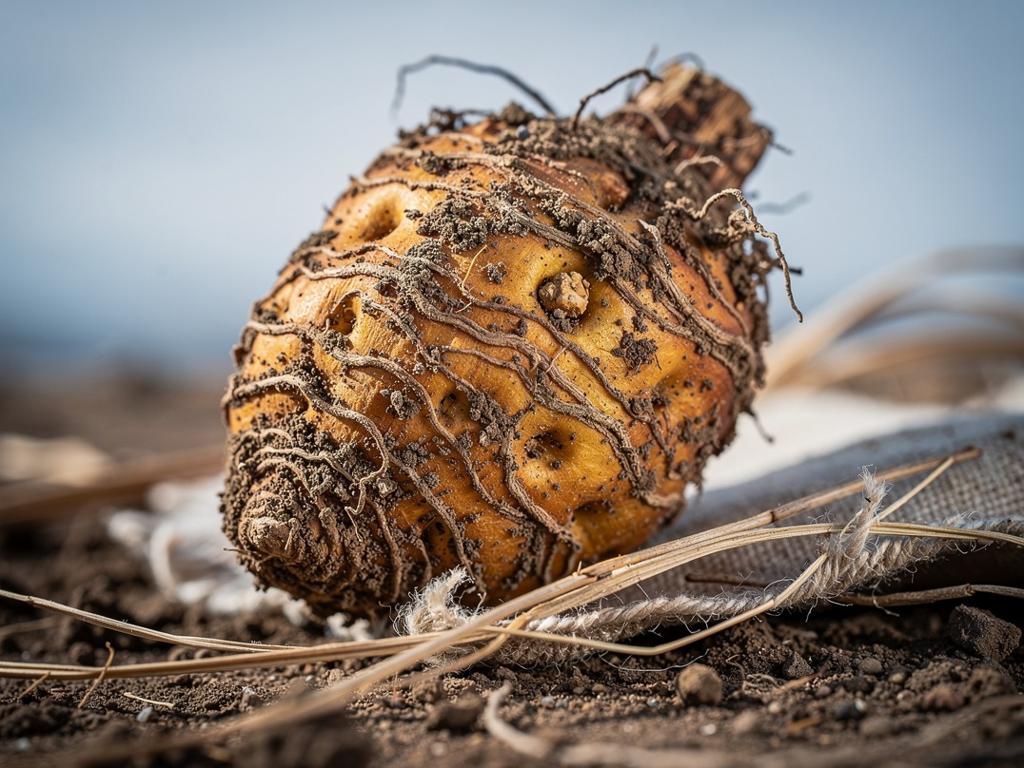
Maca Root and Plant Medicine: What to Know Before a Retreat
Somewhere between the first sleepless night before a ceremony and the third cup of coca tea at 12,000 feet, most retreat-goers start asking the same practical question: what should I actually be putting in my body right now? Maca root comes up a lot in those conversations. It’s not psychedelic, it’s not a master plant in the ceremonial sense, and it won’t send you anywhere you weren’t already headed. But it has a strange, quiet reputation among people preparing for ayahuasca and other plant medicine work — and that reputation deserves a closer look. This isn’t a wellness-influencer piece about superfoods. It’s a straight read on what maca is, what it isn’t, and how it fits (or doesn’t) into the bigger picture of psychedelic and plant-medicine retreats. If you’re weighing a trip to Peru, or you’re just curious why every third juice bar in Cusco stocks the powder, keep reading. Maca (Lepidium meyenii) is a hardy root vegetable that grows in the Peruvian Andes, mostly between 12,000 and 15,000 feet. It’s a cousin of broccoli and radish — cruciferous, unglamorous, and stubbornly resilient in soil where almost nothing else survives. Indigenous communities in the Junín region have been cultivating and eating it for at least two thousand years, and probably a lot longer. It was traded, taxed, and eaten as food long before anyone in the West got hold of it. The dried root gets ground into a powder that tastes faintly of malted caramel and dirt, in a way most people describe as “fine, I guess.” It comes in yellow, red, and black varieties, each with slightly different chemical profiles. Yellow is the most common. Red gets sold for hormonal balance. Black gets marketed for stamina and cognition. The research supporting those distinctions is thin but not nonexistent. Crucially: maca is a food, not a medicine in the pharmacological sense. It doesn’t contain psychoactive alkaloids. You cannot trip on it. This matters when we start talking about plant medicine. The phrase “master plants” refers, in Amazonian and Andean traditions, to plants that teach — plants a curandero works with over long dietas to learn healing, diagnose illness, or receive guidance. Ayahuasca is the famous one. San Pedro (huachuma), tobacco (mapacho), chacruna, chiric sanango, bobinsana, and many others belong to that lineage. These are plants with spirit, in the traditional framing. Maca is not a master plant. Ask any curandero in the sierra and they’ll tell you it’s food — nutritious, warming, useful, but not something you diet with in the ceremonial sense. That distinction matters because a lot of wellness content online blurs the line, selling maca capsules with the same mystical language used for ayahuasca or psilocybin. It’s misleading. If you’re researching psychedelics and plant medicine seriously, keep the categories clean: Here’s where it gets practical. Plenty of people preparing for an ayahuasca retreat or a San Pedro ceremony start adding maca to their routine in the weeks leading up. The reasons range from reasonable to wishful. The reasonable ones: maca is a genuine source of iron, calcium, and B vitamins. If you’re about to spend a week eating a strict dieta — usually plain fish, boiled plantain, some rice, no salt, no sugar, no oil — a bit of extra nutritional buffer beforehand isn’t crazy. People who arrive at retreats depleted tend to have harder physical experiences. That’s not mystical; it’s just biology. The wishful ones: the idea that maca “opens” something, primes the body for psychedelic experience, or somehow amplifies the medicine. There’s no evidence for any of this. Ayahuasca doesn’t care whether you drank maca smoothies for a month. What it responds to, in the reports of most experienced facilitators, is the state of your nervous system, your intention, and your willingness to actually let go — none of which come in powder form. If you’re heading to a traditional retreat, ask your facilitators before you take anything — including maca — in the days leading up to ceremony. Some centres run strict pre-ceremony protocols that exclude stimulants, adaptogens, and anything that could interact with the MAO inhibitors in ayahuasca. Maca is generally considered safe here, but “generally” isn’t the same as “yes, definitely, for you.” The MAOI issue is worth understanding on its own. Ayahuasca contains harmala alkaloids that inhibit monoamine oxidase, which is what allows the DMT in the brew to become orally active. That same mechanism makes ayahuasca dangerous when combined with certain antidepressants (SSRIs and SNRIs especially), some blood pressure medications, and foods high in tyramine. Maca doesn’t sit on that list of contraindications in any research I’ve seen. But a good retreat will still want to know what you’re taking, in what quantities, and for how long. General rule: whatever you’re bringing into your body in the two weeks before ceremony, tell your facilitator. Not because they’ll judge you — because they need to keep you alive and comfortable. This is the question I get asked most often by readers considering a retreat. They’re not really asking about maca. They’re asking, quietly, whether there’s a shortcut — something they can order online that will do a bit of what plant medicine does, without the discomfort of ceremony. The honest answer: no. Maca has some observed effects on mood in small studies, particularly around perimenopausal symptoms and general energy. That’s not nothing. But it is not a treatment for depression, trauma, or addiction, and anyone selling it that way is either misinformed or dishonest. The research on psychedelics for addiction recovery — psilocybin for alcohol use disorder, ibogaine for opioid dependence, ayahuasca for various forms of substance abuse — is on a different order of magnitude entirely. These are compounds that appear to interrupt patterns at the neural level in ways adaptogens simply don’t. Which isn’t to say food-medicines have no role. Nervous-system regulation, sleep, mineral repletion, cutting caffeine, gentle movement — these things matter enormously in the months around a psychedelic experience. Maca can be a small piece of that. It’s just not the main event. If you’re curious and want to add maca to your pre-retreat routine, a few honest pointers: Maca is a good root. It grows where almost nothing else does, feeds people in high mountains, and probably belongs in more diets than it currently occupies. It’s worth respecting on those grounds alone. What it isn’t is a plant medicine in the ceremonial sense, and it won’t do the work that ayahuasca, psilocybin, or ibogaine can do for people caught in the deeper grooves of addiction and trauma. If you’re researching a retreat and finding yourself pulled toward the real thing — the actual sit-in-a-maloca-and-face-what-comes-up thing — trust that instinct. Read carefully. Ask facilitators pointed questions. Talk to people who’ve been. If any of this resonates and you want a starting point, curated ayahuasca and plant-medicine retreats can be browsed on our marketplace here. The decision is a big one, and it deserves more than a supplement aisle can offer.
The Billion-Dollar Quarter: What Psychedelic Funding in 2026 Means for Retreat-Goers
A little over a billion dollars flowed into psychedelic drug companies between April and June of 2026. That is not a typo, and it is not a rounding-up of the past decade. It happened in a single quarter. If you're reading this because you're weighing an ayahuasca retreat, an ibogaine program, or a psilocybin ceremony somewhere in the mountains, that number might feel like it lives in a completely different universe from yours. In some ways it does. In other ways, it's about to reshape the world you're stepping into. I've been covering the psychedelics space long enough to have watched three or four hype cycles come and go. This one feels different — not because the money is bigger (though it is), but because clinical results are finally catching up to the promises. And that shift matters for anyone considering a retreat, even if you never plan to swallow a pharmaceutical pill in your life. The headline is simple. Ten financing events. Just over a billion raised. The biggest single round on record in this field. But almost the entire pile came from one company: Definium Therapeutics, an LSD-focused drug developer, which pulled in $805 million on the back of a positive Phase 3 readout showing meaningful antidepressant effects. That is roughly what the entire psychedelics sector raised in some earlier full years combined. The rest of the quarter was quieter, but not sleepy. GH Research, which is developing an inhaled 5-MeO-DMT product, netted around $117.5 million. Helus Pharma — the company formerly known as Cybin — closed a $50 million raise. Smaller players followed: Optimi Health, a psychedelics manufacturer up in Canada, closed a $15 million offering, and Psilera announced $8.8 million in seed funding (with a chunk of that having actually been sitting on the books since 2021, which tells you something about how patient this corner of biotech has to be). Ten deals. One monster round. A handful of solid but unremarkable ones. That's the shape of the quarter in a sentence. Here's the honest answer: it matters less than the headlines suggest, and more than the skeptics claim. Drug developers are chasing FDA approval — meaning standardized doses, tightly controlled clinical settings, and eventually prescription-based access. That world is very, very different from the world of a traditional ayahuasca ceremony in the Peruvian Amazon, or a psilocybin retreat in Jamaica, or an ibogaine clinic in Mexico. A pharmacy in Ohio is not going to hand you a bottle of ayahuasca in 2027. It might, eventually, hand your neighbor a blister pack of synthetic psilocybin for treatment-resistant depression. Those are two separate universes doing two separate things. But the money moving through the pharma side has knock-on effects on the retreat side, whether the retreat industry likes it or not. Research validates the medicine. Media coverage grows. Insurance conversations start. Practitioners get better training. Screening protocols tighten. And — this is the important part — the general cultural conversation shifts from "drugs that ruined the sixties" to "tools that clinical trials keep confirming actually work for depression, PTSD, and addiction." That shift is what you're feeling, quietly, when your therapist doesn't recoil the way she would have five years ago. A billion-dollar quarter creates a specific set of ripples. Some are good for retreat-seekers. Some are worth watching with a raised eyebrow. None of this changes the fundamental question you're actually asking, which is something more like: will this help me get unstuck? But it changes the environment in which you're asking it. One thing worth naming plainly: ayahuasca, San Pedro, iboga, and the mushrooms that grow out of a Oaxacan hillside are not going to be replaced by tablets. The clinical world is chasing molecules — DMT alone, psilocybin alone, LSD alone, 5-MeO-DMT alone. Traditional plant medicine works differently. The ayahuasca vine and its companion chacruna leaf are the classic example: two plants working together, with dozens of trace compounds, prepared by someone whose lineage stretches back generations. That is not a product that scales to a pharmacy shelf, and most curanderos don't want it to. What the funding boom does mean is that the underlying science of what these plants are doing to the brain — how they promote neuroplasticity, why they seem to loosen the grip of addiction, how they interact with trauma processing — keeps getting clearer. If you've ever tried to explain to a skeptical family member why you're considering flying to Peru, that clarity helps. "There are Phase 3 trials showing this works" lands differently than "a friend of a friend had a breakthrough." Both statements can be true. But one of them your dad will listen to. If you're actively researching a retreat — for addiction, for depression, for the sludge that trauma leaves behind, for whatever pattern won't let go of you — the funding news shouldn't change your timeline much. Pharmaceutical psilocybin might reach approval in the next couple of years. Pharmaceutical LSD, with Definium's recent readout, is now genuinely on the radar. But "in a couple of years" is a long time when you're the one struggling now, and even after approval, access will be gated, expensive, and geographically limited for a while. What I'd actually suggest, if you're at that decision point: The money pouring into psychedelic pharma is validating something that indigenous traditions have known for centuries — that these compounds, handled with care, can crack open patterns that talk therapy alone can't reach. What the traditions know that the trials are still catching up on is that the container matters as much as the compound. A trained shaman, a considered set and setting, and a community that holds you afterward — those aren't extras. They're most of the medicine. If you're curious about what's out there and want to see what serious operators actually look like, a range of vetted ayahuasca, psilocybin, and ibogaine retreats can be browsed on our marketplace here. Take your time with the decision. The billion dollars will still be moving next quarter, and the plants aren't going anywhere either.
Dreaming of a Psychedelic Retreat?
We have the best deals and offers from thousands of organizers all over the world! Get them into your mailbox every week!
We value your privacy. Your email address will never be shared or published.
