 English
 Deutsch
 Français
 Nederlands
 Español
SHOP AYAHUASCA RETREATS BLOG
Why Venture Capital Is Pouring Into Psychedelic Medicine (And What It Means for Retreats)

Cleo Adler
June 16, 2026
Your ultimate guide to discover transforming ayahuasca and psychedelic experiences. Dive into serene destinations and elevate your consciousness to unparalled heights.
Discover Ayahuasca & Psychedelic Retreats NowSearch for ayahuasca & psychedelic retreats
Discover retreats, trainings, and holidays from all over the world
Something strange is happening at the intersection of finance and plant medicine. The same people who used to put money into biotech start-ups and cannabis brands are now writing cheques to companies developing psilocybin therapies, synthetic 5-MeO-DMT, and ayahuasca-adjacent treatments for depression, addiction, and trauma. If you've been quietly researching whether a psychedelic retreat might help with something stuck in your own life, this matters more than it might look.
Here's why: the money flowing into clinical research is changing the conversation around psychedelics from fringe spiritual practice to credible mental health intervention. That shift affects everything — the legal landscape, the kind of people booking ceremonies, the safety standards retreat centres are starting to adopt, and the way insurance companies and doctors talk about plant medicine. Whether you find that exciting or unsettling probably depends on where you sit. Maybe both.
Let's unpack what's actually going on, what the research is showing, and what any of it has to do with you sitting in a maloca in Peru drinking a bitter brown brew.
The Quiet Boom in Psychedelic Investment
A few years ago, the idea of a venture fund dedicated entirely to psychedelics would have sounded like a joke at a dinner party. Today there are dozens of them. Funds in London, Berlin, Toronto, and New York are scouting biotech start-ups working on psilocybin, ibogaine analogues, DMT delivery systems, and ketamine clinics. Some have raised tens of millions. A few of the companies they back have gone public on the Nasdaq.
The driver is brutally simple: mental illness is the most expensive health crisis on the planet. Estimates put the global cost at trillions of dollars a year once you factor in lost productivity, healthcare burden, and the human side that doesn't show up on a spreadsheet at all. Conventional antidepressants help some people some of the time. They fail a lot of people. Therapy is expensive and rationed. Into that gap walks a class of compounds that, in early trials, are doing things SSRIs simply cannot do — particularly for treatment-resistant depression, PTSD, end-of-life anxiety, and certain addictions.
If you're an investor, that's a market. If you're a person who has tried three antidepressants and still can't get out of bed, that's a maybe-finally.
What the Science Is Actually Showing
The headline finding from the past several years of psilocybin research is that a small number of guided sessions — often just one or two — can produce sustained reductions in depression and anxiety scores months later. That's not how pharmaceuticals usually work. SSRIs require daily dosing and weeks to kick in. Psilocybin, in the trial settings, behaves more like a catalyst than a maintenance drug.
Similar signals are emerging in other corners of the field:
- Ibogaine for opioid addiction — strong anecdotal and small-trial evidence that a single dose can interrupt withdrawal and dramatically reduce cravings.
- MDMA-assisted therapy for PTSD — late-stage trials showed durable remission in a majority of participants.
- Ayahuasca for depression and addiction — observational studies from long-running retreat centres and a handful of controlled trials suggest measurable benefit.
- 5-MeO-DMT — synthetic versions are now in clinical development for severe depression because the experience is short (under thirty minutes) and easier to fit into a medical setting than longer journeys.
None of this is settled science. Trials are small. Placebo effects are notoriously hard to control for when participants can obviously tell whether they've been dosed. Long-term safety data is still thin. But the pattern is consistent enough that serious researchers at serious institutions are no longer hedging the way they did a decade ago.
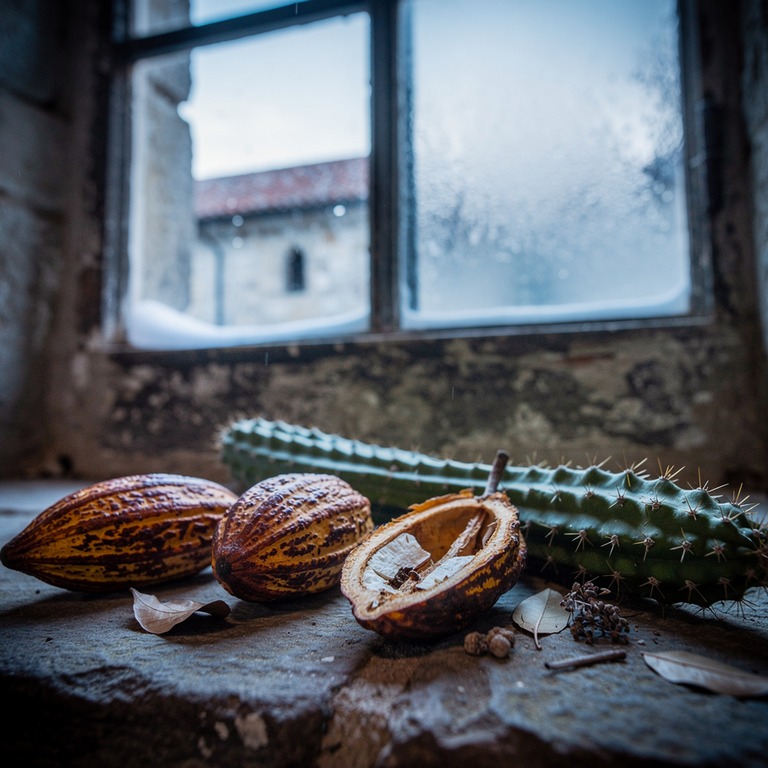
Why Addiction Is the Most Interesting Frontier
If you came to this article because you or someone you love is wrestling with addiction, pay close attention to this section. Of all the conditions psychedelics are being studied for, addiction may be where they have the most distinctive contribution to make.
Conventional addiction treatment is largely behavioural — meetings, counselling, harm reduction, sometimes maintenance drugs like methadone or buprenorphine. It works for many people. It also has high relapse rates, and it tends to address the surface behaviour rather than what's underneath it. For a lot of people in recovery, the question that haunts them isn't how do I stop but why do I keep coming back to this thing that's killing me.
Plant medicine seems to act on exactly that layer. Ayahuasca, ibogaine, psilocybin — in different ways and with different intensities, they tend to surface the emotional and biographical material that addiction has been managing. People report seeing, sometimes for the first time, what they've been numbing. That's brutal. It's also, for many, the first time the underlying knot has been visible enough to start untying.
None of this means psychedelics are a magic bullet. Ibogaine in particular carries real cardiac risk and should never be taken outside medically supervised settings. People with serious cardiovascular conditions, certain psychiatric histories, or who are on SSRIs face genuine danger. But for the right person in the right setting, the evidence is increasingly hard to dismiss.
What This Has to Do With Retreats
Here's where the venture-capital story circles back to the person reading this on their phone at midnight, wondering whether to put down a deposit on an ayahuasca retreat. The research funding doesn't directly change what happens in ceremony. The shamans aren't on anyone's payroll. The vine still grows in the Amazon. The icaros are still sung the way they've been sung for generations.
But the cultural permission structure around retreats is shifting fast. Five years ago, telling a colleague you were going to Peru to drink ayahuasca would have raised eyebrows. Now it's a conversation people have at dinner parties without anyone choking on their wine. That cultural shift is partly the work of the researchers and the investors — they've made it respectable to say in public that these substances have therapeutic potential.
The practical downstream effects you might notice as a retreat-seeker:
- More medically trained staff at higher-end centres — nurses, psychologists, integration therapists.
- More rigorous medical screening, including blood pressure checks and medication reviews.
- Better preparation protocols and structured integration afterwards.
- A wider price range — from rustic community-run centres to clinical-grade facilities charging the price of a small car.
- More people in ceremony who look like your accountant, not just like a backpacker.
Some of this is genuinely good. Better screening saves lives. Integration support is the difference between a difficult night becoming a turning point and a difficult night becoming a wound. Some of it is more complicated — the medicalisation of plant medicine has critics who argue that stripping out the indigenous context strips out the part that actually heals.
How to Think About Choosing a Retreat in This Landscape
If you're weighing whether to book somewhere, the investment boom doesn't really change the questions you should be asking. It just means there are more options, at more price points, with more varied philosophies. A short checklist that's served people I've spoken with well:
- Who actually runs the centre? Are there indigenous facilitators, trained Western therapists, or both? Be wary of places where one charismatic founder is the entire operation.
- What's the medical screening like? A reputable centre will ask about your medications, your psychiatric history, and your cardiovascular health before taking your deposit, not after.
- What does integration look like? The work is in the weeks after, not the night of. If a retreat ends with a goodbye breakfast and no follow-up, that's a red flag.
- What are the dieta and preparation requirements? Vague answers here usually mean weak protocols.
- How do they handle difficult experiences? Ask directly. The answer tells you everything.
Price is not a reliable signal of quality. Some of the most respected centres in the Amazon charge a fraction of what a polished European retreat costs. Some of the expensive ones are excellent. Some are essentially wellness theatre. Do the homework.

The Honest Caveats
It would be irresponsible to write this much about psychedelic medicine without naming what it isn't. It isn't a guaranteed cure for anything. People go to retreats hoping for a single ceremony that will undo decades of pain and sometimes come home disappointed, or worse, destabilised. The experiences can be physically punishing. They can surface material you weren't ready for. They can interact badly with psychiatric medications. They are not appropriate for people with personal or family histories of psychosis or bipolar disorder.
The legal situation in your home country probably matters more than the marketing copy suggests. Most psychedelics remain illegal in most jurisdictions, even when the research is promising. The retreats operating legally tend to be in countries — Peru, Costa Rica, Jamaica, the Netherlands, Mexico — where specific substances exist in legal grey or green zones. That's why the retreat industry exists where it does.
And finally: the venture-capital story is a real one, but it's not the only story. Indigenous communities have been working with these plants for centuries without anyone's IPO. The medicine doesn't need permission from a fund manager in London to do what it does. If you decide to go, you're stepping into a tradition that long predates the spreadsheet.
If something in all of this resonates and you'd like to take a closer look at what's actually available, a curated range of ayahuasca and psychedelic retreats can be explored on our marketplace here. Read carefully, ask questions, and take your time — this isn't a decision to rush.


Craving More Stories?
Join our ShopAyahuascaRetreats newsletter for the latest updates on thrilling
destinations and inspirational tales, delivered straight to your inbox!
We value your privacy. Your email address will never be shared or published.