 English
 Deutsch
 Français
 Nederlands
 Español





Reset. Heal. Grow.
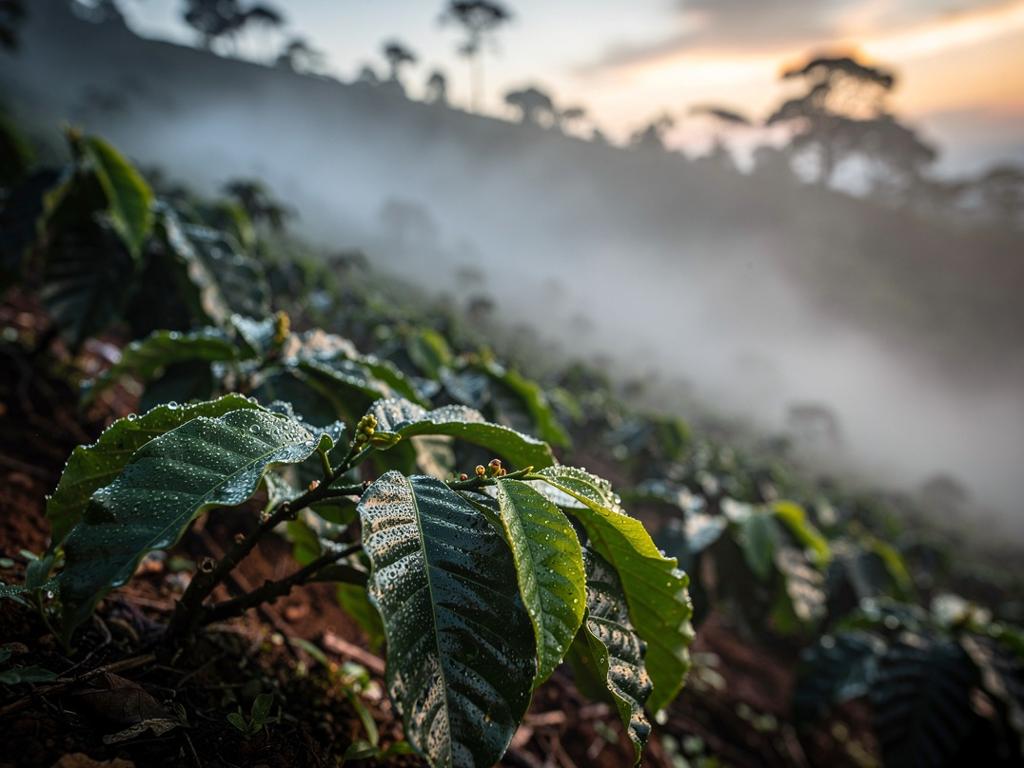

Ibogaine Preparation Guide: What to Know Before Your Journey
Ibogaine is not a weekend experience. It's a long, disorienting, physically demanding encounter with a plant medicine that can rearrange how you relate to your own history — and, for some people, break the grip of opioid or alcohol addiction in a way nothing else has. If you're reading this, you're probably somewhere in the research phase. Good. That's exactly where you should be. What follows isn't a sales brochure. It's the kind of thing I'd tell a friend who called me and said, “I think I'm going to do this.” Some of it is practical. Some of it is uncomfortable. All of it matters. Most people don't come to ibogaine casually. They come after years of trying other things — therapy, medication, twelve-step rooms, other psychedelics — and finding that the pattern still has them. Opioid dependency is the most well-known reason people book a retreat, because ibogaine's ability to interrupt withdrawal is genuinely striking. But it's also used for alcoholism, methamphetamine addiction, deep depression, and the kind of trauma that never quite leaves the body. The medicine comes from the root bark of Tabernanthe iboga, a shrub used ceremonially for generations by the Bwiti people of Gabon. In clinical and retreat settings today, it's typically given as a purified extract or as total alkaloid — dosed carefully, with medical screening, and under supervision. This is not something to source from the internet and try in a hotel room. I want to be plain about that. Ibogaine is a cardiac drug. It affects the QT interval of the heart, which means anyone with underlying heart conditions, electrolyte imbalances, or certain medications is at real risk. Deaths have happened, almost always in unsupervised settings or where medical screening was skipped. A reputable retreat will require an EKG, bloodwork, a liver panel, and a full medication list before they'll even confirm your booking. If a place doesn't ask for these things, that's your answer about that place. Beyond the physical, ask yourself honestly: If you answered no to most of those, the retreat isn't wasted — but it probably won't do what you're hoping it will. The medicine doesn't fix you. It shows you. What you do with what it shows you is the actual work. Here's where language gets thin. People who've done ayahuasca or psilocybin sometimes assume ibogaine will be similar. It isn't. Ayahuasca tends to be emotional, visionary, sometimes explosive. Ibogaine is slower, heavier, and more like watching your own life play back on a screen you can't look away from. The first phase, usually beginning within an hour or two of the dose, is often described as a waking dream state. You may see scenes from childhood, from relationships, from moments you'd forgotten. There's often a kind of teacher-presence — some people call it the iboga itself — that seems to be walking you through the material without judgment. Nausea is common. You'll likely be still, eyes closed, for many hours. The second phase is more reflective. The visions soften and become thoughts, insights, sometimes uncomfortable clarity about people or choices in your life. This can go on for another day. Sleep is often impossible for 24 to 36 hours — a stretch that sounds miserable and, in practice, sometimes is. The exhaustion afterward is real. Plan for a full week where your only job is to eat, sleep, walk, and process. The ibogaine retreat world is uneven. There are excellent providers — medically staffed, ethically run, deeply experienced. There are also operations that shouldn't exist. Here's what to look for, and what to walk away from. Legality varies. Ibogaine is unscheduled in Mexico, New Zealand, Costa Rica, and several other countries where legitimate retreats operate. It's Schedule I in the United States, which is why the industry has largely grown up abroad. The weeks before the retreat matter more than most people realize. If you're coming off opioids, the retreat team will give you a specific taper protocol — follow it exactly. Switching from long-acting to short-acting opioids in the weeks before is standard, because long-acting ones can complicate the ibogaine experience and even make it dangerous. For everyone, regardless of what you're working on: Mentally, try to arrive without a wish list. The medicine tends to show you what you need, not what you asked for. People who come with rigid expectations often feel disappointed or bulldozed. People who come open tend to leave with something they didn't know they were looking for. Here's the honest truth from talking to dozens of people over the years: the ceremony isn't the hard part. Integration is. The first two weeks after ibogaine, many people describe an unusual clarity — cravings gone, mind quiet, patterns visible. It feels like a miracle. And then, somewhere around week three or four, ordinary life reasserts itself. The old triggers show up. The old people call. The old habits knock. What determines whether the shift holds isn't the medicine. It's what you build in the aftermath. Regular therapy — ideally with someone who understands psychedelic integration. A support community. New routines around the times of day that used to belong to the addiction. Physical practice. Sleep hygiene. Boring, unglamorous, essential. People who treat ibogaine as a reset button and go back to their old life almost always relapse. People who treat it as the opening move of a two-year rebuild almost always don't. That's not a scientific claim — it's a pattern I've watched play out again and again. Ibogaine is often grouped with other master plants — ayahuasca, San Pedro, psilocybin mushrooms — teachers that different cultures have worked with for centuries. Each one has its own character. Ayahuasca tends to be emotional and relational. San Pedro is heart-opening and slow. Psilocybin can go anywhere. Ibogaine is stern, exacting, and unusually direct about the material it wants you to look at. If addiction recovery is your reason for exploring plant medicine, ibogaine has the most specific evidence behind it — particularly for opioid dependency. If you're working with depression or trauma without a strong addiction component, other medicines may be gentler entry points. There's no hierarchy. There are just different tools for different situations, and honest facilitators will tell you if they don't think their medicine is the right fit for you. If any of this resonates and you'd like to see what's actually available, a range of vetted ibogaine and plant-medicine retreats can be browsed on our marketplace here. Take your time with the decision. The right retreat, entered at the right moment in your life, with the right support around it, can be one of the most important weeks you'll ever spend. The wrong one, rushed into, can set you back. Choose slowly.
Why Doing the Thing You Dread Might Rewire a Depressed Brain
You know the moment. Someone texts about dinner Friday night, and for half a second you feel a flicker of something — curiosity, maybe even excitement. Then the mental accounting starts. You'll be tired. The drive is annoying. You won't have anything interesting to say. By the time you've typed a reply, you've talked yourself into staying home again. For most people, that's just Tuesday. But when someone is genuinely depressed, or moving through a heavy patch of grief, addiction recovery, or post-trauma numbness, that pull toward withdrawal isn't just laziness or introversion. It's the brain's reward circuitry running a specific, measurable pattern — and it turns out the way out of that pattern may involve doing the very thing you least want to do. A brain imaging study published a few years back looked at 24 people diagnosed with major depression and 24 people without it. Everyone completed a simple task involving small cash rewards while their brains were scanned. Sometimes participants anticipated winning money, sometimes they found out whether they did. Nothing dramatic — just the everyday machinery of expecting something good and then either getting it or not. Researchers zeroed in on the ventral striatum, a region deep in the brain that lights up when we recognise something as worth wanting. Think of it as the department in charge of tagging experiences as “worth pursuing again.” Dopamine is one of the messengers involved, though the popular image of dopamine as a pure pleasure chemical oversimplifies what's actually going on. In people with depression, the ventral striatum showed less activity both when they anticipated a reward and when they received one. Just as telling: the reward region talked less with parts of the brain that handle decision-making and motivation. So the story isn't only that pleasurable things feel less pleasurable when you're depressed. The brain has a harder time converting the mere possibility of something good into the drive to actually go after it. This is the part that makes intuitive sense once you name it. Anyone who's been through a depressive stretch knows the strange, almost surreal experience of understanding, on paper, that a walk outside or a coffee with an old friend would probably lift the fog — while feeling exactly zero desire to move toward any of it. It's not denial. It's not stubbornness. The wiring that turns “this might help” into “I'm getting up now” is running quieter than usual. That gap between knowing and doing is why a lot of well-meaning advice bounces off. “Just get out of the house.” “Have you tried yoga?” “Force yourself.” The advice isn't wrong, exactly. It's just missing the piece about how motivation actually gets manufactured in a brain that's currently short on the raw material. It's also why plant medicine and psychedelic-assisted work has drawn so much serious clinical attention for depression and addiction. Ayahuasca, psilocybin, and ibogaine appear — in early research and in a growing pile of participant accounts — to do something to the reward and prediction machinery that talking about your feelings alone often can't touch. That's a longer conversation, but it's the same conversation. Here's where it gets interesting. Your brain is a prediction machine. It's constantly running forecasts — how will this feel, how much energy will it cost, is this worth the effort — and then comparing those forecasts against what actually happens. Researchers call the gap between forecast and reality a prediction error. When the reality beats the forecast, the brain files that away. When it comes in worse, it files that away too. Depression tends to load the forecast with pessimism before you even begin. The walk will be dreary. The dinner will be exhausting. The ceremony you've been thinking about attending will just churn up more pain. So when you actually go — and the walk turns out to be quietly fine, or the dinner is genuinely nice for an hour, or the ceremony leaves you tender but lighter — your brain notices the mismatch. That's the information your reward system has been starved of. In a separate small pilot study running over nine weeks, changes in how people learned from rewards tracked with improvements in their depression symptoms. Not a cure, not a magic bullet — but a signal that this feedback loop is repairable, and that repair happens through experience, not just through insight. Clinical psychologists have a name for the approach that leans on all this: behavioural activation. Instead of waiting for motivation to arrive before you act, you act first, on purpose, in small doses, and let the brain gather new data. It's one of the better-studied treatments for depression and it costs nothing but effort. The same logic sits underneath why properly held psychedelic retreats can be so useful for people stuck in long depressive or addictive patterns. A well-run ayahuasca or psilocybin container is, among other things, a very intense prediction-error generator. You show up expecting one thing about yourself, about your pain, about what's possible — and something else entirely happens. The brain gets new information it couldn't have manufactured on the couch at home. That's not a promise. Plenty of people go to retreats and come home with more questions than answers. But the mechanism — introduce novel, meaningful experience, let the brain update its priors — is the same mechanism operating whether you're going for a 10-minute walk or sitting through a three-night dieta in the jungle. The scale differs. The direction doesn't. If you're in a low patch right now and reading this from bed, don't try to overhaul your life. Try to give your brain one piece of new information this week. That's it. Sometimes the small experiments aren't cutting through, and that's worth being honest about. If you've been in a heavy patch for months or years, if addiction is in the picture, if trauma keeps flooding in when you try to sit still — the walk-around-the-block strategy has real limits. This is where people start looking at bigger interventions: therapy with someone who actually specialises in your particular kind of stuck, medication when it's warranted, and increasingly, structured psychedelic work. Plant medicine isn't for everyone. It carries real risks, especially for people on certain psychiatric medications or with certain family histories, and the retreat market has plenty of operators who don't screen properly or hold space well. If you're considering it, take your time. Ask hard questions. Talk to people who've been. For readers who want to look at what a properly run ayahuasca or psilocybin retreat actually involves, a curated selection can be browsed on our marketplace here. Whatever route you take, the underlying logic is the same one the brain scans keep pointing at. Your reward system learns from what happens, not from what you tell yourself should happen. Give it something to work with. Start smaller than you think you need to. See what the data says.

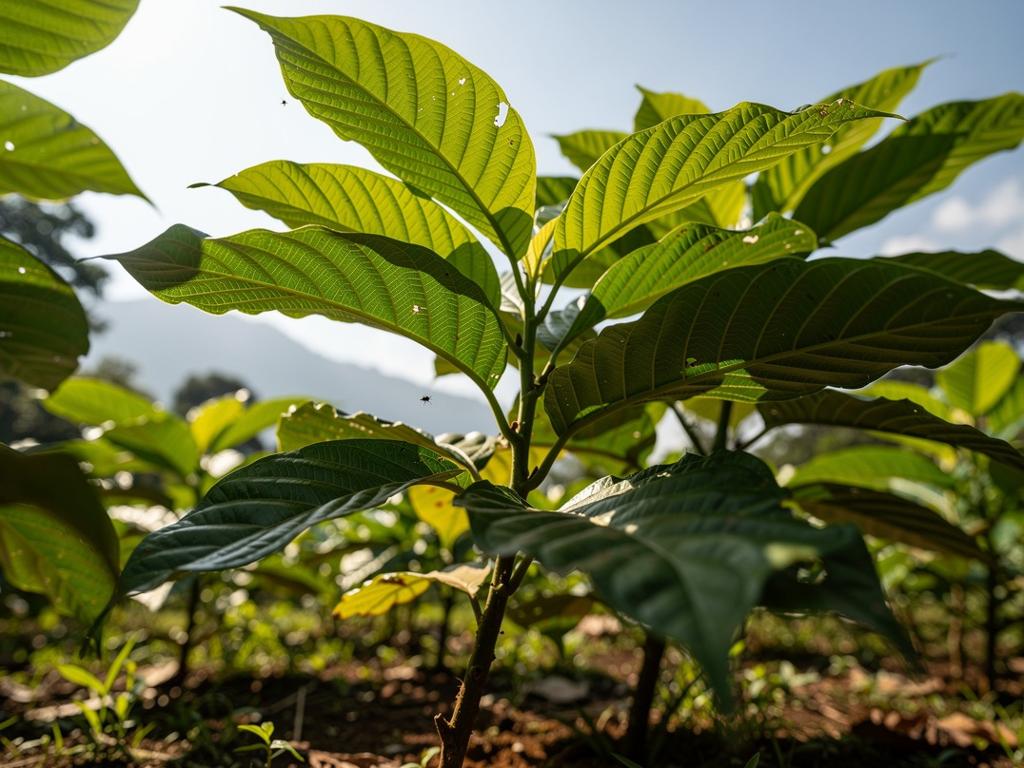
Why Writing by Hand Sharpens Memory — and What It Has to Do With Plant Medicine Integration
Try to remember the last thing someone told you in a meeting last week. Not the gist — the actual words. Hard, isn't it? Now think about a phrase your grandmother used to say, written on a card decades ago in her looping cursive. That one probably comes back fully formed, with the color of the ink and the smell of the paper attached. There's a reason for that gap. And there's a growing pile of brain research that helps explain it — research that turns out to matter quite a lot for anyone working with ayahuasca, psilocybin, or any of the master plants, because the single most important tool for integration is still a notebook. Researchers at the Norwegian University of Science and Technology recently ran a study with 36 university students, each wired up with a 256-channel EEG cap — essentially a very fine-grained map of electrical chatter across the brain. Half the time the students wrote words in cursive using a digital pen. The other half, they typed the same words on a keyboard. The scientists weren't just asking which regions lit up. They were asking how those regions talked to each other. The result was pretty striking. When people wrote by hand, far more brain regions were in active conversation with one another — particularly in the wave patterns associated with learning and memory formation. Typing produced a much quieter, more localized signal. Same words. Same person. Very different brain. A separate review of brain-imaging studies has landed on similar territory. Whatever's happening when you drag a pen across paper, it's engaging a wider swath of your neural architecture than tapping keys does. Think about what your body is actually doing when you write a single word. Your hand executes a different, precise motor sequence for every letter. Your eyes track the tip of the pen. Your fingers register pressure and friction. Somewhere in there, your brain is holding the meaning of the word, the shape of each letter, and the position of the pen on the page — all at once. Typing is, by comparison, almost mechanically boring. The finger movement is more or less identical whether you're pressing an 'a' or a 'z'. The brain gets to coast. And coasting, it turns out, isn't great for encoding. Older studies also suggested that students who took notes by hand did better on conceptual questions than laptop-users — the theory being that slower writing forces you to summarize rather than transcribe. A more recent replication muddied that finding, so the memory-performance angle is still up for debate. But the neurological angle — the sheer amount of brain that gets recruited — is holding up well. Here's where it gets interesting for anyone who has sat in ceremony, or is considering it. Every experienced facilitator I've spoken to says roughly the same thing about integration: the medicine does maybe thirty percent of the work. The other seventy is what you do in the weeks and months afterward. And the number one tool almost all of them recommend, before any therapist referral or breathwork practice or dietary tweak, is a paper journal. Not an app. Not a voice memo. A physical notebook and a pen. For years I assumed this was just old-school aesthetic preference — shamans don't tend to be Notion users. But the research suggests something more concrete is going on. A plant medicine experience delivers a flood of imagery, insight, emotion, and half-formed knowing that the brain is scrambling to file. Handwriting forces slower processing. It engages more regions. It gives the material somewhere to actually go. Type your ayahuasca visions into a Google Doc and you're basically transcribing. Write them longhand and you're metabolizing them. Different verb. Different result. If you're preparing for a retreat, or you've come back from one and things still feel unsettled or luminous or both, here's the practical version of what tends to help. None of this is prescriptive — just what I've seen work across a lot of people. The people I know who've had the deepest, most durable results from plant medicine are almost universally the ones who kept writing long after the visions faded. The ones who didn't tend to describe their experience in the same words a year later that they used the day after — which usually means the experience got frozen rather than integrated. Handwriting isn't magic. Nobody's claiming that a Moleskine will heal your trauma or that typing your reflections is worthless. If you have a wrist injury, or you genuinely think faster on a keyboard, digital notes are better than no notes at all. The worst option, hands down, is not recording anything and trusting your memory. Psychedelic memory is famously slippery — vivid at first, gone in a fortnight. If you must go digital, at least slow down. Pause before you type. Put the insight in your own words rather than trying to catch every image. That extra half-second of paraphrasing is where some of the neural benefit sneaks back in. And a small warning: don't turn journaling into performance. Nobody has to read your ayahuasca notes. They can be ugly, contradictory, embarrassing, or one word repeated forty times. That's fine. Integration journals aren't essays. They're compost. There's something quietly appropriate about the fact that the oldest technology — a stick with ink on it, dragged across a plant fiber — turns out to be one of the better tools for holding onto insights delivered by even older technologies, the master plants themselves. Ayahuasca, San Pedro, psilocybin, iboga: these traditions never needed screens. The teachers who carry them still don't. If you're weighing a psychedelic retreat for depression, addiction recovery, trauma healing, or just the sense that something in your life has quietly stopped working, know that the ceremony is only the front door. What you build afterward — with a pen, in a chair, over months — is the actual house. For readers who want to take this further, a range of curated ayahuasca and plant-medicine retreats can be explored on our marketplace here. Whatever you decide, buy the notebook first.

Ayahuasca and Schizophrenia: What We Actually Know About Plant Medicine and Serious Mental Illness
Every few months, someone messages me asking a version of the same question. A brother, a partner, a grown child has been diagnosed with schizophrenia or a schizoaffective condition. Nothing conventional has worked, or the side effects have hollowed them out, and someone in the family has read a hopeful thread online about ayahuasca. Could plant medicine help? Could a ceremony do what years of medication haven't? I understand the pull of that question. When you've watched someone you love disappear into an illness that modern psychiatry manages but rarely cures, the idea of a plant that reorders consciousness sounds like a door worth trying. But I want to be honest with you before you spend money, book a flight, or persuade anyone into a maloca in the Amazon. The relationship between ayahuasca, psychedelics, and schizophrenia is not what the more romantic corners of the internet suggest. It's one of the few areas where the plant-medicine world is close to unanimous, and where I think the caution is earned. Ayahuasca contains DMT, a powerful serotonergic psychedelic, combined with MAO inhibitors from the caapi vine. What that means in practice is a several-hour experience where perception, memory, ego structure, and sensory input all come loose at once. For a healthy nervous system, that unmooring can be therapeutic. For a brain already prone to psychosis, it can be genuinely destabilizing — sometimes for weeks, sometimes for longer. Most serious retreats will not accept participants with a personal or first-degree family history of schizophrenia, schizoaffective disorder, or bipolar I. This isn't squeamishness. It's because classical psychedelics can trigger or worsen psychotic episodes in vulnerable individuals, and the mechanism — flooding an already dysregulated serotonin and dopamine system — is exactly the opposite of what antipsychotic medication tries to do. If a retreat tells you their brew is safe for someone with active schizophrenia, that's a red flag the size of a canoe. Walk away. There's also the practical problem of MAOIs. Ayahuasca's monoamine oxidase inhibitors interact badly with most antipsychotics, SSRIs, and mood stabilizers. Discontinuing those medications to prepare for a ceremony can itself trigger relapse. This isn't a theoretical worry — I've heard the stories, and so has anyone who's spent time in this world long enough. Now, to be fair. There are stories. There are always stories. Someone's cousin's friend went to Peru, sat with the medicine, and came home lucid for the first time in a decade. Reddit threads, YouTube testimonials, a documentary or two. I'm not going to tell you these are all fabricated. Some of them likely happened, in some form. But here's what I've learned from covering this beat for years: the person telling the story is almost never a clinician, the diagnosis is often self-reported or family-reported, and follow-up beyond a few euphoric months is rare. Psychosis has natural remission windows. Placebo effects around dramatic, meaningful experiences are enormous. And selection bias in these communities is intense — the people who had catastrophic experiences don't usually come back to post updates. They're recovering, or their families are grieving, and neither group is scrolling forums. None of that means every positive account is worthless. It means you should treat them the way you'd treat a friend's tip on a stock — interesting, worth noting, absolutely not a basis for betting your life savings. Serious clinical work on psychedelics has advanced dramatically in the last five years, but it has almost entirely bracketed out schizophrenia-spectrum disorders. When you read a headline about psilocybin helping depression, or MDMA for PTSD, or ayahuasca for treatment-resistant depression — look at the exclusion criteria in the study. Schizophrenia is excluded. Bipolar I is usually excluded. Any personal history of psychosis is excluded. Family history is often excluded too. This isn't researchers being cautious out of habit. It's because the small existing literature on psychedelics in psychotic-spectrum patients is concerning, and no ethics board is signing off on a trial that could push a stable schizophrenic patient back into acute psychosis. There is a small amount of interest in whether certain compounds might help specific negative symptoms — social withdrawal, flattened affect — but that research is preliminary, closely supervised, and nothing like a weekend ceremony in the jungle. If you see a retreat marketing ayahuasca as a treatment for schizophrenia, they are ahead of the science by a margin that should worry you. People sometimes ask whether other plant medicines — San Pedro, iboga, kambo, psilocybin mushrooms — might be safer than ayahuasca for someone with a serious mental illness. The honest answer for the classical psychedelics (psilocybin, mescaline in San Pedro, DMT) is: no, the same risk profile applies. Iboga has its own cardiovascular concerns and psychiatric contraindications. Kambo is not psychedelic, but it's a strong somatic intervention that reputable practitioners won't offer to people on antipsychotics or in fragile states. Where I've seen more thoughtful conversations is around adjunct practices that don't involve psychoactive substances at all: None of this has the mythic pull of ayahuasca. All of it is more likely to help. Sometimes the person considering the retreat is an adult, they've heard everything you can tell them, and they're going to make their own choice. If that's where you are, here's what I'd want a family member to know. Be honest with the facilitator during screening. Not partially honest. Fully honest. If a retreat lets someone in without a proper medical intake, that itself tells you what kind of operation it is. Any facilitator worth sitting with will decline participants they can't safely hold, and a decline is a gift, not a rejection. Understand the medication timeline. Coming off antipsychotics or mood stabilizers to attend a ceremony is a significant medical event, not a lifestyle adjustment. It requires a prescribing psychiatrist, a taper, and a plan for what happens if things go sideways. "I stopped my meds two weeks ago" is not a preparation protocol. Plan for integration before you plan for the ceremony. The days and weeks after any strong psychedelic experience are when the real work — and the real risk — plays out. For someone with a psychiatric history, integration should include a therapist who knows about the experience, a stable living situation, and someone who can notice early signs of decompensation. When families ask me about ayahuasca for schizophrenia, there's usually a deeper question hiding underneath. It's not really "will this cure my brother." It's "is there anything left to try, and am I doing enough." I take that question seriously, because I've asked versions of it myself about people I love. What I've come to believe is that the most useful thing plant medicine offers to families dealing with serious mental illness usually isn't the ceremony. It's the framework — the willingness to think about healing as something communal, embodied, and ongoing rather than a pill-and-appointment transaction. You can adopt that framework without ever drinking the brew. Cook meals together. Walk in the woods regularly. Find a therapist who treats the person, not the diagnosis. Get honest about family patterns. These are unglamorous and slow, and they help. For readers whose interest in ayahuasca is genuine but who fall outside the risk categories I've described — no personal or family history of psychosis, no medication conflicts, a stable life situation — carefully vetted ayahuasca ceremonies and other plant-medicine retreats can be browsed on our marketplace here. For anyone weighing this on behalf of someone with schizophrenia, my honest advice is to put the plane ticket down and keep reading, keep asking, and keep supporting the person in the ways that actually reach them.

Ibogaine's Safety Gap: The Cardiac Risk Nobody at the Clinic Mentions
Ibogaine has been having a moment. A long one, actually. Over the past couple of years, the conversation around this West African root bark has moved from harm-reduction forums into state legislatures, veteran advocacy campaigns, and mainstream press. Texas has committed serious public money to clinical research. Combat vets are showing up at capitol hearings describing how a single dose interrupted years of opioid dependency and PTSD symptoms. For anyone paying attention to psychedelic-assisted addiction recovery, the momentum feels genuine. And it is. But there's a second storyline running underneath the good news, and if you're the kind of reader who's quietly considering an ibogaine retreat for yourself or someone you love, you need to hear it as clearly as you've heard the success stories. The safety gap around ibogaine isn't a rumor. It's not a matter of a few bad clinics. It's a pharmacological feature of the molecule that even the best-run facility on earth can only manage — not eliminate. The therapeutic case for ibogaine is unusual in the plant-medicine space because it isn't primarily about mystical experience or personal insight — though many people report those too. It's about a very specific, very unusual pharmacological effect: ibogaine appears to reset opioid receptors and dramatically reduce craving and withdrawal, sometimes after one administration. That's the claim that's pulling veterans, opioid survivors, and their families toward clinics in Mexico, Costa Rica, and Portugal. The clinical signal supporting that claim keeps getting stronger. Small studies, observational data, and a growing pile of first-person accounts point in the same direction. If you've spent time reading addiction literature, you know how rare it is for anything to move the needle on severe opioid use disorder. Ibogaine seems to. That's why the money and political attention are showing up now. None of what follows contradicts that signal. Ibogaine's therapeutic potential is real. The problem is that its risk profile is also real, and the two facts have to sit next to each other in your head at the same time when you're making a decision. Because ibogaine remains Schedule I in the United States, every legal treatment happens abroad. There's no central registry tracking outcomes. No unified reporting requirement for adverse events. No FDA-style database where a family can look up a clinic's history before wiring the deposit. Recent investigative reporting has documented a pattern that anyone considering a retreat should understand: cardiac deaths, treatment-related fatalities, and patients who were never adequately screened for the exact health conditions that make ibogaine dangerous. What surfaces in the press is almost certainly a fraction of what's actually happening. Inconsistent medical screening. Staff distributing dosing without careful attention to cardiac history or drug interactions. Facilities with slick websites and testimonial-heavy Instagram accounts operating with essentially zero external oversight. Some clinics are excellent. Some are running a coin flip on people's lives. From the outside, they can look nearly identical. Here's the uncomfortable part: even the excellent clinics can't fully engineer their way out of the underlying risk. Ibogaine's most serious liability is called QT prolongation — a specific disturbance in the heart's electrical rhythm that can trigger fatal arrhythmias. That's not a side effect of sloppy practice. It's a property of the molecule. You can screen better, monitor better, keep a crash cart in the room, and still be administering a drug with a documented capacity to stop a human heart. The response inside the field has quietly split into two camps, and it's worth understanding both because they shape what your options will look like over the next five to ten years. The first bet is on making ibogaine itself safer to administer. Better cardiac screening. On-site telemetry. Magnesium loading protocols. Shortened or split-dose regimens. And eventually, a properly regulated clinical pathway inside the U.S. so that people aren't gambling on foreign clinics. Texas's state-funded research consortium is the most visible expression of this approach, and it's a genuinely serious effort with real scientists attached. Call it the “better container” strategy — keep the molecule, engineer safety around it. The second bet is quieter and further from the headlines. It says: what if we could capture ibogaine's therapeutic mechanism in a different molecule altogether? One engineered from scratch to avoid the cardiac liability rather than manage around it, and to skip or shorten the 10-to-14-hour psychedelic experience that currently requires round-the-clock supervision. Companies working on next-generation, ibogaine-inspired compounds are chasing exactly this — a treatment that would look less like a supervised psychedelic procedure at an offshore clinic and more like a prescription medicine your doctor could actually monitor. Neither bet is obviously right. Both could pay off. In some ways they need each other — every new data point suggesting ibogaine reduces craving is also a data point suggesting the underlying pharmacology is worth chasing in a safer form. You don't have five to ten years. If you or someone you love is considering ibogaine for addiction recovery in the near term, offshore clinics are the only legal option, and the decision has to be made with clear eyes. A few practical filters worth applying: None of this is meant to talk you out of anything. For some people — particularly those who have cycled through conventional treatment repeatedly without lasting change — a well-run ibogaine program may be the most promising option available. The point is that “well-run” has a specific meaning here, and it involves screening, monitoring, and honesty about a risk that no amount of ceremony can wish away. Ibogaine's situation is instructive for anyone looking at the broader psychedelic and plant-medicine space. When a treatment with real therapeutic potential outruns the regulatory infrastructure meant to support it, patients end up shouldering risk that a mature medical system would have absorbed. That's true for ayahuasca retreats operating in legal gray zones. It's true for underground psilocybin work. It's especially true for ibogaine, where the risk isn't just psychological or spiritual — it's cardiac, and it's measurable in the raw data of who does and doesn't wake up the next morning. The honest framing is this: ibogaine works, sometimes remarkably well, and ibogaine can also kill people who weren't properly screened. Both statements are true simultaneously. A responsible field acknowledges that instead of choosing whichever half is more convenient for the pitch. If you've read this far and you're still weighing whether an ibogaine program — or any plant-medicine retreat — is right for you, the best next move is usually to spend more time reading, talking to people who've been through it, and asking clinics uncomfortable questions before you commit. For readers who want to compare options across ibogaine, ayahuasca, and other plant-medicine programs, a curated selection of retreats can be browsed on our marketplace here. Take the extra week. Ask the hard questions. Your future self will be grateful you did.
Craving More Stories?
Join our ShopAyahuascaRetreats newsletter for the latest updates on thrilling
destinations and inspirational tales, delivered straight to your inbox!
We value your privacy. Your email address will never be shared or published.

The Predictive Shadow: How Your Nervous System Braces for Rejection Before It Happens
A woman glances at me in the checkout line. That's it. That's the whole event. She might be counting the items in her cart, wondering if she left the stove on, or just letting her eyes rest somewhere neutral. My rational mind knows this. My body, however, has already filed a report and drawn conclusions. Something in my chest tightens. My shoulders make themselves smaller. A quiet interrogation begins — what did she see, what did that mean, what did I do — and by the time I catch up to what's happening, I've already dimmed myself down. Smile smaller. Eyes elsewhere. Less reachable. All before she's even looked away. This is the predictive shadow at work. It's a pattern I've watched in myself for years and heard described, in slightly different language, by nearly everyone I've met at a plant medicine retreat. It's one of the quiet reasons people end up sitting with ayahuasca in the first place. Neuroscience has a fairly unsentimental take on what's happening in these moments. Your brain isn't really perceiving reality in real time. It's forecasting reality, then comparing the forecast against incoming information and adjusting on the fly. The technical name for this is predictive processing, and one of its more influential frameworks — Karl Friston's Free Energy Principle — suggests the nervous system is more or less allergic to surprise. Surprise is expensive. Preparing for a threat that never arrives is cheap. Given the choice, the brain picks cheap every time. It would rather brace for a rejection that never comes than get caught off guard by one it didn't see coming. Efficient? Yes. Kind to your social life? Not really. This is why a neutral glance from a stranger can trigger the same low-grade defensiveness as an actual social threat. Your system isn't responding to what's in front of you. It's responding to a pattern-match with everything that came before. Here's the part that catches people off guard when they start paying attention: the feeling arrives first. Thought shows up afterward, out of breath, trying to explain what the body already decided. You feel the tightening, the pulling-inward, the subtle shift in posture. Then the mind gets to work manufacturing reasons. She probably thought I looked weird. He seemed judgmental. That silence meant something. The narrative isn't the cause. It's the cover story. And once the story is in place, it feeds back into the feeling, and the loop closes on itself. If someone grew up in an environment where certain people weren't emotionally safe — a critical parent, an unpredictable partner, a decade of playground cruelty — the nervous system doesn't easily default to neutral around anyone who resembles that category. This isn't insecurity in the shallow sense. It's a survival system doing exactly what it was built to do, just in contexts where it's no longer useful. The trickier layer is what neuroscientists call active inference. We're not passive observers running predictions in the background. We're constantly shaping our behavior around those predictions, and our behavior then shapes what unfolds. So the guardedness isn't invisible. It shows in the face, in the posture, in a slightly clipped tone. The other person picks it up — often without knowing they're picking it up — and mirrors it back. They become a little cooler, a little more distant. And then the nervous system exhales, satisfied: see, I was right. You've just watched your own prediction manufacture the outcome it feared. And it feels like proof. There's a payoff in this pattern that nobody likes to admit. Being right feels good, even when what you're right about is bleak. Confirmed suspicion is calmer than open uncertainty. The nervous system files it under threat identified, threat managed and moves on. The cost is that connection dies quietly in the process. You'd rather be correct and alone than mistaken and reached-toward. You'd rather brace than be surprised. Over enough years, the nervous system stops distinguishing between prediction and protection — they become the same thing. And the deeper tragedy is this: you rarely meet the person actually standing in front of you. You meet the shadow your brain casts over them before they've fully arrived. I don't want to overstate this, so I'll be direct. Ayahuasca doesn't erase the predictive shadow. Neither does psilocybin, ibogaine, or any of the master plants people travel great distances to sit with. What they can do — and what a lot of people describe after ceremony — is temporarily loosen the machinery enough that you can see it running. People come out of ayahuasca ceremonies saying things like I saw how I've been treating everyone like they were my mother, or I watched myself flinch away from love for two hours straight. That kind of seeing is hard to get to through ordinary reflection because the predictive layer moves faster than conscious thought. Plant medicine, at its best, slows the layer down enough that the pattern becomes visible instead of just felt. This is why so many people considering a psychedelic retreat are, underneath the surface story, hoping to interrupt something automatic. Addiction, depression, chronic anxiety, relationship patterns that repeat with different faces — a lot of these live in the predictive shadow. The work isn't glamorous. It's mostly noticing. You don't need a ceremony to start with this. When you catch yourself sliding into the predictive shadow — the reflexive tightening around a neutral moment — try separating the situation into three honest columns: The point of the exercise isn't to force the feeling away. That doesn't work, and trying makes it louder. The point is to notice the gap between what happened and what your nervous system decided about it — and to stay in that gap a beat longer than usual. Long enough for the moment to be something other than memory replaying itself. Anyone who's done real work with plant medicine will tell you the ceremony is maybe twenty percent of the process. The other eighty is what you do afterward, in the weeks and months when you're back at your kitchen table trying not to fall back into the old grooves. The predictive shadow is patient. It's been running your interactions for decades. A single ayahuasca night, no matter how profound, won't unwrite it. What can start to shift the pattern is the repeated, unglamorous practice of catching it in the act — noticing the tightening, naming the prediction, and choosing to stay present anyway. That's integration. That's the work. If any of this is resonating and you've been quietly wondering whether a retreat might help you interrupt patterns like these, a range of curated ayahuasca and plant medicine retreats can be browsed on our marketplace here. Whatever you choose, the more important part is this: if you're never wrong about people, you're also never fully present with them. You're just running a very accurate simulation of a past that isn't happening anymore.
Emotionally Overwhelmed? 5 Grounded Practices for Highly Sensitive People
Some of us feel things at a volume other people don't seem to hear. A stranger holds a door open — throat tightens. A song from a decade ago plays in a grocery store — tears. A friend cancels dinner — the whole nervous system files it under abandonment before the rational brain gets a word in. If any of that sounds familiar, this piece is for you. Emotional sensitivity isn't a defect. It's a temperament, and roughly one in five people are wired this way. But being wired this way in a world that prizes composure can be exhausting. It can also, if left unexamined, quietly feed things like disordered eating, addiction, chronic anxiety, and the sort of stuck life patterns that eventually push people to consider deeper interventions — therapy, retreats, plant medicine, the whole spectrum. Big feelings aren't just feelings. They arrive as a package deal: a thought, a body sensation, an urge to do something about it. Your chest gets tight. Your jaw locks. Some old story pipes up — I'm too much, I'm not enough, something is wrong with me — and before you've registered any of it, you're already reaching for the thing you reach for. Food. A drink. The phone. A fight with your partner. Whatever quiets the volume for ten minutes. This is the loop most sensitive people know intimately. The emotion isn't the problem. The problem is what happens between the emotion arriving and you noticing it arrived. That gap is where reactive behavior lives, and closing it — even a little — changes everything. The five practices below come from Dialectical Behavior Therapy (DBT) and Acceptance and Commitment Therapy (ACT), two evidence-based approaches that have quietly rescued a lot of people, including many who eventually turn to plant medicine work for deeper integration. They're simple. They're not always easy. And they compound over time. When the wave hits, hit the brakes. Not to fix anything. Just to observe. Ask yourself four questions, in whatever order they come: You're not trying to solve the emotion. You're trying to see it. The first few times you do this it'll feel clumsy, like trying to describe a hurricane while standing in one. That's fine. Every time you pause, you're widening the gap between stimulus and response. That gap is where your actual freedom lives. Once you've noticed, describe what's happening in flat, factual language. Like a nature documentary narrator, not a critic. Instead of I'm being ridiculous, why am I crying again, try: I'm noticing tears. My chest feels heavy. I'm having the thought that I'm too sensitive. Boring, right? That's the point. Judgment is jet fuel for emotional reactivity. The moment you decide a feeling shouldn't be happening, it doubles in size and invites shame to the party. Watch for the sneaky judgments: should, shouldn't, always, never, too much, not enough. Those are the tells. When you catch one, just note it — ah, there's a judgment — and return to the facts. You don't have to like what you feel. You just have to stop punishing yourself for feeling it. This one comes from ACT and it's genuinely useful. Defusion means creating a little breathing room between you and your inner experience. Think of your emotions as tinted sunglasses. When you're inside a big feeling, the whole world looks that color. Everything gets filtered through I'm anxious or I'm unlovable or this is unbearable. Defusion is taking the glasses off and looking at them, instead of through them. The simplest defusion move is a language tweak. Instead of I am anxious, say I'm having the feeling of anxiety. Instead of I'm a failure, say I'm having the thought that I'm a failure. It sounds like a small thing. It isn't. That extra phrase reminds you that you are the sky, and the feelings are weather passing through. The weather is real. It's just not you. Here's the paradox that took me years to accept: fighting an emotion makes it bigger. Trying to push down grief, or outrun anxiety, or think your way out of shame — none of it works. The feeling just goes underground and runs the show from there. Dropping the struggle means letting the wave be a wave. You don't have to like it. You don't have to endorse it. You just stop trying to shove it back into the ocean with your bare hands. This is where a lot of people encounter plant medicine, honestly. Ayahuasca, psilocybin, and other master plants tend to strip away the defenses we've built against our own emotional life. In ceremony, there's nowhere to run — the feeling arrives, insists on being met, and moves through. People often describe this as the single most important lesson the medicine teaches: stop fighting what's already here. The DBT and ACT skills above are, in a real sense, sober-daylight versions of the same lesson. Which is why they pair so well with integration work after a retreat. Big emotions come with loud instructions. Anxiety says cancel the thing. Anger says send the text. Shame says hide. If you follow the instructions on autopilot, your life slowly organizes itself around emotional avoidance rather than around what actually matters to you. The fifth skill is a values check. Ask yourself, in the middle of the wave: what kind of person do I want to be here? What matters to me in this situation, separate from what I feel like doing? Values aren't goals. They're directions. Connection, honesty, courage, creativity, service, growth — pick the two or three that ring true, and use them as a compass when your emotions are trying to hand you a map to somewhere you don't actually want to go. Feelings are information. Values are navigation. A lot of people who eventually book an ayahuasca retreat, a psilocybin retreat, or an ibogaine intake arrive at that door because standard tools stopped being enough. They've done years of therapy. They've read the books. They still feel stuck. Plant medicine can absolutely break patterns that talk therapy alone couldn't touch — but it's not a shortcut around emotional skills. It's an amplifier for whatever you bring. If you're sensitive, if you cry easily, if your inner life runs hot — you'll likely have a big experience in ceremony. That's not a problem. It's arguably why the medicine is calling. But you'll get much more out of it, and integrate it much more cleanly, if you've already practiced meeting your own emotions without flinching. The five skills above are the daily reps. Ceremony is the deeper dive. If you want to explore this further, curated ayahuasca and plant-medicine retreats can be browsed on our marketplace here. Whatever you decide about medicine work, learning to ride your own waves — one noticed feeling at a time — is the practice underneath the practice. It's the thing nobody can do for you, and the thing that quietly changes everything once you start.


Ibogaine and Opiate Withdrawal: What Happens After the Ceremony
The first question almost everyone asks after an ibogaine session for opiate dependence is some version of the same thing: is it really over? The withdrawal that felt like it was going to kill you the week before — the restless legs, the sweating sheets, the bone-deep dread — vanishes somewhere in the middle of the experience. And then you wake up. Alive. Quiet. Wondering what happens next. This is the part of the ibogaine story that gets less airtime than the ceremony itself. The videos on YouTube stop when the visions end. The testimonials fade to black once the person says they feel free. But the days and weeks after ibogaine are where the real recovery work lives, and if you're weighing whether to travel for treatment, you deserve a straight answer about what that stretch actually looks like. Ibogaine is a psychoactive alkaloid from the root bark of the West African shrub Tabernanthe iboga. Used ceremonially for centuries in Bwiti tradition, it caught the attention of Western researchers in the 1960s when a heroin-dependent chemist named Howard Lotsof took it recreationally and noticed his withdrawal symptoms simply weren't there. That accidental discovery has driven six decades of underground and, increasingly, above-ground research into ibogaine as a tool for addiction recovery. The mechanism is still not fully mapped, but the working theory involves ibogaine and its metabolite noribogaine binding to multiple receptor systems — mu-opioid, NMDA, sigma, serotonin — in a way that effectively resets or downregulates the neural pathways that drive dependence. Practically speaking, this means most people who complete a therapeutic dose of ibogaine for opioid dependence report that the acute physical withdrawal is gone within 24 to 48 hours. Not muted. Gone. That is, on its own, one of the more remarkable things any substance can do. Kicking opioids the traditional way — cold turkey or with a tapering protocol — usually means five to ten days of physical hell followed by weeks or months of post-acute withdrawal syndrome. Ibogaine compresses that timeline dramatically. But compressing withdrawal is not the same as compressing addiction. Right after treatment, most people describe a strange stillness. The physical craving is absent. The mental noise is dialed way down. Some report a lingering visionary quality — subtle imagery when they close their eyes, unusually vivid dreams, a sense that they've been somewhere and come back changed. Here's the thing nobody warns you about loudly enough: you are physically exhausted. Ibogaine is hard on the body. Your heart has been working through a long night, your sleep is scrambled, and your appetite may not return for a couple of days. Most reputable clinics keep participants under medical observation for at least 24 hours post-session and encourage a low-stimulation environment for several more. That's not overcaution — that's the standard of care. Common experiences in this window include: The absence of craving in this window is real, but it's also a bit of an illusion. Your nervous system is still stunned. What comes next is where the actual work begins. Somewhere between day five and day fourteen, most people describe what practitioners call the afterglow — a stretch of clarity, motivation, and emotional openness that can last anywhere from two to six weeks. Old triggers feel less charged. Sleep starts to normalize. You can taste food again. You may find yourself calling family members you haven't spoken to in years, or writing things down, or crying at the shape of trees. This is the window. This is where recovery either takes root or slips through your fingers. Ibogaine gives you an unusually clean slate — the physical craving is gone, the psychological grip is loosened, and you have enough neurochemical breathing room to actually build new habits. But that slate does not stay clean on its own. What tends to determine long-term outcomes in this stretch: The blunt answer: no, and the risk is higher than most people realize. This is the single most important safety point in post-ibogaine recovery, and it deserves its own section because clinics don't always emphasize it clearly enough. Ibogaine appears to reset opioid tolerance almost entirely. Someone who was maintaining on a substantial daily dose of heroin, fentanyl, or oxycodone before treatment now has the tolerance of someone who has never used. If they relapse and take anything close to their previous amount, respiratory depression and overdose are extremely likely. Fentanyl contamination in the current street supply makes this dramatically worse — a dose that once produced a familiar high can now stop your breathing entirely. The other consideration is that opioid use in the days and weeks after ibogaine can also interact unpredictably with residual noribogaine in your system, which has a long half-life. Reputable treatment providers will tell participants directly: if you are going to use again, please assume you are opioid-naive and act accordingly. Better yet, don't use. This is precisely why the integration window matters so much. Ibogaine is legally unregulated in most countries and outright prohibited in some (including the United States), which means treatment happens in a patchwork of clinics across Mexico, Costa Rica, Portugal, Brazil, South Africa, New Zealand, and a few other jurisdictions. Quality varies wildly. Price varies wildly. A cheap ibogaine session is not a bargain — it's a gamble with your heart. Non-negotiables when you're evaluating a provider: The most honest thing anyone can tell you about ibogaine and opiate withdrawal is this: the medicine does something extraordinary in a single night, and then it hands the work back to you. The people who stay clean five years later almost universally describe ibogaine as the beginning of their recovery, not the whole of it. They built therapy relationships. They stayed connected to people. They kept showing up. The people who relapse — and relapses do happen — almost universally describe treating ibogaine as a one-shot solution. They flew home, went back to old rooms, and assumed the medicine had done the whole job. It hadn't. It never can. If you're researching this because you or someone you love is trapped in opioid dependence and running out of options, know that ibogaine is one of the most powerful interventions currently available for that specific problem, and also that it is not magic. It is a serious medicine that deserves serious preparation and serious aftercare. For readers who want to explore this further, a range of vetted ibogaine and plant-medicine retreats can be browsed on our marketplace here. Take your time. Ask hard questions. And whatever you decide, keep breathing.
Choosing an Ibogaine Clinic: Red Flags, Green Lights, and What to Ask Before You Book
Every week someone messages me asking a version of the same question: How do I know if an ibogaine clinic is actually safe? Fair question. The stakes are unusually high with this particular plant medicine, and the industry sits in a strange legal grey zone where oversight is patchy and marketing budgets are not. So let's talk about it plainly — no incense, no soft focus, no wide-angle jungle shots. Ibogaine is a serious intervention. It's been used for decades to interrupt opioid dependence, and the results people report can be genuinely remarkable. It's also cardiotoxic, contraindicated with several common medications, and has caused deaths — almost always at clinics that cut corners on medical screening. Choosing where you go is not a vibes decision. It's closer to choosing a surgeon than picking a yoga retreat. People often ask me which brand of ibogaine, which extract, which dose. Those questions matter less than you'd think. What matters far more is who's monitoring your heart during the flood dose, whether they have a defibrillator in the room, and whether the person calling the shots has actually seen hundreds of sessions or just twenty. The molecule does what the molecule does. The clinic determines whether you survive it comfortably or end up in a story nobody wants to be in. I've spoken with facilitators in Mexico, Costa Rica, Portugal, New Zealand, and a handful of underground providers across North America. The gap between the top-tier operations and the sketchy ones is enormous — and it's rarely visible from the website. Websites all look roughly the same. Palms, hammocks, a tasteful shot of a treatment room, testimonials from someone named Mark who got his life back. That tells you nothing. Here's what actually does. If a clinic doesn't require the following before accepting you, walk away. I'm not exaggerating — walk away, cancel the deposit, eat the loss. During the flood dose itself, continuous cardiac telemetry is standard at reputable clinics. That means you're wired up, someone qualified is watching the monitor, and emergency equipment is within arm's reach. If a place tells you monitoring is intermittent, or that a nurse checks in every couple of hours, that's not a clinic — that's a room with beds in it. When you get on a call with a prospective clinic, they'll usually control the conversation. Don't let them. Come with a written list. Here's what I'd ask, and roughly what a good answer sounds like. If the person on the call gets defensive at these questions, that's your answer. Good clinics welcome them. They've heard them all before and they're glad you're doing your homework. Some of these are obvious. Others are subtler and easier to miss when you're excited or desperate — and let's be honest, most people considering ibogaine are at least a little of both. Here's the part that gets glossed over in the marketing. Ibogaine is not a cure. It's an interruption — a powerful one, often the most powerful many people have ever experienced — but the weeks and months that follow determine whether it holds. And most clinics don't do aftercare well. The best ones offer structured integration: weekly calls with a therapist trained in psychedelic integration, group support with other alumni, sometimes booster microdose protocols, and clear guidance on nutrition, sleep, and the sober-community relationships that actually keep people upright. The worst ones drive you to the airport with a pamphlet. Before you book, ask what happens on day 30, day 60, day 90. If the answer is essentially we hope you're doing well, drop us a line, understand that you'll be building your own aftercare from scratch — and factor that into your planning. Line up a therapist at home before you leave. Join an online integration circle. Have your first two weeks back mapped out before your feet touch the plane. Reputable ibogaine treatment typically runs somewhere between six and twelve thousand US dollars for a five-to-ten-day program, depending on country, medical staffing, and length of stay. Some elite programs go higher. Anything dramatically cheaper — say, under three thousand for a full flood-dose treatment — is almost certainly cutting corners somewhere important. Usually medical monitoring. Sometimes the medicine itself. That doesn't mean the most expensive place is the best. Some clinics charge premium prices for a nice pool and a chef, while the medical side is average. What you're actually paying for is the physician's hours, the telemetry equipment, the pharmaceutical-grade ibogaine, and the aftercare infrastructure. Ask them to break it down. One last thing. After you've done the medical due diligence, pay attention to how the humans on the other end of the phone make you feel. Ibogaine work is intimate. You'll be in an altered state for a day and a half, sometimes longer, and the people around you will be shaping that experience whether they mean to or not. Do they seem grounded? Do they answer hard questions without defensiveness? Do they treat you like a whole person or like a case number? A brilliant clinician with a cold bedside manner is still better than a warm hugger with no protocols — but ideally you get both. The best facilitators I've met are quietly competent, a little bit funny, and very hard to rattle. For readers who want to take this further and compare properly vetted programs side by side, a curated selection of ibogaine and plant-medicine retreats can be browsed on our marketplace here. Do the medical homework first, ask the uncomfortable questions, and give yourself permission to walk away from any place that doesn't earn your trust — the right clinic will.

Why Other People's Perception of You Shouldn't Steer Your Healing
Somewhere around the third night of my first ayahuasca retreat, a woman in the circle told me I seemed guarded. Two nights later, a different participant said I was the most open person she'd met all year. Same guy. Same week. Two completely opposite readings. That contradiction has stayed with me longer than most of the visions did. Because it points at something the psychedelic and plant medicine world talks around but rarely tackles head-on: other people's perception of you is not a mirror. It's a projector. And a huge amount of the suffering that pushes folks toward ayahuasca, ibogaine, psilocybin, or a serious meditation practice is downstream of forgetting that. Here's the plain version. When someone forms an opinion about you, they're processing you through their own history — the parent who ignored them, the ex who cheated, the boss who took credit, the friend they trust most. You walk into their field carrying none of that baggage, and they hand it to you anyway. You end up wearing a costume you didn't pick out. This isn't a mystical claim. Cognitive psychologists have been documenting it for decades under names like the fundamental attribution error and projective identification. Your quiet Tuesday morning becomes, in someone else's read, aloofness, arrogance, sadness, or serenity — depending entirely on what they need to see. The uncomfortable corollary: you do it too. Constantly. The stranger you decided was rude at the coffee shop was probably just tired. The facilitator you found intimidating on day one becomes warm and funny by day four, and nothing about them changed. Only your projector shifted. A lot of people arrive at plant medicine because they're exhausted by a version of themselves that was built, in part, out of other people's feedback. The kid who was called lazy became a workaholic. The teenager who was called too much became a chronic self-editor. The adult who was called selfish for setting one boundary spent the next decade over-giving until the body finally quit. Ayahuasca, ibogaine, psilocybin — these master plants tend to loosen those constructions. Not always gently. Sometimes what surfaces in ceremony is the exact moment a perception hardened into an identity. You see, from the inside, the day you decided to become the responsible one, or the funny one, or the quiet one. And you see that it was a costume all along. This is why the addiction recovery work happening in ibogaine and ayahuasca clinics can be so unreasonably effective for people who've plateaued in talk therapy. The substance loop and the identity loop are entangled. Rewriting how you think you're seen tends to shake loose the behaviors that were propping it up. People assume the goal is to become bulletproof — someone who genuinely doesn't care what anyone thinks. That's not what I've seen happen, in myself or in the folks I've interviewed after retreats. What changes is subtler and more livable. None of that is instant. Anyone selling a retreat that promises to fix your self-perception in a weekend is selling you something else. The plants can pop the illusion open. The rebuild happens in ordinary life, over months, with support. Let me get specific, because vague talk about “letting go of ego” is one of the reasons this whole field gets eye-rolled by serious people. What tends to happen in a well-held ceremony is closer to a controlled demolition of a specific belief. You show up carrying, say, the certainty that you're fundamentally too much for the people around you. Somewhere in the night, the medicine puts you in a position where you actually feel — bodily, not intellectually — that this belief was installed by a particular person at a particular time and is not a fact about you. That's it. That's the mechanism, stripped of language. The belief doesn't vanish. But its authority collapses. Master plants like ayahuasca and San Pedro seem particularly good at this because they don't just show you the belief; they show you the environment that grew it. You get the whole ecosystem — the family dynamic, the childhood room, the specific tone of voice — in one compressed download. Ibogaine does something similar but more chronological, walking people through a life review that has been described by clinicians as unusually forensic. If any of this is resonating and you're weighing a retreat, a few practical notes from years of watching people do this well and do this badly: None of this is about becoming untouchable. The people who've done real work with plant medicine and contemplative practice aren't cold or aloof — they're often the warmest folks in the room. What they've lost is the reflex to contort themselves in real time based on the flickering readings of everyone around them. They can hear “you seem guarded” and “you seem so open” in the same week and just… keep making tea. The comments are information about the person speaking, gently noted, then set down. That's the shift. Small on paper. Enormous in practice. If any of this is speaking to something you've been circling for a while, a curated selection of ayahuasca and plant medicine retreats can be browsed on our marketplace here — worth a slow scroll before you commit to anything. Take your time. The right container is worth waiting for.
Dreaming of a Psychedelic Retreat?
We have the best deals and offers from thousands of organizers all over the world! Get them into your mailbox every week!
We value your privacy. Your email address will never be shared or published.
