 English
 Deutsch
 Français
 Nederlands
 Español
SHOP AYAHUASCA RETREATS BLOG
Sobriety and Plant Medicine: Rebuilding After Quitting Alcohol
Luca Reeves
July 24, 2026
Your ultimate guide to discover transforming ayahuasca and psychedelic experiences. Dive into serene destinations and elevate your consciousness to unparalled heights.
Discover Ayahuasca & Psychedelic Retreats NowSearch for ayahuasca & psychedelic retreats
Discover retreats, trainings, and holidays from all over the world
The first ninety days without alcohol are strange. Not bad, exactly. Just strange. You sleep harder than you have in years, wake up early with a clarity that borders on uncomfortable, and start noticing things — the low hum of anxiety you'd been drowning, the resentment you'd been softening, the grief you'd been diluting one glass at a time. People talk about sobriety like it's the finish line. It isn't. It's the moment the actual work becomes visible.
Which is why more and more people who've quit drinking end up quietly Googling something like ayahuasca for addiction or psilocybin retreats for sobriety. Not because they want to swap one substance for another — most are terrified of that — but because they suspect there's something underneath the drinking that never got addressed. And they're usually right.
Why quitting alcohol often isn't enough on its own
Alcohol is a coping mechanism dressed up as a social lubricant. Take it away and the coping doesn't vanish — it just loses its favourite tool. This is why so many people white-knuckle their way to six months sober and then find themselves depressed, restless, or drawn to some new fixation. Work. Food. Scrolling. A new relationship that feels suspiciously urgent.
The nervous system that reached for a drink at 6pm every day was reaching for a reason. Sometimes the reason is trauma. Sometimes it's chronic low-grade depression. Sometimes it's a life that quietly stopped fitting years ago and you never wanted to face it sober. Traditional recovery programs are wonderful at community and structure, but they don't always get near the root. That's where a lot of people start looking sideways at plant medicine.
Can psychedelics really help with addiction?
The short answer is: the evidence is stronger than most people realise, and more limited than the enthusiasts claim. Somewhere in the middle is the honest picture.
Johns Hopkins ran a psilocybin trial for alcohol use disorder that produced results serious enough to make even conservative addiction researchers pay attention — roughly a doubling of the reduction in heavy drinking days compared to placebo. Ibogaine, a West African root, has been used for decades in Mexico and other jurisdictions to interrupt opioid dependence, with unusual efficacy at breaking physical withdrawal. Ayahuasca, though harder to study because ceremonies vary so widely, keeps producing the same anecdotal pattern: people arrive with a decades-long drinking or drug habit and leave with the compulsion noticeably quieter, sometimes gone.
None of this is a magic wand. Anyone who tells you otherwise is either selling something or hasn't seen enough people go through it. What plant medicine seems to do, when it works, is loosen the grip of the story that keeps the addiction alive. You suddenly see, very clearly, what you've been running from. Whether the change lasts depends almost entirely on what you do in the months afterwards.

Ayahuasca and the master plants: what they actually offer
Ayahuasca gets most of the headlines, but in the Amazonian tradition it's part of a larger family of what curanderos call master plants — plant teachers with distinct personalities that work on different aspects of a person. Chacruna, chiric sanango, ajo sacha, bobinsana, tobacco (yes, real tobacco, used in radically different ways than we use it in the West). A serious dieta with any of these is nothing like a weekend retreat. It's weeks of isolation, restricted food, no salt, no sugar, no sex, no reading — just you and the plant.
Most Westerners never do a full dieta. They come for a five or seven night ayahuasca retreat, drink the brew three or four times, and go home. That's a legitimate entry point, but it's worth understanding you're getting a taste of a much deeper tradition. The ceremony itself — the mareacion, the icaros the shaman sings, the purging, the visions — is the part that gets described in memoirs. The quieter, longer work of integrating what you saw is the part that actually matters for someone in recovery.
How to think about a retreat if you're newly sober
Here's where I'll be blunt, because this decision deserves it. If you've been sober less than six months, most reputable facilitators will ask you to wait. Not because ayahuasca or psilocybin will make you relapse — usually the opposite — but because early sobriety is fragile in ways you may not fully appreciate yet. A powerful psychedelic experience while your nervous system is still recalibrating can be destabilising. Give yourself a foundation first.
When you are ready, here's what actually matters when choosing a retreat:
- Medical screening. A serious retreat will ask about your medications, your mental health history, and your family history of psychosis. If they don't ask, walk away.
- Facilitator lineage and experience. How long has the shaman or facilitator been working? Who trained them? A curandero with thirty years of practice is different from a Westerner who did a two-year apprenticeship.
- Ratio of facilitators to participants. Ceremonies with forty people and two facilitators are a red flag. You want enough support that someone can sit with you if things get hard.
- Integration built in. One-on-one sessions during the retreat, and ideally aftercare calls for weeks or months afterward. This is where the real change consolidates.
- Honesty about risk. Any retreat that promises healing or transformation is overselling. The good ones talk openly about what can go wrong.
Cost varies wildly. A week-long ayahuasca retreat in Peru typically runs anywhere from around $1,200 at a rustic centre to $4,000+ at a well-staffed facility with medical support. Ibogaine treatment, because of the medical monitoring required, runs higher — often $6,000 to $10,000 for a week. Psilocybin retreats in legal jurisdictions like the Netherlands or Jamaica sit somewhere in between.
The part nobody warns you about: coming home
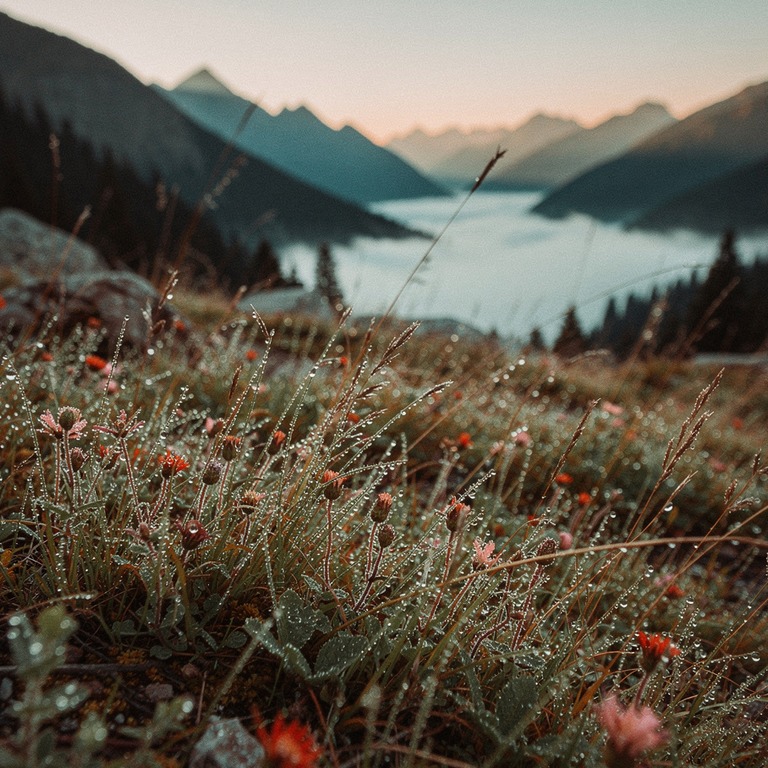
The retreat is not the healing. This is the sentence I wish someone had tattooed onto my forearm before my first ceremony. The retreat is a doorway. What you do in the weeks and months after — how you sleep, who you talk to, what you stop doing, what you start doing — is the actual medicine.
People who do well after plant medicine tend to build a boring, unglamorous scaffolding around the experience. They keep therapy going. They journal, even badly. They stay off alcohol for at least a good stretch afterwards (many find they don't want it anyway). They find one other person who's been through something similar and can talk to them honestly. They resist the urge to immediately book the next retreat, because chasing the peak experience is its own kind of drinking.
People who don't do well tend to treat the ceremony as the answer and then wonder why, six months later, the old patterns are creeping back. The plants show you things. They don't do the work of changing you. You do that, slowly, in the ordinary Tuesday afternoons that follow.
A quieter kind of hope
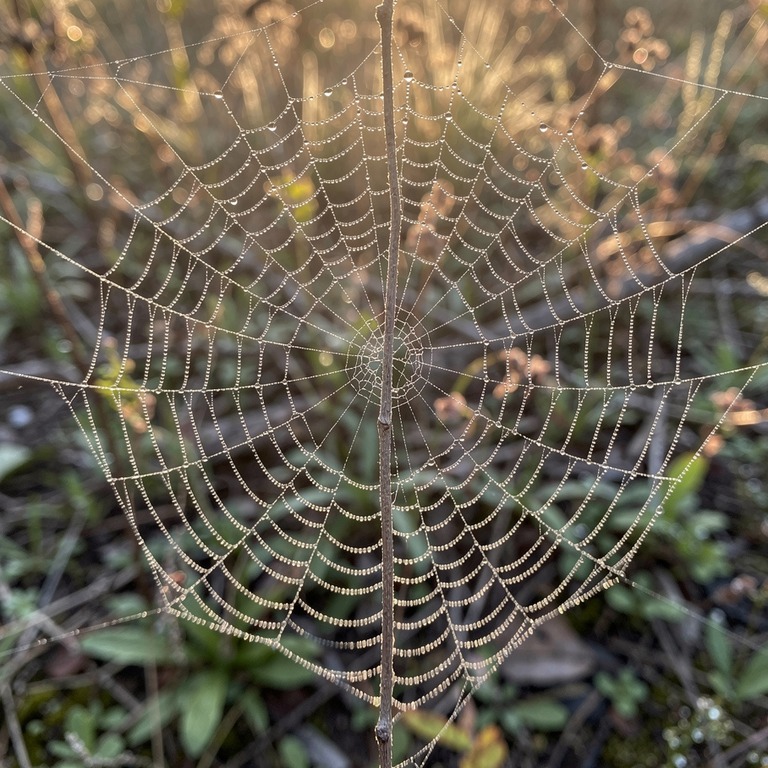
If you've stopped drinking recently and you're reading this, take the win first. That's not a small thing. Whatever pulled you into that habit had its reasons, and whatever pulled you out of it took real courage. Plant medicine may or may not be part of your next chapter. It's one path, not the path. Some people rebuild through therapy, community, running, prayer, a dog, a garden, a change of city. All valid.
But if the pull toward exploring ayahuasca, psilocybin, or another plant medicine keeps returning — quietly, persistently, over months — it's worth listening to. Do the research. Talk to people who've actually been. Find a facilitator whose approach makes you feel safer, not more excited. For readers who want to take that next step, a range of vetted ayahuasca and psychedelic retreats can be browsed on our marketplace here, with details on facilitators, medical protocols, and integration support so you can compare properly before committing.
Sobriety cracks something open. Whether you fill that space with medicine, meditation, or plain old time — fill it deliberately.
Craving More Stories?
Join our ShopAyahuascaRetreats newsletter for the latest updates on thrilling
destinations and inspirational tales, delivered straight to your inbox!
We value your privacy. Your email address will never be shared or published.