 English
 Deutsch
 Français
 Nederlands
 Español
SHOP AYAHUASCA RETREATS BLOG
Harvard's $11M Ibogaine Study for Opioid Addiction: What It Actually Means

Cleo Adler
July 20, 2026
Your ultimate guide to discover transforming ayahuasca and psychedelic experiences. Dive into serene destinations and elevate your consciousness to unparalled heights.
Discover Ayahuasca & Psychedelic Retreats NowSearch for ayahuasca & psychedelic retreats
Discover retreats, trainings, and holidays from all over the world
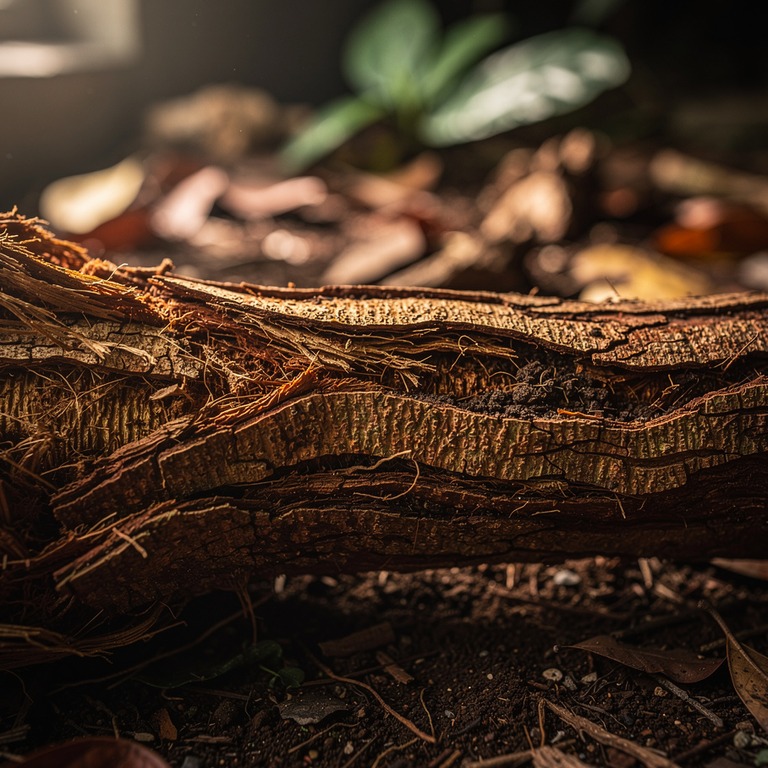
Something quietly significant just happened in the world of psychedelics and addiction research. Harvard-affiliated researchers landed roughly $11 million in federal funding to move ibogaine — the notoriously intense West African root medicine — toward its first properly sanctioned clinical trial in the United States. If you've been watching this space for a while, you know how big that sentence is.
For decades, ibogaine has lived in a strange purgatory. People credit it with breaking heroin and fentanyl addictions in a single session. Others have died from it. It's legal in Mexico, illegal in the US, and quietly changing lives in clinics from Tijuana to Costa Rica. Now the National Institute on Drug Abuse — a federal agency, not a fringe advocacy group — is writing an eight-figure check to study it. That's worth paying attention to.
What the Grant Actually Funds
The award is what researchers call a UG3/UH3 grant, capped at around $11 million, with an initial $2.3 million released to get things moving. The principal investigator is Joji Suzuki, a psychiatrist at Mass General Brigham and associate professor at Harvard Medical School whose lab has been poking at the edges of addiction medicine for a while now — GLP-1 drugs, psychedelics, the whole toolkit that mainstream psychiatry has largely ignored until recently.
The plan unfolds in three stages. First: secure Investigational New Drug (IND) clearance from the FDA — the piece of paper that legally permits researchers to give ibogaine to human volunteers on American soil. Second: run a Phase I safety trial. Third: if the safety data looks acceptable, proceed to a Phase IIa study in people with opioid use disorder. Each stage depends on the previous one going smoothly, which in FDA-land is never a given.
To put the IND question in perspective: only one ibogaine-adjacent compound has ever gotten that green light in the US, and it's noribogaine, the drug's primary metabolite, cleared earlier this year for a company called DemeRx to study at lower doses. Ibogaine itself — the full, intense molecule that people fly to Mexico for — has never been approved for a US clinical trial. If Harvard pulls it off, that's a first.
Why Ibogaine, and Why Now?
If you've never read the ibogaine literature, here's the short version of why serious researchers keep coming back to it. In the underground and clinical-tourism world, ibogaine has a reputation for something no other treatment offers: interrupting opioid dependence in a single session, often with minimal withdrawal afterward. Not a taper. Not a months-long medication regimen. One long, grueling day inside your own head.
People who've been through it describe a dreamlike waking state that lasts eight to twelve hours, an unflinching review of their own life choices, and — for many — a kind of neurological reset. When they wake up, the craving is gone or dramatically reduced. That's the anecdotal claim. It's been repeated by enough people, in enough places, for enough years, that scientists have stopped rolling their eyes and started asking the harder question: how?
The current opioid crisis makes that question urgent. Fentanyl has broken most existing treatment models. Methadone and buprenorphine work for some people and not others. Deaths keep climbing. When a federal funding body starts writing checks for a Schedule I substance with a scary side-effect profile, it's a signal that the establishment has run out of ideas it likes better.
The Safety Question Nobody Ducks
Let's be honest about the risks, because pretending otherwise does no one any favors. Ibogaine can cause cardiac arrhythmias, specifically QT interval prolongation, and there have been deaths — mostly in unmonitored settings, often in people with undiagnosed heart conditions or other drugs in their system. Any legitimate ibogaine provider does extensive cardiac screening beforehand: ECGs, blood work, medical history. The clinics that skip this are the ones you read about in the sad news stories.
Part of what the Harvard trial has to establish is a safety protocol that satisfies the FDA. That means figuring out dosing, monitoring, exclusion criteria, and rescue procedures with a rigor that underground clinics — even excellent ones — simply don't operate under. This is one of the genuine benefits of formal research: not that it validates what practitioners already know, but that it produces data solid enough to change insurance coverage, medical training, and eventually access.
- Cardiac screening is non-negotiable — anyone considering ibogaine, in a trial or elsewhere, needs a thorough heart workup first.
- Drug interactions matter enormously; ibogaine doesn't play well with many prescription medications, including some antidepressants.
- Set and setting — the psychological and physical environment — shape the experience as much as the molecule itself.
- Aftercare is where most treatment outcomes are actually made or broken; the medicine opens a door, but staying out requires ongoing work.
What This Means If You're Considering Plant Medicine for Addiction
If you've landed on this article because you or someone you love is struggling with opioids — or alcohol, stimulants, or any of the other patterns ibogaine has been used to interrupt — here's my honest take. Federally funded research at Harvard is fantastic news for the long game. It'll probably take five to ten years before ibogaine is available as an approved treatment in a US clinic, if it ever gets there. That's a long time when you're using now.
In the meantime, people are still going abroad. Reputable ibogaine clinics do exist — mostly in Mexico, Costa Rica, Portugal, and a few other jurisdictions where the legal picture allows it. The difference between a good one and a dangerous one comes down to medical staff on site, real cardiac screening, honest informed consent about risks, and — critically — an integration and aftercare plan. If a clinic promises you'll be cured in a weekend and never crave again, walk away. That's not how it works, even when it works.
The other reality worth naming: ibogaine is one tool among several in the psychedelic-assisted recovery conversation. Ayahuasca has a long track record for helping people unwind patterns of substance use, particularly in traditional Amazonian settings and in centers like Takiwasi in Peru that specifically treat addiction with plant medicines. Psilocybin research at Johns Hopkins and NYU has shown real promise for alcohol and tobacco dependence. Different medicines suit different people and different problems.

How to Think About the News
My suggestion, if you're reading this as someone weighing plant medicine for your own healing: don't wait for the FDA to bless something before you take your situation seriously. Also don't rush toward a Mexican clinic next week because you read a Harvard press release. What the Harvard grant tells us is that the direction of travel is real — the science is catching up to what people in the underground and traditional practitioners have been saying for a long time.
The right move is usually the slow one. Learn as much as you can. Talk to people who've actually done it, not just the enthusiasts on Reddit — find the ones who've been three years out and can tell you what the year after their ceremony was actually like. Look into whether ayahuasca, psilocybin, or ibogaine (or something more traditional like therapy plus buprenorphine) fits your specific situation. Understand your own medical picture. And plan for the integration work that comes after, because that's the part almost nobody talks about at the front end.
The Harvard news is a marker in a much longer road. Plant medicines are moving from the shadows into the labs, and while the pace of formal science is glacial compared to the urgency people feel, the momentum is real. If exploring a supervised plant medicine experience feels like a genuine step for you rather than a Hail Mary, a range of vetted ibogaine, ayahuasca, and psilocybin retreats focused on addiction and recovery can be browsed on our marketplace here. Take your time with the decision — this is one of those choices that rewards patience.

Craving More Stories?
Join our ShopAyahuascaRetreats newsletter for the latest updates on thrilling
destinations and inspirational tales, delivered straight to your inbox!
We value your privacy. Your email address will never be shared or published.