 English
 Deutsch
 Français
 Nederlands
 Español
SHOP AYAHUASCA RETREATS BLOG
Signs of a Resilient Person: What Real Emotional Strength Looks Like

Ivy Chan
July 17, 2026
Your ultimate guide to discover transforming ayahuasca and psychedelic experiences. Dive into serene destinations and elevate your consciousness to unparalled heights.
Discover Ayahuasca & Psychedelic Retreats NowSearch for ayahuasca & psychedelic retreats
Discover retreats, trainings, and holidays from all over the world
Most people don't notice they're resilient until long after the hard part is over. You look back on a stretch of months — the breakup, the drinking years, the grief that flattened you — and realize you somehow kept showing up. You went to work. You called your sister. You didn't die. That, quietly, is resilience doing its job.
I bring this up because I write about ayahuasca and psychedelic retreats, and almost everyone I talk to who's thinking about booking one is in some version of that same story. They feel stuck. They've tried therapy, or they haven't, or they're wondering if plant medicine might finally shake something loose. What they rarely give themselves credit for is the resilience it took just to get to the point of considering the trip. That resilience matters — before ceremony, during it, and especially after.
So let's talk about what a resilient person actually looks like, why it's harder to see in yourself than in others, and how this quality tends to interact with psychedelic healing and addiction recovery work.
What Does Resilience Actually Mean?
Resilience isn't a personality trait handed out at birth to lucky people. It's not the same as being cheerful, tough, or unflappable. Researchers who've spent decades on this — Southwick, Bonanno, Masten and others — describe it as the capacity to adapt in the face of adversity, trauma, or ongoing stress. It's a process, not a fixed asset. Which means it can grow.
Here's what resilience is not: it's not never falling apart. Resilient people cry. They panic. They wake up at 3 a.m. convinced everything is broken. The difference is what happens on the other side of that 3 a.m. moment. They metabolize the experience instead of getting frozen inside it.
This distinction matters enormously for anyone considering plant medicine. A common misconception is that you need to be some kind of psychological athlete before sitting with ayahuasca or psilocybin. You don't. What you need is the willingness to feel things and then keep walking.
Five Signs You're More Resilient Than You Think
These aren't dramatic. Most of them will feel almost embarrassingly ordinary. That's the point.
1. You feel the hard stuff without running from it
Resilient people don't pretend they're fine. They let grief be grief, anger be anger, fear be fear. Then — and this is the key — they don't build a permanent house inside the feeling. They pass through it.
This is one of the deepest overlaps with plant medicine work. Ayahuasca and psilocybin tend to strip away the emotional numbing most of us walk around with. If you've already practiced sitting with uncomfortable emotions without fleeing to alcohol, screens, or work, you'll have a much easier time in ceremony. If you haven't, ceremony can teach you — sometimes brutally.
2. You ask for help without turning it into a moral failing
Reaching out — to a friend, a therapist, a facilitator, a support group — takes more strength than white-knuckling it alone. People who quietly manage everything by themselves often mistake their isolation for resilience. It usually isn't. It's just a well-managed depression.
The best retreat participants I've met are the ones who can say “I don't know what I'm doing here and I'm scared” on day one. They get more out of the week than the people performing composure.
3. You adjust when the plan falls apart
Rigid people break. Adaptive people bend. If a job disappears, a relationship ends, or an ibogaine ceremony goes somewhere you didn't expect, the resilient response isn't to force reality back to what you wanted. It's to work with what's actually in front of you.
4. You keep some sense of perspective
Not in the toxic-positivity sense of “everything happens for a reason.” More like: you can hold your suffering and also remember that this moment isn't the whole story. You've been through hard things before. This is likely temporary. Zooming out is a skill.
5. You take honest responsibility without flogging yourself
Resilient people can look at their part in a mess without turning it into a self-hatred spiral. They ask, “What did I contribute? What can I learn?” and then they actually carry the lesson forward. Excessive self-blame is not the same as accountability — it's often a way to avoid the harder work of change.

Why Resilience Matters So Much in Psychedelic Healing
Master plants — ayahuasca, San Pedro, iboga, psilocybin mushrooms — don't hand you a shortcut around the difficult parts of yourself. They tend to do the opposite. They amplify, illuminate, and sometimes force a confrontation with material you've been avoiding for years. That's the medicine, and that's also the risk.
People arriving at retreats sometimes hope the plants will do the work for them. That's not how it goes. What actually happens is that the medicine shows you the work, often in vivid, undeniable form, and then you have to do it — in the days, weeks, and years after ceremony. This is where resilience earns its keep. Integration is where most of the real change lives, and integration is hard.
For readers thinking about plant medicine as a tool for addiction recovery specifically, the resilience piece is even more central. Ibogaine can interrupt an opioid addiction with startling speed. Ayahuasca can dissolve the psychological grip of alcohol dependency in ways that leave people genuinely shaken. But staying free of the substance afterward? That's not the plant. That's you, waking up every day and making the harder choice, sometimes for years.
- Resilience shows up as: keeping your integration commitments even when you don't feel like it.
- Resilience shows up as: telling your sponsor or therapist you're wobbling before you actually relapse.
- Resilience shows up as: understanding a rough ceremony was still useful, not a failure.
- Resilience shows up as: rebuilding routines when the post-retreat afterglow fades.
How to Recognize Resilience in Yourself
Since it's easier to see in hindsight, try this. Pick a genuinely hard chapter from your past — five years ago, ten, twenty. Ask yourself a few honest questions:
- Did I keep going even when I didn't want to?
- Did I eventually reach for help, even if it took me a while?
- Did I adjust my approach when the first plan didn't work?
- Did I find some way through, even if the path looked nothing like what I'd pictured?
If you answered yes to any of those, congratulations — you've already been doing this. You just didn't have a word for it.
The reason this exercise matters before a retreat is that most people underestimate their own capacity going in. They arrive convinced they're fragile. Then they meet the medicine, meet themselves, and discover they've been carrying more strength than they knew. Naming your resilience beforehand isn't ego — it's fuel.
Can You Actually Build More Resilience?
Yes, and you're likely doing it already, in tiny ways, without noticing. Every time you push through discomfort instead of numbing it, every time you have a conversation you were dreading, every time you show up for a difficult day — you're adding to the foundation.
The research is pretty clear that resilience isn't fixed. It grows through practice, through relationships, through the ordinary work of learning to tolerate hard feelings and keep functioning. Therapy helps. Community helps. So do the boring things: sleep, movement, time outside, connection with people who actually see you.
Plant medicine can accelerate this. It can also expose the places where your resilience is thinner than you thought, which is why choosing a reputable retreat with skilled facilitators and real integration support matters so much. A weekend ceremony with no aftercare will not build resilience. A well-held retreat, combined with the slow work that follows, absolutely can.
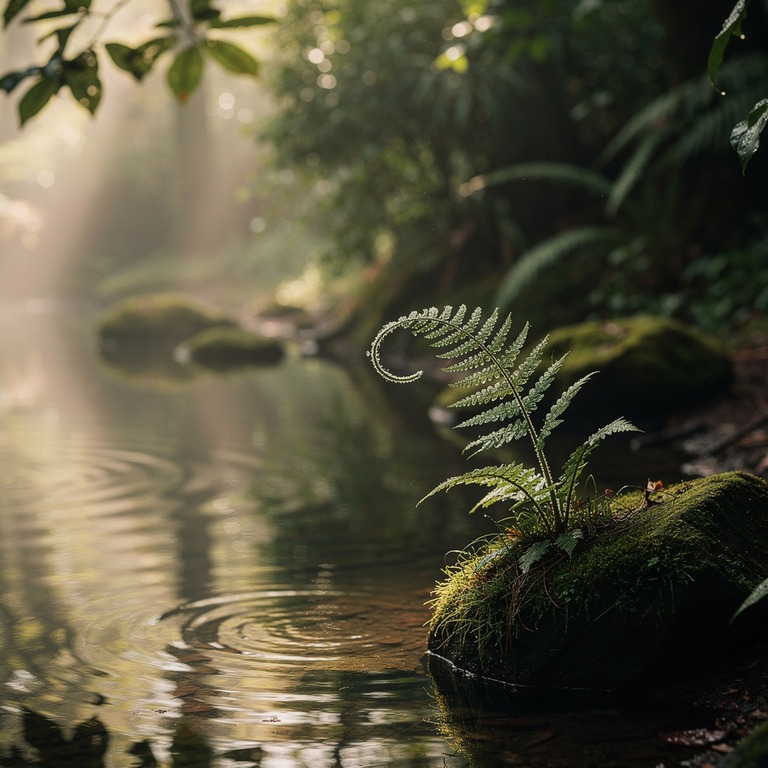
What to Do With All This
If you're weighing a retreat right now, take a minute to inventory what you're bringing to the table. You're likely more prepared than you feel. The fact that you're researching this instead of numbing tonight is itself a data point. So is the fact that you're still reading a long article on a Tuesday when you could be doing anything else.
Resilience won't spare you the hard parts of ceremony or the harder parts of integration. But it's what carries you through both. For readers who want to take the exploration further, a range of curated ayahuasca and plant-medicine retreats can be browsed on our marketplace here — worth looking through slowly rather than urgently.
Whatever you decide, give yourself the credit you'd give a friend describing the same story. You've made it this far. That already counts for something.


Craving More Stories?
Join our ShopAyahuascaRetreats newsletter for the latest updates on thrilling
destinations and inspirational tales, delivered straight to your inbox!
We value your privacy. Your email address will never be shared or published.