 English
 Deutsch
 Français
 Nederlands
 Español
SHOP AYAHUASCA RETREATS BLOG
Can You Overdose on Ayahuasca? What the Research and Ceremony Reality Actually Show
Axel Hartley
September 22, 2026
Your ultimate guide to discover transforming ayahuasca and psychedelic experiences. Dive into serene destinations and elevate your consciousness to unparalled heights.
Discover Ayahuasca & Psychedelic Retreats NowSearch for ayahuasca & psychedelic retreats
Discover retreats, trainings, and holidays from all over the world
Short answer first, because you probably scrolled here looking for one: a classic pharmacological overdose on ayahuasca — the kind where the brew itself stops your heart or shuts down your breathing — is extraordinarily rare. That doesn't mean ayahuasca is harmless. It means the way people actually get hurt on plant medicine usually isn't the way they think they will.
If you're researching a psychedelic retreat and quietly wondering whether you could die drinking ayahuasca, that's a fair question to ask. It's the kind of question a responsible facilitator would rather you ask out loud than sit on. So let's walk through what an overdose would actually look like, what the pharmacology says, where the real dangers hide, and what to look for in a retreat that takes safety seriously.
What Would an Ayahuasca Overdose Even Mean?
Ayahuasca is a brew — usually the Banisteriopsis caapi vine combined with a DMT-containing plant like chacruna (Psychotria viridis). The vine contains harmala alkaloids that act as MAO inhibitors, which is what allows the DMT to become orally active. Two active pharmacological systems in one cup. That's the setup you're actually drinking.
An overdose, in the strict medical sense, means taking enough of a substance to cause serious physiological harm — respiratory depression, cardiac failure, seizure, death. With classical psychedelics like DMT and psilocybin, the therapeutic-to-lethal ratio is famously wide. In animal studies, the lethal dose of DMT is estimated to be many, many times higher than a ceremonial dose. Nobody in a maloca is drinking anywhere near that.
The harmala side is a little more interesting. Harmine and harmaline are potent MAO-A inhibitors, and MAOIs are the reason ayahuasca can interact badly with certain foods and medications. Drink way too much brew and you could, in theory, push yourself into some kind of serotonergic or cardiovascular trouble. But it would take a genuinely absurd volume — far past what any ceremony pours — and most people would purge long before they got there. The body's built-in eject button is doing quite a lot of quiet work.
So Why Do People Ever Get Hurt on Ayahuasca?
Here's where the honest conversation starts. The deaths and hospitalizations you occasionally read about in the news almost never trace back to "too much ayahuasca" in a vacuum. They trace to specific, identifiable causes that a competent retreat should be screening for and preventing. That's the difference between a scary substance and a substance in a scary context.
The main risk categories, in rough order of how often they actually cause problems:
- Dangerous medication interactions. SSRIs, SNRIs, MAOIs, tramadol, certain migraine drugs, some stimulants, and a long list of others can combine with the harmala alkaloids to trigger serotonin syndrome. This is genuinely life-threatening and completely avoidable with an honest medical intake and a proper taper before ceremony.
- Pre-existing cardiovascular conditions. Ayahuasca reliably raises blood pressure and heart rate. If you have uncontrolled hypertension, a serious arrhythmia, or a recent cardiac event, this is not the medicine for you right now.
- Psychiatric vulnerabilities. A personal or first-degree family history of psychotic disorders like schizophrenia or bipolar I is a real contraindication, not a bureaucratic one. Ayahuasca can unmask or accelerate a psychotic break in vulnerable people.
- Adulterated or mystery brews. Underground ceremonies sometimes serve brews with added toxic plants — Brugmansia, for instance — that produce delirium, not insight. This is a facilitator problem, not an ayahuasca problem, but the outcome is the same for the person drinking.
- Physical accidents during the experience. Falls, wandering off, aspiration on vomit if lying wrong. This is why a proper ceremony has attentive facilitators, not just a shaman singing on a stage.
Notice that almost every item on that list is preventable with screening, honesty, and competent supervision. That's the actual safety conversation. Not "is the molecule dangerous" but "is the container safe."
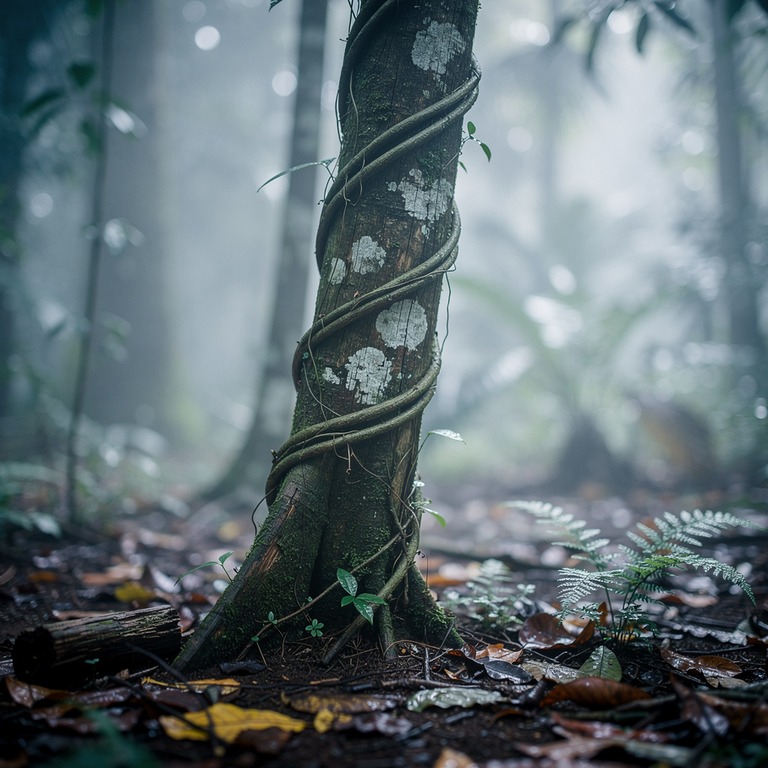
The Purge Is a Feature, Not a Bug
People new to plant medicine tend to hear about the vomiting and diarrhea and assume something has gone wrong. In ayahuasca work, the purge is considered part of the medicine — physically, emotionally, sometimes both at once. It's also, incidentally, one of the reasons overdose in the strict sense is so hard to achieve. The body will empty itself before it lets you push much further.
Every experienced facilitator I've spoken with has some version of the same line: the medicine gives you what you can handle. That's not a mystical claim so much as a practical one. Between the purge, the emotional intensity, and the sheer difficulty of drinking a second cup when your first one is currently redecorating a bucket, most people self-regulate long before they hit any pharmacological ceiling.
That said — and this matters — "the medicine knows" is not a substitute for a facilitator who knows. Bodies are individual. Reactions vary. A responsible ceremony has someone tracking each participant, not just leading songs.
How Much Ayahuasca Is Actually Served in a Ceremony?
Dosing in traditional and neo-shamanic contexts is not standardized the way pharmaceutical dosing is. A cup might contain anywhere from 30 to 150 milliliters of brew, depending on the tradition, the batch, and the facilitator's read of the participant. Some retreats offer a second or third serving mid-ceremony for those who feel undermedicined. Some don't.
Concentration varies enormously between batches. A brew reduced for eight hours over a wood fire in the Peruvian Amazon is a different animal from a milder Santo Daime-style preparation. This is one reason experienced drinkers ask about the specific curandero or church tradition behind a retreat — not to be snobby about lineage but because it tells them something concrete about what's likely to be in the cup.
If you're a first-timer, the honest advice is this: start with what's offered, wait the recommended window (usually 45 minutes to an hour), and only ask for more if the facilitator invites it and you're genuinely undermedicined. Chasing a bigger experience by drinking more is a rookie move and occasionally the thing that produces the horror stories.
What Actually Goes Wrong at Bad Retreats
The pattern in the incident reports is remarkably consistent. When someone gets seriously hurt at an ayahuasca retreat, you can usually trace it to one or more of these:
- No real medical intake, or an intake that was ignored when the participant disclosed a contraindication.
- No taper period from psychiatric medications, or bad advice about how to taper.
- Insufficient supervision — one facilitator for twenty participants, or facilitators who leave the space during the peak.
- No plan for medical emergencies. No nearest hospital identified. No vehicle on standby. No basic first aid.
- Mixing traditions in reckless ways — bufo the morning after ayahuasca, kambo on top of a dieta, san pedro stacked without recovery time.
- A facilitator with charisma but no lineage, no training, and no accountability structure above them.
These are the things to screen for. Not "does the website look pretty" but "who is responsible if something goes wrong at 3 a.m."
Questions Worth Asking Before You Book
If you're weighing a retreat right now, take these to any facilitator or coordinator you're considering. Their answers — and how comfortable they are answering — will tell you more than the marketing copy.
- What's your medical intake process, and who reviews it?
- What medications and conditions are absolute disqualifiers for you?
- How do you handle a participant who needs to taper off an SSRI? What's the timeline?
- How many participants per facilitator during ceremony?
- Where is the nearest hospital, and what's your emergency protocol?
- Who trained the lead facilitator, and how long have they been serving medicine?
- What integration support do you offer after the retreat ends?
A retreat that answers these calmly and specifically is in a different league from one that gets defensive or waves the questions away with talk of trust and surrender. Trust is earned by competence, not requested by vibes.
The Bigger Picture
Ayahuasca isn't a substance with a scary overdose profile. It's a substance with a scary context problem — meaning the risks are almost entirely about who's serving it, to whom, and under what conditions. Understand that distinction and you understand most of what matters about safety in plant medicine.
For anyone using ayahuasca or other psychedelics to work on addiction, depression, or long-standing trauma, the same principle applies twice over. The medicine can open doors. What happens after — the integration, the follow-through, the changed daily habits — is where the healing actually consolidates. A single ceremony without preparation and integration is just an experience. A well-supported process is something else.
If any of this resonates and you want to look at what a properly run container actually looks like, a curated selection of ayahuasca retreats can be browsed on our marketplace here. Take your time with the decision. The right retreat will still be there next month, and asking hard questions before you book is the single most useful thing you can do for your own safety.

Craving More Stories?
Join our ShopAyahuascaRetreats newsletter for the latest updates on thrilling
destinations and inspirational tales, delivered straight to your inbox!
We value your privacy. Your email address will never be shared or published.