 English
 Deutsch
 Français
 Nederlands
 Español
SHOP AYAHUASCA RETREATS BLOG
Why Real Rest Feels Impossible — And What Plant Medicine Reveals About It

Lila Novak
October 16, 2026
Your ultimate guide to discover transforming ayahuasca and psychedelic experiences. Dive into serene destinations and elevate your consciousness to unparalled heights.
Discover Ayahuasca & Psychedelic Retreats NowSearch for ayahuasca & psychedelic retreats
Discover retreats, trainings, and holidays from all over the world
A friend of mine came back from a ten-day ayahuasca retreat in the Sacred Valley and told me, half-laughing, that the hardest part wasn't the brew. It wasn't the purging, or the long nights in the maloca, or the strange geometry he saw behind his eyelids. The hardest part, he said, was the afternoons. Nothing scheduled. No phone. No podcast. Just a hammock, the sound of the river, and himself. He described it as a kind of low-grade panic that took three days to burn off.
I've heard versions of this from dozens of people. They sign up for ayahuasca or psilocybin or a San Pedro retreat looking for breakthroughs with depression, addiction, trauma, or that gnawing sense of being stuck. What ambushes them is something simpler and, in some ways, more exposing: the sheer discomfort of being still. Of resting. Of not performing, not optimizing, not even healing on a schedule.
So let's talk about that. Because the inability to rest — real rest, not the Netflix-and-doomscroll kind — is sitting underneath a lot of what sends people toward plant medicine in the first place. And it's worth understanding before you book anything.
The Rest We Think We're Getting Isn't Rest
Here's the awkward truth. Most of what we call rest is just a different flavor of labor. A long weekend of “relaxing” that involves five flights, three restaurant reservations and an Instagram carousel is not rest. Neither is lying in bed with a phone three inches from your face, thumb twitching through fifteen apps. The body might be reclined. The nervous system is still running laps.
The South Korean philosopher Byung-Chul Han writes about this. He describes modern life as an achievement culture — one where we've internalized the role of boss and worker simultaneously, driving ourselves harder than any external master ever could. In that frame, rest becomes suspicious. Rest looks like falling behind. Rest looks like someone else lapping you while you nap.
So we fake it. We call vacations rest. We call wine rest. We call the hour after work when we scroll through TikTok rest. And then we wonder why we wake up on Monday feeling like we got hit by a bus. The nervous system knows the difference even when we don't.
Why People Arrive at Ayahuasca Already Exhausted
Nearly everyone I've met at a plant-medicine retreat was tired. Not sleepy-tired — the deeper kind. The tired that eight hours of sleep won't touch. Some had tried therapy for years. Some were in recovery from addiction and had done the work on paper but still couldn't locate anything resembling peace. Some had excellent lives on the outside and a persistent sense of being somehow absent from them.
Ayahuasca, in that context, isn't really a treatment. It's a confrontation. The brew — a bitter decoction of the Banisteriopsis caapi vine and chacruna leaf, prepared by Amazonian traditions over generations — doesn't give you rest. What it does, if the setting is good and the facilitator knows their work, is show you the machinery that's been keeping rest out of reach. The compulsions. The old loops. The identity you've been performing for so long you forgot it was a performance.
Plant medicine for addiction works along similar lines. Ibogaine, used carefully in medical settings for opioid dependence, interrupts withdrawal and seems to open a window where the addicted self can be seen from the outside. Psilocybin shows up in clinical trials now for depression and alcohol use disorder. The common thread isn't that these substances fix you. They create a pause long enough for you to notice what you've been running from.
What Master Plants Actually Teach About Stillness
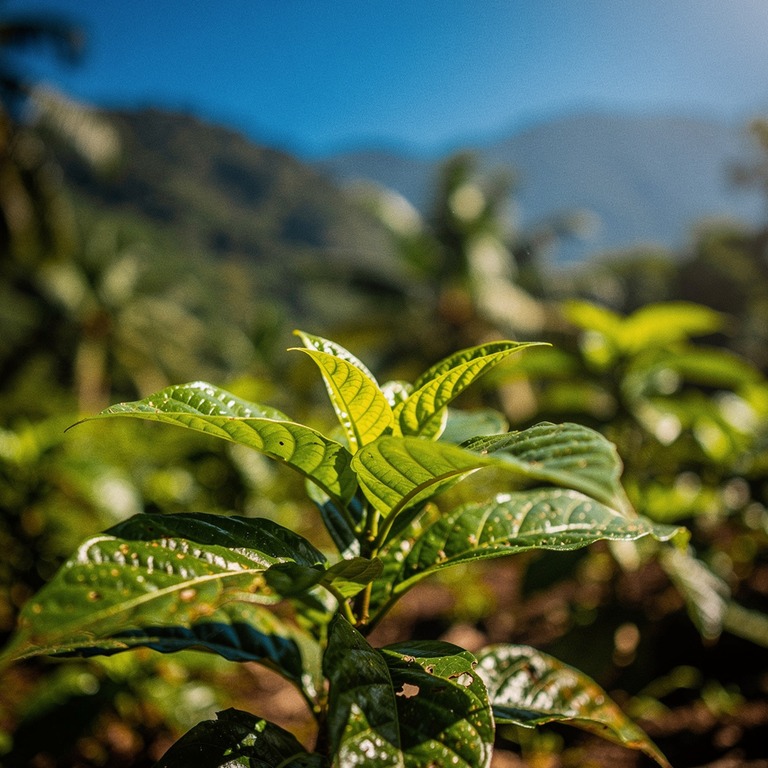
In the Amazonian traditions, ayahuasca is one of a family of what are called master plants — teacher plants. Tobacco (the real stuff, mapacho, not the Marlboro variety), bobinsana, chiric sanango, ajo sacha, and others. Shamans work with these plants through long periods of isolation called dietas, often weeks of near-silence, bland food, no sugar, no salt, no sex, no distraction. The whole architecture is designed to quiet the ordinary mind so the plant's intelligence can be heard.
Notice what that is. It's enforced rest. Not spa rest. Not productivity-boosting mindfulness-at-your-desk rest. It's a stripping-away. A deliberate removal of the inputs that normally fill the inner silence. People who've done dietas describe the first days as excruciating and the later days as something close to the natural state they'd been chasing their whole lives.
This is why a serious ayahuasca retreat is not a weekend wellness getaway. The medicine is one part. The silence around it is another. The dieta before and after is another. If someone is selling you a two-night ayahuasca experience with a cocktail hour on arrival, that's a different product entirely. Call it something, but don't call it plant medicine as the traditions understand it.
Choosing a Retreat Without Fooling Yourself
If you're sitting with the question of whether to actually do this — and plenty of readers of this site are — a few honest things to weigh.
- Why now? Running toward plant medicine to escape a life you haven't examined usually ends badly. Running toward it because therapy, meditation, and ordinary tools have genuinely plateaued is a different story.
- Who's holding the space? Lineage matters. Ask about the facilitators' training, how many years they've worked with the medicine, who their teachers were. Vague answers are a flag.
- What's the ratio? A good retreat has enough facilitators per participant that nobody gets lost in a dark night alone. If one shaman is holding thirty people, be cautious.
- Medical screening. Any retreat worth your money will ask hard questions about SSRIs, lithium, heart conditions, personal and family history of psychosis. If they don't screen, walk.
- Integration support. What happens after? A ceremony with no integration is like surgery with no recovery plan. Ask what the week, month, and three months after look like.
- Cost. Real retreats in Peru typically run $1,500 to $4,000 for a week or more. Luxury-tier venues in Costa Rica or the Netherlands go higher. Suspiciously cheap usually means suspiciously under-staffed. Suspiciously expensive sometimes just means better linens.
And one more thing people rarely say out loud. You will not come home fixed. You might come home different. The ceremony is maybe twenty percent of the work. The rest is what you do with it over the next year, which brings us back around to the whole problem of rest.
Integration Is Where the Rest Actually Lives
Here's what nobody tells you in the glossy retreat brochures. The ceremony is often easier than the Tuesday morning three weeks later when you're back at your desk and the insights are starting to blur. Integration — the slow, unglamorous work of letting the experience actually change your life — demands exactly the capacity for stillness that most of us arrived without.
This is where a lot of psychedelic healing goes sideways. People have a profound night with the medicine, feel reborn for about ten days, then slide back into the same patterns because the surrounding life was built by the person they were trying to leave behind. The job is still the job. The phone is still the phone. The relationship with their own time is unchanged.
The people I've seen actually transform after a plant-medicine experience almost always do some version of the same thing afterward. They carve out genuine rest. Not an app. Not a program. Real unstructured time. A morning walk without headphones. A weekly sit, even ten minutes. A Sabbath, however they define it — one day a week where the phone stays in a drawer and nothing is optimized. The medicine opened the door. The practice of stillness is what keeps the door open.
A Quieter Kind of Freedom
The Irish poet David Whyte once described rest as the conversation between what we love to do and how we love to be. I think about that line often. It reframes rest as something other than collapse. It makes it an alignment — the moment the inner life and the outer life stop fighting each other.
Plant medicine, at its best, can crack that conversation open. It can show you, sometimes with startling clarity, where your life has drifted from your own values, where fear has been running the show, where you've been using substances or achievements or busyness to avoid the simple, terrifying act of being present with yourself. That's not a small thing. For people dealing with addiction, trauma, or long-term depression, that kind of seeing can be the beginning of a different life.
But it's a beginning, not a destination. The medicine shows the door. Walking through it looks a lot like learning, finally, how to rest.
If any of this is landing for you, and you're starting to feel seriously curious about where and how such work gets done, a range of thoughtfully vetted ayahuasca and plant-medicine retreats can be browsed on our marketplace here. Take your time with the decision. Rushing toward rest is one of those paradoxes the medicine will catch you on anyway.


Craving More Stories?
Join our ShopAyahuascaRetreats newsletter for the latest updates on thrilling
destinations and inspirational tales, delivered straight to your inbox!
We value your privacy. Your email address will never be shared or published.