 English
 Deutsch
 Français
 Nederlands
 Español

Reset. Heal. Grow.
Psilocybin for Depression: What the Johns Hopkins Trial Actually Found
If you've spent any time researching psychedelics as a way out of long-running depression, you've probably bumped into the Johns Hopkins name. There's a reason. A few years back, the team there ran the first proper randomized controlled trial looking at whether psilocybin — the active compound in magic mushrooms — could shift the needle for people who'd been clinically depressed for years. The results were striking enough that they're still shaping how plant medicine retreats, clinicians, and curious readers talk about psychedelic healing today. I want to walk you through what the study actually said, what it didn't say, and what any of it means if you're quietly weighing whether a psilocybin retreat is worth the time, money, and emotional bandwidth. No hype. No promises. Just the picture as it stands. The trial, published in JAMA Psychiatry, followed 24 adults with major depressive disorder. The average participant had been living with depression for over two decades — twenty-one and a half years, to be precise. That's not a bad month. That's a meaningful chunk of a human life spent under a grey ceiling. None of them were on antidepressants during the study, and none had bipolar disorder or schizophrenia, conditions that can make psychedelics genuinely dangerous. Each person did two dosing sessions, spaced about a week and a half apart. They swallowed a capsule — first a moderately high dose around 20 mg, then a higher 30 mg dose — put on eyeshades, lay back on a couch, and listened to a curated instrumental playlist while two trained facilitators sat with them. Around the sessions, participants also did eight hours of preparation beforehand and two hours of debriefing afterward. The drug was the catalyst, but the structure around it was the actual therapy. Here's what the researchers found. After the first session, 67% of participants reported their depression symptoms had dropped by more than half. After the second, that figure climbed to 71%. Four weeks out, 54% of participants no longer met the criteria for depression at all. In clinical language, they were in remission. For context: SSRIs — drugs like Prozac, Lexapro, Zoloft — are the standard first-line treatment for depression and have been since the late twentieth century. They work, sometimes well, by adjusting serotonin levels in the brain. But they don't work for everyone, and they don't work fast. NIH data suggests roughly 40 to 60 out of every 100 people see improvement after six to eight weeks on an antidepressant. If you're in a dark place right now, six to eight weeks is an eternity. The Hopkins team's headline claim was that psilocybin's antidepressant effect in their study was about four times greater than what's typically seen with traditional antidepressants. That's a big number, and it deserves to be treated carefully. The sample was tiny — 24 people. The participants skewed white, college-educated, and middle-class. Their depression was moderate rather than treatment-resistant in the most severe sense. And the follow-up at the time of publication was only four weeks. Plenty of treatments look great at four weeks and lose their shine by month six. Still — and this is the part worth sitting with — psilocybin appeared to do in two sessions what SSRIs sometimes can't do in two years. That's not nothing. That's the kind of signal that's quietly redrawing the mental-health map. SSRIs nudge brain chemistry over weeks. Psilocybin appears to do something more like a hard reset. Brain-imaging research suggests the compound temporarily loosens the grip of what's called the default mode network — the part of the brain associated with self-referential thinking, rumination, and the looping inner monologue that depression feeds on. When that network goes quiet, people often describe a sense of perspective they hadn't been able to access. The story they'd been telling themselves about who they are and what's possible suddenly seems editable. That's why facilitators talk so much about set and setting, and about integration afterward. The mushroom doesn't fix you. It opens a window. What you do with the view — the conversations you have with a therapist or a guide, the journaling, the behavior changes you actually make in the weeks that follow — is the part that determines whether anything lasts. People who treat psilocybin like a magic bullet tend to be disappointed. People who treat it as the start of a serious piece of inner work tend to do better. The Hopkins study was a clinical setting — sterile, structured, supervised by people with medical credentials. Most psilocybin retreats are not clinical settings. They're held in places where the medicine is legal or tolerated: Jamaica, the Netherlands, parts of Mexico, a handful of indigenous-led centers in South America. Some are excellent. Some are sketchy. The quality gap between the top tier and the bottom tier is enormous. If you're researching options, here are the things worth interrogating before you put down a deposit: A few things the research doesn't say, that I think get glossed over in the excited coverage. First, psilocybin isn't right for everyone. People with personal or family histories of psychosis, schizophrenia, or bipolar disorder face real risks. Certain heart conditions are a concern. Some SSRIs and other psychiatric medications interact with serotonergic psychedelics in ways that range from blunting the experience to causing serious problems — tapering, when appropriate, has to be done with a doctor, not a wellness blogger. Second, a high-dose session can be hard. Genuinely hard. People sometimes call them challenging experiences, which is polite shorthand for hours of confronting grief, fear, shame, or memories you'd buried for good reason. In a well-held container with skilled support, that confrontation can be healing. In a bad container, it can compound trauma rather than release it. Third, the research is still young. Most of what we have are small studies, encouraging signals, and a lot of careful optimism from serious scientists. We don't yet know how durable the effects are across years, how psilocybin interacts with the full spectrum of mental health conditions, or what the optimal protocols look like for different people. Anyone speaking with total certainty about any of this is either uninformed or selling something. If you're reading this because antidepressants haven't worked, or because you've been managing rather than living for longer than you'd like to admit, the Hopkins findings are a reasonable thing to take seriously. They're not a guarantee. They're permission to keep researching, to talk to a doctor or therapist who's actually willing to discuss psychedelics without flinching, and to consider whether a properly run retreat — with real preparation, real facilitation, and real integration support afterward — might fit into your bigger picture. For readers who want to take this further, a range of vetted psilocybin retreats from around the world can be browsed on our marketplace here. Choose carefully. The medicine is powerful. The container around it matters just as much.
Psilocybe Azurescens: The Most Potent Magic Mushroom and How It's Grown
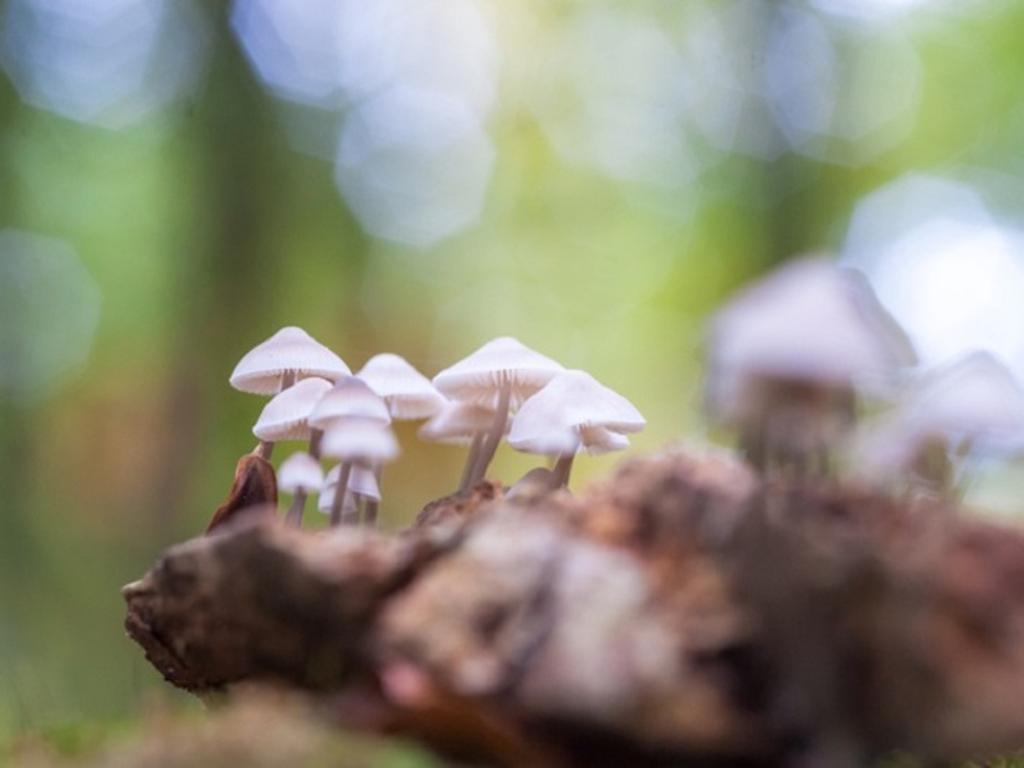
If you've spent any time reading about psychedelic mushrooms, you've probably bumped into the name Psilocybe azurescens — usually wrapped in superlatives. The strongest. The wildest. The one that grows in the dunes. Most of that hype is actually true, which is rare for a corner of the plant-medicine world that loves a tall tale. Azurescens is a genuinely remarkable little mushroom with a short, strange history and a personality of its own. This is a closer look at where it came from, why it punches so hard, and what's involved if you ever wanted to grow it — written for the curious reader, not the commercial cultivator. Whether you're researching psilocybin out of personal interest or weighing it as part of a broader interest in psychedelics and master plants, knowing the basics about this species is worth your time. Azurescens is a wood-loving species native to a slim stretch of the Pacific Northwest coast in the United States — think the Oregon and Washington shoreline, where conifer debris, dune grass, and damp salt air meet. It's a relative newcomer to mycology. The species was formally described in 1996 by Paul Stamets and Jochen Gartz, after being noticed years earlier by a group of Boy Scouts camping near the mouth of the Columbia River. The story goes that one of them was Stamets' son. Whether that origin tale is fully accurate or partly folklore, the mushroom got its scientific name and its nickname — “Flying Saucer Mushroom,” for the wavy, UFO-shaped caps it produces in cool weather. What sets azurescens apart isn't its looks, though. It's the chemistry. By dry weight, this species contains some of the highest concentrations of psilocybin, psilocin, and baeocystin ever measured in a wild mushroom. Roughly speaking, it tests at around three times the potency of the more familiar Psilocybe cubensis — the species behind nearly every store-bought grow kit and most underground supply. That fact alone is responsible for a lot of azurescens' reputation, and a lot of trouble for the unprepared. Caramel-brown caps that flatten out and develop a slight nipple in the centre. A whitish stem that bruises a vivid blue-green when handled — the classic signature of psilocybin-bearing species. Dark purple-brown spores. It tends to fruit in clusters on woody debris, often hidden under dune grass, between September and January when temperatures drop into single digits Celsius. Cold is part of its lifestyle, not an obstacle to it. Three times the strength of cubensis is not a marketing line — it's a practical warning. A dose of dried azurescens that would fit on a teaspoon can produce an experience that, with cubensis, would require a small handful. People accustomed to gauging mushroom doses by volume rather than weight have learned this the hard way. Reports of temporary paralysis at higher doses of azurescens circulate widely in mycology forums, and while the phenomenon isn't fully understood, it appears often enough that it deserves to be taken seriously. Beyond raw intensity, the experience is frequently described as more visual, more “alien,” and harder to steer than a comparable journey on cubensis. Whether that's pharmacology or expectation effect is up for debate. What isn't debatable is that this is not a beginner mushroom, and nobody should be approaching it as a casual weekend experiment. If you're newer to psilocybin and curious about the deeper end of the experience, a properly guided ceremony in a country where it's legal — Netherlands, Jamaica, certain parts of the U.S. — is a far safer doorway than a dune walk on the Oregon coast. People hear “most potent mushroom in the world” and immediately want to grow it. Understandable. The reality is that azurescens is one of the more demanding species in the genus to cultivate, and it doesn't reward shortcuts. Unlike cubensis, which colonises grain and fruits indoors on a rye-cake at room temperature in a few weeks, azurescens wants what it has in the wild: wood, cold, and patience. Here's the short version of how outdoor cultivation typically works: Indoor attempts using terrariums and refrigerated fruiting chambers exist, but the consensus among experienced cultivators is that azurescens is fundamentally an outdoor species. Trying to force it indoors usually means a long wait followed by disappointment. This is the part nobody likes. Psilocybin remains a controlled substance in most of the world, including the United States — yes, even though azurescens grows wild there. Cultivation, possession, and distribution carry real legal consequences in most jurisdictions. A small number of places have decriminalised personal use (Oregon, parts of Colorado, the Netherlands' truffle loophole), but “decriminalised” and “legal” are not the same thing, and the picture changes constantly. Before doing anything, check the law in your actual location, not the one you wish you lived in. There's a tendency in psychedelic circles to chase potency — to assume that stronger means better, deeper, more transformative. It doesn't. Some of the most useful psilocybin experiences happen at moderate doses with capable guides, in settings designed for integration. The reason a species like azurescens fascinates so many people isn't really about the milligram count. It's the romance of the wild — a powerful master plant fruiting on a windy beach in the rain, indifferent to anyone's intentions for it. If that romance is what's drawing you, it's worth asking what you actually want. Self-knowledge? Help with a stuck depression or an addiction pattern? Curiosity about consciousness? Each of those goals points toward different settings and different medicines. Ayahuasca ceremonies in the Peruvian Amazon, ibogaine programmes for opioid dependency, psilocybin retreats in Jamaica or the Netherlands — these are structured environments with people whose job is to keep you safe and help you make sense of what comes up. A wild-foraged batch of the world's strongest mushroom is the opposite of that. Plant medicines work best when you bring them context. Set, setting, and integration aren't buzzwords; they're the difference between an experience that reshapes your year and one that just shakes you. For readers who want to take this curiosity further in a held container rather than a solo experiment, a range of curated psilocybin and plant-medicine retreats can be browsed on our marketplace here. Whatever path you choose, choose it with both eyes open — these mushrooms have been doing this far longer than we have, and they deserve some respect.
How Ayahuasca's Chemistry Actually Works: DMT, Harmine, and the Synergy Question
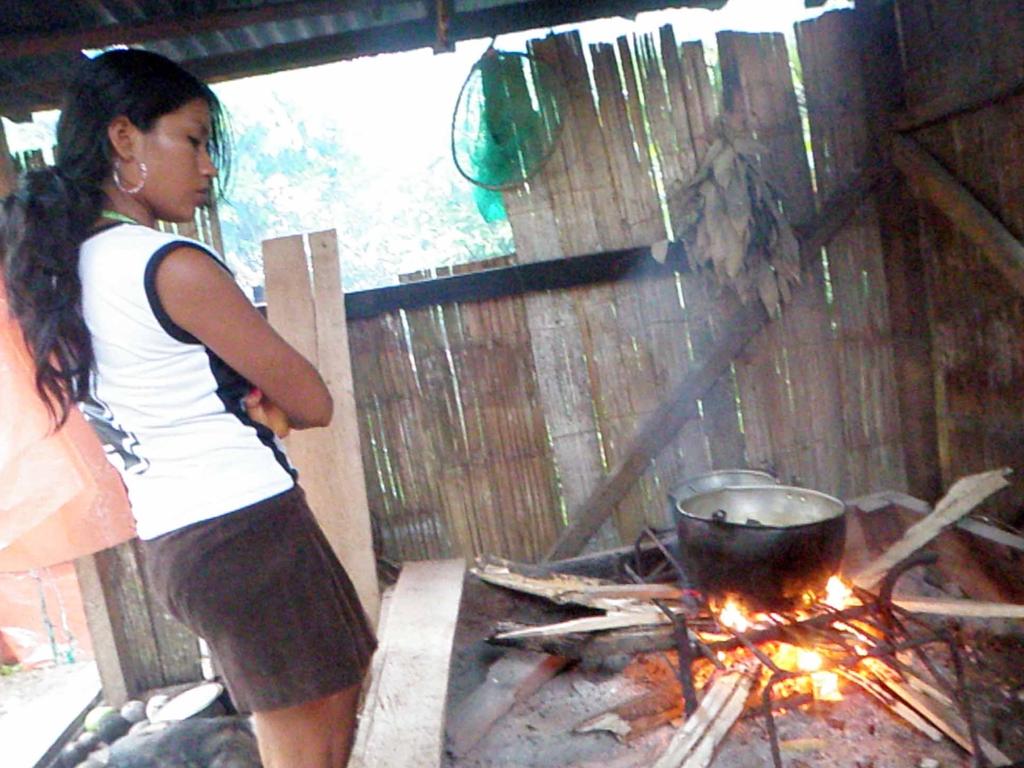
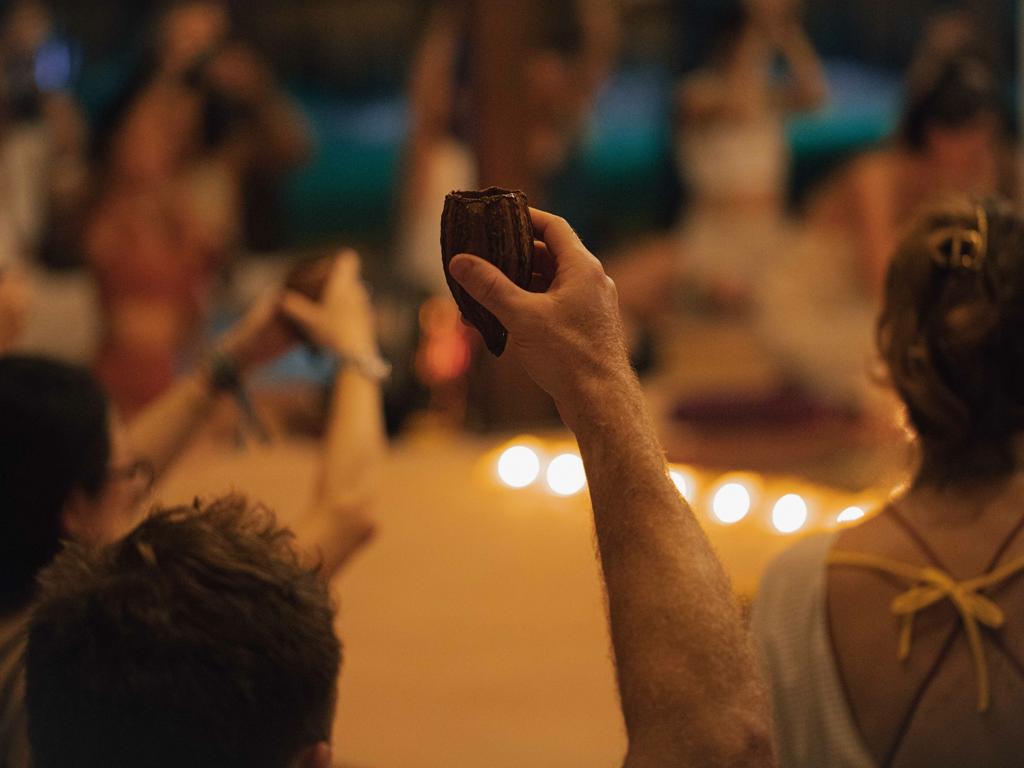
Here's a question I get from almost every first-timer I talk to: what exactly is in ayahuasca, and why does it work the way it does? Most people show up to a ceremony knowing the brew contains DMT and some kind of MAO inhibitor. That's about where the knowledge stops. And honestly, for a long time, that's about where the published science stopped too. But a growing body of pharmacology research has been quietly chipping away at the question. A systematic review published in the Brazilian Journal of Psychiatry pulled together sixteen studies on the chemistry of ayahuasca and tried to answer something deceptively simple: do these compounds just add to each other, or do they do something more interesting when they're combined? The answer matters — not just for chemists, but for anyone weighing whether to sit in ceremony with traditional brew versus the synthetic, isolated, or capsule-form alternatives now floating around the psychedelic landscape. Traditional ayahuasca is brewed from two plants: the vine Banisteriopsis caapi and the leaves of Psychotria viridis. The leaves carry N,N-dimethyltryptamine — DMT, the famously short-acting psychedelic that, taken on its own by mouth, does absolutely nothing. Your gut enzymes destroy it before it can reach your brain. That's where the vine comes in. B. caapi contains a family of compounds called beta-carbolines — primarily harmine, harmaline, and tetrahydroharmine (THH). These are reversible monoamine oxidase inhibitors, or MAOIs. They block the enzyme that would otherwise dismantle the DMT, allowing it to survive the trip through your digestive system and reach the receptors that produce the experience. Without the vine, the leaves are inert. Without the leaves, the vine is something else entirely — a purgative, a dream-inducer, a teacher plant in its own right according to the curanderos, but not the full ayahuasca experience. That much has been understood for decades. The harder question is what the harmala alkaloids are doing beyond protecting the DMT. And that's where things get interesting. Early work by McKenna and colleagues in the 1980s proposed that mixing the beta-carbolines together produced effects that were merely additive — basically, the sum of their individual MAO-inhibiting strengths. Neat, tidy, and a little boring. Later studies started complicating the picture. Researchers found that regular ayahuasca drinkers showed increased serotonin transporter binding sites on their platelets — a change that didn't appear in studies of DMT alone. Glennon's work in 2000 showed that harmala alkaloids themselves bind to 5-HT2 receptors, the same family of serotonin receptors DMT activates. So the vine isn't just a chaperone; it's nudging the same neurochemical machinery from a different angle. Then there's harmine on its own. A 2010 rat study found that chronic harmine administration produced antidepressant-like effects and raised levels of BDNF — brain-derived neurotrophic factor — in the hippocampus. BDNF is roughly the brain's fertilizer for growing new connections. A 2017 study went further and showed that harmine stimulated adult neurogenesis in cultured hippocampal cells. Meaning: harmine, alone, may help the brain grow new neurons. That's not what you'd expect from a molecule whose job description was supposed to be "keep DMT alive long enough to work." Human pharmacology studies have filled in more of the picture. Riba and colleagues found that ayahuasca produced significant activation in the frontal and paralimbic regions of the brain — the areas tied to emotional processing, self-reflection, and what neuroscientists call interoception, the felt sense of your own body. Brain imaging showed increased blood flow in the anterior insula, anterior cingulate, and the amygdala/parahippocampal complex. These are exactly the regions you'd want to engage if your goal is to confront stored trauma, examine ingrained patterns, or experience something like ego dissolution. Sampedro's 2017 work on the so-called psychedelic "afterglow" is one of the more striking findings in this whole literature. Participants showed measurable changes in brain chemistry and connectivity that persisted well after the acute experience ended. Reduced glutamate signaling in the posterior cingulate cortex. Increased connectivity between regions involved in self-awareness and emotional regulation. And — this is the part that matters for anyone considering a retreat — those neural changes correlated with increases in mindfulness traits like nonjudgmental awareness and self-compassion, and those traits were still elevated two months later. So when retreat-goers say something shifted in them and stayed shifted, they're not making it up. Something measurable is going on under the hood. You might be wondering why any of this pharmacology trivia should affect a decision about whether to drink the brew in a maloca in Peru. Fair. Here's why it matters in practical terms. The psychedelic industry is in the middle of a quiet identity crisis. Several biotech companies are working on synthetic alternatives — isolated DMT, harmine pills, time-released formulations, pharmahuasca capsules. The pitch is consistency, safety, and avoiding the rougher edges of the traditional brew (the nausea, the long duration, the variable potency). And there's a real case for that approach, especially in clinical contexts. But if the harmala alkaloids are doing more than just protecting DMT — if harmine alone is stimulating neurogenesis, if THH has its own SSRI-like activity, if the beta-carbolines are nudging serotonin receptors independently — then stripping the brew down to "just DMT plus an MAOI" might miss something important. The whole may genuinely be more than the sum of its parts. This is the part the curanderos have been saying all along, in their own language. The vine is a teacher. The leaf is a teacher. Together they teach something neither could teach alone. The pharmacology is starting to catch up to what indigenous practitioners have known for centuries. I don't think you need to memorize receptor names before you sit in ceremony. But a few practical takeaways are worth holding onto: Science on ayahuasca is still young. Most of these studies have small sample sizes. Some are in rats, not humans. The freeze-dried brew used in clinical trials isn't quite the same as what gets served on the second night of a Shipibo ceremony. And the synergy question — additive vs. truly synergistic — isn't fully resolved. The systematic review's authors are clear about this: there appear to be more synergistic mechanisms at work than current research can explain. Which is roughly where the curanderos have been pointing for centuries, if you ask them. The plants know things the pharmacology papers haven't gotten to yet. That doesn't make the science wrong — it just makes it incomplete, the way all science is incomplete on the way to better understanding. If reading this has made you more curious rather than less, that's probably the right response. A range of vetted ayahuasca ceremonies and plant-medicine retreats can be browsed on our marketplace here, and looking through them is a useful way to start translating the chemistry on the page into a concrete sense of where and with whom you might eventually sit. Take your time with the decision. The brew, after all, has been around for a very long time and will still be there when you're ready.
One-Day Ceremony or Multi-Day Ayahuasca Retreat: Which Is Right for You?
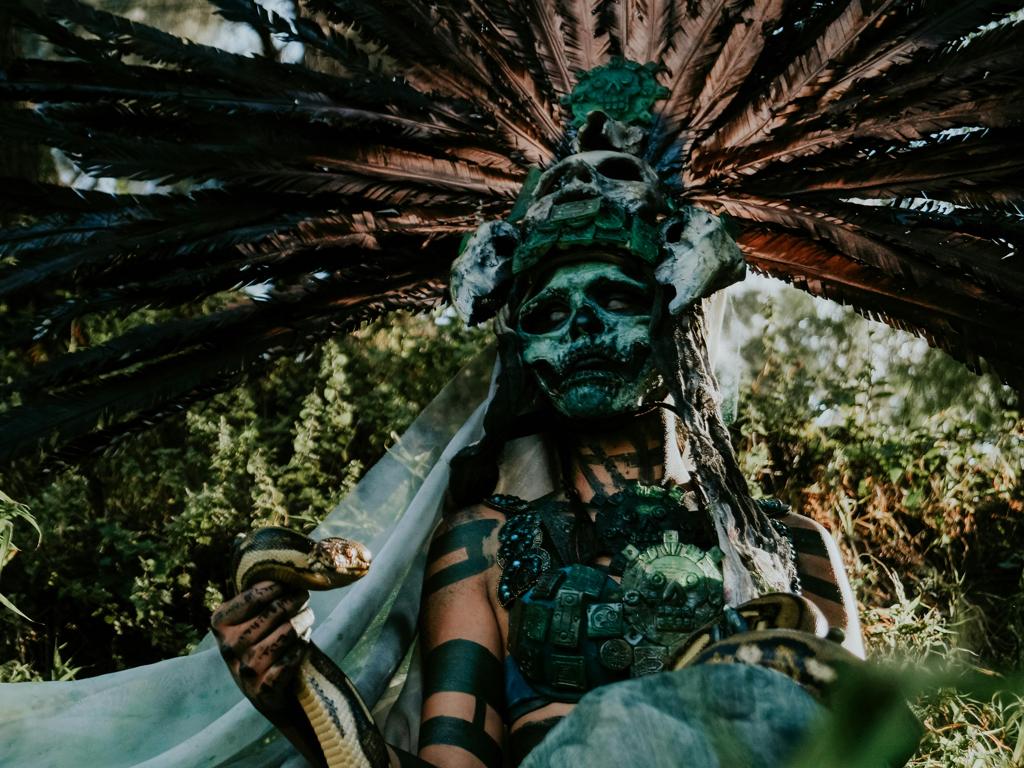
Here's a question that comes up in almost every conversation I have with someone considering ayahuasca for the first time: should I start with a single ceremony, or commit to a full retreat? It sounds like a logistics question. It isn't. The format you choose shapes almost everything else — how deep the work goes, how safe you feel, how well you integrate what surfaces, and whether the whole thing leaves you better off or just shaken up. I've sat in one-night ceremonies in a city apartment and seven-night retreats deep in the Peruvian Amazon. Both have their place. Neither is automatically better. What matters is matching the format to where you actually are — emotionally, physically, and in terms of what you're hoping plant medicine might help with. Let's walk through the real differences, because the marketing copy out there tends to skip the parts that matter most. A one-night ceremony usually runs from late afternoon into the small hours of the morning. You arrive, share a meal (or fast, depending on the tradition), receive the brew, and sit with the experience for four to six hours under the guidance of a facilitator or curandero. By sunrise you're usually home, or close to it. Simple in theory. In practice, it's a lot to fit into one night. For someone who's curious about plant medicine but not ready to spend a week away from work, kids, or daily life, this format has obvious appeal. It's also dramatically cheaper — a single ceremony in Europe or North America typically runs somewhere between 200 and 500 euros, while a week-long retreat in Peru can run anywhere from 1,500 to 4,000 dollars before flights. For people who've already done meaningful inner work elsewhere — therapy, meditation, breathwork — a single ceremony can serve as a check-in with the medicine rather than a full plunge. The catch? You get one shot. If the brew is mild that night, or if your body spends most of the ceremony purging rather than journeying, that's the experience you got. There's no second night to go deeper. And the morning after, you go back to your regular life with no buffer — no integration circle, no quiet day to process, no facilitator on hand if something difficult surfaces three days later. A proper retreat — let's say four to ten days — is a different animal entirely. You're typically looking at three to five ceremonies spaced over the course of the stay, with rest days, sharing circles, dietary support, and (in the better-run places) one-on-one time with the facilitators. The container itself becomes part of the medicine. Why does that matter? Because ayahuasca tends to reveal in layers. The first ceremony often shows you what needs attention. The second one starts working on it. The third or fourth is where things genuinely shift. Sitting with the same group of people through that arc, eating simple food together, going to bed at nine o'clock, walking in silence in the morning — all of it primes the nervous system in a way that a single Saturday night cannot. There's also the matter of integration support. Anyone who has worked with plant medicine seriously will tell you that the ceremony is maybe thirty percent of the work. The rest is what you do with what you saw. Good retreats build integration in: morning sharing circles, journaling time, gentle bodywork, conversations with the team about what surfaced and what to do with it. You leave with a thread you can keep pulling on. I'll be blunt here, because the gentle "it depends on your journey" framing isn't useful when you're actually trying to make a decision. That last point matters. Ayahuasca isn't a shortcut around the work — it's a magnifying glass held over it. People who try to skip preparation often end up with experiences that are confusing or destabilizing rather than helpful. People focus on the sticker price, but the real cost of plant medicine is wider than that. Here's what to actually budget for: When you add it all up honestly, a single ceremony might still come in cheaper, but the gap is smaller than it looks on paper. And the cost-per-insight, if you'll forgive that phrase, often favors the longer container. The format matters, but the people running it matter more. Whether you're considering a one-night sit or a ten-day retreat, ask these questions before you commit: If a place dodges any of these, walk away. There are plenty of careful, well-run options out there, and the wait for a good one is worth more than the convenience of a sketchy one. When someone asks me whether they should do a ceremony or a retreat, what they're often really asking is: am I ready, and is this going to help? Those are bigger questions, and only you can answer them. But I'd offer this: if you're drawn strongly enough to plant medicine that you've read this far, something in you already knows there's work to do. The format question is really about how much support you want around that work. My honest take, after sitting in plenty of both? If it's your first time and you're working with anything heavy — addiction, trauma, depression that hasn't shifted with conventional treatment — give yourself the longer container. The extra days are not a luxury; they're where the medicine actually has room to do what it does. If you're an experienced traveler in these waters and you just need a tune-up, a well-run single ceremony can be exactly right. For readers who want to explore further, a range of carefully vetted ayahuasca ceremonies and multi-day retreats can be browsed on our marketplace here. Take your time choosing — the right container is worth waiting for.
Ibogaine for Opiate Addiction: What Recovery Actually Looks Like Six Months Later
Six months. That's roughly how long it takes for the dust to settle after an ibogaine treatment for opiate addiction — long enough to know whether the rewiring held, and long enough to be honest about what didn't. If you're researching ibogaine because seven years of opiates (or three, or fifteen) have stopped feeling like a choice, this is the article I wish someone had handed me before I booked anything. I've sat with people in the days after their flood dose. I've talked to facilitators who've run hundreds of sessions, and to clients who came back six months, two years, five years out. What follows isn't a hype piece. It's what actually tends to happen — the good, the weird, and the parts that get glossed over on retreat websites. Ibogaine is an alkaloid from the root bark of the Tabernanthe iboga shrub, used ceremonially in Gabon for centuries by Bwiti practitioners. Somewhere in the 1960s a heroin-using teenager in New York noticed that a single dose interrupted his withdrawal almost entirely. That accidental discovery is, more or less, why ibogaine is now a fixture in serious conversations about plant medicine and addiction recovery. Here's the part that grabs people's attention: a properly administered flood dose can shut down acute opiate withdrawal in a matter of hours. Not soften it. Shut it down. People who've been dope sick dozens of times describe waking up the next day without the usual bone-deep cravings — sometimes for weeks, sometimes for months. That's not a marketing claim; it's consistent enough across reports and the limited clinical literature that researchers in Mexico, New Zealand, and Brazil have built treatment programs around it. But ibogaine is not a magic eraser, and anyone selling it that way is either naive or lying. It's a tool — a powerful, demanding, occasionally dangerous tool — that opens a window. What you do inside that window is the actual work. Flood-dose ibogaine isn't a recreational psychedelic experience. Don't go in expecting beauty. The first few hours after dosing are usually spent flat on your back, eyes closed, in what's often called the “waking dream” state — a long, slow review of your life delivered in fragments. People report watching themselves at age six. At nineteen. At the worst moment they’ve ever caused. It's exhausting and frequently uncomfortable. Then comes the long, gray middle. Hours twelve through thirty-six are typically the hardest physically — ataxia (you genuinely cannot walk), nausea, sensitivity to light and sound, and a strange tinnitus-like buzz that fades over days. A medical team should be on you the whole time, monitoring heart rhythm via EKG, because ibogaine prolongs the QT interval and that's where the real risk lives. Cardiac screening before treatment isn't optional. It's the line between a credible clinic and one to walk away from. By day three most people can stand, eat a little, and have a real conversation. The cravings are usually gone or dramatically reduced. And then — and this is the part nobody prepares you for — you go home. The first month is strange in a quiet way. The compulsion to use is missing. The morning routines tied to using fall apart because there's nothing to chase. Sleep is patchy. Many people describe a low-level afterglow — a sense that something in the wiring genuinely shifted — alongside an unfamiliar emotional rawness. Old grief shows up. Stuff you stuffed down with opiates for seven years doesn't stay stuffed when the opiates are gone. This is where the work begins. Most facilitators will tell you ibogaine gives you roughly a three-to-six-month window where the neural conditions for change are unusually favorable — dopamine receptors are resensitizing, the default mental ruts feel less grooved, decisions you couldn't make for years suddenly feel obvious. If you waste that window, the window closes. What actually fills the window for people who stay clean tends to look like: People who skip all of this and assume the medicine did the job tend to relapse around month two or three. Not because ibogaine failed. Because they treated a window like a finish line. You've probably also read about ayahuasca for addiction, psilocybin trials for alcohol use disorder, and kambo as a complementary practice. They are not interchangeable. Ibogaine is unique in its specific action against opiate withdrawal — no other plant medicine reliably does that. Ayahuasca, by contrast, tends to work on the emotional and spiritual layer underneath the addiction: the trauma, the shame, the patterns. Many people in long-term recovery from opiates do ibogaine first to break the physical dependence, then incorporate ayahuasca ceremonies later for the deeper trauma work. Psilocybin is showing real promise for alcohol and tobacco addiction in clinical trials, but the data on opiates is thinner. San Pedro and other master plants tend to support the slower, longer integration work rather than the acute reset. None of these are weekend hobbies. All of them deserve preparation, screening, and aftercare. Ibogaine is legal in some countries (Mexico, Costa Rica, New Zealand, the Netherlands, Brazil, South Africa), unscheduled in others, and a Schedule I substance in the United States. That patchwork means quality varies wildly. There are excellent medically supervised clinics. There are also outfits running flood doses out of rental houses with no EKG, no nurse, and no plan if something goes wrong. The latter kill people every year. A short checklist before you wire any deposit: Also: be suspicious of anyone who guarantees you won't relapse. Nobody can promise that. Anyone who does is selling something other than honesty. Among the people I've followed past the half-year mark, the pattern is roughly this. Around a third are completely opiate-free and describe their life as functionally unrecognizable from before. Another third are mostly clean but have had one or two slips, usually around month two, and either course-corrected or did a follow-up treatment. The last third relapsed meaningfully — often the people who did no integration work, or who returned to the exact environment that produced the addiction. That's not a brochure-friendly statistic. It is, however, dramatically better than the outcomes from standard medication-assisted treatment alone, and the people who do recover tend to describe a quality of recovery that feels qualitatively different — not white-knuckled abstinence, but a genuine loss of interest in the drug. That's the part that's hard to capture in any clinical trial. If you're standing where I was standing two years ago — exhausted by your own life, tired of every previous attempt, quietly Googling at 3 a.m. — ibogaine is worth taking seriously. So is the work that has to follow it. For readers who want to take this further, a range of vetted ibogaine and plant-medicine retreats can be browsed on our marketplace here. Read carefully, ask hard questions, and trust the providers who answer them without flinching.
Craving More Stories?
Join our ShopAyahuascaRetreats newsletter for the latest updates on thrilling
destinations and inspirational tales, delivered straight to your inbox!
We value your privacy. Your email address will never be shared or published.
What Is Vipassana Meditation? Origins, Practice, and Honest Caveats
Vipassana is the kind of practice people whisper about at retreat centers — the one your friend disappeared into for ten silent days and came back vaguely different. Two and a half thousand years old, taught by the Buddha himself, and still strangely intact after all that time. If you've been circling the idea of sitting a course, or you're just curious why anyone would voluntarily stay silent for over a week, it helps to understand what Vipassana actually is before you commit. This is a contemplative technique, not a plant medicine — worth saying upfront. There's no substance involved, no facilitator pouring you a cup of anything. Just you, your breath, your body, and a lot of time to notice what's going on inside both of them. That said, plenty of people who eventually find their way to ayahuasca or psilocybin retreats started with sitting practice. The two worlds share more terrain than you might think. The word Vipassana translates roughly as “seeing things as they really are.” It traces back to Gotama the Buddha around 528 BCE, who spent the last forty-five years of his life teaching it as a path out of suffering. For about five centuries it spread across India, peaking during Emperor Asoka's reign in the third century BCE. Then, as these things go, it largely vanished from the country of its birth. What kept it alive was a quiet chain of teachers in Myanmar. Generation after generation, they preserved the technique while it faded elsewhere. The modern revival owes most of its momentum to S.N. Goenka, a Burmese-born businessman of Indian descent who trained under Sayagyi U Ba Khin and began teaching in 1969. Goenka's gift was making the practice accessible without stripping its depth — he framed it as a secular, universal tool rather than a religious requirement. That framing is why you can walk into a Vipassana center today without subscribing to any particular faith. The Theravada Buddhist tradition still holds Vipassana as a central practice, but the courses Goenka's network offers are deliberately non-sectarian. You'll hear chanting on recordings. You won't be asked to convert to anything. If you've ever used a meditation app, you've probably done some version of śamatha — calming, breath-focused mindfulness. Sit, follow the breath, notice when the mind wanders, come back. It's foundational, and it works. Most people benefit enormously from it. Vipassana takes that foundation and adds something specific: a slow, systematic scan of the body, paying close attention to whatever sensation arises — itch, ache, warmth, tingle, numbness — without reacting to it. Where śamatha says let the thought pass like a cloud, Vipassana says sit with the sensation underneath the thought and watch it change. You're not analyzing. You're not narrating. You're observing the raw data of being in a body, and you're learning that every sensation, pleasant or excruciating, eventually shifts on its own. The technical name for this is equanimity toward impermanence. The practical name is: you stop flinching at your own life quite so much. Cravings get less sticky. Aversions get less sharp. The story your nervous system has been telling itself about what's tolerable starts to loosen. The standard introduction to Vipassana in the Goenka tradition is a ten-day residential course. They're offered worldwide and run on donations — no fee for first-time students. That generosity isn't a marketing hook; it's structural. Past students who got something from the course fund the next batch. Here's the honest version of what you sign up for: Days three and four are when most people hit the wall. The knee pain becomes biblical. The mind generates elaborate fantasies about quitting, leaving, finding the nearest pizza. People do leave. Most stay. By day seven, something shifts — not always pleasant, but undeniably real. By day ten, when silence breaks, you'll watch a roomful of strangers fumble awkwardly back into language and realize you've all just been through something together that none of you can quite describe. This is the question worth sitting with — pun fully intended — before you book anything. Vipassana is not a wellness vacation. It's not a spa. It's not particularly gentle. It can surface trauma, grief, rage, and material you've been successfully avoiding for decades. For some people, that's exactly the medicine. For others, it's the wrong tool at the wrong time. Vipassana tends to suit people who: It can be a poor fit, or actively harmful, for people in acute psychiatric crisis, those with untreated severe PTSD, or anyone who interprets ten days of forced introspection as a kind of test they need to pass. The centers screen for some of this, but not all of it. Be honest on the application. If a therapist is helping you stay upright right now, talk to them first. A lot of readers find their way to silent meditation after a psychedelic experience cracks something open and they realize they need a sustainable practice to integrate it. The reverse also happens — long-time meditators eventually become curious about whether ayahuasca, psilocybin, or another master plant might show them something their cushion has been pointing at for years. The traditions aren't competing. They're doing different jobs. Psychedelics tend to dissolve; meditation tends to refine. A weekend ayahuasca retreat can hand you an insight in eight hours that you wouldn't have stumbled into on your own in eight years — but you still have to live with that insight, embody it, and not let it evaporate. That's where sitting practice earns its keep. Conversely, a daily meditation practice without occasional rupture can become its own kind of comfortable rut. If you're someone weighing both paths, you don't have to choose. Many of the most grounded facilitators in the plant-medicine world have decades of silent retreat behind them. The skills transfer. If a full ten-day course feels like jumping off a cliff, start small. Twenty minutes a day for a month will tell you a lot about whether the technique resonates. Find a quiet spot — a corner of the bedroom, a chair by a window, even (genuinely) the bathroom if that's your only privacy. Sit cross-legged on a cushion or upright in a chair with both feet on the floor. Close your eyes. Spend the first few minutes following the breath at the nostrils. Then begin slowly scanning attention from the crown of your head down to your toes, lingering on each small area, noticing whatever sensation is there — or noticing the absence of sensation, which is also data. Don't try to feel anything in particular. Don't congratulate yourself when something pleasant arises or recoil when something uncomfortable does. Just watch. When the mind wanders, bring it back to wherever you were on the body. Begin again. That's the whole instruction. You'll be bad at it. Everyone is. The badness is the practice. If something in this stirs your curiosity and you want to explore the wider landscape of contemplative and plant-medicine work together, a range of integration-focused and meditation-adjacent retreats can be browsed on our marketplace here. Whatever path you choose, the willingness to sit honestly with your own mind — for ten days or twenty minutes — is the part that actually changes things.
Is Ayahuasca Legal? A Country-by-Country Look for Retreat-Seekers
You've been reading about ayahuasca for months. Maybe years. You've watched the documentaries, listened to the podcasts, and you're starting to seriously consider booking a retreat. Then a practical question lands: is ayahuasca legal? It's the right thing to ask before you spend money on a flight, and the honest answer is more complicated than yes or no. Here's the short version: the legal status of ayahuasca depends on where you are, who's serving it, and how a particular government chose to interpret a few decades-old drug treaties. The longer version — the one that actually helps you make a decision — is below. The active ingredient that gives ayahuasca its psychedelic punch is DMT (N,N-dimethyltryptamine), which most Western countries classify as a Schedule I or equivalent prohibited substance. That puts it in the same legal bucket as LSD and psilocybin — substances that were criminalised after the counterculture boom of the late 1960s. Here's where it gets interesting. The 1971 UN Convention on Psychotropic Substances, the treaty most countries built their drug laws around, controls the molecule DMT itself — not the plants that contain it. The ayahuasca brew is made from two plants: the Banisteriopsis caapi vine, which contains MAO inhibitors that let DMT survive your digestive system, and Psychotria viridis (chacruna), whose leaves are loaded with DMT. Neither plant is on the international schedule. So in many jurisdictions, growing or possessing the raw plants exists in a hazy in-between. The moment you brew them together and the tea contains DMT, you've technically crossed into illegal territory. Different countries have interpreted this gap in very different ways, which is why a global map of ayahuasca legality looks like a patchwork quilt. Possessing B. caapi or chacruna leaves on their own isn't illegal in most of North America. Brewing them into a tea that contains DMT is. That's the line, and federal authorities in both countries have prosecuted people for crossing it. There's one well-established exception: religious freedom. Two Brazilian-rooted churches, the União do Vegetal (UDV) and Santo Daime, have fought and won court battles affirming their right to use ayahuasca as a sacrament. The UDV's 2006 Supreme Court victory in the US is the landmark case. These congregations are not casual drop-in ceremonies — they're serious religious communities with screening processes, ongoing membership, and a doctrinal framework. If you want a sustainable, fully-legal way to sit with ayahuasca in the US or Canada, joining one of these churches is the cleanest path. Beyond the churches, there's a quiet underground. Search around in any major city — New York, Los Angeles, the Bay Area, Toronto, Vancouver — and you'll find ceremonies running. They exist in legal shadow, and participants and facilitators carry real risk. The recent psilocybin decriminalisation in cities like Denver, Oakland, and across Oregon and Colorado suggests that the wider policy landscape is shifting, but ayahuasca specifically hasn't been folded into those reforms yet. This is the part of the map where things relax. In the countries where ayahuasca has been used ceremonially for centuries, it's protected, legal, or simply uncontested. If you want to do this with the fewest legal complications and the deepest traditional roots, Latin America is the answer. The trade-off is the obvious one: international travel, vaccination considerations, the need to vet centres carefully because the region also has its share of poorly-run operations and outright bad actors. Europe is the patchwork within the patchwork. The picture shifts every couple of years as test cases move through national courts. Spain has historically been the most permissive — there's no specific statute outlawing ayahuasca, and prosecutions are rare. Itinerant curanderos often base themselves there and travel to other countries for ceremonies. Portugal, which decriminalised personal drug use across the board in 2001, also tends toward leniency. Italy has seen mixed rulings. The Netherlands, once the friendly grey-zone destination for European seekers, tightened its stance and now treats ayahuasca more strictly — a change that affected Santo Daime communities operating there. The UK takes a harder line. DMT is a Class A controlled substance, and possession of brewed ayahuasca has led to prosecutions. Despite that, ceremonies do happen quietly across the country. France and Germany are similarly restrictive on paper, though enforcement varies. If you're in Europe and want clear legal footing, Spain is your most relaxed option. For anywhere else on the continent, you're working in a zone where the law is real but inconsistently applied. In Australia, DMT is Schedule 9 — prohibited. Growing the caapi vine itself isn't illegal, but the brew is. Prosecutions for personal ceremonial use are rare, and an underground retreat scene exists. New Zealand takes a similar position. Across parts of Southeast Asia, ayahuasca ceremonies happen relatively openly in places like Bali and parts of Thailand, often imported by Western facilitators serving the wellness-tourism circuit. The legal status is unclear rather than explicitly permitted, and the picture can change quickly with a single high-profile case. If you're considering a retreat in this region, ask hard questions about who's running it and how long they've been operating. Legal risk is one layer. Physical and psychological risk is another, and the two get conflated more than they should. Pure ayahuasca, served well, has a surprisingly clean safety profile compared to many legal pharmaceuticals. But there are real contraindications you need to take seriously: A good retreat will screen you carefully. If a centre takes your booking without asking about medications, medical history, and mental-health background, that's a red flag worth walking away from. The practical question for most readers isn't really "is ayahuasca legal" — it's "what level of legal and personal risk am I willing to accept, and where does that point me?" There are three honest paths: The fully-legal path: Join a recognised UDV or Santo Daime congregation in your home country, or travel to Peru, Brazil, Ecuador, Colombia, or Costa Rica where the medicine has clear legal and cultural standing. This is the option I'd recommend to almost anyone serious about the work. The traditional context adds something that an underground ceremony in someone's apartment simply can't replicate. The grey-area path: book a retreat in a jurisdiction where the law is murky but enforcement is rare — parts of Europe, certain pockets of Asia. The legal risk is real but small if you're discreet and the centre is established. The underground path: the highest risk, the lowest accountability, and the option where most of the documented harms in the ayahuasca world have happened. I'd think very hard before going this route. Whichever path you choose, do your homework on the facilitator. Years of experience, training lineage, how they handle medical screening, what integration support looks like after — these matter far more than the legal label. A legal ceremony with a careless facilitator can hurt you more than a grey-area ceremony with a careful one. If you're at the stage where you're ready to compare specific centres rather than read more theory, a curated selection of vetted ayahuasca retreats can be browsed on our marketplace here. Take your time with the decision — this is the kind of journey that rewards patience and punishes haste.
Sexual Abuse in Ayahuasca Ceremonies: What a Major Survey Revealed
Nobody wants to start a conversation about ayahuasca with the word abuse. The brew is sacred to the people who carry the tradition, and life-changing for many who sit with it. But if you're weighing whether to fly to Peru or Costa Rica and hand your nervous system over to a stranger in the dark, the most useful thing a writer can do is tell you the truth — including the parts the glossy retreat brochures skip. A few years back, a community-led survey took on exactly this taboo. The findings are sobering, occasionally hopeful, and genuinely useful for anyone considering an ayahuasca retreat. I want to walk you through what came back, what it means for your decision, and how to use the information without either dismissing plant medicine or romanticising it. For years, whispers circulated through the plant-medicine world about facilitators crossing lines — touching participants inappropriately during ceremony, soliciting sexual contact under the guise of healing, taking advantage of people in deeply altered states. Some stories made it to journalism. Most didn't. The combination of remote jungle settings, language barriers, power asymmetry, and the assumption that a shaman is somehow above reproach made it remarkably easy for misconduct to go unreported. In response, a working group within the broader ayahuasca community drafted a free, downloadable safety guide — translated into fourteen languages and distributed across retreat centres, tour agencies, and tourism offices in Peru. The companion legal resource breaks down, country by country, what your rights are if something happens in Peru, Brazil, Costa Rica, Bolivia, or Mexico. By early 2023 the guide had been downloaded nearly 29,000 times. That's not a niche document. That's a quiet movement. The survey came next. Launched in 2020 in English and Spanish, it asked a simple question: are people in the community aware that this happens, and is the safety guide actually changing how they behave? Out of 2,071 people who started the survey, 745 completed it in a way that allowed their answers to be analysed. The drop-off is normal for online surveys, especially on sensitive subjects — some people don't have skin in the game, some find the questions uncomfortable and bail. Of those who finished, roughly 60% identified as female, 38% as male, and the rest as something else. Here's the figure that stopped me when I first read it: 83.1% of respondents already knew that sexual abuse can and does occur in ayahuasca settings. Only 16.9% had no idea. That's a community that has, at least at the level of awareness, accepted there's a problem. More uncomfortable: 52.1% had direct or indirect experience with sexual misconduct in these settings. Either it had happened to them, to someone they knew, or they'd heard credible accounts of it happening to others. About half. Let that sit for a second. The pattern of what people reported is worth understanding. The more covert behaviours — verbal sexual advances, hands lingering where they shouldn't, the ambiguous touch a facilitator might brush off as healing work — turned up far more often than overt sexual assault or rape. That's consistent with what we know about predatory behaviour generally. It rarely starts with the worst-case act. It starts with small boundary tests, in a setting where the person being tested is too altered, too disoriented, or too culturally deferential to push back. Around 94% of respondents said the guide gave them clear, helpful examples of what abuse in these settings can look like. That's a strong response to an educational document. More interesting is the behaviour question: 32.8% said reading the guidelines actually changed how they approach ayahuasca ceremonies. If a third sounds modest, consider what's being measured. A consultant in the sexual-violence field noted that in forensic psychology, even a 5% behavioural shift from an intervention is considered significant. Getting a third of respondents to admit — in writing, on a survey about a taboo subject — that they're doing things differently is, by the standards of the field, a serious result. The 169 people who wrote in their own words about what changed gave us the most useful map. Here's roughly how the themes shook out, in order of how often they came up: A small but striking group — about 4 out of 130 — said the guidelines made them question whether they wanted to do ayahuasca at all. That's a legitimate response to honest information. Not every reader of this article should book a retreat. Some shouldn't. You're probably here because something in your life feels stuck — addiction, depression, trauma, a pattern you can't seem to break — and ayahuasca keeps coming up in your reading. That's a real and valid reason to be looking. Plant medicine has helped a lot of people. It has also been the setting for harm. Both things are true. The job is to filter for centres that take the second part seriously. From the survey and from my own time reporting on this, here's what to actually look for when you're vetting a place: One of the more thoughtful responses in the survey came from people who'd started seeing shamans as humans rather than gods. That reframe matters. The plant itself doesn't care about your money or your status. The human pouring it for you might. Cultural reverence is a beautiful thing, and it's also exactly the dynamic predators exploit. You can hold deep respect for a tradition while still treating any individual practitioner as a person who needs to earn your trust. Bringing a friend is underrated. So is staying somewhere with other participants you can talk to between ceremonies. Isolation is the abuser's friend. A buddy who'll notice if something seems off — and who'll back you up if you need to raise a concern — is one of the most effective safety measures available, and it costs nothing. And one more thing the survey hinted at but didn't quite name: integration matters here too. If something happens that doesn't sit right, you need somewhere to bring it. A therapist who knows about psychedelic experiences, a trusted integration circle, a friend who'll listen without trying to fix it. Don't sit alone with a confusing memory for months. That's how harm calcifies. The point of all this isn't to scare you away from ayahuasca. Plenty of people have profound, safe, transformative experiences every week. The point is to make you a harder target — informed, skeptical of the right things, and clear about what a reputable container looks like. The community is, slowly, getting better at this. The survey itself is evidence of that. Awareness is up. Conversation is up. Some behaviour is genuinely changing. If you've read this far and you're still drawn to the work, take that seriously — both the pull and the responsibility to choose well. For readers who want to take this further, a range of vetted ayahuasca retreats can be browsed on our marketplace here. Read carefully, ask the hard questions, and trust your gut when something feels wrong. The medicine will still be there once you've found the right place to meet it.
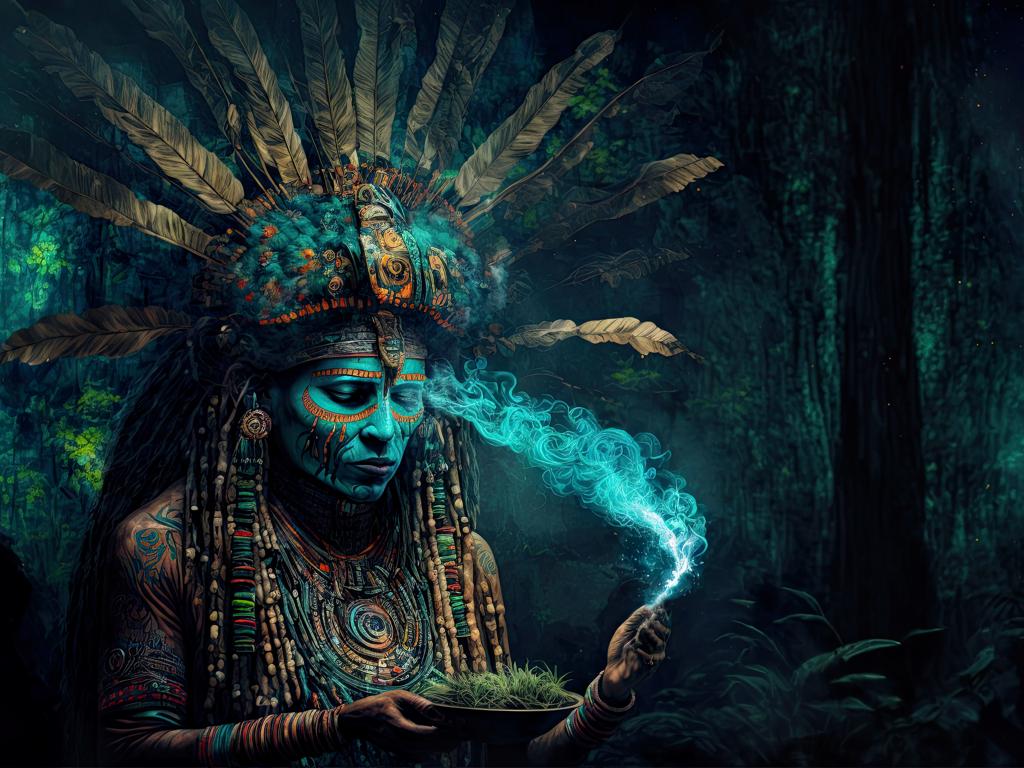
Psychedelics for Depression and Addiction: What the Research Actually Shows
Picture a quiet room in Manhattan. A low brown couch, a small Buddha statue, hand-painted dishes on a side table. It looks like someone's grandmother's living room from 1974. It is, in fact, the setting where some of the most surprising mental-health research of the last decade has unfolded — a place where cancer patients have swallowed a capsule of psilocybin and walked out hours later describing the experience as one of the most meaningful of their lives. This is the strange, hopeful frontier of psychedelics and psychedelic-assisted therapy. After decades of being treated as cultural contraband, substances like psilocybin, ayahuasca, ibogaine, and MDMA are being studied seriously again — and the early data on depression, anxiety, and addiction is hard to ignore. If you've found your way here because you're quietly wondering whether plant medicine might help with something you've been carrying for years, you're not alone. A lot of people are wondering the same thing. The reason scientists keep using words like “breakthrough” and even “surgical intervention” when they talk about psychedelics isn't hype. It's that a single dose, given in the right setting with trained support, seems to do what years of daily SSRIs sometimes can't — particularly for people stuck in the deepest grooves of despair. In one well-known trial at NYU and Johns Hopkins, cancer patients with severe end-of-life anxiety were given psilocybin alongside therapy. The majority reported sustained relief from depression and existential dread months later. Not a slight improvement. A genuine shift. Many of them ranked the experience among the top five most meaningful events of their entire lives — comparable to the birth of a child or the death of a parent. That's an unusual thing to hear from a clinical trial. Pharma research doesn't usually produce results that read like a memoir. Here's a way to think about depression that helped me understand why psychedelics seem to do what they do. Imagine your brain as a city, full of roads. Some are well-worn highways used a thousand times a day — your habitual thoughts, your self-criticism, your story about why you're not enough. Other roads are barely paved, rarely traveled. In a depressed brain, the highway traffic gets stuck. Rush hour, all day, every day. Researchers at Imperial College London have shown that psychedelics appear to do something genuinely strange — they reduce traffic on the overused routes and send neural activity skittering down the empty ones. Connections form between regions of the brain that normally don't talk to each other. The cogs, as one researcher put it, get loosened. That loosening is often what people describe afterward. The rumination quiets. The sense of being trapped inside one narrow story about yourself softens. For a few hours, the mind escapes the rut — and sometimes, the new perspective sticks. The addiction research is where things get especially interesting. Addiction, like depression, is partly a story of stuck patterns — the same circuits firing, the same craving, the same coping behavior on repeat. Substances like ayahuasca, ibogaine, and psilocybin appear to interrupt those loops, sometimes dramatically. Ibogaine, derived from the iboga root of West Africa, has the longest underground reputation for treating opioid dependence. People who've gone through ibogaine treatment often describe a long, difficult inner journey — sometimes 24 to 36 hours of intense visions — followed by a striking reduction in withdrawal symptoms and cravings. It's not magic, and it's not without serious cardiac risks that require medical screening. But for people who've tried everything else, it's often the first thing that's actually worked. Ayahuasca, the Amazonian brew built around the Banisteriopsis caapi vine, has a different shape but a similar effect on certain people. The ceremonies are long, communal, and held by experienced facilitators in traditions that stretch back generations. Many participants come specifically because of addiction — to alcohol, to cocaine, to the quieter addictions of overwork and self-loathing — and leave with a fundamentally different relationship to whatever they were running from. The category of plants and brews used this way is sometimes called the master plants: teachers in the Amazonian sense, not chemicals to be consumed casually. That framing matters, because it shapes how the experience is approached — with preparation, respect, and a willingness to actually listen to what surfaces. This is the question almost everyone researching a retreat wants answered honestly, so let's be honest. A psychedelic ceremony — whether it involves ayahuasca, psilocybin, or San Pedro — is not a euphoric night out. It can be uncomfortable. It can be physically demanding. With ayahuasca specifically, vomiting (called la purga) is common and considered part of the healing. People often describe an initial wave of fear or disorientation. One man I spoke with, a sailor who'd done a Johns Hopkins psilocybin trial, compared the early part of his experience to falling off his boat in open ocean — looking back and finding the boat gone, then the water gone, then himself gone. Terrifying, in the moment. He came through it, with help from his facilitators, into something he still can't quite describe — a sense of being witness to life itself, free from the constant management of being a self. That arc — through difficulty, into something larger — is common. It's why a good retreat isn't just about the medicine. It's about who's holding the space. If you're considering a retreat, this is where to spend your attention. The medicine matters less than the container around it. Here's what experienced facilitators and seasoned participants tend to look for: One more thing: be skeptical of anyone who promises outcomes. Real facilitators talk about possibilities and risks. Sales pitches talk about transformation guaranteed. It depends entirely on where you are and what plant you're talking about. In the United States, psilocybin is federally illegal but decriminalized in cities like Denver, Oakland, and parts of Oregon, where supervised therapeutic use is now permitted under state law. Ayahuasca is federally illegal except for specific religious exemptions granted to the União do Vegetal and Santo Daime churches under a 2006 Supreme Court ruling. Outside the U.S., the landscape opens up. Peru, Costa Rica, the Netherlands, Jamaica, Mexico, and Brazil each host legal or tolerated retreat scenes for various plant medicines. Most serious retreat-seekers end up traveling, both for legal reasons and because the lineages are stronger where the plants come from. Plant medicine isn't for everyone. People with personal or family histories of schizophrenia, bipolar disorder, or psychotic episodes are generally advised to avoid classical psychedelics. Certain heart conditions rule out ibogaine. SSRI users typically need to taper off well before drinking ayahuasca, under medical guidance. And then there's the harder caveat: a single ceremony, no matter how profound, isn't a cure. It's a doorway. Whatever you see inside still has to be carried back into your daily life — your relationships, your work, your habits. The people who get the most lasting benefit are almost always the ones who do the integration work afterward, often with a therapist who understands psychedelics. For readers who want to take this further, a range of curated ayahuasca and plant-medicine retreats can be browsed on our marketplace here. Whatever you decide, take your time with the decision — this is one of those choices that rewards patience and punishes impulse.
Ayahuasca as Medicine: Could Plant Medicine Be the Next Frontier in Healing?
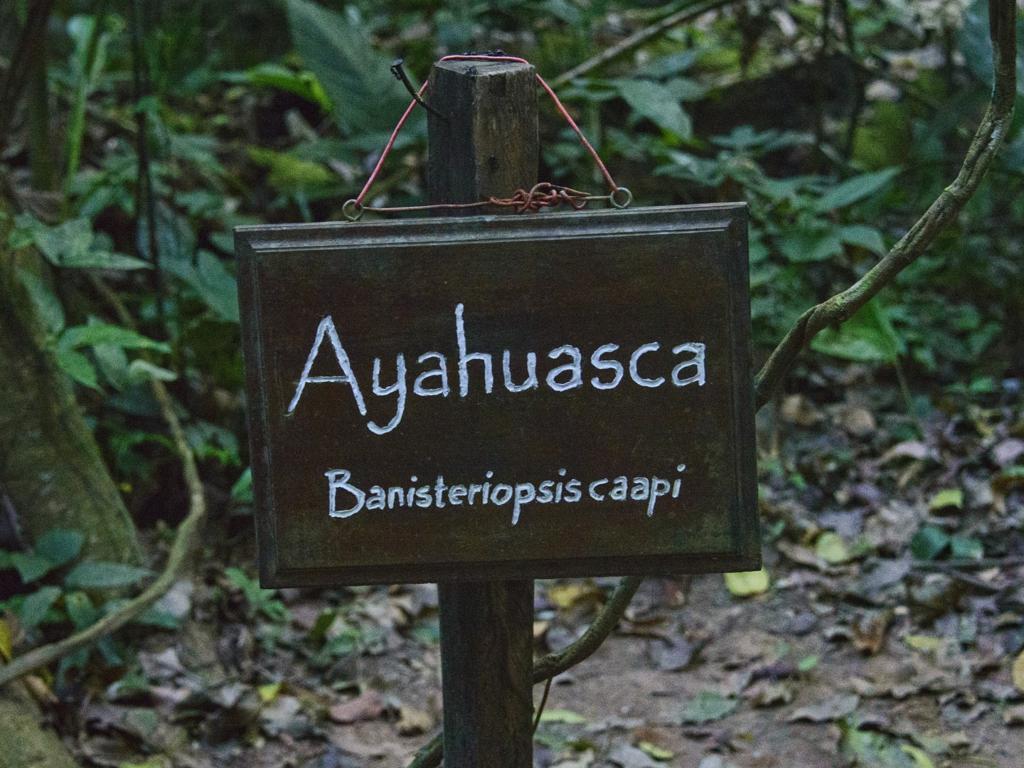
A decade ago, almost nobody outside a small ring of anthropologists, ethnobotanists, and curious travelers had heard the word ayahuasca. Now it shows up on podcasts, in memoirs, in clinical trial registries, and at dinner parties where someone’s cousin just got back from Iquitos. The conversation around ayahuasca and other psychedelics has shifted — not just culturally, but medically. People are starting to ask whether plant medicine could become the next big chapter in mainstream healing, the way medicinal cannabis quietly did. The comparison isn’t perfect. Cannabis is a relatively gentle, daily-use plant; ayahuasca is a several-hours-long psychedelic experience that can shake you to your foundations. But the cultural arc looks similar — taboo to curiosity to research to, possibly, regulated access. So what does the science actually say? What does a ceremony involve? And if you’re reading this because you’re quietly wondering whether ayahuasca might help with addiction, depression, or something stuck inside you that hasn’t budged in years — what should you actually know before booking a retreat? Ayahuasca is a brew. Traditionally it’s made from two plants found in the Amazon basin: the Banisteriopsis caapi vine and the leaves of Psychotria viridis (chacruna). The vine contains MAO inhibitors. The leaves contain DMT — dimethyltryptamine, one of the most powerful psychedelic compounds known. On their own, DMT taken orally would be broken down by your stomach before it ever reached your brain. The vine prevents that breakdown. The result is a several-hour visionary state, usually accompanied by deep introspection and, often, vomiting. Shamans call the purge la purga, and they consider it part of the medicine, not a side effect. In the indigenous traditions of Peru, Brazil, Colombia, and Ecuador, ayahuasca has been used for centuries — possibly far longer — as a tool for diagnosis, healing, and spiritual guidance. It’s one of what curanderos call the master plants: plant teachers that, properly approached, are said to communicate, instruct, and reveal what’s hidden inside the person who drinks them. You don’t take ayahuasca for fun. You take it because something needs to shift. Here’s where the comparison gets interesting. Medicinal cannabis spent decades stuck behind cultural fear before researchers, patients, and eventually lawmakers caught up to what people on the ground already knew — it helped with certain conditions. Ayahuasca and other psychedelics are sitting in a similar phase right now, except the research is accelerating faster than cannabis ever did. Psilocybin has FDA breakthrough therapy designation for treatment-resistant depression. MDMA-assisted therapy has gone through multiple Phase 3 trials. Ibogaine clinics are operating legally in Mexico and Costa Rica, treating opioid dependence with results that, anecdotally, make conventional rehab look modest. Ayahuasca itself is harder to study because it’s not a single compound — it’s a brew with variable composition. But small studies out of Brazil and Spain have looked at its effects on depression, addiction, and PTSD, and the early findings are striking. A single ceremony, in some cases, produced sustained reductions in depressive symptoms lasting weeks. That’s not a claim you can make about most antidepressants. Is it going to be sold at your local pharmacy? Almost certainly not in that form. But access through legal retreats, religious-exemption churches (the União do Vegetal and Santo Daime have legal status for sacramental ayahuasca use in several countries, including a 2006 U.S. Supreme Court ruling), and a growing therapeutic underground — that’s already here. This is the part that draws the most serious researchers, and the most desperate seekers. Addiction is brutal. Conventional treatment — twelve-step programs, medication-assisted therapy, residential rehab — works for some people, fails plenty of others. The relapse rates are sobering. So when reports started circulating in the 1990s that people were using ayahuasca to break long-running addictions to alcohol, cocaine, and opioids, addiction specialists started paying attention. Canadian psychiatrist Gabor Maté, who worked for years in Vancouver’s Downtown Eastside with people in severe addiction, has spoken extensively about what ayahuasca seemed to do for some of his patients. The mechanism isn’t mysterious in a hand-wavy way. Addiction is, at its core, often a relationship with unprocessed pain. Ayahuasca tends to bring that pain up — vividly, undeniably, in a state where you can’t look away from it. Combined with skilled integration afterward, the experience can sometimes loosen patterns that years of talk therapy didn’t touch. A few honest caveats. Ayahuasca isn’t a cure. It’s a catalyst. The people who use it successfully for addiction recovery tend to be the ones who do the work afterward — therapy, community, lifestyle changes. And ibogaine, another plant-derived psychedelic, has a more direct track record specifically for interrupting opioid withdrawal. If addiction is the central issue, doing your homework on which medicine fits your situation matters more than picking the one that’s most fashionable. Forget the Instagram version. A real ayahuasca ceremony usually looks like this: a group of people sitting or lying on mats in a wooden ceremonial space (often called a maloca), a shaman or facilitator at the front, the lights dimmed or off, a single candle. You drink a small cup of a dark, bitter liquid that tastes — there’s no nice way to put this — like something that should not exist. Then you wait. Forty minutes later, give or take, the world starts to change. What happens next is intensely personal. Some people see geometric visions. Some feel they’re reviewing their lives in reverse. Some confront a parent, a memory, a version of themselves they’ve been avoiding. Many vomit. Some cry for hours. A few sleep through it. The shaman sings icaros — medicine songs — that experienced drinkers say genuinely shape the direction of the experience. The whole thing lasts four to six hours. This is the part nobody selling a retreat wants to dwell on, so let’s dwell on it. Ayahuasca interacts dangerously with several classes of medication, most notably SSRIs and other antidepressants. The MAO inhibitors in the vine can also produce serious reactions with certain foods (aged cheese, fermented products, some meats). People with cardiovascular issues, schizophrenia, bipolar disorder, or a personal or family history of psychosis should approach with extreme caution or not at all. A responsible retreat screens for these things before they take your deposit. If a retreat doesn’t ask about your medications and mental health history, that tells you everything you need to know about how seriously they take safety. Other red flags worth watching: shamans or facilitators who promise specific outcomes, retreats with no integration support afterward, anyone presenting themselves as a guru, sexual contact of any kind between facilitators and participants, and centers that pack twenty-five people into a ceremony with one shaman who can’t possibly hold that much energy safely. Reputable retreats tend to have small groups, lineage-based facilitators, medical screening, and structured integration support. Cost is real too. A legitimate week-long retreat in Peru typically runs anywhere from $1,500 to $4,500 depending on the level of care and accommodation. Be skeptical of anything dramatically cheaper — corners are getting cut somewhere — and skeptical of anything dramatically more expensive unless the program justifies it with serious therapeutic infrastructure. Ayahuasca isn’t for everyone, and pretending otherwise does a disservice to the people who genuinely shouldn’t drink it. A few honest questions to sit with: The honest truth is that ayahuasca, like cannabis before it, is moving from the cultural margins toward something resembling legitimacy. Whether that ends in regulated clinical access, broader retreat tourism, or something we can’t yet imagine — nobody really knows. What we do know is that thousands of people each year are finding something in plant medicine that conventional care didn’t give them. For some, it’s addiction recovery. For others, depression that finally lifts. For others still, just a clearer relationship with what they want from their life. If after reading all of this you find yourself still curious — not chasing a thrill, but genuinely wondering whether this might help — that curiosity is worth taking seriously. A range of vetted ayahuasca retreats can be browsed on our marketplace here, and the time you spend choosing carefully is rarely wasted. Whatever you decide, decide it slowly. The medicine has been around for centuries. It can wait a few more months while you do your homework.
Dreaming of a Psychedelic Retreat?
We have the best deals and offers from thousands of organizers all over the world! Get them into your mailbox every week!
We value your privacy. Your email address will never be shared or published.
