 English
 Deutsch
 Français
 Nederlands
 Español

Reset. Heal. Grow.
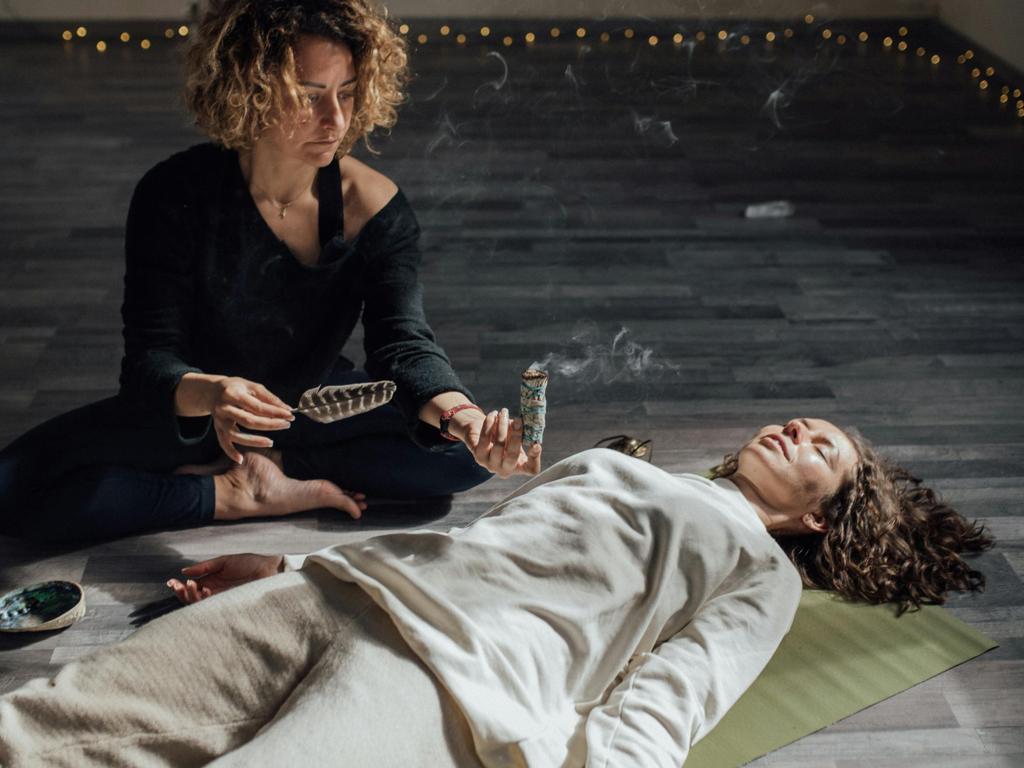
The Psychedelic Startup Boom: Who's Actually Building the Future of Plant Medicine
If you've spent any time researching ayahuasca, psilocybin, or ketamine-assisted therapy lately, you've probably noticed something odd. The field used to feel like a whisper network — a friend of a friend who knew a curandero, a quiet retreat tucked into the Dutch countryside, a clinical trial you needed three referrals to enter. Now there are venture-backed startups, telehealth platforms, and biotech labs trying to engineer the next generation of compounds. The money has arrived. So have the spreadsheets. For someone weighing whether to book a psychedelic retreat or try plant medicine for addiction, depression, or just the slow grind of feeling stuck, this matters. The companies getting funded right now will shape what's available to you in the next few years — the protocols, the prices, the credentialing of facilitators, even whether your insurance ever picks up the tab. So it's worth knowing who they are and what they're actually doing. Here's a tour of seven companies that investors have flagged as movers in the space, plus some honest thoughts on what their existence means for people considering a real-life journey. Analysts have thrown around forecasts that the psychedelic treatment market could eventually clear nine figures globally. Whether that number holds or not, the underlying logic is real: depression rates aren't dropping, SSRIs work for some people and fail others, addiction continues to gut families, and the existing mental-health system is buckling. Psychedelics — used carefully, with skilled support — have shown enough promise in clinical trials that smart capital wants in. What that means in practice is a wave of startups doing very different things. Some are trying to design molecules. Some are training therapists. Some are building software for clinics. And a few are doing what humans have done for thousands of years — running retreats with master plants and trained facilitators, just with a website and a Stripe account attached. Based in Boston and founded in 2019, Delix raised north of $100 million working on what they call psychoplastogens — compounds inspired by psychedelics but engineered to skip the trip. The idea is to capture the neuroplasticity benefits (the brain-rewiring part that seems to do a lot of the therapeutic work) without the six-hour experience of ego dissolution. Early animal research suggests these compounds may even reverse cortical atrophy. Whether you find that exciting or vaguely depressing probably says a lot about your worldview. For people who can't take time off work, can't tolerate altered states, or have medical contraindications, a non-hallucinogenic option is genuinely important. For those who believe the mystical experience itself is the medicine, it's a harder sell. Out of Woodstock, New York, Fluence trains psychiatrists, therapists, and social workers in psychedelic-assisted therapy and integration. They raised a modest $3 million seed round, but their work matters disproportionately. The single biggest bottleneck for legal psychedelic therapy isn't the drugs — it's the people qualified to sit with you while you take them. If you've ever wondered why finding a competent psychedelic-informed therapist feels harder than finding a unicorn, this is why. The training pipeline is tiny. Companies like Fluence are trying to fix that. Toronto-based and only a few years old, Homecoming is a digital companion for the period before and after a psychedelic session. Think daily check-ins, journaling prompts, structured integration tasks, and a way for your therapist to see how you're actually doing between appointments. This is the unsexy part of psychedelic work that almost everyone underestimates. The ceremony is loud and dramatic. Integration — the quiet weeks afterward when you're trying to actually change something about your life — is where the work really lands or doesn't. New York-based Journey Clinical built a decentralized model for ketamine-assisted psychotherapy. Your existing therapist — the one who already knows your story — partners with their in-house medical team, who handles eligibility screening, prescribing, and clinical monitoring. You don't have to start over with a stranger to access the medicine. This is one of the more elegant ideas in the space. Continuity of care matters enormously in trauma work, and the standard model of being shuffled to a separate ketamine clinic with a new provider has always felt clinically backwards. Pittsburgh-based and well-funded for a young company, Mindstate is using AI and biochemical data to predict what specific mental states a compound will produce. Their first program is aimed at recreating the empathogenic, MDMA-like state — the warm, connected, defenses-down feeling that has shown such promise for PTSD work. It's ambitious and a little science-fiction. Whether they can actually predict subjective experience from molecular structure is an open question, but the team has impressed people who've looked under the hood. San Francisco-based Osmind is the software backbone for clinics offering ketamine and other psychedelic therapies. It helps practices run, but the long-term value is the data — outcomes data that could eventually convince insurers to cover these treatments, and research data that could refine protocols. Boring on the surface. Probably consequential underneath. Amsterdam-based Synthesis has been around since 2018, running legal psilocybin retreats in the Netherlands and training facilitators. They've adopted a steward-ownership structure — meaning founders and investors are legally bound to the company's mission and social impact, not just returns. That's rare, and it tells you something about how the team is thinking. For readers actually considering a retreat, Synthesis is one of the names that comes up most often in serious conversations about legal, well-organized psilocybin work in Europe. Here's the honest part. None of these companies will sit with you at three in the morning when the medicine is asking you to look at something you've avoided your whole life. That work still happens between you, the plant, and whoever is holding the space. What the industry buildout does change is access. More trained therapists. Better integration support. Clearer information about safety. More legitimate options between the extremes of underground ceremonies with strangers and waiting years for a clinical trial slot. If you're researching plant medicine for addiction recovery, depression, or trauma, the field you're entering today is more navigable than it was even two years ago. A few things that haven't changed and probably won't: Funding announcements are not the same as quality. A startup with $50 million in the bank can still run a mediocre program, and a small lineage-based retreat can offer the most profound experience of your life. When evaluating a retreat, the questions worth asking have less to do with branding and more to do with substance: If a retreat dodges those questions or answers them with marketing language, that tells you something. If they answer them specifically and without defensiveness, that tells you something else. The psychedelic industry is having its moment, and that's mostly good news for people who need help. The molecules, the software, and the venture capital are all interesting — but the actual healing still happens in a room with a person who knows what they're doing. If exploring this further feels right, a curated range of ayahuasca, psilocybin, and plant-medicine retreats can be browsed on our marketplace here. Take your time with the decision. The medicine isn't going anywhere, and neither is the part of you that's asking the question.
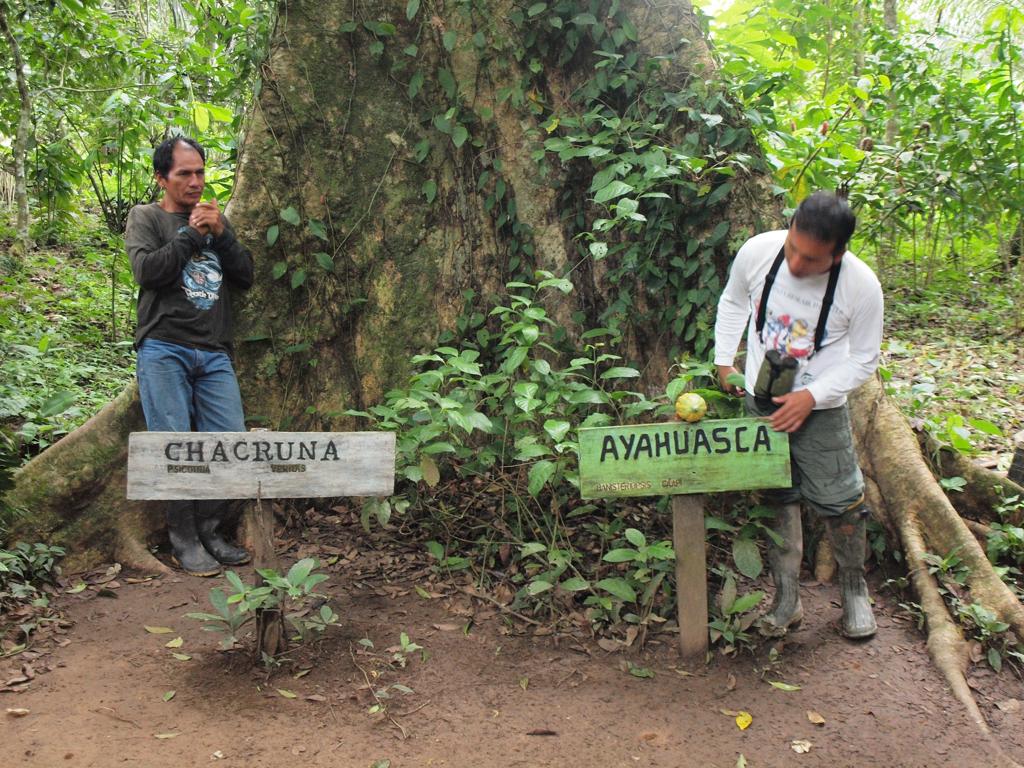
Why Ayahuasca Feels Like Dying: The DMT and Near-Death Experience Connection
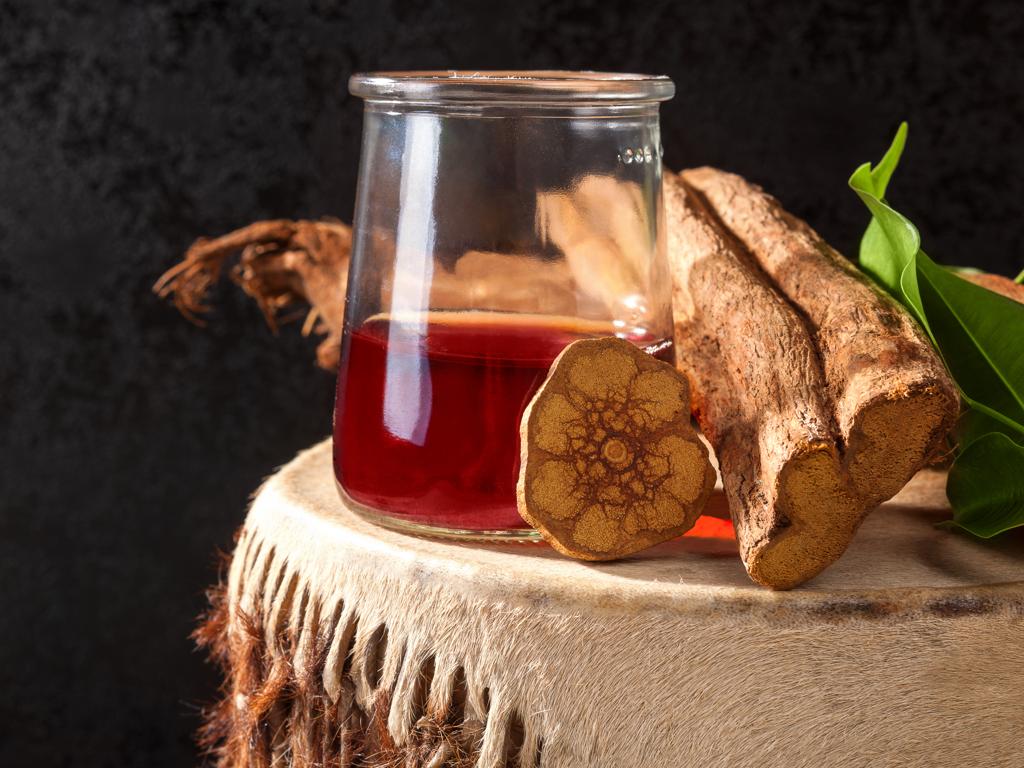
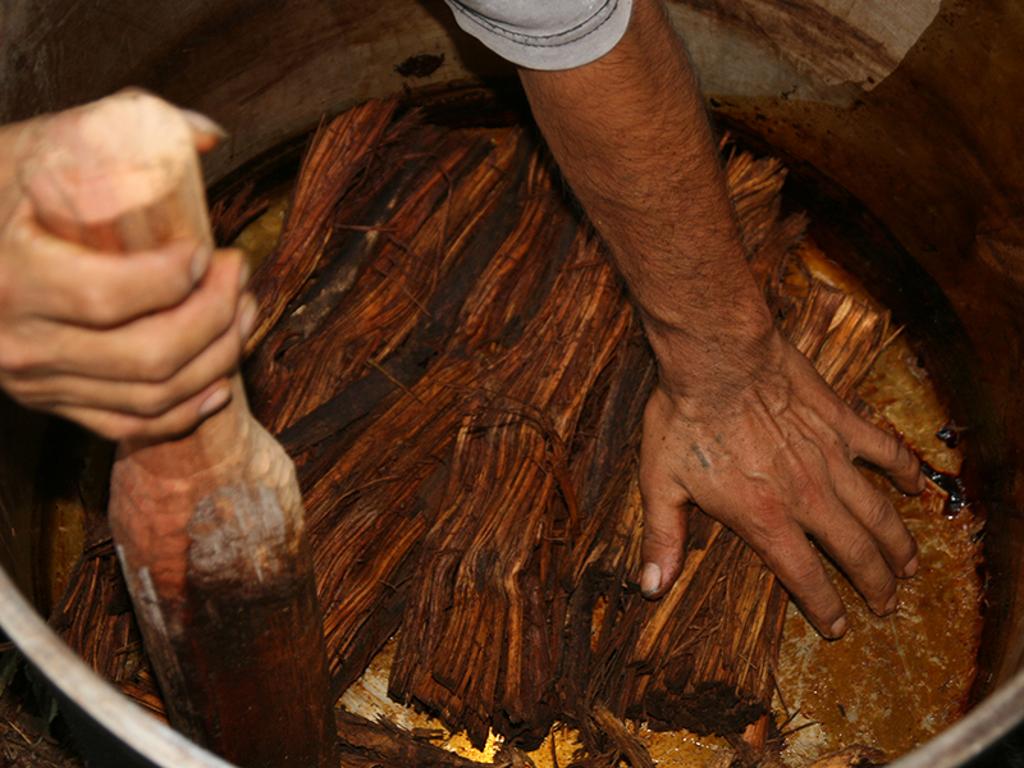
Ask anyone who has sat through an ayahuasca ceremony to describe what happened, and somewhere in their answer — usually after a long pause — you will hear the word death. Not metaphorical death. Not poetic death. Actual, full-bodied, oh-god-this-is-it death. People talk about being unmade. About watching their own ego dissolve like sugar in hot water. About meeting something on the other side of the curtain and coming back changed. For a long time, that language got brushed off as the kind of thing people say when they cannot find better words. Turns out it might be more literal than anyone guessed. A growing body of research on ayahuasca, psychedelics, and the master plants of the Amazon suggests that what users describe lines up — sometimes eerily — with what people report after genuine near-death experiences. And that overlap might be the key to understanding why plant medicine seems to help with addiction, depression, and the kind of trauma that talk therapy struggles to touch. The word ayahuasca comes from Quechua. Translations vary, but the two most common are “vine of the soul” and “vine of the dead.” That second one is not a marketing flourish. Indigenous communities in the upper Amazon have used the brew for centuries, and the language they use to describe it has always pointed in the same direction: the medicine takes you somewhere close to where the dying go. The pharmacology backs up the poetry. Ayahuasca is a combination of two plants — most commonly the Banisteriopsis caapi vine and the Psychotria viridis leaf. The leaf contains DMT, a tryptamine your own brain produces in small amounts. The vine contains MAO inhibitors, which keep your gut from instantly destroying the DMT so it can actually reach your bloodstream. Drink the brew, and within forty minutes your body is processing one of the most potent psychedelics on the planet. When researchers give people pure intravenous DMT in a lab, the trip is short — twenty minutes or so. The ayahuasca version stretches for hours. Either way, the doorway it opens looks remarkably similar to the one described by people who have flatlined on an operating table. European researchers ran a small but pointed experiment to test the comparison directly. Thirteen healthy adults, all with some prior psychedelic experience, came in for two sessions a week apart. They were told they would receive DMT once and a placebo once, without knowing the order. In practice, the first session was always placebo — a way of helping participants relax into the setting before the real dose hit. After each session, they filled out a standardized near-death-experience questionnaire — the same one used to assess people who report NDEs after cardiac arrest, car accidents, or surgical complications. Every single participant on DMT scored high enough to qualify as having had a near-death experience. On fifteen of the sixteen measures, DMT scored higher than placebo. Ten of those differences were statistically significant. The strongest overlaps were the ones you would expect if you have read accounts of either experience: The researchers described the similarity between the DMT group and a matched group of actual NDE survivors as “striking.” Not identical — DMT users were more likely to report racing thoughts and seeing deceased relatives, both of which are rarer in spontaneous NDEs — but the family resemblance is unmistakable. Here is where this gets interesting for anyone weighing whether to book a retreat. People who survive genuine near-death experiences tend to come back different. Decades of survey work has documented a recognizable cluster of changes: less fear of dying, more concern for other people, deeper appreciation of nature, diminished interest in possessions and status, a quieter sense of self-worth that does not need propping up. That list reads almost exactly like the list of long-term effects reported after psychedelic experiences. Reduced death anxiety. A pull toward the natural world. Improvements in mood, in mental health, in the basic capacity to be present in your own life. Researchers studying psilocybin for end-of-life distress have noted the same pattern in terminal cancer patients — one session, lasting outcomes, often described in the same language NDE survivors use. The hypothesis taking shape is that mystical-type experiences — the kind that make you feel small, connected, and temporarily unmoored from your usual identity — are the active ingredient. The chemistry gets you to the doorway. Whatever you experience on the other side does the actual work. That is why facilitators talk so much about set, setting, and intention: the molecule is reliable, but the experience around it is what determines whether the medicine lands as healing or just as a wild night. If the prospect of an ego-dissolving, near-death-equivalent experience sounds either thrilling or terrifying, you are paying attention. It should sound like both. People who go in expecting a spa weekend with extra visuals tend to have a rough time. People who go in understanding that they are signing up for something genuinely difficult — and who choose their retreat accordingly — tend to come out the other side describing it as one of the most important weeks of their life. A few honest things worth knowing before you book: The reason so many people end up looking into plant medicine in the first place is that conventional treatment did not finish the job. Addiction recovery built on willpower and meetings can save your life and still leave the underlying ache untouched. Antidepressants can keep you upright without quite letting you feel anything. Trauma therapy can take years to crack open material that a single ceremony seems to surface in one night. This is not a recommendation to ditch your psychiatrist. It is an observation about why the master plants — ayahuasca, San Pedro, iboga, psilocybin mushrooms — have become a quiet undercurrent in conversations about recovery. They appear to do something different. Whether you frame that something as a chemically induced near-death experience, a mystical opening, or a neurobiological reset depends on which language you find useful. The reported outcomes are similar either way. None of this is a guarantee. The research is still young, dosing protocols are still being worked out, and some people simply do not respond — or respond in ways that require more support than a one-week retreat can offer. Treat any promise of certain healing as a red flag. The honest version is that plant medicine, in the right context, opens a door. What you do with what you find on the other side is the actual work. The European researchers ended their paper with a line from Stephen Batchelor that has stayed with me since I first read it: by meditating on death, we paradoxically become conscious of life. That is the whole thing, really. The reason a brush with the edge — chemical or otherwise — seems to recalibrate people is that it briefly strips away the assumption that there will always be more time. What gets left behind, when the trip ends and the body comes back online, is a strange, raw appreciation for the fact of being here at all. If something in this resonates and you want to look at what is actually out there, a curated selection of ayahuasca and plant-medicine retreats can be browsed on our marketplace here. Take your time with the decision. The vine of the dead has been waiting a long time. It will still be there when you are ready.
Choosing an Ibogaine Clinic: Red Flags Every Seeker Should Know
Here's something nobody puts on the glossy retreat brochure: ibogaine is the most cardiologically demanding psychedelic on the menu. It can also be one of the most effective tools we've got for breaking opioid addiction. Both of those things are true at the same time, and the gap between a good clinic and a careless one is the gap between a life-changing reset and a body bag. That's not hyperbole — it's the actual stakes. If you're researching ibogaine right now, probably because nothing else has touched your addiction or your depression, you deserve a frank conversation about what can go sideways. Not to scare you off plant medicine. To help you choose well. The vast majority of ibogaine deaths in the last twenty years happened at clinics that skipped screening, ran underdosed staff, or treated the medicine like a party drug instead of cardiac-active pharmacology. Knowing what to look for is the single most protective thing you can do. Ayahuasca, psilocybin, San Pedro — these are gentle on the heart compared to ibogaine. Ibogaine, the alkaloid extracted from the root bark of the West African shrub Tabernanthe iboga, blocks a specific potassium channel in cardiac tissue (the hERG channel, if you want the technical bit) and slows your heart's electrical recovery between beats. In a healthy, screened person, that's manageable under medical supervision. In an unscreened person with an undiagnosed long QT interval, electrolyte imbalance, or active opioid still in their system, that same property can trigger a fatal arrhythmia. This is why ibogaine isn't an ayahuasca ceremony with louder drums. It's closer to a hospital procedure with shamanic elements. The medicine itself lasts somewhere between 24 and 36 hours of intense visionary and physical experience, often described as a life review running on fast-forward while the body feels heavy and immobile. People who've been through it tend to come back with a quiet, almost clinical respect for the molecule. It is not a recreational substance, and any operator who treats it like one is already telling you something. The deaths and serious incidents that have made it into medical case reports almost always trace back to the same handful of failures. They're not mysterious. They're preventable. And they keep happening because some operators are running on cash flow, not protocols. Some of these are obvious in retrospect and almost invisible in the moment, especially when you're desperate and the website is beautifully designed. A few patterns to watch for as you scroll through clinic options. They guarantee outcomes. Nobody can promise you'll be cured of addiction, depression, or trauma. Anyone who does is either lying or doesn't understand what they're selling. Good operators talk about probabilities, integration work, and the reality that ibogaine is a window, not a finish line. They downplay the risks. “It's perfectly safe” is a sentence that should make you close the tab. Ibogaine carries real cardiac risk even with perfect protocols. A clinic that won't acknowledge that is either uninformed or hiding something. They want full payment upfront with no medical intake first. Reputable clinics screen you before they accept your money. They will sometimes turn people away — people with certain heart conditions, certain medications, certain psychiatric histories — because giving them ibogaine would be reckless. A clinic that never turns anyone down isn't being inclusive; it's being indifferent. They can't or won't introduce you to past participants. Most legitimate operators are happy to put you on a call with someone who went through their program six months ago. If that request makes them squirrelly, ask yourself why. They're vague about staff credentials. “Experienced team” means nothing. Names, training, years in the work, role during your session — these should be findable. Once you've filtered for the obvious red flags, the real work begins. Here's the workflow I'd suggest to anyone serious about going through with it. For contrast, here's what good looks like. You'll fill out a long intake form covering medical history, psychiatric history, current medications, family history of heart disease, and substance-use history. You'll be asked to get an EKG and bloodwork in your home country before you fly. Some clinics will repeat both on arrival. You'll meet the medical team before you take anything. They'll explain dosing, monitoring, and the emergency protocol in plain language. During the session itself, you'll typically be in a private room with continuous cardiac monitoring — think hospital-style telemetry, not a smartwatch. Staff check on you regularly. A facilitator may sit with you for stretches of the visionary phase. The room is dark, quiet, and physically safe; you won't be wandering around or driving anywhere. Afterward, there's usually a recovery day or two on site before any integration work begins. Good clinics build in time. They don't rush you onto a shuttle the morning after. Integration support varies wildly between operators, and it matters more than most people realize going in. The ibogaine experience often surfaces material the conscious mind has been managing carefully for years. Without someone to help you metabolize it — a therapist, a coach, a peer group, a thoughtful aftercare program — that material can curdle into confusion or relapse instead of clarity. Ask about aftercare specifically. If the answer is hand-wavy, that tells you what you need to know about how the operator thinks about your outcome. Ibogaine is not a miracle. It's a powerful, demanding, occasionally dangerous tool that, in the right hands and the right body, can interrupt patterns nothing else has touched. Opioid addiction in particular responds to it in ways that have caught even skeptical researchers off guard. But the difference between a transformative week and a tragedy is almost entirely about who's running the room and how seriously they take the medicine. Do the research. Ask the awkward questions. Get the EKG even if they don't require one. Talk to people who've been through it. Trust your gut when something feels off, even if the photos are gorgeous and the price is right. Plant medicine attracts beautiful storytellers and careful clinicians in roughly equal measure, and you need the second kind for this particular molecule. For readers who want to take the next step, a range of vetted ibogaine and plant-medicine retreats can be browsed on our marketplace here. Whatever you decide, decide it with your eyes open — that's the part of the process no one else can do for you.
Public Opinion Is Shifting on Psilocybin and Psychedelic Medicine
Something quietly remarkable has been happening in how Americans talk about psychedelics. Not so long ago, the phrase “magic mushrooms” showed up in conversations alongside tie-dye and Grateful Dead bootlegs. Now it shows up in clinical trials, state ballot measures, and — increasingly — at kitchen tables where someone is wondering whether psychedelics might help a sibling who can't shake their depression, or a parent stuck in addiction, or themselves. Polling backs up the shift. In a Hill-HarrisX survey, roughly 35% of U.S. voters said psychedelic substances like psilocybin have a legitimate medical use. The other 65% disagreed. That split sounds lopsided until you remember the same question, asked a decade earlier, would have produced numbers so small they'd barely register. A third of the country now sees psychedelics as medicine. That's a meaningful cultural moment, and it has direct consequences for anyone weighing whether to attend a psychedelic retreat or pursue plant medicine as part of their healing. The poll cracks open along familiar lines. Among Democrats, 43% accept that psychedelics have medical applications. Independents land at 41%. Republicans sit lower, around 23%. Age matters even more than party. A majority of 18-to-29-year-olds — 53% — say psychedelics belong in medicine. Older cohorts mostly still disagree, though the gap is closing as research piles up. What's driving the younger numbers isn't recreational nostalgia. It's exposure. Younger adults have grown up reading about ketamine clinics, MDMA trials for PTSD, and the steady drumbeat of psilocybin studies coming out of major universities. They've watched friends try microdosing for anxiety. They've seen veterans on podcasts describe ayahuasca and ibogaine as the things that finally cracked their armor when nothing else did. The cultural script has changed, and the poll is the lagging indicator. The science isn't speculative anymore. Imperial College London's Centre for Psychedelic Research ran a head-to-head trial comparing psilocybin therapy with escitalopram — one of the most widely prescribed SSRIs on earth — in patients with moderate-to-severe major depressive disorder. Psilocybin held its own. On several measures, it pulled ahead. Robin Carhart-Harris, who led that work, has been pretty direct about the implication: psilocybin therapy may belong earlier in the treatment ladder for depression, not as the last resort after years of failed pills. That's a significant claim, and it's being taken seriously by regulators and clinicians who, a decade ago, wouldn't have returned the call. Beyond depression, the evidence is mounting across several conditions: None of this means psychedelics are a miracle. They aren't. What they appear to be is a genuinely new class of mental-health tool that works through mechanisms ordinary antidepressants don't touch — neuroplasticity, ego dissolution, emotional reprocessing, and what many practitioners call contact with the master plants themselves. While the federal government still classifies psilocybin and most other psychedelics as Schedule I, the ground is moving locally. Oregon became the first state to legalize psilocybin for supervised therapeutic use. Oregon also decriminalized personal possession of small amounts of psilocybin, alongside Washington, D.C. Denver, Santa Cruz, Oakland, and a growing list of municipalities have either decriminalized or deprioritized enforcement around mushrooms. For readers researching retreats, this matters in practical ways. It means access to legal or quasi-legal psilocybin experiences inside the United States is no longer purely theoretical. It also means the international retreat scene — Peru, Costa Rica, the Netherlands, Mexico, Jamaica — is no longer the only option for people who want a structured, supervised psychedelic experience. That said, the international scene is still where the deepest traditions live, particularly for ayahuasca, San Pedro, and ibogaine. Here's the thing nobody really tells you in the news articles: a polling number doesn't make a retreat safer or more legitimate. Public opinion is a tailwind, not a quality-control mechanism. As psychedelics get more mainstream, the number of retreat centers has exploded — and not all of them are run by people who know what they're doing. If you're weighing whether to book something, a few honest questions to sit with: The angle that keeps drawing new attention is addiction. The standard recovery model — detox, twelve steps, maybe some therapy — works for a lot of people and fails a lot of others. The failure rate is part of why ibogaine clinics in Mexico have waiting lists full of Americans who've tried everything else. It's also why psilocybin-assisted therapy for alcohol use disorder has produced some of the most compelling clinical results in the entire psychedelic field. Plant medicine doesn't replace recovery work. People who treat ayahuasca or ibogaine as a one-shot cure tend to be disappointed, and sometimes worse. But for those willing to do the integration, the therapy, the lifestyle changes — psychedelics can crack open a door that conventional treatment couldn't budge. That's the part the polling numbers don't fully capture: not just that people believe psychedelics have medical value, but that a growing community of people credit them with saving their lives. The 35% number will keep climbing. As more states follow Oregon's lead, as more clinical trials report out, as more veterans and grieving parents and people in long-term recovery tell their stories publicly, the cultural ground will keep moving. The interesting question isn't whether psychedelic medicine becomes mainstream — that's already happening. The question is whether it gets integrated thoughtfully, with proper screening, real training, and respect for the traditions these substances come from, or whether it gets steamrolled by venture capital and turned into another wellness commodity. For now, the people researching retreats are part of that answer. The questions you ask, the centers you support, the standards you hold facilitators to — those things shape what this field becomes. If something in this article has nudged you closer to exploring further, a curated range of psilocybin and plant-medicine retreats can be browsed on our marketplace here. Take your time with the decision. The medicine isn't going anywhere, and the right container is worth waiting for.
Kambo Safety: The Real Risks Behind the Frog Medicine Trend
A woman in her late thirties walks into a sharehouse on the north coast of New South Wales. She's there to sit for kambo — the secretion of an Amazonian tree frog, dabbed into small burns on her skin. She's done it before. She trusts the woman administering it. A few hours later she's dead on the floor, and her housemate is on the phone to triple-zero because the person running the ceremony doesn't know the number and doesn't own a phone. That's not a hypothetical. That's the case the NSW state coroner ruled on, and the findings should be required reading for anyone thinking about kambo, ayahuasca, or any plant medicine ceremony run outside the bounds of medical oversight. The coroner's language was unusually direct: vulnerable people are putting their trust in self-styled healers who don't have basic first aid training, and the risks of kambo are being underestimated by the people promoting it. If you're reading this because you're weighing a retreat, or because a friend has been raving about how kambo changed their life, slow down. This one's worth thinking through. Kambo is the waxy secretion of Phyllomedusa bicolor, the giant monkey frog of the Amazon basin. Indigenous groups in the region — the Matsés, Katukina, Yawanawá and others — have used it for generations, traditionally before hunting, to sharpen the senses and clear what they describe as panema, a kind of bad luck or heaviness. The frogs are tied to sticks, their backs scraped, and the dried secretion is later applied to small burns on the skin of the recipient. What happens next is intense and fast. Within seconds of application, the peptides in the secretion hit the bloodstream. Blood pressure crashes or spikes. The face swells. People vomit, sometimes violently. There can be diarrhea, sweating, racing heart, panic, a sense of overwhelming heat. The acute phase is usually short — twenty to forty minutes — but those minutes are not gentle. In the West, kambo has been folded into the broader neo-shamanic scene and marketed as a deep physical and spiritual cleanse. You'll see claims about boosting the immune system, clearing addiction, treating depression, even helping with cancer. Here's the part the coroner was explicit about: there is no credible research supporting those medicinal claims. There is, however, documented evidence of harm. Kambo contains a cocktail of bioactive peptides — dermorphin, deltorphin, phyllomedusin, phyllokinin, sauvagine and others. Some are being studied for legitimate pharmaceutical reasons. But the dose in a ceremony isn't measured. The peptide concentration varies frog to frog, batch to batch, practitioner to practitioner. You don't know what you're getting. The physiological strain is real. Kambo can trigger severe hyponatremia (low sodium) if practitioners encourage the loading of water beforehand — a practice that has killed people. It puts stress on the cardiovascular system. It can interact dangerously with prescription medications, particularly antidepressants and blood pressure drugs. People with cardiac conditions, epilepsy, recent surgeries, or who are pregnant should not go near it. And here's the thing — most ceremony providers don't do a serious medical screen. They ask a few questions. They take your word for it. Adverse events documented in the medical literature include seizures, psychosis, kidney injury, esophageal tears from violent vomiting, syndrome of inappropriate antidiuretic hormone secretion, and sudden cardiac death. The Australian Therapeutic Goods Administration eventually classified kambo as a Schedule 10 poison — the most restrictive category, meaning substances of such danger to health that their sale, supply and use should be prohibited. That's not a regulator being squeamish. That's a regulator looking at a death toll. The deeper problem the coroner pointed at isn't kambo itself — it's the parallel economy of self-credentialed healers, priestesses, maestras and shamans that has grown up around plant medicines in the last two decades. Someone takes a two-week course online, designs a website, picks a Spanish or Quechua honorific, and starts charging for ceremonies. This isn't gatekeeping for its own sake. Indigenous traditions that work with kambo, ayahuasca, or peyote involve years of apprenticeship, often a lifetime, with extensive teaching about dosage, contraindications, energetic management, and crucially what to do when something goes wrong. A two-week certificate doesn't replicate that. Neither does charisma. Neither does a beautiful altar. The case in NSW is bleak on this point. The person administering kambo at the fatal ceremony admitted she didn't know the emergency number. She didn't have a phone. The recipient herself had just completed a short practitioner course and was, on the day, leading the session. Two people, neither equipped for what was about to happen, in a sharehouse, with no medical backup. The result is exactly what you'd expect when you remove every safeguard. None of this means every retreat is a death trap. Reputable plant medicine retreats — including ayahuasca centers in Peru, ibogaine clinics in Mexico, and psilocybin retreats in the Netherlands and Jamaica — operate with screening protocols, medical staff on site, and clear emergency procedures. They're not hard to identify if you know what you're looking for. Some questions worth asking any retreat or practitioner before you hand over money: If the answers are vague, defensive, or wrapped in spiritual language designed to make you feel like asking is beneath the work — walk away. A serious practitioner welcomes those questions. They've thought about them more than you have. It would be easy to read a story like this and decide all plant medicine is reckless. That's not quite right either. Ayahuasca, psilocybin, ibogaine, and other psychedelic substances are being studied with increasing seriousness for addiction, treatment-resistant depression, PTSD, and end-of-life anxiety. Some of the early clinical data is genuinely promising. People do find their lives reorganized by these experiences in ways they couldn't access through talk therapy alone. But the gap between a well-run clinical or ceremonial container and a sharehouse ritual run by an under-qualified practitioner is enormous. The medicine isn't the only variable. Set, setting, screening, dosage, facilitation, and aftercare matter as much as the substance itself — often more. The deaths and serious injuries that make headlines almost always involve a breakdown somewhere along that chain, not the molecule acting alone. Kambo is a particular case because the claimed benefits are largely unsupported by research while the physiological risks are well documented. That's a worse risk-benefit profile than most of the classical psychedelics. If you're drawn to the idea of a deep cleanse or a hard reset, there are safer roads to walk down — including ones that involve less dramatic medicines or none at all. The woman at the center of the coroner's findings was, by every account, kind, smart, in pain, and looking for a way through. That's most of the people I meet at retreats. The pull toward plant medicine isn't usually about thrill-seeking — it's about real suffering and the sense that conventional options have run out. That's a sympathetic, human place to be. It's also a place where you're easy to take advantage of. Pain makes us bad consumers. We grasp at the first practitioner who speaks the right language, lights the right candles, says the right things about our wounded inner child. The work of choosing well — slowly, with skepticism intact — is part of the medicine itself. Maybe the first part of it. If you're researching plant medicine because something in your life is genuinely stuck, take the time to do it properly. Read inquest findings. Read peer-reviewed studies. Talk to people who've sat with the practitioner you're considering, ideally years after their ceremony, not weeks. And if you do want to explore vetted ayahuasca, psilocybin, or other plant medicine retreats with proper screening and integration support, you can browse our marketplace here and compare options without the pressure. The medicine isn't going anywhere. Take your time.
Craving More Stories?
Join our ShopAyahuascaRetreats newsletter for the latest updates on thrilling
destinations and inspirational tales, delivered straight to your inbox!
We value your privacy. Your email address will never be shared or published.
Microdosing Psychedelics: What the Science Actually Says So Far
Walk into any co-working space in Berlin, Austin, or Lisbon and you’ll probably bump into someone quietly convinced that a sliver of psilocybin every third morning is the reason they finally stopped doomscrolling and started writing again. Microdosing has crossed from Silicon Valley curiosity into something your accountant might mention over brunch. But underneath the chatter — the books, the podcasts, the carefully labeled tincture bottles — sits a stubborn question: does it actually work, or are people just feeling good about feeling like they’re doing something? The honest answer, after a decade of renewed psychedelic research, is somewhere between “maybe” and “we genuinely don’t know yet.” If you’re researching microdosing as a possible path through depression, addiction, creative stagnation, or the general flatness of modern life, you deserve a real look at the evidence — not the breathless version, and not the dismissive one. A microdose is a fraction of a recreational dose — roughly one-tenth to one-twentieth of what someone would take to have a full psychedelic experience. With psilocybin mushrooms, that usually lands around 0.1 to 0.3 grams of dried fruiting body, compared with the 2 to 3 grams that produce a proper journey. With LSD, the territory is somewhere between 8 and 15 micrograms versus a recreational 100 micrograms or more. The point is that you don’t feel the substance in any classic psychedelic sense. No visuals. No ego dissolution. No couch-melting. That subperceptual quality is the whole pitch. Practitioners report a subtle lift in mood, sharper focus, more empathy with the people around them, occasionally a kind of background creative hum. The protocols vary — James Fadiman’s famous one-day-on, two-days-off schedule is probably the most cited — and most people cycle for four to eight weeks, then pause. Here’s the problem with all of that, scientifically speaking: there is no single agreed definition of a microdose, mushroom potency varies wildly from flush to flush, and LSD is a tasteless, invisible compound whose dose you can only trust if your source is impeccable. Researchers studying this stuff are essentially trying to measure something that hasn’t been standardized yet. The studies pull in two directions, and that’s worth sitting with rather than glossing over. On the optimistic side, a number of large observational studies — including one that tracked roughly 950 psilocybin microdosers against a non-dosing control group over thirty days — have found small-to-medium improvements in mood, anxiety, and general mental health, fairly consistent across age, gender, and whether or not someone walked in with a mental-health diagnosis. That sounds promising, and it lines up with the thousands of anecdotal reports floating around the internet from people who swear it pulled them out of a funk. On the skeptical side, the moment you tighten the methodology, the effect tends to shrink or vanish. In one randomized controlled trial, researchers gave half the participants real psilocybin and half a placebo. Subjectively, the dosing group reported feeling happier and more creative. Some even showed measurable changes on EEG. But on objective measures of creativity, cognition, and well-being? No meaningful difference from placebo. That gap — between how people feel and what tests can actually detect — is the central puzzle. There are two reasonable interpretations: Both can be partly true. Placebo is not nothing — it’s one of the most powerful forces in medicine. But “you’re just imagining it” is a thinner explanation than it sounds when thousands of people are reporting similar shifts. Short-term, low-dose psilocybin appears to be physiologically gentle. Indigenous communities have worked with these mushrooms for centuries. There’s no evidence of organ toxicity at these doses, no addictive pull in the way alcohol or opioids grab people, and the acute risks of a microdose are minimal because you’re not actually having a psychedelic experience. That said, the safety picture isn’t clean, for a few specific reasons: And then there’s the legal layer. In most of the United States and Europe, psilocybin and LSD remain controlled substances. Oregon and a handful of cities have shifted ground, and Colorado is moving in a similar direction, but possession charges are still very real. That alone is a reason a lot of people who would otherwise experiment instead choose to travel — to a legal jurisdiction, to a supervised setting, to a place where the substance is the medicine, not the legal liability. Here’s the part that doesn’t get said enough: most of the impressive clinical results we’ve seen for psychedelics in the last decade — for treatment-resistant depression, PTSD, end-of-life anxiety, alcohol use disorder, tobacco cessation — came from full doses, not microdoses. Big, immersive, sometimes difficult sessions, usually with trained facilitators present. That’s where the headline numbers live. Microdosing is, in a sense, a much more modest proposition. It’s the daily multivitamin to ceremony’s open-heart surgery. If you’re looking for genuine, structural shifts in addiction patterns or deeply rooted depression, the evidence so far points toward higher-dose, supported experiences rather than a sprinkle every Monday and Thursday. That doesn’t mean microdosing is worthless. It may genuinely help some people maintain or extend the benefits of a full experience. It may be useful for milder mood concerns. It may simply be a low-stakes way for someone to introduce psychedelics into their life. But conflating the two — assuming microdosing offers what a ceremonial dose offers, just slower — is a misread of the science. A few practical points, said plainly: On that last point — if what you’re really chasing is meaningful change rather than a productivity tweak, a properly held ceremony with experienced facilitators tends to be where the real work happens. For readers who want to take that further, a range of curated psilocybin and plant-medicine retreats can be browsed on our marketplace here. The science of microdosing will sharpen over the next few years, and the legal landscape is shifting faster than most people realize. For now, somewhere between the evangelists and the debunkers sits the most useful posture: curious, careful, and genuinely willing to admit that we don’t yet know what we think we know.
How Psilocybin Rewires the Brain: The Science Behind Magic Mushrooms
Something strange happens when a person takes psilocybin and slides into a scanner. The brain doesn't shut off, doesn't go quiet, doesn't even slow down. It starts talking to itself in ways it normally never does. Regions that have spent a lifetime ignoring each other suddenly strike up a conversation. And researchers — peering at the colorful tangle of connections on their screens — are beginning to understand why this might matter for people stuck in depression, addiction, or the kind of looping self-criticism that refuses to let go. Magic mushrooms have been having a moment in serious science for a while now. Not the giggly college-dorm version. The clinical, peer-reviewed, MRI-machine version. And the picture emerging from that research is genuinely interesting, even for readers who have no intention of ever eating a mushroom. Psilocybin appears to temporarily reorganize how information moves through the brain — and that reorganization may be the reason it shows up in study after study as a promising tool for psychedelic healing. Here's the short version. Psilocybin, the main psychoactive compound in roughly two hundred species of mushroom, doesn't simply jam a signal or flood the brain with serotonin. It rewires the traffic patterns. A study published in the Journal of the Royal Society Interface compared brain scans of volunteers given intravenous psilocybin against those given a placebo, and the contrast was striking. The psilocybin group's brains didn't just light up more — they lit up differently, forming connections across regions that normally don't communicate. Imagine the brain as a city with established roads. Information takes the same routes every day, from the same neighborhoods to the same destinations. Psilocybin doesn't bulldoze the roads. It just builds a bunch of temporary side streets — improvised shortcuts that link parts of town that have never had any reason to talk to each other. The visual cortex starts chatting with the language areas. The number-processing region exchanges notes with the color-perception region. A mathematician sees the digit seven and registers it as glowing teal. Synesthesia, for a few hours, becomes neurology. And — this is the part that surprised the researchers — the new pattern wasn't chaos. It wasn't random noise. The activity formed distinct cycles, organized differently from the brain's everyday default, but organized nonetheless. The brain on psilocybin isn't broken. It's running on a different operating system. For decades, neuroscientists have been mapping what they call the default mode network — a set of brain regions tied together by our ongoing internal monologue. The default mode network is where the self lives, more or less. It's where you ruminate, where you replay the embarrassing thing you said in 2014, where you rehearse what you'll say to your sister at Thanksgiving. In healthy people it hums along quietly in the background. In depressed people, it often won't shut up. The neuroscientist David Nutt and colleagues at Imperial College London found that psilocybin quiets activity in this region — sometimes dramatically. Nutt's framing is memorable: people stuck in depressive thinking have brains that are overconnected in the self-referential loop. The same thoughts grind around the same neural grooves until those grooves are canyons. Negative self-talk becomes the only road in town. Loosen those overworn paths, the theory goes, and you give the brain a chance to settle into a new arrangement. A growing body of clinical work on plant medicine for addiction and treatment-resistant depression points in the same direction. Smokers who can't quit. Drinkers who've tried everything. People with end-of-life anxiety from a terminal cancer diagnosis. Across these very different populations, a small number of well-supervised psilocybin sessions seem to produce shifts that years of conventional treatment didn't. That doesn't mean psilocybin is a miracle compound or that anyone should be self-medicating. The contexts that produce these outcomes are tightly controlled: clinical screening, trained guides, hours of preparation, a calm setting, integration sessions afterward. The drug is a tool. The framework around it does most of the work. Psilocybin isn't operating in a vacuum. The same research wave that's revived interest in mushrooms has put ayahuasca, ibogaine, San Pedro, and other master plants back on the table — sometimes in laboratories, sometimes in retreat centers in the Amazon, sometimes both. Each substance has its own pharmacology and its own cultural lineage, but the underlying observation is similar: certain compounds, used carefully, can temporarily quiet the rigid self and let the mind reorganize. This is roughly what indigenous traditions have been describing for centuries, just in different vocabulary. Where a neuroscientist says diminished default-mode-network activity, an ayahuasquero might say the medicine showed someone where they were stuck. The phenomena being described aren't that far apart. What's new is that we now have brain scans backing up what curanderos have claimed for generations. If you're reading this because you're personally considering a retreat — and a lot of people researching this topic are — it's worth knowing what the science says and what it doesn't say: People often want a preview, which is understandable but also a little funny — like asking someone to describe a flavor you've never tasted. Still, certain themes show up again and again in trip reports from clinical trials and ceremony settings. A loosening of the usual sense of self. A widening of perspective. Emotions that feel both bigger and more workable than usual. Visuals, sometimes, though not always the cartoon kind people expect. One often-quoted account comes from a cancer patient in a New York University study who said something inside him simply snapped, and his anxieties stopped looking like things to defend against. That kind of shift is hard to engineer through talk therapy alone. It's not that psilocybin gives people new information. It seems to give them new access to information they already had — buried under layers of habit and self-protection. Researchers at Johns Hopkins followed volunteers a year after their psilocybin sessions and found that nearly two-thirds rated the experience among the most meaningful of their lives. Personality tests showed lasting increases in openness — a trait that doesn't usually budge much after early adulthood. Whatever the brain is doing on psilocybin, some of it appears to stick. Mushroom ceremonies sit in an awkward legal patchwork. They're criminalized in most of the United States, decriminalized in a few cities, legal for therapeutic use in Oregon, and openly practiced in places like Jamaica, the Netherlands, Mexico, and Costa Rica. Plenty of well-run retreats exist outside the U.S., and the better ones look more like a thoughtfully facilitated medical-and-spiritual program than a party. A few honest things to think about before booking anything. Are you currently on SSRIs or other psychiatric medications? You'll need to discuss this with both your prescriber and the retreat's medical team — sudden withdrawal carries its own risks. Have you done your psychological homework? A retreat is not a substitute for therapy; it's something that pairs well with therapy. Can you commit to the integration work afterward? The month following a psychedelic experience is when most of the actual change happens, or doesn't. For readers who want to look further into this, a curated range of psilocybin and plant-medicine retreats can be browsed on our marketplace here. Take your time with the decision — a good retreat will still be there next month, and the work you do beforehand tends to shape what you bring home.
What a Clinical Psilocybin Session Actually Feels Like, Start to Finish
If you've been reading about psilocybin therapy and wondering what actually happens during one of those clinical sessions — the ones the headlines describe in vague, reverent terms — you're not alone. The reporting tends to focus on outcomes: depression lifting, terminal patients making peace with their illness, lifelong drinkers walking away from the bottle. What rarely gets explained is the granular, hour-by-hour reality. The room. The pill. The playlist. The two people sitting quietly nearby while your interior world rearranges itself. I've spent enough time around psychedelic researchers and retreat facilitators to know that the experience is engineered far more carefully than most people assume. Psilocybin, the active compound in magic mushrooms, behaves very differently in a controlled therapeutic container than it does at a music festival. And for anyone weighing whether a retreat or trial might fit their own situation, knowing what those eight or nine hours actually look like matters more than another abstract piece about neuroplasticity. Researchers running modern psilocybin studies — and the reputable plant-medicine retreats that follow their lead — obsess over two words: set and setting. Set is your mindset walking in. Setting is the physical and human environment around you. Get either one wrong and the same dose that produces a breakthrough for one person can produce a long, frightening afternoon for another. This is a big part of why clinical sessions and well-run retreats look nothing like the chaotic mushroom experiences people sometimes describe from college. There's no crowd. No flashing lights. No phone buzzing on the nightstand. The room is usually softly lit, often with a couch, a blanket, eyeshades, and headphones. Two trained sitters — typically with therapy backgrounds — stay with you the entire time, mostly silent, available if you need them. It's worth pausing on that last part. The sitters aren't there to guide you in any active sense. They're there so that if something difficult comes up — a panic spike, a wave of grief, a memory you didn't expect — there's a calm human nearby to remind you that you're safe and that whatever you're feeling will pass. That presence alone changes the chemistry of the experience. Before anyone hands you a capsule, you'll spend hours in conversation. In the Johns Hopkins protocol that's become the template for much of this work, participants typically meet with their two monitors for around eight hours across several sessions before the first dose. You talk about your life. Your reasons for being there. What scares you. What you hope to find. You get walked through what the experience may feel like — the visual shifts, the time distortion, the emotional weather. The instructions participants are given tend to boil down to three words: trust, let go, be open. Simple to say, harder to actually do when you're three hours into a session and your sense of self is dissolving. But repeating those words to yourself in the difficult moments turns out to be surprisingly effective. If you're considering a retreat rather than a clinical trial, the preparation phase is one of the clearest tests of whether the operation is legitimate. Reputable retreats schedule real conversations with you in advance, ask about your medications and mental-health history, screen for contraindications like a personal or family history of psychosis, and don't simply hand you a brew because you paid the deposit. If a place skips that step, walk away. On dosing day, you arrive having eaten lightly. You settle onto the couch. You're given a capsule. In the Hopkins studies, the therapeutic dose was calibrated around 20 milligrams of psilocybin for a 70-kilogram person — roughly 154 pounds. That's enough to reliably produce what researchers carefully call a mystical-type experience, but notably less than the doses associated with difficult trips, which tend to cluster around 30 milligrams or higher. For the first twenty to forty minutes, nothing happens. This is the strangest part for first-timers — the waiting. Then it begins. Most people describe an initial body sensation, a kind of warm pressure, followed by visual softening at the edges of the room. By the one-hour mark you're well inside it. You put on the eyeshades. You put on the headphones. The playlist used in the Hopkins and NYU trials runs about eight hours and weaves together classical pieces by composers like Górecki, Bach, and Beethoven, Indian devotional chants, new-age compositions, and music from around the world. It isn't background. The music becomes structure — something to ride when the experience gets big. One of the practical reasons researchers favor psilocybin over LSD is right there in that timeline. A psilocybin session fits inside a single day. LSD can stretch to twelve hours, which is a long time to hold a therapeutic container — and a long time for a participant to stay in deep process. The patients I've read transcripts of, and the retreat participants I've interviewed over the years, describe remarkably consistent themes. A felt sense that everything is connected. An encounter with grief or fear that somehow doesn't crush them. A perspective shift on a relationship, a regret, a long-held story about themselves. Many describe meeting their illness face-to-face and coming to a kind of truce with it. One woman in the Hopkins cancer-anxiety study, Sherry Marcy, had been living under what she called a cloud of doom after an endometrial cancer diagnosis. After her psilocybin session she described the cloud lifting — reconnecting with her family, her children, her ordinary wonder at being alive. She wasn't cured of cancer. She was returned to her own life while she still had it. That distinction matters. Patrick Mettes, who took part in the parallel NYU trial before dying in 2012, compared the launch of his experience to a space shuttle leaving the clunky trappings of earth behind for the weightlessness above. His widow has said that perspective shift helped them both live fully right up to the end. These aren't promises of healing — they're testimony that the experience can change a person's relationship to suffering, which is often the more honest goal. If you're choosing between a research trial (very hard to get into) and a retreat (much more accessible), it helps to understand how they differ. Clinical sessions are usually one-on-one or two-on-one, indoors, on a couch, with eyeshades and a fixed playlist. Retreats — particularly psilocybin retreats in the Netherlands, Jamaica, or Mexico — tend to run small groups of six to twelve, often combine psilocybin with breathwork, integration circles, and somatic practices, and span several days rather than a single afternoon. Neither format is universally better. The clinical model offers tight safety and screening but limited continuity afterward. The retreat model offers community, often multiple sessions across a week, and dedicated integration time — but quality varies wildly between operators. A few questions worth asking before you book anywhere: The session is the easy part. Integration is where the work actually lives. A profound afternoon under psilocybin can deliver insights at a velocity your normal life isn't built to absorb, and without deliberate follow-through those insights tend to fade into the same drawer where last year's New Year's resolutions went. Good integration usually involves some combination of journaling, conversations with a therapist or coach familiar with psychedelics, body-based practices like yoga or somatic experiencing, and time in nature. It's slow. It's often unglamorous. It's where the cloud-lifting feeling becomes durable change, or doesn't. Anyone selling you a one-and-done miracle is selling you something else. If a supervised psilocybin journey is something you're seriously weighing — for depression, for end-of-life distress, for the kind of stuck pattern that hasn't budged for years — the most useful thing you can do next is read widely, talk to people who've actually been through it, and choose a setting that matches your temperament and your medical reality. For readers who want to take this further, a range of carefully vetted psilocybin retreats can be browsed on our marketplace here. The research is genuinely promising. The experience is genuinely powerful. And the difference between a session that changes your life and one that doesn't usually comes down to the unglamorous details — preparation, container, dose, sitters, integration — long before anyone swallows anything.
How to Prepare for an Ayahuasca Ceremony: A Practical Guide for First-Timers
So you’ve decided to sit with ayahuasca. Maybe you’ve been reading about it for years. Maybe a friend came back from Peru looking suspiciously lighter and wouldn’t shut up about it. Either way, you’re here now, trying to figure out what to actually do in the weeks before you drink the brew — and there’s a lot of conflicting advice floating around. Here’s the short version: ayahuasca preparation matters more than most first-timers want to believe. The plant medicine itself is only one part of the equation. What you eat, how you sleep, what you put into your body and mind for the weeks leading up to ceremony — all of that shapes what happens when you finally drink. This is true whether you’re heading to a small jungle lodge run by a Shipibo family or a polished retreat center with bilingual facilitators and a chef. What follows is the honest, practical version of how to get ready. No mysticism for the sake of it, no fear-mongering, just the things that genuinely move the needle. Before we get to the prep, it helps to know what you’re preparing for. An ayahuasca ceremony is a structured ritual built around drinking a brew made from the Banisteriopsis caapi vine and, usually, the leaves of the chacruna shrub. The combination produces an experience that can last anywhere from four to seven hours, sometimes longer. Indigenous Amazonian groups — the Shipibo, Shuar, various Tukano peoples — have used it in healing contexts for generations. What the night actually looks like depends entirely on where you go. A traditional jungle ceremony with a curandero deep in the Peruvian Amazon might involve a small group, a long night of icaros (the medicine songs the shaman sings to guide the experience), and very little Western infrastructure. A larger retreat center might offer the same medicine inside a purpose-built maloka, with onsite medics, mattress pads, individual buckets, and a structured integration program in the morning. There are also urban centers that cater to people working through addiction or trauma, churches like the União do Vegetal where ayahuasca is sacrament, and underground circles in countries where the brew sits in legal grey territory. Each setting demands a slightly different posture from you. The preparation principles below apply to all of them, but the stricter the lineage, the stricter the dieta tends to be. The Spanish word dieta gets translated as “diet,” which is technically correct and totally misleading. In the plant-medicine world, the dieta is a whole protocol — food, behavior, substances, even your media intake. The idea is to arrive at ceremony with a body and a nervous system that aren’t fighting fifteen other things at once. Most reputable retreat centers will send you a list two to four weeks before you arrive. Read it. Follow it. Don’t negotiate with yourself about the bacon cheeseburger the night before your flight. Here’s the general shape of what they’ll ask: Some of these have hard pharmacological reasons. Aged cheeses, fermented foods, and certain meats contain tyramine, which interacts badly with the MAO inhibitors in the ayahuasca vine. The reaction can spike your blood pressure and make you genuinely ill. Other rules — the sexual abstinence, the screen reduction — are more about preserving the kind of internal stillness the medicine seems to respond to. You don’t have to believe in spirit possession to notice that you go deeper when you arrive uncluttered. This is the part where I get serious for a moment. If you’re currently taking prescription medication — particularly SSRIs, SNRIs, MAOIs, lithium, tramadol, or anything for blood pressure — you need to have a real conversation with your prescribing doctor before you book anything. Not after. Not on the plane. Ayahuasca contains its own MAO inhibitors. Stacking them with pharmaceutical antidepressants can cause serotonin syndrome, which is a medical emergency, not a metaphor. Most retreat centers will ask you to taper off SSRIs at least six weeks before ceremony — sometimes longer, depending on the drug’s half-life. Fluoxetine, for example, lingers in your system for weeks after your last dose. A good retreat will refuse you outright if you haven’t handled this properly. That’s a green flag, by the way. If a center waves you through with a current SSRI prescription and a shrug, walk away. They’re either uninformed or careless, and neither is what you want from the people pouring your medicine. Most retreats will ask what your intention is. People panic about this. They think they need a profound, perfectly worded mission statement. They don’t. An intention is just an honest answer to the question, “Why am I here?” It can be small. It can be confused. “I want to understand why I keep ending up in the same kind of relationship” is a perfectly good intention. So is “I’m grieving and I don’t know how to move through it” or even “I’m curious and I want to meet this medicine.” The brew has a way of finding what you actually need, regardless of what you told yourself you wanted. But the act of articulating something — writing it down, sitting with it — focuses you in a useful way. What I’d caution against is going in determined to have a specific kind of experience. People who arrive demanding visions, breakthroughs, or contact with deceased loved ones often have the hardest nights. The plant doesn’t take orders. The week before you fly is its own little chapter. Your job here is to arrive intact. Sleep more than you think you need to. Hydrate aggressively. Pack early so you’re not panicking the night before. If you can, take an extra day on either end of the retreat — flying directly from a transatlantic flight into ceremony night is rough on the body, and most experienced facilitators will tell you the same. A few practical things worth doing: If you’ve been reading endless trip reports on Reddit, consider closing the tabs about a week out. At a certain point, more information stops helping and starts crowding out your own experience before it’s even happened. The biggest preparation mistake I see — and I’ve sat in enough circles to see it repeatedly — is treating the dieta like a checklist to grit through, then snapping back to old habits the moment ceremony ends. The integration period after ayahuasca is at least as important as the prep, and the first week or two after a retreat is when the work actually gets done. That’s when the insights either take root or fade into the background hum of normal life. Another underrated mistake: arriving exhausted. People often book ayahuasca during their most depleted moment, hoping the medicine will resurrect them. It can. But a fried, sleep-deprived, over-caffeinated nervous system is a hard place to drink from. If you can, arrive a little rested rather than a lot desperate. And one more, gently: don’t bring anyone you’re not fully aligned with. Couples can absolutely drink together, and many do beautifully. But if there’s unresolved tension, the ceremony will surface it whether you wanted it to or not. Plan accordingly. Preparation also includes choosing well. Look for centers with experienced facilitators (years, not months), real medical screening, a clear policy on medication interactions, and integration support that goes beyond a group breakfast the next morning. Read participant accounts that aren’t on the center’s own website. Ask whether the curanderos have an actual lineage, and whether they’re paid fairly. If a center won’t answer questions about safety protocols, or if their intake form is two questions long, take it as information. The places worth sitting with tend to ask you more than you ask them. For readers ready to take this further, a range of curated ayahuasca retreats can be browsed and booked through the marketplace, which can be a useful way to compare lineages, settings, and pricing in one place before committing. Either way — start the dieta early, handle the medication question honestly, and give yourself time on both ends. The medicine will do its part. Your job is to show up clean, rested, and willing.
How to Dry Magic Truffles Properly: A Practical Storage Guide
If you've ever ordered fresh magic truffles and watched them slowly turn into a sad, slimy lump at the back of the fridge, you already know the problem. Fresh truffles are alive. They breathe, they sweat, and they have a shelf life roughly equivalent to a punnet of strawberries. Drying them isn't just a storage hack — it's the difference between a clean, potent psilocybin experience six months from now and tossing fifteen euros of wasted mycelium into the bin. This guide walks through how to dry magic truffles properly at home, why the method matters for potency, and a few honest caveats most articles skip. I'll also touch on where dried truffles fit into the broader plant medicine conversation — because if you're reading this, there's a decent chance you're already curious about what these little sclerotia can do. Fresh magic truffles — the underground sclerotia of certain Psilocybe species, most commonly Psilocybe tampanensis or Psilocybe hollandica — contain a surprising amount of water. We're talking roughly 70% moisture by weight. That water is great for the truffle while it's growing, but once it's harvested and sealed in a vacuum pack, it becomes a problem. Mould loves moisture. Bacteria love moisture. Your truffles, unfortunately, do not love mould or bacteria. Vacuum-sealed fresh truffles, kept in a cold fridge, will give you maybe four to eight weeks of decent shelf life. After that, even unopened, you'll start to notice spots, slime, or a smell that tells you something has gone very wrong. Once you open the pack, you're looking at a week, tops. Drying solves all of this. Properly dried truffles drop to around 5–10% moisture, which is far too dry for microbial life. Stored well, they'll keep their psilocybin content for a year or more. Some people report decent potency after two years in airtight, light-free storage. The catch — and it's an important one — is that doing it wrong can destroy the active compounds you're trying to preserve. Psilocybin and psilocin are the two main psychoactive compounds in magic truffles. Both are sensitive to heat. Push the temperature too high — above roughly 50°C / 122°F — and you start degrading the very chemistry that makes the truffle worth keeping. People have tried microwaving truffles, baking them in the oven at 100°C, even using hair dryers. The results range from disappointing to genuinely useless. The principle to internalise is simple: dry slowly, at low temperatures, with good airflow. Anything that sounds like a shortcut probably isn't. Drying truffles well takes between 12 hours and several days depending on your method and the local humidity. Plan for that, and you'll be fine. This is the gentlest method, the one that preserves the most potency, and the one most experienced users recommend. It's also the slowest. Break your truffles into pieces no thicker than a peanut. Bigger lumps hold moisture in the centre and risk mould before they dry through. Lay the pieces out on a wire rack or a sheet of kitchen paper, well spaced — they shouldn't touch each other. Put the rack somewhere warm, dry, and dark. A linen cupboard is perfect. Above a radiator (not on it) in winter works well too. Leave them alone for 24 to 48 hours, turning the pieces once or twice. You're looking for what's called "cracker dry" — the truffles should snap cleanly when bent, not bend. If they bend at all, they're not done. This stage is where people get impatient and ruin their batch. Resist that urge. If you live somewhere humid — coastal climates, the UK in autumn, basically anywhere damp — pure air drying can stall. The truffles get to a leathery state and just sit there, slightly tacky, refusing to crisp up. A small desk fan solves this beautifully. Same setup as before — broken truffles on a wire rack — but with a fan blowing across them on the lowest setting. Don't aim hot air at them. Just moving room-temperature air is enough. This usually cuts drying time to 12–18 hours. Once they're cracker dry, you move to the most important step: the final cure. Here's where most home dryers stop, and it's why their truffles lose potency faster than they should. Cracker-dry truffles still contain a small percentage of residual moisture — enough to slowly degrade psilocybin over months in storage. The cure removes that last bit. Put your dried truffles in an airtight jar with a desiccant — food-grade silica gel sachets work, or you can buy small calcium chloride canisters from any homebrewing or food-storage supplier. The desiccant should be in its own little container or wrapped in a bit of paper towel so it doesn't touch the truffles directly. Seal the jar. Leave it for another 24 to 48 hours. What you'll get at the end is what people sometimes call "bone dry" — truffles so dehydrated they're brittle and almost weightless. This is the state you want for long-term storage. Stored in a cool, dark place in a sealed container with a fresh desiccant, they'll hold their potency for a year easily, often longer. One thing worth mentioning, because it trips up a lot of people: a dried truffle is much lighter than a fresh one. If a recipe or experience report references "15 grams of fresh truffles", that's roughly equivalent to 4–5 grams dried, since you've removed about 70% of the original weight as water. The psilocybin content per truffle hasn't changed — you've just concentrated it into less mass. So if you're used to dosing by fresh weight and you switch to dried, scale down accordingly. People have surprised themselves badly by treating dried weights like fresh ones. A scale that reads to 0.1g is essential here, not optional. Magic truffles occupy an interesting legal grey area — in the Netherlands they're sold openly because they were never specifically banned the way the mushroom fruiting bodies were. For people curious about psilocybin but unable or unwilling to travel for a formal psychedelic retreat, truffles have become a kind of accessible entry point. They're milder gram-for-gram than dried mushrooms, more predictable in dose, and legal to purchase in a handful of European countries. That said, doing this work alone in your living room is a different proposition from doing it with experienced facilitators in a held container. Psilocybin can surface difficult material, and integration matters. If you're drawn to plant medicine for something deeper than curiosity — addiction patterns you can't shake, depression that hasn't responded to anything else, trauma you can't outrun — a structured retreat is usually a better starting point than a solo session with dried truffles from your cupboard. For readers who want to take this further with proper support, a range of curated psilocybin and plant medicine retreats can be browsed on our marketplace here. Either way: dry your truffles properly, store them better than you think you need to, and treat what's in the jar with the respect it deserves.
Dreaming of a Psychedelic Retreat?
We have the best deals and offers from thousands of organizers all over the world! Get them into your mailbox every week!
We value your privacy. Your email address will never be shared or published.
