 English
 Deutsch
 Français
 Nederlands
 Español
SHOP AYAHUASCA RETREATS BLOG
Ayahuasca as Medicine: Could Plant Medicine Be the Next Frontier in Healing?

Lila Novak
May 14, 2026
Your ultimate guide to discover transforming ayahuasca and psychedelic experiences. Dive into serene destinations and elevate your consciousness to unparalled heights.
Discover Ayahuasca & Psychedelic Retreats NowSearch for ayahuasca & psychedelic retreats
Discover retreats, trainings, and holidays from all over the world
A decade ago, almost nobody outside a small ring of anthropologists, ethnobotanists, and curious travelers had heard the word ayahuasca. Now it shows up on podcasts, in memoirs, in clinical trial registries, and at dinner parties where someone’s cousin just got back from Iquitos. The conversation around ayahuasca and other psychedelics has shifted — not just culturally, but medically. People are starting to ask whether plant medicine could become the next big chapter in mainstream healing, the way medicinal cannabis quietly did.
The comparison isn’t perfect. Cannabis is a relatively gentle, daily-use plant; ayahuasca is a several-hours-long psychedelic experience that can shake you to your foundations. But the cultural arc looks similar — taboo to curiosity to research to, possibly, regulated access. So what does the science actually say? What does a ceremony involve? And if you’re reading this because you’re quietly wondering whether ayahuasca might help with addiction, depression, or something stuck inside you that hasn’t budged in years — what should you actually know before booking a retreat?
What Ayahuasca Actually Is
Ayahuasca is a brew. Traditionally it’s made from two plants found in the Amazon basin: the Banisteriopsis caapi vine and the leaves of Psychotria viridis (chacruna). The vine contains MAO inhibitors. The leaves contain DMT — dimethyltryptamine, one of the most powerful psychedelic compounds known. On their own, DMT taken orally would be broken down by your stomach before it ever reached your brain. The vine prevents that breakdown. The result is a several-hour visionary state, usually accompanied by deep introspection and, often, vomiting. Shamans call the purge la purga, and they consider it part of the medicine, not a side effect.
In the indigenous traditions of Peru, Brazil, Colombia, and Ecuador, ayahuasca has been used for centuries — possibly far longer — as a tool for diagnosis, healing, and spiritual guidance. It’s one of what curanderos call the master plants: plant teachers that, properly approached, are said to communicate, instruct, and reveal what’s hidden inside the person who drinks them. You don’t take ayahuasca for fun. You take it because something needs to shift.
Could Psychedelics Really Be the Next Medicinal Marijuana?
Here’s where the comparison gets interesting. Medicinal cannabis spent decades stuck behind cultural fear before researchers, patients, and eventually lawmakers caught up to what people on the ground already knew — it helped with certain conditions. Ayahuasca and other psychedelics are sitting in a similar phase right now, except the research is accelerating faster than cannabis ever did. Psilocybin has FDA breakthrough therapy designation for treatment-resistant depression. MDMA-assisted therapy has gone through multiple Phase 3 trials. Ibogaine clinics are operating legally in Mexico and Costa Rica, treating opioid dependence with results that, anecdotally, make conventional rehab look modest.
Ayahuasca itself is harder to study because it’s not a single compound — it’s a brew with variable composition. But small studies out of Brazil and Spain have looked at its effects on depression, addiction, and PTSD, and the early findings are striking. A single ceremony, in some cases, produced sustained reductions in depressive symptoms lasting weeks. That’s not a claim you can make about most antidepressants.
Is it going to be sold at your local pharmacy? Almost certainly not in that form. But access through legal retreats, religious-exemption churches (the União do Vegetal and Santo Daime have legal status for sacramental ayahuasca use in several countries, including a 2006 U.S. Supreme Court ruling), and a growing therapeutic underground — that’s already here.
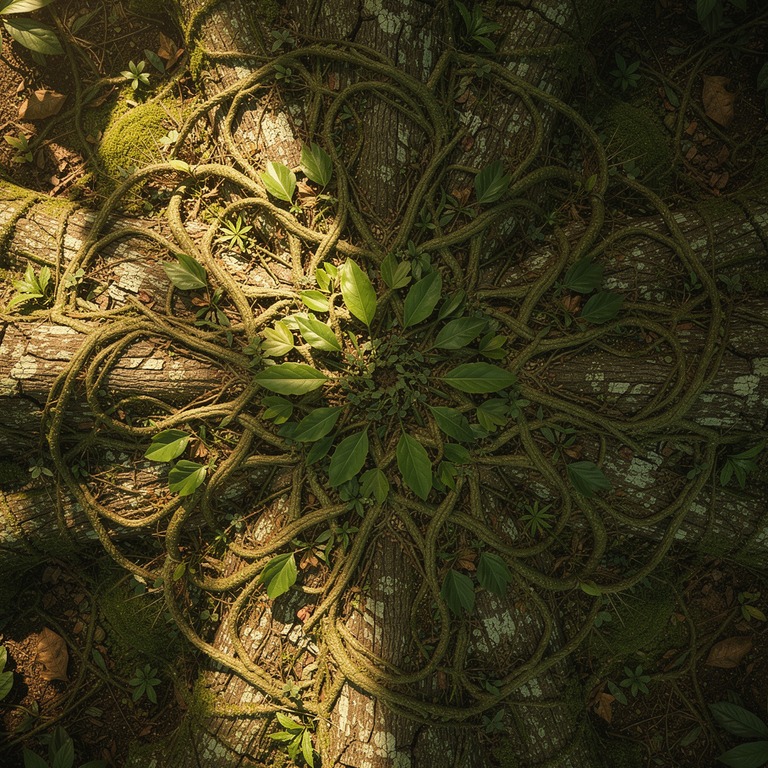
Ayahuasca, Addiction, and Why People Are Paying Attention
This is the part that draws the most serious researchers, and the most desperate seekers. Addiction is brutal. Conventional treatment — twelve-step programs, medication-assisted therapy, residential rehab — works for some people, fails plenty of others. The relapse rates are sobering. So when reports started circulating in the 1990s that people were using ayahuasca to break long-running addictions to alcohol, cocaine, and opioids, addiction specialists started paying attention.
Canadian psychiatrist Gabor Maté, who worked for years in Vancouver’s Downtown Eastside with people in severe addiction, has spoken extensively about what ayahuasca seemed to do for some of his patients. The mechanism isn’t mysterious in a hand-wavy way. Addiction is, at its core, often a relationship with unprocessed pain. Ayahuasca tends to bring that pain up — vividly, undeniably, in a state where you can’t look away from it. Combined with skilled integration afterward, the experience can sometimes loosen patterns that years of talk therapy didn’t touch.
A few honest caveats. Ayahuasca isn’t a cure. It’s a catalyst. The people who use it successfully for addiction recovery tend to be the ones who do the work afterward — therapy, community, lifestyle changes. And ibogaine, another plant-derived psychedelic, has a more direct track record specifically for interrupting opioid withdrawal. If addiction is the central issue, doing your homework on which medicine fits your situation matters more than picking the one that’s most fashionable.
What a Ceremony Is Actually Like
Forget the Instagram version. A real ayahuasca ceremony usually looks like this: a group of people sitting or lying on mats in a wooden ceremonial space (often called a maloca), a shaman or facilitator at the front, the lights dimmed or off, a single candle. You drink a small cup of a dark, bitter liquid that tastes — there’s no nice way to put this — like something that should not exist. Then you wait. Forty minutes later, give or take, the world starts to change.
What happens next is intensely personal. Some people see geometric visions. Some feel they’re reviewing their lives in reverse. Some confront a parent, a memory, a version of themselves they’ve been avoiding. Many vomit. Some cry for hours. A few sleep through it. The shaman sings icaros — medicine songs — that experienced drinkers say genuinely shape the direction of the experience. The whole thing lasts four to six hours.
- You won’t feel like yourself the next morning, and that’s normal.
- The insights often don’t arrive in words — they arrive as a shift in how you feel about something.
- Most retreats include multiple ceremonies across several nights, because the work tends to unfold in layers.
- Integration — the days, weeks, and months afterward — is where the actual change lives or dies.
Risks, Red Flags, and How to Choose a Retreat Worth Your Time
This is the part nobody selling a retreat wants to dwell on, so let’s dwell on it. Ayahuasca interacts dangerously with several classes of medication, most notably SSRIs and other antidepressants. The MAO inhibitors in the vine can also produce serious reactions with certain foods (aged cheese, fermented products, some meats). People with cardiovascular issues, schizophrenia, bipolar disorder, or a personal or family history of psychosis should approach with extreme caution or not at all. A responsible retreat screens for these things before they take your deposit. If a retreat doesn’t ask about your medications and mental health history, that tells you everything you need to know about how seriously they take safety.
Other red flags worth watching: shamans or facilitators who promise specific outcomes, retreats with no integration support afterward, anyone presenting themselves as a guru, sexual contact of any kind between facilitators and participants, and centers that pack twenty-five people into a ceremony with one shaman who can’t possibly hold that much energy safely. Reputable retreats tend to have small groups, lineage-based facilitators, medical screening, and structured integration support.
Cost is real too. A legitimate week-long retreat in Peru typically runs anywhere from $1,500 to $4,500 depending on the level of care and accommodation. Be skeptical of anything dramatically cheaper — corners are getting cut somewhere — and skeptical of anything dramatically more expensive unless the program justifies it with serious therapeutic infrastructure.
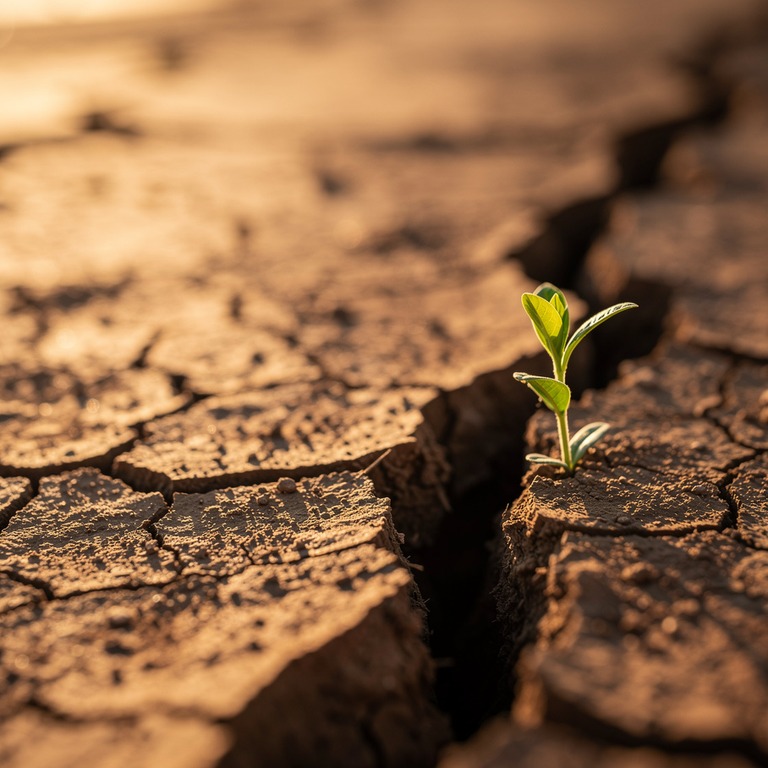
Is This Right for You? An Honest Filter
Ayahuasca isn’t for everyone, and pretending otherwise does a disservice to the people who genuinely shouldn’t drink it. A few honest questions to sit with:
- Am I currently on psychiatric medication? If yes, you need medical guidance before considering any psychedelic retreat, full stop.
- Do I have a personal or family history of psychosis or bipolar disorder? If yes, this probably isn’t your medicine.
- Am I willing to do the integration work afterward, even when it’s uncomfortable and unglamorous? If no, a ceremony will be a wild experience but probably not a lasting one.
- Am I going because something specific is broken or stuck — or because it sounds exotic? Both are valid reasons to be curious, but only the first one tends to produce real change.
The honest truth is that ayahuasca, like cannabis before it, is moving from the cultural margins toward something resembling legitimacy. Whether that ends in regulated clinical access, broader retreat tourism, or something we can’t yet imagine — nobody really knows. What we do know is that thousands of people each year are finding something in plant medicine that conventional care didn’t give them. For some, it’s addiction recovery. For others, depression that finally lifts. For others still, just a clearer relationship with what they want from their life.
If after reading all of this you find yourself still curious — not chasing a thrill, but genuinely wondering whether this might help — that curiosity is worth taking seriously. A range of vetted ayahuasca retreats can be browsed on our marketplace here, and the time you spend choosing carefully is rarely wasted. Whatever you decide, decide it slowly. The medicine has been around for centuries. It can wait a few more months while you do your homework.
Craving More Stories?
Join our ShopAyahuascaRetreats newsletter for the latest updates on thrilling
destinations and inspirational tales, delivered straight to your inbox!
We value your privacy. Your email address will never be shared or published.