 English
 Deutsch
 Français
 Nederlands
 Español
SHOP AYAHUASCA RETREATS BLOG
Feeling Lost in Midlife? How Plant Medicine Can Help You Find Yourself
Luca Reeves
July 16, 2026
Your ultimate guide to discover transforming ayahuasca and psychedelic experiences. Dive into serene destinations and elevate your consciousness to unparalled heights.
Discover Ayahuasca & Psychedelic Retreats NowSearch for ayahuasca & psychedelic retreats
Discover retreats, trainings, and holidays from all over the world
Something quiet happens in your mid-thirties, or your forties, or sometimes right after a divorce or a promotion you thought you wanted. The life looks right on paper. But you catch yourself staring at the ceiling at 3 a.m. wondering who exactly is living it. That drift — the feeling of being lost without any obvious catastrophe attached — is one of the most common reasons people I meet at ayahuasca retreats end up sitting in ceremony. Not because they're broken. Because the old self-concept has run its course, and they don't yet know what comes next.
This isn't a small thing. It's also not the disaster it can feel like at 3 a.m. Feeling lost is often the psyche saying that a version of you is finishing, and another is trying to be born. Psychologists have called the messy middle a “neutral zone” — the disorienting stretch between who you were and who you're becoming. Plant medicines like ayahuasca, psilocybin, and San Pedro didn't invent this territory. Indigenous traditions have been guiding people through it for centuries. What they can do, in the right container, is turn the lights on inside a room you've been fumbling around in for years.
Why Feeling Lost Isn't a Malfunction
Identity isn't a fixed object you inherit and carry around like a passport. It's a story you keep rewriting — sometimes gently, sometimes with a machete. What felt true about you at 22 rarely holds at 42. The job that once defined you starts to feel like a costume. The relationships that anchored you either deepen or drift. Even the values you thought were bedrock reveal themselves as inherited furniture you never actually picked out.
When those inner reference points blur, everyday choices get harder. You dither over dinner. You resent the calendar. You go through the motions and feel a widening gap between the person people see and the person humming underneath. None of that is pathology. It's an identity shift asking for attention.
Here's the thing most self-help writing gets wrong: the discomfort isn't the problem. The discomfort is the process. Trying to skip it — with a new job, a new partner, a new city, a new diet — usually just relocates the fog. Which is why so many people, after exhausting the usual moves, start looking harder at the tools that don't promise a quick fix but do promise a real look in the mirror.
The Signs You're in Transition, Not in Crisis
Before booking anything, it helps to know what you're actually dealing with. A genuine identity shift tends to announce itself in a few recognizable ways:
- Things that used to light you up now feel flat or performative.
- Roles you once wore proudly — parent, partner, professional, provider — start feeling like uniforms rather than expressions of who you are.
- You catch yourself asking questions you hadn't asked in years: What do I actually want? Whose life am I living? What did I give up to get here?
- Small decisions become weirdly heavy because your internal compass is being recalibrated.
- You feel a kind of low-grade grief for a self you can't quite name.
None of those are signs to panic. They're signs the ground is soft enough for something new to root. And this is exactly the terrain where plant medicine work — done carefully, in a legitimate container — tends to be most useful.
Where Master Plants Come In
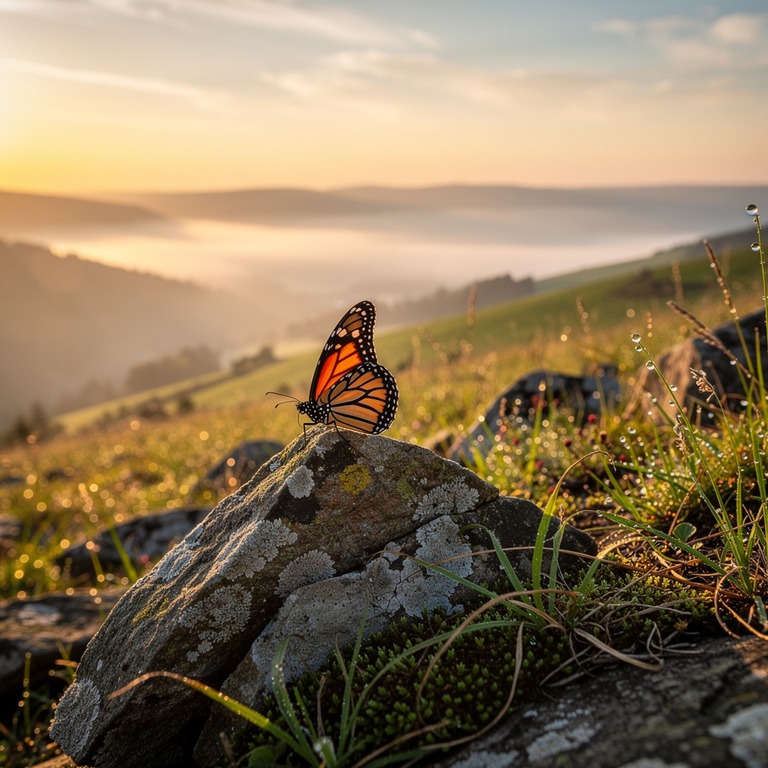
The Amazonian tradition uses the phrase plantas maestras — master plants. Ayahuasca is the most well-known in the West, but the family includes tobacco (mapacho), San Pedro (huachuma), chacruna, bobinsana, ajo sacha, and many others. The idea is that these plants aren't inert compounds. They're teachers. Whether or not you buy the animist framing, something practical happens: a well-guided ceremony hands you a night — or a series of nights — in which the usual mental defenses go quiet and you get to meet yourself without the costumes.
For someone in the middle of an identity shift, that can be extraordinary. A single ayahuasca ceremony won't hand you a five-year plan. What it tends to do is show you, with unusual clarity, which parts of your current life are aligned with who you actually are and which parts are running on inertia. People often describe seeing their own patterns from the outside for the first time — the compulsions, the people-pleasing, the low-grade addictions, the stories inherited from a parent — and recognizing, without judgment, that they don't have to keep carrying them.
Psychedelic-assisted work is also showing real promise for the conditions that often ride along with feeling lost: depression that won't shift, unresolved trauma, and addiction patterns that quietly organize a whole life around avoidance. Ibogaine in particular has a striking track record with opioid dependence. Psilocybin has been the subject of serious clinical trials for treatment-resistant depression. Ayahuasca has a long anecdotal history — and a growing research base — for helping people metabolize grief, PTSD, and the sort of existential stuckness that doesn't have a diagnostic code.
How to Actually Use a Retreat for This Kind of Work
If you're weighing a retreat as part of finding yourself again, a few honest observations from years around this world:
- Go with a question, not a demand. The medicine responds to sincere inquiry. It tends to laugh at ultimatums. “Show me what I'm not seeing” travels much further than “fix my life by Sunday.”
- Choose the container carefully. Reputable retreats vet participants medically, screen for contraindicated meds (SSRIs and ayahuasca is a serious conversation), and offer real integration support afterward. If a place will take anyone with a credit card, walk away.
- Budget honestly. A legitimate week-long ayahuasca retreat in Peru typically runs somewhere between $1,500 and $4,000, plus flights. Ibogaine programs, because of medical monitoring, run higher. If the price seems too good, ask what's missing — usually it's medical screening, facilitator ratios, or aftercare.
- Plan for the after, not just the during. The ceremony is the easy part. Integration — the weeks and months of translating what you saw into how you live — is where the actual finding-yourself work happens. Line up a therapist, an integration circle, or a coach before you fly home.
- Don't expect a rebirth in one sitting. Some people get a lightning bolt. Most get a series of quieter revelations across several ceremonies, and then months of slow rearrangement afterward.
What Plant Medicine Won't Do
A retreat is not a shortcut past the neutral zone. Anyone who tells you it is either hasn't sat with the medicine much or is trying to sell you something. Ayahuasca can accelerate self-knowledge in ways that are genuinely hard to get elsewhere. It cannot make the decisions for you. It cannot leave the marriage, quit the job, forgive the parent, or write the next chapter. That's still your work.
It also isn't for everyone. If you're managing bipolar disorder, a psychotic-spectrum condition, or certain cardiac issues, most reputable retreats will — correctly — turn you away. If you're on SSRIs or MAOIs, there are real interaction risks that require careful tapering under medical guidance. And if you're looking for an escape from your life rather than a deeper meeting with it, the medicine has a way of showing you exactly that, often uncomfortably.
The best candidates I've seen are people who have already done some psychological work — therapy, honest journaling, a decent meditation practice — and who arrive at plant medicine not as a first resort but as a next step. The soil has to be tilled a bit for the seeds to take.
The Small Things That Do the Real Work
Whether or not a retreat ends up being part of your path, some of the most useful moves for finding yourself again are unglamorous. Reconnect with the things that used to matter to you before you got so busy — the guitar, the long walks, the old friendships you let fade. Rewrite the story you tell about your life; try journaling the same event from three different narrators and notice which one feels most honest. Make small decisions aligned with what you actually value now, not what you valued at 25. Sit with not-knowing longer than feels comfortable. And spend time with the people who knew you before whatever shift is happening — they often hold a version of you that you've forgotten but haven't lost.
Plant medicine can shorten some of that work. It cannot replace it. The people who get the most from ayahuasca, psilocybin, or ibogaine are the ones who treat ceremony as a punctuation mark in a longer sentence they're already writing.
If you're at the point where reading articles like this one has stopped being enough — where the drift is getting loud and you're ready to sit with something bigger than another book or podcast — the search is worth taking seriously. For readers curious about what a legitimate plant-medicine retreat actually looks like, a curated range of ayahuasca and psychedelic retreats can be browsed on our marketplace here. Whatever you choose, the map to the next version of yourself gets drawn one honest step at a time.


Craving More Stories?
Join our ShopAyahuascaRetreats newsletter for the latest updates on thrilling
destinations and inspirational tales, delivered straight to your inbox!
We value your privacy. Your email address will never be shared or published.