 English
 Deutsch
 Français
 Nederlands
 Español
SHOP AYAHUASCA RETREATS BLOG
Why Meditation Failed Me and What Actually Brought Me Back

Ezra Caldwell
July 17, 2026
Your ultimate guide to discover transforming ayahuasca and psychedelic experiences. Dive into serene destinations and elevate your consciousness to unparalled heights.
Discover Ayahuasca & Psychedelic Retreats NowSearch for ayahuasca & psychedelic retreats
Discover retreats, trainings, and holidays from all over the world
Meditation didn't work for me. Not the way everyone promised it would.
I want to say that plainly at the start, because I think a lot of people carry a small private shame about this — the sense that they've somehow failed at the most basic wellness practice on earth. You download the app. You sit down. You close your eyes. And within about ninety seconds, your mind is halfway through tomorrow's to-do list and wondering whether you turned the stove off. Then you feel worse than when you started, because now you've failed at relaxing.
This is a story about what I did instead. And why, years later, I think it matters — especially for people who are drawn to plant medicine, contemplative retreats, or any of the deeper healing paths that ask you to be present with yourself.
The Loneliness Nobody Warned Me About
A while back, I moved to a new country with two very small children. On paper it looked romantic — a fresh start, the sea nearby, a slower pace of life. In practice, it was the loneliest stretch I've ever lived through. Not the dramatic, cinematic kind of lonely. The other kind. The low hum you carry through the day, quiet enough that no one else can hear it.
My children needed me completely, and I loved them fiercely. But here's something worth saying out loud: gratitude and loneliness can share the same heart. One doesn't cancel the other. I was learning that lesson slowly, and painfully, in the small hours of afternoons at the park where other mothers seemed to know each other and I stood off to the side like a ghost.
The big moments weren't the hard part. It was the small ones. Wanting to call a friend and remembering they were all seven time zones away. One of the kids running a fever and there being no one to hand them off to for an hour. The kind of ache that doesn't have a name.
When Sitting Still Made Things Worse
Everyone told me to meditate. So I tried. God, I tried. I downloaded the apps with the soothing voices and the little chimes. I sat cross-legged on the floor. I followed my breath, or attempted to, and instead found my brain playing a highlight reel of every single thing I hadn't done yet and every friendship I no longer had.
The stillness didn't calm me. It gave my anxiety a stage.
I want to be careful here — meditation genuinely helps a lot of people, and I'm not knocking the practice. But for someone in the acute grip of loneliness, with a nervous system already stuck on high alert, being asked to sit motionless and observe the mind can feel like being told to relax by staring directly at what's hurting you. Some of us need a doorway that isn't stillness. We need movement first. Color. Curiosity. Something outside ourselves to rest our attention on before we can rest inside ourselves.
This, incidentally, is one of the reasons the psychedelic and plant-medicine world speaks to so many people who've bounced off traditional meditation. Master plants like ayahuasca, psilocybin, and San Pedro don't ask you to sit quietly and empty your mind. They fill your mind — with vision, feeling, movement, memory — and in that filling, something loosens. The presence arrives sideways.
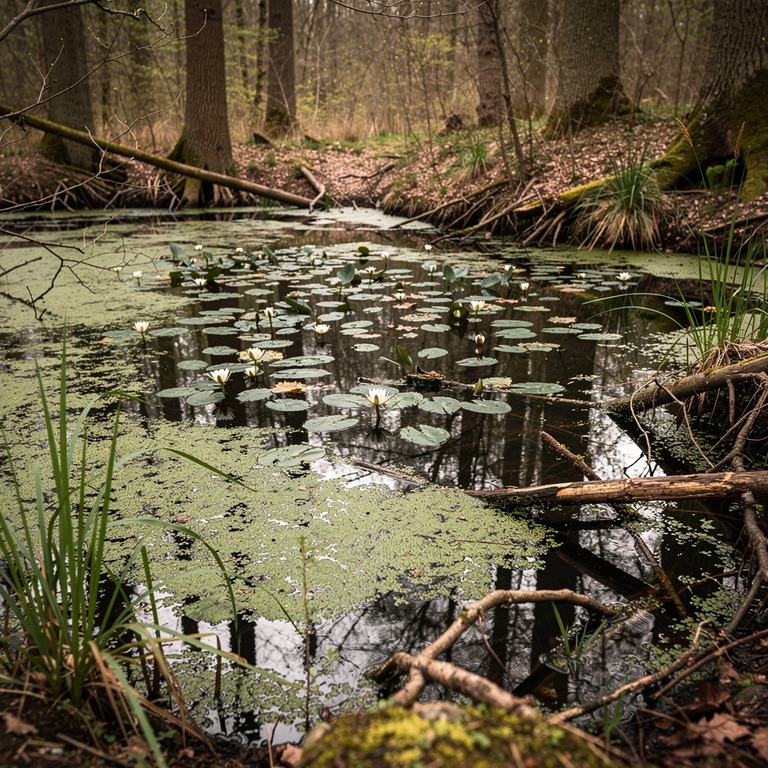
The Accidental Practice That Changed Everything
One afternoon, deep in that lonely stretch, I picked up my old camera. Not to make anything good. Not to post anything. Just to walk outside and see what I noticed.
I started breaking every rule I'd been taught about photography. Composition, lighting, the perfect shot — I abandoned all of it. I pointed the camera at whatever caught my eye. A shadow crawling across a wall. The particular blue of the sea that afternoon. A cracked tile I'd walked past a hundred times without seeing.
And something strange happened. My mind went quiet.
Not because I forced it. Because I was too absorbed in looking to worry. When you're genuinely paying attention to what's in front of you — deciding how to frame it, noticing the light change, feeling curious — the anxious part of the brain simply doesn't have room to run its usual programs. Play crowds out worry. Curiosity crowds out grief, at least for a little while.
The Happy Zone (and the Guilt That Comes With It)
I started calling it the happy zone — that state where you forget, briefly, about the loneliness and the exhaustion and, yes, the guilt. Because there was guilt, too. The particular guilt that shows up when small people depend on you completely. The whispered idea that taking fifteen minutes for yourself is somehow a betrayal.
It isn't. It never was. But you have to feel that in your body, not just know it in your head.
I kept going back to the walks because I came home different every time. Lighter. More patient. More myself. Ready for the next round of ordinary domestic chaos. And slowly — this is the part I didn't expect — the practice of noticing outward beauty taught me to notice my inner state, too. I started asking myself what I actually needed on a given day. And I started giving honest answers.
What This Has to Do With Retreats and Plant Medicine
Here's why I'm telling you this on a site about ayahuasca and psychedelic retreats. Because a lot of readers arrive at plant medicine after years of feeling like they've failed at every gentler practice. They couldn't meditate. Therapy plateaued. Yoga made them fidget. Journaling felt performative. And now they're wondering whether a week in the jungle drinking a bitter brew is the extreme intervention that will finally break through.
Sometimes it is. Ayahuasca and other master plants can, for the right person in the right context, do work that decades of talk therapy couldn't touch. I've sat with people who came back from a retreat and finally, at fifty-two, cried about their father. That's real.
But here's what nobody tells you about a retreat: the ceremony is maybe fifteen percent of the healing. The other eighty-five percent is what you do in the months after. It's called integration, and it's where most of the actual life-change happens or doesn't. And integration requires exactly the skill I'm describing above — the ability to be present with yourself, in an ordinary Tuesday afternoon, without a shaman and without icaros and without the medicine holding your hand.
Small ways to build a presence practice before (or after) a retreat
- Take fifteen minutes with your phone camera. No goal. Just look for one color, one texture, one small thing. Don't post it.
- Walk without headphones once a week. Sounds obvious. Almost no one does it.
- Notice one meal a day. Not all of them. Just one. Taste it like a stranger.
- Write down three things you actually saw today — not felt, not thought. Saw.
- Give yourself permission to be bad at stillness. There are other doorways.
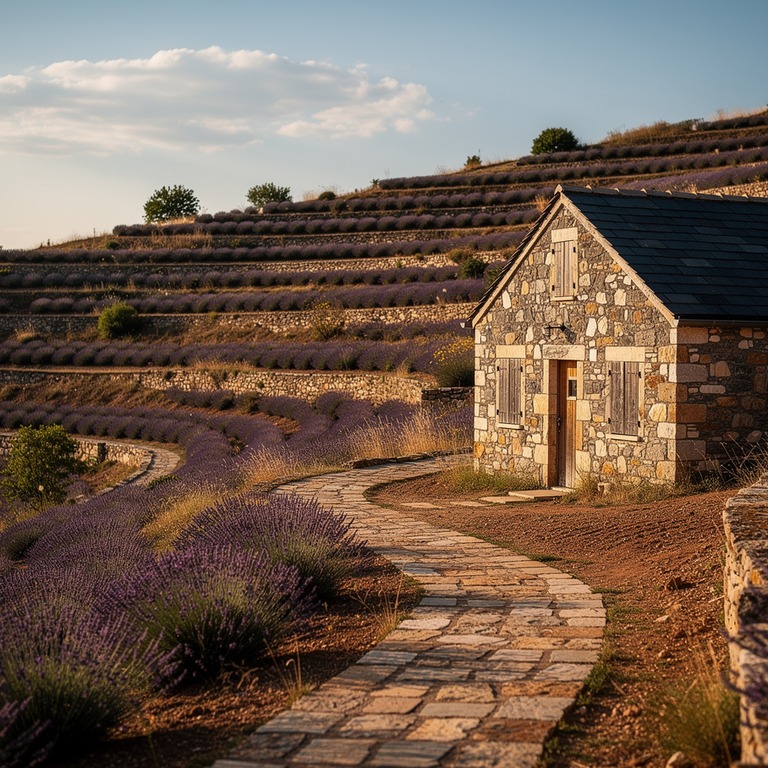
The Real Point
You don't need to be a photographer. You don't need an expensive camera or a scenic backdrop or any technical skill at all. A phone works fine. What you need is fifteen minutes and the willingness to look — really look — at one thing. Let yourself be curious. Let yourself be a little rebellious about it. Forget composition. Forget the perfect shot. Just notice.
Because sometimes what brings you back to yourself isn't sitting still with your eyes closed. Sometimes it's looking up and seeing what was there all along — the shadow on the wall, the color of the light at four in the afternoon, the small ordinary beauty that was patiently waiting for you to be present enough to notice.
If plant medicine is calling you as part of that same longing — the wish to be more awake in your own life — a range of thoughtfully vetted ayahuasca and psychedelic retreats can be explored on our marketplace here. And whichever door you walk through, remember: presence isn't something you achieve. It's something you keep returning to, one small noticing at a time.

Craving More Stories?
Join our ShopAyahuascaRetreats newsletter for the latest updates on thrilling
destinations and inspirational tales, delivered straight to your inbox!
We value your privacy. Your email address will never be shared or published.