 English
 Deutsch
 Français
 Nederlands
 Español
SHOP AYAHUASCA RETREATS BLOG
Why That One Reddit Thread Can't Tell You What Ayahuasca Is Really For

Cleo Adler
June 26, 2026
Your ultimate guide to discover transforming ayahuasca and psychedelic experiences. Dive into serene destinations and elevate your consciousness to unparalled heights.
Discover Ayahuasca & Psychedelic Retreats NowSearch for ayahuasca & psychedelic retreats
Discover retreats, trainings, and holidays from all over the world
Somebody on Reddit asks, “what are the uses of this plant?” The thread gets locked, or scraped, or buried under a hundred half-answers from people who read one book and watched a documentary. And the person asking — usually a 30-something quietly Googling at 1 a.m. — closes the tab no closer to an answer than when they opened it.
I've sat in enough ceremonies, and interviewed enough facilitators, to know that question deserves a real reply. Not a sales pitch. Not a mystical word-salad. Just a straight look at what ayahuasca and the broader world of master plants are actually being used for, what the evidence says, and where the honest caveats live. If you're researching a psychedelic retreat right now — maybe for addiction, maybe for a depression that won't lift, maybe because you're just stuck — this one's for you.
So What Is Ayahuasca, Plainly?
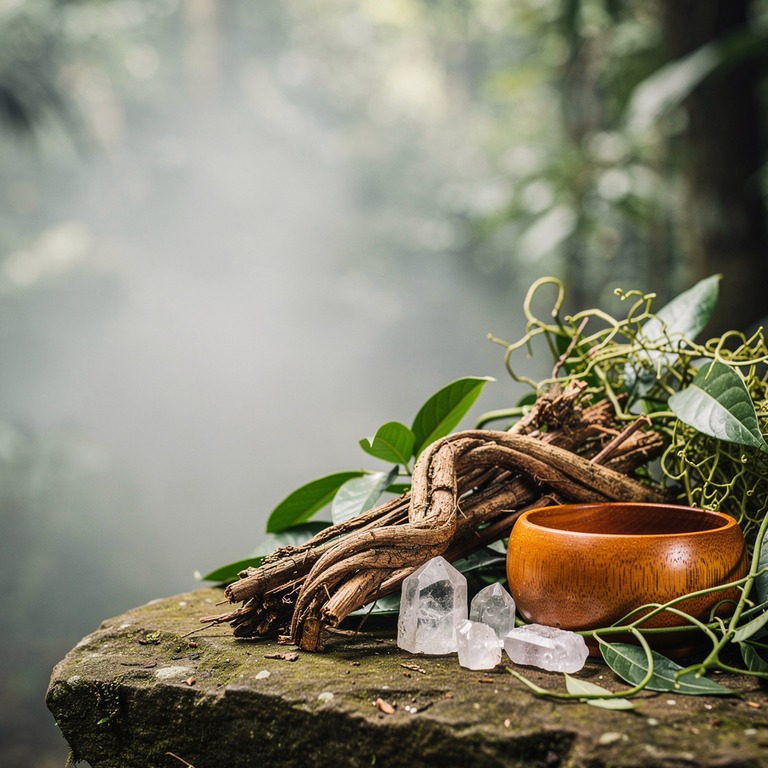
Ayahuasca is a brew. Two plants, usually: the Banisteriopsis caapi vine (which the Shipibo and other Amazonian peoples call the “vine of the soul”) and a leaf containing DMT, most often Psychotria viridis. Boil them together for hours, strain, drink. The vine contains MAO inhibitors that make the DMT in the leaf orally active — which is why nobody stumbles onto this combination by accident. Indigenous knowledge worked out the chemistry centuries before chemistry had a name for it.
The taste is famously rough. Imagine bitter coffee that's been left in a damp basement for a week. People purge — vomiting, sometimes diarrhea, sometimes weeping, sometimes shaking. In ceremony this is treated as part of the medicine, not a side effect to apologize for. The visions, when they come, can be geometric, narrative, ancestral, or absent altogether. There's no single ayahuasca experience.
What there is — across thousands of accounts and a growing body of clinical research — is a pattern of people reporting that something shifted. A pattern is not a promise, but it's worth taking seriously.
The Real Uses: What People Actually Come For
When I ask facilitators what brings people to their retreats, the answers are remarkably consistent. The Reddit version of this question gets answered in vague spiritual terms. The on-the-ground version is much more specific.
- Addiction. Alcohol, cocaine, opioids, compulsive behaviors. Ayahuasca shows up repeatedly in addiction-recovery literature, often alongside ibogaine, which works on a different mechanism but in the same general territory. A 2013 observational study out of Canada followed participants in ayahuasca-assisted therapy for substance use and saw meaningful reductions in cocaine and alcohol use months later. It's not a magic bullet — nothing is — but the signal is real.
- Treatment-resistant depression. A small Brazilian trial in 2018 found rapid antidepressant effects after a single ayahuasca session in patients who hadn't responded to conventional medication. The effects weren't permanent, but they were measurable, and they happened fast.
- Trauma and PTSD. Veterans, survivors of childhood abuse, people carrying complex trauma — they're showing up at retreats in larger numbers every year. The mechanism seems to involve something like emotional reprocessing, where the experience lets people approach memories that talk therapy alone couldn't safely touch.
- Grief that won't move. Less talked about, but enormous. People who lost a parent, a child, a partner — and got stuck. Ayahuasca, for some of them, gets the grief moving again.
- Existential stuckness. The “I have a good life on paper and I want to claw my skin off” crowd. Midlife, mostly. Some younger.
Notice what's missing from that list: recreation. People who go to ayahuasca looking for a fun weekend usually don't go back. The brew has a way of declining to be a party drug.
Ayahuasca and the Other Master Plants
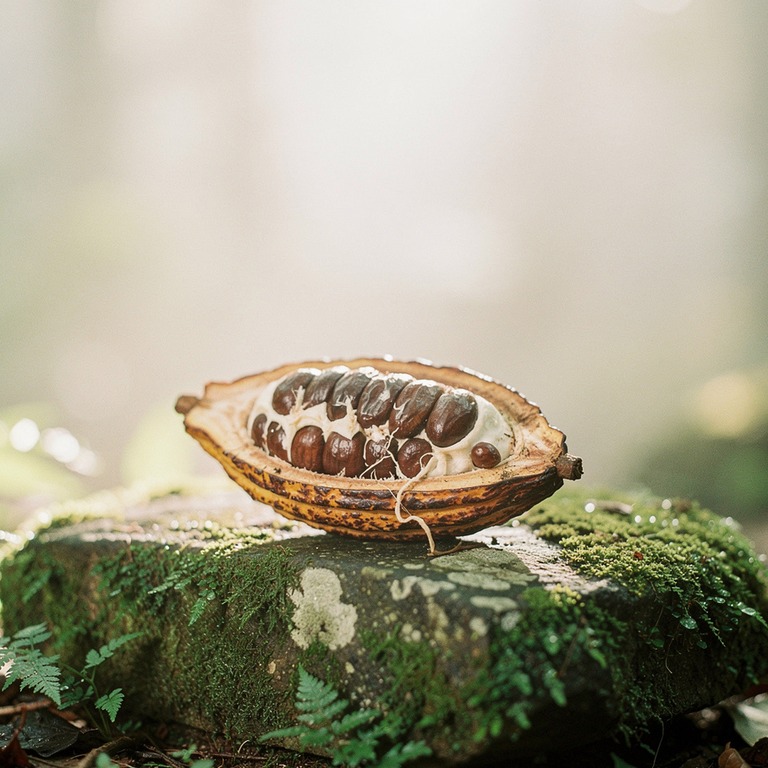
“Master plants” is the term Amazonian traditions use for the teaching plants — ayahuasca, of course, but also tobacco (the real stuff, mapacho, used ceremonially), San Pedro and peyote among the cactus medicines, and a long list of trees and shrubs taken on dieta. The framing is that these plants have intelligence and that the work isn't something you do to them but with them.
You don't have to buy the metaphysics to take the framing seriously. People who treat the brew as a tool that owes them an outcome tend to have a harder time than people who approach it as a relationship. That's not woo — it's just how the psychology of the experience seems to land.
Other psychedelics in the broader plant-medicine conversation each have their own character. Psilocybin tends to be gentler and more inward. Ibogaine is the heavyweight for opioid dependence, with a serious cardiac risk profile that demands medical screening. 5-MeO-DMT (often from the Sonoran Desert toad, increasingly synthetic now) is brief and obliterating. None of these are interchangeable. Choosing among them is a real decision, and it deserves more research than picking a vacation rental.
What an Ayahuasca Ceremony Actually Looks Like
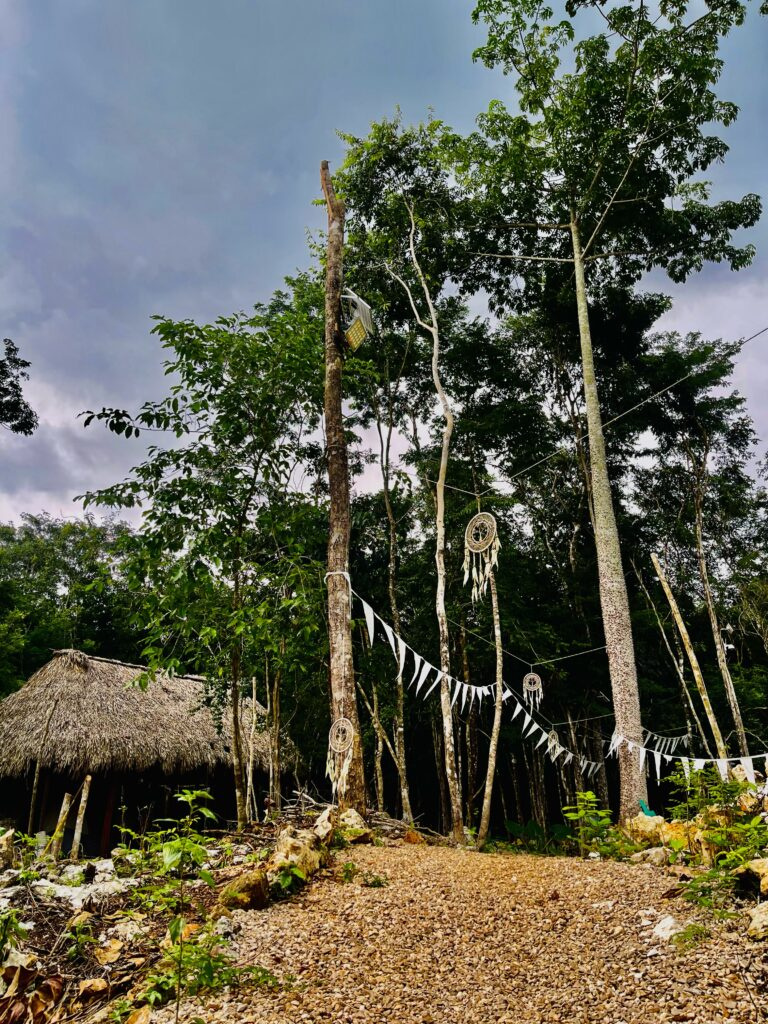
Forget the Instagram version. A real ceremony — at least in the Shipibo, Santo Daime, or vegetalista lineages — usually happens at night, in a maloca (a round ceremonial space), with participants on mats or in rocking chairs arranged around the room. There's a bucket next to you. There's a facilitator and at least one curandero or curandera leading the ceremony. Often, there are icaros — sung medicine songs that direct the energy of the night.
You drink. You wait. Sometimes for 20 minutes, sometimes for 90. Then something starts to happen. For some people it's visual. For others it's emotional — wave after wave of feeling they've been holding down for decades. For others it's almost nothing the first night and a tsunami the second. Most retreats include three to six ceremonies over a week or two, with rest days between, because integration matters as much as the experience itself.
The dieta — the diet — usually starts before you arrive. No pork, no salt, no sugar, no alcohol, no recreational drugs, no sexual activity, and crucially, no SSRIs or other serotonergic medications. The SSRI piece isn't optional. Mixing them with ayahuasca can trigger serotonin syndrome, which is a medical emergency. Reputable retreats screen for this and will turn you away if you haven't tapered properly under medical supervision.
The Honest Risks Nobody on Reddit Lists
I want this part to land, because the boosters tend to skip it.
- Medication interactions. SSRIs, MAOIs, tramadol, some blood pressure drugs, and others. This is a real safety issue, not a formality.
- Cardiac conditions. Ayahuasca raises blood pressure. If you have an arrhythmia or heart disease, get cleared by a doctor who actually understands the brew, not one who'll just shrug.
- Psychiatric history. A personal or family history of schizophrenia or bipolar disorder is generally considered a contraindication. The risk of triggering a psychotic episode isn't huge, but it's real, and reputable facilitators won't take the chance.
- Sketchy retreats. The boom in plant-medicine tourism has produced some genuinely incredible centers and some genuinely dangerous ones. Sexual misconduct by self-styled shamans is a documented problem. So is reckless dosing. Vet hard.
- Integration crash. The week after a strong ceremony can be wonderful and it can be brutal. Without support — a therapist, an integration circle, a sober friend — people sometimes spiral. Plan for the landing before you take off.
How to Tell a Real Retreat From a Photogenic One
A few things I look for, having been around this for years:
- Medical intake before you book — not after you've paid.
- Named facilitators with traceable lineages, not “world-renowned shaman” mystery brands.
- A clear policy on the dieta and on what they'll do if you arrive and they discover a contraindication.
- Integration support that extends beyond the retreat — calls, group sessions, referrals.
- Honest answers when you ask hard questions. Defensiveness is a tell.
- Reasonable group sizes. Twelve in a maloca is workable. Thirty isn't ceremony, it's a concert.
Price is not a reliable proxy for quality, in either direction. Expensive retreats can be hollow; affordable indigenous-led centers can be extraordinary. What matters is the people running it and the care they take with the people in their care.
So, Should You Go?
That's not a question I or anyone else can answer for you from the outside. What I can say is that the people who tend to do well are the ones who arrive with a clear, honest reason — a specific addiction they want to face, a depression they've fought for years, a grief they need to move, a question they actually want answered. The people who tend to do less well are the ones looking for novelty, or for someone else to do the hard work of their lives for them.
If you've read this far, you're probably somewhere in the middle, which is the normal place to be. Take your time. Talk to people who've gone. Talk to a therapist if you have one. Read the research — the studies on depression, on addiction, on PTSD are findable and not impossibly technical. And when you start looking at specific centers, a good cross-section of vetted ayahuasca and broader plant-medicine retreats can be browsed on our marketplace here, which is at least a saner starting point than a locked Reddit thread.
The plant has been used for a very long time, by people who took it seriously. Take it seriously and it tends to return the favor.

Craving More Stories?
Join our ShopAyahuascaRetreats newsletter for the latest updates on thrilling
destinations and inspirational tales, delivered straight to your inbox!
We value your privacy. Your email address will never be shared or published.