 English
 Deutsch
 Français
 Nederlands
 Español
SHOP AYAHUASCA RETREATS BLOG
When Someone You Love Is Heading to an Ayahuasca Retreat: A Friend's Guide

Fiona Holloway
June 26, 2026
Your ultimate guide to discover transforming ayahuasca and psychedelic experiences. Dive into serene destinations and elevate your consciousness to unparalled heights.
Discover Ayahuasca & Psychedelic Retreats NowSearch for ayahuasca & psychedelic retreats
Discover retreats, trainings, and holidays from all over the world
A friend tells you, with that particular mix of excitement and nerves, that they've booked an ayahuasca retreat. Maybe it's somewhere in the Peruvian jungle. Maybe it's a weekend ceremony two hours from where you live. Either way, your stomach does a small flip. You've heard things. You've read things. And now someone you actually care about is about to drink a bitter brown brew and, depending on which corner of the internet you trust, either heal their deepest wounds or have a psychological emergency in a hammock.
This piece is for you — the worried friend, sibling, partner, or parent. Not the person going. The person watching them go. Because the conversations you have in the weeks before, during, and after matter more than most people realize, and there's almost nothing written for the people on your side of the equation.
First, Check Your Own Reaction
Before you say anything to your friend, sit with what you're actually feeling. Worry is the obvious one. But underneath it there's often something else — judgment, jealousy, fear of being left behind, or a quiet conviction that this is a phase they need to be talked out of. Those feelings aren't wrong. They're just not useful information for your friend right now.
The plant medicine world has a credibility problem with outsiders, and for understandable reasons. The headlines tend to be the bad ones: someone died at an unregulated retreat, someone came back changed in worrying ways, someone got scammed. What doesn't make the news is the much larger group of people who go, have a hard but meaningful experience, and quietly integrate it into a better-functioning life. Both stories are true. Which one your friend ends up in depends heavily on choices they're making right now.
So your job isn't to talk them out of it. It's to help them go in clear-eyed. Big difference.
What Ayahuasca Actually Is (The Short, Honest Version)
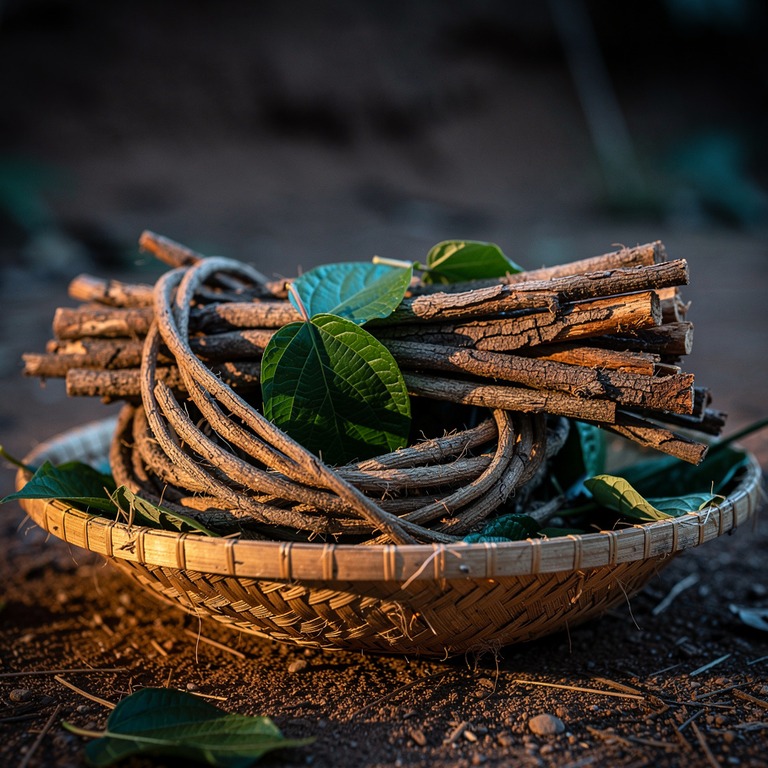
Ayahuasca is a brew made from two Amazonian plants — a vine (Banisteriopsis caapi) and a leaf (usually Psychotria viridis) — that together produce a powerful psychedelic experience lasting roughly four to six hours. It's been used for centuries by Indigenous peoples in the Amazon basin in ceremonial contexts, and over the past two decades it's gone global. There are now ayahuasca retreats in dozens of countries, ranging from tiny family-run centers in Peru to slick wellness operations charging five-figure prices.
The experience itself is usually intense. Most people vomit (it's called la purga and is considered part of the medicine, not a side effect to minimize). Many cry. Some have visions, some don't. People often describe confronting memories, relationships, and patterns they've been avoiding for years. The next morning they tend to be quiet, tender, and unsure how to talk about what just happened.
This is the part friends and family often miss: ayahuasca isn't recreational. People aren't going for fun. The vast majority are going because something in their life — addiction, depression, grief, a stuck pattern, unprocessed trauma — isn't responding to anything else they've tried. Understanding that reframes the whole conversation.
How to Tell If the Retreat They Picked Is Legitimate
This is where you can actually be useful. Most people booking their first ayahuasca retreat don't know what to look for, and a thirty-minute conversation with you asking the right questions could save them from a bad situation. Here's what a reputable retreat does, and what should make you both nervous:
- Medical screening before booking. A real retreat asks about SSRIs and other antidepressants, heart conditions, history of psychosis or schizophrenia in the family, and current medications. Ayahuasca interacts dangerously with several common drugs. If they didn't ask, that's a red flag.
- Named, experienced facilitators. Not just "shamans" with no last names. Real centers tell you who's leading ceremonies, their lineage or training, and how long they've been doing this.
- A reasonable participant-to-facilitator ratio. One facilitator for forty people in a ceremony is not safe. Look for centers with multiple experienced people in the room.
- Integration support afterward. What happens the morning after? The week after? A good retreat doesn't just hand you a tea and wave goodbye.
- Transparency about risks. If everything on their website sounds like marketing, be skeptical. Honest centers talk about the hard parts.
- No promises of cures. Anyone guaranteeing that ayahuasca will fix your friend's depression, addiction, or marriage is lying.
Encourage your friend to read reviews on multiple sources, not just the retreat's own website. Ask them if they've talked to anyone who actually attended. If they haven't, that's a reasonable thing to suggest.
The Conversations Worth Having Before They Go
You don't need to become a plant medicine expert overnight. But there are a few questions worth raising, gently, before they leave:
Are they on any medications? SSRIs and SNRIs (the most commonly prescribed antidepressants) need to be tapered off well in advance — usually four to six weeks — under medical supervision, because mixing them with ayahuasca can trigger serotonin syndrome, which is genuinely dangerous. Same for MAOIs, lithium, tramadol, and several other drugs. If your friend hasn't talked to a doctor about this, push them to. This isn't woo-woo caution; it's basic chemistry.
What are they actually hoping for? Not in a therapist voice. Just in an honest friend voice. People who go in expecting a magic erasure of their problems often come out disappointed or destabilized. People who go in curious, with realistic expectations, tend to fare better.
What's their support system after? The week after a ceremony is when integration happens. If they're flying home on a red-eye and back at a stressful job Monday morning with nobody to talk to, that's a setup for a rough landing. Can you be one of the people they call?
While They're Gone
You probably won't hear much. Most retreats discourage or prohibit phones, and that's a good thing. Resist the urge to spiral if your texts go unanswered for a week. They're fine. They're probably sitting in a circle eating plantains and trying to process what happened the night before.
If you're genuinely concerned — say, if they have a serious mental health history you've been worried about — it's reasonable to know the name and location of the retreat and to have an emergency contact number. Any legitimate operation will provide this. But assume things are fine unless you have real reason to think otherwise.

When They Come Back
This is the part nobody prepares friends for. Your friend may come home glowing, full of insights they can't quite articulate. They may come home quiet and a little raw. They may come home convinced they need to leave their job, end their relationship, or move to South America. Some of these conclusions will turn out to be wisdom. Some will turn out to be the temporary intensity of a psychedelic experience that hasn't settled yet.
The most useful thing you can do is listen without judging and without rushing them toward big decisions. The first month is for integrating, not for restructuring a life. If they're talking about quitting everything within a week of coming home, you can lovingly suggest waiting ninety days before making anything permanent. That advice is consistent across nearly every experienced integration therapist in this space.
Watch, gently, for warning signs: persistent sleep problems, inability to function, intrusive thoughts that don't fade, or anything resembling psychosis. These are rare but real, and a trauma-informed therapist who understands psychedelics is the right resource — not the retreat's WhatsApp group, not Reddit, not you alone.
If You're Curious Yourself
Sometimes watching a friend go through this stirs something in you. That's worth noticing without immediately acting on it. Plant medicine isn't right for everyone, and it isn't right at every moment in a person's life. But if your friend's experience leaves you genuinely curious — not envious, not FOMO-driven, but curious — there's no harm in learning more on your own timeline. For readers who want to take this further, a range of vetted ayahuasca and plant-medicine retreats can be browsed on our marketplace here.
Mostly, though, your job right now is just to be the steady person in your friend's life. The one who didn't lecture them, didn't catastrophize, didn't pretend to know more than they did. That's a more valuable role than you might think. The plant does its own work. Your work is showing up for the person on the other side.

Craving More Stories?
Join our ShopAyahuascaRetreats newsletter for the latest updates on thrilling
destinations and inspirational tales, delivered straight to your inbox!
We value your privacy. Your email address will never be shared or published.