 English
 Deutsch
 Français
 Nederlands
 Español



Reset. Heal. Grow.
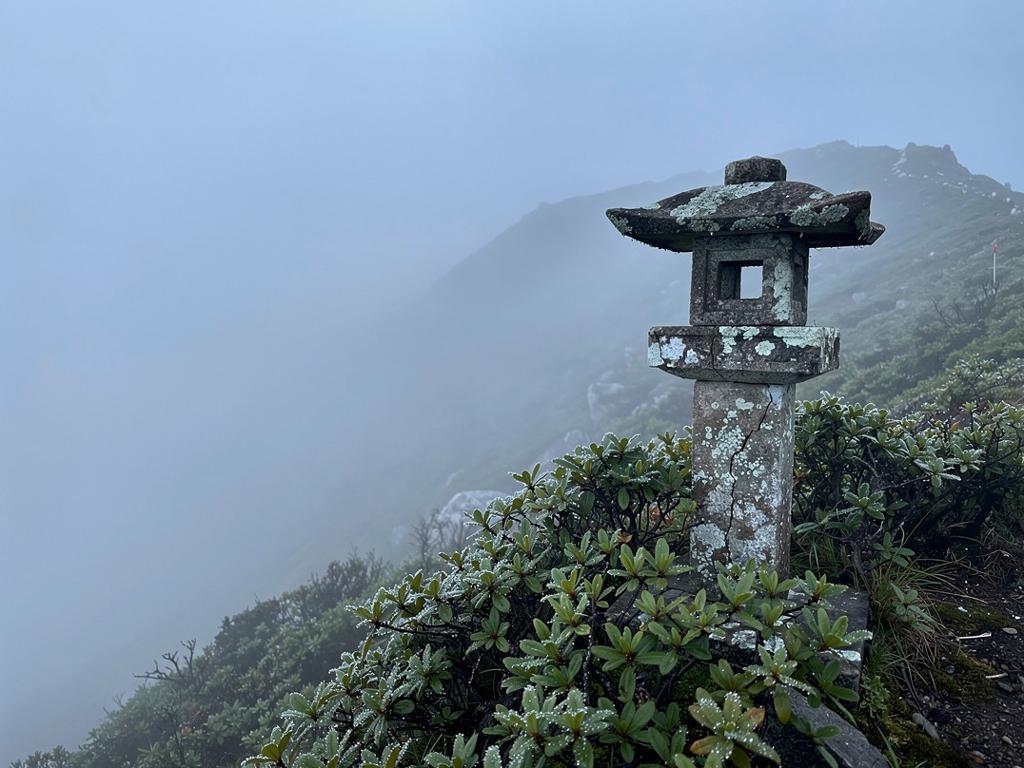

Remembering Robert Thurman: A Life in Service of the Dharma
There are certain people whose absence rearranges a room even after they've left it. Robert Thurman was one of them. If you spent any real time in American Buddhist circles over the past four decades — as a student, a curious reader, a retreat-goer working through a Pema Chödrön book on a rainy weekend — you almost certainly encountered his mind, whether you knew it or not. His translations shaped how English-speaking practitioners read Tibetan texts. His friendship with the Dalai Lama helped carry Tibetan Buddhism into living rooms it never would have reached otherwise. And his sheer, roaring presence made the dharma feel less like a museum artifact and more like something a person could actually live inside. Thurman died at 84 at his home in Woodstock, New York. A memorial gathering was held on August 3 at Menla Retreat, the Catskills sanctuary he and his wife Nena built as a place where Buddhist practice and wellness could meet without either watering the other down. That date was, by a coincidence that didn't feel entirely coincidental, his birthday. It also marked the end of the traditional 49-day period Tibetan Buddhists observe after a death — the span of time a consciousness is said to travel through the bardo before its next rebirth. For readers unfamiliar with the tradition, the bardo isn't a metaphor for grief. In Tibetan Buddhist cosmology it's a specific in-between state — a real journey the mind undertakes after the body stops. The 49 days are marked by prayers, offerings, and rituals meant to help the departed find liberation, or failing that, a favorable rebirth. Monks from Sera Jey Monastery in India led the closing puja for Thurman, and the ceremony had the weight of something practiced for centuries — because it has been. What struck me most, hearing about the memorial from people who were there, was how naturally the ancient ritual fit alongside the very American stories being told about Bob's life. His son Ganden spoke. Old students spoke. Friends who had negotiated projects with him spoke, and even they laughed. The bardo puja and the personal eulogies didn't fight each other. That was maybe the most Thurman thing about the whole day. The bare facts: scholar, translator, Buddhist teacher, first Westerner to be ordained a Tibetan monk by the Dalai Lama, longtime professor at Columbia University, founder of Tibet House US, tireless advocate for the Tibetan people, father of the actress Uma Thurman. Any one of those would have made for a substantial obituary. He stacked them. But the bare facts miss the man. What made Thurman singular was the way he refused to let Buddhism sit on a shelf. He treated it as living intellectual territory — something you could argue with, laugh about, wrestle into modern English, and still bow to at the end of the day. His translation of the Vimalakirti Sutra remains, decades on, the version most English-speaking practitioners actually read. His book Inner Revolution made a case for Buddhism as a political and social force in a way that felt more like a manifesto than a religious primer. He also, and this matters, opened up Buddhist studies to practicing Buddhists. That sounds obvious now. It wasn't. For a long time in the Western academy, scholars of Buddhism were expected to keep a polite scholarly distance from anything that smelled like devotion. Thurman didn't play that game. He was a scholar who practiced and a practitioner who scholared, and the tension between those two lives was, if anything, the engine of his work. The word bodhisattva gets thrown around a lot in Western dharma circles, sometimes to the point of losing its meaning. In the classical sense, a bodhisattva is someone who has vowed to attain full awakening not for their own liberation but for the benefit of all beings. It's a serious vow. It's also, in most traditions, not a title you claim for yourself. People who worked closely with Bob describe the same thing over and over: the single question that seemed to organize his decisions was some version of what creates the most benefit? Not what looks best, not what wins the argument, not what the funders want. What actually helps. That orientation is rarer than you'd think in any field, let alone one as prone to spiritual ego as this one. Here's a shortlist of what that looked like in practice: You might be reading this because you're weighing your own contemplative path — maybe a silent retreat, maybe something more intensive, maybe a plant-medicine journey you've been circling around for months. What does an obituary of a Tibetan Buddhist scholar have to do with any of that? More than you might think. Thurman's life is a reminder that the traditions we borrow from — Buddhist, shamanic, Vedic, Sufi — are not lifestyle accessories. They are technologies of transformation developed by real cultures over long stretches of time, and they were kept alive by people who took them seriously enough to carry them across oceans and generations. When you sit in a meditation hall in New York or a maloca in the Peruvian jungle, you are benefiting from lineages of people who bothered. Thurman bothered. He learned the languages. He did the retreats. He argued with his teachers and studied under them anyway. He didn't cherry-pick the parts that flattered his ego and leave the rest. And that seriousness — that willingness to actually go the distance — is what makes his life worth pointing at, whether or not you're a Buddhist yourself. Menla, the retreat center Bob and Nena built in the Catskills, continues on. It's the kind of place where you can spend a weekend learning about Tibetan medicine, or a week deep in meditation, or simply walk in the mountains and let a bit of silence do what silence does. It's one physical instantiation of what Thurman was pointing at his whole career: that these teachings work best when they're not abstract, when there's a roof, a schedule, a teacher, a cushion, and a body to sit on it. For readers whose curiosity runs toward the intersection of contemplative practice and deeper healing work — including plant medicine, which Thurman himself spoke thoughtfully about in his later years — a range of meditation and plant-medicine retreats in that spirit can be browsed on our marketplace here. Bob wanted only one thing: to create benefit. He succeeded, and the ripples are still going. Somewhere, in the language of the tradition he loved, he's already moving on toward whatever comes next. The rest of us get to keep working with what he left behind.
Self-Care When Life Won't Slow Down: Practical Nervous System Reset
There's a particular kind of exhaustion that doesn't come from doing too much of one hard thing. It comes from doing seventeen medium things, none of which you can drop, while quietly telling yourself you'll rest once the situation calms down. Spoiler: the situation rarely calms down on its own. I want to talk about the version of self-care that matters when you genuinely don't have time — not the candles-and-bath-salts version, but the kind that keeps your nervous system from turning against you. This is also, quietly, the same territory a lot of people arrive at when they start looking into plant medicine, ayahuasca ceremonies, or psychedelic retreats. Chronic stress, unprocessed grief, caregiving fatigue, the low-grade depression of never being off duty — these are the exact conditions that push people to consider deeper work. Before we get to that, though, let's talk about the ground floor. You've heard the sayings. Can't pour from an empty cup. Put your own oxygen mask on first. They've been quoted so often they've started to sound like something you'd read on a laminated poster in a dentist's waiting room. And yet — annoyingly — they're accurate. Here's what actually happens when you ignore them. Your sleep shortens by twenty minutes, then forty. Your jaw starts clicking. You snap at someone you love over something microscopic — a mug in the wrong spot, a tone of voice — and then spend the rest of the day quietly ashamed of yourself. The body keeps a scoreboard whether you look at it or not. The reason the clichés hang around is because we keep needing them. Most of us don't collapse from one enormous event. We erode. And erosion is easy to miss until something breaks. Consider a common scenario: a parent falls, needs surgery, and you drop everything to help. You cancel a trip, book flights, and rearrange your work around hospital discharge dates. If you can work remotely, you tell yourself it's fine. You'll set up a laptop in the spare bedroom. You'll manage. And you do manage — for a while. But the small tasks stack in ways you don't anticipate. Physiotherapy appointments. Insurance paperwork. A grab rail that needs installing. Prescriptions to collect. Meals that used to happen automatically now require thinking. Meanwhile your own inbox keeps filling, your clients still need you, and by 9 p.m. you're staring at a to-do list you haven't touched. What sneaks up on people in this position isn't the exhaustion itself. It's how quickly you start treating the exhaustion as the new baseline. You stop noticing you're depleted because depleted is Tuesday now. This is the daily lived reality of the sandwich generation — the millions of adults caring for both aging parents and young kids — and it's a fast track to burnout if nothing changes. I like the phrase stress hygiene because it reframes the whole conversation. Nobody argues about brushing their teeth. You don't wait until you're motivated. You don't skip it because you had a productive day. It's just something you do, briefly, so that things don't rot. Stress hygiene works the same way. A few minutes daily to help the nervous system discharge what it's been holding. Not managing stress — releasing it. That distinction matters. Management often looks like reshuffling stress into a slightly tidier pile. Release means the pile gets smaller. Practices that qualify tend to fall into two camps: Some people swear by vagus nerve stimulation gadgets. Some end up as expensive paperweights in a drawer. Both outcomes are honest. The point isn't which practice — it's whether you'll actually do it when things are hard. Here's the honest test. Does it feel like a chore or a small relief? If you have to grit your teeth through every session, you probably picked the wrong one. Plenty of people force themselves into seated meditation because they read somewhere that they should, and then quietly hate every minute of it. That's not a failure of discipline. That's a mismatch. The right practice, for you, will have a slight pull to it. You'll notice you want to do it. Not always — some days everything feels like effort — but often enough that it earns its place in your day. A few honest signs you've found something worth keeping: It might take trying a few things before you land on one. Think of it as dating. Some approaches will bore you, some will feel silly, some will click in a way you didn't expect. The clicking is the whole point. A lot of the people I meet who are researching ayahuasca retreats, psilocybin ceremonies, or ibogaine work aren't chasing a peak experience. They're worn down. They've been running on cortisol for years — caring, coping, performing — and they've realized that nothing in their normal toolkit is actually reaching the place where the exhaustion lives. That's a very common doorway into plant medicine. I'll say this plainly: a retreat is not a substitute for daily nervous system care. If you show up to an ayahuasca ceremony running on fumes, having done zero preparation, expecting the medicine to do the work for you, you'll likely have a harder time than necessary. The people who tend to get the most out of these experiences are the ones who arrive already practicing some kind of stress release, some kind of inward listening. The medicine amplifies what's already moving. It doesn't manufacture stillness in someone who's never sat with themselves. The reverse is also true. If daily practices have taken you as far as they can, and there's a knot that just won't loosen — trauma that predates language, grief that resists talk therapy, an addictive pattern that stays no matter how many books you read — plant medicine is one of the more serious tools humans have for that kind of work. It's not for everyone and it's not casual. But it is real, and the research on psychedelic-assisted healing for depression, PTSD, and addiction has gotten substantially harder to dismiss. If you're in the thick of caregiving, or a demanding job, or both, and the idea of adding one more thing to your day feels genuinely impossible, try these: Our culture treats being busy as evidence of value. Burnout is worn like a merit badge. Job listings still ask for people who thrive under pressure, as if pressure were a nutrient. It's worth asking, occasionally, whether the game is worth playing on those terms. Balance isn't the absence of stress. It's the presence of recovery. If your life includes a way to discharge what the day dumps on you — however small, however unglamorous — you can carry more than you think, for longer than you think, without breaking. If it doesn't, no amount of ambition or love or duty will keep the wheels on indefinitely. For readers whose exploration is pulling them toward something deeper than daily practice — a genuine reset, guided work with plant medicines, or the kind of retreat that gives the nervous system real space to reorganize — a range of curated plant-medicine retreats can be browsed on our marketplace here. Take your time with the decision. The good ones will still be there when you're ready.
5-MeO-DMT: The Strange Rise of Toad Medicine from Sonora to Big Pharma
Fifteen years ago, almost nobody outside a small circle of chemists and desert-dwelling curiosities had heard of 5-MeO-DMT. Today it sits at the center of the largest deal the psychedelic industry has ever seen, and its underground practitioners have become quiet celebrities, disgraced gurus, or both. The molecule itself is astonishing — a few seconds of inhalation and consciousness dissolves like sugar in hot water. Half an hour later, you are back. Somehow. If you're researching plant medicine or psychedelics as a possible path through addiction, depression, or a life that's stopped making sense, you'll bump into this substance sooner or later. It's worth understanding what it actually is, where it comes from, and why the story around it has become one of the most tangled in the whole master-plants conversation. 5-MeO-DMT is a tryptamine, chemically related to the DMT found in ayahuasca but distinct in its effects. It occurs naturally in a handful of plants and — famously — in the parotoid gland secretion of the Sonoran Desert toad, Incilius alvarius. Smoked or vaporized, the onset is almost instantaneous. Most reports describe an experience that isn't really an experience at all in the usual sense: no visions, no narrative, no self to have visions. Just a kind of shattering. People who have done a lot of psychedelics tend to speak about 5-MeO with unusual carefulness. Ayahuasca might show you your childhood. Psilocybin might reorganize your relationship with your mother. 5-MeO tends to dismantle the very frame those experiences would sit inside. That's why, in traditional and underground circles, it's the medicine you work up to — not the one you start with. And yet, because it's so brief, it fits neatly into a pharmaceutical clinical trial slot. That paradox is where most of the current drama lives. Here's the part nobody in a fancy ceremony room particularly wants to think about. The dried secretion being sold as "toad" or "bufo" mostly comes from wild-caught toads in northern Mexico. These animals spend three-quarters of the year buried underground, invisible. When the summer rains come, they erupt from the desert in a short, frantic mating window — and that's when people show up with buckets and sacks. Journalist Kimon de Greef, whose reporting maps this trade in painful detail, describes it as one of the strangest niche biotrades on earth. Rural collectors in impoverished parts of Sonora catch toads for a few dollars a day. Middlemen dry the secretion. Buyers move it north. The trade sits inside a landscape that is also cartel territory, which means you can't just wander around asking questions without consequences. Conservation biologists are increasingly worried the harvest isn't sustainable, particularly as global demand grows. Synthetic 5-MeO-DMT exists and is, molecule-for-molecule, identical. Many underground facilitators have quietly switched to it, both for ethical reasons and because it's easier to dose precisely. If you're considering a session, this is a fair question to ask a facilitator directly: where does your medicine come from? An answer that dodges the question tells you something. You can't discuss modern 5-MeO without discussing Octavio Rettig, the Mexican doctor who — depending on who you ask — either single-handedly popularized toad medicine or single-handedly gave it a black eye. His origin story was irresistible: recovering from crack addiction using toad, then bringing the medicine to a meth-addicted Indigenous community in Sonora, then reframing it as a lost ancestral practice. He toured the world. He filled ceremony rooms. He built a movement. And then a growing chorus of former participants and colleagues began describing something much darker: coerced dosing, physical abuse, taser-like devices used on people in altered states, deaths in his care. The pattern that unfolded around him is one that anyone researching a psychedelic retreat should study, because it's not unique to him. The lesson isn't "avoid toad." The lesson is that charismatic founder-figures with unquestioned authority over unconscious clients are a structural risk, full stop. Ask about lineage, but also ask about accountability. Who supervises the facilitator? What happens when something goes wrong? Is there a screening process, or does the money change hands and everyone crosses their fingers? Meanwhile, on a completely different track, biotech companies have been quietly developing 5-MeO-DMT as a fast-acting antidepressant. The pitch to regulators is clean: powerful effects, short duration, potentially transformative for treatment-resistant depression. When Eli Lilly moved to acquire one of the leading developers recently, it signaled that the world's largest pharmaceutical company now considers this obscure toad molecule a serious commercial asset. There's real logic to the pharma approach. Clinical trials generate the kind of safety data the underground simply doesn't have. Standardized dosing reduces the risk of catastrophic outcomes. Regulatory approval, if it comes, would make treatment legally accessible to millions of people who will never fly to Mexico. But the tensions are obvious. To satisfy the FDA, the drug has to demonstrate an effect largely independent of therapy — because therapy is hard to standardize and blind. That pushes trials toward minimal psychological support. And 5-MeO, according to nearly everyone who has worked with it seriously, is a molecule that benefits from a great deal of psychological support. Trial monitors reportedly swap stories at conferences about participants writhing, screaming, running around the room. Sometimes those same participants describe the trip afterward as the best experience of their lives. Sometimes they don't. This is the question that gets under-asked, and it's arguably the most important one for anyone considering a session. The acute experience is brief. The integration can take months, sometimes longer. People routinely describe feeling reborn in the days after a session — and then, weeks later, finding themselves back in the exact life circumstances that contributed to their suffering in the first place. Some clinicians warn that this glimpse-and-return dynamic can actually deepen depression for certain people. You've seen something profound. You can't get back to it. Ordinary life feels smaller than it did before. Without adequate support, that gap can become its own wound. What tends to help: None of this is glamorous. None of it fits on a retreat brochure. It's also what separates the people who come out of these experiences better from the people who come out of them worse. A few honest points that don't usually appear in the marketing materials. 5-MeO-DMT is not for beginners. If you've never sat with a psychedelic before, this is not where to start. Ayahuasca, psilocybin, or even a well-facilitated ketamine session will teach you more about how you respond to non-ordinary states, at a pace that leaves room to learn. Screening matters. People with certain cardiovascular conditions, serotonergic medications, or personal or family histories of psychosis are at genuine risk. A facilitator who doesn't ask detailed medical and psychiatric questions is a facilitator you should walk away from. The setting matters more than the setting's Instagram feed. A quiet, boring, safe room with a competent sitter beats a stunning jungle location with a magnetic guru every single time. Master plants and their synthetic cousins are not gentle teachers, and 5-MeO-DMT is arguably the least gentle of the lot. Finally, ask yourself why you want this specifically. If the answer is "I've heard it's the most powerful," that's a red flag, not a reason. The strongest medicine isn't necessarily the right medicine for you at this moment. Sometimes the slower path — ayahuasca ceremonies over several years, or psilocybin work with a skilled therapist — does more lasting good than the peak experience you can't quite come back from. If, after all that, you're still curious, take your time. Talk to people who have done it. Read the harder, less flattering reports as well as the ecstatic ones. For readers who want to explore the field further, a curated selection of psychedelic and plant-medicine retreats — including centers working with 5-MeO-DMT and related master plants — can be browsed on our marketplace here. Whatever you decide, decide slowly. This particular molecule doesn't reward hurry.
Healing Childhood Trauma: Why Inner Change Matters More Than Escape
There's a café I used to sit in when I couldn't breathe at home. Same window seat. Same milky tea gone lukewarm before I noticed. I'd order it, open a notebook, and pretend I was writing when really I was just trying to slow my pulse down. That café wasn't a café to me — it was a lung. I mention this because most of what gets called a healing journey — including the kind of soul exploration people go looking for on ayahuasca retreats, ibogaine programs, or psilocybin ceremonies — begins in a place a lot like that café. A place where you finally admit something is wrong, and you don't know yet what to do about it. Whether the medicine you eventually turn to is a plant, a therapist, a journal, or all three, the underlying work tends to look surprisingly similar. And it almost never starts with a plane ticket. I grew up believing I had a good childhood. I think a lot of us do. Kids are wired to protect the story of their parents, because the alternative — accepting that the people responsible for you cannot actually hold you — is more than a small nervous system can carry. So we edit. We soften. We tell ourselves the cruel moments were exceptions, not patterns. My mother had been orphaned young and raised by a woman who used her as unpaid help. She never got the mothering she needed, and unhealed wounds tend to travel down the family tree whether we invite them or not. She could be warm — genuinely warm — in front of guests, in front of my father, in front of anyone who might witness her. Alone with me, she was different. Mocking. Cold. Occasionally cruel in ways I still don't fully have language for. My father's damage wore a different costume. He'd clawed his way out of real poverty and was terrified I'd slide back into it. Every time he caught me drawing, he acted like he'd caught me shoplifting. He never technically forbade anything — he just made every choice I made expensive, emotionally speaking. The guilt trips were quiet and constant, like a leaking tap you eventually stop hearing but that fills the whole house anyway. Here's the thing about beliefs you absorb before you have language: they don't feel like beliefs. They feel like facts. Gravity. The colour of the sky. You don't question them because you don't know they're there. I walked into every job interview, every relationship, every creative project already convinced I wasn't quite enough. Not in what I said — in how I sat. In what I asked for. In what I believed I could reasonably want from another person. I'd been a top student in college and got placed last, with the lowest salary of anyone in my cohort. The market didn't do that to me. My posture did. My posture had been shaped a long time before. Some of the beliefs I eventually had to identify and unpack: None of those were mine. They were installed. And the installation was so old I couldn't remember a version of myself without them. This is the question a lot of readers arrive with, so let's answer it honestly. Ayahuasca, psilocybin, ibogaine, and other master plants have gained a serious reputation for helping people work through childhood trauma, addiction, and the kind of stuck emotional patterns that decades of talk therapy sometimes can't dislodge. Not because the plants are magic. Because they lower the wall between the conscious mind and the material underneath it — the memories, the body sensations, the buried grief — long enough for you to actually look at what's there. An ayahuasca ceremony, done properly, isn't recreational. It's uncomfortable, occasionally terrifying, and often not what participants expected going in. What people describe again and again is a kind of forced honesty: an evening where the story you've been telling yourself about your childhood, your mother, your addiction, your ambition, or your worthiness gets held up to a light you can't turn off. Some of the research on psychedelic-assisted recovery from PTSD, depression, and substance addiction points in the same direction. The medicine doesn't fix you. It shows you what you've been avoiding. That said — and I want to be honest here because most retreat marketing isn't — plant medicine is not a shortcut. People who arrive at an ayahuasca retreat hoping for a single-weekend rewrite of their lives usually leave humbled. The ceremony is the beginning. The integration — the months afterward, where you actually apply what you saw — is where the healing lives or dies. My healing started with reading. Then journaling. Then, slowly, talking to the child I used to be — the quiet one who'd learned to shrink herself flat to stay safe. I told her, every night, that none of it had been her fault. She didn't believe me at first. Kids who've been taught they're the problem don't hand that belief over easily. Somewhere in that process, a memory surfaced that reorganised everything I thought I knew. I'd been sick as a child, home alone with my mother, and she'd left me alone with the fever — no check-in, no water, no concern. Then my father's key turned in the door and she transformed within seconds. Attentive. Soft. The picture of maternal warmth. It took four nights of crying to accept what that memory meant. I hadn't had a complicated mother. I'd had a performance. Once I saw it, her criticisms stopped landing the same way. Not because she'd changed — she hadn't — but because I finally understood what I'd been auditioning for my whole life. I stopped auditioning. I started mothering the child inside me instead. People considering a psychedelic retreat for trauma, addiction, or depression often ask me how to know if they're ready. There's no clean answer, but there are some honest signals worth thinking about: If those things line up, a retreat can genuinely help. If they don't, more time on the ground first isn't a failure. It's wisdom. I used to think freedom meant leaving. Different city, different country, different life. Maybe someday I'll do that too. But something strange happened before I ever booked a ticket. I stopped believing the things that kept me small. I stopped asking permission to exist. I stopped abandoning myself the second someone else was uncomfortable with me. And one afternoon, sitting in the same café, in the same seat, drinking the same tea, I noticed I was fine. Not performing fine. Actually fine. Nothing outside had shifted. I had. That's the part nobody quite prepares you for. Healing doesn't hand you a new life on a platter. It hands you back the one you already had, minus the layer of borrowed shame that was making it unlivable. The wildflower was always there. She'd just been buried under other people's weather for a long time. If any of this resonates and you're considering plant medicine as part of your own path — for addiction recovery, trauma work, or simply because something in you is asking for a deeper look — a curated selection of ayahuasca and psychedelic retreats can be browsed on our marketplace here. Whatever you decide, keep going. The version of you underneath all that conditioning has been waiting a long time to meet you.
Turmeric Beyond Curcumin: What a New Brain Study Actually Shows
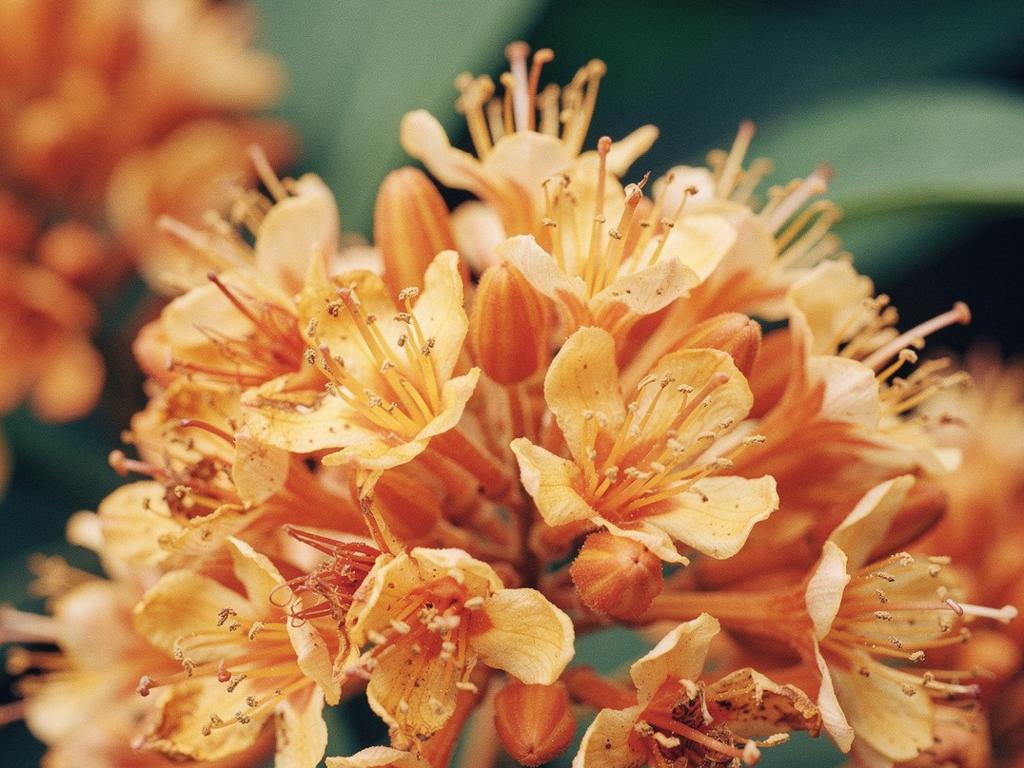
Turmeric has been picked apart in labs for decades, almost always through the same lens: curcumin, the bright yellow pigment everyone points to when they talk about the root's anti-inflammatory reputation. But curcumin is only one piece of a much larger chemical picture. A recent six-month trial went looking somewhere else entirely — at two compounds most turmeric drinkers have never heard of. The results are interesting. They're also smaller and more caveated than the average wellness-site headline suggests. Here's what the study actually found, what it doesn't prove, and how to think about it if you're the kind of person who reads brain-health research for fun (or worry). The extract in question is called CLE. It skips curcumin altogether and instead concentrates two other compounds found in the turmeric plant: turmeronols (A and B) and bisacurone. Both have shown anti-inflammatory activity in brain cells in earlier lab work — turmeronols seem to quiet inflammatory signalling in the brain's immune cells, and bisacurone appears to calm inflammation in the cells lining blood vessels. Why does that matter? Because low-grade, long-running inflammation in the brain has been repeatedly linked to faster cognitive decline. If a compound can dial that background noise down, the theory goes, it might help the brain hold onto function a little longer. That's the mechanism the researchers wanted to poke at. The trial itself was modest in scale: 40 healthy adults between 40 and 69 years old, all showing subtle cognitive changes that still fell within the normal range for their age. Half took two CLE capsules daily. Half took a placebo. Everyone was tested at baseline, at 12 weeks, and again at 24 weeks. Thirty-five different cognitive measures were tracked. Out of those 35 measures, two showed a statistically significant improvement in the CLE group versus placebo after 24 weeks. Both are worth knowing about. The first was orientation — your awareness of time, place, and what's going on around you. This improvement showed up on two different tests: an eye-tracking cognitive assessment and the MoCA-J, a well-known screening tool used to flag mild cognitive impairment. Getting the same signal on two different instruments is more convincing than a single test result on its own. The second was attention — the ability to focus on one thing and tune out the rest. That one only showed up on the eye-tracking assessment, so it's a slightly weaker signal, but still notable. Both orientation and attention are among the first cognitive skills that tend to slip as people age, which is exactly why researchers pay attention to them. Now the fine print, which the press release version of this story tends to skim past. There are three things anyone considering this extract should sit with before pulling out a credit card. Add those three together and what you have is a preliminary signal worth watching, not a slam-dunk case for a new supplement habit. No. And this is where a lot of readers will get tripped up. CLE is a specific extract produced through a combination of hot-water and supercritical CO2 extraction, standardized for turmeronols and bisacurone content. Almost every turmeric supplement on a health-food shelf is standardized for something completely different: curcumin, usually paired with black pepper (piperine) to help absorption. So sprinkling more turmeric on your rice, or swallowing your usual curcumin capsule, is not the same intervention as what the study tested. You may be getting other benefits — curcumin has its own body of research — but you're not getting a meaningful dose of the compounds this particular trial looked at. If someone tells you “science says turmeric boosts brain function,” and points to this study, that's a sleight of hand worth catching. Cognitive supplements are a crowded, noisy category. A few honest habits will save you money and disappointment. The mechanism the researchers were chasing — that chronic low-grade inflammation contributes to cognitive decline — is genuinely one of the more interesting threads in brain-aging research right now. People living with sustained inflammatory conditions do tend to show faster cognitive slippage than those without, which is why anti-inflammatory strategies keep getting attention. But “anti-inflammatory” is a huge tent. It includes diet patterns like the Mediterranean approach, regular movement, decent sleep, treating gum disease, managing autoimmune conditions, and yes, potentially some plant compounds. Pinning your hopes on one extract while ignoring the rest is a bit like buying premium windshield wipers for a car with bald tires. The wipers are fine. They're just not the problem. For readers whose interest in brain health overlaps with an interest in deeper healing work — trauma, stuck patterns, the long shadow of chronic stress — plant medicine retreats are another avenue people explore, though a very different one from a capsule. If that's a thread you're pulling on, curated plant-medicine retreats can be browsed on our marketplace here. As for CLE itself: keep an eye on it. If a larger, independently funded trial replicates the orientation and attention findings, the story gets a lot more interesting. Until then, it's an early signal in a small study — worth knowing about, not worth reorganizing your medicine cabinet over.
Craving More Stories?
Join our ShopAyahuascaRetreats newsletter for the latest updates on thrilling
destinations and inspirational tales, delivered straight to your inbox!
We value your privacy. Your email address will never be shared or published.
Ayahuasca and Identity: What Plant Medicine Reveals About the Self
There's a moment, usually somewhere in the second or third hour of an ayahuasca ceremony, when the story you've been telling yourself about who you are starts to come apart at the seams. Not violently. Not always. Sometimes it happens more like a slow unraveling — a thread you didn't know was loose gets tugged, and suddenly the whole tapestry of your identity looks like a costume you've been wearing for decades. People come to ayahuasca retreats for a lot of reasons. Addiction. Depression. Grief they can't process. A creeping sense that something's fundamentally off. But underneath most of those specific complaints is a quieter, harder question: who am I actually, when you strip away the roles? That's the question the medicine tends to answer, whether you asked it out loud or not. Ayahuasca doesn't care about your LinkedIn profile. It doesn't care that you're a lawyer, a mother, a recovering addict, a Buddhist, a skeptic. Those identities are useful in daily life — they help you navigate school pickup and tax returns — but in ceremony, they tend to get set aside. What's left underneath is often unfamiliar, sometimes uncomfortable, and occasionally the most honest version of yourself you've encountered in years. Psychologists who study psychedelics have a name for part of this: ego dissolution. The parts of your brain that usually maintain the boundary between you and everything else temporarily quiet down. What people describe on the other side of that quieting is remarkably consistent across cultures — a sense of belonging to something larger, a loosening of the grip that shame or fear or self-image had on their daily functioning. This is one of the reasons plant medicine has drawn so much attention for addiction recovery, trauma work, and stuck life patterns. When the identity built around I am someone who drinks or I am someone who is broken temporarily loosens, there's an opening for something else to move in. That opening is the whole point. Sit with facilitators long enough and you notice patterns in who walks through the door. There's the corporate high-achiever who realized last year that the promotion didn't fix anything. There's the person in their late twenties who has done every kind of talk therapy and still feels like a stranger in their own skin. There's the parent whose children have left home and who now has to figure out what they want, which they haven't asked in twenty-five years. What they share isn't a diagnosis. It's a question. Some version of: if the identity I've been performing isn't really me, then what is? Ayahuasca has a reputation for being unusually direct about that question. It doesn't hand you a new label. It tends to show you, sometimes uncomfortably, that the old ones were never the whole story. People who identify strongly with a particular label going into a ceremony — spiritual seeker, empath, highly sensitive, chronic something — often report that the medicine either deepened their understanding of that identity or dismantled it entirely. Neither outcome is better. Both are information. In the Amazonian traditions where ayahuasca comes from, the brew is one of several “master plants” — teachers, essentially. The idea is that certain plants, taken with proper preparation and under guidance, transmit specific kinds of knowledge and healing. Ayahuasca is often described as the plant that shows you yourself. Tobacco (mapacho), chacruna, bobinsana, and others are considered teachers in their own right, each with a different personality and specialty. This framing is worth taking seriously, whether or not you buy the metaphysics. Approaching the medicine as a teacher rather than a drug tends to change how people prepare, how they behave in ceremony, and what they take away from it. It's a very different orientation than let's see what this substance does to my brain. Facilitators trained in these traditions will often say the plant chooses what to show you. You come with an intention — say, I want to understand my anxiety — and the medicine might show you something entirely different that turns out, in retrospect, to be exactly what needed addressing. This is one reason why setting rigid expectations rarely works. The clinical term makes it sound like a lab procedure. The lived experience is stranger and more varied than any single description can capture. Some people describe becoming a point of awareness with no body attached, floating in something that feels like warm water made of light. Others describe watching their own life play back like a film and realizing they weren't the main character they'd assumed they were. A few common threads: That last one is worth flagging. Not every ceremony is blissful. The medicine has a reputation for showing people what they've been avoiding, and identity is often at the top of that avoidance list. This is why facilitator skill, retreat vetting, and integration support matter so much. Here's what nobody selling a retreat wants to say too loudly: the ceremony is the easy part. What happens in the weeks and months afterward — how you translate the insights back into a life that still has a mortgage and a job and family dynamics — is where most of the difficulty lives. People who come home from an ayahuasca retreat convinced they've been fundamentally changed sometimes discover, three months later, that the old identity has quietly reasserted itself. The insights are still there, but the behaviors haven't shifted. This is normal. It's also solvable, but it requires deliberate work. Practical integration tools that actually help: If what's drawing you toward ayahuasca is a question about who you are — rather than, say, a specific clinical condition — a few things matter more than the brochure photos. Look for retreats that take screening seriously. If they'll book you without asking about your mental health history, medications, and preparation, that's a red flag. Ask what integration support they offer after the last ceremony. “We'll send you a PDF” is not integration. Ask how many ceremonies are in the program and how many participants per facilitator. Ratios matter enormously when someone is unraveling at three in the morning. Ask about the lineage of the facilitators — where they trained, with whom, for how long. Ayahuasca has, unfortunately, attracted a fair number of people who took a workshop and started calling themselves shamans. The traditional apprenticeships take years, and the difference in ceremony quality is not subtle. Finally, trust your gut on the phone. If someone selling you a $3,000 retreat can't answer basic questions about safety, contraindications with your medications, or what happens if you have a difficult night — keep looking. For readers who want to take this further, a range of carefully vetted ayahuasca and plant-medicine retreats can be browsed on our marketplace here, which is a reasonable place to start comparing lineages, locations, and approaches without the pressure of a sales call. Months after a good ceremony, most people don't remember the visuals in much detail. What tends to stay is a quieter shift in how they hold the question of identity. Less clenching around who they think they should be. More curiosity about what they actually are, moment to moment, when nobody's watching and nothing's being performed. That's not a personality transplant. It's more like the volume being turned down on a station that was blaring your whole life. Whether the medicine is right for you is a question only you can answer, ideally after doing your homework, talking to people who've done it, and being honest about what you're actually looking for. If the answer is yes, prepare well. If the answer is not yet, that's also fine. The plants have been around for a long time. They'll be here when you're ready.
Why Imagination Beats Resilience When You're Healing From Grief
There's a word that gets thrown around every time life falls apart: resilience. You hear it from therapists, self-help podcasts, corporate wellness emails, and well-meaning relatives at funerals. Be resilient. Bounce back. Toughen up. The implication is that grief, trauma, and the sort of ache that follows heartbreak or addiction or loss can be met with a kind of rubbery elasticity — you stretch, you snap back, you carry on. I've come to think that's mostly wrong. Or at least, incomplete in a way that leaves people feeling worse. If you've ever sat with someone in the middle of real suffering — a person grieving a partner, a friend detoxing off years of substances, someone processing what came up in a plant medicine ceremony — you already know. They aren't rubber. They aren't tough. They're raw, and asking them to be resilient can feel like handing them a stone and telling them to swim. What might actually help instead is a much softer, more patient skill: imagination. Not the daydreaming kind. The pragmatic kind. The kind that quietly rewires how you meet the moment in front of you. The dictionary will tell you resilience is the ability to recover quickly from difficulty. The word carries an assumption baked right into it — that there's a prior shape you're supposed to return to. Your old life. Your old self. The person you were before the diagnosis, the breakup, the death, the addiction, the ceremony that cracked you open. Here's the trouble. That person is gone. Anyone who has walked through real loss can tell you this in the first ten seconds of conversation. Grief experts sometimes describe it as the shift from Life One to Life Two — you don't stretch back into your original form, you get reshaped into something else entirely. Ayahuasca drinkers describe the same thing in different language. So do people finishing an ibogaine treatment for opioid dependence. Something in you is no longer available for return. So when the culture keeps handing you the metaphor of bouncing back, it quietly reinforces the belief that the past was better and the present is a failed version of it. That's a bad foundation for healing. It keeps your gaze pointed backwards, and it makes the small strange gifts of the present — the ones you actually need to notice — invisible. Imagination sounds soft until you look at what happens neurologically when you use it. Researchers at the University of Colorado and Mount Sinai ran a study asking participants to mentally rehearse ways of adapting to various threats. The imagining alone measurably reduced their conditioned fear responses. The prefrontal cortex — the region responsible for planning, decision-making, executive function — lit up and did its job. In behavioral psychology there's a related idea called extinction learning, where reimagining a past event can neutralize some of its emotional charge. This is close cousins with what good psychedelic integration work looks like — you're not erasing what happened, you're loosening its grip by holding it in a new frame. Same principle. Different vocabulary. The point is that imagination isn't fluffy. It's cognitive flexibility, and it's trainable. You can practice it on ordinary Tuesday afternoons and then reach for it when the ground gives out. A lot of readers who end up on pages like this one are quietly circling the question of whether ayahuasca, psilocybin, ibogaine, or another plant medicine might help them move through something heavy. Depression that hasn't shifted. A pattern of addiction. Grief that hasn't loosened after years. Trauma that talk therapy has only politely acknowledged. If that's you, the resilience-versus-imagination distinction matters more than it might seem. Master plants — ayahuasca, San Pedro, iboga, psilocybin, and their traditional counterparts — do not, in my experience of sitting in ceremony and interviewing dozens of facilitators, reward the resilient hardened self. They tend to reward the opposite. Softness. Curiosity. A willingness to imagine that you might be different on the other side of the night. People who arrive at a retreat gripping tightly to who they were, wanting to be fixed and returned to service, usually have the hardest time. People who arrive with a working imagination — some capacity to picture a version of themselves they haven't met yet — tend to move through the work with more grace. This isn't a rule, and plant medicine has its own opinions about who needs what. But it's a pattern worth naming. When you're in the middle of something awful, imagination sounds like a luxury. It isn't. It just has to start absurdly small. After the sudden death of a close family member years ago, I spent weeks unable to picture anything past the next hour. What eventually got me out of bed wasn't a plan. It was imagining putting on my shoes. Then imagining walking to the corner. Then a whole block. That's the scale. Not visualize your best life. Not manifest abundance. Just: what is one small thing I could imagine doing next? A rough sequence that seems to help most people: It's worth drawing a sharp line here. Imagining choices is not the same as positive thinking. Positive thinking assumes an outcome — that things will work out, that the universe is bending toward your good. Anyone who has held the hand of a dying friend knows this isn't reliably true. Sometimes things don't work out. Sometimes the diagnosis is what it is. Imagination is humbler. It doesn't promise a happy ending. It just insists that in almost every moment, you have some choice available — to be kind, to accept help, to notice something beautiful alongside the pain, to try one more thing. Pain creates tunnel vision. Imagination widens the tunnel by a few inches. Sometimes that's the whole difference between drowning and floating. This is where mindfulness practice, plant medicine work, and ordinary human grieving all seem to converge. The goal was never to harden into someone who can't be hurt. The goal is to soften enough that the mystery of what comes next actually has room to arrive. Here's a simple exercise, distilled from years of watching people move through crisis. It takes about ten minutes. None of this is a substitute for professional support, especially if you're navigating serious depression, active addiction, or acute trauma. But it's a companion to that work — and one that costs nothing to try. For readers who are weighing whether a plant medicine retreat might be part of their path forward, a curated selection of ayahuasca and psychedelic healing retreats can be browsed on our marketplace here. Whatever you decide, keep imagining. It's quieter than resilience, and in my experience, it goes further.

Can't Stop Having Imaginary Conversations? What Plant Medicine Taught Me About the Inner Monologue
You're brushing your teeth and suddenly you're defending yourself to your boss. Driving home, you're mid-argument with your sister — the one you haven't spoken to in eight months. In the shower, you're delivering a monologue to an ex who will never hear it. Sound familiar? If your head runs imaginary conversations on a loop, you're in enormous company. It's one of the most common quiet-suffering patterns I hear about from people considering an ayahuasca retreat or psychedelic ceremony. They rarely name it as the reason they're looking into plant medicine — they say depression, anxiety, stuckness. But scratch the surface and there it is: a mind that will not stop rehearsing. And frankly, that endless internal courtroom is exhausting in ways that don't show up on a mental-health questionnaire. The clinical name for this is repetitive imagined dialogue, and it sits somewhere between rumination and mental time-travel. Neuroscientists blame the default mode network — the brain circuitry that lights up when you're not focused on a task. Left to its own devices, the DMN loves to narrate, predict, and re-litigate. It's the machinery of the self, and it's a chatterbox. Some of this is normal. Rehearsing a difficult conversation before it happens can genuinely help you show up better. The problem is when the rehearsal never ends — when your mind stages the same confrontation forty times, or drafts speeches to people who died a decade ago. That's not preparation. That's a nervous system trying to complete something it never got to finish. Here's what nobody says out loud: most imaginary conversations are about power. You didn't get to say what you needed to say. Someone hurt you and walked away clean. A parent never apologised. A partner never understood. The mind keeps running the loop because the actual event never resolved, and the psyche is still trying to close the file. Not all mental dialogue is bad. There's a version of it that's genuinely useful — working out what you actually think, rehearsing a boundary you're going to set, imagining how a friend might respond so you can plan around it. That kind of thinking has an endpoint. You get somewhere and then you stop. Looping is different. Looping has no endpoint. You have the same argument in your head at 7am, 2pm, and 11pm, and none of the three rounds got you anywhere. The emotional charge doesn't discharge — it just recirculates. If you notice yourself feeling more agitated after an imaginary conversation than before it, that's the tell. You're not processing. You're rehearsing pain. A quick self-check: after a mental conversation, do you feel clearer, or do you feel more wound up? If it's the second one, consistently, the pattern has become a habit your brain runs to avoid something else — usually a feeling underneath that hasn't been allowed to surface. This is the point at which people start googling ayahuasca. And I understand why. When you've spent years unable to interrupt your own mind, the idea of a substance that quiets the default mode network sounds like a jailbreak. Here's what actually happens, based on ceremony after ceremony I've witnessed and sat through. Ayahuasca doesn't switch off the internal dialogue — not exactly. What it does, along with psilocybin and other classic psychedelics, is temporarily loosen the grip of the self-referential mind. Brain-imaging studies from the last several years show reduced default mode network activity under these substances. Translated into human language: the narrator goes quiet, sometimes for the first time in decades. What people describe afterward isn't that the imaginary conversations vanished. It's that they saw them from outside. The person they'd been mentally arguing with for years appeared in the vision — sometimes literally, sometimes symbolically — and something shifted. The conversation completed itself. The file closed. I want to be careful here. Plant medicine is not a delete button for obsessive thinking. Some people leave ceremony with the loops intact. Others report weeks or months of quiet followed by the patterns creeping back. The lasting change tends to come from what you do in the months after — the integration work, the therapy, the practices you build. The medicine opens a window. You still have to walk through it. Whether or not you ever sit in ceremony, there are things that reliably reduce the loop. Not cure it — reduce it. Anyone promising a cure is selling something. Meditation helps too, though I'll be honest: for people with heavy mental chatter, early meditation often makes it worse before it makes it better. You sit down to be quiet and suddenly the volume goes up. That's normal. It's not the meditation causing the noise — it's you finally noticing what was always playing. Plant medicine can be a genuine circuit-breaker for stuck patterns, including obsessive mental dialogue. But it's not a starting point for everyone. If you're in acute crisis, unstable housing, or a fragile mental-health period, a ceremony can amplify what's already loud. Reputable retreats screen for this and turn people away — and if a retreat doesn't screen you carefully, that's a red flag in itself. Good candidates tend to be people who have already tried the ordinary tools — therapy, meditation, exercise, honest conversations — and hit a ceiling. Something in them wants to move and can't. The loops are part of that stuckness. For those people, a well-run ayahuasca or psilocybin retreat, chosen carefully, with real integration support afterward, can genuinely shift things. What to look for: experienced facilitators with lineage or clinical credentials, small group sizes, thorough medical and psychological screening before you arrive, a real integration process after (not just a farewell breakfast), and honest conversation about what plant medicine can and cannot do. Anyone promising transformation in a single sitting is either naive or selling. If any of this resonates and you want to see what's actually available — the ayahuasca ceremonies, psilocybin retreats, and other plant-medicine offerings run by facilitators who take screening and integration seriously — a curated selection can be browsed on our marketplace here. Take your time with the decision. The loops in your head have been there a while. They can wait another few weeks while you choose well.
Gut Jet Lag Is Real: How Travel Disrupts Your Microbiome (and What Actually Helps)
You land in Lima at dawn. Your body says it's midnight. You're bloated, weirdly constipated despite the two liters of water you drank on the plane, and the thought of breakfast makes your stomach fold in on itself. You blame the airline food. You blame the ceviche you haven't even eaten yet. But something else is going on down there — something researchers are starting to call gut jet lag. If you're heading to South America for a plant medicine retreat, or flying halfway across the world to sit in ceremony, this matters more than you'd think. A wrecked gut heading into a dieta is a rough start. And the fix, it turns out, begins days before you ever board the flight. Most of us think of jet lag as a brain problem — you're wired at 3 a.m., foggy at noon, and mildly murderous by dinnertime. That's your central circadian clock, the one governed largely by your brain and by light hitting your eyes. But it's not the only clock you have. The trillions of bacteria in your digestive tract run on their own daily schedule too, and that schedule takes cues from when you eat, when you sleep, when you move, and how much daylight you're getting. When you cross five, eight, twelve time zones in a single day, your gut microbes don't get the memo. They're still expecting the yogurt you'd normally eat at 8 a.m. back home. Instead they get airplane pretzels at what their internal clock believes is 3 a.m. Multiply that mismatch across a whole community of microorganisms and you get what a recent scientific review describes as a temporary shift in the balance and function of the microbiome itself. The consequences are the ones any long-haul traveler recognizes. Bloating that won't quit. Constipation that laughs at hydration. A general heaviness in the belly that makes the first two or three days of a trip feel like you're moving through mud. Some researchers think there's also a dip in the production of short-chain fatty acids — the compounds your gut bacteria make that help keep your intestinal lining, immune system, and metabolism humming. Here's the thing nobody warns you about when you book that ayahuasca retreat in the Sacred Valley or an ibogaine center in Mexico: you're not just arriving tired. You're arriving with a gut that's operating on a different continent from the rest of you. And you're about to ask that gut to do some serious work. Ayahuasca is a purgative. San Pedro asks a lot of the digestive system too. Most retreats begin with a light diet — no salt, no sugar, no heavy oils, minimal onions and garlic — precisely because they want your body in a calm, receptive state for the medicine. If your microbiome is already scrambling to figure out what time zone it's in, adding a strict dieta on top can amplify the discomfort. Facilitators sometimes describe first-night purges as harsher when guests arrive fried from long flights and no adjustment period. The same logic applies to any retreat where the substance touches the gut directly — psilocybin ceremonies, kambo (which is aggressive on the digestive tract by design), even the traditional preparation days before a bufo session. Showing up regulated matters. Which brings us to what you can actually do about it. The research points to a field called chrononutrition — the study of when you eat, not just what. And the practical takeaway is surprisingly simple: start shifting toward your destination's schedule before you leave home. A rough playbook that seems to work for a lot of retreat travelers: You've stepped off the plane in Iquitos or Cusco or Tepoztlán. You're tired. You're a little wired. Here's where the small choices in the first 24 hours pay outsized dividends over the coming week of ceremony. Get outside. Get sunlight on your face within an hour of local sunrise if you can possibly manage it. This is the single most powerful cue you can give your circadian clock, and by extension your gut. Light through the eyes at dawn tells every clock in your body — including the microbial ones — that a new day has begun. It's more effective than any supplement. Eat at local meal times even if you're not hungry. This feels counterintuitive when your stomach is protesting, but a small, simple meal at the right local hour is more useful than a big meal at the wrong one. Think broth, cooked grains, steamed vegetables, maybe a piece of fruit. Nothing your gut has to work overtime to break down. Move your body gently. A walk around the retreat grounds, some light stretching, a swim if there's water nearby. Movement helps motility, and motility is often the first thing to seize up after a long flight. And give yourself a buffer day. This is the piece most people skip and later regret. If your retreat begins on a Monday, don't fly in Sunday night. Fly in Friday or Saturday. Two nights of local sleep and three local meals will do more for your ceremony experience than almost any other single preparation choice. Facilitators will tell you the same thing if you ask. Plant medicine work is fundamentally about the nervous system meeting itself in an unusual state. Ayahuasca, psilocybin, iboga — these master plants aren't just chemistry hitting receptors. They ask your whole physiology to open up, soften, and let something move through. A dysregulated gut is a dysregulated vagus nerve is a dysregulated nervous system. Everything is connected in there, and the gut-brain axis isn't a metaphor — it's a highway of nerves and signaling molecules running between your belly and your brainstem. This is part of why the traditional Amazonian dieta exists in the first place. Long before anyone was studying microbiomes, curanderos understood that the medicine works better in a clean, quiet body. The dieta strips things back so the plant can speak clearly. Modern research on chrononutrition and gut circadian rhythms is, in a way, catching up to what plant medicine cultures have been practicing for centuries. You don't need to be perfect about any of this. Vacation bloat happens. Ceremony purging happens. The point isn't to arrive at your retreat in some pristine state of biochemical readiness — the point is to give your body a fighting chance to be present for the work you came to do. Prep the gut. Prep the sleep. Show up rested-ish. The rest is between you and the medicine. If you're in the research phase and weighing where to actually do this work, a curated selection of ayahuasca and plant medicine retreats can be browsed on our marketplace here. Take your time with the decision — and give your gut a head start.
Is There a Must-Try Psychedelic? An Honest Look at Plant Medicines
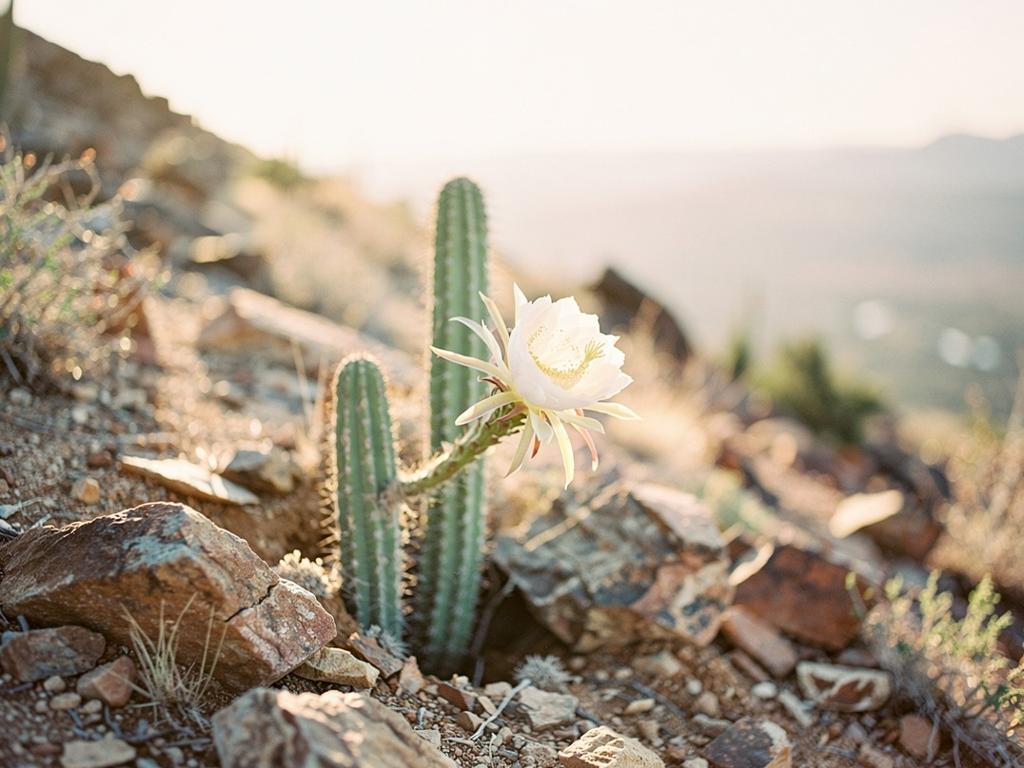
Every so often someone messages me with a version of the same question: if I only try one psychedelic in my life, which one should it be? It's a fair thing to ask. Plant medicines and psychedelics aren't cheap, they aren't always legal, and they demand something of you — time, courage, a certain willingness to be undone for a few hours. So the impulse to pick the “right” one makes sense. But here's the thing. There isn't a must-try substance. There's a must-try process — sitting with intention, in a safe container, with people who know what they're doing. The chemical is the vehicle, not the destination. Still, different vehicles take you to different terrain, and if you're weighing an ayahuasca retreat against a psilocybin ceremony against something more obscure, it helps to understand what each one actually offers. So let's walk through them honestly. Ayahuasca gets talked about the way people talk about serious surgery — with respect, a little fear, and the acknowledgement that it changes you. The brew combines the Banisteriopsis caapi vine with a DMT-containing plant like chacruna, cooked for hours under the guidance of a curandero. What you drink is bitter, thick, and unforgiving. What happens next is often described as the hardest and most meaningful night of a person's life. People come to ayahuasca for specific reasons: trauma that hasn't budged in years of therapy, addiction that's outlasted every rehab, depression that sits like fog. The medicine works, when it works, by showing you things — memories, patterns, ancestral echoes, sometimes visions that feel more real than the room you're sitting in. It also purges you, physically and emotionally. The bucket beside your mat is not decorative. An ayahuasca retreat isn't a weekend party. Serious centers require dietary preparation — no pork, no alcohol, no fermented foods, sometimes no sex — for a week or more before you arrive. Most retreats run five to twelve days and include multiple ceremonies, integration talks, and rest. Prices in Peru or Costa Rica typically land between $1,500 and $4,500 depending on the center. This is the medicine to consider if you're carrying something heavy and you're ready to look at it. If ayahuasca is deep surgery, psilocybin is more like a long, honest conversation with yourself. Mushrooms have a shorter arc — usually four to six hours — and the experience tends to feel more personal, less mythic. You're less likely to encounter jungle spirits and more likely to encounter your own childhood, your relationships, the parts of your life you've been avoiding. Psilocybin has become the most heavily researched psychedelic of the past decade. Trials at Johns Hopkins, Imperial College London, and NYU have shown genuine promise for treatment-resistant depression, end-of-life anxiety, tobacco addiction, and alcohol use disorder. In Oregon and Colorado it's now legally accessible in supervised settings. Retreats in Jamaica, the Netherlands, and Mexico have grown into a small industry of their own. For someone new to psychedelic healing — someone who wants the depth without the physical intensity of ayahuasca — a psilocybin retreat is often the more sensible starting point. You still need preparation and integration. You still need a good facilitator. But the medicine tends to meet you closer to where you already are. Ibogaine sits in a category of its own. Derived from the root bark of the iboga plant, used ceremonially by the Bwiti people of Gabon, it's known primarily for one thing: interrupting opioid dependence. A single high-dose session can eliminate withdrawal symptoms from heroin, fentanyl, or methadone in a way nothing else in modern medicine reliably does. That's not marketing. That's what the outcome data — and the veterans who've flown to Mexico to get it — keep showing. The catch is that ibogaine is cardiotoxic. It can slow your heart in dangerous ways, and people have died in unsupervised settings. This isn't a substance to seek out casually. Legitimate ibogaine clinics require an EKG, bloodwork, and often a cardiologist on staff. Sessions last twenty-four to thirty-six hours and are usually described as more visionary and reflective than pleasurable — long, dreamlike reviews of one's life, sometimes uncomfortable, rarely mystical in the ayahuasca sense. If you or someone you love is looking at ibogaine, look at it seriously. It's arguably the most effective single tool we have for opioid addiction. It's also the one that demands the most medical caution. The mescaline cacti — San Pedro (huachuma) in the Andes and peyote in northern Mexico — offer something different again. Where ayahuasca goes deep and mushrooms go inward, mescaline tends to open the chest. People describe San Pedro ceremonies as long, gentle, and profoundly loving. The medicine lasts eight to twelve hours, often taken in daylight, sometimes with the shaman leading walks through the mountains. San Pedro doesn't tend to purge you the way ayahuasca does, and the visuals are subtler. What it does, quietly, is dissolve the armor around your heart. People arrive at retreats numb from grief or divorce or years of overwork and leave feeling something they'd forgotten how to feel. Peyote is more sacred, more restricted, and rightly so — it's endangered and central to the Native American Church's religious practice. San Pedro is the more accessible sibling for outsiders. Kambo isn't a psychedelic. It's the secretion of a giant tree frog, applied through small burns on your skin, and it triggers about fifteen minutes of intense physical purging — vomiting, sweating, a pounding heart. Most retreats offer it as a preparation for ayahuasca, a way to clean the body before the deeper work. Whether it does what practitioners claim is up for debate, but many participants swear by it. Bufo, or 5-MeO-DMT, is another one that comes up. It's short — ten to twenty minutes — and often described as the closest thing humans have to a death and rebirth experience in a single hit. It's not a starting point. It's not something to do because you're curious. If it calls you, it calls you after other work has been done. Here's the honest answer: the right medicine is the one that matches what you're actually dealing with. And here's a caveat that matters. None of these substances is a magic reset button. People who benefit most from psychedelic healing are the ones who do the work around the medicine — the therapy before, the integration after, the willingness to actually change the things the medicine points to. Without that, you get a memorable night and not much else. Whichever medicine calls to you, the retreat matters more than the chemistry. A poorly run ayahuasca ceremony can leave you worse than you arrived. A well-run psilocybin session can be genuinely life-changing. Look for facilitators with real training and years of experience, small group sizes, clear medical screening, transparent pricing, and structured integration support. Ask questions. Read participant accounts, not just the retreat's own testimonials. Trust your gut — if the marketing feels off, it usually is. If any of this has you leaning toward exploring further, a curated selection of ayahuasca, psilocybin, ibogaine and San Pedro retreats can be browsed on our marketplace here. Take your time with the decision. The medicine will still be there when you're ready.
Dreaming of a Psychedelic Retreat?
We have the best deals and offers from thousands of organizers all over the world! Get them into your mailbox every week!
We value your privacy. Your email address will never be shared or published.
