 English
 Deutsch
 Français
 Nederlands
 Español
SHOP AYAHUASCA RETREATS BLOG
Ibogaine in Mexico: What an Addiction-Recovery Treatment Actually Looks Like
Liam Beckett
June 13, 2026
Your ultimate guide to discover transforming ayahuasca and psychedelic experiences. Dive into serene destinations and elevate your consciousness to unparalled heights.
Discover Ayahuasca & Psychedelic Retreats NowSearch for ayahuasca & psychedelic retreats
Discover retreats, trainings, and holidays from all over the world
Somewhere outside Tijuana, a man in his thirties is lying on a single bed in a clinic room, an EKG patch on his chest, a bucket beside him, and a heroin habit he hasn't been able to shake for eleven years. In about forty minutes he'll swallow a capsule of ibogaine. By tomorrow morning, if the clinicians have done their job and his heart cooperates, he'll be on the other side of what he describes — in the matter-of-fact way only an exhausted person can — as his last shot.
This is the part of the psychedelics conversation that doesn't trend on social media. No ayahuasca-by-candlelight aesthetic, no influencer microdosing reels. Just people with serious addictions, often opioid addictions, traveling to Mexico because the medicine they want is a Schedule I substance in the United States. If you've landed on this article, there's a decent chance you're researching it for yourself or someone you love. So let's talk about what ibogaine actually is, what a treatment looks like, what the risks are, and how it fits into the wider world of plant medicine and psychedelic-assisted addiction recovery.
What Ibogaine Actually Is
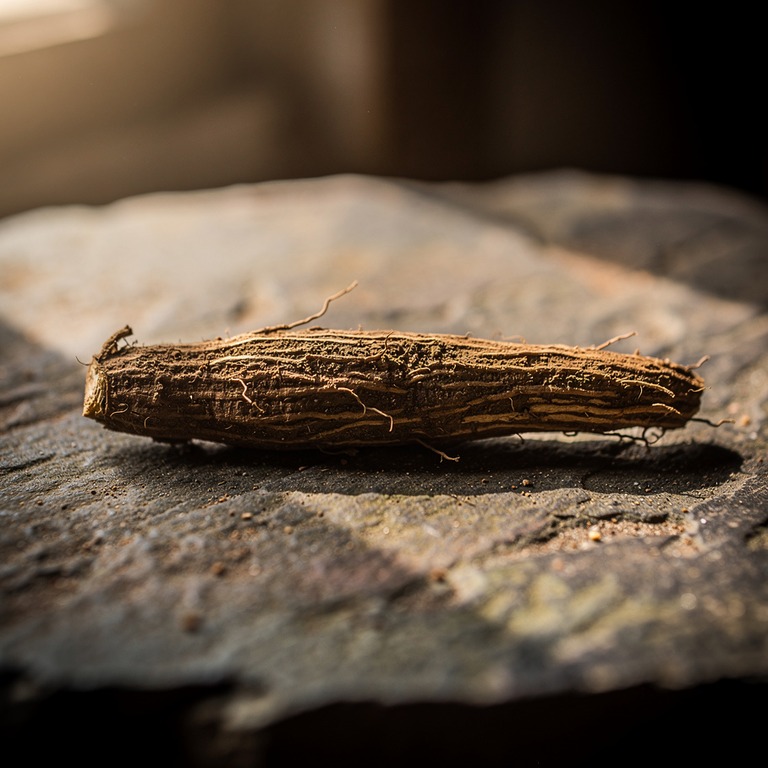
Ibogaine is the primary psychoactive alkaloid in the root bark of Tabernanthe iboga, a shrub native to West and Central Africa. The Bwiti tradition in Gabon has used iboga for centuries in initiation rites — long, intense ceremonies that can last more than a day. Iboga is one of the original master plants, in the same way ayahuasca, peyote, and psilocybin mushrooms are: a non-recreational teacher used in a structured ritual context, not a party drug.
What put ibogaine on the Western map was the observation, made by a heroin-addicted chemistry student named Howard Lotsof in the 1960s, that a single dose seemed to switch off his withdrawal symptoms and his craving at the same time. People in recovery have been chasing that effect ever since. The pharmacology is genuinely unusual: ibogaine and its metabolite noribogaine interact with multiple receptor systems — opioid, serotonin, NMDA, sigma — in a way that appears to reset some of the neural patterns underlying dependence.
That's why people travel for it. It's not because they want a psychedelic experience for its own sake. It's because nothing else worked.
Why Mexico? Is Ibogaine Legal in the U.S.?
Short answer: no. Ibogaine is Schedule I in the United States, alongside heroin and LSD — meaning the federal position is that it has no accepted medical use and a high potential for abuse. Whether that classification reflects reality is a separate debate, but it's the law. As a result, there are no licensed ibogaine clinics operating openly in the U.S.
Mexico is the most common destination because ibogaine is unscheduled there. A loose network of clinics — some genuinely medical, some closer to retreat centers, a few that probably shouldn't be operating at all — has clustered in places like Tijuana, Rosarito, Playa del Carmen, and Cancún. New Zealand, Costa Rica, the Netherlands, and parts of South Africa also have legal-grey or legal-permitted ibogaine treatment. For Americans, Mexico is closest and cheapest.
A reputable clinic will look more like a small medical facility than a yoga retreat. You should expect cardiac screening before you ever get on a plane, an on-site doctor during the dose, continuous EKG monitoring, and IV access. If a place is offering ibogaine without those things, walk away. I mean that literally.
What the Treatment Actually Feels Like
People who've done both ayahuasca and ibogaine will tell you they are not in the same emotional neighborhood. Ayahuasca tends to be relational, mythic, sometimes terrifying, sometimes blissful — and it's over in five or six hours. Ibogaine is longer, heavier, and more clinical-feeling. Total duration from dose to functional baseline is often 24 to 36 hours, sometimes more.
The arc most people describe goes something like this:
- Hour 0–1: Test dose, then the full dose. Nausea sets in. The room starts to vibrate or hum.
- Hour 1–6: The visionary phase. Eyes closed, lying still (movement makes the nausea worse), people report a flood of autobiographical material — childhood scenes, faces of people they've hurt, the origin of their using. Many describe it as watching a film of their own life rather than a typical psychedelic dreamscape.
- Hour 6–12: The introspective phase. Quieter, more philosophical. Often a sense of being shown the logic of one's own patterns with uncomfortable clarity.
- Hour 12–24+: The grey period. Physical fatigue, ringing in the ears, an inability to sleep but not enough energy to do anything. This part is genuinely hard. Most people remember it as the worst stretch.
- Day 2–3: A sense of lightness. The withdrawal that should be raging is, for many opioid users, simply not there.
That last point is what makes ibogaine remarkable as an addiction-recovery tool. People who would normally be in screaming opioid withdrawal walk out the door without it. The technical term clinicians use is interruption — the medicine appears to interrupt the dependence cycle. It does not, by itself, fix the life that produced the addiction.
The Risks Nobody Should Sugarcoat
Ibogaine can kill you. That sentence belongs near the top of any honest article on this topic. The mechanism is usually cardiac: ibogaine prolongs the QT interval on an EKG, which in vulnerable people can trigger a fatal arrhythmia. Deaths in ibogaine treatment have happened, and the great majority involved pre-existing heart conditions, undisclosed drug use during treatment, or clinics without adequate medical screening.
This is why the choice of clinic matters more than almost any other decision you'll make. A serious provider will:
- Require recent bloodwork and an EKG before accepting you.
- Refuse you if your QT interval, liver enzymes, or electrolytes are off, until they're corrected.
- Have a physician present for the dose and through the night.
- Have emergency cardiac equipment on site, not a thirty-minute drive away.
- Be transparent about the dose they're giving you and why.
Other risks worth naming: ataxia (you genuinely cannot walk safely for many hours, so you need supervision to get to the bathroom), severe nausea, and a small but real chance of psychological destabilization in people with underlying psychotic-spectrum conditions. Ibogaine is not appropriate for everyone, and any clinic that tells you otherwise is selling something.
How Ibogaine Compares to Other Plant Medicines for Addiction
People often ask how ibogaine stacks up against ayahuasca, psilocybin, or kambo for breaking addiction. Honest answer: they're different tools for overlapping problems, and the right choice depends on what you're actually dealing with.
Ayahuasca retreats have a longer track record with alcohol dependence, depression, and the kind of trauma that drives self-medication. The traditional Amazonian setting, the dieta beforehand, the multi-night ceremony arc — these can do deep work, but they don't reliably interrupt acute physical withdrawal the way ibogaine does for opioids. Psilocybin shows promise for alcohol use disorder and tobacco cessation in clinical trials, but again, it's working on the psychology more than the pharmacology of dependence. Kambo, the Amazonian frog secretion, is sometimes used as a complement before or after other plant medicines, not as a primary intervention for addiction.
If the problem is a serious opioid habit and the body is physically hooked, ibogaine is the medicine that most consistently does the unique thing — wiping the withdrawal and resetting cravings in a single session. If the problem is years of drinking to cope with unprocessed trauma, an ayahuasca retreat or a guided psilocybin experience may be a better fit. Some people end up doing more than one, in sequence, with significant integration time between.
Before and After: The Part That Decides Whether It Works
Here's the thing nobody wants to hear after spending six to ten thousand dollars on a clinic stay: the dose is not the treatment. The treatment is what you do in the year after.
Ibogaine appears to give people a window — somewhere between two weeks and several months — where cravings are quieter and old patterns feel less compulsory. If you walk back into the same apartment, the same friend group, the same job that made you miserable, that window closes and the addiction comes back. People who get durable results almost always make structural changes during the window: a new living situation, sober community, ongoing therapy, sometimes a second psychedelic experience like an ayahuasca ceremony or psilocybin session months down the line to consolidate the shift.
Practical preparation before treatment matters too. That means tapering off long-acting opioids like methadone or buprenorphine well in advance under medical supervision (these block ibogaine's action and complicate the cardiac picture), eating cleanly for a couple of weeks, lining up your aftercare before you leave home, and being honest — really honest — on the medical intake form. The clinic can't protect you from a heart condition you don't disclose.
Is It Right For You?
Ibogaine is a serious medicine for a serious problem. It is not a curiosity tour. If you are reading this because you are tired in a way that nothing else has touched, and the conventional addiction-recovery system has not worked for you, it deserves a closer look — alongside ayahuasca, psilocybin, and the broader world of plant medicine for addiction recovery. If you're reading it because you're curious about psychedelics in general, start somewhere else. There are gentler doorways into this work.
Whatever you decide, do the research with the same seriousness you'd bring to choosing a surgeon. Ask clinics for their medical protocols in writing. Ask how many cases they've had, what their adverse-event record looks like, how they handle aftercare. Talk to former patients, not just the testimonials on the website. For readers who want to take this further, a range of vetted ibogaine and plant-medicine retreats can be browsed on our marketplace here — a starting point for the longer conversation you'll want to have with providers, doctors, and the people in your life who'll be there when you get home.

Craving More Stories?
Join our ShopAyahuascaRetreats newsletter for the latest updates on thrilling
destinations and inspirational tales, delivered straight to your inbox!
We value your privacy. Your email address will never be shared or published.