 English
 Deutsch
 Français
 Nederlands
 Español
SHOP AYAHUASCA RETREATS BLOG
Ibogaine Without DMT: What to Expect From a Pure Iboga Journey

Stella Vance
September 5, 2026
Your ultimate guide to discover transforming ayahuasca and psychedelic experiences. Dive into serene destinations and elevate your consciousness to unparalled heights.
Discover Ayahuasca & Psychedelic Retreats NowSearch for ayahuasca & psychedelic retreats
Discover retreats, trainings, and holidays from all over the world
Most people who find their way to ibogaine arrive with a specific question rattling around their head: what does it actually feel like on its own, without ayahuasca or any other psychedelic layered on top? It's a fair thing to ask. The internet tends to blur these medicines together, as if a plant-medicine retreat is a buffet where you sample a bit of everything. Iboga doesn't work that way. And for readers weighing addiction recovery, trauma work, or a hard reset of stuck patterns, understanding what ibogaine does — solo, undiluted, on its own terms — matters more than any comparison chart.
Let's talk about that honestly. No hype, no romance about the sacred vine or the bark. Just what happens, what it feels like, and how to decide whether it's the right tool for what you're carrying.
What Is Ibogaine, Really?
Ibogaine is the primary psychoactive alkaloid extracted from the root bark of Tabernanthe iboga, a small shrub native to West and Central Africa — Gabon in particular, where the Bwiti tradition has used it in initiatory ceremony for generations. Unlike ayahuasca, which is a brew combining DMT-containing leaves with a MAOI vine, ibogaine is a single molecule. There's no DMT in it. There's no need for DMT with it. The comparison people make between the two often confuses more than it clarifies.
What ibogaine does share with classical psychedelics is the capacity to produce intense visionary states, deep autobiographical review, and a temporary rewiring of how the brain approaches craving and habit. What sets it apart — and this is the part that draws people struggling with opioid or stimulant addiction — is its documented ability to interrupt withdrawal and reduce cravings in a single session. That's not a claim you can make about ayahuasca. It's not really a claim you can make about anything else.
Why People Ask About Ibogaine “Without” DMT in the First Place
The question comes up because a lot of retreat centers, particularly in Mexico and Costa Rica, offer combined programs — an ibogaine flood dose followed a few days later by an ayahuasca ceremony, or the reverse. The pitch is usually that iboga does the deep neurological reset and ayahuasca does the heart-opening integration. Sounds tidy on a website. In practice, it's a lot to ask of a nervous system in one week.
Plenty of practitioners will tell you, quietly, that ibogaine alone is more than enough. The experience itself runs long — often 24 to 36 hours of active effects, with a lingering afterglow and physical fatigue that stretches for days. Adding another powerful psychedelic on top of that isn't necessarily deeper work. Sometimes it's just more work, stacked before the first round has finished landing.
So when someone searches for “ibogaine without DMT,” they're often really asking: is the iboga part enough on its own? The honest answer, from what I've seen and heard sitting across from people who've done both: yes, it usually is. Especially for a first journey.
What a Pure Ibogaine Session Actually Feels Like
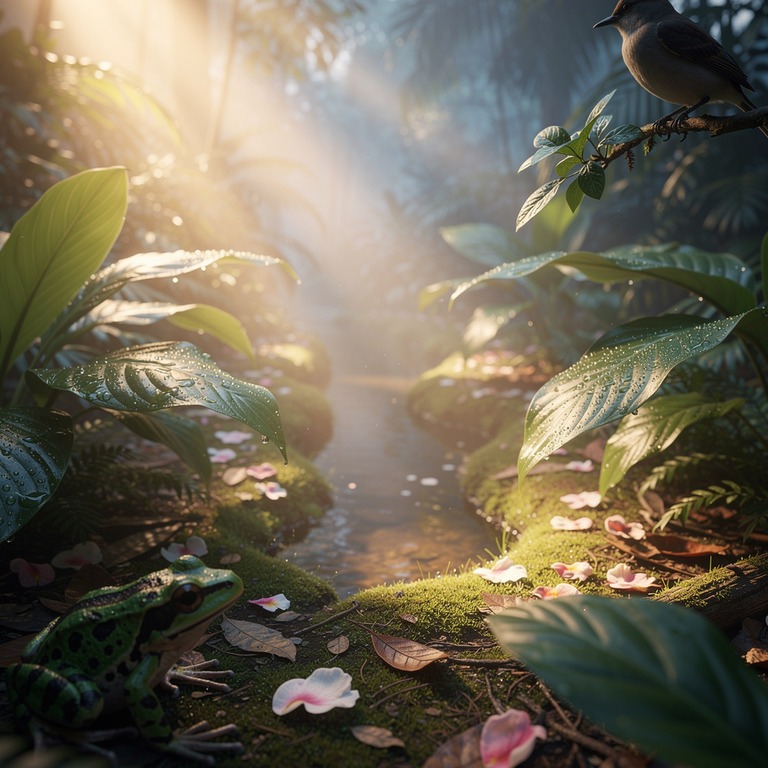
Descriptions vary, but there's a common architecture. The first hour or two after dosing is quiet — a heaviness in the limbs, a metallic taste that lingers, sometimes nausea. Then comes what people call the visionary phase. Eyes closed, you enter something that feels less like a trip and more like watching an unedited film of your own life. Memories surface in sequence. Old scenes replay. Choices you'd rather not revisit demand your attention.
This isn't the kaleidoscopic geometry of a mushroom journey or the mythic entities of an ayahuasca night. It's more sober. More cinematic. People often describe it as being shown their life by something patient and unsentimental. There's a reason iboga is sometimes called the stern grandfather of plant medicines while ayahuasca gets called the grandmother.
After the visionary phase — which can last eight to twelve hours — comes a long introspective plateau. The visions fade but the reflective state remains. You lie there. You think. You piece things together. Sleep doesn't come easily for a day or two afterward. And then, gradually, the world returns, but often with certain compulsions noticeably quieter. Smokers report cigarettes tasting wrong. People in opioid recovery report the physical grip of withdrawal simply gone. That part isn't mystical. It's pharmacological, and it's been documented in clinical settings for decades.
Ibogaine for Addiction: What the Evidence Actually Shows
This is where ibogaine earns its reputation. Research from clinics in Mexico, New Zealand, and Brazil has consistently found that a single ibogaine session can interrupt opioid dependence — eliminating acute withdrawal symptoms within hours and dramatically reducing cravings for weeks or months afterward. It's not a miracle. It's not permanent on its own. But as a launching point for real recovery work, it's unlike anything conventional medicine offers.
Some things worth knowing before you go further:
- Ibogaine has real cardiac risks. It can prolong the QT interval on an ECG, which in rare cases has led to fatal arrhythmias. A reputable clinic will require pre-screening bloodwork, an ECG, and a full medical history. If a center doesn't ask for these, walk away.
- It interacts dangerously with many medications, including SSRIs, methadone, and stimulants. Tapering under medical supervision beforehand is not optional.
- It's not a standalone cure for addiction. What it offers is a window — a period of clarity and reduced craving during which the real psychological work of recovery becomes possible. Without integration, aftercare, and often ongoing therapy, that window closes.
- Legality varies. Ibogaine is a Schedule I substance in the United States. It's unregulated or legally accessible in Mexico, New Zealand, Costa Rica, Brazil, and a handful of other countries, which is why most reputable retreats operate there.
How Does Ibogaine Compare to Ayahuasca for Deep Work?
People often want a verdict on this. I'll give you a partial one. Ayahuasca is exceptional for emotional excavation, grief, and reconnecting to a sense of meaning. It works in cycles — usually multiple ceremonies over several nights, each building on the last. It's communal. It's musical. It's mediated by curanderos who sing icaros through the darkness.
Ibogaine is a solo endeavor even when other people are in the room. It's clinical in feel, even in ceremonial settings. It doesn't reveal itself in metaphors; it plays back your actual life. For someone whose central problem is a substance or behavior they can't stop, ibogaine addresses that problem directly in a way ayahuasca generally doesn't. For someone whose central problem is unresolved grief or spiritual disconnection, ayahuasca is often the better fit.
Neither is better. They answer different questions. And doing them back-to-back — while possible — is genuinely a lot. If you're new to plant medicine, choose one, do it well, and give yourself six months to integrate before considering the other.
Choosing a Reputable Ibogaine Retreat
This is the part where most people make expensive mistakes. A safe, well-run ibogaine program should include, at minimum:
- Full medical screening in advance — bloodwork, ECG, medication review, and a conversation with a physician, not just an intake form.
- On-site medical staff during the flood dose, with cardiac monitoring equipment and emergency medication on hand.
- A clear plan for tapering off any current medications before arrival.
- Realistic pricing. Quality ibogaine treatment in Mexico or Costa Rica typically runs between $6,000 and $10,000 for a week-long program with medical oversight. If it's dramatically cheaper, something is being skipped.
- An integration plan that extends beyond the retreat itself — check-ins, referrals to therapists familiar with psychedelic aftercare, and clear guidance on the vulnerable weeks that follow.
Red flags: no medical screening, no ECG, vague answers about staff qualifications, aggressive marketing, promises of guaranteed sobriety, or bundling ibogaine with other psychedelics in a way that seems designed to maximize revenue rather than outcomes.
After the Journey: The Part Nobody Talks About Enough
The days after ibogaine are strange. You'll feel physically wrung out. Sleep is elusive for the first 48 to 72 hours, and when it returns, it's often dream-heavy. The mental clarity many people report can feel almost startling — but it fades if it isn't used. The window ibogaine opens is real. What you do with it determines whether the journey becomes a memory or a turning point.
Integration means concrete things: talking through what came up with someone qualified to hear it, changing environments and relationships that fed the pattern you came to interrupt, building new daily structure before the old defaults reassert themselves. Some people benefit from follow-up microdoses of iboga months later. Others do best with regular therapy and community. There's no single template.
If you're seriously considering this path, take the research phase as seriously as the medicine itself. Read participant accounts. Talk to people who've done it. Ask clinics uncomfortable questions and pay attention to how they answer. For readers who want to go further, a curated selection of ibogaine and related plant-medicine retreats can be browsed on our marketplace here. The right program exists — it's usually not the loudest one.

Craving More Stories?
Join our ShopAyahuascaRetreats newsletter for the latest updates on thrilling
destinations and inspirational tales, delivered straight to your inbox!
We value your privacy. Your email address will never be shared or published.