 English
 Deutsch
 Français
 Nederlands
 Español



Reset. Heal. Grow.
Cooking with Magic Mushrooms: 5 Recipes That Tame the Taste
Anyone who's chewed a dried psilocybin mushroom on an empty stomach knows the first hurdle of a trip isn't the trip — it's getting the things down. The flavor sits somewhere between damp cardboard and forest floor, and for some people it triggers the kind of nausea that overshadows the first hour of an otherwise meaningful experience. So it's no surprise that people who work with magic mushrooms — whether for recreational exploration, microdosing, or as part of broader psychedelic healing — quietly develop their own kitchen tricks. This isn't a guide to getting higher. It's a guide to making the medicine more palatable, easier on digestion, and a little more civilized. A few honest caveats first, then five preparations worth knowing. Psilocybin is sensitive to heat. Not catastrophically so — you're not going to destroy the active compounds by adding mushrooms to a warm sauce — but boiling them aggressively for long stretches will degrade potency. The rule most experienced users land on: keep temperatures below a rolling boil, and add the mushrooms toward the end of cooking rather than the start. Dosage is where most people get into trouble. Cooking doesn't change how much psilocybin you've taken; it only changes how the meal tastes. Weigh your dose before it goes anywhere near a pan. If you're new to this, err lower than you think — a kitchen scale is your friend, eyeballing is not. And legality varies wildly: psilocybin mushrooms remain controlled in most of the United States and across much of Europe, with a handful of decriminalized cities and a slowly growing list of regulated programs. Know your local situation before sourcing anything. One more thing. Eating mushrooms with food generally slows onset and softens the come-up, which some people prefer and others don't. If you're chasing a particular experience — say, a deep introspective journey rather than a casual afternoon — a full stomach changes the curve. Plan accordingly. This is the preparation most longtime users swear by, and for good reason. Honey is a natural preservative, the flavor masks the earthy bite of the fungi remarkably well, and a jar of mushroom-infused honey keeps for months in a cool cupboard. The method is almost embarrassingly simple. Take dried mushrooms, grind them to a coarse powder, and stir the powder into raw honey at roughly a 1:5 ratio by weight. Don't heat the honey — raw is the whole point. Seal the jar and let it sit in a dark cupboard for a couple of weeks, giving it a stir every few days. The honey draws out the active compounds and you end up with something you can spoon onto toast, drop into tea (warm, not boiling), or eat straight off the spoon. The downside: dosing gets fuzzy. You'll know roughly how much psilocybin went into the jar, but distribution isn't perfectly even. Best for people who already know their tolerance and don't mind a little variability. Lemon tek isn't exactly a recipe — it's a preparation technique that's become a kind of folk standard among people who don't want to wait around for the come-up. You grind dried mushrooms into powder, cover them with fresh lemon or lime juice, and let the mixture sit for fifteen to twenty minutes before drinking the whole thing down. The theory is that the acidic environment mimics stomach acid and begins converting psilocybin to psilocin (the actually active compound) before it ever hits your gut. In practice, people report a faster onset — sometimes within twenty minutes rather than the usual forty-five — and a more intense, shorter trip. Some also report less nausea, though others find the citric concentrate rough on an empty stomach. If you try this, dial your dose down. A lemon-tekked gram tends to feel stronger than the same gram eaten dry. Drink it through a straw if your teeth are sensitive to acid, and chase it with water. Of all the preparations, tea is probably the kindest to the stomach. Hot water extracts the active compounds, you strain out most of the fibrous mushroom matter that causes nausea, and you can flavor the brew with ginger, mint, chamomile, or a squeeze of lemon to your liking. Onset with tea tends to be quicker than with whole dried mushrooms — somewhere around the twenty-to-thirty minute mark — and many people find the experience cleaner, with less of the leaden body feeling that whole mushrooms can produce. Chocolate has been paired with psychoactive substances for centuries — the Aztecs were combining cacao with other plant compounds long before modern recreational use was a concept. The bitterness and complexity of dark chocolate covers the mushroom flavor almost completely, which is why this preparation has stayed popular. Melt good-quality dark chocolate gently in a double boiler, or in short bursts in a microwave. Once it's smooth and just warm to the touch — not hot — fold in finely ground dried mushrooms. The mixture should be warm enough to mix evenly but not hot enough to cook the powder. Spoon into silicone molds or roll into truffles and refrigerate until set. The catch is dosing. If you're making a batch, weigh your total dose, divide carefully, and label everything. People have made themselves unexpectedly fly because they forgot which tray was which. Take this seriously — a truffle looks like candy, which is exactly the problem. If you want something that feels like food rather than medicine, a no-cook pesto works beautifully. Because you're not applying heat, you preserve full potency, and the bold flavors of basil, garlic, parmesan, and olive oil bury the earthy mushroom taste under several layers of savor. Blend a generous bunch of fresh basil with pine nuts, garlic, parmesan, olive oil, and a pinch of salt until smooth. Stir your weighed dose of finely ground dried mushrooms into the finished pesto by hand. Toss with cooked pasta that has cooled to just-warm — hot pasta will heat the pesto more than you want. The result is a recognizable plate of food, eaten at a table, which can itself help frame the experience as something calm and intentional rather than illicit. Recipes solve a specific problem — the taste, the texture, the nausea — but they don't solve the bigger questions. Why are you taking mushrooms? Alone or with someone? In what kind of space? With what intention? These are the variables that actually shape what happens during a psilocybin experience, and no amount of clever cooking substitutes for thinking them through honestly. For people working with mushrooms therapeutically — for depression, addiction recovery, grief, or stuck patterns — the kitchen approach has real limits. Working with experienced facilitators in a held container is a different proposition from a recipe at home, and for anyone with a personal or family history of psychosis or bipolar disorder, the home-cooking path is genuinely not advisable. Plant medicine for addiction and trauma work is increasingly being explored through structured retreats with integration support, which is a meaningfully different thing than an afternoon with truffles and a friend. If something here speaks to you and you'd rather work in a supported environment than experiment alone, a range of psilocybin and plant-medicine retreats can be browsed on our marketplace here. Either way: weigh your dose, respect the medicine, and eat something that tastes good while you're at it.
Microdosing Magic Truffles: Practical Methods, Protocols, and What Actually Works
Somewhere between the wellness podcasts and the Reddit threads, microdosing magic truffles became a real conversation — not just a Silicon Valley curiosity. People who would never sit through a full psychedelic ceremony are quietly experimenting with sub-perceptual doses of psilocybin, hoping for a smoother mood, sharper focus, or a gentler relationship with their own anxiety. If you're researching this because you're curious, cautious, or quietly desperate for something to shift, you're in good company. This piece walks through the actual methods people use to microdose magic truffles, the protocols worth knowing about, and the practical questions nobody answers clearly on the first ten Google results. No hype. No promises. Just the working knowledge. A microdose is a tiny fraction of a recreational dose — small enough that you don't trip, ideally small enough that you barely notice anything acute at all. With fresh magic truffles (the underground sclerotia of psilocybin-containing fungi), a typical microdose lands somewhere between 0.5 and 1.5 grams of fresh material. Dried, that's roughly 0.1 to 0.3 grams. The active compound is psilocybin, which your body converts to psilocin. Same chemistry as mushrooms, slightly different legal status in some countries — truffles remain available in the Netherlands, for instance, while mushrooms aren't. The intent isn't to feel altered. It's to feel like yourself, but with the volume on the unhelpful inner critic turned down a notch. People report better mood, more creative flow, less rumination. Others report nothing at all, or feel mildly anxious. Both are normal. Anyone who tells you microdosing is universally transformative is selling you something. Truffles tend to be milder and more consistent in fresh form, which makes dosing a little less of a gamble for beginners. They're also legally available in a few jurisdictions, which removes the grey-market anxiety from the experiment. The trade-off is that fresh truffles have a short shelf life, so you'll need to either use them quickly or learn to dry them properly. There's no single right way to take a microdose. People settle into the method that fits their life and their stomach. Here are the approaches that actually work in practice. The simplest method. Weigh out your dose on a small digital scale (the kind that reads to 0.01g is worth the twenty bucks), chew thoroughly, and get on with your morning. Truffles taste roughly like a damp walnut that lost an argument — earthy, slightly bitter, not pleasant but not terrible. Chewing matters because the longer the truffle is in contact with saliva, the more efficiently your body extracts the active compounds. Some people swallow them with a sip of orange juice. The vitamin C and acidity are thought to help with absorption, though the evidence here is more folk wisdom than firm science. It won't hurt, anyway. If chewing fresh fungus first thing in the morning sounds rough, tea is the obvious upgrade. Chop your dose finely, drop it into a mug, pour over hot — not boiling — water, and let it steep for fifteen to twenty minutes. Adding ginger or a slice of lemon makes it more drinkable and may settle the stomach. Some folks eat the leftover truffle bits at the bottom; others toss them. You'll absorb most of what you need from the liquid itself. Tea tends to come on faster and cleaner than chewing whole truffles, with less of the heavy-belly feeling some people get from raw material. It's a reliable favourite for that reason. For consistency and convenience, capsules are hard to beat. Dry your truffles thoroughly (a food dehydrator is ideal, or a low oven with the door cracked), grind them into a fine powder, and fill empty gelatin or vegetable capsules using a small capping device. Now you've got pre-measured doses you can carry in a pill bottle without anyone asking questions. The advantage: precision, portability, no taste. The disadvantage: a slower onset, since the capsule has to dissolve before absorption begins. Some people prefer this — the effect feels more gradual and integrated into the day. An old-school method that's quietly elegant. Mix finely chopped or powdered dried truffles into raw honey, let it sit in a sealed jar for a few weeks, and you have a shelf-stable preparation that's easy to dose by the spoonful (once you've calibrated what a spoonful contains). Honey is naturally antimicrobial, which preserves the material, and the sweetness covers the taste entirely. Stir it into tea, spread it on toast, or eat it off the spoon. Some people find this the most sustainable long-term method. You don't microdose every day. Tolerance builds quickly with psilocybin, and dosing daily means you'll spend a lot of money to feel less and less. The smarter approach is a structured schedule with built-in off days. A few protocols have emerged from years of community experimentation. Whatever you pick, give it at least four weeks before you decide it's working or not. Subtle shifts take time to notice, and the first week is mostly you paying close attention to yourself, which is its own kind of intervention. If you've dosed correctly, you shouldn't feel high. You might feel a slight warmth in the chest, a sense of clarity, or simply nothing remarkable until you notice halfway through the afternoon that you've been in a better mood than usual. Some people get more talkative. Some get more focused. Some get mildly anxious, particularly if they're already prone to anxiety — psilocybin amplifies whatever's already in the room. Red flags that your dose is too high: visual shimmering, time distortion, emotional intensity, or the unmistakable feeling of being on something. If that happens, you've crossed into a low recreational dose, which is fine if you're somewhere safe and have nowhere to be, but isn't microdosing. Eat something, drink water, and dose lower next time. Honest list: people with a personal or family history of psychosis or schizophrenia, people on SSRIs or MAOIs (interactions are real and complicated), people with serious heart conditions, and pregnant or breastfeeding women. If you're on prescription medication for mental health, talk to a doctor who won't immediately panic before you do anything. A psychedelic-informed therapist is worth tracking down for this conversation. Microdosing isn't a replacement for the deeper work that full-dose psychedelic experiences offer. They're different tools. A microdosing routine might help you function better day to day; a full-dose ceremony with proper preparation and support can sometimes shake loose the trauma or pattern that's been running your life. Many people use one to support the other — microdoses as gentle maintenance, occasional ceremonies for the bigger questions. If your reasons for exploring psilocybin run deeper than productivity — if you're dealing with addiction, depression that hasn't budged, or trauma you can't talk your way through — a structured retreat with trained facilitators tends to be more useful than self-administered microdosing alone. The container matters as much as the molecule. For readers who want to go further than a kitchen experiment, a range of curated psilocybin and plant medicine retreats can be browsed on our marketplace here. Buy a proper scale. Eyeballing doses is how people accidentally trip at the office. Keep a simple journal — mood, energy, sleep, anything notable — because the effects are subtle enough that you'll forget what your baseline felt like within a week. Start lower than you think you need. You can always take more next time; you can't take less once it's down. And give yourself permission to stop. Microdosing isn't a commitment. If after a month you notice nothing, or you notice you're more anxious, or you simply don't enjoy the routine, that's information. The plants don't owe you a result, and you don't owe them your loyalty. Pay attention, stay honest, and adjust.
Psilocybe Azurescens: The Most Potent Magic Mushroom and How It's Grown
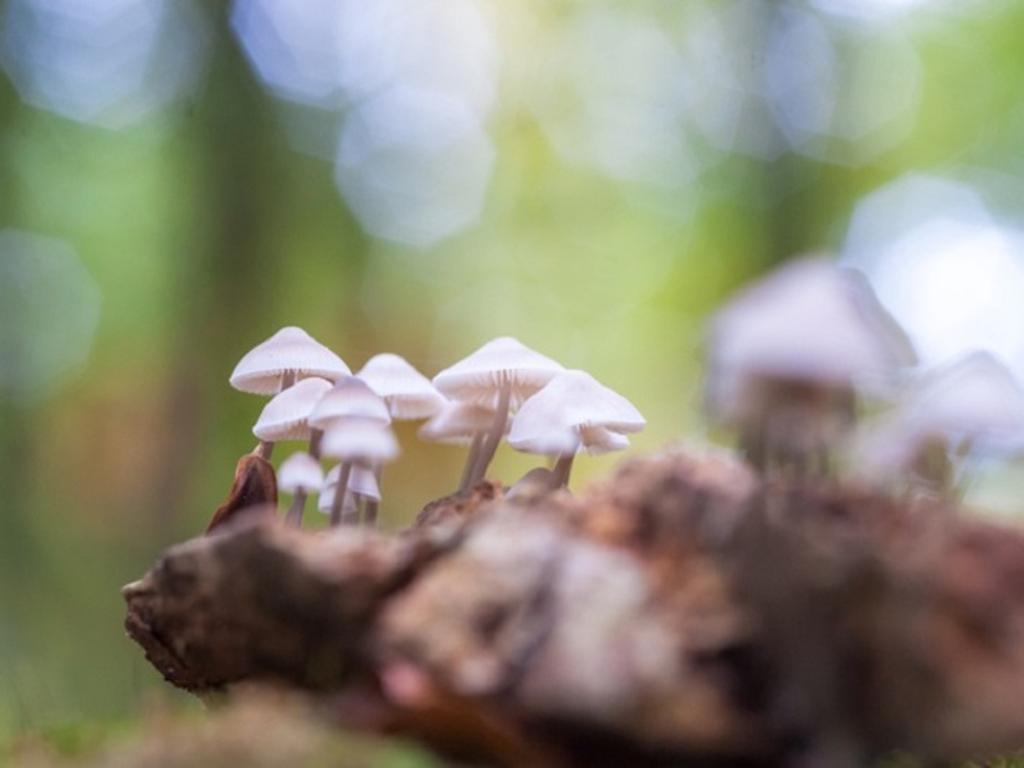
If you've spent any time reading about psychedelic mushrooms, you've probably bumped into the name Psilocybe azurescens — usually wrapped in superlatives. The strongest. The wildest. The one that grows in the dunes. Most of that hype is actually true, which is rare for a corner of the plant-medicine world that loves a tall tale. Azurescens is a genuinely remarkable little mushroom with a short, strange history and a personality of its own. This is a closer look at where it came from, why it punches so hard, and what's involved if you ever wanted to grow it — written for the curious reader, not the commercial cultivator. Whether you're researching psilocybin out of personal interest or weighing it as part of a broader interest in psychedelics and master plants, knowing the basics about this species is worth your time. Azurescens is a wood-loving species native to a slim stretch of the Pacific Northwest coast in the United States — think the Oregon and Washington shoreline, where conifer debris, dune grass, and damp salt air meet. It's a relative newcomer to mycology. The species was formally described in 1996 by Paul Stamets and Jochen Gartz, after being noticed years earlier by a group of Boy Scouts camping near the mouth of the Columbia River. The story goes that one of them was Stamets' son. Whether that origin tale is fully accurate or partly folklore, the mushroom got its scientific name and its nickname — “Flying Saucer Mushroom,” for the wavy, UFO-shaped caps it produces in cool weather. What sets azurescens apart isn't its looks, though. It's the chemistry. By dry weight, this species contains some of the highest concentrations of psilocybin, psilocin, and baeocystin ever measured in a wild mushroom. Roughly speaking, it tests at around three times the potency of the more familiar Psilocybe cubensis — the species behind nearly every store-bought grow kit and most underground supply. That fact alone is responsible for a lot of azurescens' reputation, and a lot of trouble for the unprepared. Caramel-brown caps that flatten out and develop a slight nipple in the centre. A whitish stem that bruises a vivid blue-green when handled — the classic signature of psilocybin-bearing species. Dark purple-brown spores. It tends to fruit in clusters on woody debris, often hidden under dune grass, between September and January when temperatures drop into single digits Celsius. Cold is part of its lifestyle, not an obstacle to it. Three times the strength of cubensis is not a marketing line — it's a practical warning. A dose of dried azurescens that would fit on a teaspoon can produce an experience that, with cubensis, would require a small handful. People accustomed to gauging mushroom doses by volume rather than weight have learned this the hard way. Reports of temporary paralysis at higher doses of azurescens circulate widely in mycology forums, and while the phenomenon isn't fully understood, it appears often enough that it deserves to be taken seriously. Beyond raw intensity, the experience is frequently described as more visual, more “alien,” and harder to steer than a comparable journey on cubensis. Whether that's pharmacology or expectation effect is up for debate. What isn't debatable is that this is not a beginner mushroom, and nobody should be approaching it as a casual weekend experiment. If you're newer to psilocybin and curious about the deeper end of the experience, a properly guided ceremony in a country where it's legal — Netherlands, Jamaica, certain parts of the U.S. — is a far safer doorway than a dune walk on the Oregon coast. People hear “most potent mushroom in the world” and immediately want to grow it. Understandable. The reality is that azurescens is one of the more demanding species in the genus to cultivate, and it doesn't reward shortcuts. Unlike cubensis, which colonises grain and fruits indoors on a rye-cake at room temperature in a few weeks, azurescens wants what it has in the wild: wood, cold, and patience. Here's the short version of how outdoor cultivation typically works: Indoor attempts using terrariums and refrigerated fruiting chambers exist, but the consensus among experienced cultivators is that azurescens is fundamentally an outdoor species. Trying to force it indoors usually means a long wait followed by disappointment. This is the part nobody likes. Psilocybin remains a controlled substance in most of the world, including the United States — yes, even though azurescens grows wild there. Cultivation, possession, and distribution carry real legal consequences in most jurisdictions. A small number of places have decriminalised personal use (Oregon, parts of Colorado, the Netherlands' truffle loophole), but “decriminalised” and “legal” are not the same thing, and the picture changes constantly. Before doing anything, check the law in your actual location, not the one you wish you lived in. There's a tendency in psychedelic circles to chase potency — to assume that stronger means better, deeper, more transformative. It doesn't. Some of the most useful psilocybin experiences happen at moderate doses with capable guides, in settings designed for integration. The reason a species like azurescens fascinates so many people isn't really about the milligram count. It's the romance of the wild — a powerful master plant fruiting on a windy beach in the rain, indifferent to anyone's intentions for it. If that romance is what's drawing you, it's worth asking what you actually want. Self-knowledge? Help with a stuck depression or an addiction pattern? Curiosity about consciousness? Each of those goals points toward different settings and different medicines. Ayahuasca ceremonies in the Peruvian Amazon, ibogaine programmes for opioid dependency, psilocybin retreats in Jamaica or the Netherlands — these are structured environments with people whose job is to keep you safe and help you make sense of what comes up. A wild-foraged batch of the world's strongest mushroom is the opposite of that. Plant medicines work best when you bring them context. Set, setting, and integration aren't buzzwords; they're the difference between an experience that reshapes your year and one that just shakes you. For readers who want to take this curiosity further in a held container rather than a solo experiment, a range of curated psilocybin and plant-medicine retreats can be browsed on our marketplace here. Whatever path you choose, choose it with both eyes open — these mushrooms have been doing this far longer than we have, and they deserve some respect.
One Psychedelic Trip, Lasting Change: What the Research Actually Suggests
Ask anyone who has sat through a full ayahuasca night, or watched the geometry behind their closed eyes during a high-dose psilocybin session, and they'll usually tell you the same thing. Something shifted. Not in the way a good holiday shifts you for a fortnight before the inbox swallows everything again — something deeper, stranger, more permanent. For years that claim lived in the realm of anecdote, traded between facilitators and integration circles. Now the research is starting to catch up, and the picture it paints is genuinely striking: a single psychedelic experience, taken seriously, can leave fingerprints on a person's mental health and worldview for decades. One of the more talked-about studies on this question came out of the Johns Hopkins University School of Medicine in Baltimore — a team that's been doing some of the most careful work on psychedelics, plant medicine, and the so-called mystical experience for the better part of twenty years. Their large-scale survey compared what people describe after taking psilocybin, LSD, DMT, and ayahuasca with what people describe after similar encounters that happened without any substance at all. The findings are worth sitting with, especially if you're someone weighing whether to book a retreat. The researchers gathered reports from thousands of people — over a thousand each for psilocybin and LSD, hundreds more for DMT and ayahuasca, plus a non-drug control group of around eight hundred who'd had similar encounters spontaneously through meditation, prayer, near-death experiences, or just out of nowhere on a Tuesday afternoon. Participants described what the team called God encounter experiences, which is loaded language, but the underlying phenomenon is broader than the word suggests: a sense of contact with something the person experienced as ultimate reality, intelligence, or presence. Here's the part that tends to get repeated, and deservedly so. Roughly two-thirds of participants who identified as atheists before the experience no longer did afterward. Not because someone preached at them. Not because they joined a church. Because something happened during the experience that they could no longer square with the worldview they walked in with. And — this is the bit that matters for retreat-seekers — most of them reported lasting positive changes in life satisfaction, sense of purpose, and mental health that they directly attributed to that single encounter. Roland Griffiths, who led the work before his passing, made a point that's easy to miss. Western medicine, he noted, doesn't usually count spiritual or religious experiences as therapeutic tools. The data suggest maybe it should. These encounters keep correlating with improvements in mental health, sometimes years after the fact, sometimes after just one session. This is the question that haunts anyone who's spent serious time and money in talk therapy without getting the traction they hoped for. How does one night with a brew, or one afternoon with a capsule, do something that fifty sessions on a couch couldn't? The honest answer is that nobody fully knows yet. But there are some reasonable hypotheses, and they fit what facilitators in the ayahuasca world have been saying for generations. Psychedelics seem to do at least three things at once. They temporarily loosen the brain's habitual patterns — the default-mode network goes quiet, and the rigid stories you tell yourself about who you are get a brief sabbatical. They make emotional material accessible that's usually walled off. And they often produce that sense of meaningful encounter, whether you'd call it spiritual or just deeply significant, which seems to act as a kind of psychological anchor for the changes that follow. Put plainly: you don't just think something new about your life. You feel something new, somewhere underneath thinking, and the feeling is vivid enough that it doesn't fade the way an insight from a self-help book fades by Wednesday. If you're reading this because you're researching whether to book an ayahuasca retreat, a psilocybin journey, or an ibogaine programme for addiction, the research is encouraging but it isn't a guarantee. A few honest things worth knowing: The studies also keep finding that people who go in with a clear intention — working with depression, addiction, grief, a stuck pattern — tend to report the most useful outcomes. Tourists looking for novelty get novelty. People looking for a reckoning often get one. Something the survey doesn't quite capture is the difference between, say, taking LSD with a trusted friend in a quiet flat and drinking ayahuasca with a curandero who's been working with the brew for thirty years. Both can produce profound experiences. The traditions around the master plants — ayahuasca, San Pedro, peyote, iboga — add a layer of context that pharmaceutical psychedelics generally don't. There's diet, dieta, song, ritual, lineage. Whether you find that essential or beside the point depends on temperament, but it does seem to shape how people make sense of what happens to them, and meaning-making is most of the game in psychedelic healing. This is also where the addiction-recovery story gets interesting. Ibogaine in particular has a striking track record with opiate dependency, and ayahuasca has been showing up in studies on alcohol and stimulant addiction. The mechanism isn't just chemical — these substances seem to give people a vantage point from which their addiction looks different, smaller, more workable. That's not a cure on its own. But for many it's the opening that years of conventional treatment couldn't make. If you're seriously considering this path, slow down. Read more than one source. Talk to people who've done it. Ask a retreat about their screening process, their facilitators' lineage and training, what aftercare looks like, what happens if someone has a medical emergency, how they handle psychological difficulty in the room. Reputable places welcome these questions. The ones that don't are telling you something. Budget for integration as seriously as you budget for the retreat itself. The week of ceremony is the spark. The six months that follow are where the actual life change happens or doesn't. Therapists trained in psychedelic integration are becoming easier to find, and integration circles — often free or donation-based — are worth their weight in gold. The research, taken together, is doing something quietly revolutionary: it's giving people permission to take seriously what plant-medicine cultures have known for centuries. That a properly held encounter with these substances isn't recreational, and it isn't only medical either. It's something older and stranger, and for the right person at the right moment, it can rearrange a life. If any of this resonates with where you are right now, a curated range of ayahuasca and psychedelic retreats can be browsed on our marketplace here — worth a look if you want to see what's actually out there rather than guessing.
How Do Psychedelics Work? The Brain Science Behind the Trip
If you're researching a retreat, you've probably already read a hundred descriptions of what an ayahuasca night feels like. The visions. The purge. The crying, the laughing, the strange clarity at sunrise. What you've maybe not read — and what tends to matter once the romance fades and the booking deposit is staring back at you — is what these substances are actually doing in the brain that produces all of that. So let's get into it. Here's what the science currently says about how psychedelics work, in plain language, with the parts that are still guesswork clearly labelled as such. Whether you're considering ayahuasca for depression, psilocybin for stuck life patterns, or ibogaine for addiction, knowing the mechanism makes the experience less mysterious — and arguably safer to approach. The classical psychedelics — psilocybin (the active compound in magic mushrooms), DMT (the molecule that gives ayahuasca its punch), LSD, and mescaline (from San Pedro and peyote) — all share one core trick. They bind to a specific receptor in the brain called the 5-HT2A receptor. That receptor is normally the home of serotonin, the neurotransmitter that most people have heard of in the context of antidepressants. The psychedelic molecule shows up, fits the lock, and turns it — but it's not serotonin, and the neuron behaves differently as a result. Researchers have demonstrated this elegantly: give someone psilocybin alongside a drug called ketanserin, which blocks the 5-HT2A receptor, and the trip simply doesn't happen. No visuals, no ego dissolution, no insight. The molecule is still in your bloodstream. It just has nowhere to land. This is also why some psychedelics hit harder than others. LSD binds to the 5-HT2A receptor extremely tightly, which is part of why a microscopic dose produces a twelve-hour experience. Mescaline has additional dopamine receptor activity, which is part of why a San Pedro ceremony feels different from a psilocybin one — warmer, more embodied, less reality-shattering. Here's the finding that got the research world genuinely excited over the past decade. Psychedelics promote neuroplasticity — the brain's ability to physically rewire itself, growing new branches between neurons and forming new circuits. Why does this matter for someone considering a retreat? Because depression, addiction, and chronic anxiety appear to involve a kind of structural shrinkage in the brain. In depression specifically, the little branching extensions of neurons in the prefrontal cortex — the area that regulates mood and emotional response — literally wither. The neural architecture for flexible thinking and steady mood gets sparse. You stay stuck in the same grooves. Lab studies have shown that LSD and DMT cause those branches to regrow. In some experiments, the growth was more pronounced than what ketamine produces, which is notable because ketamine is already considered a breakthrough treatment for stubborn depression. Block the 5-HT2A receptor and the neuroplasticity vanishes too — same receptor, multiple effects. The practical takeaway: a single psychedelic experience may open a window of roughly two to four weeks during which the brain is unusually pliable. This is the integration window that experienced facilitators talk about. The substance does the chemistry; what you do in those weeks — therapy, journaling, ceremony, the hard conversations, new habits — is what carves the new grooves. Skip the integration and you've largely wasted the chemistry. The researcher Robin Carhart-Harris proposed something called the entropic brain hypothesis around a decade ago, and it's held up surprisingly well. The idea borrows from physics. Entropy is a measure of disorder, of unpredictability, of how many possible states a system can be in. Carhart-Harris and his team scanned people on LSD and psilocybin and found that brain activity becomes more entropic — less predictable, less locked into the familiar grooves. Normally-segregated brain regions start chatting with each other. The default-mode network, which is the chatterbox of the self, the inner narrator constantly running commentary about who you are and what people think of you, goes quiet. Without it, the boundary between self and not-self can blur. That's the famous ego dissolution. Carhart-Harris's framework places ordinary waking consciousness in a middle zone: If you accept this framing, depression and addiction look less like chemical imbalances and more like ruts. Psychedelics shake the system out of its rut by temporarily injecting chaos. The lasting benefits — increased openness, less rigid thinking, better ability to break habits — may come from that shake-up. Worth noting: this same mechanism is why bad sets and bad settings produce bad trips. A chaotic brain in a chaotic environment with unprocessed trauma in the room is not a peaceful evening. A 2019 study put participants in an EEG and measured what DMT — the same molecule that makes ayahuasca what it is — does to the brain's electrical rhythms. The findings explain a lot. Alpha waves, the brain rhythm associated with relaxed wakefulness, dropped sharply. Delta and theta waves, which dominate during dreaming, surged. In other words, the waking brain temporarily started running the same software it uses when you're deep in REM sleep, except the lights were on and the person was alert. The lead researcher described it as “dreaming with your eyes open,” which matches what people report after a strong DMT or ayahuasca experience almost word-for-word. This helps explain why ayahuasca visions feel so much more vivid and meaningful than ordinary imagination. You're not picturing things. You're dreaming things, in the same neurological sense as a sleeping dream, while conscious enough to engage with them and remember them. Back in 1954, Aldous Huxley took mescaline and wrote The Doors of Perception. He borrowed an idea from the philosopher C.D. Broad: the brain, Broad argued, doesn't create consciousness so much as filter it. There's more sensory and mental information available at any moment than you could possibly use, so the brain runs a reducing valve that narrows the firehose down to a manageable trickle. You see what helps you survive and ignore the rest. Huxley's claim was that psychedelics temporarily loosen the valve. More gets through. Colours, meanings, connections, memories, sensations the brain ordinarily suppresses as irrelevant. For seventy years this was a poetic metaphor. Then neuroimaging caught up. When researchers first scanned people on psilocybin, they expected to see more brain activity. Instead, certain hub regions — particularly the default-mode network — went quieter. With the filter dialled down, suppressed material can flood the conscious mind. This is, mechanistically, why people on ayahuasca recover memories they'd forgotten, see connections they'd missed, and confront emotional content they'd been managing to avoid for decades. None of this is academic if you're trying to decide whether to fly to Peru, Costa Rica, or the Netherlands and drink something that will rearrange your nervous system for a night. A few practical implications follow from the science: The science doesn't make psychedelics magic and it doesn't make them safe by default. It makes them a tool — a powerful one, increasingly well-understood, with a mechanism of action that genuinely lines up with the experiences people have been describing for thousands of years. The Amazonian shamans who built ayahuasca traditions didn't know about 5-HT2A receptors. They knew the medicine showed people what they'd been hiding from themselves. Turns out those are two ways of describing the same thing. If reading this has made you more curious rather than less, the next step is to look closely at specific retreats — their facilitators, their screening processes, their integration support — and find one that matches what you're actually after. A curated selection of ayahuasca and psychedelic plant-medicine retreats can be browsed on our marketplace here. Take your time with the decision. Whatever the brain is doing under these molecules, it deserves a thoughtful container around it.
Craving More Stories?
Join our ShopAyahuascaRetreats newsletter for the latest updates on thrilling
destinations and inspirational tales, delivered straight to your inbox!
We value your privacy. Your email address will never be shared or published.
Psychedelics for Depression and Addiction: What the Research Actually Shows
Picture a quiet room in Manhattan. A low brown couch, a small Buddha statue, hand-painted dishes on a side table. It looks like someone's grandmother's living room from 1974. It is, in fact, the setting where some of the most surprising mental-health research of the last decade has unfolded — a place where cancer patients have swallowed a capsule of psilocybin and walked out hours later describing the experience as one of the most meaningful of their lives. This is the strange, hopeful frontier of psychedelics and psychedelic-assisted therapy. After decades of being treated as cultural contraband, substances like psilocybin, ayahuasca, ibogaine, and MDMA are being studied seriously again — and the early data on depression, anxiety, and addiction is hard to ignore. If you've found your way here because you're quietly wondering whether plant medicine might help with something you've been carrying for years, you're not alone. A lot of people are wondering the same thing. The reason scientists keep using words like “breakthrough” and even “surgical intervention” when they talk about psychedelics isn't hype. It's that a single dose, given in the right setting with trained support, seems to do what years of daily SSRIs sometimes can't — particularly for people stuck in the deepest grooves of despair. In one well-known trial at NYU and Johns Hopkins, cancer patients with severe end-of-life anxiety were given psilocybin alongside therapy. The majority reported sustained relief from depression and existential dread months later. Not a slight improvement. A genuine shift. Many of them ranked the experience among the top five most meaningful events of their entire lives — comparable to the birth of a child or the death of a parent. That's an unusual thing to hear from a clinical trial. Pharma research doesn't usually produce results that read like a memoir. Here's a way to think about depression that helped me understand why psychedelics seem to do what they do. Imagine your brain as a city, full of roads. Some are well-worn highways used a thousand times a day — your habitual thoughts, your self-criticism, your story about why you're not enough. Other roads are barely paved, rarely traveled. In a depressed brain, the highway traffic gets stuck. Rush hour, all day, every day. Researchers at Imperial College London have shown that psychedelics appear to do something genuinely strange — they reduce traffic on the overused routes and send neural activity skittering down the empty ones. Connections form between regions of the brain that normally don't talk to each other. The cogs, as one researcher put it, get loosened. That loosening is often what people describe afterward. The rumination quiets. The sense of being trapped inside one narrow story about yourself softens. For a few hours, the mind escapes the rut — and sometimes, the new perspective sticks. The addiction research is where things get especially interesting. Addiction, like depression, is partly a story of stuck patterns — the same circuits firing, the same craving, the same coping behavior on repeat. Substances like ayahuasca, ibogaine, and psilocybin appear to interrupt those loops, sometimes dramatically. Ibogaine, derived from the iboga root of West Africa, has the longest underground reputation for treating opioid dependence. People who've gone through ibogaine treatment often describe a long, difficult inner journey — sometimes 24 to 36 hours of intense visions — followed by a striking reduction in withdrawal symptoms and cravings. It's not magic, and it's not without serious cardiac risks that require medical screening. But for people who've tried everything else, it's often the first thing that's actually worked. Ayahuasca, the Amazonian brew built around the Banisteriopsis caapi vine, has a different shape but a similar effect on certain people. The ceremonies are long, communal, and held by experienced facilitators in traditions that stretch back generations. Many participants come specifically because of addiction — to alcohol, to cocaine, to the quieter addictions of overwork and self-loathing — and leave with a fundamentally different relationship to whatever they were running from. The category of plants and brews used this way is sometimes called the master plants: teachers in the Amazonian sense, not chemicals to be consumed casually. That framing matters, because it shapes how the experience is approached — with preparation, respect, and a willingness to actually listen to what surfaces. This is the question almost everyone researching a retreat wants answered honestly, so let's be honest. A psychedelic ceremony — whether it involves ayahuasca, psilocybin, or San Pedro — is not a euphoric night out. It can be uncomfortable. It can be physically demanding. With ayahuasca specifically, vomiting (called la purga) is common and considered part of the healing. People often describe an initial wave of fear or disorientation. One man I spoke with, a sailor who'd done a Johns Hopkins psilocybin trial, compared the early part of his experience to falling off his boat in open ocean — looking back and finding the boat gone, then the water gone, then himself gone. Terrifying, in the moment. He came through it, with help from his facilitators, into something he still can't quite describe — a sense of being witness to life itself, free from the constant management of being a self. That arc — through difficulty, into something larger — is common. It's why a good retreat isn't just about the medicine. It's about who's holding the space. If you're considering a retreat, this is where to spend your attention. The medicine matters less than the container around it. Here's what experienced facilitators and seasoned participants tend to look for: One more thing: be skeptical of anyone who promises outcomes. Real facilitators talk about possibilities and risks. Sales pitches talk about transformation guaranteed. It depends entirely on where you are and what plant you're talking about. In the United States, psilocybin is federally illegal but decriminalized in cities like Denver, Oakland, and parts of Oregon, where supervised therapeutic use is now permitted under state law. Ayahuasca is federally illegal except for specific religious exemptions granted to the União do Vegetal and Santo Daime churches under a 2006 Supreme Court ruling. Outside the U.S., the landscape opens up. Peru, Costa Rica, the Netherlands, Jamaica, Mexico, and Brazil each host legal or tolerated retreat scenes for various plant medicines. Most serious retreat-seekers end up traveling, both for legal reasons and because the lineages are stronger where the plants come from. Plant medicine isn't for everyone. People with personal or family histories of schizophrenia, bipolar disorder, or psychotic episodes are generally advised to avoid classical psychedelics. Certain heart conditions rule out ibogaine. SSRI users typically need to taper off well before drinking ayahuasca, under medical guidance. And then there's the harder caveat: a single ceremony, no matter how profound, isn't a cure. It's a doorway. Whatever you see inside still has to be carried back into your daily life — your relationships, your work, your habits. The people who get the most lasting benefit are almost always the ones who do the integration work afterward, often with a therapist who understands psychedelics. For readers who want to take this further, a range of curated ayahuasca and plant-medicine retreats can be browsed on our marketplace here. Whatever you decide, take your time with the decision — this is one of those choices that rewards patience and punishes impulse.
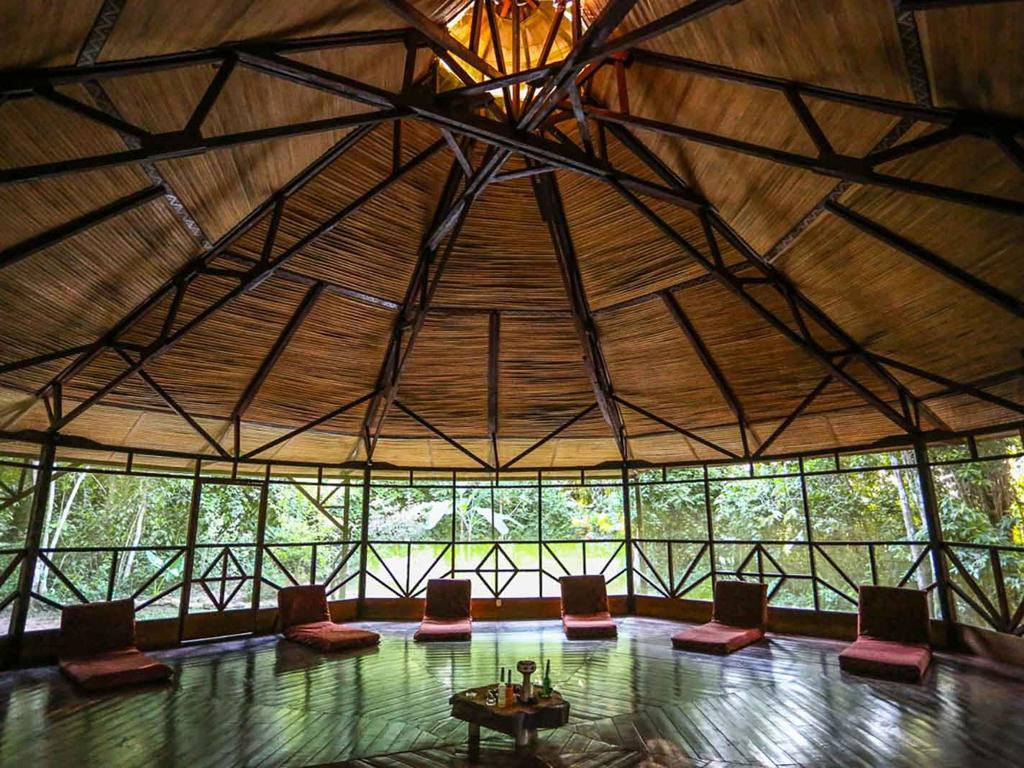
Mushrooms and Brain Health: Can Psilocybin and Functional Fungi Help Prevent Alzheimer's?
Watching a parent forget your name is a particular kind of grief. It arrives in pieces, over years, and by the time you understand what's happening, the person you knew has already started to fade. For families with a history of Alzheimer's, that grief tends to carry a second weight — the quiet question of whether the same thing is waiting for them. That question is fueling one of the more interesting corners of the current psychedelic and plant medicine conversation: the role of mushrooms — both the functional kind like Lion's Mane and the psychedelic kind like psilocybin — in supporting long-term brain health. It's a thread that runs from cutting-edge neuroscience labs to grandmothers microdosing in suburban kitchens, and it's worth pulling on if you're someone trying to protect your mind for the decades ahead. The standard medical answer to Alzheimer's has, for decades, been a shrug dressed up in a lab coat. A few drugs slow symptoms modestly. None reverse the disease. And the cruel structural problem is this: by the time symptoms appear, the underlying damage has been building quietly for twenty or thirty years. If you want to do something useful, you have to start long before anything feels wrong. That timeline is what's pushed a lot of curious, science-literate people toward mushrooms. Functional varieties — Lion's Mane, reishi, cordyceps, chaga — have been used in East Asian medicine for centuries. Lion's Mane in particular has caught researchers' attention because of compounds called hericenones and erinacines, which appear to stimulate nerve growth factor in the brain. In plain English: they may help neurons grow and stay connected. That's exactly the machinery Alzheimer's destroys. Then there are the psychedelic mushrooms, which work on a different but related axis. Psilocybin, the active compound in magic mushrooms, has been shown in early studies to promote neuroplasticity — the brain's ability to rewire itself and form new connections. Researchers at Johns Hopkins and Imperial College London have spent the past several years documenting how a single high dose can reset patterns of depression that have resisted every other treatment. The implications for cognitive aging are still being studied, but the early signals are interesting enough that serious money and serious scientists are paying attention. This trips people up, so it's worth being clear. Not all medicinal mushrooms get you high. In fact, most don't. Both categories are mushrooms. Both are being studied for brain benefits. But they work through very different mechanisms and demand very different commitments from the person taking them. Functional mushrooms are a daily habit, like a vitamin. Psychedelic mushrooms — taken at ceremony doses — are an event you prepare for, integrate from, and don't take lightly. Microdosing has gone from Silicon Valley curiosity to something your aunt might be doing. The basic idea: take a sub-perceptual dose of psilocybin (usually around a tenth of a recreational dose) on a schedule — say, every third day for a few weeks — and observe what happens. People report sharper focus, lifted mood, reduced anxiety, and a softer relationship to old mental ruts. Veterans use it for PTSD. Mothers use it for the relentless cognitive load of parenting. Older adults are starting to use it specifically with brain longevity in mind. The research here is genuinely early. Placebo effects are real, dosing isn't standardized, and most of what we know comes from self-reports rather than controlled trials. That said, the consistency of those reports across very different populations is hard to dismiss entirely. Companies and academic labs are now running proper studies to figure out what's signal and what's noise. If you're considering microdosing, a few honest cautions: legality varies wildly by where you live, dosing without scales and proper sourcing is a recipe for inconsistent experiences, and microdosing isn't appropriate for people with certain mental health conditions or on certain medications. It is not a magic bullet. It is, at best, one tool in a much larger toolkit. Here's the part the supplement industry would prefer you skip. Mushrooms — functional or psychedelic — are not going to save a brain that's being neglected in every other way. The boring stuff still matters more than anything in a capsule. Mushrooms slot into this picture as a possible enhancer, not a replacement. The person taking Lion's Mane while sleeping four hours a night and living on takeout is not going to outrun their genetics. For some people, the entry point isn't a daily supplement but a single, carefully held psychedelic experience — often within the container of a retreat. Psilocybin retreats in legal jurisdictions like the Netherlands, Jamaica, and increasingly parts of the U.S. offer multi-day programs where participants prepare, journey under supervision, and integrate what came up afterward. Ayahuasca retreats in Peru, Costa Rica, and elsewhere offer something related but distinct — a longer, often more challenging plant medicine arc with deep indigenous roots. Why would someone worried about Alzheimer's consider this? A few reasons. The neuroplasticity window opened by a full psychedelic experience appears to last weeks, not hours. The psychological work that often happens — releasing long-held grief, untangling patterns of depression, reconnecting with purpose — has its own protective effect on the aging brain. And for people with a strong family history, the experience of facing mortality directly, which most ceremonies provoke in one form or another, tends to clarify priorities in ways that change everyday behavior. None of this is a guarantee. Retreats vary enormously in quality, screening, and safety, and the wrong setting can do more harm than good. If you're exploring this path, vet facilitators carefully, be honest about medications and medical history, and pay attention to whether the program treats integration as seriously as the ceremony itself. For readers who want to explore this further, curated psilocybin and plant medicine retreats can be browsed on our marketplace here. The science of mushrooms and brain health is real, promising, and nowhere near settled. Lion's Mane and other functional mushrooms have a plausible mechanism and a long traditional track record. Psilocybin has produced some of the most striking results in modern psychiatry. Microdosing is interesting and under-studied. None of it is a substitute for sleep, movement, diet, and human connection — and none of it can rewind damage that's already done. But for someone in their thirties, forties, or fifties watching a parent disappear into Alzheimer's, the question isn't whether mushrooms are a miracle. It's whether the accumulated weight of small, intelligent choices made over decades can shift the odds. The current evidence says yes, probably, and that fungi — humble, ancient, and increasingly well-studied — deserve a real seat at that table.
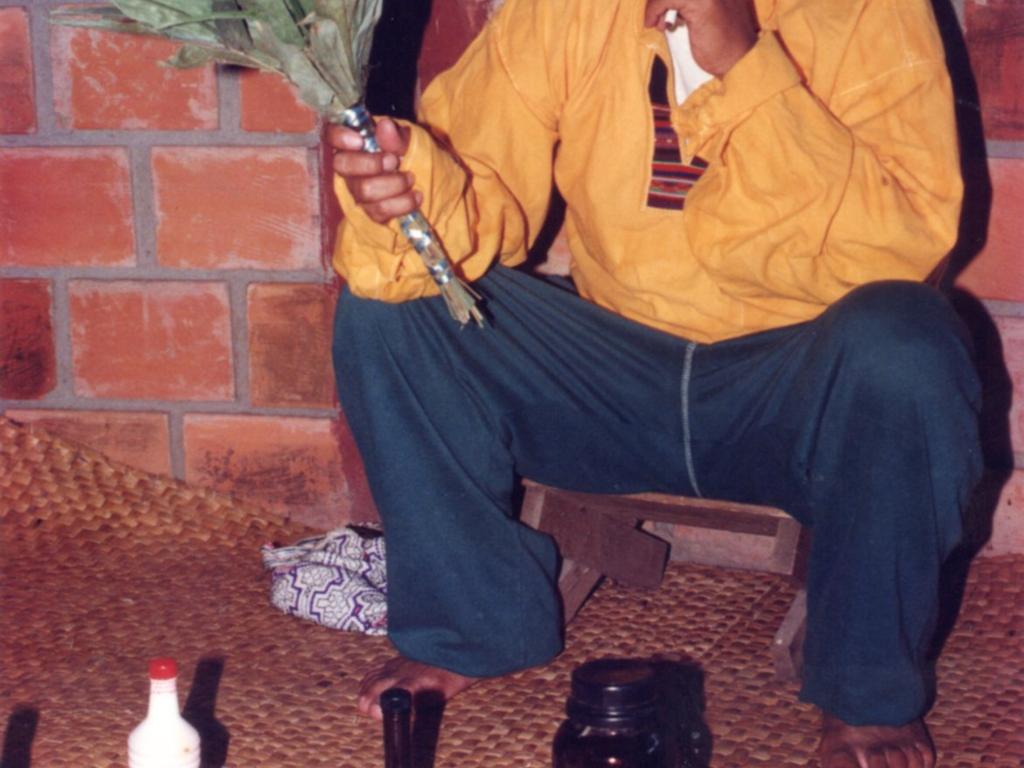
Psilocybin Therapy in Oregon: What Legal Access Actually Looks Like
A few years back, the idea of legally sitting with psilocybin mushrooms — in a licensed space, with a trained facilitator, without breaking any laws — sounded like wishful thinking. Then Oregon happened. In November 2020, voters there passed Measure 109, and the state became the first in the U.S. to create a regulated framework for supervised psilocybin use. The rollout has been slow, messy, and fascinating. And if you're someone weighing whether psychedelics might help with depression, trauma, or just a stuck patch of life, what's unfolded in Oregon matters. This isn't a political post. It's a practical one. I want to walk through what Oregon actually legalized, how it fits into the broader psychedelic renaissance, where it leaves people who can't fly to Portland, and what to keep in mind if you're considering plant medicine or psilocybin in a retreat setting. There's a lot of hype out there. The reality is more interesting — and more nuanced — than the headlines suggest. Here's the short version. Measure 109 didn't make psilocybin legal in the way alcohol or cannabis is legal in some states. You can't walk into a dispensary and buy dried mushrooms. You can't grow them at home for personal use without risk. What the measure created was a tightly controlled service model: licensed facilitators, licensed service centers, and clients who go through a preparation session, a dosing session, and an integration session — all on-site, all supervised. You don't need a diagnosis to participate. That's a meaningful detail. Unlike most clinical trials, where you have to qualify with treatment-resistant depression or end-of-life anxiety, Oregon's framework treats psilocybin services as a wellness offering open to adults. Whether that's a feature or a bug depends on who you ask. The state's Psilocybin Services program took its time to write the rules. The first licensed service centers opened in 2023, and as of 2026 there's a working — if still small — network of providers across the state. Prices for a full session run from about $1,500 to $3,500, sometimes more, which is a real barrier and one of the loudest criticisms from advocates who pushed for decriminalization instead of (or alongside) legalization. Oregon didn't happen in a vacuum. For years, researchers at Johns Hopkins, NYU, Imperial College London, and elsewhere have been publishing studies showing that psilocybin — given in a supportive setting, with proper preparation — can produce striking reductions in depression and anxiety, including in people who haven't responded to conventional treatment. The cancer-patient studies got the most press, but the work on major depression and on alcohol-use disorder has been just as compelling. That research is what cracked the door open. Decriminalization measures in Denver, Oakland, Santa Cruz, Ann Arbor, and a growing list of other cities pushed it open further. Then Oregon legalized supervised access. Colorado followed with Proposition 122 in 2022, which created its own regulated framework plus broader decriminalization of several plant medicines, including DMT and mescaline. The picture across the U.S. is now a patchwork. Federally, psilocybin remains a Schedule I substance. State by state, city by city, the rules shift. If you're researching options, the legal landscape where you live is worth checking carefully — not because anyone's likely to kick down your door, but because where the law sits affects which providers operate openly, what kind of training they've had, and what recourse you have if something goes wrong. People imagine a lot of things when they hear “legal mushroom therapy.” The reality is quieter than the imagination. A typical session at an Oregon service center looks something like this: It's not a party. It's not a quick fix. People who walk in expecting fireworks sometimes leave underwhelmed; people who walk in with humility and a real question often leave changed. Your experience depends on dose, set, setting, and frankly your nervous system on the day. The medicine doesn't perform on demand. If you're researching psychedelic options seriously, you've probably noticed that psilocybin isn't the only path on the table. Ayahuasca retreats in Peru, Costa Rica, and increasingly in legally permissive corners of Europe; ibogaine clinics in Mexico for people working through opioid addiction; San Pedro and huachuma ceremonies in the Andes; psilocybin retreats in Jamaica, the Netherlands, and now Oregon. Each tradition carries its own culture, its own risks, its own kind of work. Psilocybin tends to be the gentler doorway. The experience is usually shorter, the body load lighter, the integration arc more manageable for first-timers. Ayahuasca is longer, more physical (yes, the purging is real), and rooted in lineages worth understanding before you sign up. Ibogaine is a different animal entirely — powerful for addiction interruption, but with real cardiac risks that require medical screening. The point isn't to rank them. The point is that the choice should match what you're actually working on. Someone navigating grief and mild depression might find a supervised psilocybin session to be exactly the right size. Someone wrestling with deep generational trauma or long-term substance dependence might be better served by a longer-format plant-medicine retreat with experienced facilitators. There's no universal answer here. Whether you end up booking a psilocybin session in Oregon, an ayahuasca retreat in the Sacred Valley, or something else, the same questions apply. The legal status of a place is one signal. It's not the only signal, and sometimes not the most important one. Cost is real. So is travel. So is the question of how much time you can take afterward to actually let the experience land. A weekend session jammed between two stressful work weeks is a waste of money and an unkindness to yourself. I've sat across from a lot of people considering their first psychedelic retreat. The ones who tend to do well aren't the bravest or the most spiritually fluent. They're the ones who know why they're going. Not in a grand way — just specifically. “I want to look at what happened with my father.” “I want to know if I can stop drinking.” “I've been depressed for three years and nothing has moved.” A clear question makes for clearer work. The ones who struggle are usually running from something rather than toward something, or they've heard psilocybin called a miracle and they want the miracle. The medicine doesn't reward that posture. It tends to show people exactly what they've been avoiding, which is rarely comfortable and almost always useful in the long run. Oregon's experiment is still young. The price point will likely come down as more centers open and competition grows. The model itself — supervised, integrated, deliberately slow — is probably closer to what responsible psychedelic care looks like than either the underground or the pharma-clinical-trial extremes. Whether you go that route, choose a traditional ayahuasca retreat abroad, or stay home and read a few more books before deciding, the honest move is the same: get specific about what you want, get honest about your medical realities, and don't outsource the decision to a marketing brochure. If something here is sitting with you and you want to look at concrete options, a curated range of psilocybin and plant-medicine retreats can be browsed on our marketplace here. Take your time with it. The retreat will still be there next month, and the question of whether you're ready is worth more than a quick yes.
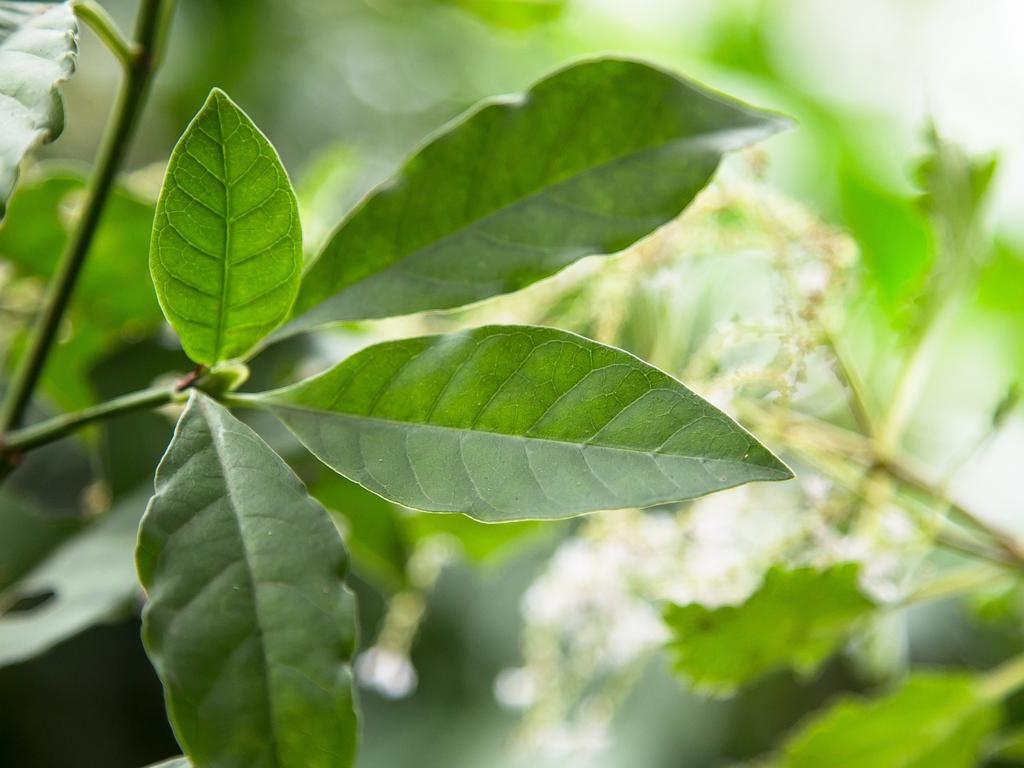
How Psychedelics Reshape the Brain: New Science on Depression and Healing
For a long time, the story we were told about depression was tidy and chemical. Your serotonin is low. Take this pill. Wait six weeks. Feel better. Except for millions of people, that script never quite worked — and the more neuroscientists look under the hood, the messier the actual picture becomes. Depression, it turns out, isn’t just a chemistry problem. It’s a structural one. And psychedelics, of all things, may be one of the most interesting tools we have for addressing it. That’s not a wellness-influencer claim. It’s where the lab work is pointing. Researchers studying psychedelics — LSD, psilocybin from magic mushrooms, DMT from ayahuasca, MDMA — have found that these compounds don’t just shift perception for a few hours. They appear to physically change the architecture of neurons themselves. And those changes look a lot like the opposite of what depression does to the brain. If you picture a neuron as a tree, its dendrites are the big branches reaching out toward other cells, and the tiny dendritic spines are the smaller offshoots that catch incoming signals. Neuroscientists genuinely borrow horticultural language for this — arbors, pruning, growth. The brain is, in a real sense, a forest that thins and thickens depending on how you live in it. In people with chronic depression, certain regions of that forest go quiet. The prefrontal cortex — the area that helps regulate mood, anxiety, and decision-making — shows atrophy. Branches shrivel. Spines disappear. Connections that used to fire together fall out of contact. This shrinkage correlates with the experience people describe in plain language: feeling flat, disconnected, locked in, unable to imagine anything different. The old chemical-imbalance story doesn’t really account for any of this. It treated the brain like a soup that needed reseasoning. What the structural research suggests is closer to a garden that’s been neglected through a long drought. You don’t fix a drought by adjusting one ingredient. You have to bring the system back to life. Here’s where it gets interesting. When researchers grow neurons in a dish and expose them to psychedelic compounds, the neurons sprout. More branches. More spines. More synaptic connections with neighboring cells. The same thing shows up in studies on fruit flies and rodents. The effect is fast — sometimes within 24 hours — and it lasts. Scientists have started calling these compounds psychoplastogens: substances that rapidly promote structural plasticity in the brain. The category includes the classic psychedelics (LSD, psilocybin, DMT), MDMA, and ketamine, which technically isn’t a psychedelic at all but produces eerily similar effects on neuronal growth. They appear to work, at least in part, by activating a protein called mTOR, which acts as a kind of master switch for cell growth. This matters because the brain changes don’t expire when the trip ends. The hallucinatory part of an ayahuasca night might last six or eight hours. The neural rewiring it kicks off seems to keep working for weeks. That timeline lines up with what people consistently report after well-held ceremonies — that the days and months afterward are when the real shifts happen, not the night itself. Ayahuasca is the most studied plant medicine in this space, partly because traditional Amazonian use has been documented for so long and partly because DMT — the active visionary alkaloid — is one of the more dramatic psychoplastogens in the lineup. A 2015 Brazilian study found that a single dose of ayahuasca produced fast-acting antidepressant effects within a day in patients with treatment-resistant depression. Not modest improvements over months. Same-day shifts. The Amazonian curanderos who work with ayahuasca, San Pedro, and other master plants would tell you none of this is news. They’ve been describing these medicines as plant teachers for generations — beings that show you what’s stuck, what needs tending, what wants to grow. The Western science just gives us a different vocabulary for the same observation: something about these compounds wakes the brain back up. It’s worth being honest, though. The lab data is exciting; it isn’t a guarantee. A neuron sprouting in a dish is not the same as a human being healing from twenty years of trauma. The ceremonial container, the integration afterward, the people you sit with — all of that matters enormously for whether the biological window the medicine opens turns into actual change. The same structural logic applies to addiction. Addictive behavior carves deep ruts in the brain — strong, well-worn neural circuits that fire reliably in response to certain cues. Conventional treatment tries to weaken those circuits gradually, through behavior change and abstinence. It works, but slowly, and relapse rates are brutal. Psychedelic-assisted recovery seems to work differently. By temporarily destabilizing the brain’s rigid patterns and encouraging new growth, plant medicines may give a person something closer to a window — a period where the old grooves loosen enough for new ones to form. Ibogaine, in particular, has shown striking results for opioid addiction. Ayahuasca and psilocybin have shown promise for alcohol dependence and tobacco cessation. MDMA-assisted therapy for PTSD is moving toward approval in several jurisdictions. None of this means you swallow a substance and your addiction lifts. The substance opens a door. Walking through it — with a skilled facilitator, a real preparation period, and a serious integration practice — is what does the work. The brain’s new growth needs somewhere to grow toward. Here’s the part the enthusiastic articles tend to gloss. Promoting rapid neural growth is a powerful intervention, and we don’t fully understand its long-term consequences. Excessive mTOR activity has been linked to other conditions, including some neurodevelopmental disorders. The same biological mechanism that may heal one brain in one context might do something else entirely in another. There are also the obvious considerations: And the experience itself isn’t gentle. Ayahuasca nights routinely involve purging, hours of intense visionary content, and moments most people would describe as the hardest thing they’ve ever done. The brain’s sudden plasticity is not a soft, fuzzy event. It’s a system being shaken loose. If you’ve read this far, you’re probably not casually curious. Most people researching plant medicine seriously are doing it because something in their life hasn’t shifted through the usual channels — therapy, medication, willpower, time. That’s a legitimate reason to look, but it also means the decision deserves more care than choosing a vacation. A few honest questions worth sitting with before booking anything: Cost varies wildly. A reputable ayahuasca retreat in Peru typically runs between $1,500 and $3,500 for a week, with luxury operations going much higher. Ibogaine clinics, because they require medical supervision, tend to start around $5,000 and climb. Cheaper isn’t always worse and expensive isn’t always better — what matters is the integrity of the people holding the space. The most ambitious researchers in this field are trying to engineer compounds that produce the neural growth without the hallucinations — a kind of psychoplastogen without the visionary night. Whether that’s desirable or whether it misses the point is one of the live debates in the space. Plenty of clinicians and traditional practitioners would argue that the subjective experience isn’t a side effect to be optimized away. It’s where the meaning gets made. For now, the practical situation is this: legal access to psychedelics is expanding (Oregon and Colorado have decriminalized or regulated psilocybin services; ayahuasca remains legal in Peru, Brazil, Costa Rica, and a handful of other places), the research keeps stacking up, and more people every year are deciding the risks of trying are smaller than the costs of staying stuck. For readers who want to take this further, a range of vetted ayahuasca and plant-medicine retreats can be browsed on our marketplace here. Whatever you decide, treat it as a decision, not a leap. The brain is more plastic than we used to think. So is a life.
When MDMA Cracked Open a White Supremacist: What One Study Reveals About Psychedelic Healing
A man named Brendan walked into a research lab in early 2020. He was, at that point, a known figure in American white nationalism — he'd helped organize the Charlottesville rally three years earlier, and his name was already a liability in his own life. The study he signed up for had nothing to do with hate or healing. The researchers wanted to know whether MDMA made human touch feel more pleasant. That was it. A small, almost banal question. Then Brendan took the dose. And somewhere in the next few hours, something in him cracked open. He went home, wrote a note to the team, and told them — in so many words — that he was done. Done with the movement. Done with the worldview. He wrote that he now knew what he needed to do, and suggested they Google him to understand why that mattered. They did. And the researchers were, understandably, alarmed before they were astonished. This story keeps surfacing in conversations about psychedelics, addiction, and the broader question of whether plant medicines and synthetic compounds like MDMA can actually shift the architecture of a person's beliefs. It's a striking anecdote. It's also wildly easy to misread. So let's slow down and look at what happened, what it might mean, and what it almost certainly doesn't. The trial, run by Harriet de Wit at the University of Chicago, wasn't a therapy protocol. There was no facilitator guiding Brendan through trauma, no integration coach waiting on the other side. It was a touch-perception study — neutral, clinical, fluorescent-lit. Brendan received MDMA and did the tasks. The transformation, such as it was, happened on his own time, in his own head. What he reported afterward was simple and almost embarrassed: the drug made him feel love, and in the warmth of that feeling, the rigid scaffolding of his ideology stopped making sense. He described asking himself, in the middle of the experience, why am I doing this? The question wasn't intellectual. It came from somewhere lower, somewhere more honest than argument. He didn't renounce his beliefs that afternoon in any dramatic public way. The shift was quieter, and it unfolded over months. He distanced himself from his old network. He started talking, carefully, to people he'd previously written off as enemies. The researchers, who only learned about his background after the fact, ended up watching one of the strangest case studies in psychedelic science assemble itself in real time. No. And anyone who tells you it does is selling something. Here's the thing about MDMA and the classical psychedelics — ayahuasca, psilocybin, LSD, San Pedro, ibogaine. They don't carry content. They don't have politics. They amplify whatever is already inside a person and crank up the emotional volume on it. A 2021 paper in Frontiers in Psychology made this point bluntly: psychedelics are non-specific amplifiers. Give the same dose to a hateful person and a generous one, and you'll get more hate or more generosity, not a clean reset. What seems to have happened with Brendan is more interesting than a chemical exorcism. The MDMA didn't delete his beliefs. It opened a window — briefly, vividly — onto another way of feeling about other people. And once you've felt something, you can't quite un-feel it. The seed of doubt gets planted. Whether it grows depends on everything that happens after. Researchers studying MDMA-assisted therapy for PTSD have noticed something similar. The drug's role is to soften the defensive crust around painful material so the person can actually look at it. The looking is what does the work. The compound is the door, not the room. If you've ended up on this page, there's a decent chance you're carrying something heavy — an addiction that won't budge, a depression that's settled in like weather, a pattern in your relationships you can see clearly and still can't change. The Brendan story matters to you for one specific reason: it suggests that even deeply embedded ways of being can sometimes shift faster than we think. Plant medicines and psychedelics — including ayahuasca and the so-called master plants of the Amazon — work on a similar logic. They don't deliver answers. They loosen the grip of a worldview just enough for the person to glimpse alternatives. People in ceremony describe seeing their addiction from the outside for the first time, or recognizing that a story they've been telling themselves since childhood was never actually true. Ayahuasca, in particular, has a reputation for showing people themselves with uncomfortable clarity. What's worth saying out loud: this softening is real, and it's also dangerous if it happens in the wrong setting. Brendan got lucky. The researchers were thoughtful, the dose was clean, and he had enough inner ground to do something constructive with the experience. Plenty of people don't. A weekend retreat without proper screening, or a ceremony led by someone with more charisma than skill, can leave a person more raw than healed. I've sat in a lot of ceremonies and talked to a lot of facilitators, and the honest version of the retreat conversation looks like this: Costs vary wildly. A week-long ayahuasca retreat in Peru might run anywhere from $1,500 to $4,000 depending on the center, the lineage, and the level of medical and psychological support on-site. Ibogaine programs — which are used specifically for opioid addiction in some clinics — tend to run higher because they require medical monitoring. Psilocybin retreats in legal jurisdictions like the Netherlands or Jamaica sit in a middle range. Brendan's story isn't a feel-good fable about a magic pill that fixes broken people. It's something quieter and more useful. It's a reminder that the human capacity for change isn't always proportional to the size of the problem. Sometimes a person carries a worldview for decades and then, in the space of a few hours, sees through it. That doesn't happen because of a chemical. It happens because the chemical briefly lifts the defenses we use to avoid feeling things — and what's underneath those defenses, in most of us, is closer to love than to hate. Closer to grief than to anger. Closer to a desire to belong than to a need to be right. Whatever you call it — the self, the soul, the deeper layer — it tends to be more humane than the personality we've built on top of it. For people considering plant medicine to address addiction, depression, or patterns that feel cemented in, this is the honest promise. Not a cure. Not a guarantee. Just the possibility that what feels permanent might be more porous than it looks, given the right setting and the right support. For readers who want to take this further, a range of vetted ayahuasca and plant-medicine retreats can be browsed on our marketplace here. Brendan, last anyone heard, was still doing the work. That's the part of his story that gets quoted least and matters most. The drug opened a door. He's the one who kept walking through it.
Dreaming of a Psychedelic Retreat?
We have the best deals and offers from thousands of organizers all over the world! Get them into your mailbox every week!
We value your privacy. Your email address will never be shared or published.
