 English
 Deutsch
 Français
 Nederlands
 Español
SHOP AYAHUASCA RETREATS BLOG
Psychedelic Therapy Explained: How Plant Medicines Are Treating Depression, Addiction, and PTSD

Fiona Holloway
May 19, 2026
Your ultimate guide to discover transforming ayahuasca and psychedelic experiences. Dive into serene destinations and elevate your consciousness to unparalled heights.
Discover Ayahuasca & Psychedelic Retreats NowSearch for ayahuasca & psychedelic retreats
Discover retreats, trainings, and holidays from all over the world
Something strange has happened in the last decade. Compounds that were exiled from medicine in the 1970s — psilocybin, LSD, MDMA, ayahuasca, ibogaine — are now sitting inside peer-reviewed trials at places like Johns Hopkins, Imperial College London, and NYU. Researchers are publishing results that, frankly, would have been laughed out of a journal twenty years ago. Psychedelic therapy is no longer fringe. It's the most interesting frontier in mental health right now, and for readers weighing whether to attend a retreat, understanding what this kind of work actually involves matters more than the headlines suggest.
So let's get into it. Not the hype, not the doom — the practical picture. What psychedelic therapy is, what it's used for, and which master plants and compounds are showing up in the research and on the ground at retreat centers around the world.
What Psychedelic Therapy Actually Looks Like
Forget the cliché of someone in a tie-dye shirt waving sage around. Modern psychedelic therapy is structured, usually clinical or ceremonial in feel, and almost always involves more preparation and integration than the dosing itself. The substance is the catalyst. The therapy is the container.
In a typical model, a participant meets with their facilitator or therapist over one or several preparation sessions. They discuss intention, history, fears, what they're hoping to look at. Then comes the dosing session — anywhere from four to twelve hours depending on the medicine — followed by integration sessions in the days and weeks after. That last part is where most of the actual change tends to happen, which is something a lot of first-timers underestimate.
Two broad styles dominate the field:
- Psycholytic therapy — lower doses, taken across multiple sessions, with the ego mostly intact. The participant is awake, talking, exploring memories and emotions with a therapist guiding the conversation. Think of it as turbocharged talk therapy.
- High-dose therapy — fewer, larger sessions aimed at a full-blown mystical or transcendent experience. The participant typically lies down with eyeshades and headphones, music chosen carefully in advance, with two facilitators present but mostly silent. The dialogue happens before and after, not during.
Neither approach is objectively better. They serve different people and different problems. A trauma survivor who can't yet tolerate intense altered states may do far better with the psycholytic route. Someone confronting end-of-life dread or treatment-resistant depression often benefits more from the deep, single-encounter model.
The Mental Health Conditions Where Psychedelics Are Showing Real Promise
Here's where the research has gotten genuinely interesting. We're not talking about vague wellness claims — we're talking about randomized trials with measurable outcomes. The reader considering a retreat should know what the evidence actually supports.
Depression
Over 280 million people globally live with depression, and a meaningful slice of those cases don't respond to SSRIs or talk therapy. Trials with psilocybin-assisted therapy have shown rapid reductions in depressive symptoms — sometimes after just one or two dosing sessions — with benefits lasting six months or longer. Researchers at Imperial College described it as the brain getting a kind of reset. Similar effects have appeared with ayahuasca and, in earlier studies, with LSD. The interesting part isn't just that symptoms drop. It's how fast and how durably they drop compared to conventional medication.
Anxiety
Especially in patients facing terminal illness, psilocybin has produced striking reductions in existential anxiety. People stop white-knuckling their diagnosis and find a strange kind of equanimity. For more everyday anxiety — generalized, social — the data is thinner but emerging. Some practitioners report that low-dose psycholytic work helps clients move past the looped thinking that anxiety produces.
PTSD
This is where MDMA-assisted therapy has taken the lead. Trials in veterans, first responders, and survivors of severe trauma have shown sustained remission rates that conventional treatments rarely approach. MDMA seems to dampen the fear response just enough that someone can actually look at their trauma without re-traumatizing themselves in the process. The therapy still does the heavy lifting. The compound just opens the door.
Addiction
This is the area I find most personally moving, partly because conventional addiction treatment has such a brutal failure rate. The numbers here are worth sitting with:
- Psilocybin-assisted therapy has helped a significant majority of participants in smoking-cessation studies quit long-term — outperforming pharmaceutical options like varenicline.
- Psilocybin has also shown effectiveness for alcohol use disorder, with participants reporting reduced cravings and sustained sobriety after a small number of sessions.
- Ibogaine — a powerful, longer-acting medicine derived from the iboga root — has produced remarkable results for opioid and cocaine dependence, often interrupting withdrawal almost immediately. It carries real cardiac risks, so it should never be approached outside a medically screened setting.
- Ayahuasca-assisted work has helped people address substance use disorders by surfacing the underlying emotional patterns driving the addiction in the first place.
The pattern across all of these isn't that the medicine cures addiction. It's that the medicine, combined with serious therapeutic work, gives people a window to see themselves differently — and that window is sometimes enough to break a cycle that nothing else could touch.
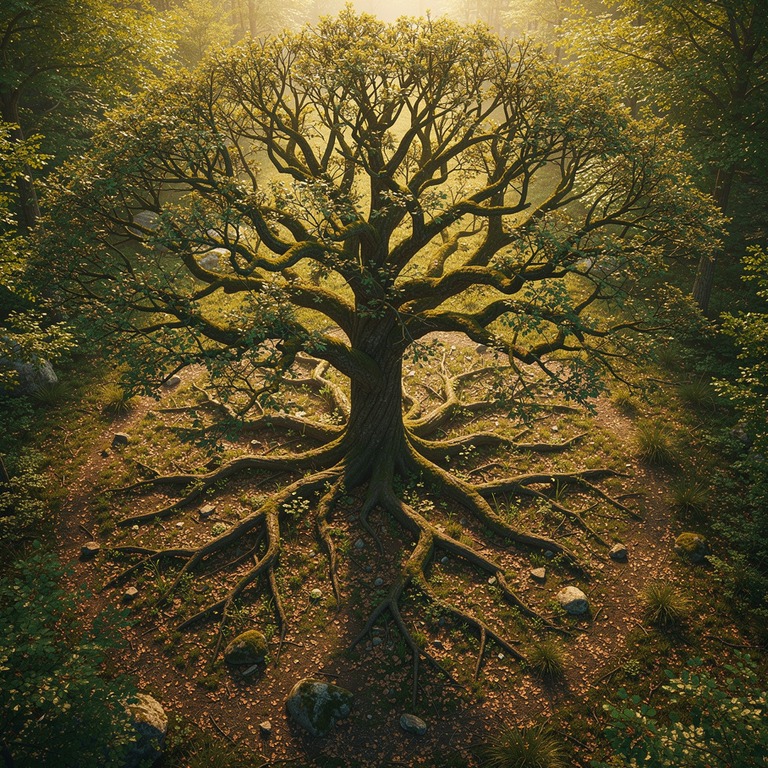
Which Master Plants and Compounds Are Used for What?
Different medicines have different personalities. Anyone who's spent time in this world will tell you that. Here's a rough map of which substance tends to be used for which condition, based on current research and field practice.
Psilocybin
The most widely studied psychedelic for depression and addiction. Sessions typically run four to six hours. The experience is often described as emotionally vivid, occasionally challenging, but more navigable than longer-acting medicines. Many of the well-known retreat centers in the Netherlands and Jamaica work with psilocybin, since it's legally accessible in both contexts.
Ayahuasca
The Amazonian brew combining the Banisteriopsis caapi vine with a DMT-containing companion plant. Strongly associated with deep emotional processing, trauma work, and addiction recovery. Ceremonies usually last four to six hours and are held in traditional or neo-shamanic settings. Ayahuasca demands respect — the dieta, the integration, the lineage of the facilitator all matter.
MDMA
Not a classical psychedelic, but a key player in PTSD treatment. Currently the closest to formal regulatory approval in several countries. Generally used in controlled clinical or clinical-style retreat environments rather than ceremonial ones.
Ibogaine
A longer, more intense experience — sometimes 24 hours or more — used primarily for opioid dependence. Specialized clinics in Mexico, Costa Rica, and Portugal offer ibogaine programs with proper medical screening. This is not a substance to approach casually.
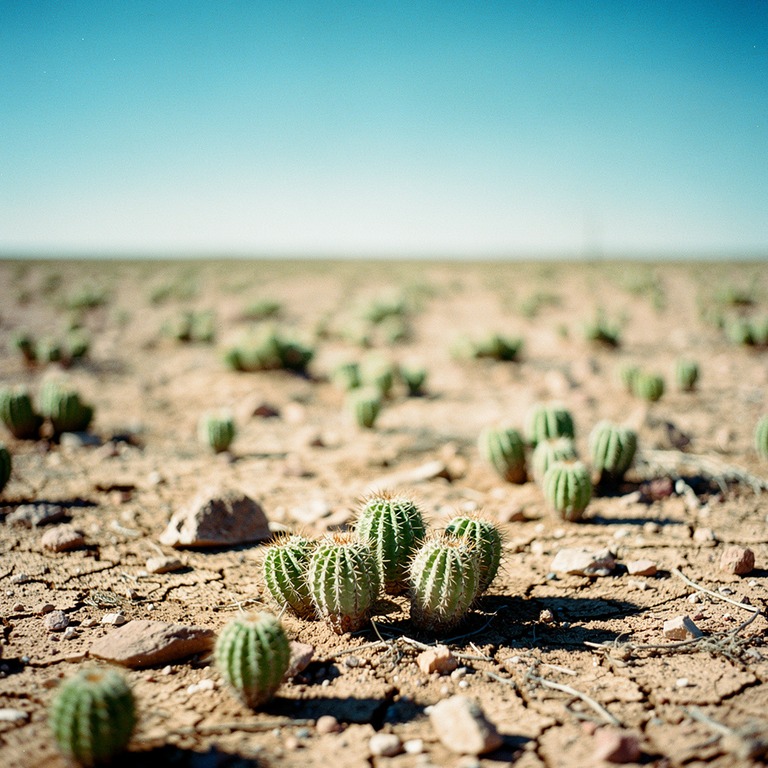
San Pedro and Peyote
Mescaline-containing cacti used in long-form ceremonies, often outdoors. The experience tends to be gentler emotionally than ayahuasca, more grounded, more heart-centered. Used in various contexts for depression, grief, and general life-direction work.
What This Means If You're Considering a Retreat
The research is encouraging. It is not a guarantee. A retreat is not a clinical trial. The quality of facilitation, the screening process, the integration support, and your own preparation will shape your experience far more than the substance itself does.
A few honest things to weigh before booking anything:
- Screening matters. Reputable retreats ask about medications, cardiac history, family history of psychosis, and current mental state. If a retreat doesn't ask these questions, that's a red flag.
- Integration is half the work. An experience without follow-up tends to fade. Look for programs that include integration calls, group sessions, or ongoing support after you go home.
- Lineage and training are not the same as charisma. A charismatic facilitator is not necessarily a safe one. Ask about training, years of experience, and whether they've worked with the specific issue you're bringing.
- Expect a comedown. The two-week window after a powerful session is when most of the real shift happens — and also when it's easiest to lose the thread. Plan a soft re-entry. Take time off work if you can.
- It's not for everyone. Some people don't respond. Some have difficult experiences. Going in with a clear understanding that this is a tool, not a savior, will serve you well.
People sometimes ask me whether psychedelic therapy is the future of mental health. I think the honest answer is: it's part of the future. It's not going to replace conventional psychiatry, and it shouldn't try to. What it can do — and what the early evidence keeps suggesting — is reach people who haven't been reached by anything else. People with treatment-resistant depression. Veterans whose PTSD won't budge. Addicts who've tried every program available. For those readers especially, it's worth knowing this option exists, and worth doing the homework before stepping into it.
If something here resonates and you want to look closer at what's actually available, a curated selection of psychedelic and plant-medicine retreats can be browsed on our marketplace here. The decision deserves time — sit with it, talk to people who've done the work, and trust your own pacing.
Craving More Stories?
Join our ShopAyahuascaRetreats newsletter for the latest updates on thrilling
destinations and inspirational tales, delivered straight to your inbox!
We value your privacy. Your email address will never be shared or published.