 English
 Deutsch
 Français
 Nederlands
 Español
SHOP AYAHUASCA RETREATS BLOG
Iboga and Ibogaine: What an Honest First Retreat Actually Looks Like

Axel Hartley
May 14, 2026
Your ultimate guide to discover transforming ayahuasca and psychedelic experiences. Dive into serene destinations and elevate your consciousness to unparalled heights.
Discover Ayahuasca & Psychedelic Retreats NowSearch for ayahuasca & psychedelic retreats
Discover retreats, trainings, and holidays from all over the world
The first thing anyone who has sat with iboga will tell you is that it doesn’t feel like the other plant medicines. Ayahuasca moves like a river. Psilocybin opens like a door. Iboga sits you down in a hard chair, switches on a projector, and walks you through your own life — frame by frame — without much sympathy and without much hurry. If you’re researching an iboga or ibogaine retreat because something in your life has stopped working — an addiction you can’t shake, a depression that won’t lift, a grief you can’t name — it’s worth understanding what you’d actually be signing up for.
This isn’t a glamour piece. Iboga is one of the most physically demanding psychedelics and plant medicines a person can take, and it’s also one of the most effective tools we currently know of for breaking certain kinds of addiction. Both of those things are true at once. Let’s get into what that really means.
What Iboga Actually Is — and How It Differs From Ibogaine
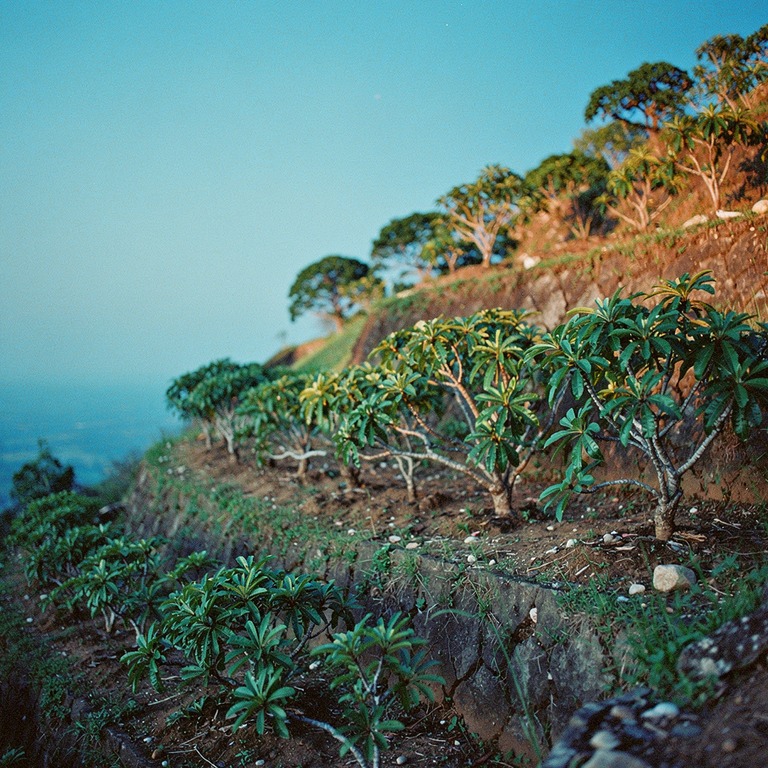
Iboga is the root bark of Tabernanthe iboga, a shrub native to the equatorial forests of Gabon and the surrounding region. In Bwiti tradition — the spiritual practice that has used iboga for centuries — it’s considered a master plant and a teacher, not a party drug or a quick fix. Ceremonies are long, sober, and structured. They’re also nothing like an ayahuasca ceremony, even though both fall under the broad banner of plant medicine.
Ibogaine is the principal alkaloid extracted from the bark. It’s the form used in most clinical and semi-clinical addiction-recovery settings, particularly for opioid dependence. The science here is genuinely interesting: ibogaine appears to reset certain neural pathways involved in craving and withdrawal, and many people who go through a single session report that the physical pull of opioids is dramatically reduced afterward. That’s not marketing. That’s what shows up in interviews with participants and in the small body of clinical research that exists.
The trade-off is that ibogaine is cardiotoxic in a way most psychedelics are not. It can affect heart rhythm, and people have died from it — almost always when proper medical screening was skipped. This is the single most important fact about ibogaine, and any retreat that doesn’t require an EKG, bloodwork, and a serious medical questionnaire before accepting you is a retreat you should walk away from.
The Long Night: What an Iboga Ceremony Feels Like
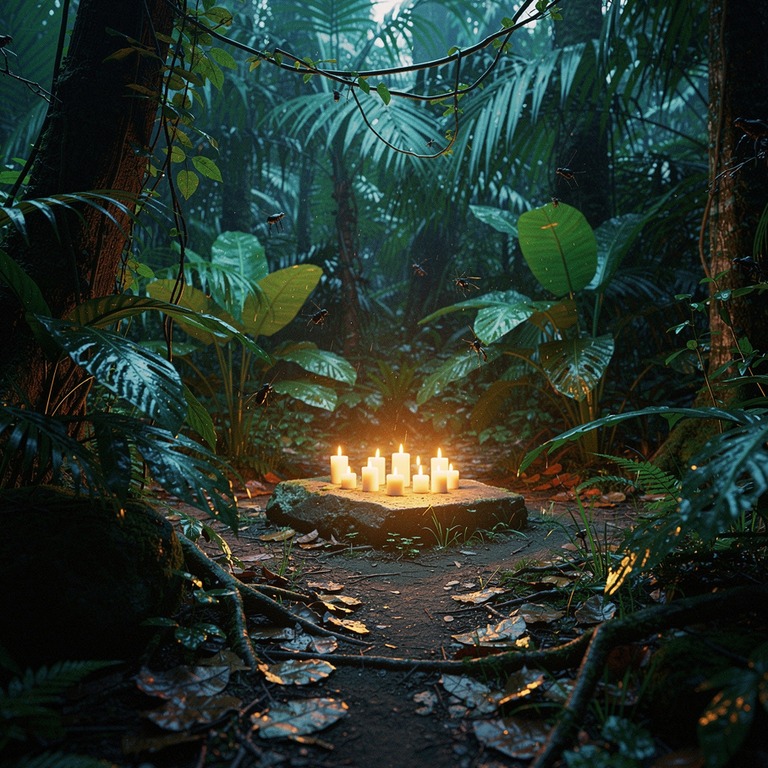
Most ayahuasca ceremonies run four to six hours. An iboga session runs anywhere from twenty to thirty-six. You don’t sleep. You don’t move much. You lie on a mat or a low bed in a quiet, dim room, and the medicine takes you somewhere very specific.
People describe the early hours as a kind of buzzing, with a high-pitched ringing in the ears and a sense that gravity has doubled. Then the visions start — but not the kaleidoscopic geometry of mushrooms or the spirit-realm of ayahuasca. Iboga visions tend to be cinematic and biographical. Old memories. Faces of people you wronged. Decisions you made at nineteen that you’ve been pretending not to think about. It plays them back without commentary, and you watch.
One person I interviewed described it as “sitting through a documentary about myself, produced by someone who has access to every file.” That’s about right. The medicine doesn’t shout. It doesn’t need to. It just shows you what’s there, and lets you draw your own conclusions.
The physical side is no joke either. Nausea is common. Ataxia — loss of coordination — is universal; you genuinely cannot walk. Most people don’t want to. You stay lying down, eyes closed, for the entire experience, with a facilitator nearby monitoring vital signs and occasionally bringing water.
Who Goes to an Iboga Retreat — and Why
The population at iboga retreats skews different than at ayahuasca centers. You’ll meet fewer wellness tourists and more people who have run out of other options. In rough strokes:
- People in late-stage opioid or alcohol addiction who have tried conventional rehab and relapsed, sometimes many times.
- Trauma survivors — often combat veterans or survivors of childhood abuse — for whom talk therapy has plateaued.
- People with severe, treatment-resistant depression who’ve cycled through SSRIs without relief.
- A smaller group of curious explorers who feel called to the medicine for spiritual reasons, often through Bwiti lineage.
What unites them is a particular kind of seriousness. Iboga isn’t a weekend. It’s closer to elective surgery on your psyche, and the people who choose it tend to know that going in.
Ibogaine for Addiction Recovery: What the Evidence Actually Says
This is the use case that gets the most attention, and rightly so. For opioid dependence specifically, ibogaine appears to interrupt withdrawal in a way nothing else really does. Participants describe coming out of a session no longer feeling the physical craving that had defined their daily life for years. The window this opens — usually a few weeks to a few months — is when the real work happens. The medicine doesn’t do the work for you. It makes the work possible.
Recovery rates vary wildly depending on what happens after the session. Retreats that send you home with no follow-up have poor long-term outcomes. Retreats that integrate ibogaine into a longer program — aftercare calls, therapy, sober community, sometimes a follow-up booster session — show much better numbers. The choice of retreat matters more than almost anything else.
It’s also worth being honest: ibogaine isn’t magic. Some people relapse. Some find it doesn’t take. Some have profound experiences that don’t translate into behavior change. Psychedelic-assisted recovery is a tool, not a cure, and any retreat that promises a cure is misrepresenting what they can offer.
How to Choose a Retreat Without Getting Hurt
This is the section to read twice. Iboga and ibogaine retreats vary enormously in quality, and the consequences of choosing badly are higher than with other plant medicines.
- Medical screening is non-negotiable. EKG, liver panel, full medication review. If they don’t ask for these before accepting you, find another retreat.
- On-site medical personnel. A nurse or doctor present during the session, with cardiac monitoring equipment and emergency protocols. Not “on call.” Present.
- Honest facilitator background. Either trained in Bwiti tradition with real lineage, or with serious clinical experience administering ibogaine — ideally both. Ask how many sessions they’ve facilitated. Ask what’s gone wrong.
- Integration support. Not just the ceremony, but structured follow-up. Aftercare is where the rubber meets the road.
- Reasonable group size. Iboga is intensive. One facilitator per two or three participants is sensible. Ten people per facilitator is dangerous.
- No promises of cure. Reputable centers are careful about what they claim. Marketing that sounds too good to be true is a red flag.
Cost varies. A serious ibogaine-for-addiction retreat with proper medical infrastructure typically runs between five and ten thousand dollars for a week or two. Traditional Bwiti ceremonies in Africa can be less expensive but require considerably more cultural adaptation. Free or very cheap iboga is almost always a warning sign.
Preparing Body and Mind
Iboga rewards preparation. In the weeks before a session, most retreats ask you to taper off pharmaceuticals (under medical supervision), eat clean, abstain from alcohol and other substances, and start journaling about what you’re bringing to the medicine. The dieta is less elaborate than ayahuasca’s, but the principle is the same: arrive empty so the medicine has room to work.
Mentally, the best preparation is honesty. Sit down before you go and write — actually write, on paper — what you want to look at. The patterns you’re tired of. The fears you’ve been avoiding. Iboga will likely show you all of it anyway, but going in with your eyes already open changes the quality of the experience.
Afterward, expect to feel scoured. Many people describe a few weeks of unusual clarity, followed by the slow return of regular life. What you do with that clarity window is the whole game. Therapists who specialize in psychedelic integration are worth their weight in gold during this period.
If you’ve read this far, you’re probably not casually curious — you’re weighing a real decision. For readers who want to take this further, a range of vetted ibogaine and iboga retreats can be browsed on our marketplace here. Whatever you decide, decide slowly, ask hard questions, and choose the people running the ceremony as carefully as you’d choose a surgeon. With this medicine, that’s not an exaggeration.
Craving More Stories?
Join our ShopAyahuascaRetreats newsletter for the latest updates on thrilling
destinations and inspirational tales, delivered straight to your inbox!
We value your privacy. Your email address will never be shared or published.