 English
 Deutsch
 Français
 Nederlands
 Español
SHOP AYAHUASCA RETREATS BLOG
What Ibogaine Actually Teaches You: Lessons From the Other Side of Treatment

Axel Hartley
May 13, 2026
Your ultimate guide to discover transforming ayahuasca and psychedelic experiences. Dive into serene destinations and elevate your consciousness to unparalled heights.
Discover Ayahuasca & Psychedelic Retreats NowSearch for ayahuasca & psychedelic retreats
Discover retreats, trainings, and holidays from all over the world
People come to ibogaine for one reason, usually. They want the addiction to stop. Whether it's heroin, fentanyl, methadone, alcohol, or some tangled combination, the pitch is almost too clean: one long session with a powerful African root, and the withdrawal vanishes. The cravings quiet down. The story ends.
Except it doesn't end. That's the part nobody puts on the retreat brochure. Ibogaine isn't a finish line — it's a strange, exhausting, sometimes unbearable doorway. And what people actually learn on the other side of it is often very different from what they expected to learn. This piece is for anyone weighing ibogaine treatment for addiction, or trying to understand what a friend or family member just went through. Plant medicine doesn't hand you a new life. It hands you information. What you do with it is the rest of the work.
What Ibogaine Is, and Why People Use It for Addiction
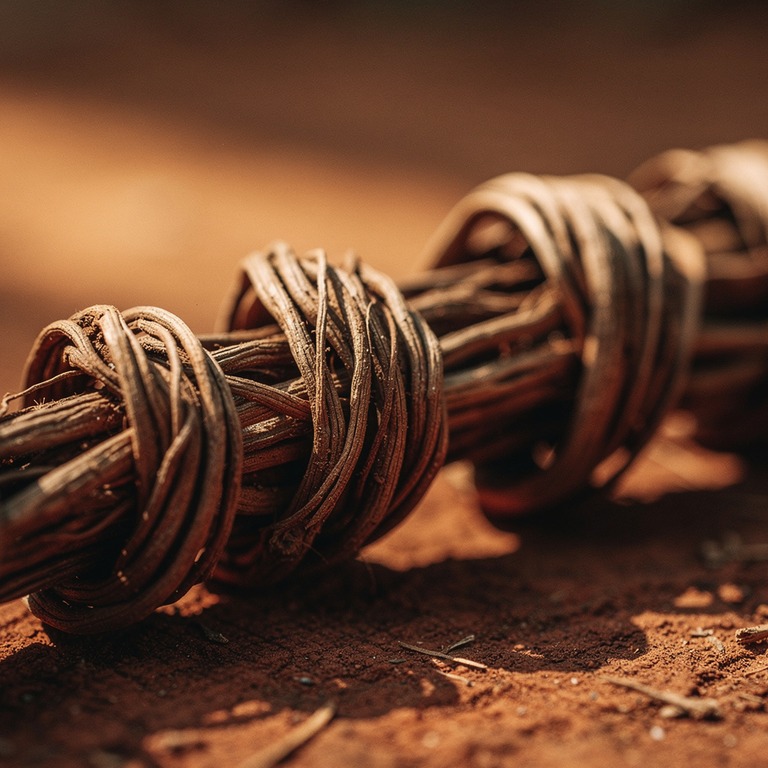
Ibogaine is a psychoactive alkaloid found in the root bark of Tabernanthe iboga, a shrub native to West Central Africa. The Bwiti tradition in Gabon has used iboga ceremonially for generations — initiation, ancestor work, deep personal reckoning. Outside that context, ibogaine became known in the West for something more specific: it appears to dramatically interrupt opioid withdrawal and reset the brain's response to certain addictive substances.
The mechanism is still being studied, but the lived experience is striking. People who've been physically dependent for years describe walking out of a session without the bone-deep sickness they expected. Cravings, in many cases, drop to a whisper. That's the part that gets attention — and rightly so. For someone who's been trapped in a cycle, the idea that one treatment could break the physical hold is staggering.
But here's where the misunderstanding starts. Interrupting withdrawal is not the same as curing addiction. The substance does something profound to your nervous system. It does not, on its own, repair the reasons you started using in the first place.
The Session Itself: Longer and Stranger Than You Think
Most psychedelic experiences clock in at four to eight hours. Ibogaine runs longer — often 24 to 36 hours from first dose to the point you can walk steadily again. The first phase is sometimes called the visionary state, and it's where the famous “life review” happens. Memories surface, sometimes in vivid sequence, sometimes scattered. People describe watching their lives from the outside, observing choices they'd buried for decades.
The second phase is more cognitive — quieter, more reflective. You're processing what came up. The body is doing heavy lifting too: ibogaine slows the heart rate significantly, which is why reputable clinics require an EKG, blood work, and continuous cardiac monitoring. This is not a substance to take in a friend's living room. The cardiac risks are real, and most ibogaine-related fatalities trace back to inadequate medical screening.
By the third phase, you're tired in a way you've probably never been tired. People talk about a kind of grey clarity that lasts for days. The body is exhausted; the mind is unusually quiet. And then — this is the part nobody warns you about enough — you have to go home.
The Lessons People Actually Take Away
If you read enough first-person accounts, certain themes show up over and over. Not in the marketing copy. In the honest reports — the ones written months or years later, when the dust has settled.
- Addiction was a symptom, not the disease. Almost everyone who completes ibogaine treatment comes out understanding that the substance was covering something — usually trauma, grief, chronic loneliness, or a pattern of self-abandonment that started long before the drugs did.
- The window after treatment is precious and fragile. Many describe a four-to-eight-week period where cravings are minimal and old patterns feel optional. This is the integration window. Waste it, and the old wiring quietly powers back on.
- Relationships are the real test. The people in your life expect the version of you they knew. Going back into the same environment, the same dynamics, the same arguments — that's where most relapses start. Not in the body. In the relational pattern.
- You are not fixed. You are softened. Ibogaine doesn't deliver a new personality. It loosens the grip of the old one just enough that you can choose differently. The choosing is still on you.
- Aftercare matters more than the session. Therapy, peer support, sober community, somatic work, sometimes follow-up doses of smaller psychedelics — this is the unglamorous part where actual recovery lives.
That last point is the one most people underestimate. The session is dramatic. The integration is mundane. And mundane is what changes a life.
Ibogaine vs. Ayahuasca for Addiction: An Honest Comparison
This question comes up constantly from people researching plant medicine for addiction, so it's worth addressing directly. Both ayahuasca and ibogaine have been studied as tools for addiction recovery, and both have produced remarkable case reports. They are not interchangeable.
Ibogaine is, by most accounts, the more medically demanding of the two. The cardiac risk is higher. The session is longer. It's particularly effective at interrupting opioid dependence — something ayahuasca generally is not designed to do. If your primary issue is physical dependence on opioids, ibogaine is the more direct intervention.
Ayahuasca tends to work differently. It's better suited to longer-arc work — depression, trauma, behavioural addictions, alcohol patterns, the existential layer of why-am-I-like-this. Many people who first encounter plant medicine through ibogaine eventually find their way to ayahuasca ceremonies for ongoing integration work. The two can complement each other across years, not weeks.
Master plants — the broader category these medicines fall into — share something important: they show you things. They don't decide for you. Whichever path fits your situation, the work after the ceremony is what determines the outcome.
How to Choose a Reputable Ibogaine Provider
This is where I get blunt. The ibogaine world has reputable clinics doing careful, life-saving work. It also has cowboys. The difference between the two can be the difference between recovery and a coroner's report. If you're seriously considering treatment, look for these markers:
- Pre-treatment medical screening. EKG, liver function, electrolyte panel, full medication review. If a provider doesn't require these, walk away.
- Continuous cardiac monitoring during the session. Not just at the start. Throughout.
- A medical professional on site. Ideally a physician or experienced nurse with ibogaine-specific training.
- Realistic claims. Anyone promising a guaranteed cure is either lying or doesn't understand the medicine. The honest providers will tell you the success rates depend heavily on what you do afterward.
- Aftercare structure. Real clinics have integration support — coaching, therapy referrals, alumni networks, sometimes follow-up sessions. If the plan ends when you walk out the door, the plan is incomplete.
- Transparent pricing. Costs typically range from a few thousand to over twenty thousand dollars depending on the country and the level of medical support. Cheap is a warning sign here.
Mexico and Costa Rica host most of the legal, medically-supervised clinics serving North Americans, since ibogaine is unscheduled in those countries. The legal status in the United States is more restrictive — ibogaine is a Schedule I substance there — which is why most treatment-seekers travel.
What the Reader Considering This Should Actually Do
If you're reading this because you or someone you love is stuck in addiction, here's the honest path forward. Do your research slowly. Talk to people who've been through it — not just the ones the clinics put forward, but the harder-to-find ones who'll tell you what didn't work. Get a real medical workup before you commit. Build your aftercare plan before you book the session, not after. And don't expect ibogaine to do the work that therapy, community, and time are supposed to do.
The people who do well with ibogaine treatment tend to share a particular quality: they treat it as the beginning of something, not the end. They line up integration support, change their environment, take the post-session window seriously, and accept that the medicine has shown them what to do — but it's still on them to do it.
If something here resonates and you want to explore further, a curated selection of ibogaine and plant-medicine retreats can be browsed on our marketplace here. Take your time with the decision. The right retreat, at the right moment, with the right aftercare around it — that's what changes things. Not the medicine alone.
Craving More Stories?
Join our ShopAyahuascaRetreats newsletter for the latest updates on thrilling
destinations and inspirational tales, delivered straight to your inbox!
We value your privacy. Your email address will never be shared or published.