 English
 Deutsch
 Français
 Nederlands
 Español






Reset. Heal. Grow.

How to Have a Good Magic Truffle Trip: 12 Practical Tips
Magic truffles sit in a strange middle ground in the psychedelic world. They’re less mythologised than ayahuasca, less notorious than LSD, and quietly legal in a few corners of Europe — which is why a lot of curious first-timers end up trying them before any other classical psychedelic. The active compound is psilocybin, the same molecule found in magic mushrooms, and the experience can run anywhere from a soft afternoon of giggles to something that genuinely shakes loose how you see your own life. If you’re thinking about a truffle session — whether on your own, with a trusted friend, or as part of a guided psilocybin retreat in the Netherlands — the difference between a great experience and a rough one almost always comes down to preparation. Not luck. Preparation. Here are twelve things worth knowing before you sit down with the bag. Set and setting. You’ve probably heard it. It’s repeated so often that people glaze over, but every experienced facilitator I’ve spoken to says the same thing: the mental state you bring into the session is the single biggest predictor of how it’ll go. If you’re anxious, exhausted, in the middle of a breakup, or carrying unspoken resentment toward whoever you’re tripping with — psilocybin will find it. And then it’ll hand it to you, magnified. This isn’t a reason to be scared. It’s a reason to be honest with yourself. Sleep well the night before. Eat lightly. Sort out the logistics so nothing’s nagging at you. If something heavy is going on in your life, ask whether today is really the day, or whether next month would serve you better. Because it does. A familiar living room with soft light, blankets, and music you trust is a world away from a stranger’s couch with people coming and going. Outdoors can be magnificent — a quiet forest, a private garden — but only if you know the area and aren’t going to bump into a confused dog walker mid-peak. Make the space comfortable before the truffles kick in. Water within reach. A bathroom you don’t have to think about. A blanket. A spot to lie down. The vibe you create in the first thirty minutes is the vibe you’ll be marinating in for the next five hours. A sober trip sitter is one of the most underrated tools in psychedelics. Their job isn’t to entertain you. It’s to be a calm, grounded presence in the room — someone who hands you water, reassures you that yes, you’re fine, and quietly handles anything practical that comes up. Choose someone who isn’t squeamish about emotion and who you’d trust to drive you to a hospital if, in some unlikely scenario, that became necessary. If you don’t have anyone like that in your life, this is exactly the gap that licensed psilocybin retreats fill. A trained facilitator, a vetted environment, a group of people doing the same thing. For some readers that structure is overkill. For others it’s the reason the experience works at all. Truffles, technically called sclerotia, are the underground nutrient stores of certain Psilocybe species. They contain psilocybin and psilocin, the same compounds that make magic mushrooms psychoactive — just at somewhat different concentrations and in a slightly chewier package. Different strains have different reputations: some lean visual, some lean introspective, some lean euphoric. None of them care about your weekend plans. Read up on the specific variety you have. Know roughly how strong it’s supposed to be. If you bought from a reputable supplier, this information will be on the packaging or the website. If you can’t find it, that itself tells you something. The most common rookie mistake isn’t taking too little — it’s taking too much, getting impatient when nothing’s happening at the 30-minute mark, taking more, and then having a four-hour panic spiral when both doses arrive at once. Onset is typically 30 to 60 minutes on an empty stomach, longer if you’ve eaten. For a first session, start lower than the recommended amount. You can always go deeper next time. Rough orientation: An empty stomach gives a faster, cleaner come-up. A heavy meal can blunt the experience and make nausea more likely. The sweet spot for most people is a small, light meal two to three hours before — fruit, a bit of toast, something easy. Avoid big greasy plates. Some people fast for longer; that’s a personal call, but make sure your blood sugar isn’t crashing when the come-up hits, because that adds an unnecessary layer of physical weirdness. Music shapes a psilocybin experience more than people expect. The right track at the right moment can crack something open; the wrong one can drag you sideways. Build a playlist in advance. Mostly instrumental, mostly without lyrics that might intrude on your inner narrative. Ambient, classical, world music, soft electronic — whatever feels good to you sober. Have a backup ready in case your first choice stops working halfway through. And — small thing, big payoff — turn off all notifications on whatever device you’re using. The last thing you want at hour two is a Slack ping from your boss. Going in with a question or a soft theme tends to deepen the experience. Something like, “What am I avoiding?” or “Show me what I need to see about this relationship.” Keep it open. Psilocybin doesn’t respond well to demands. It tends to give you what you need, which isn’t always what you asked for. Then — and this is the part people forget — let the intention go once the trip begins. Don’t white-knuckle it. The medicine will return to it on its own terms. This should be obvious but apparently isn’t. Don’t combine truffles with alcohol, MDMA, cannabis, prescription antidepressants, or recreational stimulants. SSRIs in particular blunt the effect and, more importantly, can interact in ways nobody fully understands. If you’re on any psychiatric medication, talk to a doctor who actually knows about psychedelics before considering a session. This is not the area to wing it. Difficult moments happen. A wave of fear, a tight chest, an old memory surfacing uninvited. The instinct is to resist — to clamp down and try to make it stop. That almost always makes it worse. The counterintuitive move is to soften, breathe, and let whatever’s arising actually arrive. Most challenging passages dissolve within ten or fifteen minutes if you stop wrestling them. Reminders that help in the moment: this is temporary, you took a substance, you are safe, this will pass. Your sitter or guide can be invaluable here. So can a hand on your own chest and three slow breaths. The come-down is part of the experience, not an inconvenience to power through. As things wind down, you’ll feel tender, reflective, sometimes wide open. Don’t schedule anything social or demanding. Have warm food ready — soup, a simple meal, something nourishing. A quiet walk outside in the early evening can be lovely if you’re still mobile and the light is gentle. Sleep usually comes easily that night, though dreams can be vivid. Give yourself the next day clear too, if you can. You’ll thank yourself. Here’s the part most casual users skip, and the part anyone who’s taken psychedelics seriously will tell you matters most. The trip itself is the spark. Integration is what turns it into actual change in your life. Write down what you remember the next morning, even if it feels fragmentary. Talk it through with someone who gets it — a friend, a therapist familiar with psychedelics, an integration circle. Notice in the days that follow what you’re drawn toward, what you’re avoiding, what feels different. The insights from a single session can keep unfolding for weeks if you give them attention. Ignored, they fade fast. Truffles are, for many people, a doorway. Some take a session at home, find what they were looking for, and never feel the need to return. Others find themselves curious about deeper terrain — longer ceremonies, traditional plant medicines, structured group settings with experienced facilitators. There’s no correct path. There’s just the path that fits where you actually are. If something here resonates and you’d like the support of an experienced container rather than a solo sitting, a range of curated psilocybin and plant-medicine retreats can be browsed through the marketplace. Whatever you decide, take it slow, take it seriously, and treat the medicine — and yourself — with the respect both deserve.
Why Oregon's Psilocybin Market Faces a Tax Code Built for the Drug War
Here's something most people don't realize when they hear that Oregon legalized psilocybin: the people trying to build that market are walking straight into a federal tax landmine that was planted nearly forty years ago, during the height of the Reagan-era drug war. The substance is legal under state law. The businesses serving it are still, in the eyes of the IRS, drug traffickers. And that contradiction is about to make a lot of operators very unhappy when their first tax bill arrives. If you've been watching the psychedelic space — maybe even considering a psilocybin retreat in Oregon once licensed facilities open their doors — this matters more than it sounds. The rule in question shapes which retreats survive, which fold within a year, and which ones cut corners to stay afloat. So let's talk about what 280E actually is, why it's haunting the psychedelic industry now, and what it means for anyone weighing a future ceremony in Oregon. Section 280E of the federal tax code is a single sentence with enormous consequences. Passed in 1982, it prohibits any business that traffics in Schedule I or Schedule II controlled substances from deducting ordinary business expenses — rent, payroll, utilities, marketing, the boring stuff every other company writes off without thinking. The result is that a state-legal cannabis dispensary can pay effective tax rates north of 70 percent on its profits. Sometimes higher. The catch for the psychedelics world is that psilocybin is still federally classified as Schedule I, right next to heroin and LSD. Oregon's Measure 109 created a state framework for licensed psilocybin services, but federal law didn't budge an inch. So the moment a licensed psilocybin facilitator collects payment for a session, the IRS treats them the same way it treats a cannabis grower in Denver — meaning most of their normal operating costs aren't deductible. Until now, most psychedelic companies have sidestepped this problem by sticking to pharmaceutical research, operating offshore, or running ceremonies in countries where the law is friendlier. Oregon changes the math. For the first time, American operators are about to learn what cannabis entrepreneurs have been complaining about for over a decade. Talk to anyone who's run a dispensary and they'll tell you the same thing: 280E doesn't just shrink margins, it warps every decision you make. You can't write off the therapist's salary. You can't deduct the cost of the heating system. You probably can't even get a normal bank account, because most credit unions won't touch a federally illegal business. Financing dries up. Insurance gets weird. Landlords charge a premium because they know you're stuck. Sam Chapman, who leads the Healing Advocacy Fund in Oregon, has been blunt about expecting the tax issue to blindside operators who didn't come from the cannabis world. There's still no clean playbook for managing the liability. People assume that because their service is state-legal and looks more like therapy than retail drug sales, the IRS will see it the same way. The IRS will not. Investors are paying attention too. One venture capitalist focused on psychedelics put it plainly — from a returns perspective, a business saddled with 280E isn't exactly exciting to back. That sentiment, repeated across the funding world, means the operators most likely to survive Oregon's first few years aren't necessarily the most thoughtful or experienced. They're the ones with deep pockets and the patience to bleed cash while figuring it out. Not every business in the psilocybin supply chain is treated the same. The lines aren't fully drawn yet, but the rough shape is becoming visible: That distinction is going to shape the industry in ways most people aren't thinking about yet. Expect a wave of corporate restructuring where retreats split themselves into multiple legal entities — one that handles the ceremony space, the integration, the meals, the lodging, and another, narrower entity that handles the actual administration of psilocybin. Only the second one eats the tax penalty. Tax advisors who've been through this with cannabis clients warn that you can't just paper this over. The separation has to be economically real — different staff, different contracts, different books, a paper trail strong enough to survive an audit. Pretend-separation gets you in worse trouble than not separating at all. You're not here for tax law. You're probably here because you're quietly considering whether plant medicine might help with something you've been carrying — depression that hasn't budged, a stuck pattern, a loss you can't talk your way through, an addiction that traditional treatment hasn't touched. Oregon is the closest thing to a legal option in the United States, and that's why the business side of this matters to you, even if it sounds dry. Here's the practical translation. The financial pressure on Oregon operators is going to be real, and it's going to show up in ways that affect your experience: None of this should scare you off the idea of a psilocybin retreat. It should sharpen the questions you ask. Who's behind this operation? How are they funded? What's their facilitator training? What does integration look like after the session ends? A retreat that can answer those clearly is one that's thought past the tax form. Zoom out and the 280E situation tells you something honest about where psychedelic-assisted recovery sits in the United States right now. We have growing evidence that psilocybin can meaningfully shift depression, that ibogaine can interrupt opioid addiction in ways nothing else does, that ayahuasca and other master plants are doing real work for trauma survivors. We also have a federal legal framework that treats every one of these substances as if it were 1986 and the answer were just to say no. Until federal scheduling changes — and there are real efforts moving in that direction, but no guarantees — the legal psychedelic industry in this country will keep operating with one hand tied behind its back. That's why so many people still travel to Peru, Costa Rica, Mexico, or the Netherlands for plant medicine work. The legal climate abroad is cleaner, the traditions are older, and the price often ends up comparable once you factor in the tax distortion at home. What Oregon represents, despite the headaches, is a beginning. Imperfect, expensive, complicated — but a real legal pathway where one didn't exist before. The operators who survive the early years will help define what American psychedelic healing actually looks like. The choices they make about ethics, accessibility, and integration will matter for decades. If you're sitting with a quiet question about whether plant medicine might be part of your own next chapter, take the time to research carefully and ask the unsexy questions — about safety, screening, and aftercare — before you commit to anything. For readers who want to keep exploring, a curated range of psilocybin and plant-medicine retreats can be browsed on our marketplace here, including options both in the U.S. and internationally where the legal picture is different. Whatever you decide, decide it slowly. This kind of work rewards patience.


Ibogaine in Mexico: What an Addiction-Recovery Treatment Actually Looks Like
Somewhere outside Tijuana, a man in his thirties is lying on a single bed in a clinic room, an EKG patch on his chest, a bucket beside him, and a heroin habit he hasn't been able to shake for eleven years. In about forty minutes he'll swallow a capsule of ibogaine. By tomorrow morning, if the clinicians have done their job and his heart cooperates, he'll be on the other side of what he describes — in the matter-of-fact way only an exhausted person can — as his last shot. This is the part of the psychedelics conversation that doesn't trend on social media. No ayahuasca-by-candlelight aesthetic, no influencer microdosing reels. Just people with serious addictions, often opioid addictions, traveling to Mexico because the medicine they want is a Schedule I substance in the United States. If you've landed on this article, there's a decent chance you're researching it for yourself or someone you love. So let's talk about what ibogaine actually is, what a treatment looks like, what the risks are, and how it fits into the wider world of plant medicine and psychedelic-assisted addiction recovery. Ibogaine is the primary psychoactive alkaloid in the root bark of Tabernanthe iboga, a shrub native to West and Central Africa. The Bwiti tradition in Gabon has used iboga for centuries in initiation rites — long, intense ceremonies that can last more than a day. Iboga is one of the original master plants, in the same way ayahuasca, peyote, and psilocybin mushrooms are: a non-recreational teacher used in a structured ritual context, not a party drug. What put ibogaine on the Western map was the observation, made by a heroin-addicted chemistry student named Howard Lotsof in the 1960s, that a single dose seemed to switch off his withdrawal symptoms and his craving at the same time. People in recovery have been chasing that effect ever since. The pharmacology is genuinely unusual: ibogaine and its metabolite noribogaine interact with multiple receptor systems — opioid, serotonin, NMDA, sigma — in a way that appears to reset some of the neural patterns underlying dependence. That's why people travel for it. It's not because they want a psychedelic experience for its own sake. It's because nothing else worked. Short answer: no. Ibogaine is Schedule I in the United States, alongside heroin and LSD — meaning the federal position is that it has no accepted medical use and a high potential for abuse. Whether that classification reflects reality is a separate debate, but it's the law. As a result, there are no licensed ibogaine clinics operating openly in the U.S. Mexico is the most common destination because ibogaine is unscheduled there. A loose network of clinics — some genuinely medical, some closer to retreat centers, a few that probably shouldn't be operating at all — has clustered in places like Tijuana, Rosarito, Playa del Carmen, and Cancún. New Zealand, Costa Rica, the Netherlands, and parts of South Africa also have legal-grey or legal-permitted ibogaine treatment. For Americans, Mexico is closest and cheapest. A reputable clinic will look more like a small medical facility than a yoga retreat. You should expect cardiac screening before you ever get on a plane, an on-site doctor during the dose, continuous EKG monitoring, and IV access. If a place is offering ibogaine without those things, walk away. I mean that literally. People who've done both ayahuasca and ibogaine will tell you they are not in the same emotional neighborhood. Ayahuasca tends to be relational, mythic, sometimes terrifying, sometimes blissful — and it's over in five or six hours. Ibogaine is longer, heavier, and more clinical-feeling. Total duration from dose to functional baseline is often 24 to 36 hours, sometimes more. The arc most people describe goes something like this: That last point is what makes ibogaine remarkable as an addiction-recovery tool. People who would normally be in screaming opioid withdrawal walk out the door without it. The technical term clinicians use is interruption — the medicine appears to interrupt the dependence cycle. It does not, by itself, fix the life that produced the addiction. Ibogaine can kill you. That sentence belongs near the top of any honest article on this topic. The mechanism is usually cardiac: ibogaine prolongs the QT interval on an EKG, which in vulnerable people can trigger a fatal arrhythmia. Deaths in ibogaine treatment have happened, and the great majority involved pre-existing heart conditions, undisclosed drug use during treatment, or clinics without adequate medical screening. This is why the choice of clinic matters more than almost any other decision you'll make. A serious provider will: Other risks worth naming: ataxia (you genuinely cannot walk safely for many hours, so you need supervision to get to the bathroom), severe nausea, and a small but real chance of psychological destabilization in people with underlying psychotic-spectrum conditions. Ibogaine is not appropriate for everyone, and any clinic that tells you otherwise is selling something. People often ask how ibogaine stacks up against ayahuasca, psilocybin, or kambo for breaking addiction. Honest answer: they're different tools for overlapping problems, and the right choice depends on what you're actually dealing with. Ayahuasca retreats have a longer track record with alcohol dependence, depression, and the kind of trauma that drives self-medication. The traditional Amazonian setting, the dieta beforehand, the multi-night ceremony arc — these can do deep work, but they don't reliably interrupt acute physical withdrawal the way ibogaine does for opioids. Psilocybin shows promise for alcohol use disorder and tobacco cessation in clinical trials, but again, it's working on the psychology more than the pharmacology of dependence. Kambo, the Amazonian frog secretion, is sometimes used as a complement before or after other plant medicines, not as a primary intervention for addiction. If the problem is a serious opioid habit and the body is physically hooked, ibogaine is the medicine that most consistently does the unique thing — wiping the withdrawal and resetting cravings in a single session. If the problem is years of drinking to cope with unprocessed trauma, an ayahuasca retreat or a guided psilocybin experience may be a better fit. Some people end up doing more than one, in sequence, with significant integration time between. Here's the thing nobody wants to hear after spending six to ten thousand dollars on a clinic stay: the dose is not the treatment. The treatment is what you do in the year after. Ibogaine appears to give people a window — somewhere between two weeks and several months — where cravings are quieter and old patterns feel less compulsory. If you walk back into the same apartment, the same friend group, the same job that made you miserable, that window closes and the addiction comes back. People who get durable results almost always make structural changes during the window: a new living situation, sober community, ongoing therapy, sometimes a second psychedelic experience like an ayahuasca ceremony or psilocybin session months down the line to consolidate the shift. Practical preparation before treatment matters too. That means tapering off long-acting opioids like methadone or buprenorphine well in advance under medical supervision (these block ibogaine's action and complicate the cardiac picture), eating cleanly for a couple of weeks, lining up your aftercare before you leave home, and being honest — really honest — on the medical intake form. The clinic can't protect you from a heart condition you don't disclose. Ibogaine is a serious medicine for a serious problem. It is not a curiosity tour. If you are reading this because you are tired in a way that nothing else has touched, and the conventional addiction-recovery system has not worked for you, it deserves a closer look — alongside ayahuasca, psilocybin, and the broader world of plant medicine for addiction recovery. If you're reading it because you're curious about psychedelics in general, start somewhere else. There are gentler doorways into this work. Whatever you decide, do the research with the same seriousness you'd bring to choosing a surgeon. Ask clinics for their medical protocols in writing. Ask how many cases they've had, what their adverse-event record looks like, how they handle aftercare. Talk to former patients, not just the testimonials on the website. For readers who want to take this further, a range of vetted ibogaine and plant-medicine retreats can be browsed on our marketplace here — a starting point for the longer conversation you'll want to have with providers, doctors, and the people in your life who'll be there when you get home.

Considering Ibogaine but Terrified of the Trip? An Honest Read
So you’re considering ibogaine. You’ve read the survival stories, watched a documentary or two, maybe lurked on a forum at 3 a.m. while the rest of the house slept. And somewhere between “this might finally work” and “book the flight,” a different thought arrived: I’m terrified of tripping. That fear is more common than the retreat brochures let on. People who walk into an ibogaine clinic to interrupt an opioid dependence, a stimulant cycle, or a decade-long alcohol pattern aren’t usually psychonauts. They’re tired. They want out. The idea of a 24-to-36-hour visionary state — eyes closed, body heavy, mind unspooling — sounds less like medicine and more like being trapped inside a very long, very honest film about yourself. Let’s talk about it plainly. Psilocybin lasts four to six hours. Ayahuasca, four or five. LSD will run you eight to twelve. Ibogaine is in a category of its own — a single therapeutic flood dose can keep you in active experience for a day, sometimes longer, with an afterglow and gray zone that stretches several days more. That length alone is enough to give a reasonable person pause. The character of the experience is also different. Most people don’t describe ibogaine as “tripping” in the cheerful, geometric, mushrooms-in-the-park sense. They describe it as a life review. Memories surface in vivid, almost documentary detail — childhood scenes, the look on someone’s face the day you let them down, the exact apartment where things came apart. It’s less kaleidoscope, more archive. That’s why so many people who’ve never wanted anything to do with psychedelics still consider this molecule: the visionary part isn’t recreation. It’s the mechanism. And here’s the part the recovery-curious reader needs to hear early: many people who undergo ibogaine treatment for addiction report that the physical interruption of withdrawal — the way it seems to reset opioid receptors — is more striking to them than the visions. The visions are vivid, yes. But they’re not what most people remember as the hardest part. The hardest part, often, is the day or two afterward when you’re awake, sober, and have to start a new life with the volume turned back up. I’ll keep this honest because vague descriptions don’t help anyone make a real decision. A flood dose at a reputable clinic typically rolls out in phases. Notice what’s missing from that description: terror, screaming, monsters under the bed. That’s not because difficult content doesn’t come up — it absolutely does — but because the dominant emotional tone people describe is more like grief, recognition, or a strange tenderness toward their younger self. Difficult, yes. Frightening in the haunted-house sense, usually not. Here’s where I want to be unambiguous. Ibogaine is one of the more medically serious substances in the plant-medicine world. It affects the cardiac QT interval, which means it can disrupt heart rhythm in people who have certain underlying conditions or who are taking medications that compound the risk. Deaths have happened — almost always in settings without proper screening, without an EKG, without a doctor present, or with the person concealing their drug use from staff. If a clinic does not require, at minimum, the following before treatment, walk away: This is not the corner of the psychedelic world where you cut corners on price. A weekend with an underground provider in someone’s apartment is not the same product as a medically supervised week at a clinic with a cardiologist on call. They share a name and almost nothing else. The fear of tripping is, in my read, almost never really about the trip. It’s about losing control. People who’ve spent years managing an addiction have usually built a very specific relationship with control — gripping it, losing it, white-knuckling it back. The idea of voluntarily handing it over for 30 hours feels like the opposite of recovery. I get it. A few things help. First, talk to the clinic — not the sales contact, the medical or facilitation lead — about exactly what happens minute by minute. Ask what the room looks like. Ask whether you can have a sitter. Ask what music plays, or whether it’s silent. Concrete answers shrink imaginary fears. Second, consider whether a smaller-dose protocol fits you better. Not every center pushes a single massive flood. Some use staggered or test doses, particularly for people who aren’t treating an acute opioid dependence. If your interest is in the introspective and trauma work side of ibogaine rather than withdrawal interruption, a gentler approach may exist and may be more appropriate. Third — and this matters more than people expect — line up your aftercare before you book the trip. An ibogaine experience without integration is a bell rung in an empty room. Therapists who understand psychedelic integration, a sober community, a plan for the first 30 days at home: these are what make the experience stick. Without them, the window of neuroplasticity closes and life quietly reassembles itself. Many readers researching ibogaine also look at ayahuasca, and the two get conflated. They shouldn’t be. Ayahuasca is a brewed tea from the Amazon, taken in ceremony, usually across several nights. It’s gentler on the cardiovascular system but harder on the stomach (the purge is real), and the experience tends to be more relational, more “taught” by what practitioners call the medicine. It’s well-suited to people working with depression, trauma, grief, and stuck life patterns. Its track record with opioid withdrawal specifically is thinner than ibogaine’s. Ibogaine is a single isolated alkaloid (or a total alkaloid extract) from the iboga root, taken in a clinical or quasi-clinical setting, usually as a one-time event. It has a documented ability to interrupt opioid withdrawal — this is the reason it exists in addiction medicine at all — and it carries more medical risk. The work is internal, archival, and long. If you’re primarily interested in interrupting a physical dependence, ibogaine is the more direct tool. If you’re working on the emotional and spiritual scaffolding around long-term sobriety, both can play a role, often in sequence. Plenty of people do ibogaine first and ayahuasca a year later, once they’ve rebuilt some ground to stand on. I can’t answer that for you, and anyone who answers it for you on the internet should be regarded with suspicion. What I can tell you is that the fear of the trip is not, by itself, a reason to rule ibogaine out. It’s a reason to ask better questions of the place you’re considering, to be fully honest in your medical screening, and to build the aftercare before you build the travel itinerary. The people who seem to do best aren’t the ones who arrived without fear. They’re the ones who arrived with their fear named, their medical workup clean, and a clear picture of what they were trying to put down. Some of them describe the day of treatment as one of the hardest of their lives. Most of them also describe it as the day a door finally opened. If something in this has sharpened your thinking rather than scared you off, curated ibogaine and broader plant-medicine retreats can be browsed on our marketplace here. Take your time with the decision. The medicine isn’t going anywhere, and the version of you that chooses it well will get more out of it than the version that chooses it in a panic.
Ibogaine Trip Reports: What People Actually Experience in Ceremony
Ibogaine doesn't get talked about the way ayahuasca does. There's no glossy retreat catalog, no celebrity podcast circuit (well, fewer of them anyway), no Instagram aesthetic built around it. What there is, instead, is a quiet stream of trip reports — written by people who came out the other side of a 24-to-36-hour session and tried to put it into words. Those reports are some of the most useful reading you can do before deciding whether this particular plant medicine belongs anywhere near your life. I want to walk through what those reports tend to describe, what they don't, and what a reasonable person should make of them. If you're researching ibogaine for addiction, depression, or the kind of stuck pattern that talk therapy hasn't budged, this is the unglamorous tour. No hype. Just what actually tends to happen. With most psychedelics, you can read clinical literature and get a reasonable sketch of the experience. Ibogaine is different. The pharmacology is unusual — it's a long-acting alkaloid that affects multiple receptor systems, and the subjective experience stretches across more than a day. Clinical papers describe outcomes and adverse events. They don't tell you what hour eight feels like when the visions have stopped and you're just lying there with your own life on repeat. That's where firsthand accounts come in. Read enough of them and patterns start to emerge — patterns that any reputable provider will confirm if you ask them straight. The visions phase. The introspection phase. The long, gray morning after. The strange interruption of cravings that people describe with a kind of stunned matter-of-factness. One caveat before going further: trip reports are self-selected. People who had a benign or transformative session are more likely to write about it publicly than people who had a medical scare or just felt nothing. So treat the genre as useful context, not as a probability distribution. Most reports describe ingestion in a clinical or semi-clinical setting — capsules of standardized hydrochloride, or in traditional Bwiti contexts, the root bark itself. The first hour is often unremarkable. Some nausea. A buzzing or ringing in the ears that people describe as oddly mechanical, like an old refrigerator. Then, as the dose climbs, the visions begin. This is the part of ibogaine that's hardest to convey to anyone who hasn't been through it. People don't describe kaleidoscopic geometry the way they do with mushrooms or LSD. They describe something more like a film. Long sequences of imagery — childhood scenes, dead relatives, faces they hadn't thought about in twenty years, places that may or may not be real. The sense isn't one of being entertained. It's one of being shown. A recurring detail across reports: the body wants to be very still. Movement is uncomfortable and the imagery dims when you try to sit up or speak. Most people lie flat, eyes closed, in a darkened room for the entire vision phase. This is why ibogaine sessions look almost boring from the outside — the dramatic stuff is happening behind closed eyes. After the visions taper, usually somewhere between hours eight and fourteen, most reports describe what some traditions call the “intellectual phase.” The imagery fades but the mind doesn't quiet. Instead, it sorts. People describe an unusually clear reviewing of their own life — decisions, relationships, things they’ve done to themselves and others — laid out without the usual emotional static. This is where the work happens, according to most of the people who write about it afterwards. Not in the dramatic visions. In the cold, sober review. A man who had been using opioids for a decade described it as “watching myself from across the room, finally seeing what everyone else had been seeing.” Reports from people working through trauma describe something similar — a strange clarity, often uncomfortable, sometimes the first time they’ve been able to look directly at a thing without flinching. The phase can stretch on. People are often awake, in this introspective state, for 20 hours or more. Sleep on the first night is usually impossible. This is one of the things newcomers underestimate: it’s not a six-hour trip. You are going to be conscious, and processing, for a very long time. The most consistent and surprising claim across ibogaine reports from people with substance dependencies is the interruption of physical craving. People coming off opioids in particular describe waking up the morning after a session without the withdrawal symptoms they’d been bracing for. The hunger for the drug, they say, is just... not there. Not in the way it was. This isn’t magic. The clinical research that exists, limited though it is, suggests ibogaine does something real to the systems involved in dependency. But — and this is the part the responsible writers always emphasize — the chemical interruption is a window, not a cure. People who return to old environments, old social networks, and old coping patterns relapse. People who use the window to rebuild their lives often don’t. The reports that read as most credible are the ones written six months or a year out. The ones written the day after a session tend to be euphoric. The ones written later are sober about what changed and what didn’t. If you can find longer-arc accounts, read those. Ibogaine carries cardiac risk. This isn't a soft caveat. It prolongs the QT interval, and people with undiagnosed heart conditions have died during sessions, including at facilities that called themselves clinics. Any provider who doesn’t require a recent EKG, bloodwork, and a thorough medical history is not a provider you should work with. Period. What good reports describe on the safety side: If you’re reading reports and someone describes a session at a place that “didn’t need all that paperwork,” treat it as a warning, not a reassurance. The retreats and clinics that operate responsibly are the ones boring enough to insist on the paperwork. Here’s the thing about ibogaine writing that I want to flag: the session gets all the attention, and integration gets a paragraph at the end. In real life, the ratio is reversed. What you do in the weeks and months after a session determines almost everything about whether the experience becomes a turning point or a story you tell at parties. The people who report lasting change tend to share a few habits. They work with a therapist or coach who understands plant medicine. They change something material about their environment — who they live with, where they work, what they do at six in the evening when the old patterns used to fire. They stay in touch with the facility or community where they sat. They don’t expect the insights to maintain themselves. A trip report that ends with “I feel like a new person” at the two-week mark is incomplete. Ask what they were doing at the six-month mark. That’s the real review. A few practical filters when you’re reading firsthand accounts online: For readers who want to take this further responsibly, a range of medically screened ibogaine and other plant-medicine retreats can be browsed on our marketplace here. Read the reports, ask the hard questions, and give yourself permission to take longer than you think you need before making a decision — the medicine, in whichever form, will still be there when you’re ready.
Craving More Stories?
Join our ShopAyahuascaRetreats newsletter for the latest updates on thrilling
destinations and inspirational tales, delivered straight to your inbox!
We value your privacy. Your email address will never be shared or published.
What Are Psychedelics? A Plain-English Guide to Plant Medicines and the Mind
Ask ten people what psychedelics are and you'll get ten different answers. Some will mention LSD and the 1960s. Others will talk about ayahuasca ceremonies in the Amazon. A few will bring up the recent wave of clinical trials at Johns Hopkins and NYU. All of them are partly right — and that's exactly the problem. The word covers a lot of ground. If you've landed here, you're probably weighing something serious. Maybe you've read about psychedelic-assisted therapy for depression. Maybe a friend came back from a retreat looking different — calmer, lighter — and you want to understand what actually happened to them. Maybe addiction or trauma has you considering options that mainstream medicine hasn't solved. Whatever brought you here, you deserve a straight answer rather than mystical fog or pharmacology jargon. So let's walk through it properly. What psychedelics are, where they come from, how they work, and what they're being used for right now — including the master plants that have been part of indigenous healing traditions for centuries. At the most basic level, psychedelics are a family of substances that produce a temporary, dramatic shift in consciousness. Your perception changes. Your sense of self loosens. Emotions get bigger. Thoughts you've buried for years sometimes surface uninvited. The technical mechanism is that most classic psychedelics bind to serotonin 2A receptors in the brain, which seems to scramble — in a useful, controlled way — the default patterns of thinking your mind usually runs on. The word itself was coined in 1956 by the British psychiatrist Humphry Osmond, who stitched together two Greek roots: psyche (mind, soul) and delein (to manifest). Mind-manifesting. Soul-revealing. Osmond was writing to Aldous Huxley at the time, fresh off supervising Huxley's now-famous mescaline experience. Huxley actually proposed his own term — phanerothyme — but Osmond's stuck. Probably because it sounds better. Here's a useful distinction: psychedelics are not the same as hallucinogens, even though the words get used interchangeably in news headlines. Hallucinogen is a broader category that includes dissociatives like ketamine and PCP, which behave very differently in the brain and body. Classic psychedelics are their own thing — and the differences matter, especially if you're researching what you might want to sit with. Chemists divide classic psychedelics into three structural families. You don't need to memorize the chemistry, but the categories help when you're comparing what's out there. You can also split psychedelics into natural and synthetic. The naturally occurring ones — psilocybin mushrooms, ayahuasca, peyote, San Pedro, iboga — are often called master plants in the traditions that use them. That phrase isn't marketing. It refers to plants that indigenous cultures consider teachers, beings with their own intelligence that can show you something about yourself if you approach them with respect. It's a framework worth understanding even if it doesn't match your own beliefs, because the people running traditional ceremonies operate inside it. This is the question people most want answered, and it's also the hardest one to answer honestly. The experience varies wildly by substance, by dose, by setting, and by the person sitting with it. That said, certain features show up again and again. On the perceptual side: colors get richer. Surfaces breathe. Patterns appear behind closed eyes, sometimes geometric, sometimes elaborate scenes that feel more real than the room you're in. Time stretches and compresses. Music takes on physical weight. With higher doses of compounds like DMT or psilocybin, full visionary states are common — entities, landscapes, conversations that feel meaningful in ways ordinary dreams don't. On the cognitive and emotional side, which is honestly where the real work happens: thoughts speed up or branch in multiple directions at once. Old memories surface in vivid detail. The sense of being a separate self loosens — sometimes gently, sometimes with the force of a trapdoor opening. Emotions you've been managing or numbing your whole adult life can hit all at once. People often describe crying for the first time in years, laughing at things that were never funny, or feeling waves of compassion for people they thought they'd written off. It's not always pleasant. A difficult experience — the thing pop culture calls a bad trip — is usually the mind surfacing material it's been avoiding. In a guided ceremony with trained facilitators, that difficult material is exactly where the healing tends to come from. Outside of that container, it can be genuinely frightening and sometimes destabilizing. Set and setting aren't clichés. They're the whole game. The clinical research over the past decade has been startling enough that even cautious institutions are paying attention. Psilocybin has shown strong results for treatment-resistant depression, end-of-life anxiety in cancer patients, and tobacco and alcohol addiction. MDMA has produced remarkable outcomes in trials for PTSD. Ibogaine — the longest, most physically demanding of the bunch — has been used at clinics in Mexico and Costa Rica for opioid addiction with results that conventional rehab simply doesn't match. Addiction is the area where plant medicine is making the loudest noise. Standard treatment for substance dependence has roughly a 90% relapse rate within the first year. Early ibogaine research, while still limited, suggests something genuinely different is happening — not just blunting craving but actually loosening the grip of the underlying patterns. Ayahuasca shows similar promise for alcohol and cocaine dependence in observational studies coming out of Brazil and Peru. Beyond formal diagnoses, many people seek out psychedelics for what you might call existential stuckness. The marriage that's gone hollow. The career that looks right on paper and feels wrong everywhere else. The grief that won't move. The sense that you're sleepwalking through a life that should mean more. These aren't pathologies in the medical sense, but they're the reasons most people I've spoken with actually book a retreat. Here's the part most articles skip. Psychedelics aren't a fit for everyone, and a responsible retreat will turn certain people away. If you have a personal or family history of schizophrenia or bipolar disorder, classic psychedelics carry real risk of triggering a psychotic episode. Certain SSRIs and MAOIs interact dangerously with ayahuasca in particular. Cardiovascular conditions matter, especially for ibogaine, which can affect heart rhythm. If you're medically clear, the next question is whether you're emotionally ready for what these substances actually do. They don't hand you bliss. They show you what's there. People going through acute crisis — fresh grief, a recent breakup, suicidal ideation — usually benefit more from stabilizing first and working with plant medicine later, when there's enough ground under their feet to integrate what comes up. A few honest things to look for when researching retreats: For readers who want to take this further and compare reputable options across different traditions and substances, a curated selection of psychedelic and plant-medicine retreats can be browsed on our marketplace here. Whatever you decide, take your time with the decision. These experiences tend to stay with people for years, and the difference between a well-prepared journey and a rushed one usually shows up not in the ceremony itself but in the months that follow.
Inside the Ayahuasca Ceremony: What Western Seekers Actually Experience
There’s a particular kind of question I get asked over and over by people considering their first ayahuasca retreat. It’s not does it work? — that’s the easy one. It’s what is it actually like? What happens in the body, in the mind, in those long hours between the first sip and sunrise? And does the experience of a Western traveller in the upper Amazon look anything like the textbook descriptions of plant medicine and master plants we read about online? A few years back, a group of researchers sat down with nine foreign participants at a retreat centre in Peru and asked them, in the gentlest possible way, to describe what they’d just gone through. No leading questions. No checklists. Just: tell me about your ceremony. The patterns that emerged are some of the most useful reading I can recommend to anyone weighing a booking decision — not because they tell you what will happen to you, but because they sketch the shape of what tends to happen across very different people in the same ritual container. Here’s what stood out, and why it matters if you’re considering ayahuasca for addiction, depression, trauma, or one of those stuck life patterns nothing else seems to touch. The setup was straightforward. Nine Western participants attended six ceremonies over the course of a traditional retreat in the Peruvian Amazon. The morning after the second ceremony — close enough that memory was vivid, far enough that they’d slept on it — researchers conducted open narrative interviews. People were invited to talk freely, and the transcripts were combed for recurring themes using qualitative content analysis. What’s nice about this approach is that it doesn’t force the experience into a pre-shaped box. Quantitative studies on psychedelics are useful — we need them — but they tend to flatten the texture of what people actually live through. Numbers can tell you that depression scores dropped at week five. They can’t tell you about the hour you spent crying about your father, or the strange certainty that a forest of geometric vines was teaching you something about your marriage. Three big buckets emerged from the interviews: what happened during the ceremony itself, how participants made sense of the process afterwards, and how prepared (or unprepared) they felt going in. Inside the first bucket, the researchers found a familiar list — physical symptoms, visions, received messages, emotional reactions, cognitive shifts, and the meaning people attached to all of it. One of the things that surprises new drinkers most is how physical ayahuasca is. About an eighth of everything participants talked about in the study was somatic — body sensations, temperature shifts, tingling, pressure, nausea, the famous purge. This isn’t a footnote to the psychedelic experience; for many people, it is the experience. Veterans of the ceremony often describe the onset as something foreign moving in — an energy, a presence, a current that takes up residence in the nervous system. That language sounds woo-woo on the page, but it’s remarkably consistent across cultures and decades of reporting. And brain imaging gives us a partial explanation: ayahuasca lights up regions like the anterior insula and paralimbic cortex, areas tied to interoception (your sense of what’s happening inside your body) and emotional processing. Disruption in these same regions has been linked to depression, addiction, PTSD, and complex trauma. So when the medicine cranks up your felt sense of your own body, it’s plausibly working on the exact circuitry that trauma has muted. And then there’s the purge. Vomiting, sometimes diarrhoea, occasionally both — what curanderos call la purga. The harmala alkaloids in the brew interact with stomach enzymes, and the DMT acts on serotonin receptors in your gut. The chemistry is real. But in the tradition, this isn’t a side effect to be managed; it’s the medicine doing its job. Participants in the study, and in pretty much every ayahuasca account I’ve read, describe the purge as something that releases — old grief, old anger, a knot they didn’t know they’d been carrying since they were nine. Some Amazonian lineages call it getting well. After enough ceremonies, you start to understand why. Every single person in the study reported significant emotional release. Not a polite tear or two — actual catharsis. Researchers sorted these into three rough categories: pleasant, unpleasant, and what they called hedonistic. The most interesting pattern was the sequence. Unpleasant emotional states tended to be followed by pleasant ones, as if the medicine were walking people through a difficult room and then opening a window on the other side. This matches something therapists have known for a long time: avoidance keeps pain alive, and contact with it — under the right conditions — is what allows it to move. Ayahuasca seems to dismantle the psychological defences people normally lean on, which is both why it can feel terrifying and why it can be so useful. You can’t intellectualise your way out of what the vine is showing you. You have to feel it. Research with psilocybin has found that what predicts long-term improvement isn’t whether the trip was pleasant — it’s whether the difficult parts got worked through. There’s a concept called emotional breakthrough that closely echoes the old psychoanalytic idea of catharsis: a hard experience, met fully, that resolves into something. Ayahuasca seems to produce these breakthroughs reliably, which is one reason it shows up in conversations about addiction recovery and trauma healing alongside ibogaine and psilocybin-assisted therapy. Participants also described things that sound almost gentle by comparison — heightened self-love, more empathy, the strange experience of meeting themselves with kindness for the first time in years. There’s growing evidence that ayahuasca drinkers score higher on measures of self-acceptance and present-moment awareness, the kinds of qualities that mindfulness-based therapies spend months trying to cultivate. Three of the nine participants reported direct communication with what they described as entities or presences — supportive figures, sometimes recognisable, sometimes not. This is one of the more delicate parts of any honest conversation about ayahuasca. If you’ve never had the experience, it sounds either embarrassing or alarming. If you’ve had it, you know that explaining it to someone who hasn’t is a fool’s errand. What the research is careful about — and what I think any prospective retreat-goer should be careful about too — is the question of what to do with these encounters. Are they projections of the unconscious? Genuine non-human intelligences? Something the Western frame doesn’t have a word for? You don’t need to settle that question to benefit from the experience. What matters, practically, is that the messages tend to feel meaningful to the person receiving them, and that they often connect to whatever the person came into ceremony carrying. Visions, similarly, ranged from the abstract — geometric patterns, lattices of light — to the deeply personal, like watching scenes from one’s own childhood replay with new context. The participants didn’t describe these as entertainment. They described them as instruction. A few honest takeaways from sitting with this material — and from sitting in ceremonies myself. If you’re shopping retreats, the things to look for are surprisingly mundane. Medical screening. A clear policy on antidepressants and other medications. Facilitators who can name their lineage and their teachers without getting cagey. A sensible participant-to-shaman ratio. Aftercare, or at least a real handoff to integration support. Honest cost transparency — and yes, a real ceremony with experienced practitioners is rarely cheap, but exorbitant prices aren’t a quality signal either. Red flags? Anyone promising specific outcomes. Anyone discouraging you from talking to your doctor. Anyone running ceremonies so large that the shaman can’t actually see what’s happening to each person. Anyone framing the medicine as a one-shot fix rather than the start of work you’ll continue on your own. For readers ready to take this further, a range of vetted ayahuasca retreats and other plant-medicine programmes can be browsed on our marketplace here. Sit with the decision; the right time tends to make itself known.

Can Ayahuasca Help You Quit Smoking? What the Research Actually Shows
Three hours into a ceremony in the Brazilian rainforest, a woman feels her chest grow heavy. She tastes ash. Not metaphorical ash — the specific, gritty bitterness of a cold ashtray. She purges. A week later, she stops smoking. For good. That account, drawn from a Brazilian survey on ayahuasca and tobacco use, sounds almost too neat. But it's not an isolated story. Among the people researchers spoke to in that study, hundreds described some version of the same thing — a ceremony, a body-level rejection of cigarettes, and a habit that loosened its grip in ways nicotine patches never managed. The question worth asking is whether there's something real underneath the anecdotes, and if so, what it actually means for someone considering an ayahuasca retreat as part of their own attempt to quit. Tobacco is the second-leading risk factor for premature death on the planet, just behind high blood pressure. Roughly 1.5 billion people still smoke, and the World Health Organization estimates that about half of them want to stop. The trouble is that wanting to stop and actually stopping are two different sports. Standard treatments — nicotine replacement, varenicline, behavioral counseling — hover around a 30% success rate at one year. That's not nothing. But it leaves a lot of people cycling through relapses, wondering what's wrong with them. Nicotine isn't just chemically sticky. The habit weaves itself into mornings, drives, breakups, deadlines, drinks with friends. You're not quitting a molecule. You're quitting a thousand tiny rituals stitched into your nervous system. Which is partly why researchers have started looking, seriously, at substances that can disrupt the whole pattern at once. The renewed interest in psychedelic-assisted addiction work didn't come out of nowhere. There's a pilot study out of Johns Hopkins from 2014, small but striking, where psilocybin was used as part of a structured smoking-cessation program. Six months out, between 70 and 80 percent of participants were still abstinent. Compared with conventional approaches, that's a wild number. Caveat: the study was small, there was no placebo group, and the participants were highly motivated. Still, it cracked open a serious conversation. Ayahuasca sits in a slightly different lane. It's been used ceremonially in the Amazon for centuries, and in Brazil it has a legal religious framework through churches like Santo Daime and the UDV. Plenty of people in those communities — and in the broader plant medicine world — have noticed, over the years, that long-term participants tend to use fewer drugs across the board. Cigarettes included. That's anecdotal, but it's the kind of anecdote that piles up until somebody decides to count it. The study in question, run out of the University of Campinas (UNICAMP), surveyed 441 people who had either quit or significantly cut down on smoking after one or more ayahuasca experiences. The researchers split them into two groups — full quitters and reducers — and looked for the variables that distinguished them. A few findings stand out. First, the people who quit outright tended to have had heavier smoking histories. Started younger. Smoked more per day. Higher dependence scores. So this wasn't a case of light social smokers casually dropping the habit. Second, two variables tracked strongly with full cessation: That second finding is interesting because it suggests something beyond a single, life-rearranging insight. Repeated exposure seems to matter. The brew, it appears, isn't only working through the dramatic peak experience — though that helps — but also through some kind of accumulating effect over time. The qualitative side of the research is where things get vivid. Participants were asked to describe, in their own words, the experience that contributed most to their quitting. Four themes kept showing up. None of these are guarantees. Plenty of people drink ayahuasca and don't quit smoking. But the pattern across hundreds of accounts is hard to dismiss as coincidence. Researchers tend to group the possible mechanisms into three buckets, and ayahuasca probably operates across all of them. Physiological. The brew contains DMT and beta-carbolines that act on serotonin receptors and seem to promote neural plasticity — the brain's capacity to form new connections. There's also evidence of anti-inflammatory effects. Translated into plain English: for a window of time after a ceremony, your brain may be unusually open to laying down new patterns and dropping old ones. That's a useful window for an addiction. Psychological. The mystical experience itself — that sense of unity, sacredness, transcendence of ordinary time — has been linked in multiple studies to lasting behavior change. Something about the magnitude of the experience seems to reset what feels important. A habit that mattered enormously on Tuesday afternoon can feel small and absurd by Sunday morning. Contextual. Ceremony matters. The setting — the maloca, the icaros, the facilitators, the other participants going through it alongside you — provides a container that's almost impossible to replicate with a pill in a clinic. Repeated participation in that container, over months or years, reinforces a different way of relating to substances generally. Here's where I want to be honest with you. The Brazilian study didn't ask, what percentage of people who try ayahuasca quit smoking? It started with people who had already quit or cut back and worked backward. So the data tells us something real about the mechanism, but it doesn't tell us your odds. If you're thinking about an ayahuasca retreat partly because of a smoking habit — or drinking, or any compulsive pattern — a few things are worth holding in mind: It's also worth saying: ayahuasca is not a casual undertaking. The dieta beforehand, the physical purging, the emotional intensity — these are real demands. If you're medically fragile or on certain prescriptions, this path may not be safe for you, and a conversation with a knowledgeable doctor needs to happen before anything else. Plant medicine research is at an interesting moment. The evidence for ayahuasca as a tool in addiction work — including smoking cessation — is suggestive, sometimes striking, but still early. The Brazilian data adds weight to what Indigenous communities and Brazilian churches have been observing for a long time: something about this brew, in the right container, can disrupt patterns that nothing else seems to touch. That's not a sales pitch for ceremony. It's a reason to take the option seriously if you've exhausted the usual routes and you're weighing whether to step into something older and less predictable. If something in this piece resonates and you want to explore further, curated ayahuasca retreats from vetted facilitators can be browsed on our marketplace here. Whatever you decide, decide it slowly, ask hard questions of any place you're considering, and give yourself permission to let the answer be no if the timing isn't right.
Indigenous Voices on Ayahuasca: What the 4th Brazilian Conference Declared
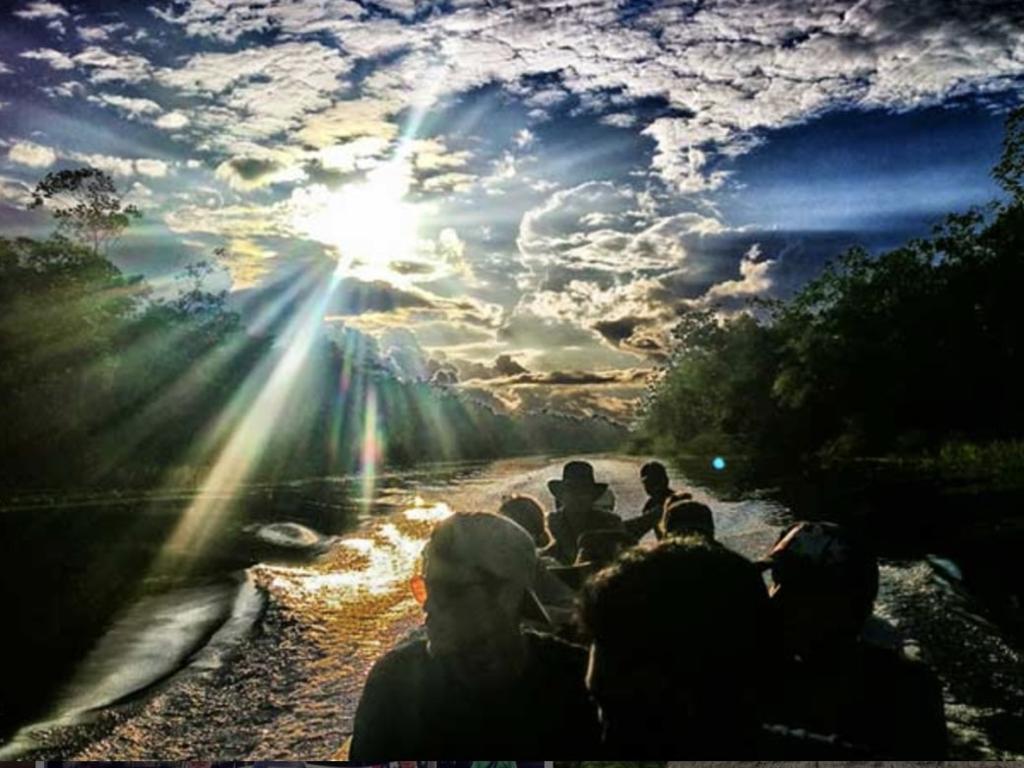
Something important happened in the Brazilian Amazon a few years ago, and most people sitting down to their first ayahuasca ceremony have never heard about it. Between late September of 2022, on the banks of the Juruá River in Acre, nearly 250 Indigenous representatives from five countries gathered for five days to talk about one thing: what is happening to ayahuasca as it travels out of the forest and into the wider world. They produced a declaration. It's not long, and it's not legally binding, but it lays out — clearly and without much diplomatic softening — how the guardians of this medicine feel about the way the rest of us are using it. If you're researching an ayahuasca retreat right now, this document is worth your attention. It changes how you read marketing copy. It changes what questions you ask a facilitator. It might even change where you decide to go. The Fourth Indigenous Ayahuasca Conference was hosted at the Yorenka Tasorentsi Institute in Marechal Thaumaturgo, organized together with the Organization of Indigenous Peoples of the Juruá River. Around 389 people attended — 244 of them Indigenous, the rest researchers, allies, and invited guests. It was self-financed, which matters: no government grant, no NGO pulling the strings. The list of peoples present reads like a map of the Amazon's living traditions: the Yawanawá, Huni Kuĩ, Shipibo-Konibo, Ashaninka, Shanenawa, Kuntanawa, Yanomami, Guarani Mbyá, and dozens more. Delegations came from Peru, Colombia, Ecuador, Mexico, and Canada — including the Inga and the UMIYAC association of Yagecero physicians, the Kichwa of Sarayaku, the Wixárika, and Anishinaabe representatives from the north. This wasn't a meeting of one tribe speaking for many. It was a chorus. That detail matters because in the broader psychedelic conversation — the conferences in California, the podcast circuit, the glossy retreat brochures — Indigenous voices often get flattened into a single, decorative cameo. Here, the situation was reversed. The people who have been working with this medicine for generations were doing the talking, and the non-Indigenous attendees were largely there to listen. Reading the letter that came out of the plenary on September 29, a few things stand out. The first is the framing of ayahuasca itself. The participants describe it as a vital conductor of life, an ancestral form of knowledge that has survived colonization. Not a substance. Not a tool. Not a wellness intervention. A relationship. From that starting point, the declaration moves through a series of concerns that are, frankly, hard to ignore once you've read them: There's also a striking line about spirituality not being for sale — but capable of being shared, when the sharing happens with what they call profound ethics. That distinction is the whole game. It's the difference between a retreat that respects its lineage and one that's basically extracting it. Here's the practical part. You're probably reading this because you're somewhere on the spectrum between curious and seriously considering plant medicine — maybe for depression, addiction, trauma, or just the slow grinding feeling that something in your life needs to crack open. The declaration doesn't tell you whether to go. But it gives you a much sharper lens for choosing where. A few questions worth asking any retreat you're considering, especially ones that drape themselves in Indigenous imagery: None of these questions are rude. A reputable operation will answer them happily. A sketchy one will get defensive or vague. That tells you almost everything you need to know. Ayahuasca is the most visible of a family of plant medicines often called master plants — alongside tobacco (the real tobacco, not cigarettes), San Pedro, peyote, and the ayahuasca vine itself. The declaration's concerns about commercialization apply to all of them. Demand has exploded over the past decade. So has the price of the vine. So has the number of foreigners flying to Iquitos, Pucallpa, and the Sacred Valley to drink. This isn't automatically bad. The growth of psychedelic interest has funded real clinical research, opened legitimate conversations about addiction recovery and mental health, and given many Indigenous communities a source of income that doesn't involve logging or coca. But it has also produced a parallel economy of inauthentic ceremonies, plagiarized songs, exploitative wage labor for local healers, and the slow erosion of dieta and ceremonial protocols that took centuries to develop. The declaration's authors aren't anti-retreat. They explicitly talk about sharing medicine with non-Indigenous people under the right conditions. What they're against is the version of the boom that treats their cosmology as a commodity to be stripped, packaged, and resold without consent or reciprocity. That's a reasonable position. It's also a useful filter for anyone deciding which retreat deserves their money. One concept that keeps surfacing in conversations with Indigenous leaders is reciprocity — and it's worth understanding before you book anything. Reciprocity doesn't mean tipping the curandero an extra fifty dollars at the end of the week. It means the retreat itself is structured so that value flows back to the source community in a sustained, structured way. Concretely, that can look like: a percentage of retreat fees going to land defense or Indigenous-led reforestation; medicinal plants being cultivated rather than wild-stripped; local apprentices being trained and paid fairly; partnerships with Indigenous organizations that have real decision-making power, not symbolic seats on a board. Some retreats do this. Many don't. A few have started publishing detailed reports about exactly where the money goes, which is a healthy sign. The Indigenous Reciprocity Initiative of the Americas, mentioned in the original conference materials, is one of several efforts trying to formalize this. As a prospective retreat-goer, you don't need to memorize every framework — you just need to ask the people taking your money how they think about giving back, and listen carefully to whether the answer sounds rehearsed or real. The Fifth Indigenous Ayahuasca Conference was scheduled for 2024, and the conversation has only deepened since. The declaration from 2022 still sits there, quietly, waiting for the wider psychedelic world to actually grapple with it. Most retreats don't mention it. Most facilitators have never read it. That's both a problem and an opportunity — because if you raise it in a conversation with a retreat coordinator and they engage thoughtfully, you've learned something important about who you're about to trust with your nervous system. None of this is meant to scare you off. Plant medicine, used with care and in the right setting, has helped a lot of people reckon with addiction, depression, and the kind of stuck patterns that talk therapy can circle around for years without touching. The point is just that the medicine doesn't exist in a vacuum. It comes from somewhere, from someone, and the conditions of its sharing matter — for the integrity of your experience as much as for the people whose ancestors carried it forward. If reading the declaration has shifted something in how you're thinking about all this, a range of carefully vetted ayahuasca retreats — many of them with genuine, documented relationships to Indigenous communities — can be browsed on our marketplace here. Take your time choosing. The retreat that's right for you will still be there next month, and the questions worth asking won't change.

What Is Psilocybin? A Practical Guide to Magic Mushrooms and Retreats
If you've ended up reading about psilocybin, odds are you're not just curious about the chemistry. You're weighing something bigger — whether to actually sit with mushrooms, probably at a retreat, probably soon. Maybe for depression that hasn't budged. Maybe for a stuck pattern you can't think your way out of. Maybe because a friend came back from Jamaica looking like a different person. So let's skip the breathless intro. Here's what psilocybin actually is, what it does to a brain and a life, where it's legal in 2026, and what to look for in a retreat if you decide to go. I've sat in ceremony, interviewed facilitators on three continents, and watched people have both the most healing nights of their lives and some genuinely rough ones. Both happen. Both matter. Psilocybin is the psychoactive compound produced by more than 180 species of mushroom — most famously Psilocybe cubensis, the chunky, gold-capped variety you'll hear called cubes, golden teachers, or just shrooms. Once you swallow it, your body converts psilocybin into psilocin, which then goes to work on serotonin receptors in the brain, particularly the 5-HT2A receptor. That's the switch that flips perception, mood, and the sense of self into something temporarily unfamiliar. The effects usually start within 30 to 60 minutes, peak around hour two, and taper off across four to six hours total. Sometimes longer if the dose is high or you've eaten chocolate alongside it. You'll likely notice visual shifts first — patterns crawling across textures, colors deepening, the wall apparently breathing — followed by emotional waves that can swing from giggle-fit joy to genuine grief inside the same ten minutes. None of this is new. Indigenous peoples in what's now Mexico and Central America have been working with these mushrooms for at least three thousand years. The Mazatec curandera María Sabina famously guided ceremonies for generations before the Western world stuck a tape recorder in front of her in the 1950s and started a chain reaction that arguably never stopped. The modern psilocybin story really begins in 1957, when banker-turned-mycologist R. Gordon Wasson published a now-infamous article in Life about his experiences in Oaxaca. Within a year, Swiss chemist Albert Hofmann — yes, the LSD guy — had isolated psilocybin and psilocin in the lab. Then the 1960s happened, the counterculture grabbed the substance with both hands, and by 1970 the U.S. had buried it under Schedule I, where it still technically sits. For about three decades, serious research went dark. It quietly came back in the late 1990s and has since exploded. Johns Hopkins, NYU, Imperial College London, and a string of others have run trials on psilocybin for treatment-resistant depression, end-of-life anxiety in cancer patients, alcohol use disorder, and tobacco addiction. The numbers, frankly, are striking — particularly for smoking cessation and depression, where psilocybin-assisted therapy has shown effect sizes that conventional antidepressants don't come close to in the same timeframes. That's why you're seeing mainstream medicine and venture capital both edging in. Psilocybin isn't fringe anymore. It's a serious clinical tool that happens to also have a 3,000-year ceremonial lineage attached. The legal map shifts every year, sometimes every month. Here's roughly where things stand in 2026: If you're traveling for a retreat, the country's legal status matters less than the specific center's standing within it. Reputable retreats in Jamaica, the Netherlands, and licensed Oregon facilitators operate above board. Sketchier underground operations exist everywhere, including in places where the law is friendly. Two words you'll hear endlessly in this world: set and setting. Set is your inner state — your mindset, your intentions, what you've been carrying around all week. Setting is everything outside you: the room, the people, the music, the temperature, whether there's a bucket nearby in case you need it. These two factors will shape your experience more than the dose itself. A moderate ceremonial dose (somewhere between 3 and 5 grams of dried Psilocybe cubensis, give or take) tends to produce a few common features: vivid eyes-closed visuals, an unraveling sense of self that can be either liberating or unnerving, surges of emotion that may surface old material you'd long since filed away, and a wobbly relationship to time. Forty-five minutes can feel like a long afternoon. The body sometimes wants to shake, cry, laugh, or stay completely still — let it do what it wants. Then there are the harder moments. A “bad trip” isn't really a different experience — it's the same medicine showing you something you didn't want to look at. Skilled facilitators will tell you the difficult part is often the most therapeutically important. Surrender beats resistance. That's easier to say than to do at 2 a.m. with your ego coming apart, which is exactly why having an experienced sitter matters. Physically, psilocybin is one of the safer psychoactive substances we know of. It's non-addictive, the lethal dose is essentially unreachable, and the main acute risks are psychological. People with a personal or family history of schizophrenia, bipolar I, or active psychosis should not take it. Period. Certain SSRIs and lithium also complicate things and require a careful taper with a clinician. Here's where I get a lot of quiet emails from readers. The data on psilocybin-assisted therapy for depression is, by clinical-trial standards, remarkable. A single high-dose session combined with preparation and integration has produced sustained remission in a meaningful percentage of treatment-resistant patients across multiple controlled studies. For end-of-life anxiety, results have been even stronger. Addiction is the other big story. Johns Hopkins' tobacco cessation work showed roughly 60–80% of participants quit smoking long-term after two or three psilocybin sessions paired with cognitive-behavioral therapy. Alcohol use disorder trials have shown similar promise. The mechanism isn't fully understood, but the working theory is something like: psilocybin temporarily loosens the grip of entrenched thought patterns and lets the brain build new ones, which is exactly what addiction recovery requires. None of this means a retreat will fix you. Mushrooms aren't a magic eraser for trauma or depression — they're more like a powerful catalyst that requires real integration work to stick. The people I've watched genuinely transform after a retreat all did one thing in common: they showed up for the unglamorous weeks afterward. Therapy. Journaling. Hard conversations. Lifestyle changes. The ceremony was the beginning, not the conclusion. The retreat market has gotten crowded, and quality varies wildly. Some red flags I'd run from: Things to actively look for: a thorough intake call, a clear arc of preparation-ceremony-integration, small group sizes with a healthy facilitator-to-participant ratio, on-site or on-call medical support, and at least one or two integration sessions included after you go home. Cost-wise, expect to pay between roughly $2,000 and $8,000 USD for a 4-to-7 day retreat depending on country, facilitator caliber, and accommodation. Anything dramatically cheaper deserves scrutiny. Preparation isn't mystical. It's practical. In the two weeks before a retreat, most facilitators will ask you to ease off alcohol, recreational drugs, caffeine where possible, and ideally heavy meat and processed foods. Sleep more. Journal about what you're actually hoping to look at. If you're on SSRIs or other psychiatric medication, work with a prescriber on tapering well in advance — never just stop. The integration period is where the lasting change either happens or evaporates. Block out the week after the retreat. Don't book a meeting-heavy work week the day you fly home. Find a therapist who's psychedelic-literate (more of them every year). Talk to other people who've been through it. Move your body. Sit with the discomfort that comes up instead of distracting yourself out of it. The window after a journey, when the brain is unusually plastic, is the real opportunity — and most people waste it. If, after all this, exploring a psilocybin retreat still feels like the right move, a curated selection of mushroom retreats around the world can be browsed on our marketplace here. Take your time choosing. The right place is the one that matches both your nervous system and the work you actually want to do.
Dreaming of a Psychedelic Retreat?
We have the best deals and offers from thousands of organizers all over the world! Get them into your mailbox every week!
We value your privacy. Your email address will never be shared or published.
