 English
 Deutsch
 Français
 Nederlands
 Español






Reset. Heal. Grow.

Sleep Support Supplements: What Actually Helps You Fall Asleep
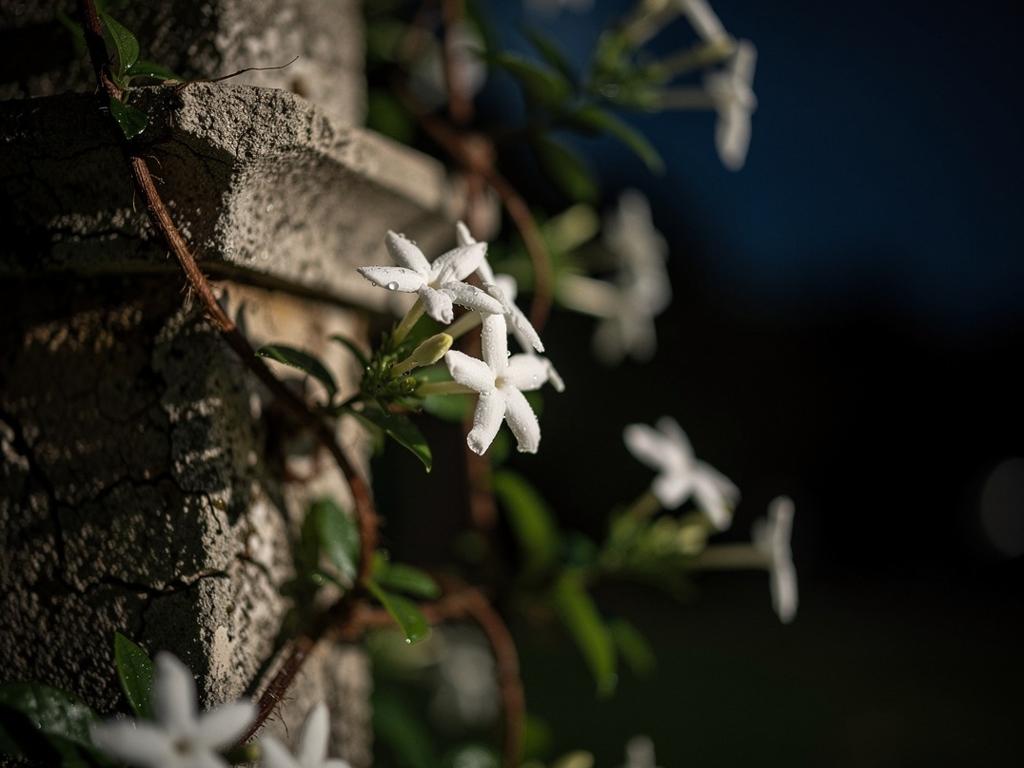
Here's the strange thing about sleep: the harder you chase it, the further it runs. Anyone who's spent 2 a.m. staring at the ceiling knows the feeling — body tired, mind loud, and that quiet panic building because tomorrow starts in five hours whether you sleep or not. Most people, when they finally decide to do something about it, reach for melatonin. It's cheap, it's everywhere, and it kind of works. But melatonin isn't right for everyone. Some folks wake up feeling like they've been sedated by a small horse. Others find it stops working after a few weeks. And a growing number of people are turning to non-hormonal options — magnesium blends, glycine, L-theanine, and other calming compounds — that support the body's own wind-down process instead of hitting it with a hormone signal from outside. This piece is for the person who's tried a few things, hasn't found the fit, and is genuinely curious about what a well-formulated sleep supplement can and can't do. I'll also touch on something that comes up more than you'd think in retreat and integration circles — how people recovering from psychedelic ceremonies or working through anxiety and trauma often need to rebuild their sleep from the ground up. Melatonin is a hormone. Your pineal gland makes it in response to darkness, and it tells your body that night has arrived. Taking it as a supplement can be genuinely useful for jet lag or shift work — situations where your internal clock is out of sync with the actual clock on the wall. But for run-of-the-mill trouble falling asleep? The picture is messier. Doses in over-the-counter products are often wildly higher than what your body naturally produces. Many people report morning grogginess, vivid or unsettling dreams, and a kind of chemical hangover that lingers past breakfast. There's also the concern — still debated, but worth noting — that supplementing with a hormone long-term may nudge your body to produce less of it on its own. None of this means melatonin is bad. It means it's a specific tool for specific problems, and "I can't fall asleep because my brain won't shut up" isn't necessarily one of them. The alternative approach doesn't try to hijack your circadian rhythm. Instead, it supports the physiological conditions that make sleep possible — a calm nervous system, relaxed muscles, and a settled stress response. A few of the ingredients that show up again and again in well-designed formulas: None of these knock you out. That's the point. They ease the friction between wakefulness and sleep so your body can do what it already knows how to do. Yes and no. Here's the truth most product pages won't tell you: a supplement is not going to fix sleep that's broken by poor habits. If you're scrolling until midnight under blue light, drinking coffee at 4 p.m., eating a heavy dinner at 9, and sleeping in an overheated room, no capsule on earth will save you. What a good supplement can do is help when the foundations are mostly in place but something still isn't clicking. Maybe your stress is chronically high. Maybe you're perimenopausal and your nervous system is running hot. Maybe you're an anxious sleeper who lies down and immediately starts inventorying every conversation from the past decade. In those cases, the right formula can be the last small nudge that lets your body finally let go. Expect subtle. If someone tells you their sleep supplement hit them like a tranquilizer, that's either the placebo effect or something considerably stronger than magnesium. Real support feels like: you get into bed, you're a bit less wound up than usual, you don't remember lying there for an hour, and you wake up feeling like you actually slept. Not miraculous. Just... normal. Which, for a lot of people, is miraculous enough. Here's a wrinkle that doesn't get talked about enough. People coming out of intense inner work — an ayahuasca retreat, a psilocybin ceremony, a therapy intensive, or even a hard stretch of trauma processing — often find their sleep changes for weeks or months afterward. Sometimes it gets deeper and more restorative. Sometimes it gets fragmented and strange. This isn't a defect. The nervous system is recalibrating. Old holding patterns loosen; buried material surfaces at night; dreams get louder. In these integration windows, hitting your system with a heavy hormonal sleep aid can feel jarring — like slamming a door on a room that's still trying to air out. Gentler nervous-system support tends to sit better. Magnesium at night, a warm epsom bath, breathwork before bed, cutting caffeine earlier than you think you need to. Facilitators I've talked to often recommend guests avoid new supplements for the first week or two after ceremony while the body settles. After that, folks reintroducing a mineral like magnesium usually describe it as supportive rather than intrusive — which is the whole point. The sleep supplement aisle is a mess. Every bottle promises the deepest sleep of your life. Here's a shorter, less exciting list of what actually matters: And a general rule: if the sales page reads like it was written by someone in a state of extreme excitement, be suspicious. Sleep is a quiet subject. The good products tend to talk quietly too. I'd be doing you a disservice not to say this plainly. The single most powerful sleep intervention is boring: consistent wake time, screens off an hour before bed, cool room, dark room, no alcohol close to bedtime, morning sunlight on your face within thirty minutes of getting up. Boring, unglamorous, free, and more effective than any supplement stack you can build. Layer a good supplement on top of solid habits and you've got something. Take a supplement instead of fixing your habits and you're just decorating the problem. If sleep is tangled up with deeper stuff — trauma, unresolved grief, chronic anxiety, addiction, patterns you can't seem to break — that's worth naming honestly. Sometimes the sleep problem is the surface expression of something that needs a different kind of attention. Talk therapy, somatic work, and for some people, plant-medicine ceremonies held in a safe container, can address the roots in a way no capsule ever will. For readers curious about that path, a curated range of plant-medicine and integration-focused retreats can be browsed on our marketplace here. Sleep well. Or at least — better than last week. That's usually how this goes.

Creatine Supplements for Women Over 40: What Actually Works
Creatine used to have a bit of a locker-room reputation — the domain of teenage boys chasing bicep gains and older lifters trying to hold onto them. That framing is outdated, and it was probably wrong to begin with. The people who arguably benefit most from creatine aren't 19-year-old bodybuilders. They're women over 40 trying to hold onto strength, bone density, and mental sharpness through a decade of hormonal shift. This is not a supplement I would have written about ten years ago. The research has caught up, though, and the case for women in midlife is genuinely compelling. So let's talk about what creatine actually does, why the female body responds to it a little differently, and how to pick a version worth your money. Creatine is a compound your body already makes. It's built from three amino acids — methionine, glycine, and arginine — and the vast majority of it, roughly 95%, lives in your muscle tissue. A smaller amount sits in the brain. Its job is to help cells generate energy quickly when things get demanding: a heavy lift, a sprint up the stairs, a mentally taxing afternoon. Inside your cells, creatine converts into phosphocreatine, which then helps regenerate ATP — the molecule your body burns as immediate fuel. More available phosphocreatine means more ready ATP, which translates to more strength during a set, more endurance in short bursts, and arguably a bit more cognitive stamina when you're pushing through a long day. Here's the catch. You only get the real benefits when your creatine stores are essentially full. Diet alone — meat and fish, mostly — tops most people up to around 60–80% saturation. To get the rest of the way, you need to supplement. And for women, the math is even more lopsided: baseline creatine stores in the female body tend to run 70–80% lower than in male bodies. Combine that with the fact that women lose up to 8% of their muscle mass per decade after 30, and the supplement starts looking less like a nice-to-have and more like a reasonable line of defense. The forties are when a few biological trendlines start bending in ways that get your attention. Estrogen begins its long slow decline. Muscle mass drops faster than it did in your thirties. Bone density starts to matter in a way it never did before. Sleep gets weirder. Recovery from a hard workout takes longer than it used to — sometimes annoyingly so. Creatine won't fix any of that on its own, but it does address a few of the underlying mechanisms directly. A 2021 comprehensive review looking at creatine and women's health across life stages concluded that supplementation appears beneficial through nearly every phase — with minimal risk. The specific areas where evidence is strongest: None of this is magic. You still have to lift the weights, eat the protein, sleep the hours. But creatine appears to make the effort you're already putting in count for slightly more, which is a decent trade for something you stir into your morning coffee. The supplement aisle is a swamp. Half the products are fine, a quarter are overpriced, and the rest are creatively marketed sugar. Here's what actually matters when you're picking one. Insist on creatine monohydrate. You'll see other forms — hydrochloride, nitrate, malate, ethyl ester, buffered — and they'll all promise better absorption or fewer side effects. The truth is that monohydrate is the form that's been studied for decades. It has close to 100% bioavailability in powder form. The alternatives are usually more expensive and less proven. Stick with monohydrate. Check the dose. For most people, 3 to 5 grams daily is the sweet spot for muscle and performance benefits. Some research suggests that going up to around 10 grams may offer additional support for brain and bone health, though the ceiling of benefit isn't fully mapped. What you want to avoid is a product that lists creatine on the front and delivers half a gram per serving. That happens more often than you'd think. Powder over gummies. I know the gummies look appealing. They're portable, they taste like candy, they feel like less of a commitment. But independent testing has repeatedly shown that many creatine gummies contain far less creatine than the label claims — sometimes a fraction. Powder is boring, but it's honest. Mixed into water, coffee, a smoothie, oatmeal, or yogurt, it disappears into your routine without much fuss. Look for third-party testing. This is the single easiest way to filter out sketchy brands. A supplement that's been tested by an independent lab has at least been checked to verify it contains what the label says and isn't contaminated with anything you didn't sign up for. Bonus ingredients are optional. Some formulas pair creatine with taurine, electrolytes, or magnesium. These aren't necessary — plain monohydrate does the job — but they can be useful if you're stacking goals. Taurine for cellular hydration, electrolytes if you sweat heavily, magnesium if you're prone to muscle tightness. Just don't pay a premium for a proprietary blend that hides the actual doses. The timing question comes up constantly. Should you take creatine before your workout? After? On rest days? The honest answer is that consistency matters far more than timing. Creatine works by keeping your muscles saturated over time, not by giving you a pre-workout jolt. Take it whenever you'll actually remember to take it. That said, a few practical tips. Take it every day, not just on training days — saturation is the whole game. Mix it into something you already drink or eat, so it becomes automatic rather than a decision. And give it a few weeks before you judge whether it's working. The first two or three weeks are your muscles filling up. The effects on strength, recovery, and body composition tend to show up gradually after that. Common questions worth answering directly: This is the question I get most from women in their forties and fifties who are curious but hesitant. They're not training for anything. They walk, maybe do some yoga, maybe lift occasionally. Is creatine still worth it? Probably, yes — though the returns compound when you pair it with some form of resistance training. Creatine's benefits extend beyond athletic performance because energy production isn't only about workouts. Your brain uses ATP. Your organs use ATP. Everyday activities like carrying groceries, climbing stairs, and getting up off the floor draw on the same energy systems that a set of squats does. Supporting those systems as you age is not a luxury. That said, if you want the muscle and bone benefits specifically, you have to give your body a reason to build and preserve tissue. That means picking up something heavier than your handbag a few times a week. Creatine amplifies the signal — it doesn't create one from nothing. Supplements are tools, not solutions. The women I know who've moved through their forties and fifties with the most vitality did not do it through a single powder. They lift things. They sleep. They protect their nervous systems from the constant low-grade grind of modern life. Creatine fits into that picture as a small, evidence-backed edge — not a headline. What strikes me, writing about this, is how much of midlife wellness comes down to unglamorous consistency. Same walk, same protein target, same five grams of white powder in your morning water. It's not exciting. But five years of it looks very different from five years without it. And for readers whose interest in longevity and body-mind health extends into the deeper work — the kind that happens on a cushion, or in ceremony, or on a quiet retreat — a curated selection of wellness and plant-medicine retreats can be explored on our marketplace here.

Why Rest Feels Impossible — and Why Your Nervous System Depends On It
Here's a strange thing about rest: most of us don't know how to do it. Not really. We say the word like we mean it, we book the weekend off, we sit down on the couch — and within four minutes we're checking email, folding laundry, or mentally rewriting tomorrow's to-do list. The body wants to stop. The mind won't let it. I've spent years around people preparing for and coming down from intense inner work — ayahuasca retreats, psilocybin ceremonies, ibogaine programs, silent sits — and one pattern shows up again and again. The people who struggle most in integration aren't the ones with the wildest visions. They're the ones who can't rest. They fly home, land in Monday morning, and try to metabolize a soul-level experience on four hours of sleep between meetings. Then they wonder why nothing sticks. If you grew up anywhere in the industrialized West — and especially in the United States — you were programmed from about age five to equate your worth with your output. Nobody sat you down and taught this. You absorbed it. You watched the adults come home with grocery bags in both arms and immediately start dinner. You watched them clean up after dinner, then answer work emails, then fold something, then finally sit down at 9pm with a glass of wine and their phones in their hands. That was the model. Rest was what you did when the work was done, and the work was never done. The vocabulary is telling too. Pay your dues. Put in the work. No rest for the weary. I'll rest when I'm dead — a phrase that always struck me as darkly literal. We reward exhaustion the way other cultures reward hospitality or artistry. Say you spent Saturday reading in bed and people cock their heads sympathetically, wondering if you're okay. Say you spent Saturday running errands, working out, meal-prepping, and answering client emails, and people nod with approval. You get it. You're on top of things. This wiring doesn't just make us tired. It makes us disconnected — from our bodies, from our actual needs, from any signal quieter than a full-blown breakdown. And that disconnection is where a lot of the deeper problems live: the anxiety, the low-grade depression, the addictions we use to take the edge off, the sense that we're sprinting through our own lives without ever quite arriving. Rest is not the same as sleep, though sleep is a big part of it. Rest is anything that lets your nervous system downshift from “on” to “off.” That might look like: Notice what's not on that list: scrolling. Scrolling is not rest. Your brain treats it like foraging — constant micro-decisions, tiny hits of novelty, unresolved emotional threads. You get up from an hour of scrolling more depleted than when you sat down. If you've ever collapsed onto the couch, opened Instagram, looked up two hours later and thought “why do I feel worse,” that's why. Here's where this connects to the world I usually write about. Ayahuasca, psilocybin, ibogaine, San Pedro — the master plants and psychedelic compounds people travel across continents to sit with — do a lot of their real work in the days and weeks after the ceremony ends. That window is called integration, and integration requires a nervous system that can actually rest. If yours is stuck in constant sympathetic activation, you'll take the download and file it somewhere you can't access. The insight fades. The old patterns creep back within a month. Facilitators who've been doing this a long time will tell you the same thing in different words: the medicine shows you the door, but rest is what walks you through it. This is why the best retreat centers build in slow mornings, hammock time, silent stretches, unstructured hours. It looks like padding. It isn't. It's the actual medicine of the container — teaching your system, sometimes for the first time in decades, that it's allowed to stop. The same principle applies to recovery work. People using plant medicine for addiction — whether that's ibogaine for opioid dependence, ayahuasca for alcohol use disorder, or psilocybin protocols for compulsive patterns — often find that the substance interrupts the loop, but rest is what keeps it interrupted. A nervous system that never gets to downregulate is a nervous system that will keep reaching for whatever quiets it. Sometimes that's a drink. Sometimes it's a screen. Sometimes it's another twelve-hour workday. The mechanism is the same. When I first tried to build real rest into my week, I was terrible at it. I'd sit down to watch a movie and within ten minutes I'd be folding laundry with the movie on in the background. I'd take a “walk” that was really a phone call. I'd lie down for a nap and start mentally drafting emails until my heart rate was back up and the nap was cooked. What worked, eventually, was treating rest like a skill I was rebuilding from scratch. A few things that helped: The first few weeks feel weirdly frantic. You may feel bored, then anxious, then irritated, then a bit sad. That's not a sign the rest isn't working — that's the backlog surfacing. Underneath all the busyness, there are usually feelings we've been outrunning. When you stop running, they catch up. Let them. This is the same emotional weather that surfaces in ceremony, actually, just at a lower volume and without the visuals. The counterintuitive part — the part nobody who worships productivity wants to hear — is that resting more makes you get more done. Not in a hustle-bro “optimize your recovery to maximize your output” way. In a real way. You focus better. You make fewer stupid decisions. You stop snapping at people you love. You catch problems earlier because you're actually present enough to notice them. You also start to hear your body again. That vague ache in your shoulder turns out to be information. The 3pm energy crash turns out to have a pattern. The persistent low mood turns out to be connected to something specific. You can only hear those signals when the noise dies down, and the noise only dies down when you stop generating it. For anyone circling the idea of a retreat — plant medicine, silent, whatever the format — I'd offer this: start practicing rest now, before you go. Not because you need to be worthy of the experience, but because the more comfortable your system is with stillness, the more the experience can actually land. You don't want your first taste of real quiet to happen three days into a ceremony week. Give yourself a head start. If exploring this territory further feels right, a range of ayahuasca, psilocybin, and other plant-medicine retreats can be browsed on our marketplace here — including several that build genuine rest and integration time into the structure rather than treating it as afterthought. And in the meantime: put the phone in the other room. Sit down. Stay there. The world will still be there in an hour, and you'll be better equipped to meet it.

Adaptogens Explained: A Practical Guide to Herbs That Balance Stress
Walk into any wellness shop and you'll find a shelf of powders promising to fix your stress, sharpen your focus, and generally make you a better human. Most of them wear the word adaptogen like a badge. But here's the thing — the label gets thrown around loosely, and a lot of what's sold under that banner doesn't actually qualify. If you're someone who's been drawn to plant medicine, maybe considering a psychedelic retreat, or simply trying to build a more resilient nervous system before you sit in ceremony, understanding adaptogens properly is worth the ten minutes it takes to read this. Adaptogens aren't magic. They're not the same as master plants like ayahuasca or San Pedro, though they share a lineage of traditional use going back thousands of years. What they are is a specific, scientifically defined category of herbs that help the body recalibrate under stress. And in a world where chronic stress is the water most of us swim in, that's not nothing. The term got coined in the 1940s by Soviet researchers, which is relatively recent even though the plants themselves have been in the pharmacopoeias of Ayurveda, Traditional Chinese Medicine, and Amazonian herbalism for millennia. To earn the label, a substance has to meet three criteria: it must be nontoxic at therapeutic doses, it must be nonspecific in its action, and it must have a systemically normalizing effect. It also needs to work through the sympathetic nervous system and the hypothalamic-pituitary-adrenal axis — the HPA axis, which is basically your body's command center for handling stress. That word nonspecific is where things get interesting. Most pharmaceuticals do one thing: lower blood pressure, raise serotonin, block histamine. Adaptogens do something stranger. A single herb can raise a hormone in one person and lower it in another, depending on which direction that person is out of balance. Think of them as internal thermostats rather than switches. If your cortisol is running high, they nudge it down. If it's crashed, they help bring it back up. This is also why the classification matters. Plenty of herbs are wonderful without being adaptogens. Chamomile is calming. Turmeric is anti-inflammatory. Neither is an adaptogen, and calling them one muddies the water for people trying to actually understand what they're taking. The HPA axis is a feedback loop between the hypothalamus, the pituitary gland, and the adrenals. When you perceive a threat — a deadline, a hard conversation, a spider — this loop fires off cortisol and adrenaline. Useful in short bursts. Corrosive over months and years. Adaptogens step into that loop and help regulate it, so the body responds proportionally to what's actually happening rather than sounding a five-alarm fire every time your email pings. They've been compared to vaccines, which is a strange but useful analogy. Part of how adaptogens work is by mildly mimicking stress at the cellular level, training the body to cope with the bigger stressors down the line. You're building resilience, not sedating the system. That distinction matters, because a lot of people come to these herbs expecting a xanax-like effect and get frustrated when nothing dramatic happens on day one. Most adaptogens require several weeks of consistent daily use before you'll notice much. This is not a category built for instant gratification. It's more like weight training for your endocrine system — slow, cumulative, and eventually undeniable. Here's where I'll be direct, because I've watched people make this mistake for years. Adaptogens are not a workaround for a broken life. If you're grinding through 70-hour weeks, sleeping four hours a night, and eating dinner at your desk, no amount of ashwagandha is going to save you. Worse, adaptogens can mask the warning signals that would otherwise force you to stop. Use them to support recovery, to smooth out particularly demanding stretches, to help your body come back to baseline after a hard training block or an emotionally heavy season. But pair that with the actual lifestyle work — sleep, boundaries, nutrition, movement, and honest conversations with yourself about why you're so depleted in the first place. This is especially true if you're preparing for or integrating from a plant-medicine experience, where the whole point is to hear what your body and psyche are telling you. There's a small, well-studied group of true adaptogens. Here are the ones you'll encounter most often and what they actually do. The most popular adaptogen in the world, and for good reason. It normalizes cortisol whether yours is too high or too low, calms an overactive stress response, supports muscle tone, improves cardiovascular endurance, and has a well-documented effect on fertility and libido. The catch: most people take too little of it. Effective doses tend to sit around two to three grams daily, taken consistently for weeks or months. A sprinkle in your smoothie once a week isn't going to move the needle. A calming adaptogen despite its reputation as an energy booster. It's a favorite for people recovering from burnout, athletes rebuilding after hard training cycles, and anyone whose engine has been running too hot for too long. It nourishes the endocrine, immune, and nervous systems simultaneously. This berry has a two-fold effect that's uncommon in the plant world — it sharpens mental clarity and reaction time while also easing symptoms of stress. Think of the alert-but-relaxed state you get from L-theanine, except deeper and more restorative. Traditional Chinese medicine treats schisandra as a rejuvenating herb, and modern research broadly agrees. Three of the nine adaptogens are ginsengs: eleuthero (Siberian ginseng), American ginseng, and Panax ginseng, sometimes called Asian ginseng. They span a spectrum from mildly stimulating to fairly intense. Eleuthero is the gentlest and generally safe for most people. Panax is powerful and better suited to older adults or those who need a more assertive lift. All three work partly by modulating serotonin and dopamine and by reducing systemic inflammation. The mountain herb from Siberia and Scandinavia, known for boosting mental and physical endurance and cutting through stress-related fatigue. It supports mitochondrial function and oxygen use at the cellular level, which is why athletes love it. Timing matters: rhodiola is best in the morning or pre-workout. Take it too late and you may find yourself staring at the ceiling at 2 a.m. Anxious types sometimes find it too stimulating — start low. Not technically a plant but a mineral-rich resin that seeps from Himalayan rocks. It's been used in Ayurveda for centuries as a rejuvenator. Modern applications include supporting testosterone, stabilizing blood sugar, addressing chronic fatigue, and boosting cognitive function. It pairs particularly well with ashwagandha for men dealing with hormonal decline. Sourcing matters enormously — cheap shilajit can be contaminated, so buy from reputable suppliers who publish third-party testing. A few practical notes from years of watching people either succeed or spin their wheels with these herbs. If you're preparing for a plant-medicine ceremony, be careful about layering adaptogens close to the experience itself. Most facilitators will ask you to clear supplements from your system in the days leading up to ceremony, and that includes adaptogenic herbs. Talk to whoever's running your retreat. In the integration weeks afterward, though, adaptogens can be genuinely supportive — helping the nervous system settle back into equilibrium after the intensity of the work. Adaptogens sit in an interesting middle ground between everyday wellness and deeper plant medicine. They won't crack you open the way ayahuasca or psilocybin might. They won't confront you with the parts of yourself you've been avoiding. What they will do is help your system hold steady under pressure, recover faster from what wears it down, and generally give you a bit more capacity to show up for your own life. That's meaningful work, but it's foundational rather than transformational. The transformation, if it comes, tends to come from the harder stuff — the honest look at your habits, the therapy, the ceremony, the year you finally stopped drinking, the conversation you kept postponing. Adaptogens are a good companion on that road. They're not the road itself. For readers whose curiosity about plant medicine runs deeper than herbal tea, a range of ceremonies and plant-medicine retreats can be browsed on our marketplace here.
Four Very Different Diets, One Brain-Health Blueprint: What the Research Shows
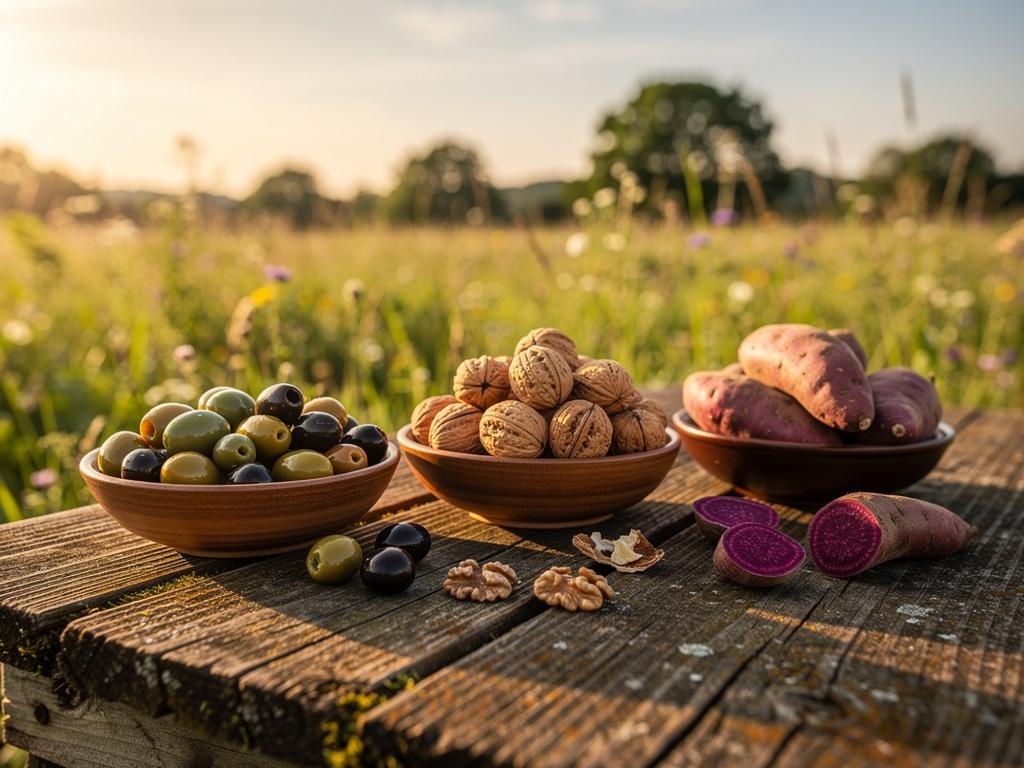
Walk into any nutritionist's office asking how to eat for a sharper mind and you'll leave with a different answer depending on which door you knocked on. Mediterranean. Nordic. Okinawan. Plant-forward. Each has its evangelists, its cookbooks, its Instagram accounts full of olive oil pours and purple sweet potatoes. So which one actually works? A recent review pooling sixteen of the strongest long-term studies on older adults arrived at a slightly annoying, slightly liberating answer: it more or less doesn't matter which of the four you pick. What matters is that you actually eat that way, consistently, for years. The plates look wildly different from Crete to Copenhagen to Okinawa, but underneath, the same machinery is protecting the brain. That finding might sound anticlimactic if you were hoping for a definitive winner. Read it a second time and it's the opposite — it means the door into brain-healthy eating is much wider than the diet-industrial complex would like you to believe. You get to work with the foods you already like. The researchers weren't chasing single nutrients this time. They wanted to know whether an overall pattern of eating — the whole shape of what lands on your plate week after week — could slow age-related cognitive decline and reduce Alzheimer's risk in people over sixty. That's a meaningfully different question from the ones that dominate supplement marketing. It matters because decades of trials on isolated compounds — vitamin E, omega-3 capsules, B vitamins, various antioxidants — have produced a graveyard of underwhelming results. Individual nutrients keep failing to reproduce the benefits observed when people simply eat well. Something about the whole meal, eaten in real food form, seems to do work the pills can't. After filtering through hundreds of studies for methodological quality, the team landed on sixteen strong ones. The verdict was consistent across all four dietary patterns: better memory, better executive function (the mental scaffolding that lets you plan, focus, decide), quicker processing speed, and a lower risk of Alzheimer's. Not one of these outcomes traced back to a single hero nutrient. Whole foods are stranger than we tend to give them credit for. A walnut isn't just a delivery vehicle for omega-3s. It's also fiber, polyphenols, vitamin E, minerals, and a small pharmacy of bioactive compounds that behave differently in the presence of each other than they do in isolation. Researchers call this the food matrix — the messy, interactive tangle of things whole foods bring with them. Supplements pluck one string out of that orchestra and expect it to play the symphony. Sometimes it works. Usually it doesn't. And when you're talking about something as slow-burning and complex as cognitive decline over decades, the orchestra tends to matter more than any solo. There's a reason the review authors kept pointing back to pattern rather than ingredient. Your brain doesn't care whether you took a fish-oil capsule on Tuesday. It cares what you've been eating, on the whole, for the past ten years. Despite the culinary differences — think of the gulf between a Nordic rye-and-salmon lunch and an Okinawan bowl of miso, tofu, and purple sweet potato — the four patterns appear to protect the brain through the same handful of biological routes. Notice what's not on that list: no single miracle molecule. No superfood. Just four mundane, unsexy mechanisms doing quiet work over years. Strip away the cultural packaging and the food traditions look remarkably similar in shape. Different ingredients, same architecture. The surface details diverge, of course. Mediterranean tables lean on olive oil, sardines, chickpeas, tomatoes. Nordic ones favor cold-water fish, rye bread, berries, root vegetables. Okinawan meals center soy, seaweed, sweet potato, and turmeric. Plant-forward eating skews toward beans, whole grains, and a rotating cast of vegetables. But the underlying frame — plants first, quality protein, healthy fats, minimally processed — is identical. You don't need to convert to a cuisine you didn't grow up with. The useful move is to borrow the structure and translate it into food you'll actually cook on a Wednesday night. A few practical shifts do most of the work: And here's the thing nobody selling a meal plan really wants to say out loud: this is not complicated. Eat mostly plants. Add fish or beans. Use olive oil. Skip the shrink-wrapped stuff most of the time. That's the whole game. Four diets, four cultures, one destination. Sharper memory, better focus, lower Alzheimer's risk — all downstream of the same handful of habits repeated over years. No single nutrient earned the credit. No supplement replicated the effect. The intervention is what you put on your plate, day after ordinary day. Nutrition is one lever among several — sleep, movement, stress, connection, and for some readers, deeper inner work all matter too. For those exploring the wider terrain of mental clarity and wellbeing beyond the kitchen, a range of curated wellness and plant-medicine retreats can be browsed on our marketplace here. In the meantime, dinner tonight is a fine place to start.
Craving More Stories?
Join our ShopAyahuascaRetreats newsletter for the latest updates on thrilling
destinations and inspirational tales, delivered straight to your inbox!
We value your privacy. Your email address will never be shared or published.

Blood Sugar and Brain Aging: What a New Study Means for Anyone Considering Plant Medicine
Most people preparing for an ayahuasca retreat spend weeks thinking about diet — no pork, no alcohol, no cannabis, easy on the salt and sugar. Fewer think about why the diet matters beyond the ceremonial reasoning. A new piece of research gives us another angle worth chewing on: your blood sugar may be one of the biggest levers you have on how quickly your brain ages, and that has quiet implications for anyone doing psychedelic healing work. The study, drawn from the UK Biobank and published earlier this year, tracked more than 37,000 people and found that of all the metabolic markers you could measure, glucose had the strongest link to brain aging. Not cholesterol. Not inflammation markers. Glucose. And you don't have to be diabetic for it to matter. Here's the short version. A team trained a machine-learning model on brain MRI scans to predict how old a brain looks based on its structure. Then they compared that predicted age to each person's actual age. The gap between the two — brains that look older than the person, or younger — became the number they cared about. Then they pulled blood work from over 21,000 of those participants and asked which markers tracked most closely with a bigger, older-looking gap. Nine markers showed a meaningful connection. Glucose sat at the top of the list by a comfortable margin. To rule out coincidence, they used something called Mendelian randomization — a way of leaning on genetic variants to test whether one thing is genuinely causing another, not just riding shotgun. The signal held. Higher glucose looked like a real driver of faster brain aging, linked to shrinkage across roughly 80 brain regions tied to memory, mood, and movement. Ayahuasca, psilocybin, iboga — these medicines work on the brain. That's not controversial. What people talk about less is that the brain you bring to ceremony is the brain that has to do the work. If your hippocampus is quietly shrinking, if your prefrontal cortex is under-fueled, if your mood circuits are already inflamed from years of sugar-driven metabolic chaos, the medicine has more to overcome. I've watched this play out in retreat kitchens for years. People arrive after a long-haul flight, jet-lagged, running on airport pastries and coffee, and wonder why the first ceremony feels muddy. Some of that is just travel. Some of it is a nervous system that hasn't had a stable blood-sugar day in months. The study also linked higher glucose to seven specific conditions: all-cause dementia, Alzheimer's, vascular dementia, Parkinson's, stroke, depression, and anxiety. Look at that list. Depression and anxiety are two of the most common reasons people come to plant medicine in the first place. If glucose is a lever on both — and on the underlying brain structure — that's worth knowing before you sit in ceremony, not after. Traditional ayahuasca dieta — the preparatory eating protocol taught in Amazonian traditions — cuts sugar, refined carbs, processed food, and often fruit itself in the days before ceremony. Ask a curandero why and you'll hear about spiritual reasons, about the plants being sensitive to what's in you. Ask a metabolic researcher and you'll hear about glucose stability, insulin sensitivity, and reduced neuroinflammation. Both people are describing the same thing from different angles. A stable, low-glucose body seems to be a better vessel for the work — whether you frame that in shamanic or scientific language. Neither framing cancels the other out. They rhyme. What's newer is the evidence that the effect isn't just short-term. Keeping glucose steady over years appears to protect the actual physical structure of the brain. Which means the dieta habits some people adopt for a two-week retreat are actually a preview of how they could eat for the next thirty years. None of this is complicated. It's just annoyingly consistent — the boring stuff that works. If you're preparing for a retreat, or coming home from one and wondering how to hold onto the clarity, these are the levers worth pulling: If you're on a formal pre-retreat dieta, most of this is already baked in. If you're not, treat the month before a ceremony as a soft training window — not a punishing detox, just steady eating that gives your brain the metabolic conditions to do deep work. People come to master plants for a lot of reasons, but addiction recovery and depression are near the top of the list. Both are conditions where the brain has been under sustained stress — sometimes from the substance itself, often from the years of dysregulation that preceded it. Ayahuasca, ibogaine, psilocybin can crack something open. Integration is where the actual change gets built. And integration lives in the body. In sleep. In nervous-system regulation. In blood sugar, apparently. The clients I've seen hold onto their gains longest are usually the ones who came home from ceremony and quietly rebuilt their basic health — stopped drinking, started walking, ate real food, slept eight hours. The insight from the medicine gave them the reason. The daily habits gave them the substrate. If you're looking at plant medicine as a way to shift a stuck pattern — addiction, depression, anxiety, the fog of low-grade despair — think of your glucose as part of the ceremony infrastructure. Not the point of the work, but the ground it stands on. One study, however large, isn't a verdict. The UK Biobank skews toward middle-aged and older participants, mostly white, mostly British. Brain-age prediction models are improving but still imperfect. Mendelian randomization is powerful but not infallible. What we have is a strong signal, consistent with a lot of other metabolic research, pointing in an obvious direction. And the beauty of the finding is that acting on it costs nothing. You don't need a prescription to eat a plate of lentils and take a walk. You don't need a clinical trial to notice that stable eating makes you feel steadier. Whatever else the science reveals in the next five years, the practical answer will almost certainly still be: eat real food, move your body, keep the blood sugar dial low. For readers thinking about how retreat work fits into a longer arc of brain and body health, a curated range of ayahuasca and plant-medicine retreats can be browsed on our marketplace here. The medicine matters. So does the body that meets it.
How Pregnancy May Quietly Protect Breast Tissue Against Cancer
Here's a fact that's been floating around cancer research for decades: women who've carried a pregnancy to term tend to have a lower lifetime risk of breast cancer. Doctors have known it. Epidemiologists have measured it. But nobody could quite explain why. For years, the working theory blamed hormones — the wild ride of estrogen and progesterone during those nine months supposedly did something protective. Plausible, but incomplete. A new line of research suggests the real story is stranger and more elegant: pregnancy leaves behind a tiny, permanent security detail inside breast tissue itself. Most of us picture the immune system as something that flows — white blood cells cruising through the bloodstream, hunting for trouble. That's part of it. But it's not the whole picture. Certain immune cells actually settle down. They pick a tissue — your gut lining, your lungs, your skin — and they stay there. Think of them less like a roving patrol and more like the neighbourhood locksmith who lives above the shop. They know the territory. They respond fast. They don't need to be called in from headquarters. Until recently, no one had looked closely at whether pregnancy changes this local garrison inside breast tissue. Researchers decided to find out, comparing breast tissue from women and mice who had been pregnant to tissue from those who hadn't. Using single-cell analysis — a technique that lets scientists examine one cell at a time in remarkable detail — they mapped who was living where, and what those cells were doing. The finding is quietly striking. Pregnancy triggers the body to produce a very specific kind of immune cell that takes up permanent residence in the breast. It doesn't circulate. It doesn't wander off. It moves in around mid-pregnancy and stays put long after breastfeeding ends — potentially for decades. Two proteins made by the breast cells themselves — IL-15 and TGF-β — act as the signal that tells these immune cells to develop and stick around. When researchers blocked those signals in the lab, the protective cells never fully formed. The signalling turned out to be essential, not incidental. The mouse experiments were the clincher. When scientists removed these pregnancy-induced immune cells from mice that had been pregnant, the breast tumour protection vanished. And when they flipped the switch the other way — activating the same immune pathway in mice that had never been pregnant — those animals developed the protective cells and the same reduced tumour risk, without a pregnancy ever happening. The word the researchers reached for is anticipatory. Pregnancy seems to prime breast tissue against a threat that may not appear for another twenty or thirty years — cancer that would otherwise develop in middle age or later. It's the immune equivalent of installing a smoke detector when the house is built, on the reasonable assumption that a fire might happen someday. That reframing matters. If the protection comes from a specific, identifiable cell population responding to a specific, identifiable signal, then in principle you could recreate it. You could build the smoke detector without building the house first. That's the door this research pries open — the idea of breast cancer prevention strategies that don't require pregnancy at all. Which is, obviously, a long way off. This is early-stage work. Mouse biology is not human biology, and the road from an elegant mechanism in a mouse to a real preventive treatment in humans is measured in years, sometimes decades. But the mechanism is now on the map, and that's the hard part. A few things worth being clear about, because this kind of finding gets misread quickly: The honest answer to “so what should I do?” is boring. But boring is what works with cancer prevention — the accumulation of unglamorous choices over years. Screening remains the single most reliable tool. Mammograms and clinical breast exams catch cancer early, which is when treatment works best. The right schedule depends on your age, your risk profile, and your doctor's read of both — ask, don't guess. If you have a family history or carry a variant like BRCA1 or BRCA2, that conversation should happen sooner rather than later, and it should include the possibility of enhanced surveillance or genetic counselling. General immune health matters too, though not in the specific way the study describes. Sleep, movement, a diet with actual vegetables in it, reasonable alcohol intake, and stress you can more or less manage — none of these will replicate a pregnancy-primed immune outpost, but they keep the rest of the system running well enough to matter. What I find quietly interesting about this research isn't the potential drug it might produce someday. It's the reframe. The body doesn't just react to threats; it prepares for them, sometimes decades in advance, based on experiences the conscious mind long ago forgot. Pregnancy leaves a mark you can measure at the cellular level thirty years later. That's a strange and wonderful thing to sit with. It also fits a broader pattern that keeps showing up in medicine: the immune system as memory, as anticipation, as a kind of biological wisdom that runs on timescales much longer than the ones we tend to think in. We're used to thinking about the immune system as a firefighter. It might be closer to an architect. None of this is a call to action. It's a small update to the map — a data point that says the body is doing more than we knew, in places we weren't looking. Keep your screenings current, know your family history, and stay curious about what comes next. Prevention isn't a moment. It's a long, quiet accumulation. This site focuses on plant medicine and psychedelic retreats rather than oncology research, but readers interested in broader approaches to healing and long-term wellbeing can browse our marketplace here.

Endurance, Recovery, and Mindset: What Elite Athletes Teach Us About Wellness
There's something about watching an elite endurance athlete work that rewires how you think about your own body. Not in a comparison way — most of us aren't running 50-mile trail races on a Tuesday — but in the small, unglamorous way. The way they eat breakfast. The way they wind down. The way they treat rest like it's part of the work, not a break from it. Recently, I've been thinking a lot about what those routines actually look like, especially in the context of health, recovery, and the kind of long-view wellness that doesn't burn you out by age 40. Endurance athletes — cross-country skiers, ultrarunners, long-distance cyclists — tend to figure this stuff out earlier than the rest of us, because they have to. Their bodies won't let them fake it. So let's talk about what a genuinely holistic wellness routine looks like when you borrow from the people who've made it their profession. Not the Instagram version. The actual version. Here's a thing most people don't realize until they start pushing their own limits: the training isn't what makes you stronger. The recovery is. Training is the stimulus. Recovery is the adaptation. Skip the second one and you're just accumulating damage. Ultrarunners and cross-country skiers understand this in their bones. Their sport punishes them for cutting corners on sleep, hydration, mobility work, and food. So they build routines that respect the whole system — nervous system, muscles, joints, gut, mind — not just the parts they can flex in a mirror. That mindset translates surprisingly well to the rest of us. You don't need to be training for anything specific to benefit from thinking about your day as a cycle of output and repair. Most burnout — the real, ambient, low-grade kind — comes from ignoring the repair half. A lot of wellness advice about breakfast is either dogmatic or vague. Endurance athletes tend to be neither. They eat like they know exactly what they're asking their bodies to do that day, because they do. The pattern that shows up again and again: a real meal, early, with all three macronutrients present. Carbs for the working muscles. Protein for the tissue repair that's still finishing from yesterday. Fats for the slower, steadier energy that carries you through the middle of the day without a crash. A common version looks like a smoothie bowl built around a good protein source, topped with nuts, seeds, and something like dried coconut or berries. Or homemade muffins with oats, banana, and nut butter — the kind you can grab when you're heading out the door. The specifics matter less than the principle: eat something that's actually assembled from food, not something that arrived in a foil wrapper with a marketing budget. None of this is exotic. It just requires deciding, once, that breakfast is worth ten minutes of actual attention. Something worth stealing from endurance athletes: they don't treat the workout as a discrete event. The workout is the middle of a longer arc that includes warm-up, mobility, hydration, and — this is the part most people skip — deliberate cool-down. Before a run, a lot of experienced athletes spend ten or fifteen minutes on unglamorous stuff. Foot and toe mobility. Foam rolling the calves and shins. Some light hip work. It looks boring. It's the difference between running for another twenty years and blowing out a knee at 45. The takeaway for the rest of us isn't that we need to foam roll for an hour every morning. It's that the framing of a workout should include what happens on either side of it. A five-minute mobility routine before a walk, a stretch and a glass of water after — these small compounds accumulate into a body that still feels like your own in a decade. Here's a reframe I think about often: recovery doesn't start when you close your eyes. It starts when you decide to let the day end. Most people fight their nervous system right up until they're horizontal, then wonder why sleep feels shallow. Endurance athletes tend to build a runway. An hour of intentional slowing down. A few minutes of gentle stretching. A shower. Dim lights. Something warm to drink that isn't caffeine. Some of the practices that show up in these routines: None of it is magic. But together it signals to the body that the day is done, and the body responds by actually letting go. That's the whole game. Endurance is at least half mental. Anyone who's tried to run for more than an hour knows this. The body will keep going long after the mind has started negotiating for an exit. The techniques elite athletes use to get through this — visualization, breath control, breaking a huge task into tiny sequential pieces — aren't reserved for people with medals. They work just as well for a hard workweek, a difficult conversation, or the slow grind of healing from something. Visualization in particular is underrated. Spending a few minutes imagining yourself moving through a challenge — calmly, competently, one step at a time — reliably lowers the anxiety spike when the actual moment arrives. It's not woo. Sports psychologists have been quietly using it for decades. The other mental habit worth borrowing: presence. The best endurance athletes I've talked to describe races not as a countdown to the finish line, but as a sequence of small right-nows. Where are my feet. How's my breath. What does this mile need. That's a portable skill. It works for a marathon. It works for a Tuesday. The last thing worth mentioning — and probably the most important — is that people who sustain a healthy, active life over decades don't do it alone. They have training partners, teams, coaches, communities. The social scaffolding is doing quiet work under the surface of everything else. This is one of those findings that keeps showing up in longevity research and gets underplayed because it doesn't sell products. But the evidence is consistent: people embedded in supportive communities live longer, recover faster from illness, and report higher wellbeing across almost every measure. You can eat perfectly and sleep eight hours a night, and still miss the biggest lever if you're isolated. Values also seem to matter. Athletes who tie their training to something larger than personal metrics — environmental advocacy, mentoring younger athletes, giving back to a sport that shaped them — tend to describe more sustained motivation and less burnout. Meaning is a performance enhancer. It just doesn't come in a bottle. You don't have to be an ultrarunner to benefit from thinking like one. The principles scale down: fuel your body with intention, treat recovery as part of the work, prepare your mind before the challenge arrives, and build the kind of community and purpose that carries you when motivation runs thin. For readers who are curious about the more contemplative, integrative side of this — retreats focused on meditation, breathwork, and holistic wellness practices — a range of options can be browsed on our marketplace here. Sometimes the biggest gains in how we feel come from stepping outside the daily rhythm long enough to reset it. Whatever your version of endurance looks like, the through-line is the same: pay attention to the whole system, and it will keep carrying you further than you thought it could.

Can What You Eat Shape Your Emotional Resilience? What New Research Suggests
Most of us know the short-loop version of food-and-mood. Skip lunch, get cranky. Eat too much sugar, crash by three. Drink coffee too late, stare at the ceiling. That kind of cause-and-effect is easy to feel in your body within a few hours. But there's a longer, quieter loop most people never notice — the slow way your regular eating patterns might be shaping whether you feel curious about tomorrow, whether you still find meaning in your work, whether you bounce back from hard weeks or stay flattened by them. That's a much harder thing to measure. And yet researchers keep circling closer to it. A recent analysis of more than 3,200 adults between 50 and 90, drawn from the English Longitudinal Study of Ageing, found that the people who ate most closely to a Mediterranean-style pattern also reported higher psychological well-being — and, more strikingly, held onto more of that well-being when the pandemic hit. That's not a small claim, and it's worth unpacking honestly. Before you read another headline saying olive oil cures sadness, it helps to look at what the researchers really did. Participants filled out dietary questionnaires that scored how closely their eating matched the classic Mediterranean template — plenty of vegetables, fruit, legumes, whole grains, nuts, olive oil, and seafood, with red meat and ultra-processed food kept low. They also completed a psychological well-being assessment covering things like autonomy, purpose, enjoyment of daily life, and the sense of still being able to do what matters. Then came the accidental experiment. The pandemic arrived mid-study, giving researchers a rare natural comparison — the same people's well-being before a massive collective stressor, and again during it. Almost everyone's well-being took a hit. That part was expected. What wasn't expected was how uneven the drop turned out to be. Participants who scored higher on Mediterranean-diet adherence reported smaller declines. Their psychological baseline was already higher, and it held up better under strain. The pattern survived even after researchers adjusted for income, education, exercise, smoking, physical health, and pre-existing depression symptoms. Which is to say — it wasn't just that healthier or wealthier people ate better and felt better. Something about the eating pattern itself seemed to matter. The idea that dinner could influence next month's outlook sounds a little woo-woo until you remember that the brain is one of the most metabolically demanding organs you've got. It's in constant conversation with your gut, your immune system, your hormones, and your bloodstream. Change the inputs and you change the chemistry those systems produce. The Mediterranean pattern happens to nudge several of those inputs in the same direction at once. It's high in fibre, which feeds the gut microbes that produce short-chain fatty acids and neurotransmitter precursors. It's rich in olive oil and fatty fish, which supply the fats brain cell membranes actually use. It's loaded with polyphenols from berries, greens, herbs and extra-virgin olive oil — compounds that appear to modulate inflammation. And it tends to displace ultra-processed foods, which show up in study after study as inflammatory drivers. None of this is a magic bullet. But a diet that quietly lowers systemic inflammation, feeds a diverse microbiome, and supplies steady omega-3s and magnesium is a diet that gives the brain fewer reasons to malfunction. Over years, small differences compound. Here's the honest caveat, because nobody in the wellness space says it often enough. This was an observational study. It can show correlation. It cannot prove that eating more chickpeas made anyone happier. There's a real possibility that people who feel psychologically well are more likely to cook, shop for produce, prepare meals with care, and keep their kitchens stocked with fresh food. Well-being might drive the diet as much as the diet drives well-being. Researchers try to control for that, but it's messy human behaviour we're talking about. Still, the finding lines up with a growing pile of research pointing the same direction — that food is a legitimate lever for emotional health, not just physical health. The signal keeps showing up in different populations, different countries, different age groups. At some point you stop calling that a coincidence. Anyone who has spent time around plant-medicine work, addiction recovery, or trauma integration knows that what happens between ceremonies matters as much as what happens inside them. You can have the most profound ayahuasca experience of your life and then undo half of it in three weeks of poor sleep, processed food, and isolation. The body carries the insight — or it doesn't. This is why serious retreat centres pay attention to the dieta. The traditional Amazonian preparation isn't just superstition dressed up as protocol. It's a recognition that the nervous system responds to what you feed it, and that clearing out inflammatory, stimulating, or numbing inputs before deep work lets the medicine reach places it otherwise couldn't. The Mediterranean-diet findings speak to the same underlying truth from a different angle — the everyday food you eat is either supporting your baseline resilience or slowly eroding it. For people considering a psychedelic retreat as part of a longer healing arc — whether that's around depression, addiction, or stuck patterns you can't seem to think your way out of — the weeks and months after are where the real work happens. The ceremony opens a door. Diet, sleep, movement, community, and integration walk you through it. Skimp on any of them and you leave insight on the table. The nice thing about the Mediterranean pattern is that it's additive, not restrictive. You're not being asked to cut out entire food groups or count anything. You're being asked to include more of certain things — and to let the rest naturally shrink to make room. Notice what's not on this list. No supplements. No weird powders. No 5 a.m. protocols. Just food your great-grandparents would have recognised, eaten with people you like when possible. What I find interesting about this research isn't the headline. It's the underlying suggestion that emotional resilience isn't only built through therapy, meditation, or ceremony. It's also built — quietly, over years — through the ordinary choices that don't feel like decisions at all. What's in your fridge. What you reach for at three in the afternoon. What you eat when you're tired and don't feel like cooking. None of this replaces the deeper work of confronting whatever's actually driving your pain. Trauma doesn't dissolve in olive oil, and no amount of leafy greens will resolve an addiction that needs real intervention. But when the harder work does come — through therapy, through community, through plant medicine, through whatever door you walk through — a well-fed nervous system meets it in better shape. For readers exploring plant-medicine work as one part of that longer arc, a curated selection of ayahuasca and psychedelic retreats can be browsed on our marketplace here. Whichever path you take, the meals between the milestones matter more than most of us think.
Can Exercise Rewire Stress Eating? What New Research Actually Suggests
Here's something worth chewing on: the way you handle a hard day at 9pm — the fridge run, the second bowl of pasta, the bag of chips that vanishes before you notice — may have less to do with willpower and more to do with what you did that morning. Or didn't do. A recent piece of research out of China points to a link between how much people move their bodies and how often they reach for food when they're not really hungry, and the mechanism behind it is more interesting than the usual “burn more, eat less” story. This matters for anyone reading about plant medicine, addiction recovery, or the long tail of integration work after a ceremony. Stress eating is one of those quiet compulsions that rarely gets named in ceremony circles, but it sits in the same neighborhood as other soothing behaviors — the pour of wine, the doom scroll, the joint at sunset. Understanding what actually reduces the pull toward food-as-medicine has real weight if you're trying to change your relationship with any of it. The study surveyed close to 3,000 university students — a demographic that lives inside a pressure cooker of exams, sleep deprivation, uncertain futures, and cheap late-night food. Rather than just asking whether people exercised and whether they stress ate, the researchers dug into the psychological plumbing between the two. Specifically, they were curious about how coping style and emotion regulation might sit in the middle of that relationship. The finding, in short: students who moved more tended to emotionally eat less. But — and this is the part that matters — the connection didn't run in a straight line. Exercise didn't directly suppress the urge to eat. It changed something upstream. It changed how students met stress and processed uncomfortable feelings in the first place, which meant fewer of those feelings ended up parked in the pantry. Two psychological variables did most of the heavy lifting. The first was coping style. People who exercised regularly were more likely to face stressful situations directly — solving problems, asking for help, reframing what a setback actually meant. They were less likely to lean on avoidance or self-blame, which are the two flavors of coping most likely to drive you to the kitchen at midnight. The second was emotion regulation. Regular movers tended to work through difficult feelings rather than clamp down on them. Instead of forcing a neutral face while resentment simmered underneath (a habit called expressive suppression, and it's exhausting), they were more likely to mentally reappraise the situation — to genuinely see it differently. When emotions get processed instead of stashed, food loses some of its job description. Across every variable the researchers looked at, physical exercise showed the largest single effect on emotional eating. Bigger than coping style on its own. Bigger than emotion regulation on its own. Movement, it seems, upgrades the software that runs both. Ayahuasca, psilocybin, ibogaine, master plants in general — the healing conversation around these medicines almost always circles back to the same word: integration. What you do in the weeks and months after ceremony is what determines whether the insight sticks or dissolves. And integration is not a mystical practice. It's mostly the boring, human work of learning to sit with hard feelings without immediately reaching for a numbing agent. Emotional eating is one of the most common numbing agents on the menu, especially for people who've traded in bigger substances. I've seen more than a few retreat alumni quit drinking cleanly after a ceremony only to find themselves face-down in ice cream three months later, confused about why. The pattern didn't disappear. It just changed its outfit. This is where regular movement earns its place in a post-ceremony toolkit. Not because it burns calories. Not because it makes you look like the person in the retreat's marketing photos. Because it trains — quite literally, at the level of your nervous system — the exact skills you need to keep growing after the medicine wears off. Think about what a consistent movement practice asks of you. You have to set an intention. You have to show up when you don't feel like it. You have to breathe through discomfort in the service of something you can't see yet. Sound familiar? It's the same posture ayahuasca asks of you at 2am when the visions get uncomfortable and you still have four hours to go. Exercise is rehearsal for hard things. Each session is a small, controlled dose of stress that you choose, meet, and metabolize. Over time, that rehearsal changes how you respond to the uncontrolled stresses — the argument, the bad news, the anxious spiral at midnight. You start to trust that you can be uncomfortable and still be okay. Which is, frankly, the whole insight most people limp home from ceremony trying to remember. The frame worth stealing from this study is that exercise isn't primarily a tool for controlling your body. It's a tool for expanding your capacity to handle hard things. The stress-eating benefit is a downstream consequence of that larger shift. If you're building or rebuilding a life after a psychedelic experience, or you're weighing a retreat and thinking about what the after will look like, here's a way to translate the research into something you can actually do. Emotional eating gets moralized to death, which is part of why it's so sticky. If you carry shame about it, every episode reinforces the loop — you feel bad, you eat to soothe the bad feeling, you feel worse for eating, repeat. Ceremony can crack that loop open for a night. It rarely closes it permanently on its own. What tends to close it, over time, is a combination of things: some medicine work if that calls to you, some form of consistent embodied practice, some honest self-inquiry, and the slow accumulation of evidence that you can feel a hard feeling all the way through without needing to fix it with food. Exercise happens to be one of the most accessible ingredients in that mix. It's free-ish, it's legal everywhere, and the research keeps stacking in its favor. None of this replaces the deeper work some people find in traditional plant-medicine settings. For readers whose stress eating sits alongside heavier patterns — addiction, complex trauma, long-standing depression — a well-run retreat with proper preparation and aftercare can be a genuine turning point. If that resonates, a range of curated ayahuasca and plant-medicine retreats can be browsed on our marketplace here. And whatever you decide about ceremony, put on your shoes tomorrow morning and walk for fifteen minutes. Your nervous system will notice.
Dreaming of a Psychedelic Retreat?
We have the best deals and offers from thousands of organizers all over the world! Get them into your mailbox every week!
We value your privacy. Your email address will never be shared or published.
