 English
 Deutsch
 Français
 Nederlands
 Español
SHOP AYAHUASCA RETREATS BLOG
Blood Sugar and Brain Aging: What a New Study Means for Anyone Considering Plant Medicine

Lila Novak
July 19, 2026
Your ultimate guide to discover transforming ayahuasca and psychedelic experiences. Dive into serene destinations and elevate your consciousness to unparalled heights.
Discover Ayahuasca & Psychedelic Retreats NowSearch for ayahuasca & psychedelic retreats
Discover retreats, trainings, and holidays from all over the world
Most people preparing for an ayahuasca retreat spend weeks thinking about diet — no pork, no alcohol, no cannabis, easy on the salt and sugar. Fewer think about why the diet matters beyond the ceremonial reasoning. A new piece of research gives us another angle worth chewing on: your blood sugar may be one of the biggest levers you have on how quickly your brain ages, and that has quiet implications for anyone doing psychedelic healing work.
The study, drawn from the UK Biobank and published earlier this year, tracked more than 37,000 people and found that of all the metabolic markers you could measure, glucose had the strongest link to brain aging. Not cholesterol. Not inflammation markers. Glucose. And you don't have to be diabetic for it to matter.
What the researchers actually did
Here's the short version. A team trained a machine-learning model on brain MRI scans to predict how old a brain looks based on its structure. Then they compared that predicted age to each person's actual age. The gap between the two — brains that look older than the person, or younger — became the number they cared about.
Then they pulled blood work from over 21,000 of those participants and asked which markers tracked most closely with a bigger, older-looking gap. Nine markers showed a meaningful connection. Glucose sat at the top of the list by a comfortable margin.
To rule out coincidence, they used something called Mendelian randomization — a way of leaning on genetic variants to test whether one thing is genuinely causing another, not just riding shotgun. The signal held. Higher glucose looked like a real driver of faster brain aging, linked to shrinkage across roughly 80 brain regions tied to memory, mood, and movement.
Why this matters if you're considering a psychedelic retreat
Ayahuasca, psilocybin, iboga — these medicines work on the brain. That's not controversial. What people talk about less is that the brain you bring to ceremony is the brain that has to do the work. If your hippocampus is quietly shrinking, if your prefrontal cortex is under-fueled, if your mood circuits are already inflamed from years of sugar-driven metabolic chaos, the medicine has more to overcome.
I've watched this play out in retreat kitchens for years. People arrive after a long-haul flight, jet-lagged, running on airport pastries and coffee, and wonder why the first ceremony feels muddy. Some of that is just travel. Some of it is a nervous system that hasn't had a stable blood-sugar day in months.
The study also linked higher glucose to seven specific conditions: all-cause dementia, Alzheimer's, vascular dementia, Parkinson's, stroke, depression, and anxiety. Look at that list. Depression and anxiety are two of the most common reasons people come to plant medicine in the first place. If glucose is a lever on both — and on the underlying brain structure — that's worth knowing before you sit in ceremony, not after.
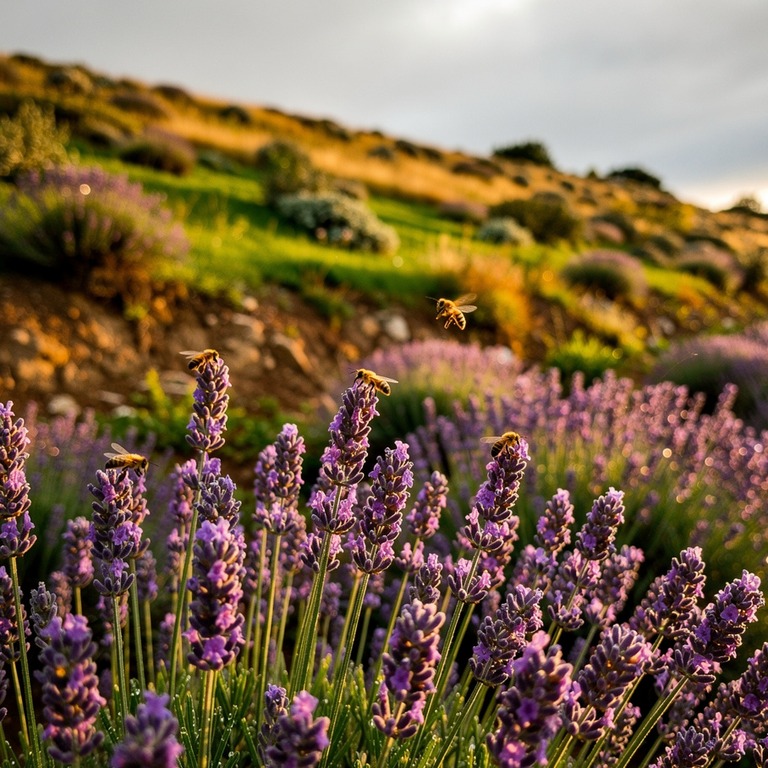
The dieta was ahead of us on this one
Traditional ayahuasca dieta — the preparatory eating protocol taught in Amazonian traditions — cuts sugar, refined carbs, processed food, and often fruit itself in the days before ceremony. Ask a curandero why and you'll hear about spiritual reasons, about the plants being sensitive to what's in you. Ask a metabolic researcher and you'll hear about glucose stability, insulin sensitivity, and reduced neuroinflammation.
Both people are describing the same thing from different angles. A stable, low-glucose body seems to be a better vessel for the work — whether you frame that in shamanic or scientific language. Neither framing cancels the other out. They rhyme.
What's newer is the evidence that the effect isn't just short-term. Keeping glucose steady over years appears to protect the actual physical structure of the brain. Which means the dieta habits some people adopt for a two-week retreat are actually a preview of how they could eat for the next thirty years.
Practical ways to keep your glucose in a friendlier range
None of this is complicated. It's just annoyingly consistent — the boring stuff that works. If you're preparing for a retreat, or coming home from one and wondering how to hold onto the clarity, these are the levers worth pulling:
- Put protein at the front of every meal. Eggs, fish, legumes, chicken, tempeh — pick one and eat it before the carbs. It slows digestion and blunts the spike.
- Load up on fiber. Vegetables, beans, whole grains, berries. Fiber physically slows how fast glucose enters your bloodstream. It's mechanical, not magical.
- Walk after you eat. Ten minutes. Not a workout, not a hike — just walking. Muscles pull glucose out of the blood when they move, even gently.
- Never eat carbs naked. Refined carbs on their own — a pastry, a bowl of white rice, a smoothie of pure fruit — send glucose surging. Pair them with fat, fiber, or protein and the response softens dramatically.
- Consider a continuous glucose monitor. The wearable sensors have gotten cheap and accurate. Two weeks of wearing one will teach you more about your metabolism than a decade of reading about it.
If you're on a formal pre-retreat dieta, most of this is already baked in. If you're not, treat the month before a ceremony as a soft training window — not a punishing detox, just steady eating that gives your brain the metabolic conditions to do deep work.
Integration, addiction, and the long game
People come to master plants for a lot of reasons, but addiction recovery and depression are near the top of the list. Both are conditions where the brain has been under sustained stress — sometimes from the substance itself, often from the years of dysregulation that preceded it. Ayahuasca, ibogaine, psilocybin can crack something open. Integration is where the actual change gets built.
And integration lives in the body. In sleep. In nervous-system regulation. In blood sugar, apparently. The clients I've seen hold onto their gains longest are usually the ones who came home from ceremony and quietly rebuilt their basic health — stopped drinking, started walking, ate real food, slept eight hours. The insight from the medicine gave them the reason. The daily habits gave them the substrate.
If you're looking at plant medicine as a way to shift a stuck pattern — addiction, depression, anxiety, the fog of low-grade despair — think of your glucose as part of the ceremony infrastructure. Not the point of the work, but the ground it stands on.

The honest caveat
One study, however large, isn't a verdict. The UK Biobank skews toward middle-aged and older participants, mostly white, mostly British. Brain-age prediction models are improving but still imperfect. Mendelian randomization is powerful but not infallible. What we have is a strong signal, consistent with a lot of other metabolic research, pointing in an obvious direction.
And the beauty of the finding is that acting on it costs nothing. You don't need a prescription to eat a plate of lentils and take a walk. You don't need a clinical trial to notice that stable eating makes you feel steadier. Whatever else the science reveals in the next five years, the practical answer will almost certainly still be: eat real food, move your body, keep the blood sugar dial low.
For readers thinking about how retreat work fits into a longer arc of brain and body health, a curated range of ayahuasca and plant-medicine retreats can be browsed on our marketplace here. The medicine matters. So does the body that meets it.

Craving More Stories?
Join our ShopAyahuascaRetreats newsletter for the latest updates on thrilling
destinations and inspirational tales, delivered straight to your inbox!
We value your privacy. Your email address will never be shared or published.