 English
 Deutsch
 Français
 Nederlands
 Español









Reset. Heal. Grow.


The Hidden Magnesium Deficiency Affecting 70% of Americans (And Why Your Blood Test Missed It)
Ever had that nagging sense that something's off — you're tired in a way sleep doesn't fix, your nerves feel frayed, your muscles twitch at 2 a.m. — and then your doctor slides the lab printout across the desk and says everything looks fine? Turns out your gut might have been right. A wave of recent research points to a mineral deficiency that affects roughly two out of every three American adults, and the standard blood test most doctors order barely registers it. The mineral is magnesium. And while this isn't exactly breaking news to nutritionists, the scale of the problem — and the specific reason routine bloodwork keeps missing it — is worth understanding, especially if you're doing the kind of inner work that psychedelic and plant-medicine retreats invite. Preparation for ceremony asks a lot of the body. So does integration afterward. Running on depleted mineral stores makes both harder than they need to be. Researchers analyzed magnesium levels in more than 5,000 U.S. adults surveyed between 2021 and 2023 as part of the National Health and Nutrition Examination Survey. Using a serum magnesium threshold of 2.06 mg/dL, they concluded that around 67.8% of American adults are at risk of what's called chronic latent magnesium deficiency — a state where your blood levels look normal on paper, but the reserves stashed throughout your body are quietly draining. The numbers get worse when you zoom in on certain groups. Adults with type 2 diabetes came in at 78.3%. Those with hypertension hit 68.5%. People with chronic kidney disease landed at 71.1%. Magnesium is central to insulin signaling and glucose metabolism, so the overlap with metabolic disease is more than coincidence — it's mechanism. And several common medications quietly worsen the picture, including diuretics, proton pump inhibitors (the acid-reflux workhorses), and certain immunosuppressants. Here's the awkward truth about serum magnesium testing. Less than 1% of the magnesium in your body actually circulates in your blood. The rest lives in your bones, muscles, and soft tissues. A serum test is like judging a warehouse's inventory by peeking through a mail slot. It gets worse. Serum magnesium isn't even a standard inclusion in most routine blood panels — you have to ask for it. And when labs do run it, the reference ranges most hospitals rely on were derived from data collected more than half a century ago, back when soil quality, food processing, and diet looked very different. Researchers have flat-out described magnesium abnormalities as one of the most underdiagnosed deficiencies in clinical practice. That's not a fringe opinion. It's the mainstream cardiology and nephrology literature saying, essentially, we've been looking at this wrong for decades. Two forces are stacking against you. The first is the food supply itself. Over the past fifty years, the magnesium content of fruits and vegetables has dropped considerably, largely tracking the mineral depletion of the soils they're grown in. Industrial agriculture pulls more out of the ground than it puts back. Even an honest, veggie-heavy plate today delivers less magnesium than the same plate would have in 1975. The second force is processing. Roughly 80% of a food's magnesium is stripped away during milling, refining, and packaging. A slice of whole-grain sourdough and a slice of white sandwich bread are not remotely equivalent from a mineral standpoint. Add in the fact that about half of Americans don't even hit the recommended intake to begin with, and you have a slow-motion nutritional shortfall that most people don't notice — until something else in their health starts wobbling. Magnesium participates in more than 300 enzymatic reactions in the body, which is a fancy way of saying it touches nearly everything. That also means the deficiency symptoms are frustratingly nonspecific. They overlap with a dozen other things. Still, certain patterns show up over and over: None of these prove deficiency on their own. But if three or four of them apply to you and your last blood panel was unremarkable, you have reason to dig deeper. Plant medicines are physically demanding. Ayahuasca in particular puts the body through a workout — the purging, the sustained sympathetic arousal, the long nights, the emotional weight of what surfaces. Ibogaine has real cardiac considerations and takes electrolyte balance seriously. Even a psilocybin retreat, gentler on the body than the others, still asks your nervous system to do something unusual for hours at a stretch. Facilitators who take safety seriously will screen for medications, cardiovascular risk, and sometimes electrolyte issues. But magnesium status specifically? Rarely on the checklist. And that's a shame, because heading into ceremony already depleted — nervous system frayed, sleep already broken, muscles primed to cramp — makes the whole experience harder to move through and harder to integrate afterward. The days following a strong ceremony are when your body is doing enormous repair work. It needs raw material. This isn't about optimizing yourself into some idealized retreat-ready state. It's about not walking into an already-intense experience with your reserves running on fumes. The good news: this is one of the more fixable nutritional problems out there. A few practical steps: What this research really underlines is that a "normal" lab result is not the same as a healthy body. It means you fell within a range that was defined decades ago, using assumptions about diet and lifestyle that no longer match reality. If you've been feeling subtly off — the kind of off that doesn't have a clean diagnosis attached to it — mineral status is worth investigating before you chase more exotic explanations. And if you're preparing for a plant-medicine experience, treat the weeks beforehand as an opportunity to actually feed your body. Not a punishing dieta, not perfection — just consistent, unprocessed food and enough of the minerals your nervous system needs to do the work you're about to ask of it. For readers who are weighing that next step, a range of vetted ayahuasca, psilocybin, and other plant-medicine retreats can be explored on our marketplace here. Whatever you choose, walk in with your reserves topped up. Your body will thank you when the medicine starts to move.

Silent Hypertension: Why Half of Us Don't Know Our Blood Pressure Is High
Here's an uncomfortable question: when was the last time you actually knew your blood pressure numbers? Not guessed. Not assumed they were fine because you feel okay. Actually knew. If you can't remember, you're in very large company. A new analysis of 1.4 million adults in England — one of the biggest of its kind — found that more than one in three adults has hypertension, and nearly 60% of them have no clue. The condition is doing its quiet damage in the background while people go about their lives feeling perfectly normal. This matters far beyond cardiology waiting rooms. For anyone considering a plant-medicine retreat, an ibogaine program, or any intensive experience that puts real physiological demands on the heart, knowing your baseline blood pressure is not optional. It's the sort of thing responsible facilitators screen for before they'll let you sit in ceremony. And if you don't know your numbers, they can't help you. The Our Future Health study, published in a BMJ public health journal, looked at 1.4 million adults across England. Around 37% had high blood pressure. Of those, 58.8% were completely undiagnosed — they had elevated readings but no one had ever told them so. The finding that should stop you in your tracks is what happened among people who were being treated. Just over half of them still had uncontrolled numbers. So even a prescription and a doctor's involvement doesn't guarantee the problem is being managed. Researchers call this the “rule of halves” — roughly half of cases go undetected, and about half of those under treatment aren't actually under control. That's a lot of people walking around, some with pill bottles in their bathroom cabinets, assuming they've got this handled. Many of them don't. The reason so many cases slip past is depressingly simple: high blood pressure usually doesn't feel like anything. The World Health Organization is blunt about it — most people with hypertension have no symptoms at all. Meanwhile the pressure quietly wears down blood vessels, thickens the heart muscle, and raises the risk of stroke and kidney disease over years or decades. There's no headache that reliably signals it. No dizziness that shows up at the right moment. No fatigue that makes you think “ah yes, that must be my systolic reading creeping into the 140s.” The body doesn't send a warning. That's the whole problem. Which means the only way to catch it is to check. Not to feel for it — to check it, with an actual cuff, on an actual arm, at semi-regular intervals. There's no clever biohack that replaces this. Here's where the study gets interesting, and where a lot of retreat-going adults should pay attention. A related primary-care study found that adults aged 18 to 44 were more than twice as likely to have undiagnosed hypertension as older adults. Another piece of research showed that people at the lowest overall cardiovascular risk — often younger, leaner, more active people — were the most likely to have blood pressure that no one had caught. Why? Because they don't go to the doctor. They feel fine. They skip the annual physical. They assume the yoga, the clean eating, and the good genes are doing the work. And sometimes they are — but sometimes they aren't, and there's no way to tell without a reading. This is the population that ends up filling out retreat medical forms and writing “no known conditions” in the blank, entirely honestly, because they've never had reason to think otherwise. It's also the population most likely to be surprised when a facilitator asks for a recent reading and they realize the last one they can remember was during a college physical. The good news is that checking blood pressure has become almost embarrassingly easy. It's fast, painless, and accessible in ways it wasn't a decade ago. A short list of concrete moves: None of this is complicated. It's just easy to skip, because nothing hurts. Plant medicines and psychedelics have real cardiovascular effects. Ayahuasca can raise heart rate and blood pressure during the peak of a ceremony. Ibogaine is well-known for its effects on cardiac rhythm and requires medical screening — reputable ibogaine centers demand an EKG and full workup before they'll accept you. 5-MeO-DMT, San Pedro, and psilocybin all shift the cardiovascular system to some degree. This isn't a reason to be afraid; it's a reason to be informed. Any facilitator worth trusting will ask about your blood pressure history. If your answer is “I have no idea,” that's a signal — to them and to you — that a check-up is a sensible step before ceremony, not something to defer until after. Retreats that skip medical screening entirely, or that wave off your questions about risk, are telling you something about how they operate. Take the hint. Preparing for a psychedelic experience isn't just about intention-setting and dieta. It's also about knowing the machine you're bringing into the room. Blood pressure, resting heart rate, medications, and any cardiovascular history are all part of the picture. The more of that picture you can hand a facilitator, the safer and more useful your experience becomes. “Feeling fine” is not a diagnostic tool. That's really the whole lesson here. The people in this study who had no idea their blood pressure was elevated weren't ignoring symptoms — they didn't have symptoms. The condition doesn't play fair that way. Closing your own detection gap costs almost nothing. A monitor at home, a question at your next appointment, a pharmacy kiosk on the way to the grocery store. Any of these gives you information you can actually use — for your long-term health, and for making smarter decisions about intensive experiences like plant-medicine work. For readers thinking through a psychedelic or plant-medicine journey and wanting to arrive at ceremony well-prepared and honestly informed about their own body, a curated selection of retreats can be browsed on our marketplace here. Whatever path you take, get your numbers first. The rest of the work goes better when you know what you're working with.


Why I Quit Intermittent Fasting: What Two Years Without Breakfast Did to My Hormones
Here's the thing. You probably clicked expecting the standard fasting-changed-my-life piece — the one where I tell you skipping breakfast unlocked some hidden productivity gear and gave me the body I'd been chasing. And honestly? Two years ago I would have written that article without blinking. I did drop weight. I did feel sharp. For a while, I was convinced I'd figured something out. What I didn't mention in that mental draft: I also lost my energy, my drive to train, and my period. For nine months. These days I eat within thirty minutes of waking. Sometimes before seven in the morning. The version of me who used to slam black coffee and sprint to a 6:30 strength session on a hollow stomach would not recognize this person. But she really should have listened sooner — and if you're currently white-knuckling your way through a 16-hour fast while doing fasted CrossFit, this one's for you. If you're new to the concept, intermittent fasting (IF) is less about what you eat and more about when. You have a feeding window and a fasting window. The most popular protocol, 16:8, means eating within an eight-hour stretch — say noon to 8 pm — and fasting the rest of the day. The theory goes that your body, deprived of incoming glucose, shifts into burning stored fat and gets various metabolic benefits along the way. The research supporting IF for metabolic health, blood sugar regulation, and weight management is real. I'm not going to pretend otherwise. What I am going to point out is something the loudest fasting evangelists on the internet tend to skip: the bulk of that research was conducted on men, or on mixed groups where results weren't broken down by sex. That matters. It matters a lot. A woman's cycle depends on a tightly choreographed dance of hormones — estrogen, progesterone, luteinizing hormone, follicle-stimulating hormone — all listening carefully to signals from the rest of the body. And here's what your body reads as a signal: prolonged fasting plus intense exercise looks a lot like famine. Add work stress, poor sleep, and under-eating, and the message becomes deafening. The mechanism is the HPA axis — your hypothalamic-pituitary-adrenal system, basically the command center for stress. Skip breakfast, then throw heavy weights around for an hour, and cortisol spikes. Cortisol itself isn't evil; it's how your body mobilizes energy when there's none coming in. But when cortisol stays high day after day, fasted workout after fasted workout, it starts elbowing your reproductive hormones out of the way. Your body, in a very old evolutionary reflex, decides this isn't a safe time to make a baby and quietly turns down the volume on the whole cycle. That's why some women — hi, me — start noticing irregular periods, or lose them entirely, when they fast aggressively while under-eating. There's also emerging research suggesting women may show more dramatic blood sugar swings and stronger cortisol responses to fasting than men do. None of this makes intermittent fasting bad. It just makes it not a monolith. And for many women — especially those who are active, stressed, or already running low on fuel — it can absolutely push things sideways. Alarm at 6 am. Straight to the kitchen — not for food, for coffee. Black. Out the door by 6:20, at the gym by 6:30. The next sixty minutes were heavy lifting and a cardio finisher on an empty stomach. Shower, dress, commute, and finally, mercifully, eat something around 11. Two meals and a snack crammed into eight hours, then nothing until the next morning. Repeat. To be fair, there were upsides. I was in a chaotic season and skipping breakfast simplified my mornings. Travel got easier — no scrambling for an airport meal or feeling weird about the sad hotel continental. And yes, I saw body composition changes that felt like a reward. That's the trap, honestly. When the scale cooperates, you stop asking harder questions. The harder questions I wasn't asking: why was I in bed at 8:30 pm every night, actually exhausted? Why was my patience a puddle? Why did my hair feel thinner, my brain feel foggier, my workouts feel like slogging through wet cement? Why hadn't I had a period in — wait, how many months had it been? What finally moved me was a stack of small things. Another cycle-free month. A pointed conversation with my doctor. And, honestly, a quiet look in the mirror where I had to admit that what I was calling wellness was actually a low-grade panic response my body was throwing every single day. So I did the unthinkable. I started eating breakfast. The first week felt weird — like I was cheating on a rule I'd sworn allegiance to. But within a few weeks, I started looking forward to waking up because there was food waiting. I got into overnight oats. I experimented with smoothies. It felt strangely radical to just… feed myself. My body noticed. My cycle came back. My energy came back. My workouts stopped feeling like a war of attrition. My fuse got longer, which everyone around me quietly appreciated. Turns out fueling the machine before asking it to perform is not, in fact, a moral failing. If you're coming off a long fasting stretch and don't know where to start, here's what's worked for me and most of the women I've compared notes with: My default now is either a big bowl of Greek yogurt with berries, homemade granola, and a heavy spoon of chia seeds — or, when I want savory, two eggs fried in olive oil, chicken sausage, sautéed spinach, and a piece of sourdough. Nothing fancy. Just fuel. I'm not here to tell you intermittent fasting is the devil and everyone who does it is deluded. It genuinely works for some people. For certain women — those who aren't crushing themselves with fasted workouts, aren't chronically stressed, aren't in the thick of their reproductive years — a compressed eating window can feel great and cost nothing hormonally. Bodies are different. Seasons of life are different. What I'd caution against is treating any protocol like doctrine. If your cycle is disappearing, your sleep is trashed, your workouts feel awful, and your patience is nonexistent, those are not personal failings to push through. They're data. Your body is talking. You just have to actually listen. I'll also add — and this is where a lot of women land eventually — that hormone regulation, nervous-system healing, and rebuilding a healthy relationship with food often benefits from stepping out of your regular life entirely for a stretch. Whether that looks like a silent retreat, a somatic healing week, or a plant-medicine journey that helps unpack why you were punishing your body in the first place, sometimes the reset needs to be structural, not just dietary. For readers curious to explore that side of things, a range of women-friendly healing and wellness retreats can be browsed on our marketplace here. The thing I wish someone had told me two years ago: don't dismiss your hunger. Take the rest day. Eat the dang breakfast. Nourishing yourself before you ask your body to perform is not weakness. It's not a lack of discipline. For a lot of us, it's the most radical, healing thing we can do.

Larger Breasts, Migraines, and Sleep Apnea: What New Research Actually Shows
If you've ever spent a workday shifting your bra strap every ten minutes, rolling your shoulders back to shake off a dull ache, or waking up with a headache you can't quite explain — you already suspect that the body is more interconnected than most doctors let on. A new piece of research adds weight to that hunch. Women with unusually large breasts, clinically termed macromastia, appear to experience several health issues at higher rates than women without the condition. And the list is longer than you might expect. Before anyone panics or books a consult, though, it's worth slowing down and reading the study carefully. Association is not causation, and the researchers themselves are the first to say so. Still, the pattern is interesting enough — and consequential enough for the women living inside it — that it deserves a proper look. The team pulled records from an academic neurology practice and compared 347 women with macromastia to 340 women without it. They matched the two groups for age, race and ethnicity, and body weight — that last variable matters, because you don't want a study that's really just measuring the effects of higher body weight dressed up as something else. From there, they combed the medical histories for five specific conditions: chronic migraine, persistent neck pain, cervical radiculopathy (nerve pain radiating from an irritated nerve root in the neck), occipital neuralgia (sharp nerve pain at the back of the head), and obstructive sleep apnea. Then they ran the numbers. This is a retrospective chart review. That means researchers looked backward at existing records rather than following women forward through time. It's a useful design for spotting patterns and generating hypotheses, but it can't establish that one thing causes another. Keep that framing in mind as you read what follows. Women in the macromastia group had statistically higher rates of four conditions compared to the matched control group: Occipital neuralgia showed up more often too, but not at a level the researchers were confident enough to call statistically significant. In plain language: the difference could have been chance, so they parked it. There's another wrinkle worth mentioning. Within the macromastia group itself, women who had neck pain were more likely to have undergone breast reduction surgery than those who didn't. That tells you something about how bothersome the symptoms already were before the study was even conducted — these women were pursuing surgical intervention. The mechanical story is the easiest one to tell. Additional weight on the chest pulls the shoulders forward and down, changes the way the upper spine loads, and asks the muscles of the neck and upper back to do more work than they were built for. Over months and years, that kind of chronic strain can irritate soft tissue, compress nerves, and set up the conditions for pain that seems to come from everywhere at once. Neck pain and cervical radiculopathy fit that story cleanly. Migraine is trickier. Cervicogenic factors — meaning headache pain that originates in the neck — are a known contributor to migraine in some people, and there's an established relationship between chronic neck tension and migraine frequency. So a mechanical chain from chest to shoulders to neck to head is at least plausible. But this study can't confirm it. Sleep apnea is the most puzzling of the four. Body weight is a known risk factor for obstructive sleep apnea, and the researchers controlled for that. Why breast size specifically would raise sleep apnea risk isn't obvious. Possibilities include sleep posture (many women with larger breasts find back-sleeping uncomfortable), chest wall mechanics affecting breathing during sleep, or some other variable the study didn't measure. Honestly? Nobody knows yet. Here's where the research actually touches real life. If you have macromastia and you've been dealing with migraines, neck pain, or suspicious sleep issues as separate problems on separate visits with separate specialists, this study is a gentle nudge to zoom out. The symptoms may be talking to each other. Your primary care provider or neurologist should probably be looking at the whole picture rather than treating each complaint in isolation. That doesn't mean assuming every headache is your bra's fault. It does mean bringing up the combination when you talk to a doctor. A physical therapist who works with posture and thoracic mobility can be a good early stop. A properly fitted supportive bra — not the ones sold in generic sizing — makes more of a difference than most women realize. Sleep studies exist for a reason, and if you're waking up unrested or your partner has mentioned strange breathing sounds, ask for one. Depending on what's actually driving your symptoms, a care plan might include: Reduction surgery is a big decision with a real recovery window, so it belongs at the end of a longer conversation, not at the start. But for women who've already tried the conservative options without much relief, it's a legitimate option worth understanding rather than dismissing. Headaches, neck pain, and poor sleep don't live in separate compartments of the body, even though our medical system tends to sort them that way. This study is a small but useful reminder that the physical structure a person carries around every day — including the parts nobody thinks to mention at a neurology appointment — can shape symptoms that show up in unexpected places. None of this is a diagnosis, and none of it means every woman with larger breasts will develop these issues. Plenty won't. But if you're one of the women who has been quietly stacking up small complaints and wondering whether they're related, the answer may well be yes — and that's worth a real conversation with a provider who's willing to look at the full picture rather than one symptom at a time. For readers exploring the broader relationship between the body, chronic pain, and long-term wellbeing, a range of curated wellness and healing retreats can be browsed on our marketplace here. Sometimes stepping out of the daily grind for a week — and giving the body real attention — is what finally makes the underlying patterns visible.

The Surprising Link Between Bone Density and Brain Aging
Here's something nobody at the gym is talking about: the density of the bones in your spine might be quietly telling a story about what's happening upstairs, in your brain. Not a diagnosis. Not a prophecy. Just a signal — and a fascinating one at that. For decades, bone health has been filed away in the same mental drawer as hip fractures and grandmothers slipping on ice. Useful, sure, but hardly the sexiest corner of longevity science. That framing may be outdated. A new wave of research is suggesting your skeleton and your brain may be aging in tandem, sharing more biological wiring than anyone previously suspected. Scientists recently pulled data from a large, long-running U.S. study that tracks adults across many years. The participants had already undergone chest CT scans, brain MRIs, and cognitive testing — which meant researchers could look at bone health, brain structure, and thinking skills in the same people, over time. That's a rare and valuable setup. An AI tool measured the density of bones in participants' spines using the existing chest CT scans. The team then narrowed their analysis to 715 people who also had brain scans and cognitive test results. On the brain side, they focused on white matter — the tissue that acts like the brain's internal cabling, letting different regions send information back and forth. They tracked signs of damage in this tissue and how cognitive function shifted over time. The pattern that emerged was quiet but consistent. People who started out with lower spinal bone density showed faster declines in overall cognitive function. They also had more white matter damage in a brain region tied to memory, attention, and decision-making, plus a steeper decline in white matter health in another area involved in attention and executive function. Before anyone rushes to buy calcium supplements to save their memory: the study found a link, not a cause. Lower bone density does not mean someone is destined for cognitive problems. It's a correlation, an association, a signal worth investigating. Not a verdict. This distinction matters. Health headlines love to skip past it, and readers end up frightened or falsely reassured based on studies that were never meant to prove causation. What this research actually says is: these two things seem to travel together in the population studied, and that's interesting enough to warrant a much closer look. Why might they travel together? Researchers suspect bone loss and brain aging may share some of the same underlying drivers — things like insulin resistance, unhealthy cholesterol patterns, and the hormonal shifts of menopause. Bones and brains, in other words, may both be downstream of some of the same metabolic and endocrine currents. If your body is running rough at the system level, both organs may feel it. There's a practical wrinkle here that's genuinely useful. Chest CT scans are already routine for lung cancer screening and various cardiac evaluations. If AI can reliably pull bone density information out of images doctors already have, that's a bonus piece of longevity data with zero additional radiation and zero additional cost to the patient. Imagine the same scan quietly answering three or four different questions at once. That's not a recommendation to run out and book a chest CT — this is a possible future application, not current clinical guidance. But it hints at where preventive medicine is going: extracting more signal from data we're already collecting, catching subtle patterns years before symptoms show up. For someone in their 40s or 50s who's started paying attention to how they'll actually feel at 75, that shift is meaningful. It suggests that the interventions we make now — the boring, unsexy ones — may pay compound dividends across systems we didn't even realize were connected. None of the following will surprise anyone who's read a health article in the last decade. But there's a reason the basics keep showing up: they work, and most people still aren't doing them consistently. The most interesting thing about this research isn't the bone-brain link itself. It's the broader message: the body doesn't age in silos. What happens to your skeleton, your metabolism, your hormones, your muscles, and your brain is deeply interconnected. Treating each system as a separate problem to solve — bones over here, brain over there, heart in another room — is starting to look increasingly outdated. That's part of why so many people in this age bracket are looking beyond conventional medicine for approaches that treat the person as a whole. Contemplative practices, plant-medicine work, deeper nutritional interventions, and lifestyle overhauls that used to sound fringe are now part of mainstream longevity conversations. The science is slowly catching up to what a lot of traditional systems have said all along: everything is connected, and how you live shapes how you age at every level. If you're the kind of person drawn to this whole-system view — someone thinking about the arc of your health over the next few decades rather than the next few months — you might find that immersive retreat experiences focused on healing, integration, and lifestyle reset offer something a weekend gym program can't. Curated retreats spanning plant medicine, meditation, and holistic wellness can be browsed on our marketplace here, for anyone who wants to take this thinking further. For now, the takeaway is refreshingly simple. Keep your skeleton strong. Move often, lift heavy things sometimes, feed yourself well, sleep like it matters. Scientists will keep untangling exactly how bone and brain health intersect. In the meantime, the actions that support one likely support the other — and that's more than enough reason to start today.
Craving More Stories?
Join our ShopAyahuascaRetreats newsletter for the latest updates on thrilling
destinations and inspirational tales, delivered straight to your inbox!
We value your privacy. Your email address will never be shared or published.

Avocado a Day for Blood Sugar? What a New Six-Month Study Found
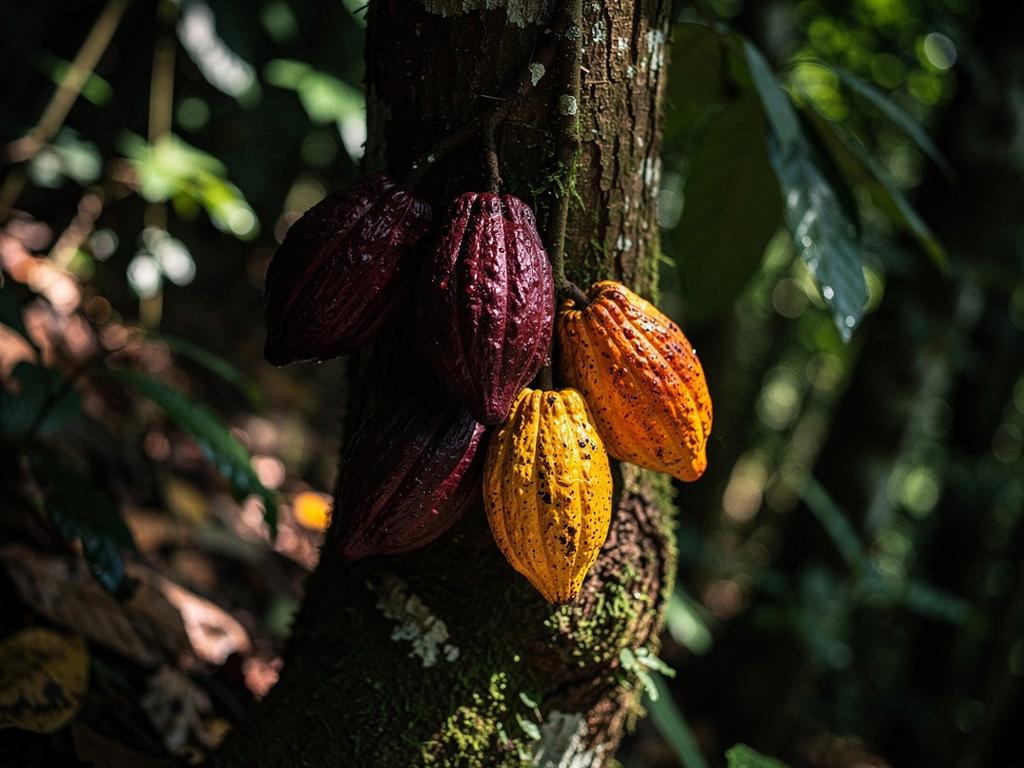
Fruit and blood sugar don't usually show up in the same sentence unless someone is warning you off mangoes. So it's a small surprise that one of the more interesting recent nutrition studies puts a fruit — specifically the avocado — squarely in the blood-sugar-friendly column. Yes, avocados are botanically fruit. They just don't behave like one on your plate. Instead of hitting you with fast sugars, they bring fat and fiber, which is a very different metabolic conversation. A six-month randomized trial published this year looked at what happens when adults simply add one large avocado to their daily diet and change nothing else. No cutting carbs. No new workout plan. No food-tracking spreadsheets. Just one avocado, every day, for half a year. The results are worth a slow read if you're thinking about your own blood sugar, insulin sensitivity, or long-term metabolic risk. Researchers pulled data from a randomized trial involving more than 1,000 adults, all of whom had elevated waist circumference — a decent proxy for the kind of metabolic risk that quietly builds up in midlife. Participants were split into two groups. One group ate a large avocado every day for six months. The other group carried on with their usual eating habits and were capped at two avocados per month. Nobody was told to eat less bread, swap sugar for stevia, or hit the gym harder. That's the part I find genuinely useful. Most nutrition studies bundle so many changes together that it's hard to tell what actually moved the needle. Here, the only variable was the avocado itself. After six months, the avocado group's dietary glycemic load — a measure of how much a day's food raises blood sugar — dropped by around 14 points compared with the control group. That's not a rounding error. In practical terms, it's the sort of shift usually associated with a deliberate low-glycemic diet, achieved here without deliberate dieting. Interestingly, glycemic index (GI) itself didn't change much between the two groups. That distinction matters. GI is a property of a specific food — how quickly its carbs hit your bloodstream. Glycemic load takes both the GI and the actual amount you ate into account. It's the more real-world number. What that pattern suggests is subtle but interesting. The avocado wasn't replacing white bread with quinoa. People weren't suddenly eating lower-GI foods. Instead, the avocado seems to have improved the overall glucose impact of whatever else was already on their plates. The fat and fiber it brought along softened the blood sugar response to everything around it. Diets with a lower glycemic load are consistently linked to steadier day-to-day blood sugar, better insulin sensitivity, and a lower long-term risk of type 2 diabetes and cardiovascular disease. So a 14-point drop from a single food swap is, honestly, more than most supplements can claim. An avocado isn't magic. It's just a well-designed piece of produce for glucose control. Half a medium avocado gives you roughly 5–7 grams of fiber and a solid dose of monounsaturated fat — the same category of fat you'll hear about in Mediterranean-diet writeups. Together, those two things do a few useful jobs: None of that is exotic. It's the same reason nutritionists have been telling people to eat protein with their fruit or add nuts to oatmeal. Avocados just happen to do the job in a form most people are happy to eat. Depends on you. A whole large avocado is roughly 300 calories and change, mostly from fat — which is fine in the context of a real diet but might feel like a lot if you're already eating plenty of other fatty foods. If the idea of a daily avocado appeals to you, the evidence here is a reasonable nudge to try it. If it feels forced, don't. A third or half of one, worked in regularly, still contributes fiber and fat where it counts. Some easy ways to work it in without turning your kitchen into a Pinterest board: A quick honest note: if you have any medical condition affecting how you process fat, or if you're on medications sensitive to potassium levels (avocados have plenty), check with your doctor before you make anything a daily habit. That's not a disclaimer for its own sake — potassium and fat intake genuinely interact with certain prescriptions. Blood sugar management isn't usually about hunting for a single miracle food. It's about the overall pattern — how much fiber, how much protein, how much fat, how much refined starch, and how those things show up together across a day. What this study reinforces is that small, additive changes can shift that pattern in a meaningful direction. You don't need a total dietary overhaul to move the needle on glycemic load. Sometimes you just need to add something useful and let it do its work. Steadier blood sugar tends to bring quiet perks that don't always get named — fewer afternoon crashes, less snacking driven by nothing more than a glucose dip, better sleep for some people, more consistent energy. None of that shows up in a headline, but it's what people actually notice week to week. Whole-food changes like this pair naturally with the kind of reset many people go looking for on a wellness retreat — clean cooking, better sleep, a break from ultra-processed food. For readers interested in that broader direction, a range of wellness and healing retreats can be browsed on our marketplace here.

Diabetes and Hearing Loss: Why Younger Adults Face Triple the Risk
You've probably done it. Nudged the TV volume up two notches, then two more. Asked your partner to repeat what they said over dinner. Given up trying to hear your friend at that loud brunch spot and just nodded along, hoping the answer wasn't a question. Most of us shrug those moments off. Bad acoustics. Tired ears. Getting older, whatever. But if you're living with diabetes — or hovering in prediabetes territory — a growing body of research suggests those little hearing hiccups deserve a second look. And not decades from now. Now, while you're still young enough to think of hearing loss as somebody else's problem. A recent pooled analysis of 29 studies looked at the relationship between diabetes and hearing loss across thousands of adults. The researchers weren't chasing mild, occasional issues — they zeroed in on moderate-to-severe hearing loss, the kind that makes ordinary conversation genuinely difficult. Missing the punchline. Losing the thread of a work meeting. Not catching your kid's question from the back seat. Roughly one in four adults with diabetes in the combined data had hearing loss at that level. Compared with people who didn't have diabetes, those who did were more than twice as likely to be dealing with significant hearing problems. That alone is worth pausing on. But the more striking finding was what happened when the researchers sorted the numbers by age. In adults under 60, diabetes was tied to roughly three times the odds of moderate-to-severe hearing loss. Three times. Meanwhile, in people 60 and older, the connection got fuzzier and didn't reach statistical significance. That doesn't mean diabetes suddenly stops mattering for your ears at retirement age — it means age-related hearing changes become so common that it's harder to untangle what's driving what. The biology here isn't mysterious, even if the full picture is still coming into focus. Chronically elevated blood sugar is rough on two things your inner ear depends on completely: small blood vessels and delicate nerves. The cochlea — the snail-shaped structure that translates sound waves into signals your brain can read — is fed by tiny capillaries and lined with fragile hair cells wired to auditory nerves. Damage the plumbing or the wiring, and the whole system starts to underperform. You already know that diabetes can hurt circulation and nerve function elsewhere in the body. That's why regular eye exams, foot checks, and kidney tests are baked into diabetes care. The ear tends to get left off that list, mostly out of habit. But the same processes that quietly injure blood vessels in your retinas or your feet can, over years, chip away at the machinery that lets you hear. One important caveat: this kind of review shows an association, not a proven cause. It's possible that other factors — inflammation, medications, overlapping conditions — contribute to the pattern. Still, the mechanism is plausible enough, and consistent enough across studies, that most researchers treat the link as real and worth acting on. You don't have to wait until you're leaning across the table cupping your ear before you take this seriously. Early hearing changes are subtle, and they tend to sneak up on you in specific situations rather than all at once. If a few of those ring true and you have diabetes or prediabetes, mention it. Ask whether a hearing test makes sense. A basic audiogram takes maybe half an hour and gives you an actual baseline — something you can compare against down the road instead of guessing whether things have changed. Here's the frustrating truth: once hearing loss sets in from vascular or nerve damage, it usually doesn't reverse. That's why the early-warning framing matters so much. Catching a downward trend early gives you options — behavioral, environmental, and, if needed, technological — that work far better than trying to compensate for years of slippage. The most important lever, unsurprisingly, is the one you already know about: keeping blood sugar in a reasonable range. Every guideline you've heard for cardiovascular and nerve health applies to your ears too. Consistent glucose control, movement, sleep, and managing blood pressure aren't just about avoiding the big-ticket diabetes complications. They're about protecting a lot of small, unglamorous systems — including the ones that let you hear a friend across a table. A few practical habits that support ear health at any age: The reason this study is interesting isn't really the hearing angle on its own — it's the reminder that diabetes is a systemic condition with quiet, downstream effects that don't announce themselves. Blood sugar isn't just about A1C numbers on a lab printout. It's about circulation, inflammation, nerve health, sleep quality, mood, and yes, the ability to catch what someone across a noisy room is telling you. That's the same thread running through most of the honest conversations happening in health and wellness right now: small, steady practices that support the whole system tend to protect specific parts of it you weren't even thinking about. Better sleep helps your ears. Steady walking helps your ears. Cooking most of your own meals helps your ears. It's not glamorous, but it's how bodies actually work. If you've been meaning to take a real break — the kind where you're not scrolling, not drinking, not glued to a screen, and someone else is cooking food that supports your blood sugar — a structured wellness stay can be a genuinely useful reset. Curated retreats focused on metabolic health, mindful eating, and nervous-system recovery can be browsed on our marketplace here, if a slower week somewhere quiet sounds like the medicine you actually need.


Low Testosterone in Your 50s? Why Age Isn't Always the Culprit
You're 52. You're tired in a way sleep doesn't quite fix. Your jeans fit differently around the middle, your sex drive has quietly slipped down the priority list, and somewhere in the back of your mind a voice keeps whispering it's just what happens now. Maybe. But probably not the whole story. Testosterone gets treated like a straightforward decline curve — you age, it drops, end of discussion. The research says something more interesting. In older men, low testosterone is often less about the calendar and more about what's happening metabolically, and that distinction changes what you should actually do about it. A recent review looking at male hypogonadism — the clinical term for consistently low testosterone — dug into how much of the midlife dip is genuinely age-driven versus driven by conditions that happen to become more common as men get older. Obesity, type 2 diabetes, metabolic syndrome, chronic illness, and even certain medications all showed up as significant players. The takeaway isn't that aging doesn't matter. It does, especially past about 65 or 70, when the testes themselves start producing less efficiently. But for men in their 40s, 50s, and early 60s, the more common pattern is what researchers call functional hypogonadism — testosterone is low because something else in the body is off, not because the biological clock has run out. That's a big deal, because functional hypogonadism is often reversible. Body fat, particularly around the waist, kept coming up. In one study cited in the review, 44% of men with a waist circumference of 43 inches or more had biochemically low testosterone. That's not a small correlation — that's nearly half. What makes this tricky is the loop it creates. Low testosterone makes it harder to hold onto muscle and easier to store fat. Extra fat — especially visceral fat around the organs — actively suppresses testosterone production. Once you're in the cycle, it self-reinforces. Which is exactly why chasing the number in isolation, without addressing the metabolic picture underneath, tends to disappoint. Here's where a lot of men go wrong. They read a list of symptoms, recognize themselves in most of them, and decide the case is closed. The problem is that fatigue, low mood, brain fog, and even weight gain overlap with a dozen other things — sleep apnea, depression, thyroid issues, chronic stress, poor sleep hygiene, plain old burnout. The symptoms most tightly linked to genuinely low testosterone are sexual: reduced libido, fewer spontaneous morning erections, and erectile changes. Those are the ones clinicians take most seriously as signals. Fatigue and mood are relevant but noisier. Testing matters just as much as symptoms — and it matters how you test. Testosterone fluctuates dramatically across the day, peaking in the morning. Guidelines suggest a fasting blood draw between 7 and 11 a.m., followed by a second confirmatory test on a different day. A single low reading proves almost nothing. Treatment decisions made off one number are how men end up on lifelong hormone therapy they didn't need. Say you've done the testing properly and the results are consistently low. The temptation, especially with the rise of men's health clinics advertising testosterone therapy on billboards, is to jump straight to a prescription. Slow down. The review outlines a smarter sequence. The way testosterone gets talked about in the wellness corners of the internet — as a single dial you can crank up to reclaim youth, energy, and virility — misses the point. Hormones are downstream of a lot of other things. Sleep. Body composition. Stress load. Alcohol. Underlying illness. Emotional state. Whether you've been sitting for eleven hours a day for the last decade. Men who quietly go on testosterone without addressing any of that often feel better for a while and then plateau, because the underlying terrain hasn't changed. The ones who see the biggest, most durable improvements tend to be the ones who used the low number as a prompt to look at the whole system — and, sometimes, at the parts of their lives they'd been avoiding. This is where things get more interesting than a hormone panel. A lot of the men who arrive at midlife with flatlined energy, low libido, and a nagging sense that something's off aren't just metabolically stuck — they're psychologically stuck. Unresolved stress, buried grief, chronic overwork, a marriage on autopilot, a career they stopped believing in years ago. The body keeps score, and eventually the labs reflect it. Some men explore that terrain through therapy or somatic work. Others through meditation retreats, breathwork, or plant-medicine ceremonies — ayahuasca, psilocybin, and ibogaine have all drawn men in this age bracket looking to interrupt patterns they can't seem to change on their own. None of that is a testosterone treatment. It's not meant to be. But addressing the deeper why behind the stuckness sometimes shifts things that no supplement stack ever touched. If you're in your 40s or 50s and suspect your testosterone is low, here's a reasonable sequence before you commit to hormone therapy: Midlife is a fair time to take your body seriously. It's also a fair time to notice that the tiredness and the flatness and the loss of spark might be pointing at more than a hormone. For readers who feel that pull toward deeper inner work as part of the picture, a curated range of psychedelic and plant-medicine retreats can be browsed on our marketplace here. Whatever route you take, get the number, get the context, and treat the whole man — not just the lab result.

Do You Actually Need All Those Wellness Trends? An Honest Look
The first question people ask me at wellness gatherings these days isn't about sleep, or breathwork, or even ayahuasca anymore. It's about peptides. What are you stacking? Which pharmacy? Are you on BPC-157 yet? My answer usually disappoints them. I'm not on any of it. Not because I think it's snake oil — some of it clearly isn't — but because I haven't found a specific problem I'm trying to solve. And that, according to an integrative medicine physician I spent a long afternoon talking to recently, is exactly the right instinct. His framing has stuck with me. Every intervention should be matched to a specific need. Otherwise you're just spending money and adding variables to a system you don't fully understand — your own body. That principle, taught to him in his fellowship, applies to a lot more than peptides. It applies to full-body scans, supplement stacks, hormone panels, cold plunges, red light panels, and yes — even the plant-medicine retreats many of us in this world care deeply about. We talked about Bryan Johnson, the tech founder who has turned his own body into a public science experiment. Nobody's putting him down. The effort is genuine. But his regimen is a case study of one — not a template for how the rest of us should live. When the culture keeps signaling that more is always better, more supplements, more testing, more interventions bolted onto each other, it becomes very easy to lose the plot. The counter-instinct is quieter and less Instagrammable: figure out the smallest, most targeted thing that will actually help your body do what it already knows how to do. That's it. That's the whole game. Everything else is either specific medicine for a specific problem or a very expensive hobby. This matters for anyone considering a retreat too. Plant medicine can be profound. It can also become another line item on a spiritual shopping list — something you stack on top of ten other modalities without really letting any of them land. Ask yourself what you're actually trying to solve before you book anything. Peptides are a useful test case because they're everywhere right now. They're short chains of amino acids. Some have been part of mainstream medicine for decades — insulin is a peptide, collagen is a peptide, and the GLP-1 medications currently reshaping the obesity conversation (semaglutide, tirzepatide) fall into the same broad family. Then there are the stacks that dominate every corner of health-adjacent social media. The so-called Wolverine stack — BPC-157 with TB-500 — is marketed for tissue repair and inflammation. The Glo stack leans on GHK-Cu, a copper peptide sometimes paired with KPV, aimed at skin and general repair. Some of the research is genuinely interesting. Some of it is extrapolated from rodent studies and vibes. A few caution points worth flagging. People with precancerous lesions should be careful with anything that boosts VEGF, a growth factor involved in building new blood vessels — you don't want to accidentally feed something you'd rather starve. Sourcing is another minefield. Compounded peptides from sketchy suppliers can be contaminated or mislabeled, so a certificate of analysis from a certified pharmacy isn't optional; it's the bare minimum. I asked where a serious person should actually start. Not a curious dabbler — someone who genuinely wants to move the needle on their long-term health. The answer wasn't a $2,000 panel. It was your blood pressure. Cardiovascular disease remains the top killer in the United States. Blood pressure is the single most predictive vital sign for it, and you can walk into any pharmacy in the country and check yours for free. That's the starting line. Not NAD infusions. Not a stool test. A cuff. From there, a sensible baseline includes a comprehensive metabolic panel, a complete blood count, thyroid, sex and adrenal hormones, a lipid panel, advanced cardiac markers, inflammatory markers, and micronutrient testing. Rechecked every three to six months, or every 90 days if someone's on hormone replacement or another active intervention. Hemoglobin A1c gives you a 90-day picture of blood glucose; a fasting insulin adds important context. Only after that do the deeper dives — advanced stool tests, SIBO breath tests, DUTCH hormone panels, mold panels — start to earn their place. Full-body scans? More skepticism than you'd expect. They surface a lot of benign findings that generate genuine anxiety and follow-up biopsies for things with a very low likelihood of mattering. That energy is often better spent elsewhere. Here's where the whole philosophy of less-but-smarter really shows up. Before ordering a $500 microbiome test, try answering these seven questions honestly: That's it. Free. Slightly awkward. Wildly informative. A thoughtful clinician can extract a huge amount from those answers — often as much as a fancy panel would reveal in the first pass. Testing still has its place, but it belongs downstream of the conversation, not upstream. I think about this a lot in the context of people preparing for a ceremony. So many folks arrive at an ayahuasca or psilocybin retreat with digestive systems in open rebellion, then blame the medicine for a rough night. Ayahuasca in particular will find every weak link in your gut. The purge is real. Doing the boring work — the dieta, cleaning up what you eat for a few weeks beforehand, actually paying attention to what your body is telling you — pays off in ways the marketing brochures don't advertise. The physician I spoke with admitted he used to be the wellness police in his own household. Every label scrutinized. Getting on his parents' case about their grocery cart. Then he watched people live richly into their 70s, 80s, and 90s while still enjoying their lives, and something loosened. His view on alcohol shifted too. The online consensus has swung hard toward zero as the only defensible number. Going back through the actual research told a more nuanced story. He's not telling anyone to start drinking. But he does see something real in what happens when people share a glass of wine over a meal with people they love. Context is almost everything. The same nuance applies to the psychedelic space. A weekend of ceremony is not a magic reset. It's one input into a life, and its value depends enormously on what surrounds it — the community, the integration, the food you eat the following month, whether you actually make the changes the medicine seemed to demand of you. The most transformed people I've met after retreats weren't the ones stacking every modality. They were the ones who picked one or two things and went deep. If you're reading this because you're considering ayahuasca, psilocybin, ibogaine, or another plant medicine, the same principle holds. Ask what you're actually trying to solve. Depression that hasn't shifted with therapy or medication? An addiction pattern you've circled for years? Grief that never fully processed? A creeping sense of being stuck in a life that no longer fits? Those are real, specific problems, and plant medicine has helped a lot of people move through them. What plant medicine is less useful for: general upgrading, vague self-optimization, or adding one more experience to the pile because everyone in your friend group did it last year. If you can't name what you're trying to solve, you'll have a harder time recognizing whether the medicine actually helped. A few practical checks before you book anything: The through-line, whether we're talking peptides or plant medicine, is the same. Small, targeted steps that stack into something real beat a maximalist regimen you can't sustain. If a facilitator or a clinician promises you a total transformation from one intervention, be a little suspicious. Real change tends to look like 5% better, then 10%, then a life that quietly stops resembling the one you had a year ago. For readers who want to explore this more concretely, a carefully curated range of ayahuasca and plant-medicine retreats can be browsed on our marketplace here. Start with what you're trying to solve. The rest follows from there.
Plastic and Your Hormones: What a 7-Day Swap Really Changes
You probably don't think much about the clamshell your salad came in, the wrapper you tossed after lunch, or the shampoo bottle sitting on the edge of your tub. It's just stuff. Background noise. Modern life. But those small, forgettable moments add up in ways your endocrine system notices. A recent randomized trial called PERTH looked at what actually happens inside the body when people cut back on plastic contact for just seven days — and the numbers are hard to shrug off. Researchers first measured baseline chemical exposure in more than 200 adults. Every single participant — not most, not the majority, every one — had detectable levels of phthalates and bisphenols in their system. These are the compounds most commonly associated with food packaging, kitchen tools, receipts, and personal care products. They also happen to be hormone disruptors, which is the whole reason anyone's paying attention. From there, a smaller subset was randomized into a one-week intervention. Participants swapped their usual routines for lower-plastic alternatives: food chosen for minimal plastic contact from farm to fridge, glass or steel in the kitchen instead of plastic, and in some cases changes to their soaps, lotions, and shampoos. Calorie intake stayed identical. This wasn't a diet, a cleanse, or a wellness detox — just a shift in what touched their food and skin. Seven days later, the shifts were striking. Certain phthalates dropped by more than 40 percent. Bisphenols like BPA and BPS fell by over 50 percent in some groups. The biggest movers came from changing food sources and packaging together, not from swapping out any single item in isolation. Here's the part that surprises people. These chemicals don't stockpile in your tissues the way heavy metals do. Many phthalates and bisphenols have short half-lives, meaning your body is constantly clearing them and then re-accumulating them based on today's exposures. Yesterday's plastic sandwich container is largely gone. Today's is loading up again. That's actually good news. It means the exposure isn't a permanent tattoo — it's a moving average. Change your inputs and the numbers move within days, not months. It also means that even short breaks from packaged food and plastic kitchenware — a week at a retreat, say, or a stretch of home-cooked meals from a farmers market — measurably shift your chemistry. The catch is the reverse is also true. Go right back to takeout containers and heated leftovers in the plastic tub, and levels climb again just as fast. Consistency matters more than perfection. A lot of people made peace with plastic years ago by hunting down products marked BPA-free. It felt like a solved problem. Unfortunately, the manufacturers mostly swapped BPA for structurally similar chemicals like BPS and BPF, and the emerging research suggests those cousins behave in the body in similar ways. So the framing shifts. It's less about finding the right plastic and more about reducing total contact between plastic and the things you eat, drink, and put on your skin. That reframing is what makes the PERTH results actually usable. You're not chasing a perfect product. You're lowering the number of contact points across your week. Highly processed and heavily packaged foods were the most consistent drivers in the study. That's not shocking. What was more interesting: even produce showed elevated chemical readings when it had been wrapped, boxed, or bagged in plastic compared to loose or minimally packaged versions. The container matters, even when what's inside is technically an apple. The other big lever was the kitchen itself. Heating food in plastic, storing hot leftovers in plastic, using scratched or aging containers, cooking with worn plastic utensils — these are small, repeated doses. Each one is trivial. Together, over a week, they're the bulk of the exposure for a lot of people. Personal care sits as a secondary but real contributor. Body wash in a plastic bottle versus bar soap, lotions and serums packaged in soft plastic, fragrance-heavy products — the study saw measurable drops in specific phthalates just from moving toward simpler, lower-plastic alternatives. You don't have to torch your whole kitchen or throw out every bottle in the bathroom. The participants in PERTH didn't eliminate plastic — they just trimmed the most repetitive sources. Here's a rough sketch of what actually moves the needle: None of this is glamorous. That's kind of the point. The stuff that shifts your chemistry the fastest is boring, cheap, and easy to sustain — which is exactly why it works. Hormone disruptors are having a moment in the wellness conversation, and not without reason. Endocrine health touches sleep, mood, metabolism, fertility, and the way your body handles stress. When you're already investing time and money into eating well, moving your body, or doing deeper work on your health — whether that's therapy, a retreat, or a serious look at plant medicine — it's worth making sure the daily background isn't quietly working against you. People who go on plant-medicine retreats often talk about how differently they eat and live for a stretch afterward. Part of that is the ceremony itself. Part of it is the physical environment — meals cooked fresh, water from a jug, no plastic-wrapped snacks in sight. It's not a coincidence that people feel clearer in those settings. The chemistry catches up quickly when you give it a chance. None of this replaces the bigger work. But if you're the kind of person who's already paying attention to what you put in your body, cutting the most repetitive plastic contacts is one of the highest-return, lowest-drama moves you can make. You will not eliminate plastic. It's in the water, it's in the air, it's in places you can't see. That's not a reason to give up — it's a reason to be strategic. The PERTH trial's message isn't purity, it's proportion. Cut the repeated, high-contact sources and your levels drop meaningfully within a week. Keep those changes in place and the lower baseline sticks. If your broader interest is in the deeper reset that a plant-medicine or wellness retreat can offer — the kind of week where food comes from the garden and nothing you eat has been shrink-wrapped — a range of curated retreats can be browsed on our marketplace here. Sometimes the fastest way to change your daily inputs is to change your environment for a while, and let the new habits come home with you.
Dreaming of a Psychedelic Retreat?
We have the best deals and offers from thousands of organizers all over the world! Get them into your mailbox every week!
We value your privacy. Your email address will never be shared or published.
