 English
 Deutsch
 Français
 Nederlands
 Español
SHOP AYAHUASCA RETREATS BLOG
Yoga Nidra for Sleep: The Quiet Practice That Actually Quiets a Racing Mind
Luca Reeves
September 23, 2026
Your ultimate guide to discover transforming ayahuasca and psychedelic experiences. Dive into serene destinations and elevate your consciousness to unparalled heights.
Discover Ayahuasca & Psychedelic Retreats NowSearch for ayahuasca & psychedelic retreats
Discover retreats, trainings, and holidays from all over the world
You know the scene. Lights off. Room cool. Phone in another room like the good sleep articles told you. And yet — the second your head lands on the pillow, your brain queues up a highlight reel of every cringe moment since 2011, plus tomorrow's to-do list, plus that email you forgot to send.
If that's you, welcome. You are not broken and you are not alone. But there's a practice worth knowing about, and it doesn't require a supplement stack or a $300 headband. It's called yoga nidra, and for people who can't seem to switch their minds off at night, it's often the thing that finally works.
So What Is Yoga Nidra, Really?
The name sounds vaguely mystical, which puts some people off before they even try it. Fair enough. But strip away the Sanskrit and yoga nidra is basically a guided body scan. You lie down, you press play on a recording, and a calm voice walks your attention slowly through your body — from your scalp down to your toes, or from your fingertips inward, depending on the guide.
You'll hear it described as a cousin of NSDR — non-sleep deep rest — a term popularized more recently to make the practice sound less like a yoga studio and more like a neuroscience lab. The mechanics are essentially the same. Different label, same idea: you're guiding the nervous system into a state that sits somewhere between waking and sleep.
Here's the part that surprises people: you're not supposed to clear your mind. You're not chasing enlightenment. You're just following instructions. Move your attention to your left shoulder. Now your right elbow. Now the space between your eyebrows. That's it. That's the practice.
Why It Works When Nothing Else Does
The reason yoga nidra tends to land for chronic overthinkers is almost embarrassingly simple. Telling an anxious brain to stop thinking is like telling a toddler not to touch the cake. It's going to touch the cake. But giving that same brain a small, gentle task — one it can actually complete — is a different story.
Following a soft voice as it names body parts is manageable. It's specific. It gives the mental chatter something to do that isn't rehearsing yesterday's argument or drafting tomorrow's spreadsheet. Within a few minutes, most people find their attention has slowed, their breath has evened out, and the internal narrator has quieted down without being asked to.
There's also a physiological angle. The body scan seems to nudge the nervous system out of fight-or-flight and toward the rest-and-digest side of the dial. Heart rate drops. Muscle tension unwinds. Cortisol, presumably, takes the hint. Research published in recent years has shown that regular yoga nidra practice can reduce the amount of time people spend awake after initially falling asleep and can improve overall sleep efficiency. Some studies also point to sharper cognitive performance the day after, which suggests the rest itself is doing something restorative — not just the extra minutes of shut-eye.

Who Actually Benefits From This
The honest answer: almost anyone who struggles to power down. But a few groups tend to notice the effects fastest.
- Overthinkers whose minds spin the moment the room goes dark.
- People coming off high-stress days — first responders, parents of small kids, anyone who works with their nervous system on high alert.
- Athletes and gym-goers who train hard and need help unwinding the sympathetic drive at night.
- Shift workers trying to catch rest at odd hours.
- Anyone in the middle of a hard emotional stretch — grief, breakup, big life change — where sleep has become unreliable.
You'll also see yoga nidra pop up in the world of psychedelic integration, which is where a lot of readers here first encounter it. After a ceremony — ayahuasca, psilocybin, San Pedro — the nervous system can stay wired for days. Sleep gets weird. Dreams get vivid. A short nightly body-scan practice is one of the gentlest ways to help the system settle without medicating over what's still unfolding.
How to Try It Tonight
This is one of those rare wellness practices with a genuinely zero-dollar barrier to entry. No app subscription required. No equipment beyond what you already own. Here's the whole starter kit:
- Search yoga nidra for sleep on YouTube or your podcast app. Free recordings are everywhere, in lengths from ten minutes to an hour.
- Get in bed the way you normally would. Headphones if you share the room. Speaker if you don't.
- Start short — a ten or fifteen minute recording is plenty. You can always experiment with longer sessions later.
- Don't try to do it correctly. There is no correctly. If you fall asleep before the recording ends, congratulations — that's a win, not a failure.
The one honest hurdle is finding a guide whose voice and pace you actually like. Some narrators are too slow, some too chirpy, some over-produce with harp music and rainfall until you can't hear the actual instructions. Try three or four until one clicks. Then stick with it. Familiarity with a voice is part of what makes the practice work over time — your brain learns the rhythm and starts to let go a little faster each night.
What It Won't Do
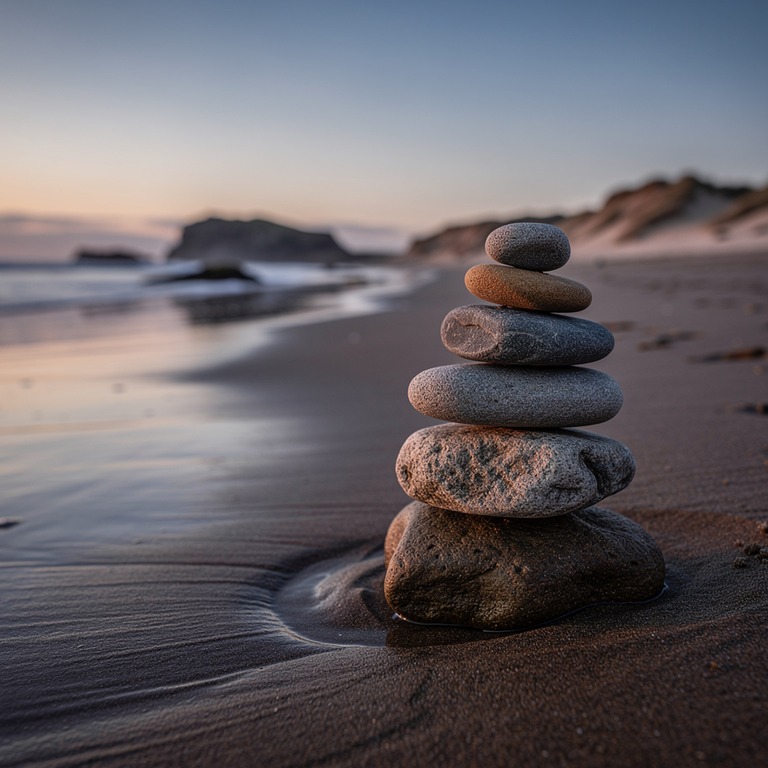
Yoga nidra isn't magic. If you have a diagnosed sleep disorder, sleep apnea, a thyroid situation, or you're drinking three coffees after 4 p.m., no body scan is going to override the biology. It's a tool, not a cure. It also doesn't replace real therapy for the anxiety or trauma that might be driving the 3 a.m. wake-ups in the first place. For deeper work, plant-medicine retreats, somatic therapy, EMDR, or a good psychiatrist are more appropriate stops.
What yoga nidra can do is give your nervous system a small, reliable off-ramp at the end of a loud day. Over weeks and months, that adds up. Better nights lead to better mornings, which lead to better decisions about the harder stuff. It's a small hinge that swings a big door, as the saying goes.

Where This Fits In a Bigger Picture
Sleep is the quiet backbone of every healing modality worth mentioning. You can go on the most powerful retreat of your life, and if you can't sleep afterward, the integration will suffer. You can start therapy, cut out alcohol, clean up your diet — none of it lands the same on four hours of ragged rest. This is why so many practitioners in the plant-medicine and psychedelic space recommend simple contemplative tools alongside deeper work. They're the daily maintenance that makes the bigger experiences stick.
If you're the kind of reader who's already exploring plant medicine or psychedelic healing for stuck patterns — anxiety, depression, addiction, grief — treat yoga nidra as one small piece of the aftercare toolkit. It's not a substitute for ceremony or therapy, but it's a genuinely useful companion to both. For anyone considering that deeper path, a curated selection of ayahuasca and plant-medicine retreats can be browsed on our marketplace here. And for tonight? Ten minutes, a recording, a quiet room. That's the whole assignment.


Craving More Stories?
Join our ShopAyahuascaRetreats newsletter for the latest updates on thrilling
destinations and inspirational tales, delivered straight to your inbox!
We value your privacy. Your email address will never be shared or published.