 English
 Deutsch
 Français
 Nederlands
 Español



Reset. Heal. Grow.
Ikigai, Meaning, and Plant Medicine: Finding What Makes Life Worth Living
There is a moment, usually somewhere between the second and third night of a ceremony, when the questions get uncomfortably simple. Not the cosmic ones. The domestic ones. Why do I keep doing this job? Why do I feel numb on Sunday evenings? What was I actually made for? Plant medicine has a way of stripping the polite answers away and leaving you with the honest ones — which are almost always about meaning. That's where the Japanese concept of ikigai quietly enters the picture. Most retreat-goers I've spoken with have seen the famous Venn diagram — the four overlapping circles asking what you love, what you're good at, what the world needs, what you can get paid for. It's tidy. It's shareable. And it's mostly wrong, at least if you're looking to it as the destination rather than the doorway. For people considering an ayahuasca or psychedelic retreat as part of their own soul exploration — whether that's addiction recovery, working through trauma, or simply the growing suspicion that the life you've built no longer fits — understanding what ikigai actually means can change how you use the medicine, and more importantly, how you land afterwards. The four-circle diagram people share on LinkedIn was largely a Western invention from around 2014, stitched together from an unrelated purpose framework and given a Japanese label because it looked more profound that way. Cultural scholars have been polite but firm: the version most of us know reduces a whole life philosophy to a career optimization puzzle. In its original Japanese context, ikigai is closer to “the reason your life feels worth getting up for.” Not a job title. Not a personal brand. A felt sense that shows up in ordinary places — the first cup of coffee, the walk you take with the dog, the phone call you make to your mother because you genuinely wanted to hear her voice. It can absolutely include work, but it doesn't have to. This distinction matters enormously for anyone approaching plant medicine. Ayahuasca, psilocybin, San Pedro, ibogaine — these master plants tend to dismantle the story you've been telling yourself about who you are and what you're supposed to be doing. If your framework for meaning is a four-circle diagram asking what you can get paid for, you'll come back from ceremony deeply confused. The medicine doesn't care what pays. It cares what's true. Most reputable facilitators will tell you that intention-setting is half the work of a retreat. What they sometimes leave out is that a good intention requires you to know something about what you actually value — and most of us don't. We know what we're supposed to value. We know what our parents valued. We know what the algorithm keeps showing us. Psychologists have drawn a useful line between intrinsic values — connection, creativity, growth, contribution — and extrinsic ones like wealth, status, and looking successful on the internet. Decades of research suggest that when we chase extrinsic values as ends in themselves, well-being tends to erode rather than build. Plant medicine is remarkably efficient at surfacing this mismatch. Whether that surfacing feels like relief or like a slow-motion car crash depends largely on how much groundwork you've done beforehand. A few questions worth sitting with before you book anything: None of these are easy. That's the point. You want them tender and half-answered before you sit with the medicine, not tidy. Coaches who work with ikigai seriously tend to follow a rough three-step arc, and it maps almost perfectly onto what good psychedelic integration looks like. It's worth understanding even if you never see a coach, because it gives you a map for the year that follows a retreat. Before anything else, get honest about what actually matters. Not the meaning of life — leave that to the philosophers — but meaning in your life. The situational, everyday sense that what you're doing counts for something. Ceremony often hands people this piece on a silver platter: a moment of overwhelming clarity about a relationship, a vocation, a wound. The work afterwards is refusing to let that clarity fade back into the noise. Meaning without capacity is just longing. Once you know what you value, the next question is what you actually bring — the qualities and skills that light you up when you use them. Interestingly, the strengths that matter most for a meaningful life aren't necessarily the ones you're best at on paper. They're the ones that feel inherently good to exercise. The ones where the doing is its own reward. This is where most retreat-goers stumble. They come home fired up, then discover that Monday morning is still Monday morning. The answer is rarely a dramatic career overhaul — it's usually a set of small, deliberate adjustments to how you work, who you work with, and how you frame what you're doing. Researchers call this “job crafting.” Regular humans call it stopping the meetings that drain you, protecting the tasks that don't, and having the conversation you've been avoiding for two years. One of the most striking things about plant-medicine work in the addiction space — ibogaine for opioids, ayahuasca for alcohol, psilocybin for tobacco — is how often the medicine reframes addiction as a meaning problem rather than a chemistry problem. Not exclusively, of course. Neurochemistry is real. But underneath the neurochemistry, people describe something more like a vacuum: a life shape that didn't have enough in it to compete with the substance. Ikigai speaks directly to this. If your reason to get up in the morning is thin, the substance will always be stronger than the reason. If your reason is thick — woven from relationships, work you care about, a body you inhabit rather than punish, small daily rituals that anchor you — the substance has to compete with a lot. Medicine can crack open the door. Meaning is what walks you through it and keeps you on the other side. This isn't a promise that a retreat will fix an addiction. It won't, on its own. But paired with the slow, unglamorous work of building a life that feels worth being sober for, the combination can be extraordinary. That's the part the glossy retreat brochures tend to skip. The window immediately after a retreat is precious and easily wasted. People often come back and immediately dump their insights into a group chat, or worse, quit their job by Friday. Neither tends to end well. A few practical suggestions from watching people do this well and badly for years: The Japanese don't traditionally talk about ikigai as something you find, incidentally. They talk about it as something you notice and then tend, like a small fire you keep alive. Retreats can hand you the spark. What you do with it in the ordinary weeks that follow is where the actual life gets built. If any of this resonates and you're weighing whether to explore ayahuasca, psilocybin, ibogaine, or another plant medicine as part of that tending, a curated range of retreats can be browsed on our marketplace here. Take your time with the choice. The medicine will still be there next month, and the meaning work — the real, unhurried, sometimes tedious meaning work — begins the moment you start asking the right questions, whether you ever sit in ceremony or not.
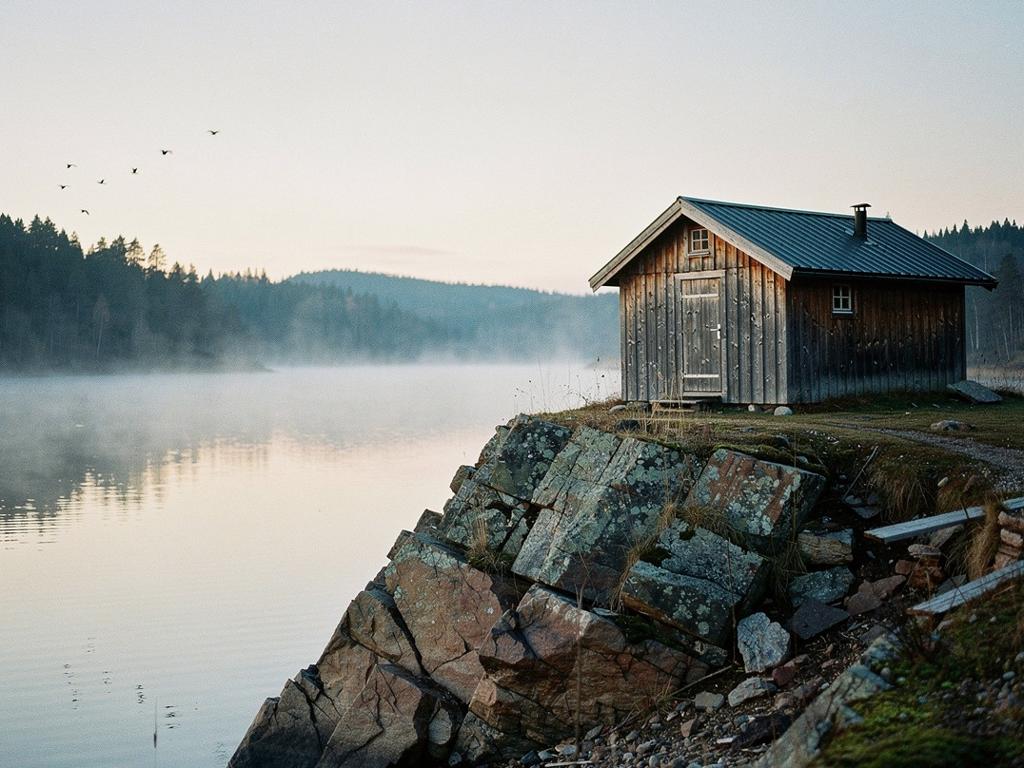
The Power of Waiting: Why Sitting With Uncertainty Beats Forcing a Decision
Waiting gets a terrible press. Scroll through any self-help feed and you'll be told to seize the day, hustle harder, take massive action, manifest, execute. Nobody's building a personal brand around the phrase hold on, let me sit with this a while. And yet, for anyone who's ever stood at a crossroads — a career pivot, the end of a relationship, a nagging pull toward plant medicine or a retreat you can't quite commit to — the ability to wait well is often the difference between a decision you regret and one that feels, in hindsight, inevitable. I say this as a reformed impatient person. For most of my twenties I ran on a checklist: finish the degree, land the job, meet someone, settle down. When the calendar said it was time to make a decision, I made one — not always the right one, but a decision, damn it. Waiting felt like weakness. It felt like the thing people did when they lacked the guts to move. I know better now, and it took a fair bit of unlearning to get here. The mind — call it ego, call it the inner project manager — is deeply allergic to uncertainty. It would rather send you barreling toward a mistake than let you rest in the honest state of I don't know yet. That discomfort is what drives most of the bad decisions people make in their thirties and forties. Not malice, not stupidity. Just an inability to tolerate the itch of not having an answer. There's a word I've come to love for the space between one chapter and the next: liminal. A liminal space is a threshold — the doorway, not the room. You're not where you were, and you're not yet where you're going. Everything is possible, which is another way of saying nothing is decided. Most of us sprint through liminal spaces the way you might sprint through a dark alley, eager to reach anywhere that's brightly lit. But if you can slow down inside that uncertainty — really slow down — something interesting happens. Your eyes adjust. The room isn't as dark as you thought. Details you couldn't see when you were rushing start to surface. The ego wants a lit highway with green signage. Actual life tends to look more like a footpath in the woods, one turn at a time. Let's be honest — there is a version of waiting that's just cowardice in slower clothing. If you know exactly what you need to do and you're procrastinating out of fear, that isn't the practice I'm talking about. That's stalling, and stalling has a distinct flavor: it feels tight, avoidant, guilty. You can feel yourself dodging. Active waiting feels different. It's alert. Curious. Almost spacious. You're not refusing to move — you're refusing to move prematurely. Big difference. The person who's actively waiting is paying close attention: to their body, their dreams, the small nudges, the odd coincidences, the things that keep tugging at their attention for no obvious reason. A useful test: fear tends to hold you back from something you deeply want to do. Misgivings tend to warn you off something that only looks good on the surface. Both feel like no, but they're wearing different clothes. Learning to tell them apart is one of the more important adult skills nobody teaches you. This is where the waiting muscle gets particularly relevant for anyone circling the idea of ayahuasca, psilocybin, ibogaine, or any of the other master plants. A lot of people arrive at plant medicine at exactly the moment their normal decision-making has stopped working. Depression that hasn't budged. An addiction that has outlived every intervention. Trauma that's calcified. A stuck life pattern that no amount of thinking has cracked. The instinct is usually urgent — I need to book something. Now. This week if possible. That urgency is understandable, and sometimes it's the correct signal. But sometimes it's the same old ego, panicked to escape uncertainty, reaching for the most dramatic exit available. Ayahuasca is not a magic door. A rushed, ill-prepared ceremony with the wrong facilitators in the wrong container can leave you worse off than you started. So here's the thing worth sitting with: if plant medicine is calling you, that call will still be there in three months. And in three months, if you've done the waiting well, you'll have a much better sense of which tradition, which teacher, which retreat, and — crucially — why now. Waiting is not the same as sitting inert on the couch. Active waiting has a shape to it. A few things that help, both in general life decisions and in the specific case of considering a psychedelic retreat: Do this for a few weeks and something starts to happen: the noise thins out. You still might not have your answer, but you'll have a much cleaner relationship with the question. And when the answer does arrive, it tends to arrive with a strange quiet certainty — not the loud let's go! of the ego, but a quieter yes, this one, now. Migratory birds don't sit around debating whether to fly south. They don't consult calendars or take votes. Something shifts in them and they go. We're animals too, and we have that same inner signal — most of us have just buried it under so much thinking that we can't hear it anymore. The signal, when it comes, doesn't feel like certainty that everything will go perfectly. It doesn't erase fear. It feels more like alignment — a sense that this is the next honest step, even if you can't see what comes after it. Look back over your own life and you'll spot the pattern. The decisions you forced usually had a labored quality to them, and the results reflected that. The decisions you made from that quieter place tend to look, in retrospect, like the only thing you could possibly have done. A friend of mine once said the best piece of advice her father ever gave her was that deciding to get married should be the easiest decision of your life. I'd extend that to most big decisions. If you're having to talk yourself into it — into the job, the move, the retreat, the relationship — that's a signal. Not necessarily a no. But definitely a wait, more will be revealed. None of this is a license to drift forever. At some point the waiting ends and the flying begins, and when that moment comes you'll know it — and you should move without hesitation. But until then, the doorway is not a bad place to be. It's actually where most of the real work happens. The clarity you're waiting for is being cooked, slowly, underneath your conscious awareness. Your job is not to force the oven open. Your job is to keep the fire lit and pay attention. If, after all that waiting, plant medicine still feels like the right next step, that's meaningful information. A range of ayahuasca, psilocybin, and other plant-medicine retreats can be browsed on our marketplace here — worth a slow look rather than a fast click. And whatever you decide, decide it from the quieter voice, not the louder one. That voice has been right about you longer than you've been listening to it.
Heart Rate Variability, the Vagus Nerve, and What It Means for Your Nervous System Before a Plant Medicine Retreat
Your heart doesn’t tick like a clock. It shouldn’t. The gaps between beats stretch and shrink by milliseconds all day long, and that shifting rhythm — heart rate variability, or HRV — is one of the more honest signals your body gives you about how much load your nervous system is actually carrying. I first got interested in it while writing about breathwork for people preparing for ayahuasca ceremonies, and it turned out to be one of those quiet metrics that changes how you think about readiness, integration, and the whole idea of psychedelic healing. If you’re researching a plant medicine retreat — for addiction recovery, depression, trauma, or the vaguer but no less real sense that something in your life has ground to a halt — HRV is worth understanding before you show up. Not because you need a wearable to do ceremony well. People have been sitting with ayahuasca and master plants for a very long time without an Oura ring on their finger. But because HRV maps almost perfectly onto the state your body needs to be in for the medicine to actually work with you rather than fight you. Two people can both have a resting heart rate of 60 beats per minute and completely different HRV. That’s the first thing to get straight. HRV isn’t about how fast your heart runs — it’s about how flexibly the interval between beats shifts in response to breath, thought, digestion, and mood. The regulator behind the scenes is your autonomic nervous system, which has two branches. The sympathetic side speeds you up and tightens the gaps between beats. The parasympathetic side — running mostly through the vagus nerve — slows things down and widens them. A well-functioning system flips between the two smoothly, ramping up when a situation demands effort and settling back down once the demand passes. High HRV doesn’t mean you’re a Zen master. It means your nervous system moves with ease. Low HRV doesn’t automatically mean you’re sick. It usually means your system is carrying more than it can comfortably process — physical illness, emotional load, poor sleep, unresolved trauma, chronic substance use, or some combination. That last part is why HRV matters so much in the context of psychedelics and plant medicine. The vagus nerve is the longest cranial nerve in the body, running from the brainstem down through the throat, heart, lungs, and gut. Here’s the interesting part: about 80% of its fibers carry signals upward, from body to brain. Your gut and heart are basically telling your brain what to feel more than the other way around. Anyone who’s been in an ayahuasca ceremony and felt emotion pour out of their belly rather than their head already knows this in their bones. Stephen Porges’s polyvagal theory frames the vagus nerve as a constant, unconscious scanner — checking your environment and your interior for cues of safety or threat. Based on what it finds, your system settles into one of three broad states: social engagement (safe, connected, curious), fight-or-flight (threatened, mobilized), or shutdown (overwhelmed, withdrawn). Vagal tone is the background hum of that nerve, and higher vagal tone means you return to the calm-and-connected state faster after a hit of stress. HRV is the closest non-invasive proxy we have for vagal tone. When your HRV rises, it’s a sign that your vagus nerve is exerting more influence on your heart — that your body has decided, at some deep pre-verbal level, that it’s safe enough to soften. That state of safety is exactly the state most experienced facilitators want you to be in before you drink ayahuasca or sit with psilocybin. A dysregulated, sympathetic-dominant nervous system doesn’t surrender. It braces. And bracing against the medicine is the single most reliable way to have a rough night. The connection between HRV and emotional life isn’t a wellness-blog invention. It sits inside what researchers call the neurovisceral integration model: the same neural circuits that regulate your heart also regulate attention, emotion, and your ability to modulate reactions. Higher resting HRV is linked to better emotional regulation and cognitive flexibility. Lower resting HRV tracks with greater vulnerability to anxiety and a harder time letting go of negative emotional states. A study from 2024 followed participants who reported their mood several times a day over weeks. Their resting HRV, measured once in a lab, predicted their actual daily emotional experience afterward. In plain language: the number reflected something real about how they felt in ordinary life, not just how they responded to a research prompt. A meta-analysis of 24 randomized controlled trials found that HRV biofeedback training — essentially, learning to breathe in a way that raises HRV in real time — produced significantly lower stress and anxiety than doing nothing. The effect held even after accounting for the drift toward improvement that happens simply because someone is being studied. Similar interventions have been tested with ER staff, ICU nurses, and other high-burnout populations, with meaningful bumps in resilience after only a few weeks. Chronic stress, addiction, and long-term depression all leave a signature on HRV. People struggling with alcohol dependence, opioid use disorder, and stimulant addiction consistently show reduced HRV — a nervous system stuck in a defensive posture even in neutral situations. The same pattern shows up in PTSD and treatment-resistant depression. Their bodies are still running the emergency protocol long after the emergency ended. This is part of why plant medicine work — ayahuasca, ibogaine for opioid dependence, psilocybin for depression, San Pedro for the slower emotional excavations — can move things that talk therapy has left stuck. These medicines don’t just work on the story. They work on the nervous system underneath the story. People who complete a well-held retreat and then commit to integration often show improvements in HRV over the following months, which is a physiological way of saying their body finally feels safer than it did before. None of this is a promise. Plant medicine isn’t a shortcut, and I’d be suspicious of anyone selling it that way. But if you’re considering a retreat for something you’d frankly call a stuck life pattern, HRV gives you a way to measure whether the deeper repair work is actually happening — not just whether you had a big night. The useful news: HRV isn’t fixed. It’s trainable, and most of what moves it in a good direction is exactly what serious retreat centers ask you to do during your dieta and integration anyway. You don’t need a wearable to do this well, but if you already own one, here’s how I’d suggest thinking about it. Track your baseline HRV for two or three weeks before you leave. Don’t obsess over daily numbers — day-to-day variation is huge and mostly noise. What you want is a rolling average and a sense of the pattern. In the weeks before ceremony, the traditional dieta — cutting pork, alcohol, sugar, salt, sex, drama — isn’t just spiritual hygiene. It’s a nervous-system reset. You’ll usually see HRV creep upward as the body simplifies. That upward drift is a physiological marker that your system is preparing to soften. If your HRV keeps dropping in the run-up, that’s worth paying attention to. It may mean you’re under-slept, over-caffeinated, or emotionally braced against the trip in a way that will make the medicine harder to work with. Afterward is where it gets interesting. Integration is often the part people underinvest in, and HRV is one of the few objective mirrors on how it’s going. A retreat that produced a beautiful ceremony but no lasting shift in your baseline HRV over the following months is telling you something. So is a retreat that showed you difficult material and then, gradually, moves your nervous system into a calmer, more flexible baseline than you had before you left. That second pattern is what real psychedelic healing looks like from the outside. Fitness trackers were built to predict tomorrow’s workout. They weren’t designed as wellness instruments, and they definitely weren’t designed for people preparing for plant medicine. Take the daily readiness scores with a grain of salt. The trends matter more than any single number. And no wearable can tell you whether you’re ready — emotionally, practically, spiritually — to sit with a medicine that will show you parts of yourself you’ve been avoiding. That question is yours to answer honestly, ideally with the help of a facilitator you trust and, if relevant, a therapist who understands psychedelic work. For readers who want to take this further, a range of curated ayahuasca and plant medicine retreats can be browsed on our marketplace here. Whatever you decide, treat your nervous system as the instrument this work plays through — the better tuned it is going in, the more the medicine has to work with.
Holistic Therapies for Addiction Recovery: What Actually Helps
Somewhere around the third or fourth week of trying to get sober, most people hit the same wall. The physical detox is technically over. The rehab counselor has moved on to the next intake. And you're sitting there — clear-headed, technically — realizing that the addiction was doing a lot of jobs for you. Numbing grief. Filling time. Muting a nervous system that never learned how to settle. Twelve-step meetings help. Talk therapy helps. But a lot of people in recovery quietly notice that something is still missing, and that something is usually where holistic therapies — including ayahuasca and other master plants — come in. I've spent years talking with people who found their way out of long addictions through plant medicine and body-based practices, and I've sat in enough ceremonies to know this territory isn't a magic fix. But it isn't hype either. There's a specific, practical reason so many people who couldn't stay sober through willpower alone got traction once they added holistic work to the mix. Here's what actually seems to matter. The dominant model treats addiction as a brain disease with behavioral and pharmacological handles. That's not wrong. Naltrexone works. Cognitive behavioral therapy works. Group support works. But this model tends to treat the person from the neck up, and addiction lives everywhere in the body — in cortisol patterns, in gut biome, in the way your shoulders lock when someone raises their voice. Ask anyone who's relapsed after a stint in a nice facility and they'll usually tell you the same thing: they knew the coping skills. They could quote the literature. The problem wasn't information. The problem was that the moment life got hard, the body reached for the old solution before the mind could intervene. Holistic therapies aim at that gap — the pre-verbal, somatic, spiritual layer where addiction actually roots itself. This is where psychedelic-assisted approaches, plant medicine ceremonies, breathwork, somatic experiencing, and contemplative practices earn their keep. They don't replace clinical care. They fill in what clinical care usually can't reach. The first benefit — and honestly the one that surprises people the most — is that plant medicines like ayahuasca, ibogaine, and psilocybin appear to work on the material underneath the addiction rather than the addiction itself. Ayahuasca is the one I know best. In a well-run ayahuasca ceremony, the vine doesn't lecture you about drinking too much. It shows you, sometimes with brutal precision, the moment you were nine years old and decided the world was not safe. It shows you the parent you're still trying to earn love from. It shows you the grief you buried when you were nineteen and had no tools to process it. The compulsion to use starts to look less like a moral failing and more like a very reasonable response to unbearable material you never got to metabolize. Ibogaine, used in medically supervised settings for opioid addiction, does something even more direct. Users report a long, dreamlike review of their life that includes the specific decision points where things went sideways. Success rates in reputable ibogaine clinics for breaking opioid dependence are striking — not because the drug removes craving forever, but because it gives people a window of clarity long enough to rebuild a life. Psilocybin, currently in late-stage clinical trials for alcohol use disorder and tobacco cessation, shows the same pattern: a single deep experience can shift what feels compulsive into something optional. None of this means you drink the tea and you're done. But it does mean the plants can do in one long night what talk therapy sometimes can't do in five years. That's not marketing. That's what participants report over and over. The second benefit is that holistic therapies bring the body back into the conversation. Addiction is, among other things, a nervous system stuck in a loop. The body learned that a substance reliably shifts the internal state from unbearable to bearable. Until the body learns another way, the loop keeps calling. Practices that seem to actually help here include: What all of these share is that they work below language. They teach the nervous system a new relationship with intensity, discomfort, and calm — the exact three states that were previously outsourced to substances. Twelve-step programs figured this out decades ago and phrased it as a Higher Power. Whatever you call it — the sacred, source, spirit, the felt sense that you are part of something bigger than your own biography — it turns out this matters enormously for long-term recovery. Ayahuasca ceremonies, psilocybin retreats, San Pedro sits, and long meditation retreats all tend to produce experiences that researchers politely call “mystical-type states.” These are moments where the small, defended self drops away and the person feels unmistakably connected to something vast and benevolent. Post-experience surveys consistently show that the degree of mystical experience predicts the degree of long-term change. Not the dose. Not the intensity. The mystical quality. Why does this matter for addiction? Because a person who has tasted that state has a reference point. They know, with the certainty of their own experience, that reality is bigger and stranger and warmer than the flat, gray world their addiction was trying to escape. That reference point is worth protecting. It gives sobriety a positive shape rather than being defined entirely by what you're not doing. A few honest cautions, because I've seen people rush this and regret it. If you're weighing whether a retreat belongs in your recovery plan, talk to your therapist, talk to people who've done it, and give yourself time to decide from a settled place rather than a desperate one. Plant medicine rewards preparation and punishes shortcuts. It's not a montage. Nobody drinks ayahuasca once and walks out an enlightened non-drinker. The people I know who've genuinely used holistic therapies to get free of addiction usually followed a pattern something like this: they got initial sobriety through conventional means, they added consistent body practice — breathwork, yoga, cold water, something — and then, six months or a year in, they attended a plant medicine retreat with careful preparation. Then they kept going to meetings or therapy. They came back for a second retreat maybe a year later. They built a life with rhythm, community, and meaning in it. That's the boring, true version. It's slower than the marketing suggests and faster than white-knuckle willpower alone. It works because it addresses addiction on every layer it actually lives on — biological, psychological, somatic, and spiritual. For readers who want to take this further, a range of vetted ayahuasca and plant-medicine retreats suited to people in recovery can be browsed on our marketplace here. Wherever you land, treat this decision with the seriousness it deserves — the medicine will meet you where you are, and it helps enormously to arrive prepared.
When the Enemy Becomes the Teacher: Plant Medicine and the People Who Trigger You
There's a strange thing that happens after a few ayahuasca ceremonies. You come home, feeling softer, more permeable, maybe a little wiser. And then within about forty-eight hours your mother-in-law says something at dinner and you feel a heat rise in your chest that you thought the medicine had dissolved. So much for enlightenment. Here's what I've come to believe after years of sitting in ceremony and interviewing people who've done this work: the person who triggers you is not the problem. They're the curriculum. And plant medicine, master plants, psychedelics — whatever language you use — they don't remove your triggers. They show you what's underneath them. Which is a very different, and much more useful, thing. There's an old idea in contemplative traditions — you'll find versions of it in Buddhism, Sufism, and the Amazonian lineages that work with ayahuasca — that your enemy is your teacher. Not in a saccharine, greeting-card way. In a practical, diagnostic way. The person who makes you feel small, defensive, or furious is holding up a mirror to something inside you that hasn't finished healing. The clue is in the intensity of your reaction. If a stranger cuts you off in traffic and you shrug, that's a real stranger. But if that same stranger sets off a two-hour internal monologue about how nobody respects you, you've just met a teacher. The stranger is incidental. The wound is yours. This is why so many people who go on a psychedelic retreat expecting to "fix" their relationship with their father come home and realise the work isn't about him at all. It's about the part of them that still contracts around a specific kind of dismissal. Ayahuasca has a way of pointing at that contraction and saying, gently or not so gently, look at this. People often arrive at their first ceremony with a mental list — I want to stop being angry at my ex, I want to forgive my boss, I want to release my resentment toward my sister. Reasonable requests. But the medicine tends to work sideways. Instead of removing the anger, ayahuasca often shows you the moment the anger was born. The five-year-old version of you who wasn't allowed to feel it. The teenager who learned that being furious meant being unloved. Suddenly the "enemy" in your current life becomes almost secondary — they were just the actor cast in a role written long before they showed up. This is why integration matters more than the ceremony itself. In the days and weeks after a retreat, you'll notice the people who used to trigger you either: All three outcomes are useful. None of them are failures. The mistake is expecting a ceremony to hand you a personality transplant. One thing worth being honest about: plant medicine communities can slip into a kind of language that lets people avoid the hard part. Someone hurts you and you're told they're your teacher, so you should be grateful. You're triggered and you're told it's your shadow, so you should just sit with it. All of that can be true. And all of it can also be a way of never actually feeling angry, never setting a limit, never leaving a bad situation. The teachings about the enemy as teacher aren't a bypass. They're a diagnostic tool. Yes, the person who triggers you is showing you something. That doesn't mean you have to keep having dinner with them. Sometimes the lesson is: I now see clearly enough to walk away. The psychedelic space is full of people who confuse insight with action. They have breakthrough experiences about how their marriage is over, then stay another five years. Or they have visions about their drinking, and never actually stop. Ceremonies open the door. Walking through it is your job. If you're considering a retreat because you're stuck in a repeating cycle with someone — an addict partner, a controlling parent, a coworker who lives rent-free in your head — here's a practice worth trying before you ever get on the plane. It's simple. It's not easy. Do that for a couple of months and you'll arrive at a retreat with much clearer material to work with. The medicine will meet you where you are. If where you are is honest and curious, the work goes deeper. A large share of the people quietly researching ayahuasca, ibogaine, or psilocybin retreats aren't chasing mystical experiences. They're exhausted. They've tried therapy, medication, meetings, self-help books. Something in their life — a substance, a pattern, a depression that won't lift — has become the enemy. And they want it gone. Here's where the teacher framing becomes genuinely radical. Your addiction is a teacher. Your depression is a teacher. Not because they're gifts wrapped in ribbon, but because they're pointing at something. A grief that never got mourned. A body that was never allowed to rest. A self that was never safe to be. Ibogaine, in particular, is known for the way it walks people through their own life story — not dramatically, but with a quiet, forensic honesty. People who've done it often describe watching, as if from outside, the exact moments where the addiction took root. The substance stops being the enemy. It becomes information. And information, unlike shame, is something you can actually work with. Ayahuasca does something similar with depression, though the mechanism feels different. Rather than a linear life review, it tends to show you the shape of your own defences — the ways you've been protecting yourself from feelings that were, at some point, unsurvivable. When those defences soften, the feelings underneath finally get to move. And movement, in this work, is everything. Not every retreat is set up to do this kind of depth work. Some are essentially psychedelic tourism — beautiful setting, dramatic ceremony, thin integration, and you're on a plane home two days later trying to make sense of what just happened. That's a recipe for a hard landing, sometimes a dangerous one. When you're evaluating a place, ask about: The retreats worth your money treat the medicine as one part of a much longer process. They'll ask you to prepare for weeks beforehand and stay in contact for months afterward. They understand that the enemy you came to face isn't going to be dispatched in a single night, no matter how intense the ceremony. If you're at the point where the people and patterns in your life have started to feel like teachers rather than just tormentors, that's a meaningful signal. You're ready to look at the material rather than run from it. For readers wanting to take this exploration further, a curated range of ayahuasca and plant-medicine retreats can be browsed on our marketplace here. Take your time choosing. The right teacher, human or plant, is worth waiting for.
Craving More Stories?
Join our ShopAyahuascaRetreats newsletter for the latest updates on thrilling
destinations and inspirational tales, delivered straight to your inbox!
We value your privacy. Your email address will never be shared or published.

Should You Tell Your Therapist About Your Psychedelic Use? An Honest Guide
You've booked a new therapist. Maybe you're seeing them for depression, addiction, a tangle of trauma that keeps rerouting your life. And somewhere in your recent history — last month, last weekend, or a retreat you're already planning — there's an ayahuasca ceremony, a mushroom journey, or a microdosing routine you've been quietly running. Now you're sitting in the waiting room wondering: do I tell them? It's one of the most common questions in the psychedelic space right now, and the answers are messier than either side wants to admit. Full disclosure can get you dropped as a client or, in rare cases, reported. Total silence can hollow out the therapeutic relationship until it stops working. Somewhere in between is the honest, slightly uncomfortable truth — and figuring out where you land on that spectrum takes more than a Reddit thread. Let's walk through it properly. Twenty years ago it would've been an easy call: don't say a word. Psychedelics were a career-ending confession in most clinical rooms, and therapists were trained to treat any mention of them as a red flag for substance-use pathology. That world hasn't fully disappeared. But it's cracking. Ketamine clinics operate in most major cities. Psilocybin is legal for supervised use in Oregon and Colorado. MDMA-assisted therapy sits in front of the FDA. Universities are running trials on ayahuasca for treatment-resistant depression. Ibogaine is being studied for opioid dependence. The cultural gap between “I did mushrooms last summer” and “I take an SSRI” has narrowed dramatically — but your specific therapist may or may not have caught up. That's the whole tension in one sentence. The field has moved. Individual clinicians have moved at wildly different speeds. And you have no way of knowing where yours sits until you either ask or take the risk. Short-term, probably nothing. Therapy proceeds. You talk about your week, your relationships, your mother. The ceremony you did in Peru three months ago sits in a folder marked omit. The problem is that plant medicine and psychedelic experiences don't stay in folders. They leak. A mushroom journey that cracked open a memory of your father is going to shape what comes up in session for months — sometimes years. If your therapist doesn't know the source, they're working with half the map. They'll interpret the sudden emotional intensity, the new dreams, the strange somatic openings, as though they emerged from nowhere. You'll both be trying to solve a puzzle with pieces missing. The other thing that quietly happens: you learn to compartmentalize in the one room where you're paying not to. Therapy works partly because it's a place where you don't have to manage the other person's reaction. If you're carefully editing yourself around your psychedelic use, you're doing the exact thing therapy is supposed to dissolve. That's a real cost, even if you never quite notice it. Here's the range of responses you might get, roughly from best to worst: Most people are somewhere in the top three. The horror stories exist, but they're not the norm anymore. Here's the move most experienced psychedelic-integration folks recommend: don't lead with disclosure. Lead with a screening question. In your first or second session, work in something like: “I'm curious about your general stance on psychedelics and plant medicine — is that something you have experience working with clinically?” You're not admitting anything. You're gathering data. Their answer will tell you almost everything you need to know. If they light up and describe training in psychedelic-assisted therapy, you've hit gold. If they say something measured like “I don't have specific training but I'm open to discussing whatever's meaningful to you,” you can probably disclose safely. If they get stiff, quote the DEA, or immediately pivot to substance abuse questions, you've learned something important without exposing yourself. The one caveat: mandated reporting. In the U.S., therapists are required to report imminent harm to self or others and (in some states) certain categories of abuse. Recreational or ceremonial psychedelic use is not, by itself, a reportable condition anywhere I'm aware of. Driving your kids around while intoxicated is. Active suicidal planning during a difficult integration is. Know the difference. If you're planning a retreat — or you've just come home from one and the integration is heavier than you expected — it's worth looking specifically for a psychedelic-integration therapist rather than trying to retrofit a general clinician. They exist in most major cities and many work remotely. Things to look for: If cost is a barrier, look into peer integration circles. They're not therapy, but they can carry a lot of weight between sessions and often cost nothing. Slightly different question. If you're preparing for ayahuasca, ibogaine, or a psilocybin retreat and you're already in therapy, telling your therapist in advance is usually the right call — even if they can't formally endorse it. They can help you look honestly at your motivations. They can flag genuine contraindications, especially around SSRIs, MAOIs, lithium, and certain heart conditions. They can help you build a support scaffold for the weeks after you return, which is when most of the real work happens. And they can be a steady presence during integration, when everything you thought you knew about yourself is being rearranged in slow motion. A therapist who refuses to have this conversation at all — not “I can't advise you to do this,” which is fair, but “I won't discuss this with you” — is telling you something important about the ceiling of your work together. Disclosure isn't a binary. It's a judgment call you make with imperfect information about a specific person in a specific legal context. Ask before you tell. Notice how they respond to adjacent topics. Trust your read of the room — the same instincts that told you to try plant medicine in the first place are worth listening to here. And if you're in the earlier stage of all this — still deciding whether a ceremony is even the right move, still weighing the retreat options and the aftercare and the honest cost — the integration question isn't premature. It's part of the decision. For readers wanting to see what responsible plant-medicine programs actually look like on the ground, a range of vetted ayahuasca and psychedelic retreats can be browsed on our marketplace here. Whatever you decide about telling your therapist, decide it on purpose. That's the whole point of doing this work at all.

The Wellness Trap: What Mindfulness and Plant Medicine Can't Actually Fix
Three in the morning. You're scrolling again. Somewhere between a meditation app notification and an ad for adaptogenic mushroom coffee, you catch yourself wondering: how did I end up with sixteen wellness practices and still feel like this? You're not alone. And you're not doing it wrong. What you're bumping into is something quieter and more interesting than personal failure — it's the way our culture has quietly turned every contemplative practice, every plant medicine, every breathwork protocol into a product that promises to fix you. Mindfulness gets marketed this way. So does ayahuasca. So do psychedelics generally. And the promise, always, is the same: sit with this, drink this, breathe this, and the ache will go. It won't. Not the way the marketing suggests. And understanding why is, in my experience, one of the most important things to get straight before you spend two thousand dollars flying to Peru or three months building a daily practice you'll abandon by March. Mindfulness didn't start as a wellness category. For centuries it was a slice of Buddhist practice — one tool inside a much larger ethical, communal, philosophical framework. Teachers like Sharon Salzberg, Jack Kornfield, and Joseph Goldstein carried Vipassana into Western rooms in the 1970s and 80s. Jon Kabat-Zinn built the clinical bridge with MBSR, showing hospitals that eight weeks of sitting could measurably reduce stress markers in chronic pain patients. Then something happened. The practice got unbundled from its context. It slid from meditation halls into HR departments, from monasteries into corporate offsites, from a lifelong discipline into an eight-minute app session between meetings. And somewhere in that migration, the word mindful stopped describing a quality of attention and started functioning as a prefix that made anything sound healthier. Mindful eating. Mindful parenting. Mindful productivity. Mindful spending, for god's sake. The same thing is happening — right now, in real time — to ayahuasca and psilocybin. What was ceremony is becoming content. What was decades of a curandero's apprenticeship becomes a weekend package with airport pickup. This isn't inherently corruption. Access matters. But the packaging always changes the thing inside the package, and it's worth naming that out loud. Here's the tell: when a practice becomes a label, the label starts doing the work the practice used to do. You buy the mindfulness app and feel virtuous. You book the ayahuasca retreat and feel like you're finally taking your healing seriously. The transaction itself starts to feel therapeutic — which is a beautiful trick if you're selling something, and a genuinely lousy deal if you're the one hoping to change. I've watched this play out at retreats I've sat at. People arrive with a shopping list of things they need the medicine to fix. The divorce. The drinking. The father. The career. They've done the reading. They've listened to the podcasts. And they've been told, sometimes explicitly and sometimes by implication, that one week in a maloca will handle it. What happens next is almost always the same. The medicine shows them something real. Sometimes shattering. They cry, they see, they feel the outline of a different life. Then they fly home, and within six weeks the old shape reasserts itself, because the medicine was never the point. It was the doorway. What they needed to do was walk through — and walking is a thing you do with your legs, in daily life, over years. This is probably the single most-searched question in this whole space, and it deserves a careful answer. The short version: ayahuasca and other plant medicines can be extraordinarily useful adjuncts to healing from addiction, depression, and trauma. The clinical research on ibogaine for opioid dependence is genuinely striking. Studies on psilocybin for treatment-resistant depression have moved regulators. Anecdotally, people leave well-run ayahuasca retreats with insights that reshape years of therapy. But useful adjunct is a very different sentence from cure. The people I've seen make durable changes after plant medicine share a few things in common: The people who came back disappointed, or worse, destabilized, almost always shared the opposite pattern: no preparation, no integration, no community, and a quiet expectation that the plant would do what a decade of unaddressed conditions had not. This is the wellness trap in its most expensive form. There's a phrase in contemplative circles — spiritual bypassing — that describes using spiritual practice to avoid rather than meet unresolved emotional or psychological material. Meditation can do this. So can plant medicine. So can yoga, breathwork, and every other tool in the box. Bypassing looks like calm on the outside. Serene, even. Inside, though, the person is often using the practice to skip over grief, rage, or terror they don't want to touch. The retreat becomes a way of feeling healed without doing the messier work of being healed. And the tragedy is that these are the people most likely to book the next retreat, and the next, chasing the initial glimpse that seemed to promise everything. If you notice you're drawn to plant medicine partly because you don't want to sit with a specific therapist and discuss a specific thing, that's worth paying attention to. Not as a reason to avoid the medicine. As a reason to also — not instead — do the harder, less exotic work alongside it. Let me be more concrete, because I don't want to leave you thinking the whole enterprise is snake oil. A well-run ayahuasca or psilocybin retreat can genuinely offer things ordinary life can't easily produce: Notice that none of these are cures. They're openings. Whether they lead anywhere depends almost entirely on what you do in the weeks and months that follow. If you're weighing a retreat, a few honest filters worth applying before you send a deposit: These aren't glamorous questions. They're the ones that separate a genuine healing container from an expensive vacation with visions. Kabat-Zinn has said, many times, that mindfulness is not a technique but a way of being in wise relationship with experience as you find it. That framing is worth borrowing for plant medicine too. Ayahuasca is not a subtraction of suffering. It's a way of meeting your life more honestly than you usually can. The old teachings are pretty clear-eyed about this. Pain isn't optional. Loss isn't optional. Aging isn't optional. What we have some influence over is our relationship to those things — the story we build, the actions we take, the community we belong to, the causes we address and the ones we accept. Mindfulness offers tools for that relationship. So do the master plants, in their more thunderous way. Neither one exempts you from being a person in a difficult time. The wellness trap, in the end, isn't about any specific practice. It's about the moment you outsource your own agency to a product — an app, a supplement, a retreat, a teacher, a plant — and wait for it to hand you back a fixed self. That waiting is the trap. The work is quieter and more ordinary than the marketing suggests: showing up, again and again, to a life that includes both the joy and the catastrophe, and letting whatever practice you've chosen support you in staying present for both. If some of what's here resonates, and you're seriously considering plant medicine as one honest piece of a larger process rather than a shortcut around it, a range of vetted ayahuasca and psychedelic retreats can be explored on our marketplace here. Take your time choosing. The right container is worth the wait.
Can't Stop Ruminating? Why Plant Medicine Keeps Coming Up in the Conversation
Three in the morning. Same argument playing in your head from six years ago. You know it doesn't matter. You know the person barely remembers it. And still, your brain runs the tape, frame by frame, like it's looking for a different ending. If that sounds familiar, welcome to rumination — the mental loop that turns bedtime into a courtroom and quiet moments into interrogations. It's one of the most common complaints I hear from people considering an ayahuasca retreat or a psilocybin sit. Not depression exactly. Not trauma with a capital T. Just a mind that won't shut up. Standard advice says meditate, journal, exercise, talk to someone. All of it helps. But there's a subset of people for whom the usual toolkit only takes the edge off, and they start asking harder questions. Can psychedelics help with this? Are master plants actually good for stuck thinking? What does an ayahuasca ceremony do to a ruminating brain? Let's get into it honestly. Rumination isn't a character flaw. Neuroscientists tend to blame the default mode network — the constellation of brain regions that fires up when you're not focused on a task. It's the seat of self-referential thinking, autobiographical memory, and, unfortunately, worry. In depressed and anxious brains, this network gets stuck in overdrive. The volume knob is broken. Traditional mindfulness works by giving that network something else to do. You focus on the breath, the body, a candle, a mantra — and slowly the loops loosen their grip. It's genuinely effective. Long-term meditators show measurable changes in exactly the brain regions that go haywire in chronic rumination. The catch: it takes time. Months, often years. And if the underlying loop is fed by unprocessed grief, addiction, or trauma, meditation alone can feel like bailing out a boat with a teacup. This is where a lot of people start looking at plant medicine. Here's the interesting bit. Brain-imaging studies — the ones out of Imperial College London have been the most cited — show that psilocybin and ayahuasca temporarily quiet the default mode network. That same network that keeps replaying your worst moments? It goes offline. Briefly. And in that pause, something shifts. People come out of a psilocybin session or an ayahuasca ceremony describing the same thing over and over: the loop stopped. Not forever. But long enough for them to see it from the outside, notice it wasn't them, and get some leverage on it. Researchers call this ego dissolution or psychological flexibility. Participants usually just say something like, “I finally got some space from my own head.” This isn't hype. Clinical trials for psilocybin-assisted therapy in treatment-resistant depression have shown response rates that would embarrass most conventional medications. Ayahuasca studies from Brazil and Spain point in the same direction for people who've been stuck for years. The plant medicines don't erase the pain — they seem to make it workable again. Amazonian tradition frames ayahuasca, tobacco, San Pedro, and a handful of others as master plants — plantas maestras. The idea is that each plant has something to teach, and the ceremony is less like taking a drug and more like sitting with a difficult mentor for eight hours. Take that framing however you want. What matters practically is that people leave these ceremonies with insights, not just experiences. Someone who ruminates about a failed relationship might spend the night not reliving it, but seeing it from angles they never allowed themselves. A person locked in shame about an addiction might feel, for the first time in a decade, that they're worth forgiving. Whether you call that neurochemistry, spirit, or subconscious housekeeping, the outcome is the same — the loop weakens. A few master plants that come up most in this context: Different plants, different textures. None of them are magic. All of them ask something of you. Honest answer: sometimes yes, sometimes no. Here's how I'd think about it if I were the one making the decision. A retreat probably makes sense if you've tried the standard approaches — therapy, meditation, medication, lifestyle changes — with real effort over real time, and you're still stuck. If your rumination is tied to something specific (a loss, an addiction, an event) and you sense there's material underneath that you haven't been able to touch, plant medicine can be a genuine catalyst. And if you're the kind of person who can sit with intensity, follow instructions, and take integration seriously, you're a reasonable candidate. A retreat probably isn't the right move if you're in acute crisis, on SSRIs or MAOIs (a real medical concern with ayahuasca), have a family history of psychosis or bipolar disorder, or if you're hoping the ceremony will do the work so you don't have to. It won't. The plants show you the room. You still have to clean it. Cost is a real factor too. A legitimate ayahuasca retreat in Peru runs anywhere from around $1,200 for a shorter stay to $3,500+ for a well-run ten-day program. Ibogaine treatment in Mexico, because of the medical supervision required, tends to sit between $6,000 and $10,000. Add flights, time off work, and preparation. It's not a casual purchase. The space has grown fast, and not everyone hanging a shingle knows what they're doing. Some practical filters I'd apply before sending a deposit: Here's the part that rarely makes it into the brochure. The ceremony is maybe 20% of the work. The other 80% is what you do in the weeks and months afterward — the therapy, the journaling, the slow behavior changes, the conversations you finally have. People who treat a retreat as a one-and-done fix usually find their rumination back in the door within a season. People who treat it as a starting point often report that the loops genuinely quiet down for good. Practical integration looks unglamorous. Talking to a therapist who understands psychedelic experiences. Building a sitting practice you can actually sustain (ten minutes a day beats forty minutes twice a week). Sleep. Sunlight. Real food. Fewer screens. Difficult conversations you've been avoiding. Boring, obvious, effective. If you've read this far, some part of you is already leaning in. That's worth honoring, and also worth slowing down. Talk to a doctor if you're on any medication. Talk to a therapist if you can. Read first-hand accounts, especially the difficult ones. Give yourself a few months to decide rather than a few days. Rumination is a signal, not a defect. Your mind is telling you something needs attention. Sometimes that attention comes through meditation, sometimes through therapy, sometimes through a night in a candlelit maloca with a plant that tastes like tar and a shaman singing icaros until sunrise. Different roads, same direction — a mind with a little more room in it. If something in this piece has been sitting with you, a range of curated ayahuasca and plant-medicine retreats can be browsed on our marketplace here. Take your time, ask good questions, and choose deliberately. The loop in your head has been waiting years — a few more weeks of research won't hurt it.
When a Chronic Diagnosis Becomes a Doorway: Lessons From Living With Crohn's
The doctor called on a Tuesday afternoon with the biopsy results, and I laughed. Actually laughed. He'd just told me I had a disease I would carry for the rest of my life, and my body responded with something close to relief. The word was Crohn's. I had no clue what it meant. But after months of unexplained pain, hearing a name — any name — felt like someone had finally flipped on the light in a room I'd been stumbling around in for the better part of a year. To understand why relief was the first emotion, you have to know what came before it. And what came before it was a whole lot of being told I was fine when I very clearly wasn't. It started with a sharp pain low on the right side of my abdomen. Appendicitis runs in the family, so that was my working theory. The first doctor disagreed. He looked at me across the desk and asked, in that gentle voice physicians use when they've already decided, whether I was under a lot of pressure lately. I was, honestly. A handful of things had gone sideways in my life at once and I felt like I was being hit from every direction. So I said yes. He nodded like that solved it and suggested I take some time off. Travel a bit. Relax. So I did — three months of travel, actually — and the pain came right along with me, packed neatly in my carry-on. Second doctor: same verdict. Stress. Exercise more. Rest more. Work less. I did all of it. I still woke up at three in the morning with a stabbing pain that yanked me straight out of sleep. Third doctor, on a friend's recommendation, and I walked in with real hope. He said the same thing. Stress. Here's something I learned during those months: “it's stress” is often what you hear when nobody can figure out what's actually wrong. Everyone has stress. The explanation fits well enough to close the file. It isn't malicious — it's just the easiest place to land when the answer isn't obvious. But I was the one waking up in the dark, and I knew this wasn't in my head. The third time, I pushed back. Told him flatly that this wasn't stress, that something was really wrong. He paused, and to his credit, he didn't get defensive. He said, okay, let's do a CT scan and take a proper look. That one sentence was the hinge on which the next fifteen years of my life turned. The scan flagged something in my lower intestine. A GI specialist, a colonoscopy, a biopsy, and then that Tuesday phone call. Chronic disease, he explained. My immune system had decided my own digestive tract was the enemy and was attacking it, causing inflammation and pain when food passed through certain sections. There would be no cure. There would be management. Manageable, though, is still a word. The specialist was direct: take this seriously or you'll be looking at surgery down the road to remove damaged sections of intestine. He prescribed medication. He also told me, more importantly, that I'd need to change how I lived and what I ate. Here's the strange part about Crohn's — it's different for almost everyone who has it, and a lot of it comes down to food. One person's trigger is another person's breakfast. Someone can drink whiskey without a problem but end up doubled over from a glass of orange juice. In my case, the villains turned out to be alcohol, spicy food, orange juice, greasy fast food, and — the cruelest of them — coffee. I didn't discover this list overnight. It took roughly two years of paying close attention to my body, cutting things out, reintroducing them cautiously, and slowly assembling a map of what I could and couldn't handle. Losing coffee was harder than losing alcohol. I'm not proud of that, but it's true. A rough sketch of what those two years taught me: Around that time, I told a close friend what was going on. I was expecting the usual sympathy face. Instead he looked at me and said, “Dude, you're so lucky.” I nearly walked out of the room. How in any universe was I lucky to have a lifelong disease? He explained. The way he saw it, this thing was going to force me to eat well, pay attention to my body, and take my health seriously in a way most people never manage until it's too late. In his words, I'd probably end up healthier than most of our friends precisely because I had no choice in the matter. It didn't land at the time. I was too busy mourning coffee. But fifteen years on, I understand exactly what he meant. I cut those trigger foods completely — not most of the time, all of the time. I've had a long stretch now without a flare-up. And the discipline the disease demanded of me didn't stay in the kitchen. It bled into how I sleep, how I move, how I handle the inputs that shape a day. I'm not going to sit here and tell you a chronic illness is secretly wonderful. That's the kind of line people throw around in inspirational posts, and it always makes me wince. My friend's “you're lucky” was optimism, not medicine. Nobody handed me extra years. What I will say is this: the thing I was most afraid of ended up pushing me toward a healthier life than I would have built on my own initiative. Left to my own devices, I'd still be pouring my third cup of coffee at 2pm and telling myself I'd start eating better on Monday. The disease made Monday non-negotiable. A few lessons have stayed with me from all of this, and if you're in the middle of something similar, they might be worth something. First: trust your body and keep advocating for yourself. If something feels off and you keep getting brushed aside, don't stop asking. I heard “it's stress” three times before someone finally ordered the test that found the truth. Had I accepted the first answer, or the second, I'd still be in pain — or worse. You know your body better than anyone with a stethoscope who's met you for eleven minutes. You're allowed to keep pushing. Second: a hard diagnosis can be a strange kind of turning point. Not because the illness is good — it isn't — but because it forces the changes you've been putting off. It made me confront habits I would have happily coddled forever. Some people find that turning point through diagnosis. Others find it through the death of someone close, or through the collapse of a career, or through a plant-medicine ceremony that shakes them out of a decade of autopilot. The doorway looks different. The invitation is the same. Third: silver linings are usually invisible while you're standing in the storm. My friend saw mine long before I could. It took me a decade and a half to catch up to him. That's normal. You don't have to see the meaning right away. You just have to keep walking. Viktor Frankl wrote that when we can no longer change a situation, we're challenged to change ourselves. I've thought about that line a lot. Chronic illness is one version of that challenge. So is grief. So is addiction. So is the slow realization that the life you built no longer fits the person you've become. Some people find their way through with therapy. Some through faith. Some through community. And a growing number of people are finding their way through carefully held plant-medicine work — ayahuasca, psilocybin, ibogaine — as part of a bigger picture that includes better food, better sleep, better boundaries, and the kind of honest self-inquiry most of us avoid until forced. If any of that resonates, curated healing and plant-medicine retreats from around the world can be browsed on our marketplace here. You might not like the assignment life just handed you. Nobody does, in the moment. But there's a decent chance that a few years from now, if you actually take the assignment seriously, you'll look back and realize it was the thing that finally changed you for the better.
Mindfulness and ADHD: Why Sitting Still Feels Impossible (And What Actually Helps)
Ask anyone with ADHD to close their eyes and follow their breath for ten minutes and watch what happens. The knee starts bouncing. The grocery list appears. Then an argument from 2014. Then the sudden, urgent need to reorganise the sock drawer. By minute four, they're convinced mindfulness is a scam invented by people whose brains don't work like theirs. I've heard some version of this from dozens of people at retreats — folks who came to ayahuasca or psilocybin ceremonies specifically because they'd bounced off meditation apps, silent retreats, and every well-meaning therapist who told them to just breathe. They're not lazy. They're not undisciplined. Their nervous systems are wired differently, and the standard mindfulness playbook was written for a different kind of brain. So let's talk honestly about what works, what doesn't, and where psychedelics and plant medicine fit into the picture for people whose minds refuse to sit down and be quiet. The classic instruction — sit, watch your breath, return when the mind wanders — assumes a baseline of neurological quiet that ADHD brains simply don't have. For someone with unmedicated attention issues, the mind isn't wandering. It's sprinting through a Costco parking lot on fire. Telling that brain to gently return to the breath is like telling a toddler on espresso to enjoy a nap. Anxiety adds another layer. When an anxious person closes their eyes and turns attention inward, they often find… more anxiety. The body scan reveals a tight chest, shallow breath, and a heart doing jazz drumming. Rather than dissolving, the sensations amplify. This is called meditation-induced anxiety, and it's more common than the wellness industry likes to admit. Some studies suggest a meaningful minority of new meditators experience worse symptoms before they experience any relief — if they experience relief at all. Here's the part no one really talks about: sitting practice was developed by monastics who spent hours a day walking, chanting, doing physical labour, and living in structured community. Modern people are trying to bolt twenty minutes of silence onto a life of open-plan offices, phone notifications, and chronic low-grade dread. It's not a fair fight. The good news is that mindfulness isn't just seated meditation. It's a family of practices, and some members of that family are much friendlier to ADHD and anxious nervous systems. If the cushion isn't working, try one of these instead: Notice that most of these involve doing something. That's not a coincidence. For a lot of ADHD and anxious people, the doorway into presence runs through the body first, and the still mind comes later — if it comes at all. Here's where it gets interesting. A lot of people who couldn't meditate for the life of them describe their first ayahuasca ceremony, psilocybin journey, or San Pedro sit as the first time they ever actually experienced what mindfulness teachers were pointing at. The mental chatter didn't just quiet — it dissolved. They saw their thoughts as thoughts rather than being run by them. The default mode network, which neuroscientists associate with self-referential rumination, went quiet. And for once, the anxious brain got to see what it looked like from the outside. This isn't a magic fix. But there's a growing body of clinical research suggesting that psilocybin and ayahuasca can produce lasting reductions in anxiety, depression, and rumination, particularly when the experience is integrated properly afterward. The plant medicine gives you a taste of a different way of being. The integration work is what turns that taste into a habit. For ADHD specifically, the evidence is thinner but interesting. Microdosing psilocybin has become popular in ADHD circles — plenty of anecdotal reports, some early studies, and a lot of people who swear it helps them focus better than stimulants without the crash. The research is genuinely too young to say anything definitive. But if you're in that world and considering it, know that you're not alone. The reason retreats keep drawing people who've failed at meditation elsewhere isn't mystical. It's structural. A well-run plant medicine retreat provides: None of this is a shortcut. Anyone who tells you ayahuasca or psilocybin will fix your ADHD in a weekend is selling something. But for people whose minds have never really slowed down, a well-held ceremony can be the first crack in the wall — the moment they realise that a quieter, less anxious way of being is actually possible for them, not just for the serene monk on the meditation app's homepage. If mindfulness has been a wall for you, don't force it. Try the movement-based practices first. Get a therapist who understands neurodivergence. Consider medication if that's on the table for you. Build the foundation. If you're drawn to plant medicine, do the homework. Reputable retreat centres screen carefully for medications (SSRIs and ayahuasca can be a dangerous combination), check for cardiovascular conditions, and require honest disclosure of mental health history. Anyone who doesn't ask these questions is a red flag. And be honest with yourself about why you want to go — running toward healing is different from running away from your life. Anxiety and ADHD often respond well to plant medicine, but not always, and not for everyone. Some people have difficult experiences that require serious integration work. Some come out with more questions than answers. That's part of the deal. The people who benefit most tend to be the ones who go in with realistic expectations and stay committed to the slow work of integration afterward. For readers who feel ready to explore this route more seriously, a curated selection of ayahuasca, psilocybin, and other plant medicine retreats can be browsed on our marketplace here. Take your time with the decision — the right retreat, at the right moment, tends to make itself apparent.
Dreaming of a Psychedelic Retreat?
We have the best deals and offers from thousands of organizers all over the world! Get them into your mailbox every week!
We value your privacy. Your email address will never be shared or published.
