 English
 Deutsch
 Français
 Nederlands
 Español
SHOP AYAHUASCA RETREATS BLOG
Why a HYROX Race Isn't a Plant Medicine Retreat (and What Real Transformation Looks Like)

Axel Hartley
October 17, 2026
Your ultimate guide to discover transforming ayahuasca and psychedelic experiences. Dive into serene destinations and elevate your consciousness to unparalled heights.
Discover Ayahuasca & Psychedelic Retreats NowSearch for ayahuasca & psychedelic retreats
Discover retreats, trainings, and holidays from all over the world
Scroll through any wellness feed this year and you'll see them — women in their forties lacing up for HYROX, posting split times, comparing creatine stacks. It's genuinely inspiring. Fitness as identity, community, proof that the body still has gears left to climb. I love seeing it.
But here's where it gets interesting for the readers who tend to land on this site. A lot of folks arrive at endurance training the same way they arrive at an ayahuasca retreat — looking for something. A reset. A way out of a stuck pattern. A chance to find out what they're actually made of. The question worth sitting with is whether the thing you're chasing is really answered by a sled push, or whether it's pointing you somewhere deeper.
I've spent years in ceremony spaces and years interviewing people who've tried every modality under the sun to shake loose depression, addiction, grief, or just the low hum of a life that doesn't quite fit. So let's talk honestly about where fitness ends and plant medicine begins — and why confusing the two is one of the more common mistakes I see.
What Hard Physical Challenges Actually Give You
Training for something brutal — a HYROX, a marathon, a jiu-jitsu belt test — delivers real goods. You learn you can suffer and keep moving. You learn the body adapts if you feed it and rest it. You learn that showing up at 5:30 a.m. with a friend is its own kind of medicine. None of that is small. I'd argue most adults would be measurably happier if they trained hard for something physical once a year.
You also get the nervous-system benefits. Zone 4 and 5 cardio reshapes your capacity for stress. Lifting heavy teaches you that discomfort is survivable. Finishing a race in a packed arena, with your kids in the crowd, imprints something durable about who you are when things get hard.
Here's the honest limit, though. Physical challenges work on the body and bleed into the mind. They don't tend to reach the places where trauma actually lives — the frozen patterns, the stories you tell yourself at 3 a.m., the compulsive behaviors you can't out-discipline. If you could sweat out your childhood, half the CrossFit gyms in America would double as therapy clinics. They don't, because you can't.
Why People Mistake Fitness Goals for Healing Goals
I've watched this pattern a hundred times. Someone hits a wall — a divorce, a loss, a quiet suspicion that they've been performing their own life — and they channel it into a training block. The structure feels good. The endorphins feel good. The social proof feels good. For six months, maybe a year, it works. Then the race ends, and the thing underneath is still there, waiting.
This isn't a knock on fitness. It's just an honest observation about what each tool is for. A sled push won't surface the memory you've been avoiding since you were twelve. A long run won't help you forgive your father. Creatine won't repair the part of you that keeps picking the wrong partners. These are different kinds of work, and they live in different rooms of the house.
Ayahuasca, psilocybin, ibogaine, San Pedro — the master plants have a very different job description. They're not performance enhancers. They don't make you better at your life as it currently is. They tend to crack the frame open and show you what you've been looking away from, which is often not pleasant and almost never what you expected.
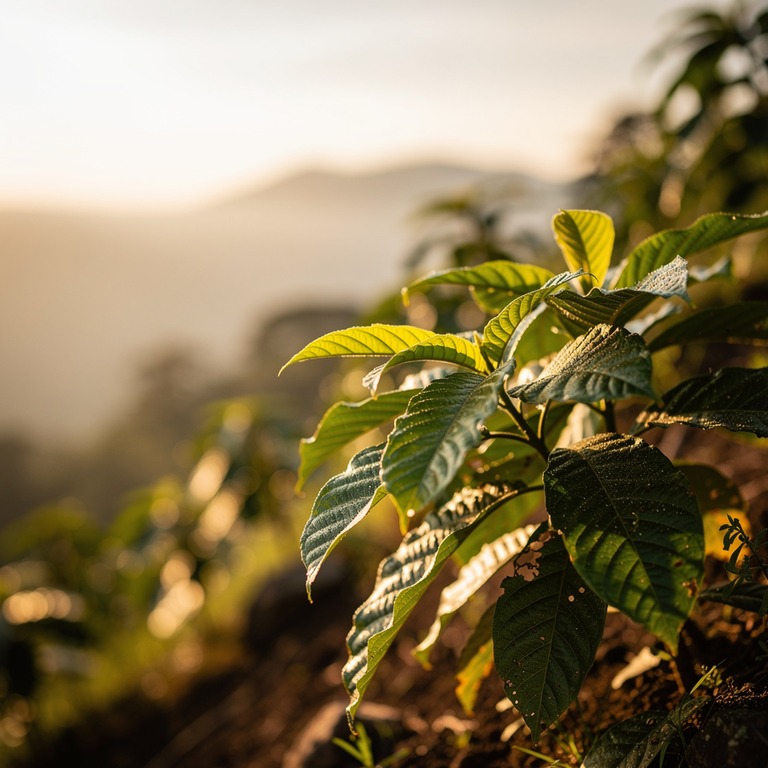
What a Plant Medicine Retreat Actually Asks of You
If you've been researching ayahuasca retreats for a few weeks now, you've probably noticed the marketing starts to blur. Jungle photos, testimonials about transformation, promises of healing. It helps to strip that back and look at what the experience actually involves.
- A dieta — days or weeks of restricted food, no salt, no sugar, no sex, no alcohol — to prepare the body and mind.
- Ceremonies that typically run four to six hours in near-total darkness, led by a facilitator or curandero singing icaros.
- Purging. Real, loud, not-metaphorical purging. Most people vomit. Some have other releases. This is considered part of the medicine, not a side effect.
- Encounters with material you've buried — sometimes gentle, sometimes shattering. Grief that's decades old can surface in minutes.
- An integration period after you fly home that's usually longer and harder than the retreat itself.
Compare that to a race day. One is a public celebration of what your body can do. The other is a private excavation of what your psyche has been hiding. They're both valuable. They are not interchangeable, and treating a plant medicine retreat like a bucket-list experience is how people get hurt.
Addiction, Depression, and the Case for Master Plants
The reason this site exists — and the reason you're probably reading — is that conventional approaches to addiction and depression don't work for everyone. SSRIs help some people and flatten others. Twelve-step programs transform some lives and bounce off others. Talk therapy is slow, and slow is a problem when you're drowning.
The research on psychedelics for addiction recovery is genuinely promising, with ibogaine showing striking results for opioid dependence and psilocybin showing durable effects for alcohol use disorder and treatment-resistant depression. Ayahuasca has a longer anecdotal track record for substance abuse healing, particularly in Brazilian and Peruvian contexts where it's been integrated with recovery work for decades.
What these medicines seem to do — and I'm being careful not to overpromise — is interrupt the pattern. They give people a visceral, often terrifying, often beautiful experience of themselves that reframes the compulsion. The craving doesn't necessarily vanish, but the relationship to it changes. That's a very different mechanism than willpower or physical fitness, and it reaches places those tools can't.
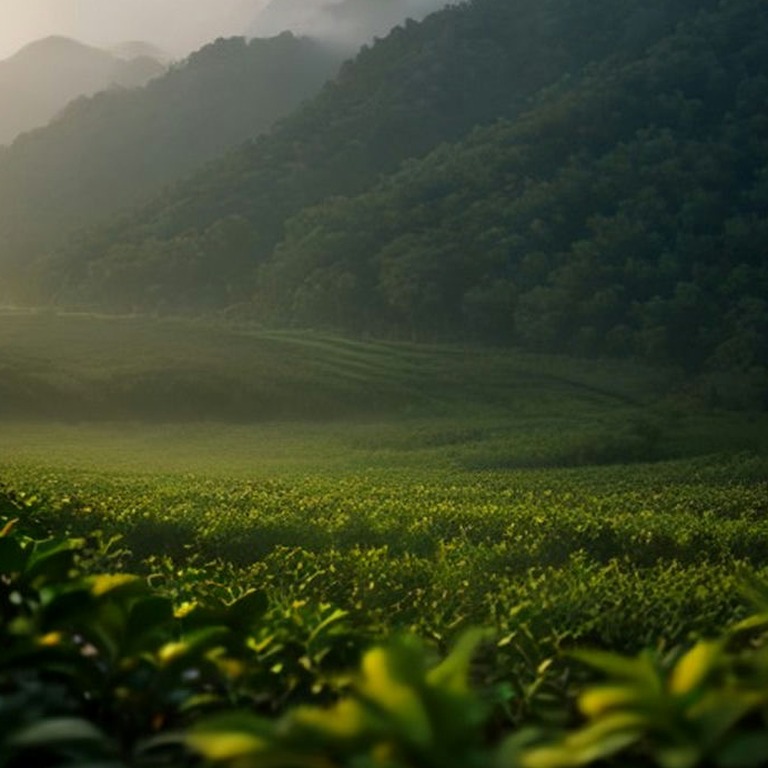
How to Tell Which Tool You Actually Need
Here's a rough test I've found useful. If you're mostly feeling flat, disconnected from your body, out of shape, and generally stuck in a rut — go train for something. Sign up for the race. Hire the coach. The problem may genuinely be that you've stopped using your body for anything other than sitting.
If you're white-knuckling a sobriety that won't stick, cycling through the same depressive episodes every few months, or carrying a trauma you've worked on in therapy for years without resolution — that's a different signal. That's the territory where plant medicine has something to offer that burpees don't.
And some people genuinely need both. The physical practice to hold the vessel steady, and the deeper work to clean out what's inside it. I've met plenty of retreat-goers who credit their yoga or lifting practice with giving them the stamina to sit through a difficult ceremony night. The modalities aren't in competition. They just do different jobs.
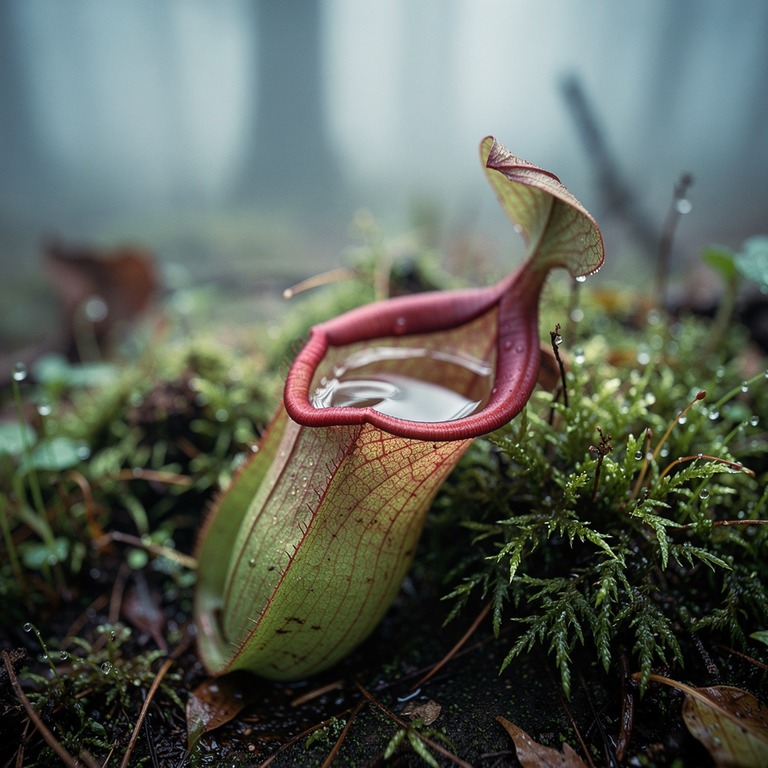
Choosing a Retreat Without Getting Burned
If you decide a plant medicine experience is where your attention actually wants to go, slow down the decision. Good retreats fill up months in advance. Sketchy ones take your deposit tomorrow. A few things worth looking for:
- Medical screening before you book, not after. Any serious operation will ask about SSRIs, heart conditions, personal and family mental-health history, and recent substance use.
- A lineage you can actually name. Who trained the facilitator? How long have they held ceremony? Are they accountable to anyone?
- A reasonable participant-to-facilitator ratio. One person running ceremony for twenty strangers in a jungle is a red flag.
- Structured integration support that extends past the final day — ideally weeks of follow-up calls or group sessions.
- Honest conversation about risks. If a retreat tells you the experience is universally positive, they're either lying or inexperienced.
Price matters less than most people assume. A $900 ceremony with a terrible operator can cost you more in the long run than a $3,500 retreat with people who know what they're doing. Budget accordingly, and if the money isn't there yet, keep saving. This isn't the thing to cut corners on.
If what I've described here resonates and you want to see what responsible options look like in practice, a curated range of ayahuasca and plant-medicine retreats can be browsed on our marketplace here. Take your time with the decision — the right retreat will still be there next month, and the readiness you bring to it matters more than how quickly you book.

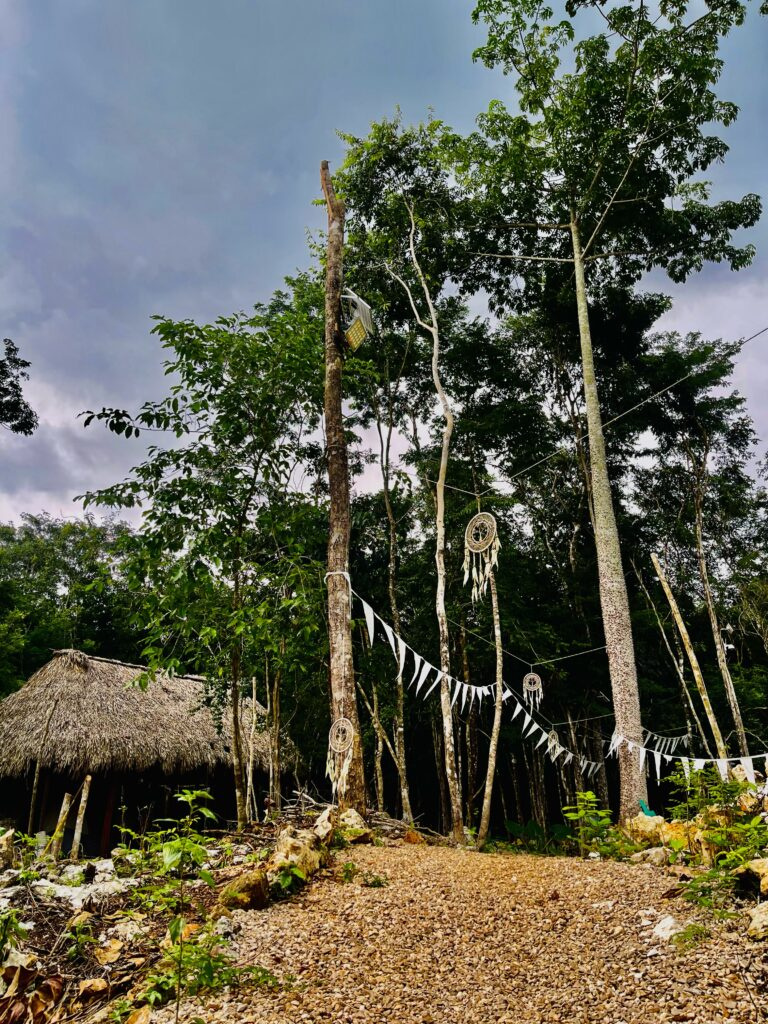
Craving More Stories?
Join our ShopAyahuascaRetreats newsletter for the latest updates on thrilling
destinations and inspirational tales, delivered straight to your inbox!
We value your privacy. Your email address will never be shared or published.