 English
 Deutsch
 Français
 Nederlands
 Español
SHOP AYAHUASCA RETREATS BLOG
Where to Next After Your First Psychedelic Experience: A Grounded Guide

Stella Vance
July 28, 2026
Your ultimate guide to discover transforming ayahuasca and psychedelic experiences. Dive into serene destinations and elevate your consciousness to unparalled heights.
Discover Ayahuasca & Psychedelic Retreats NowSearch for ayahuasca & psychedelic retreats
Discover retreats, trainings, and holidays from all over the world
The days after a first psychedelic experience are strange. You feel cracked open, quietly rearranged, and — often within a week or two — restless. The question shows up almost on its own: where to next? Another ayahuasca ceremony? A different plant medicine? A meditation retreat? Nothing at all for a while? I've watched hundreds of people wrestle with this question, and I've wrestled with it myself. There's no single right answer, but there are much better and much worse ways to think about it.
This is a guide for the person who's already had a taste — maybe a mushroom journey at home, maybe a full ayahuasca retreat in the jungle, maybe a psilocybin ceremony with a facilitator in Oregon — and is now trying to figure out the next step without either rushing back in or letting the whole thing quietly fade into memory. The choices you make in the next three to twelve months matter more than the ceremony itself. Really.
First, the uncomfortable truth about chasing the next experience
Most people who ask “where to next” are actually asking a different question underneath. They want to know if they can repeat the intensity, the clarity, the sense of meaning. And here's the thing — you usually can't, not by simply stacking more ceremonies on top of each other. Plant medicines and psychedelics aren't a subscription service. The second ayahuasca ceremony is rarely the first one again. The tenth mushroom trip doesn't hit like the third.
What actually builds on that first opening is what you do between journeys. Integration — the unglamorous work of making the insights land in your daily life — is where the real change happens. Facilitators I trust say something like this: the ceremony is maybe ten percent of the work. The other ninety is the months that follow. If you rush to the next retreat before the last one has settled, you're often just running away from the harder part.
So the first honest answer to “where to next” is sometimes: nowhere yet. Sit with what you already have. Give it three months minimum. Notice what actually shifted and what didn't.
How to know if you're ready for another ceremony
That said, plenty of people are ready to keep going, and the pull isn't always avoidance. Some signs you might genuinely be ready for the next step:
- The insights from your first experience have taken root in specific behaviors — you actually changed something, not just thought about changing it.
- You've done some form of integration work: therapy, journaling, an integration circle, honest conversations with someone who gets it.
- You're not chasing a high, an escape, or a shortcut past grief you haven't grieved.
- You have a specific intention that's different from the last one — not a vague hope for “more healing”.
- Your life outside plant medicine is reasonably stable. You're sleeping, eating, and holding down your relationships and work.
If most of that checks out, the question becomes which direction to go. And the options genuinely differ from each other more than most people realize.
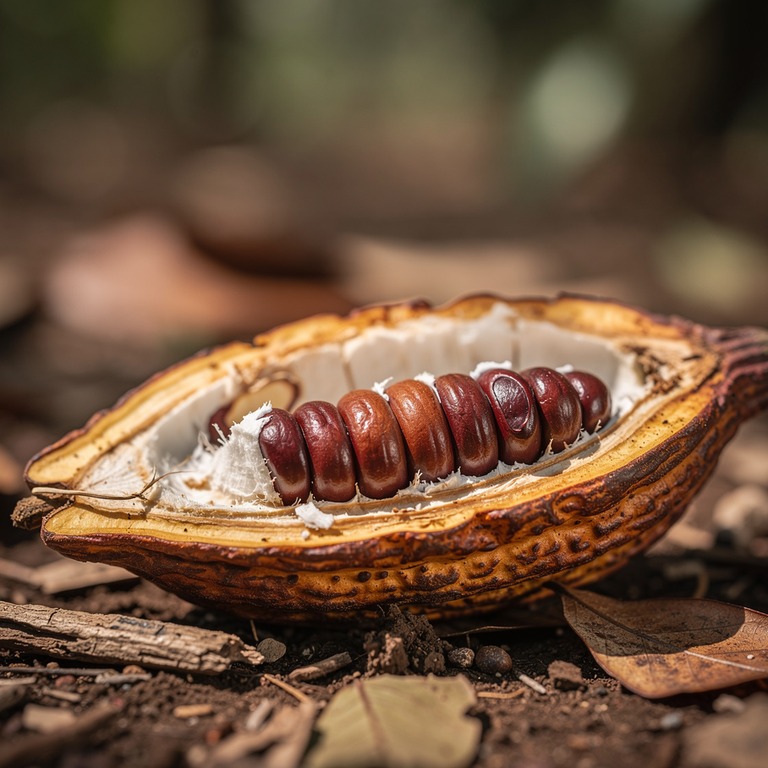
Ayahuasca, psilocybin, San Pedro, ibogaine — how the main paths differ
Grouping all of these under “psychedelics” is convenient but misleading. Each has its own personality, its own risks, and its own reasons someone might turn to it. A quick, honest sketch:
Ayahuasca
Long, physically demanding, deeply Amazonian in its lineage. A typical ceremony lasts four to six hours and involves purging — vomiting, sometimes diarrhea, sometimes shaking. The teaching, as most curanderos describe it, comes not just from DMT but from the vine itself and the songs (icaros) that hold the space. Ayahuasca tends to be good for people wrestling with deep-seated trauma, ancestral patterns, and identity questions. It is not a party drug and it doesn't reward tourists.
Psilocybin
Gentler on the body, shorter (four to six hours), and increasingly available in legal and semi-legal contexts — Oregon's licensed service centers, the Netherlands' truffle retreats, Jamaica's mushroom ceremonies. Psilocybin research in recent years has focused heavily on depression, end-of-life anxiety, and addiction. If ayahuasca is a boot camp, psilocybin often feels more like a therapist who happens to be a mushroom.
San Pedro (Huachuma)
An Andean cactus medicine with a longer arc — ceremonies often last eight to twelve hours, sometimes outdoors in daylight. The character is heart-forward, quieter, less visionary than ayahuasca. Many people describe San Pedro as gentler and more integrative, a good choice for someone who found ayahuasca too intense or who wants something with a strong nature-connection element.
Ibogaine
A different beast entirely. Ibogaine is the go-to plant medicine for opioid and other severe addictions — it can interrupt withdrawal in a way nothing else does. It also has real cardiac risks and requires medical screening, an EKG, and a properly equipped facility. This is not something to book casually. If addiction recovery is your reason, ibogaine deserves serious research, but so does the aftercare plan.
Kambo, bufo (5-MeO-DMT), peyote
Shorter, more specialized. Kambo is a frog secretion used for physical and energetic cleansing — not psychedelic. Bufo is the shortest, most intense psychedelic experience most people will ever have — twenty minutes that feel like being dissolved. Peyote is a sacred medicine of specific indigenous traditions and, honestly, is best approached only through those communities rather than commercial retreats.
Choosing your next retreat: what actually matters
Once you've picked the medicine, the retreat itself matters enormously. Two ayahuasca retreats can be as different as a hospital and a nightclub. Some things to weigh, in rough order of importance:
- Facilitator lineage and experience. How long has the lead facilitator been serving medicine? Who trained them? Are they connected to a tradition, or did they take a weekend course? Ask directly. Reputable people answer plainly.
- Medical and psychological screening. A retreat that takes anyone with a credit card is a retreat that will eventually hurt someone. Real screening asks about medications (especially SSRIs and MAOIs, which interact dangerously with ayahuasca), heart conditions, psychosis history in the family, and current mental state.
- Group size and facilitator ratio. One facilitator per twenty participants is a red flag. One per four or five is much safer, especially for beginners.
- Integration support. What happens after the last ceremony? Is there a call, a group, a written framework? If the answer is “you're on your own,” that's worth knowing.
- Refund and consent policies. How do they handle someone who arrives and decides not to drink? A healthy retreat welcomes that choice. A shady one pressures.
- Word of mouth from actual participants. Not testimonials on the website — real conversations. Reddit threads, integration circles, honest reviews. Look for the complaints as much as the praise.
Price matters too, but it's a poor primary filter. Cheap retreats are sometimes cheap because they cut corners on safety. Expensive ones are sometimes just marketing to wealthy Westerners. The correlation between cost and quality is weaker than you'd hope.
The integration question people keep skipping
If I could change one thing about how people approach psychedelic healing, it would be this: build the integration plan before you book the retreat. Not after. Before.
That means finding an integration therapist, coach, or circle in advance and scheduling sessions for the weeks after you return. It means telling one trusted friend or partner what you're doing and asking them to check in with you. It means blocking off time on the calendar — actual protected time — for whatever practice you know feeds you: walking, journaling, meditation, cold water, being in nature, being with people you love.
The insights from a ceremony are perishable. They fade fast under the fluorescent lights of ordinary life. What preserves them isn't willpower — it's structure. Small, boring, repeatable structure. A morning practice you actually do. A weekly conversation with someone who takes this seriously. A creative outlet where the felt sense of the experience can keep moving through you.
When to pause instead of pressing on
Sometimes the honest next step is not another psychedelic at all. Consider a pause if:
- You're using ceremonies to avoid a decision you already know you need to make (leave the job, end the relationship, address the drinking).
- Your daily life is deteriorating — sleep, work, relationships — even as your inner life feels rich.
- You find yourself talking about your experiences constantly and listening to others less.
- You feel destabilized in a way that hasn't resolved after several months.
- Someone who loves you and isn't hostile to this work is quietly worried about you.
A pause doesn't mean the door is closed. It means the medicine has given you something, and now it's your turn to do something with it. Sometimes the most respectful thing you can do for a plant that opened you up is to spend a year proving you were listening.
A practical next-90-days framework
If you want a simple structure to work with after a first experience, try this:
- Week 1–2: Rest. Don't make big decisions. Write down everything you remember before it fades.
- Week 3–6: Start meeting with an integration therapist or joining a circle. Reconnect with ordinary life gently.
- Week 7–12: Notice what's actually changed. What's harder to tolerate now? What's easier? What patterns have quietly shifted, and which have stubbornly stayed?
- Month 3+: If a genuine call toward more work emerges — not a craving, a call — then start researching the next step with the criteria above.
Most people who follow something like this end up making better decisions about what comes next. Fewer chase experiences. More build lives that don't need chasing.
For readers who want to take this further and are weighing a specific direction, a curated range of ayahuasca, psilocybin, San Pedro, and ibogaine retreats can be browsed on our marketplace here. Whatever you decide, take your time. The medicines have been around for thousands of years. They're not going anywhere, and neither are you.

Craving More Stories?
Join our ShopAyahuascaRetreats newsletter for the latest updates on thrilling
destinations and inspirational tales, delivered straight to your inbox!
We value your privacy. Your email address will never be shared or published.