 English
 Deutsch
 Français
 Nederlands
 Español
SHOP AYAHUASCA RETREATS BLOG
When Being Easy to Please Hides a Lifetime of Self-Erasure

Fiona Holloway
October 8, 2026
Your ultimate guide to discover transforming ayahuasca and psychedelic experiences. Dive into serene destinations and elevate your consciousness to unparalled heights.
Discover Ayahuasca & Psychedelic Retreats NowSearch for ayahuasca & psychedelic retreats
Discover retreats, trainings, and holidays from all over the world
My partner asked me, somewhere around the fifth year of knowing each other, what kind of tea I actually liked. Not what I'd drink. What I liked. I stared at the kettle for a long second and realized I had no answer ready. Not because I didn't have taste buds. Because somewhere along the way I'd stopped letting myself notice them.
That tiny moment is the kind of thing that gets talked about in integration circles after a plant medicine ceremony — the small, almost comically ordinary question that cracks something wide open. And it's the kind of pattern a lot of people bring with them into a ceremony space without ever naming it: the quiet, lifelong habit of being the easy one.
The Compliment That Was Never Really a Compliment
For a long stretch of my life, “low-maintenance” sounded like praise. Easy to travel with. Easy to date. Easy to sit next to on a long flight because I'd eat whatever snack you handed me and watch whatever movie you queued. People said these things about me warmly, and I collected the warmth like proof I was doing something right.
What I didn't see — what took a therapist, a few hard conversations, and eventually a sweat lodge in the Peruvian highlands to show me — was that being easy wasn't a personality. It was a strategy. A finely-tuned, decades-old strategy for staying safe in rooms where having preferences felt expensive.
If you grew up anywhere that moods could flip the atmosphere in seconds, you probably learned the same trick. You read the room before anyone spoke. You made yourself small, agreeable, portable. Wanting something specific felt like handing someone a loaded weapon and asking them not to use it.
Why This Pattern Shows Up in Ceremony Spaces
I've spent the last several years reporting on ayahuasca and other plant-medicine retreats, interviewing facilitators across Peru, Costa Rica, and the Netherlands, and sitting in more ceremonies than I can comfortably count. One thing I hear from facilitators almost universally: the people who arrive calling themselves “chill” or “here for whatever comes up” are often the ones with the most intricate armor.
Plant medicine has a way of noticing. Ayahuasca in particular tends to turn the camera around. You can't disappear into the group when the medicine is specifically asking you what you want, what you've been avoiding, what you've been swallowing for twenty years to keep the peace. The master plants aren't impressed by your low-maintenance credentials.
A facilitator I interviewed in the Sacred Valley put it bluntly: “The people pleasers struggle the hardest. Not because the medicine is cruel to them. Because the medicine won't let them keep doing the thing that got them this far.”
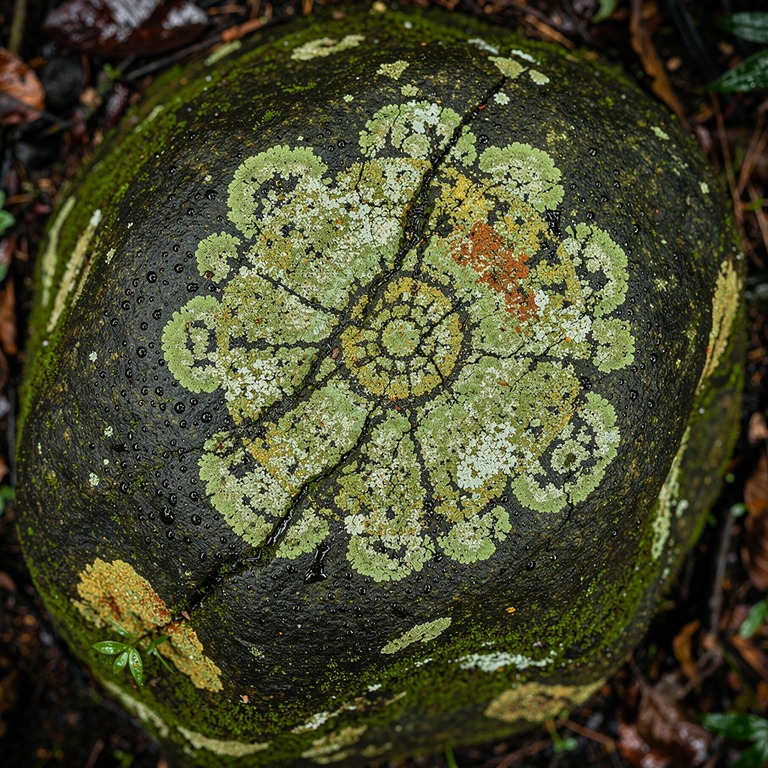
What a Lifetime of Sanding Yourself Down Looks Like
Before I started paying attention, my vocabulary was a very narrow set of reflexes. See if any of these sound familiar:
- “Wherever you want to eat is fine.”
- “I don't really need anything for my birthday.”
- “Oh, I'm easy — you pick.”
- “Honestly, it doesn't matter to me.”
- “Whatever works best for everyone else.”
None of those are answers. They're exits. And after enough years of saying them, the shocking part isn't that other people stopped asking — it's that you stop knowing. The preference-making muscle atrophies. The question “what do I want?” starts to produce actual static.
I remember one retreat participant, a woman in her late forties, describing her second ceremony night. She said the medicine kept asking her, over and over, a single question: what color is your life? And she couldn't answer. Not because she was being evasive. Because she genuinely did not know. She had been living someone else's palette for so long that she'd lost her own.
Addiction, Depression, and the Hidden Cost of Being Agreeable
This isn't a soft lifestyle issue. The research on people-pleasing — sometimes called fawning, the fourth and least-discussed trauma response after fight, flight, and freeze — links it to higher rates of depression, anxiety, chronic illness, and yes, addiction. If you've trained yourself to never want anything out loud, you'll often find yourself quietly wanting things that numb the wanting itself. Alcohol. Food. Overwork. Scrolling. The patterns differ. The underlying hunger doesn't.
I've seen this up close in the ibogaine and ayahuasca work being done with people in addiction recovery. The substance of choice is almost always secondary to the question underneath it: what did you need that you were never allowed to ask for? The plant medicines don't magically answer that. They just hold the space quiet enough that you can finally hear yourself asking.
How to Begin Rebuilding Preferences — Before, During, and After a Retreat
If you're reading this while weighing whether to book a psychedelic or plant-medicine retreat, and some of this is landing a little too hard, here's the practical part. The work of reclaiming your own voice doesn't start in ceremony. It starts in the weeks before, and it continues long after the plane ride home.
- Practice naming small things. Not life-altering things. Dinner. The music in the car. The temperature in the room. Say an actual preference out loud, every day, for the two weeks before your retreat. Notice the physical sensation that comes with it. For me, it felt like standing on a stage I hadn't agreed to.
- Tell your facilitator the truth about this pattern. If being agreeable is your lifelong strategy, you'll do it in ceremony too. You'll tell the facilitator you're fine when you're not. You'll minimize what came up. Flag the pattern in advance. Good facilitators know how to work with it.
- Write your intention as a question, not a statement. Instead of “I want to heal my people-pleasing,” try “What have I been afraid to want?” The medicine responds better to honest questions than to tidy goals.
- Plan your integration before you leave. The reflex to disappear back into easiness will come roaring back within a week of landing. A therapist, an integration circle, or even a weekly check-in with one trusted friend who'll ask you what you want — all of these help the insight survive contact with real life.
- Expect the discomfort to feel permanent at first. It isn't. The first dozen times you say “actually, I'd prefer the other restaurant,” your nervous system will treat it as a threat. The hundredth time, it won't. The thousandth time, it'll feel like breathing.
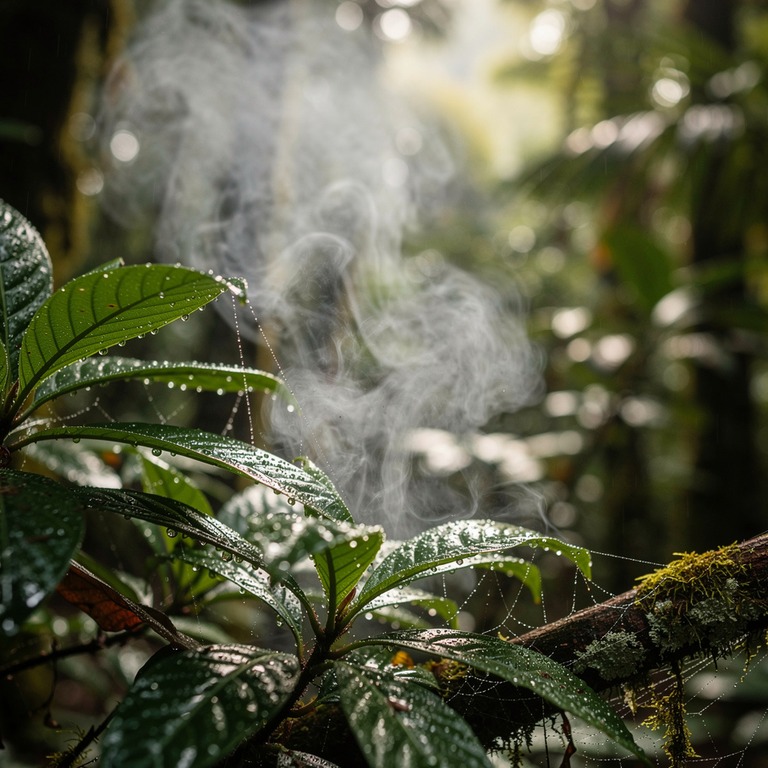
Choosing a Retreat When You've Spent a Lifetime Being Agreeable
Here's a hard-won bit of advice: if you are someone who tends to go along with whatever the group is doing, be especially careful about which retreat you choose. The industry has grown fast, and not every operation is set up to hold people with trauma histories well. Some places run large groups, loose screening, and facilitators whose credentials are, let's say, aspirational.
Look for retreats that ask you a lot of questions before accepting you. Look for a medical and psychological intake form that is slightly annoying in its thoroughness — that's a good sign, not a red flag. Look for facilitator-to-participant ratios you'd be comfortable with if things got hard. Ask what happens if you have a difficult night. Ask what integration support looks like after you leave. If the answers are vague or evangelical, keep looking.
And trust the small no. If something in the sales conversation makes your shoulders tighten, that's information. The whole point of this work is learning to listen to that signal — you may as well start during the booking process.
The Version of You That Was Never the Problem
Months after that tea-kettle moment, I started catching the old reflex earlier. Someone would ask what I wanted, and I'd feel the “whatever's fine” rising up like muscle memory. Sometimes I'd still say it. Sometimes I'd stop, take a breath, and answer the actual question underneath. Both counted as progress.
The thing nobody told me — the thing I had to learn by testing it, in dozens of small survivable ways — is that the people who truly love you were never loving the edited version. They were waiting, patiently, for the rest of you to show up. The plant medicines, when they're held well, do a similar thing. They don't give you a new self. They just make it harder to keep hiding the one you already have.
If any of this is landing in your chest the way that car-ride question once landed in mine, the exploration is worth taking seriously. A range of thoughtfully-run ayahuasca and plant-medicine retreats can be browsed on our marketplace here — not as a prescription, but as one honest option among several for anyone ready to start asking what they actually want.

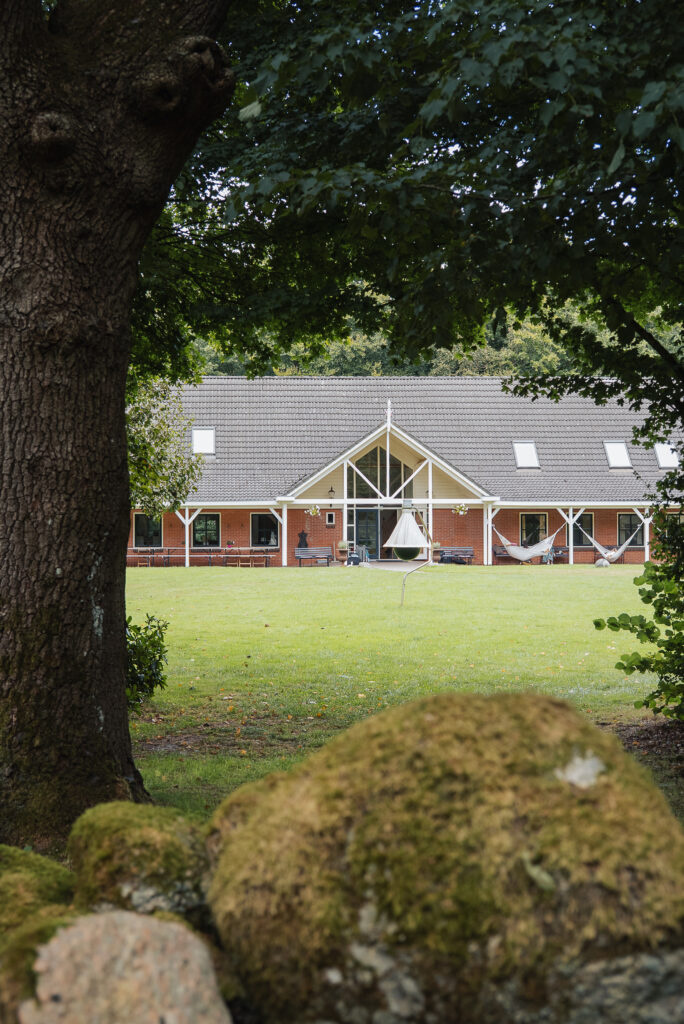
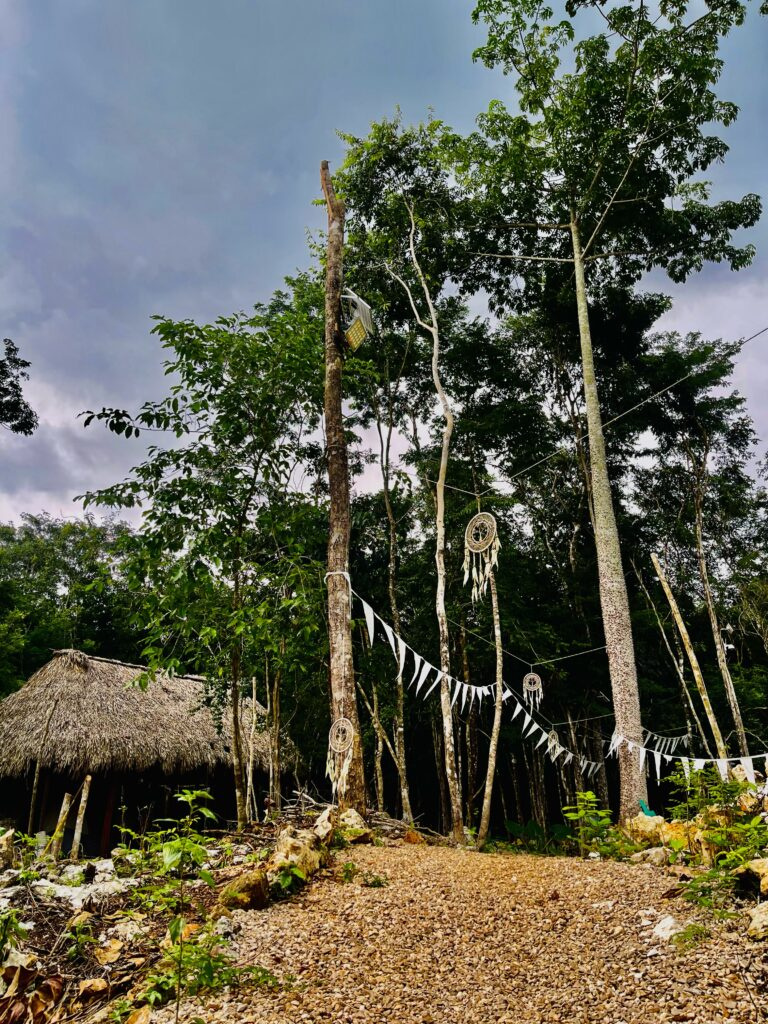
Craving More Stories?
Join our ShopAyahuascaRetreats newsletter for the latest updates on thrilling
destinations and inspirational tales, delivered straight to your inbox!
We value your privacy. Your email address will never be shared or published.