 English
 Deutsch
 Français
 Nederlands
 Español
SHOP AYAHUASCA RETREATS BLOG
When Anxiety Shows Up Uninvited: Plant Medicine, Mindfulness, and Finding Your Way Back

Axel Hartley
October 6, 2026
Your ultimate guide to discover transforming ayahuasca and psychedelic experiences. Dive into serene destinations and elevate your consciousness to unparalled heights.
Discover Ayahuasca & Psychedelic Retreats NowSearch for ayahuasca & psychedelic retreats
Discover retreats, trainings, and holidays from all over the world
Anxiety has a terrible sense of timing. It tends to arrive right when you thought you had things figured out — after a wedding, a promotion, the birth of a child, or during the long dull patch of a Tuesday afternoon when, by all accounts, nothing is wrong. One minute you're fine. The next, your chest is tight, your mind is sprinting, and you're convinced something unnameable is about to happen.
I've sat with a lot of people in the days and weeks before they boarded a plane to an ayahuasca retreat or a psilocybin ceremony, and almost all of them described some version of this. Anxiety that wouldn't leave. Depression that had calcified into a kind of grey weather system. A sense that the normal toolkit — therapy, SSRIs, exercise, journaling — had hit a ceiling. They weren't looking for a miracle. They were looking for a different angle on something that had already resisted the obvious ones.
So let's talk honestly about anxiety. What it is, what tends to help, where plant medicine and master plants fit into the picture, and how to think about a retreat if that's where your curiosity is pointing you.
Why Anxiety Hits Even When Life Looks Fine on Paper
One of the stranger things about anxiety is how little it cares about your circumstances. People with loving partners, stable incomes, and healthy kids get flattened by it. People coming out of genuinely hard chapters sometimes feel fine. The disconnect between what's happening in your life and what's happening in your nervous system can itself become a source of shame — I have no right to feel this way — which, of course, makes everything worse.
The honest answer is that anxiety has many engines. Hormones. Sleep deprivation. Grief you haven't processed. Trauma that lives in your body without your permission. Inherited patterns passed down through generations in ways we're only beginning to understand. Chronic inflammation. A difficult relationship with a parent you haven't spoken to in years. Sometimes it's one of these. Usually it's several at once, braided together in ways that make the thing hard to untangle.
This is part of why anxiety so often resists tidy solutions. A friend tells you meditation changed her life. You try it, and twenty minutes of sitting with your breath makes you want to crawl out of your skin. Another friend swears by his medication. You try it and feel numb. The thing that works for one person — or for you, at one stage of life — doesn't always transfer. That's not failure. That's the territory.
What Usually Helps, Even a Little
Before anyone considers a psychedelic retreat, it's worth saying plainly that the ordinary stuff still matters. Sometimes the ordinary stuff is enough. Sometimes it's not, but it builds the foundation that makes other work possible.
- Basic mindfulness practice. Not an app streak. Not an hour-long sit. Just the capacity to notice when your mind has galloped off into the future and gently bring it back to your breath, your feet on the floor, the sound of a car passing. This is a muscle. It gets stronger with repetition.
- Concrete action on the thing you can actually act on. Anxiety loves abstraction. If part of your worry is specific and solvable, solving it — buying the monitor, having the conversation, scheduling the appointment — can take real weight off.
- Human contact. This one is embarrassingly simple and chronically underused. Sitting next to another person. Being held. Telling someone what's actually going on without softening it for their comfort.
- Movement. Walking, especially outside, especially without headphones, especially long enough to be slightly bored. Nervous systems settle through the soles of the feet more reliably than through the head.
- Sleep, boring as it sounds. Anxiety at 3 a.m. on four hours of sleep is a different beast than anxiety at 3 p.m. after eight.
None of these are cures. They're more like the daily tending that keeps the wound from getting infected while you figure out the deeper work. For many people, this baseline care is where the whole conversation needs to start — before any mention of ceremonies, molecules, or jungles.
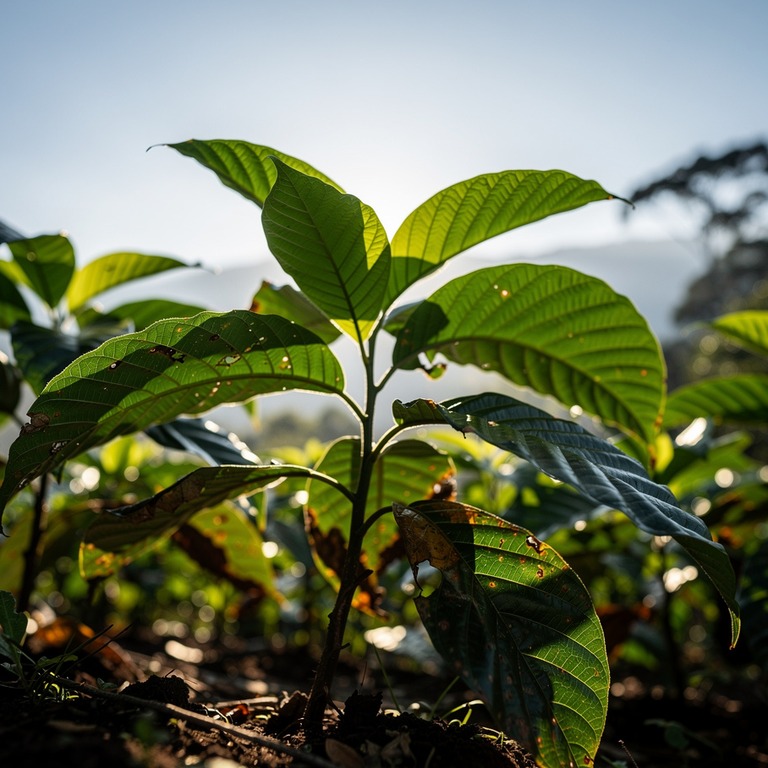
Where Plant Medicine and Master Plants Enter the Picture
For some people, the baseline isn't enough. They've been in talk therapy for years. They've tried the medications. They meditate. And still, something underneath hasn't budged — a grief that won't metabolize, a trauma loop that keeps replaying, an addiction that keeps pulling them back. These are the people who, increasingly, start reading about ayahuasca, psilocybin, ibogaine, and the broader world of plant-medicine healing.
In the Amazonian traditions, plants like ayahuasca, chacruna, bobinsana, and tobacco are considered master plants — teachers in their own right, not just substances. The dieta, the ceremony, the icaros sung over you by a trained curandero — these aren't production values added onto a drug experience. They're the container that makes the experience intelligible. When people describe ayahuasca ceremony as unlike anything else, part of what they're pointing at is this: the plant isn't being extracted from its context and handed to you as a pill. The context is the medicine too.
Psilocybin retreats, often held in jurisdictions where mushrooms or truffles are legal, offer a somewhat different flavor — usually quieter, often more structured around integration conversations and breathwork. Ibogaine, used primarily for addiction interruption, is in a category of its own: medically intensive, logistically serious, and genuinely life-changing for some people trapped in opioid dependency. San Pedro and huachuma ceremonies in the Andes tend to be gentler and more day-lit than ayahuasca, which some first-timers find easier to approach.
None of these are casual choices. The research on psychedelic-assisted therapy for depression, PTSD, and addiction is genuinely promising — more promising than almost anything else that's emerged in mental health in decades — but the experience itself asks a lot of you. It's not a vacation.
How to Think About a Retreat Without Romanticizing It
If you're actively researching retreats, a few honest observations from years of watching people go through this:
- Preparation matters more than the ceremony. People who show up having done weeks of dietary preparation, honest journaling about why they're going, and conversations with the facilitators tend to have different experiences than people who arrive straight off a layover with no groundwork.
- Integration matters more than preparation. The weeks and months after a ceremony are where the actual change gets built — or doesn't. A retreat without a plan for integration is a trip, not a healing process.
- Lineage and reputation matter more than aesthetics. A beautiful website means nothing. A thatched roof means nothing. What matters is who the facilitators actually are, who trained them, how long they've been doing this, and what happens if something goes wrong in the middle of the night.
- Price is a weak signal. Expensive doesn't mean safe or legitimate. Cheap doesn't mean sketchy. Dig into the specifics.
- Not everyone should go. Certain medications, certain cardiac conditions, certain psychiatric histories make these experiences genuinely dangerous. A reputable retreat will screen you. If they don't, that's your answer about them.
And a quieter point that doesn't get said often enough: a retreat is not an escape hatch from the life you have to come back to. If your anxiety is tangled up with a job that's grinding you down, a relationship that isn't working, or a city you're miserable in, the plants won't fix those things for you. They may show you very clearly what needs to change. The changing is still your job.
Self-Compassion Is the Thing Underneath Everything
One of the oldest teachings in the Buddhist tradition is that suffering isn't a sign that something is wrong with you. It's a sign that you're human. The grasping, the fear, the midnight spirals — they're part of the shared inheritance of having a mind. Knowing this doesn't make the suffering disappear, but it does loosen the second layer of pain, the one made of shame about the first layer.
Almost every meaningful healing modality — whether it's cognitive therapy, somatic work, meditation, or a plant-medicine ceremony — eventually points back to some version of self-compassion. Not the Instagram-poster kind. The real kind, which looks more like finally dropping the belief that your suffering is a personal failing, and letting yourself be curious about it instead.
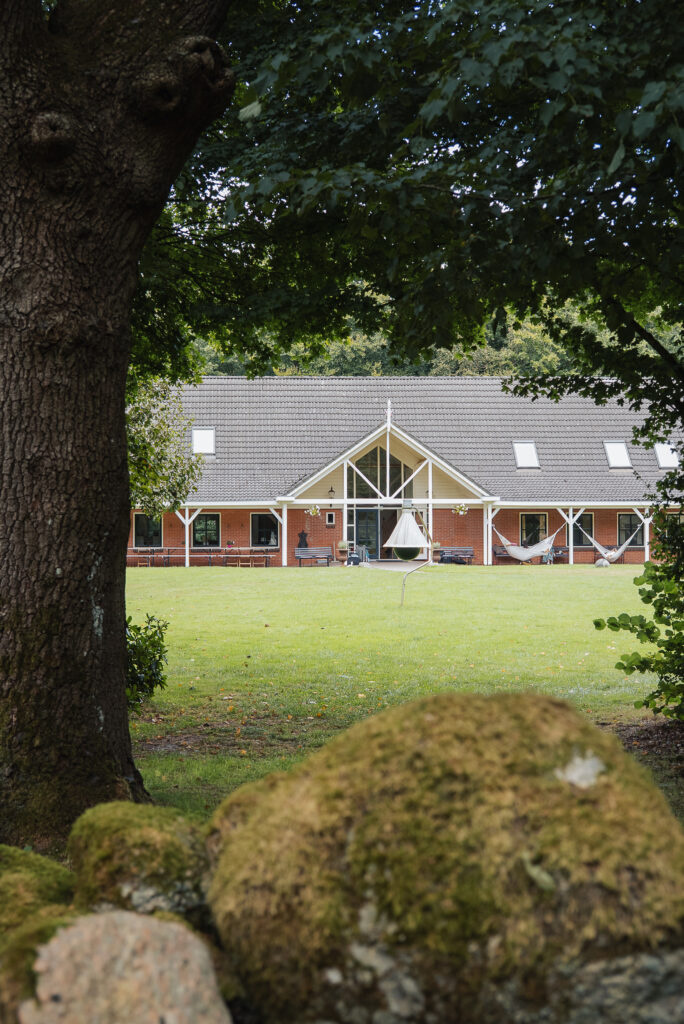
Curiosity is what opens the door to the next step, whatever that step turns out to be. For some people, it's a therapist with real training in trauma. For some, it's a mindfulness practice they finally stick with. For some, it's a carefully chosen retreat somewhere in the Peruvian Amazon or the Dutch countryside. For many, it's some combination over years.
If something in all of this has resonated and you're starting to wonder whether a ceremony or retreat might be part of your path, a wide range of ayahuasca, psilocybin, and plant-medicine retreats can be browsed on our marketplace here. Take your time with the decision. The plants, if that's where you end up, will still be there when you're ready.


Craving More Stories?
Join our ShopAyahuascaRetreats newsletter for the latest updates on thrilling
destinations and inspirational tales, delivered straight to your inbox!
We value your privacy. Your email address will never be shared or published.