 English
 Deutsch
 Français
 Nederlands
 Español
SHOP AYAHUASCA RETREATS BLOG
Ultra-Processed Foods and Muscle Loss: What New Research Says About Aging Well

Finn Ashton
August 6, 2026
Your ultimate guide to discover transforming ayahuasca and psychedelic experiences. Dive into serene destinations and elevate your consciousness to unparalled heights.
Discover Ayahuasca & Psychedelic Retreats NowSearch for ayahuasca & psychedelic retreats
Discover retreats, trainings, and holidays from all over the world
Grab a bar off the shelf. Microwave the tray. Twist the cap off the flavored drink. Most of us have a shortlist of foods we reach for when the day is running us instead of the other way around, and no one gets through modern life without leaning on them occasionally. Fine. But there's a quieter cost showing up in the research — one that has less to do with weight and more to do with whether you can still carry your own groceries at seventy-five.
A new analysis of more than a thousand older adults suggests the share of your diet coming from ultra-processed foods is tied, pretty directly, to how much muscle you lose as you age. Not a subtle correlation buried in the footnotes. A clear pattern, with the strongest signal at the worst end of the spectrum.
What the researchers actually looked at
The team pulled data from 1,006 participants in the Birjand Longitudinal Aging Study — a cohort of older adults whose diets and physical function were assessed together. They classified muscle health into four tiers, from no sarcopenia to severe, using an established clinical framework. Sarcopenia, if the word is new to you, is the gradual thinning of muscle mass and strength that shadows most people past sixty. It's the thing behind falls, frailty, and the loss of independence that quietly reshapes late life.
Dietary intake was scored using the NOVA classification, which sorts foods by how heavily they've been engineered — unprocessed staples on one end, industrially formulated products (think shelf-stable snacks, sweetened cereals, reconstituted meats, soda) on the other. The study was cross-sectional, which is worth saying out loud: it captures a snapshot, not cause and effect. Still, snapshots this large tend to point at something real.
The headline finding
Only 29.1% of participants had no measurable sarcopenia. Read that twice. More than half fell into the probable category, another 8.7% had confirmed muscle loss, and 7.7% were classed as severe. Muscle decline, in other words, is not a rare event in older populations — it's closer to the default.
When the researchers layered ultra-processed food intake on top, the pattern sharpened. Participants eating the most ultra-processed food were significantly more likely to be sarcopenic, and the association was strongest at the severe end. High intake didn't just correlate with a bit of muscle loss. It tracked with the deepest, most functionally limiting form of it.
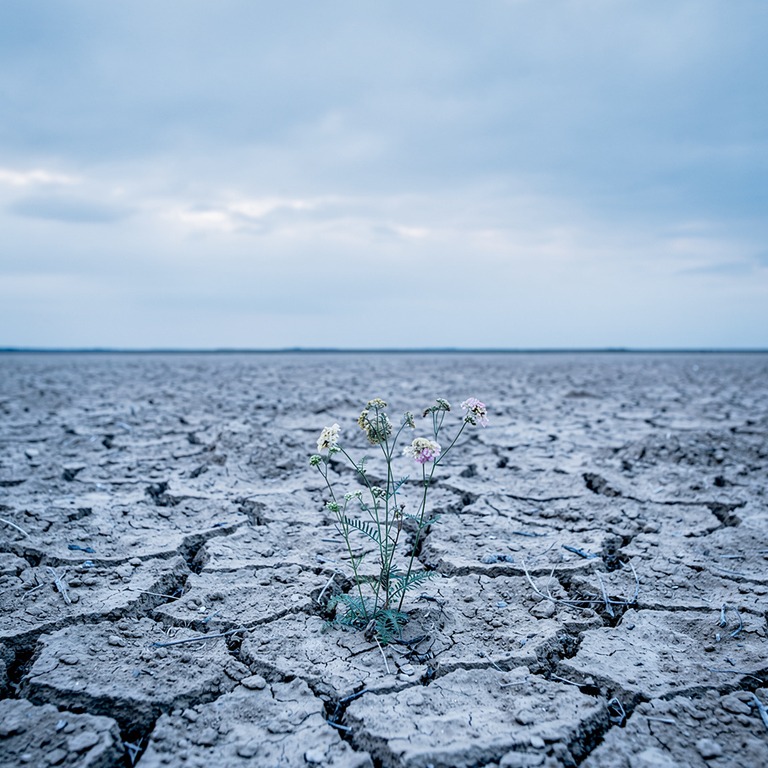
Why processed food may be quietly stealing your strength
The study doesn't isolate one villain, but a few mechanisms fit the evidence. The most obvious is displacement — a boring word for a serious problem. Every meal is real estate. When ultra-processed foods take up the plate, whole foods don't. Protein, fiber, magnesium, potassium, vitamin D, the amino acids muscle tissue is literally built from — all of it gets crowded out.
Then there's inflammation. Diets heavy in industrial oils, refined starches, and additive-laden products are consistently linked to chronic low-grade inflammation, and inflamed bodies don't build or repair muscle efficiently. Add in the metabolic churn — blood sugar swings, insulin resistance, gut microbiome disruption, hormonal knock-on effects — and you have a slow, compounding drag on the machinery that keeps you strong.
None of this means a single frozen pizza is going to dissolve your quadriceps. It means that if the bulk of your calories comes from products a food scientist assembled in a lab, the body loses ground it can't easily win back.
How to eat for the muscle you want at seventy
Here's the encouraging part: the research doesn't demand purity. Cutting ultra-processed foods to zero isn't the point, and honestly, that kind of black-and-white thinking usually backfires within a fortnight. What matters is the overall shape of your diet — the pattern you repeat, week after week, decade after decade.
A few concrete places to shift the balance:
- Anchor every meal with real protein. Eggs, Greek yogurt, lentils, beans, fish, chicken, tofu, decent cuts of meat. Older bodies need more protein per meal than younger ones to trigger the same muscle-building response, so don't skimp — especially at breakfast, where most people under-eat it.
- Swap, don't sacrifice. Trade the sweetened cereal for oats with berries. Trade the chips for a handful of almonds. Trade the flavored yogurt drink for plain kefir. You're not renouncing anything — you're upgrading a few defaults.
- Eat the rainbow, unironically. Vegetables, fruit, whole grains, legumes, dairy or fortified alternatives — these bring the micronutrients (magnesium, calcium, vitamin D, B vitamins) that partner with protein to keep muscle firing.
- Think in years, not meals. One indulgent weekend won't undo anything. Six years of relying on packaged food might. Consistency is the whole game.
Where this fits into a bigger picture of healthy aging
Muscle is having a moment in the longevity conversation, and for good reason. It's not just about looking a certain way — muscle is metabolic tissue, glucose regulation, hormone response, injury insurance, and the physical scaffolding of independence. People who arrive at their eighties still able to garden, hike, lift a grandchild, get off the floor without help — that's not luck. That's decades of small choices about food, movement, sleep, and stress.
Diet is one lever. Resistance training is another, arguably as important — muscle needs a reason to stay, and load is that reason. Sleep, stress regulation, community, purpose all show up in the longevity data too. Some readers of this site are also exploring plant medicines and contemplative practices as part of that bigger reckoning with how they want to live — the food and the ceremony and the movement all pointing at the same question, which is: what kind of older person do I want to become?

The honest takeaway
Cross-sectional studies can't prove causation. They can only show us where to look. But this one lines up with a growing library of research pointing the same direction — that heavily engineered food, eaten day in and day out, quietly erodes the physical foundation you'll need in your seventies and eighties. Whole foods, eaten most of the time, protect it.
You don't need to overhaul your kitchen tomorrow. You need to know which way the current is flowing, and paddle gently against it. Start with protein. Cook one more meal a week. Read the ingredient list on the thing you eat most often, and decide if you're comfortable with what's there.
For readers thinking about aging well in a broader sense — how nutrition, mindset, and deeper healing work all fit together — a range of wellness and plant-medicine retreats focused on longevity and lifestyle reset can be explored on our marketplace here. The muscles you'll rely on at eighty are being built, or unbuilt, by the choices you make this week.


Craving More Stories?
Join our ShopAyahuascaRetreats newsletter for the latest updates on thrilling
destinations and inspirational tales, delivered straight to your inbox!
We value your privacy. Your email address will never be shared or published.