 English
 Deutsch
 Français
 Nederlands
 Español
SHOP AYAHUASCA RETREATS BLOG
Trip Drawings and Visionary Art: Why Psychedelics Turn People Into Artists

Cleo Adler
August 16, 2026
Your ultimate guide to discover transforming ayahuasca and psychedelic experiences. Dive into serene destinations and elevate your consciousness to unparalled heights.
Discover Ayahuasca & Psychedelic Retreats NowSearch for ayahuasca & psychedelic retreats
Discover retreats, trainings, and holidays from all over the world
The first time I saw someone pull out a sketchbook the morning after ceremony, I thought it was a bit precious. Then I looked over their shoulder. Spirals within spirals, a jaguar's face melting into geometric lattice, a figure standing under something that looked like a doorway made of feathers. The person drawing wasn't an artist. They were a software engineer from Denver who hadn't picked up a pencil since high school. And they were shaking a little, the way you shake when you've just remembered something important.
This is one of those quiet corners of the psychedelic world that doesn't get talked about much. People come home from ayahuasca retreats, psilocybin sessions, San Pedro nights in the mountains — and they draw. Or they write compulsively. Or they buy watercolors for the first time in twenty years. It's not a marketing pitch. It's just something that happens. And if you're weighing a retreat right now, understanding this creative aftershock is actually useful information about what plant medicines do and how integration works.
Why do psychedelics make people want to draw?
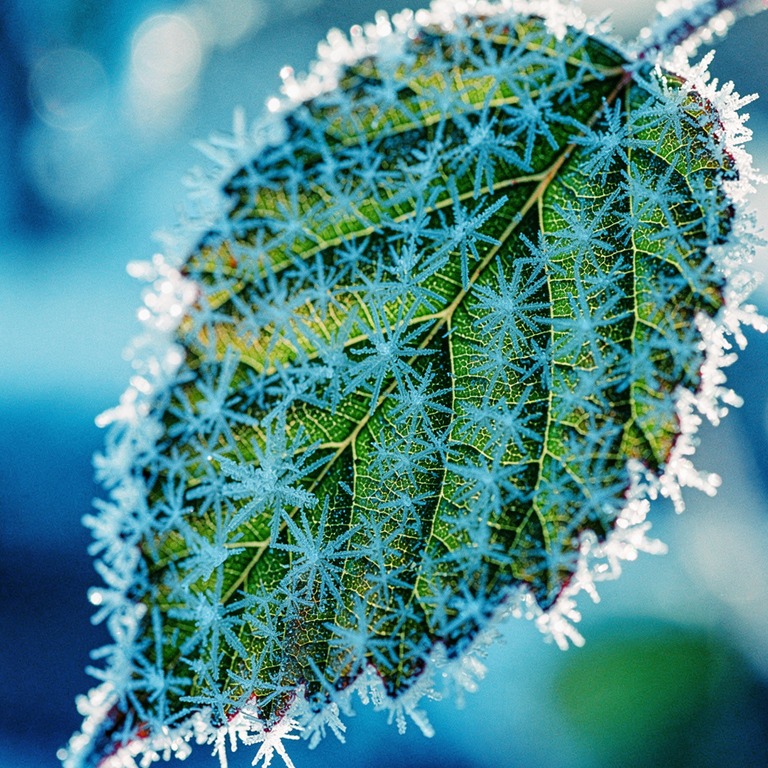
The short answer: they flood your visual cortex with information you don't have language for. DMT, psilocybin, mescaline — all of them produce what researchers call closed-eye visuals, but that phrase is doing a lot of heavy lifting. What you actually experience is closer to seeing an entire private cosmology unfold behind your eyelids. Fractals. Vines that breathe. Faces that shift between animal and human. Geometry that seems to be trying to tell you something.
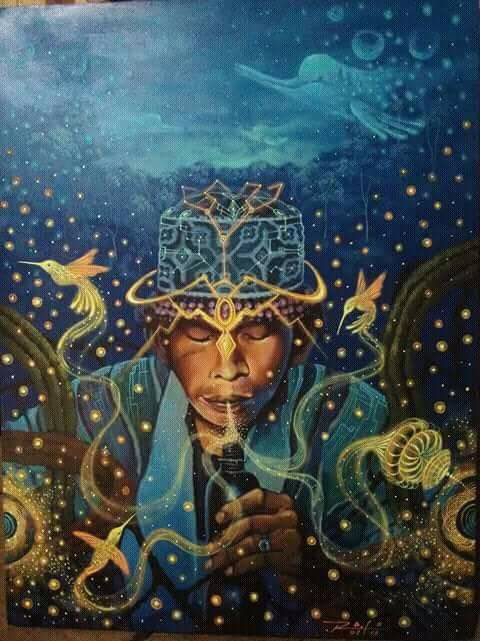
When you come back to ordinary consciousness, most of it starts leaking away within hours. This is where the pen comes out. Drawing isn't about producing art — it's about grabbing onto the imagery before it dissolves. It's a memory technique, essentially. The Shipibo weavers of the Peruvian Amazon have been doing a version of this for centuries, translating the songs and visions of ayahuasca ceremony into the intricate geometric patterns you see on their textiles. Those patterns aren't decoration. They're notation.
There's also something happening neurologically. Psychedelics loosen the grip of the default mode network — the part of your brain responsible for maintaining your sense of a fixed, narrative self. When that grip loosens, regions of the brain that don't normally talk to each other start comparing notes. Visual processing mixes with emotion. Memory bleeds into imagination. For a lot of people, this cross-wiring lingers for days or weeks after a ceremony, and it often shows up as a sudden urge to make things.
What trip drawings actually look like (and what they're for)
If you scroll through the visionary art that comes out of the retreat world, you'll notice patterns. Not because everyone is seeing the same thing, but because certain forms seem to be baked into the deep architecture of psychedelic states. A few common motifs:
- Serpents and vines, especially with ayahuasca — often coiled, often speaking
- Eyes appearing in unusual places: on wings, on plants, on the ceiling
- Geometric grids and lattices, especially at the peak of the experience
- Doorways, portals, tunnels — thresholds of some kind
- Feminine figures, sometimes recognizably human, sometimes not
- Jaguars, birds, insects — animal presences that feel like teachers rather than symbols
None of this is proof of anything metaphysical. It might be that these motifs are hardwired into the human visual system, released when normal filters go offline. It might be something else. Honestly, sitting with the ambiguity is part of the work.
What matters more is what the drawings do for the person making them. I've watched people crack open old grief while sketching a scene from ceremony they hadn't been able to describe in words. I've watched a former addict fill an entire notebook in the weeks after an ibogaine treatment, drawing the same doorway over and over until something in him settled. The drawing is the integration. It's not decorative — it's how the nervous system files what happened.
Plant medicine, addiction, and the language problem
Here's something worth understanding if you're considering a retreat for addiction recovery, depression, or trauma. One of the reasons plant medicines like ayahuasca and ibogaine show promise for these conditions is that they bypass the verbal, narrative mind — the same mind that has been telling you the same story about yourself for years.
The trouble is, once you're back in ordinary consciousness, that narrative mind takes over again. It's very good at explaining away what you experienced. Talking about a ceremony to your therapist can sometimes flatten it into something manageable, which is the opposite of what you want. The insight starts to feel like a nice idea rather than a lived truth.
Drawing sidesteps that. It keeps the experience in a form the narrative mind can't quite metabolize and dismiss. This is why many facilitators actually encourage journaling, sketching, or working with clay in the days after ceremony. It's not arts-and-crafts filler. It's a way of preserving the medicine's message in a language that doesn't decay as fast as words do. The master plants — as the Amazonian tradition calls them — are said to teach directly, through image and sensation, and the drawings are a way of continuing that conversation after the plant leaves your system.
How to work with visionary art after a ceremony
If you do end up sitting in a ceremony and something wants to come through your hand afterwards, a few practical thoughts from people who've been through it:
- Don't try to make it good. The point is capture, not craft. Stick figures and scribbles are fine. Nobody else needs to see it.
- Do it soon. Within 24-48 hours if you can. The imagery fades faster than you'd expect.
- Draw the same thing again a week later. Notice what changed, what stayed. Sometimes a symbol you didn't understand initially becomes clearer on the second pass.
- Don't over-interpret. Not every serpent is a symbol of transformation. Sometimes it's just what you saw. Let the image sit as an image before you rush to decode it.
- Share it selectively. Some people in your life will be curious and respectful. Others will find it unhinged. You get to choose who sees the notebook.
One retreat coordinator I spoke with in the Sacred Valley keeps a stack of cheap sketchbooks in the integration room and hands them out on the last morning. She told me the ones who use them are the ones who tend to hold onto their gains six months later. Anecdotal, obviously. But it tracks with what the research on psychedelic-assisted therapy keeps showing: integration practices — anything that keeps the experience alive in the body and the imagination — are what turn a single ceremony into actual change.
Is the art the point, or is the drawing the point?
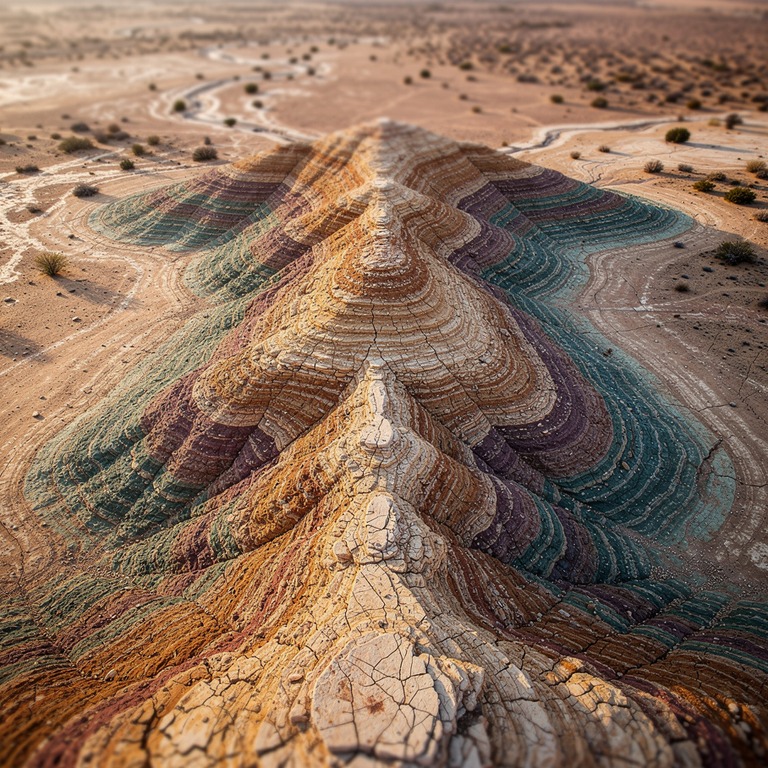
You'll sometimes see stunning visionary art from established painters — the Pablo Amaringo lineage, for instance, has produced some of the most detailed depictions of ayahuasca visions in the world. It's easy to look at that work and feel like your own scratchings don't measure up. But that misses the point entirely.
The finished painting is a byproduct. The real event is the act of translating something ineffable into a mark on paper. It's a form of prayer, honestly, though I'm cautious about that word. It's also a form of therapy, though I'm cautious about that word too. Somewhere between the two, in a space our culture doesn't have great language for, the drawing becomes a way of taking the medicine seriously.
That's ultimately what plant medicine work asks of you. Not belief. Not certainty. Just the willingness to treat what happened as real enough to be worth returning to, again and again, in whatever form you can. For some people that looks like sitting silently at dawn. For others it's writing at length. For a surprising number, it turns out to be a pencil and a cheap notebook at 6am, trying to catch the tail of something before it disappears.
If any of this resonates and you're circling the idea of your own first ceremony, a range of curated ayahuasca and plant-medicine retreats can be browsed on our marketplace here. Bring the sketchbook. You might not need it. You might.
Craving More Stories?
Join our ShopAyahuascaRetreats newsletter for the latest updates on thrilling
destinations and inspirational tales, delivered straight to your inbox!
We value your privacy. Your email address will never be shared or published.