 English
 Deutsch
 Français
 Nederlands
 Español
SHOP AYAHUASCA RETREATS BLOG
Six Common Food Preservatives Linked to Cancer in a Massive 14-Year Study

Cleo Adler
August 9, 2026
Your ultimate guide to discover transforming ayahuasca and psychedelic experiences. Dive into serene destinations and elevate your consciousness to unparalled heights.
Discover Ayahuasca & Psychedelic Retreats NowSearch for ayahuasca & psychedelic retreats
Discover retreats, trainings, and holidays from all over the world
Flip over almost anything in your pantry and the ingredient list starts to read like a mid-tier chemistry exam. Potassium sorbate. Sodium metabisulfite. Sodium erythorbate. These are the invisible workhorses keeping bread mold-free, deli meat pink, and cheese edible three weeks after you forgot about it in the drawer. We've mostly shrugged and accepted them as the tax on modern grocery shopping.
But here's a question worth sitting with: are all of these additives really the same? We tend to file them into one big mental folder marked probably fine, probably not great, without distinguishing between compounds that are genuinely benign and ones that might quietly be doing something we'd rather they didn't.
A recently published 14-year study — one of the largest of its kind — tried to answer that question with actual numbers. Researchers tracked more than 105,000 adults, cataloguing their intake of 17 specific food preservatives, and then followed what happened to their health over time. The findings are worth paying attention to, especially if you're someone who cares about long-term wellbeing and the choices that quietly shape it.
How the researchers actually tracked what people were eating
The data came from the French NutriNet-Santé cohort, a long-running dietary health project that has been collecting information from participants since 2009. What sets this analysis apart from most nutrition research is the granularity. Participants didn't just record “bread” or “yogurt.” They logged specific brands, across multiple 24-hour dietary recalls, over years.
That level of detail matters more than it sounds. Preservative content varies wildly between two products that look identical on the shelf. One loaf of sandwich bread might contain potassium sorbate. The one next to it might use nothing but flour, water, salt, and yeast. Without brand-specific tracking, you're essentially guessing at exposure.
The research team cross-referenced these food diaries against composition databases and even ran their own lab tests on frequently consumed items to pin down cumulative intake as accurately as possible. Then they tracked cancer diagnoses over an average follow-up of 7.5 years, adjusting for the usual suspects — age, sex, education, smoking, alcohol, physical activity, family history, and overall diet quality — so the results couldn't easily be explained away by lifestyle differences.
The six preservatives that raised flags
Most of the 17 additives studied didn't show a meaningful signal. But six of them did, and the associations were significant enough that the researchers flagged them explicitly:
- Potassium sorbate and sulfites — commonly used in baked goods, cheese, and wine — were linked to a 14% higher overall cancer risk and a 26% higher risk of breast cancer among those with the highest intake.
- Sodium nitrite, a familiar face in cured meats, was associated with a 32% higher risk of prostate cancer in the top-intake group.
- Potassium nitrate, acetates, and sodium erythorbate showed more modest but still notable elevations in risk.
None of this proves causation. Observational studies never do. But the size of the cohort, the length of the follow-up, and the care taken with brand-level data give the findings more weight than the average nutrition headline.
The researchers proposed a few possible biological mechanisms: certain preservatives may nudge inflammatory or immune pathways in unhelpful directions, promote the formation of carcinogenic compounds in the body, or disrupt the gut microbiome in ways that ripple outward. All plausible. None yet nailed down.
What this actually means for your grocery cart
Before anyone starts panicking and tossing every packaged item into the bin — don't. That's not what this research asks of you. A single bar of chocolate with sulfites in it is not going to determine your health trajectory. The story here is about cumulative exposure over years, not any single meal.
Still, there are some sensible moves worth considering:
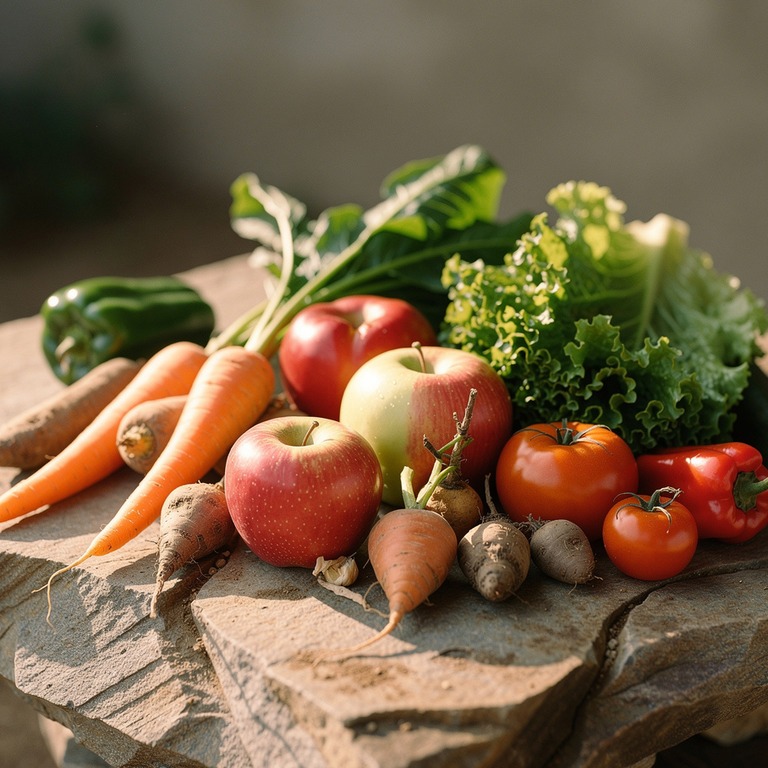
- Lean toward minimally processed foods. Fresh produce, whole grains, legumes, and unprocessed proteins remain the foundation. Nothing new here, but the science keeps pointing back to the same place.
- Read labels with a specific eye. If sodium nitrite, potassium nitrate, or sulfites keep appearing on the ingredient lists of things you eat every day, that's the pattern worth adjusting. Occasional exposure is different from daily exposure.
- Balance convenience honestly. Packaged food exists because life is busy. Use it strategically. Just don't let it become the default across every meal and snack.
- Cook at home when you realistically can. Not every night. Not gourmet. Even something as basic as roasted vegetables with olive oil, or overnight oats prepped the night before, cuts your cumulative additive load without much effort.
The bigger picture — food, body, and what we're really doing to ourselves
There's something worth naming here that goes beyond the specifics of any one preservative. A lot of us are quietly aware that the modern food environment isn't doing us any favors, and yet we push that awareness down because it feels overwhelming to act on. Studies like this one make it harder to keep pushing it down, which is uncomfortable — but probably useful.
People who spend time in retreat settings, plant-medicine work, or serious contemplative practice often report a shifted relationship with food afterward. Not through some mystical download, but because sustained attention to the body tends to make you notice what it actually feels like to eat certain things. The bloating. The energy crash. The strange fatigue after a highly processed meal. Many people leave these experiences quietly rearranging their pantry without anyone telling them to.
You don't need a ceremony to make the same choices. But the underlying principle — pay attention to what you're putting in, and to what your body says back — is the same either way.

What to take away without spiraling
This study is one of the more careful looks at preservatives and long-term cancer risk to date. It doesn't say every additive is dangerous. It doesn't say packaged food is poison. What it does say is that not all preservatives are equal, and a handful of them show consistent enough associations with cancer risk to warrant paying attention.
Being thoughtful about which additives show up most often in your week is a modest, doable step. It costs nothing. It doesn't require an overhaul. It just requires flipping the package over now and then and making a slightly different choice when it's easy to do so.
For readers who find that questions about the body, food, and long-term health lead them toward deeper self-inquiry, a range of plant-medicine and wellness retreats supporting that kind of reset can be browsed on our marketplace here. The path to feeling better is usually made of small choices repeated for years, and sometimes a longer pause to reset the whole system. Both count.



Craving More Stories?
Join our ShopAyahuascaRetreats newsletter for the latest updates on thrilling
destinations and inspirational tales, delivered straight to your inbox!
We value your privacy. Your email address will never be shared or published.