 English
 Deutsch
 Français
 Nederlands
 Español
SHOP AYAHUASCA RETREATS BLOG
Should You Try Psilocybin or Other Psychedelics After Ibogaine?

Lila Novak
August 2, 2026
Your ultimate guide to discover transforming ayahuasca and psychedelic experiences. Dive into serene destinations and elevate your consciousness to unparalled heights.
Discover Ayahuasca & Psychedelic Retreats NowSearch for ayahuasca & psychedelic retreats
Discover retreats, trainings, and holidays from all over the world
You made it through ibogaine. Maybe it was a clinic in Mexico, maybe a quiet retreat somewhere south of the border where the walls hummed for thirty-six hours and you swore, halfway through, you'd never do anything like it again. Then the visions ended. The withdrawal was gone. And now, a few months down the line, you're wondering whether ayahuasca, psilocybin, or another psychedelic should be part of what comes next.
It's one of the most common questions I get from people in early recovery, and it deserves a real answer rather than a shrug. Because the truth is, plant medicine and psychedelics aren't a single lane — they're a whole neighborhood of very different substances, each with its own personality, risk profile, and relationship to addiction. Stacking them thoughtfully can deepen the work ibogaine started. Stacking them carelessly can undo it.
Here's how I'd think about it if I were you.
Why People Reach for a Second Medicine After Ibogaine
Ibogaine is often described as the reset button. That's a decent metaphor for what happens neurochemically — opioid receptors get scrubbed, withdrawal disappears in a way that still stuns researchers, and cravings frequently fade for weeks or months. But ibogaine is also famously punishing. Most people don't want to sit with it twice.
What ibogaine doesn't always deliver is what the shamans in the Amazon would call soul work. The long slow rebuilding of a self that isn't organized around the substance. The grief that shows up when you're finally sober enough to feel it. The old trauma that no longer has a chemical lid on it. This is where people start looking around at psilocybin, ayahuasca, San Pedro, or 5-MeO-DMT — hoping a second medicine can meet them where ibogaine left off.
That instinct isn't wrong. It just needs to be handled with more care than most people give it.
What Each Medicine Actually Does (Roughly)
A quick tour, because the differences matter more than most retreat websites let on:
- Psilocybin mushrooms — gentler than ayahuasca, shorter than ibogaine (four to six hours), and increasingly the substance of choice in clinical trials for depression and end-of-life anxiety. Good for emotional processing, less intense somatically. Set and setting still matter enormously.
- Ayahuasca — the Amazonian brew of Banisteriopsis caapi and chacruna. Long, physically demanding, often includes purging. Master-plant tradition treats it as a teacher rather than a drug. Powerful for addiction and trauma, but not something to do casually two months out of a detox.
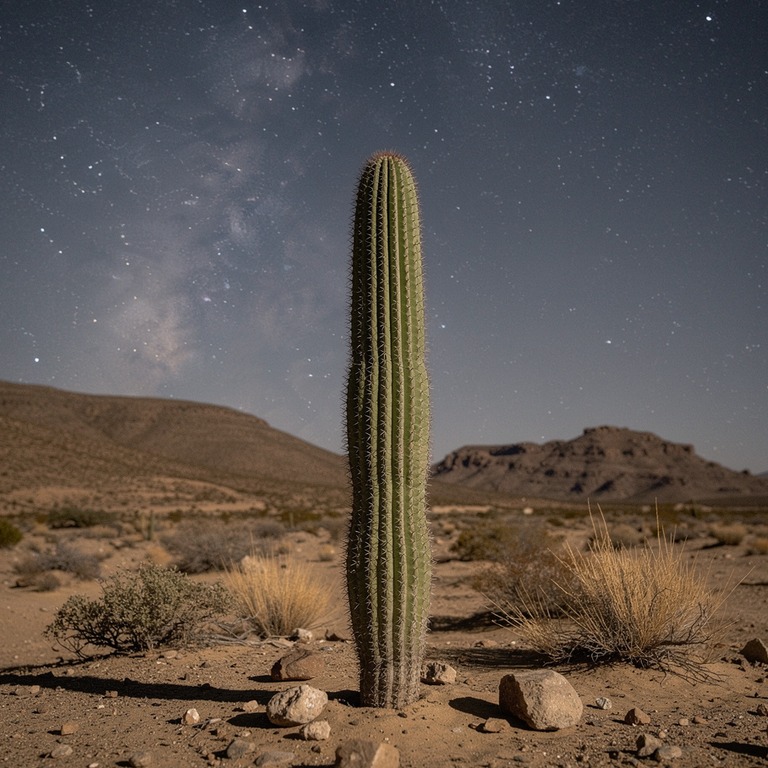
- San Pedro / huachuma — the mescaline-containing cactus. Softer, longer arc (eight to twelve hours), often experienced as warm and heart-opening rather than confrontational. Many people find it a gentler bridge than ayahuasca.
- 5-MeO-DMT / bufo — the shortest and most intense. Fifteen to thirty minutes, but the ego-dissolution can be total. Not a great fit for someone who's still emotionally raw or unstable.
- Kambo — not a psychedelic at all, but often bundled with plant-medicine work. A frog secretion applied to small burns on the skin. Purgative, immune-modulating, brutal in a short burst. Some people love it, some never go back.
None of these is a direct substitute for the others. Choosing between them is a bit like choosing between therapists — the substance matters, but so does the practitioner, the setting, and where you are in your own arc.
Can Psychedelics Actually Help With Addiction?
Short answer: yes, and the research is finally catching up to what indigenous traditions have known for a long time. Johns Hopkins has published trial data on psilocybin for alcohol and tobacco dependence with response rates that make conventional treatments look modest. Ayahuasca has been studied in the context of cocaine and crack addiction in Brazil, with promising signals. Ibogaine's track record with opioid dependence is the reason you probably tried it in the first place.
But — and this matters — the trials that show the strongest results all pair the medicine with something else. Preparation. Integration. Therapy. A group. A structure. The substance is a catalyst, not the cure. People who treat psychedelics like a supplement they can just stack on their existing life tend to have flat, disappointing experiences at best, and destabilizing ones at worst.
If you're considering a second medicine specifically to support recovery, the question isn't really which one. It's whether you've built the container around it — the therapist, the sober community, the integration practice — that lets the medicine actually do its job.
Timing: How Long Should You Wait After Ibogaine?
This is where I see people make the most mistakes. Ibogaine has a long tail. Its main metabolite, noribogaine, stays in the body for weeks and continues acting on receptors long after the visions have faded. Doing another psychedelic too soon — especially anything serotonergic like psilocybin or ayahuasca — can produce unpredictable effects and put unnecessary strain on the heart.
Most experienced practitioners suggest waiting at least three to six months before layering in another psychedelic. Some say a year. The window isn't just pharmacological — it's psychological. The first few months post-ibogaine are when the door is open, when new habits either take root or don't. Reaching for another big experience during that window can actually short-circuit the integration you most need.
The people I've seen do best with a second medicine are the ones who spent that first stretch doing unglamorous work: therapy, exercise, sleep, boring dinners with sober friends, journaling that nobody reads. Then, when the ground felt solid, they went back in.
How to Choose a Retreat If You Decide to Go
Once you've decided a psychedelic retreat makes sense as a next step, the choice of where to go matters more than the choice of substance. A well-run psilocybin retreat will do more for you than a sloppy ayahuasca ceremony, and vice versa. A few things I'd look for:
- Medical screening. Any retreat that doesn't ask about your medications, your cardiac history, or your recent ibogaine experience is not one I'd trust. Serotonergic medicines interact badly with SSRIs and MAOIs. Your recovery status is not a footnote — it's central information.
- Real integration support. Not a WhatsApp group. Not one call with a coach. Ongoing, structured integration — ideally with someone who understands both psychedelics and addiction — is the difference between a memorable weekend and a lasting shift.
- Facilitator lineage and training. Ask who runs the ceremonies, how they were trained, and how long they've been doing this. In the ayahuasca world in particular, tradition matters. In the psilocybin world, clinical background matters.
- Honest conversation about risk. If a retreat promises healing, run. If they talk about risks, contraindications, and the possibility of a difficult experience, listen closely.
- Sober-friendly community. Some retreats are heavy on the party-adjacent crowd. That's not what you need. Look for places that attract people doing serious inner work, especially people in recovery.
The Honest Caveats
Not every recovery story needs a second medicine. Plenty of people do ibogaine, do the integration work, and never touch another psychedelic. That's a legitimate path. The romanticism around plant medicine can push people toward more experiences when what they actually need is more time.
There's also the matter of trading addictions. I've watched a few people slide from opiate dependence into a kind of psychedelic tourism — always chasing the next ceremony, the next breakthrough, the next facilitator. That's a pattern worth naming honestly. Master plants, in the traditions they come from, aren't meant to be collected like passport stamps.
And a small legal note: in most of the United States and Europe, ayahuasca, psilocybin, and 5-MeO-DMT remain controlled substances. There are exceptions — Oregon and Colorado have psilocybin frameworks in various stages, some religious ayahuasca use is protected, and the international retreat scene continues to grow. But this is a landscape worth researching country by country before you book a flight.
Where That Leaves You
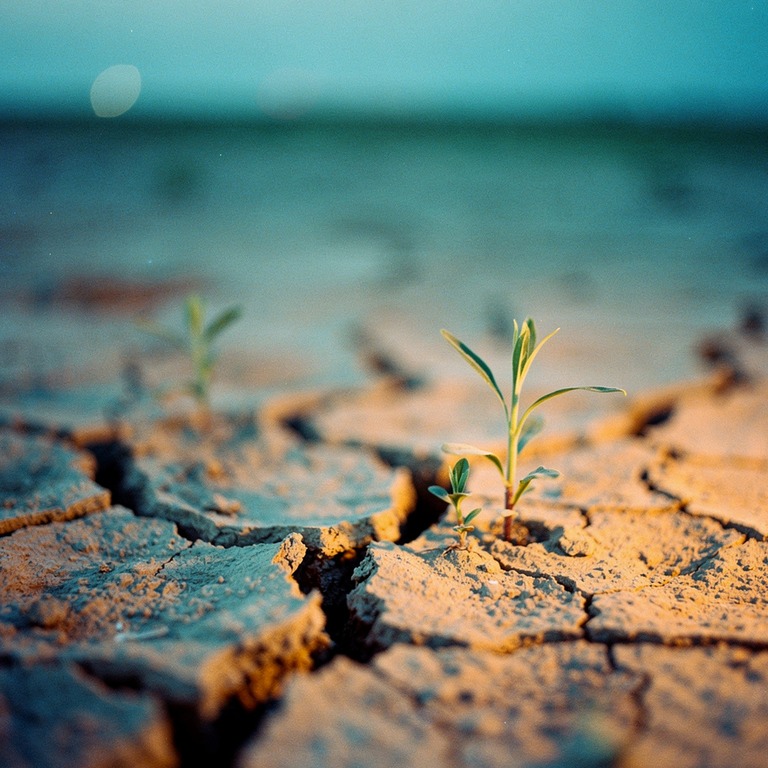
If you're a few months past ibogaine, feeling steadier, and sensing that another layer of work wants to happen — that's a real signal worth honoring. Just slow down enough to build the container first. Talk to a therapist who understands psychedelics. Talk to people who've done what you're considering. Sit with the question long enough that the answer stops feeling urgent.
For readers who want to explore this further, a curated selection of psilocybin, ayahuasca, and other plant-medicine retreats can be browsed on our marketplace here. Take your time with the choice — the medicine will still be there when you're ready.


Craving More Stories?
Join our ShopAyahuascaRetreats newsletter for the latest updates on thrilling
destinations and inspirational tales, delivered straight to your inbox!
We value your privacy. Your email address will never be shared or published.