 English
 Deutsch
 Français
 Nederlands
 Español
SHOP AYAHUASCA RETREATS BLOG
Psychedelics as Medicine: Where Psilocybin, MDMA and Ayahuasca Stand Now

Finn Ashton
May 20, 2026
Your ultimate guide to discover transforming ayahuasca and psychedelic experiences. Dive into serene destinations and elevate your consciousness to unparalled heights.
Discover Ayahuasca & Psychedelic Retreats NowSearch for ayahuasca & psychedelic retreats
Discover retreats, trainings, and holidays from all over the world
A few years ago, suggesting that magic mushrooms might be on a regulatory glide path toward becoming an approved medicine would have gotten you a polite eye-roll at most dinner parties. Today, that same conversation is happening at Davos, in peer-reviewed journals, and in the offices of biotech investors who quietly want a piece of the action. Psychedelics — once shorthand for sixties counterculture — have re-entered medicine through a side door, and they brought ayahuasca, psilocybin, MDMA and a few other plant-based and synthetic compounds with them.
If you're somewhere on the spectrum between curious and quietly desperate — maybe weighing a retreat for depression, addiction, or trauma that hasn't budged with conventional care — it's worth understanding what's actually going on. Not the hype version. The real one.
How Psychedelics Quietly Became a Serious Mental-Health Conversation
The shift didn't happen overnight. It started with small, almost stubborn pilot studies. Cancer patients facing terminal diagnoses were given a single supervised dose of psilocybin and many of them described, weeks later, that their fear of dying had loosened its grip. Combat veterans with treatment-resistant PTSD sat through MDMA-assisted therapy sessions and reported that the intrusive flashbacks finally let them sleep. And people with depression that hadn't responded to multiple antidepressants tried ayahuasca in clinical settings — the same brew Amazonian healers have used for generations — and some of them came out the other side genuinely different.
That's the pattern researchers keep pointing at. These compounds appear to do something for the people who haven't been helped by anything else. And the dose required to see results is, in most cases, startlingly small. One or two supervised sessions. Not a daily pill for life.
The phrase that keeps coming up among scientists in the field is cautious optimism. As one prominent neuroscientist at Imperial College London put it during a session on the new science of psychedelics: the climate's looking good. Which, coming from a researcher who has spent his career on this, is roughly the equivalent of a normal person yelling from a rooftop.
What Psilocybin and MDMA Are Actually Being Studied For
Two compounds are leading the regulatory pack, and they treat very different things.
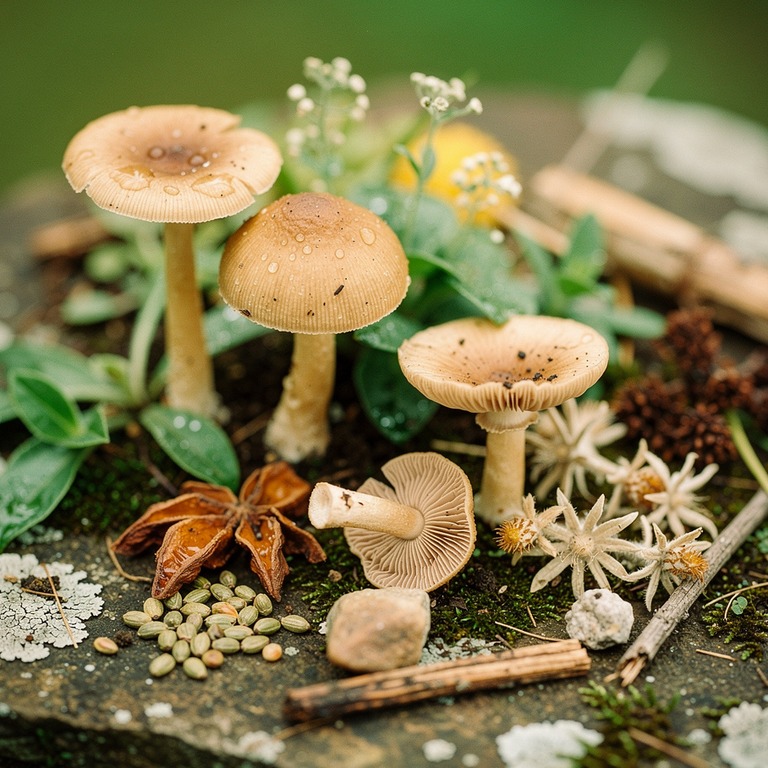
Psilocybin — the active molecule in magic mushrooms — has shown its sharpest results in severe depression, particularly the treatment-resistant kind where someone has tried four, five, six different antidepressants without meaningful change. In supervised sessions, a single dose alongside therapy seems to crack something open. Not a cure, exactly. More like a window that lets the patient see their own situation from outside it, long enough to make the changes that the depression had been blocking.
MDMA — yes, the same molecule that's been dancing through clubs for forty years — is being studied as an adjunct to talk therapy for post-traumatic stress disorder. The drug doesn't do the work alone. It quiets the fear response just enough that the patient can actually talk about what happened without dissociating or shutting down. The therapist does the rest.
Other compounds are on the docket too. Ketamine, a partial psychedelic, is already being prescribed off-label for depression in many countries. Ibogaine — derived from an African shrub — is being explored for opioid addiction, often in retreat settings outside the US because of its legal status. And ayahuasca itself, the South American brew of Banisteriopsis caapi vine and DMT-containing leaves, has its own growing research footprint, especially around depression and addiction.
Are Plant Medicines Really Useful for Addiction?
This is the question I get asked most, usually in a quieter voice than the others. The honest answer: the evidence is genuinely promising, but it's also still early, and the gap between a clinical trial and a jungle retreat is wider than people want to admit.
What we know:
- Psilocybin trials for alcohol use disorder and tobacco dependence have shown surprisingly strong abstinence rates compared with standard care.
- Ibogaine has been used for decades — often informally, often outside the US — to interrupt opioid dependence, with anecdotal results that sound miraculous and a safety profile that demands serious medical screening.
- Ayahuasca has a long traditional history of helping people with what curanderos call master plants — including in the context of compulsive behaviour and substance dependence.
The mechanism, as best researchers can tell, isn't that the substance scrubs the addiction away. It's that a well-prepared psychedelic experience seems to give people a kind of bird's-eye view of their own life — their relationships, their pain, the patterns they've been re-enacting. From up there, the addiction often looks less like an identity and more like a strategy that stopped working. That insight is what people then carry into the difficult work of staying changed.
None of this means a single ceremony will fix anything. People who do well with plant medicine for addiction almost always combine it with therapy, community, and a meaningful change in daily life. The retreat is a pivot point, not a finish line.
What the Realistic Risks Look Like
I'd be doing you a disservice if I painted this as risk-free. It isn't, and reputable facilitators will say so before they say anything else.
A few things worth knowing if you're considering a psychedelic retreat:
- The experience itself can be hard. People who take psilocybin for anxiety often describe an intensely anxious passage before the therapeutic relief kicks in. Ayahuasca ceremonies routinely include physical purging, emotional confrontation with old wounds, and stretches that feel genuinely difficult.
- Some people shouldn't do it. A personal or family history of schizophrenia or bipolar I disorder is generally considered a hard contraindication for classical psychedelics. So is unstable cardiac disease, certain medications (notably SSRIs and MAOIs), and acute psychiatric crisis.
- The facilitator matters more than the molecule. A skilled, experienced facilitator in a well-run setting is the single biggest predictor of a safe experience. A weekend ceremony run by someone with vague credentials is where things go wrong.
- Integration is not optional. The weeks after a ceremony — the conversations, the journaling, the therapy, the slow process of bringing insights into daily life — are where the actual healing tends to live. Retreats that send you home with a hug and no follow-up are missing the most important part.
What to Look for if You're Considering a Retreat
Assume you've decided this is worth exploring. Here's the rough shape of due diligence I'd want you to do before handing over any money.
Medical screening. A serious retreat will ask about your medications, mental-health history, cardiovascular health, and family psychiatric history before they'll take your deposit. If the intake process is just a credit card form, that's a red flag. Move on.
Facilitator lineage and training. Whether the leaders trained in a traditional Amazonian context, a Western therapeutic model, or both, they should be able to explain it clearly. Vague answers — "I've been called to this work" without specifics — are worth pausing on.
Group size and ratio. Twelve participants with two facilitators is reasonable. Thirty participants with two facilitators is a crowd, not a ceremony. Ask before you book.
What happens after. Is there integration support included? A group call two weeks out? Recommended therapists in your home country? The aftermath is where many people quietly struggle, and the best retreats build for it.
Honest pricing. A well-run plant-medicine retreat generally runs somewhere between $1,500 and $5,000 for a week, depending on country, accommodation, and reputation. Substantially cheaper often means corners cut. Substantially more expensive often means you're paying for thread count, not better outcomes.
Where This Is All Heading
The current expectation among researchers is that the first formally approved psychedelic medicine — most likely psilocybin for severe depression, or MDMA for PTSD — will be available through regulated clinical channels within the next few years in several countries. The investment money has arrived. The clinical evidence keeps strengthening. The cultural conversation has shifted from are these drugs? to how do we deliver them responsibly?
That doesn't mean retreats become obsolete. For many people — especially those drawn to traditional Amazonian ceremonies, or those whose conditions don't map neatly onto a clinical diagnosis — the retreat path will remain meaningful long after psilocybin shows up at the local clinic. The two worlds are different doors into related rooms.
What's changed is that the conversation is finally serious. You're no longer choosing between fringe ceremony and skeptical doctor. You're choosing among several legitimate paths, each with its own trade-offs, and you get to pick the one that fits your situation.
If something here speaks to you, the ayahuasca and psychedelic retreats discussed across the wider plant-medicine community can be browsed and booked on our marketplace here. Take your time with the decision. The medicine isn't going anywhere, and the right retreat for you is the one you booked after asking every question, not the one you booked because the calendar pressured you into it.
Craving More Stories?
Join our ShopAyahuascaRetreats newsletter for the latest updates on thrilling
destinations and inspirational tales, delivered straight to your inbox!
We value your privacy. Your email address will never be shared or published.