 English
 Deutsch
 Français
 Nederlands
 Español
SHOP AYAHUASCA RETREATS BLOG
Microdosing Ibogaine: What Really Happens Between the Big Ceremonies

Lila Novak
August 2, 2026
Your ultimate guide to discover transforming ayahuasca and psychedelic experiences. Dive into serene destinations and elevate your consciousness to unparalled heights.
Discover Ayahuasca & Psychedelic Retreats NowSearch for ayahuasca & psychedelic retreats
Discover retreats, trainings, and holidays from all over the world
Somewhere between the flood-dose ibogaine ceremony most people picture — the 24-hour visionary marathon in a Mexican clinic with an EKG monitor beeping in the corner — and the daily grind of ordinary life, there's a quieter conversation happening. It's about microdosing iboga. Not the big reset. The slow drip.
I've spent enough time around plant medicine circles to know that when a topic starts popping up on obscure forums and in DMs from people I've interviewed, it's worth taking seriously. Microdosing ibogaine and its root-bark cousin, iboga, has gone from fringe curiosity to something people quietly experiment with for addiction recovery, depression, and the kind of low-grade psychological stuckness that doesn't quite qualify as a diagnosis but still ruins your Tuesdays. So let's talk about it honestly — what it is, what it isn't, and what you should actually know before you go anywhere near it.
What Microdosing Iboga Actually Means
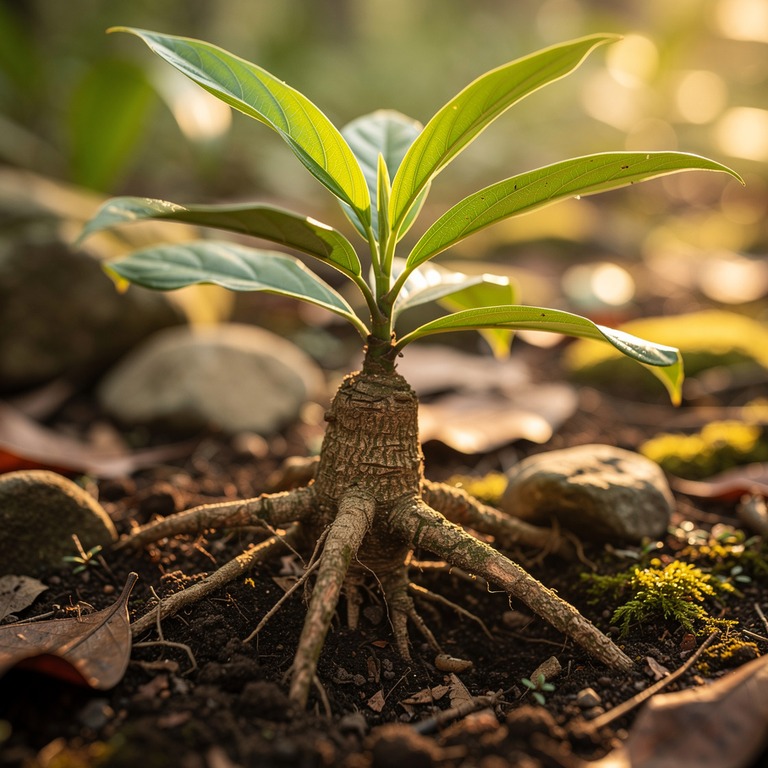
First, the vocabulary. Ibogaine is the isolated alkaloid — the one most people associate with addiction interruption, the one that gets administered in medical settings for opioid dependence. Iboga is the root bark of Tabernanthe iboga, a shrub sacred to the Bwiti tradition of Gabon and Cameroon. The root contains ibogaine plus a whole orchestra of other alkaloids that shift the experience in ways researchers are still trying to characterize.
A microdose, in this context, usually means something between 50 and 300 milligrams of root bark, or a much smaller amount of purified ibogaine HCl. That's a fraction of a ceremonial dose. You're not going to lie down for eighteen hours and watch your life play out on the ceiling. You're supposed to remain functional — able to work, drive, talk to your mother without alarming her.
The rhythms people report vary wildly. Some take a small amount every third day for a few weeks. Some do a weekly ritual dose slightly above true microdose territory. Others front-load with a moderate dose over a weekend and then taper. There's no established protocol the way there is with psilocybin microdosing, which itself isn't exactly settled science.
Why People Are Trying It — Especially for Addiction
The big reason iboga entered the Western psychedelic conversation at all was addiction. Specifically, opioid addiction. There's a striking body of anecdotal and preliminary clinical evidence suggesting that a single high dose of ibogaine can dramatically reduce withdrawal symptoms and interrupt craving cycles. That's the headline, and it's the reason people fly to Mexico or Costa Rica for treatment they can't legally get in the U.S.
But the flood-dose model isn't for everyone. It's medically demanding. Ibogaine affects the heart's electrical rhythm — specifically the QT interval — and people have died from it, mostly when proper cardiac screening was skipped. That risk drops dramatically at microdose levels, though it doesn't disappear. This is why some people in early recovery, or people managing depression that hasn't responded to conventional treatment, are drawn to the smaller-dose approach. Less risk, less time off work, less intensity to prepare for.
What do they report? A common thread is a kind of muted craving. Alcohol, nicotine, and stimulant users describe the pull losing its urgency — not vanishing, but quieting. Others describe an odd emotional clarity, like a fog lifting from decisions they'd been avoiding. Some people notice better sleep. Some notice worse sleep. Some notice nothing at all and stop after two weeks, wondering what the fuss was about.
The Risks Nobody's Putting on a Poster
Here's where I have to slow down and be honest, because a lot of the online chatter about iboga microdosing has the same tone as early-2010s bulletproof-coffee enthusiasm, and iboga is not bulletproof coffee.
The cardiac issue matters even at low doses if you're taking other medications. Ibogaine and its metabolite noribogaine hang around in the body for a long time — weeks, in some measurements. Stacking small doses can create a cumulative load. If you're on SSRIs, methadone, buprenorphine, tramadol, certain antihistamines, or basically anything that also affects heart rhythm or serotonin, mixing them with iboga is genuinely dangerous. Not "consult your doctor" dangerous in a soft, liability-covering way. Dangerous.
A few concrete things worth knowing:
- An EKG before you start is not overkill. It's the bare minimum. A prolonged QT interval is a hard contraindication.
- Sourcing is a mess. Root bark quality varies enormously. Some vendors sell material that's mostly filler. Others sell material that's much stronger than advertised. There's no FDA behind any of it.
- Legally, ibogaine is a Schedule I substance in the United States. It's legal or unregulated in a handful of countries — Mexico, Costa Rica, Portugal, New Zealand under certain conditions — but possession in the U.S. carries serious consequences.
- Iboga is culturally sacred. The Bwiti have been vocal about extraction pressures on the plant and about outsiders treating it like a supplement. That's worth sitting with.
None of this means microdosing is automatically off the table. It means the casual, self-directed approach that works reasonably well for psilocybin is a lot riskier here. If you're going to explore this, do it with medical oversight and preferably alongside a facilitator who actually understands iboga rather than someone who's added it to their menu because it's the current thing.
How This Fits Into a Larger Healing Path
Here's something I've noticed in the years I've been reporting on plant medicine: people who treat microdosing as a standalone fix tend to be disappointed. People who treat it as one instrument in a broader practice — therapy, movement, better sleep, hard conversations they've been avoiding — tend to get more from it.
Iboga in particular seems to work best when it's paired with genuine behavioral change. It's often described as a teacher plant, one that shows you patterns and then expects you to do something about them. Microdosing might soften the grip of a substance or a mood, but the daily choices still have to happen. Nobody's iboga journey ends with the pill bottle.
Many people who explore microdosing eventually find themselves considering a full ceremony — either an ibogaine flood dose in a clinical setting or a traditional Bwiti initiation. Others go the opposite direction: they try a ceremony first, then microdose afterward as part of integration. Both paths make sense depending on what you're working with.
Who Should Probably Skip It (For Now)
Let me be blunt. Iboga microdosing is probably a bad idea if:
- You have a personal or family history of heart arrhythmia, long QT syndrome, or cardiac disease.
- You're currently on antidepressants, opioid replacement therapy, or MAOIs, and you're not planning to work with a doctor to safely taper before starting.
- You have active liver or kidney disease — the metabolism of ibogaine puts real load on both.
- You're pregnant, breastfeeding, or trying to conceive.
- You have a history of psychosis or severe dissociative episodes.
- You're looking for a shortcut around therapy or lifestyle change rather than a supplement to it.
That last one is the softest but maybe the most important. If the honest answer to "why do I want to do this" is "because I don't want to sit with anything hard," iboga will not cooperate. It has a reputation for showing people exactly what they're trying to avoid.

Questions to Ask Before You Try Anything
If you've weighed the risks and you're still curious, a few questions worth answering honestly before you take a single milligram:
- Do I have a real support system — friends, a therapist, a physician — who knows what I'm doing?
- Have I had a recent EKG, and does anyone qualified know what my baseline looks like?
- What am I actually hoping to change, and would I recognize that change if it happened?
- What's my plan if things get harder before they get easier? Because that's often how it goes.
- Am I approaching this plant with some respect for where it comes from and who's been using it long before I heard of it?
These aren't rhetorical. Write the answers down. Read them back to yourself in a week. If they still hold up, you're in better shape than most people who try this.
Where Retreats Fit In
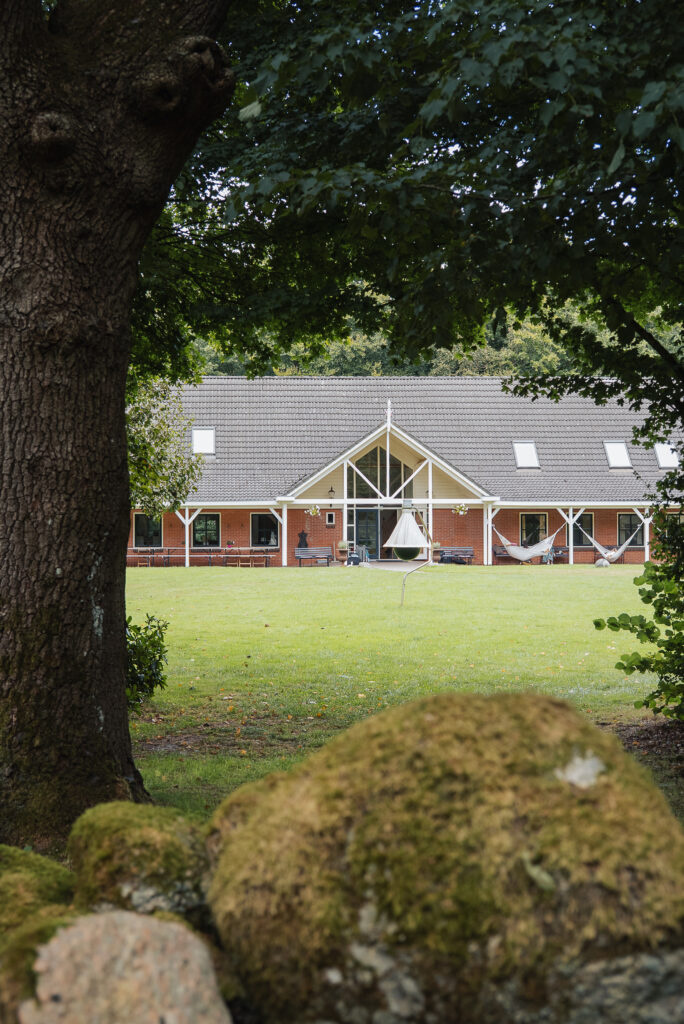
For a lot of people, the safest and most useful entry point isn't a bottle of powder ordered from a website of unclear provenance. It's a supervised retreat with medical screening, an experienced facilitator, and structured integration afterward. Even if you're primarily interested in microdosing, spending time in a properly run iboga or ibogaine setting gives you a baseline to work from — you understand what the medicine feels like in your body before you start experimenting on your own kitchen counter.
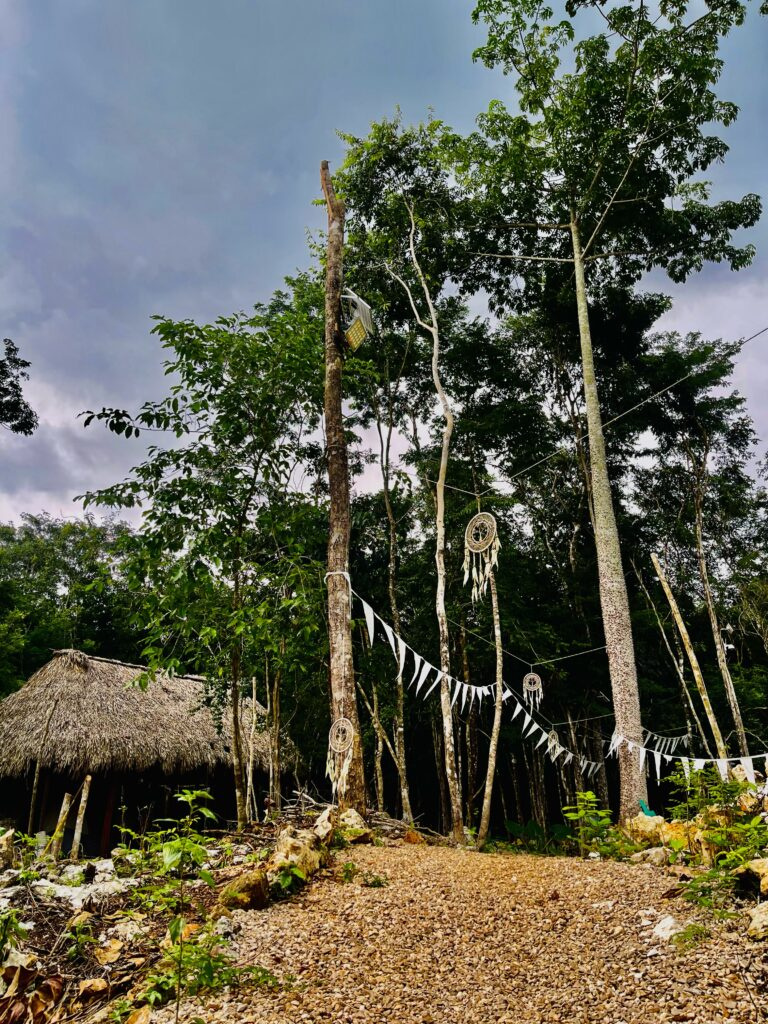
Cost, location, and philosophy vary enormously. Clinical ibogaine centers in Mexico focused on addiction interruption operate very differently from traditional Bwiti retreats in Gabon, which operate differently again from hybrid centers in Costa Rica or Portugal that blend clinical safety with ceremonial context. If you'd like to see what's actually out there and compare programs that take screening and aftercare seriously, a curated selection of iboga and ibogaine retreats can be browsed on our marketplace here.
Whatever direction you go, take your time. Iboga has been around for a very long time, and it will still be there next month if you decide you need another month to think.
Craving More Stories?
Join our ShopAyahuascaRetreats newsletter for the latest updates on thrilling
destinations and inspirational tales, delivered straight to your inbox!
We value your privacy. Your email address will never be shared or published.