 English
 Deutsch
 Français
 Nederlands
 Español
SHOP AYAHUASCA RETREATS BLOG
Mescaline vs LSD and Psilocybin: How San Pedro and Peyote Really Compare

Stella Vance
September 14, 2026
Your ultimate guide to discover transforming ayahuasca and psychedelic experiences. Dive into serene destinations and elevate your consciousness to unparalled heights.
Discover Ayahuasca & Psychedelic Retreats NowSearch for ayahuasca & psychedelic retreats
Discover retreats, trainings, and holidays from all over the world
Ask ten people who've sat with mescaline, LSD, and psilocybin to describe the differences, and you'll get ten answers that overlap in strange ways. The three medicines are cousins in the classical psychedelic family, but they don't behave alike — not in the body, not in the mind, and definitely not in ceremony. If you're weighing a San Pedro or peyote retreat against a psilocybin container, or you're just trying to understand where mescaline fits in the wider world of psychedelics and plant medicine, the honest comparison matters more than the marketing.
I've spent time around all three in retreat settings, talked with facilitators who've held decades of ceremonies, and interviewed people who came to master plants looking for help with addiction, depression, and stuck life patterns. What follows isn't a lab report. It's a working map — the kind of thing I wish someone had handed me before my first huachuma day.
What Mescaline Actually Is
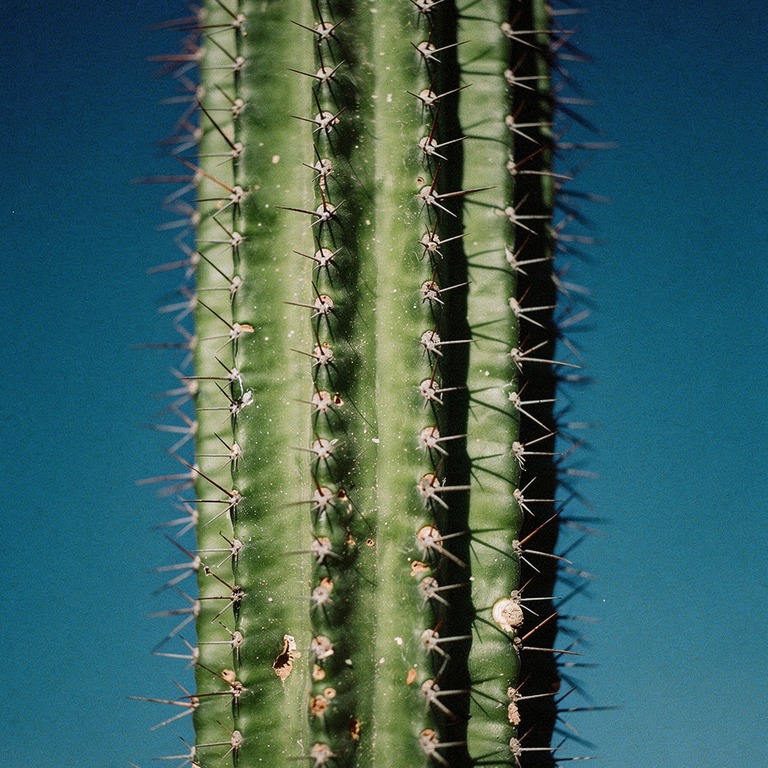
Mescaline is the active alkaloid in a small handful of cacti — most famously peyote (Lophophora williamsii) from northern Mexico and the American Southwest, and San Pedro (Echinopsis pachanoi, also called huachuma) from the Andes. Both have been used ceremonially for thousands of years. Peyote is central to the Native American Church and to Wixárika traditions. San Pedro shows up in Peruvian curanderismo, often paired with — or offered as a gentler counterpart to — ayahuasca.
Chemically, mescaline is a phenethylamine, which puts it in a different structural family than LSD (a lysergamide) and psilocybin (a tryptamine). All three hit serotonin receptors, especially 5-HT2A, which is why they share the broad psychedelic signature. But structure matters. Mescaline's phenethylamine backbone gives it a body-forward, heart-forward quality that regular users tend to describe in almost affectionate terms. It's the medicine people call warm.
Doses in ceremony are large by weight — often several hundred milligrams of pure mescaline, or a full cup or two of thick, bitter San Pedro brew. Onset is slow. Duration is long. Both of those facts shape everything else about the experience.
How Mescaline Compares to LSD
LSD is the sharpest of the three. It comes on with a kind of electric brightness — colors crisp up, thoughts start moving fast, and there's often a sense that you're inside a very clean, very geometric machine. Twelve hours is a long time to be in that machine, and part of why LSD gets a mixed reputation in therapeutic settings is that it can feel relentlessly mental. Great for creative work. Sometimes rough for grief work.
Mescaline runs a different program. The visuals are softer — more organic, more painterly, less crystalline. Time doesn't compress the way it can on acid; it stretches. And the emotional tone tends to sit closer to the chest than the head. People often report a persistent sense of gratitude, or of being loved by the landscape they're sitting in. That's not a spiritual claim on my part — it's just what participants say, over and over, in different words.
A few practical differences worth knowing:
- Duration: LSD runs 8–12 hours. Mescaline runs 10–14, sometimes longer with San Pedro.
- Body load: LSD is usually light on the body once it settles. Mescaline is heavier — nausea in the first two hours is normal, especially with the raw cactus brew.
- Headspace: LSD tends toward the abstract and analytical. Mescaline tends toward the emotional and relational.
- Come-down: LSD often has a long, wired tail. Mescaline usually eases you down gently, and many people sleep well the following night.
How Mescaline Compares to Psilocybin
Psilocybin — the compound in magic mushrooms — is closer in feel to mescaline than LSD is, but the two still diverge in important ways. Mushrooms have an earthier, sometimes darker character. They can be playful at low doses and genuinely confrontational at high ones. The mushroom voice, as people who work with them often call it, has opinions. It'll show you what you've been avoiding, and it won't necessarily wait until you're ready.
Mescaline is patient. That's the word I keep coming back to. Where mushrooms might drop you into a difficult passage within the first hour, San Pedro tends to walk you toward it over the course of a full afternoon. There's more room to breathe. More room to look at what's coming and choose how to meet it. For people carrying heavy trauma or addiction histories, that pacing can matter enormously.
Duration is another meaningful difference. A psilocybin journey usually wraps in five or six hours. A mescaline day is essentially the whole day — you drink at sunrise, you're deep in it by mid-morning, and you're still processing at dusk. That length changes what's possible. Long insights have time to unfold. Grief has time to move through and complete. But it also means you need to clear the whole day, ideally the day after too, and you need a container that can hold you that long.
Which One Is Better for Healing Work?
This is the question people actually want answered, and the honest reply is: it depends on what you're bringing to the medicine. I've watched mescaline do remarkable things for people stuck in cycles of self-criticism, chronic anxiety, and low-grade depression that never quite lifts. Its heart-opening quality gives people access to self-compassion that talk therapy alone can spend years chasing. For grief, it's often extraordinary.
For addiction, the picture is more layered. Ibogaine has the strongest reputation for interrupting opioid dependency specifically. Ayahuasca has decades of anecdotal and growing clinical evidence for alcohol and stimulant patterns. Psilocybin has serious trial data behind it for tobacco cessation and depression. Mescaline sits a little quieter in that conversation, partly because it's been less studied and partly because peyote is a protected sacrament in many Indigenous traditions, which rightly limits how casually it can be used. San Pedro is more available in retreat settings and does show up in recovery work, often as a complement to other medicines rather than a standalone solution.
A few honest considerations before you choose:
- Cardiovascular health: Mescaline raises heart rate and blood pressure. If you have any cardiac history, get properly screened before considering it.
- Medication interactions: SSRIs blunt the experience and can create risk. Any facilitator worth their salt will ask about this — if they don't, walk away.
- Setting matters more than you think: A ceremony held by someone with genuine lineage, in a place designed for it, is a fundamentally different experience than the same dose in a hotel room.
- Integration is the actual work: The medicine shows you something. What you do in the weeks and months afterward is what changes your life.
Choosing Between a Mescaline, LSD, or Psilocybin Container
You can't legally attend an LSD retreat in most of the world, which narrows the practical field to psilocybin (in a growing handful of legal jurisdictions), ayahuasca (legal in Peru, Brazil, Costa Rica, and via specific religious exemptions elsewhere), and mescaline via San Pedro (legal in Peru and some other Andean contexts; peyote is far more restricted). That legal landscape alone shapes what most people actually end up sitting with.
If you're drawn to mescaline specifically, San Pedro retreats in the Sacred Valley of Peru are probably the most accessible legitimate entry point. Many are run alongside ayahuasca programs, which lets you experience both medicines within a single container — a comparison you can't easily get anywhere else. Peyote should be approached with more care and more respect for its Indigenous stewards; there are ceremonial contexts where non-Native participants are welcomed, but they're few, and the cactus itself is in ecological crisis, so the ethical questions are real.
A last note on expectations. None of these medicines is a fix. What they offer is a temporary loosening of the patterns that have been running you — a window in which real change becomes possible if you're willing to do the work on the other side. Mescaline's particular gift is that it tends to open that window slowly and kindly, which for a lot of people is exactly what's needed. For readers who want to take this further, a range of curated mescaline and plant-medicine retreats can be browsed on our marketplace here.
Whatever you choose, choose with your eyes open. Ask hard questions of the facilitators. Talk to people who've sat with them. And give yourself permission to walk away from anything that doesn't feel right — the medicine will still be there when you're ready.

Craving More Stories?
Join our ShopAyahuascaRetreats newsletter for the latest updates on thrilling
destinations and inspirational tales, delivered straight to your inbox!
We value your privacy. Your email address will never be shared or published.