 English
 Deutsch
 Français
 Nederlands
 Español
SHOP AYAHUASCA RETREATS BLOG
How to Choose an Ayahuasca Retreat: A Practical Guide for First-Timers

Stella Vance
May 20, 2026
Your ultimate guide to discover transforming ayahuasca and psychedelic experiences. Dive into serene destinations and elevate your consciousness to unparalled heights.
Discover Ayahuasca & Psychedelic Retreats NowSearch for ayahuasca & psychedelic retreats
Discover retreats, trainings, and holidays from all over the world
So you've read the books. Watched the documentaries. Listened to enough podcast interviews to recognize the names of half a dozen shamans you've never met. And now you're staring at a browser tab full of ayahuasca retreats wondering which one won't end with you having a panic attack in a hammock surrounded by strangers — or worse.
Good. That hesitation is healthy. Choosing where to drink ayahuasca is not the same as choosing a yoga retreat or a beach holiday. The stakes are higher, the variables are murkier, and the marketing photos all look suspiciously similar. After years of sitting in ceremony and talking with facilitators across Peru, Costa Rica, the Netherlands, and a handful of grey-zone spots in North America, I can tell you the difference between a solid center and a sketchy one is rarely obvious from a homepage.
Here's what actually matters when you're picking a place to sit.
Why Safety Has to Be the First Filter, Not the Last
Every center will tell you it's safe. That's the floor, not the ceiling. The real question is whether the operation is built around safety as a structural commitment — medical screening, trained staff, emergency protocols — or whether "safe" is just a word on the About page next to a stock photo of a hummingbird.
Start with the intake process. A reputable retreat will ask you for a detailed medical history before they take your deposit. SSRIs, MAOI interactions, heart conditions, history of psychosis in the family — these are non-negotiable disqualifiers or at minimum require a careful taper protocol. If a center waves through your booking without a real screening conversation, that's a red flag the size of a billboard. Ayahuasca interacts dangerously with a long list of medications and conditions, and any operator who treats that casually is gambling with your nervous system.
Ask about the brew itself. The traditional recipe is two plants: Banisteriopsis caapi (the vine) and chacruna or chaliponga (the DMT-containing leaf). Some centers add other admixtures — toé (Brimadenia grandiflora) being the most concerning. Toé is a powerful and unpredictable plant that can produce terrifying, dissociative experiences and has been linked to genuinely dangerous incidents. You have every right to ask exactly what's in the cup. If the answer is vague or defensive, keep looking.
What to Look for in the Shamans and Facilitators
The person pouring the medicine matters more than the décor of the maloca. Traditional curanderos train for years — often decades — within specific lineages: Shipibo, Cofán, Quechua, Santo Daime, União do Vegetal, and others. Each lineage has its own songs (icaros), its own protocols, its own relationship with the plants. None is inherently better, but they are genuinely different, and a serious center will be transparent about who trained their healers and where.
Look for centers that name their shamans and tell you something about their background. "Our shaman has 30 years of experience" is not enough. With whom? In what tradition? Is there a way to verify any of it? You'd be surprised how many "shamans" in the gringo retreat circuit have, on closer inspection, learned the basics over a weekend and bought a feathered headdress online.
Pay attention to the support team too. A good ceremony usually involves:
- One or more lead curanderos or facilitators holding the space and singing icaros
- Apprentices learning the work, often helping with logistics during the night
- Western-trained facilitators (often the bridge for English-speaking guests)
- Translators if the shaman doesn't speak your language
- Medical personnel on call or on site
- Kitchen staff who actually understand the dieta
The ratio of staff to participants tells you a lot. If there are twenty drinkers and one facilitator, nobody's getting the attention they need when things get hard at 2 a.m.
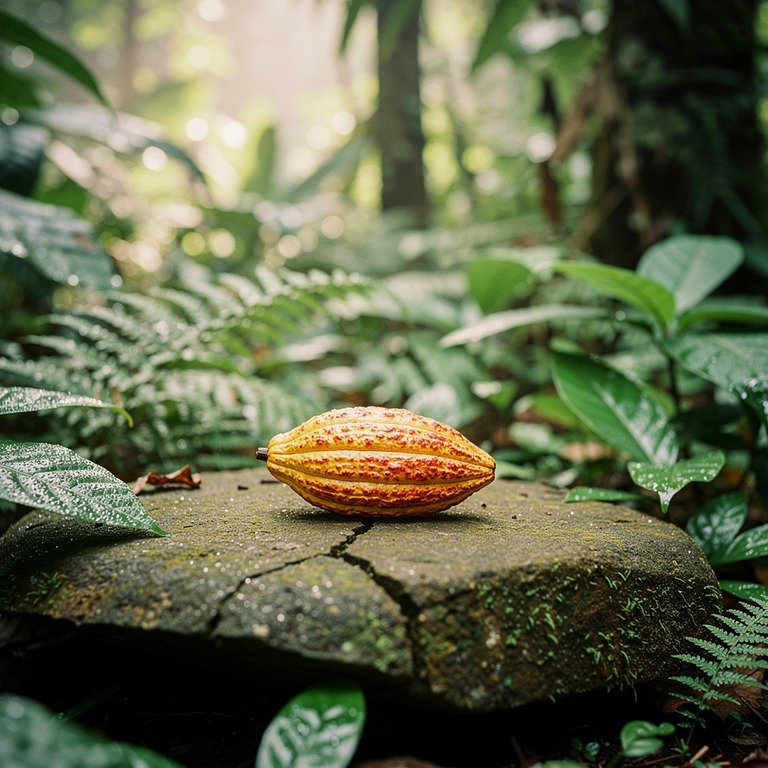
Where in the World to Drink: Peru, Brazil, Costa Rica, or Closer to Home?
Legality is the first thing to sort out, because it shapes everything else. Ayahuasca is fully legal in Peru, Brazil, Ecuador, and Colombia, where it's recognized as cultural heritage or protected through religious-use frameworks. In the Netherlands, the situation is murkier than it used to be — Santo Daime churches have run there for years, but recent court decisions have complicated things. In the United States, ayahuasca remains federally illegal outside of two specific religious exemptions (UDV and Santo Daime), which means any commercial "ayahuasca retreat" operating in the U.S. is doing so without legal cover, no matter what their website implies.
That doesn't automatically make domestic retreats unsafe, but it does mean fewer guardrails. If something goes wrong, the recourse is thinner. Most experienced practitioners I respect still recommend traveling to a country where the medicine is legal and the tradition is rooted.
Peru is the obvious choice for a reason — the Shipibo and mestizo curandero traditions are deep, the infrastructure exists, and the surrounding Amazon is part of the experience. Costa Rica has become a popular middle ground for travelers who want something a bit gentler, more pan-Amazonian or eclectic. Brazil offers the Santo Daime and UDV church contexts, which feel quite different from a jungle retreat. Each setting changes the experience in ways that matter.
One practical note: visiting an exotic country during what may be one of the most psychologically intense weeks of your life is its own variable. Some people thrive on the strangeness. Others find it adds noise they didn't need. Be honest with yourself about which one you are.
Reading Between the Lines on a Retreat Center's Website
Here's where you become a detective. The marketing language on most ayahuasca retreat sites is interchangeable — "sacred space," "ancient wisdom," "profound transformation." Useless. What you want are the specifics that signal real operational competence.
- How long have they been operating? At least a few years is the bare minimum. A decade or more is better. Long-standing centers have made their mistakes and corrected them; new ones are still finding out where the leaks are.
- Do they publish their dieta and preparation guidelines clearly? A serious center will give you a detailed pre-retreat protocol — what to eat, what to stop eating, what medications to taper (under medical supervision), how long in advance. If their prep guide is one paragraph long, that tells you what they think of preparation.
- Do they offer integration support after the retreat? The week or two after you leave is when the real work happens. Centers that disappear the moment you check out are missing half the job.
- Can you talk to a human before booking? Try emailing with a specific question — about medications, about your trauma history, about the brew. The quality and speed of the response is a near-perfect proxy for the quality of the operation.
- What do recent reviews actually say? Not the testimonials on their own site — independent reviews. Look for patterns, not single complaints. Every center has had a bad ceremony or a disgruntled guest; what you're watching for is repeated concerns about safety, sexual misconduct, or pressure to drink more than you wanted.
That last one matters more than people like to admit. There have been credible reports over the years of misconduct by facilitators in this scene — predominantly toward women, predominantly during the vulnerable hours of ceremony. A good center has explicit policies, clear reporting channels, and ideally women on staff who can be approached directly. If you can't find any mention of this kind of safeguarding anywhere on the site, ask. The answer will be informative either way.
The Other Participants Matter More Than You'd Think
You don't get to choose your ceremony-mates, but the center does. Their screening is your screening. A group of eight to fifteen people who've all been carefully vetted will feel completely different from a group of thirty walk-ins who paid the cheapest price they could find.
Group size cuts both ways. Smaller groups (six to ten) tend to feel more intimate and allow more individual attention from facilitators. Larger groups can generate a collective energy that some people find amplifying — the morning sharing circles are richer, the range of experiences more varied. Neither is universally better. Know which one suits your temperament.
For people working specifically with sexual trauma, gender-related wounds, or who simply feel safer in single-gender settings, women-only and men-only retreats exist and are worth seeking out. The container is genuinely different, and for the right person it removes a layer of vigilance that would otherwise eat into the experience.
Preparation and Integration: The Parts Nobody Photographs
The ceremony itself is maybe 20% of the actual work. The dieta beforehand and the integration afterward are where most of the change either takes root or evaporates. A retreat that treats preparation as a formality and integration as an afterthought is selling you a ride, not a process.
Real preparation usually means at least two weeks of clean eating — no pork, no fermented foods, no alcohol, minimal sugar, minimal salt, no recreational drugs, no sexual activity in the final stretch for many traditions. It also means sitting with your intentions. Why are you doing this? What are you actually hoping to look at? "I want to heal" is a starting point, not an answer. Get specific with yourself before the medicine gets specific with you.
Integration is the long tail. The insights from a ceremony are vivid in week one and slippery by week six. Centers that offer follow-up calls, integration circles, recommended therapists, or community access are doing real work. The ones that just hand you a certificate and a t-shirt are not.
None of this guarantees a good experience — ayahuasca is famously its own teacher, and even the best-run retreat can serve up a night that humbles you completely. But choosing carefully tilts the odds. If you're at the stage of seriously comparing options, a range of vetted ayahuasca retreats can be browsed on our marketplace here, which is a reasonable place to start narrowing the field. Take your time with the decision. The plant will still be waiting whenever you're ready.
Craving More Stories?
Join our ShopAyahuascaRetreats newsletter for the latest updates on thrilling
destinations and inspirational tales, delivered straight to your inbox!
We value your privacy. Your email address will never be shared or published.