 English
 Deutsch
 Français
 Nederlands
 Español
SHOP AYAHUASCA RETREATS BLOG
From Wall Street to the Maloca: How One Man Built a Psychedelic Concierge Service for the Stars

Stella Vance
June 15, 2026
Your ultimate guide to discover transforming ayahuasca and psychedelic experiences. Dive into serene destinations and elevate your consciousness to unparalled heights.
Discover Ayahuasca & Psychedelic Retreats NowSearch for ayahuasca & psychedelic retreats
Discover retreats, trainings, and holidays from all over the world
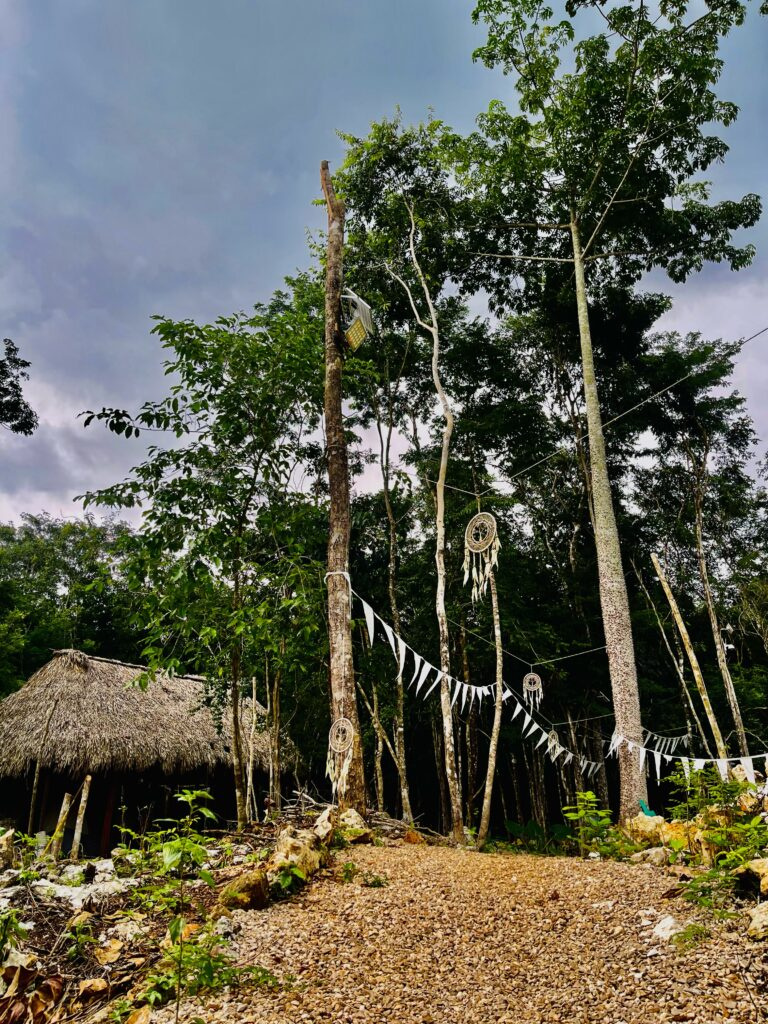
There's a particular kind of person who shows up to an ayahuasca retreat in their late forties carrying a duffel bag and a quiet panic. They've done the things. Built the company, raised the kids, hit the income bracket. And somewhere around the second night of ceremony, sitting cross-legged in a thatched-roof maloca somewhere in the Sacred Valley, they realize they've been chasing the wrong thing for twenty years.
I've sat with a few of them. The story I want to tell you here is one of the louder versions of that script — a former investment banker who flipped his life sideways after his first cup of ayahuasca and now spends his days connecting celebrities, veterans, and curious millionaires with the plant medicines and psychedelic compounds he thinks they need. It's a useful story, even if you have zero interest in being a celebrity, because it surfaces almost every question a serious person should be asking before booking a psychedelic retreat.
The midlife crack-up that started it all
The short version: a guy made a small fortune in the dot-com era buying and flipping premium domain names — the kind of generic single-word URLs that became digital real estate when the internet was still figuring itself out. By any external measure, he'd won. Big house, full bank account, the works.
Then around 2011, he hit what he calls a spiritual midlife crisis. The familiar one. He'd done everything the culture promised would deliver fulfillment, and the fulfillment hadn't shown up. So he flew to Peru, sat with a shaman, drank ayahuasca, and — like a lot of people in that chair — came home rearranged.
That's the part of the story that interests me most, because it's not unique. I've heard versions of it from tech founders, ER doctors, divorced dads, recovering addicts, and one extremely tired oncology nurse. The plant doesn't care about your portfolio. It hands everyone the same mirror.
What does a 'psychedelics concierge' actually do?
After his first ceremony, this entrepreneur started introducing friends to plant medicine. Word spread. Actress wants to try ayahuasca? He'd organize the trip. Retired NBA player struggling with addiction? He'd recommend ibogaine in Mexico, where it's legally accessible, then a ketamine clinic back in Florida for integration. The role evolved into something he describes as a concierge — except instead of asking what kind of cuisine you're into, he's asking what kind of trauma you're carrying.
Here's the thing the celebrity framing tends to obscure: this is essentially the same triage that any honest plant-medicine practitioner does with a new participant. What are you actually here for? What have you tried? What's the intent? The answers shape the recommendation — ayahuasca for the long, mythic, sometimes brutal night journey. Psilocybin for emotional softening. Ibogaine for the addiction-interrupt some research suggests it can produce. Ketamine for clinical depression that hasn't budged with anything else.
Most readers reading this won't have a concierge. You'll be sifting retreat websites at midnight, comparing prices, trying to figure out whether the operation in Iquitos is legit or a tourist trap with a guy in feathers. But the framework applies anyway: start with intent, work backwards to the medicine.
The compounds and what they're actually for
Let me walk through the main players in this story, because they keep getting lumped together as "psychedelics" when they're genuinely different tools.
- Ayahuasca — the Amazonian brew of the Banisteriopsis caapi vine and DMT-containing leaves. Long ceremonies (4-8 hours), often multiple nights, traditionally held with a shaman and icaros. Reputation for trauma work, grief, and what people often describe as ego dissolution. Purging is part of the deal. So is being uncomfortable for stretches of it.
- Ibogaine — derived from the iboga root in West Africa. The standout claim: it can interrupt opioid and stimulant addiction in a single session, often eliminating withdrawal. Also the most cardiovascularly risky compound on this list. Anyone considering it needs a medical workup, an EKG, and a clinic with actual monitoring equipment — not a guy in a converted villa.
- Psilocybin — magic mushrooms. The compound currently getting the most clinical research attention for depression and end-of-life anxiety. Sessions are shorter than ayahuasca (4-6 hours), the experience generally gentler, though "gentler" is relative when you're rearranging your psyche.
- Ketamine — technically a dissociative anesthetic rather than a classical psychedelic, but used at sub-anesthetic doses it produces a brief, dreamlike altered state that has shown striking results for treatment-resistant depression. Legal in the U.S. as an off-label prescription, which is why it's become the front door for a lot of people.
- San Pedro / Huachuma — the Andean cousin of peyote. Long, sun-soaked daytime ceremonies with mescaline as the active ingredient. Often described as gentler and more heart-opening than ayahuasca.
These tools overlap, but they're not interchangeable. Choosing the wrong one for the wrong reason is one of the more common mistakes I see in first-timers.
Can psychedelics really help with addiction?
This is one of the most-searched questions in the space, and it deserves a careful answer.
The case for ibogaine and addiction is the strongest of the bunch. Studies and clinical observations from clinics in Mexico, Costa Rica, and elsewhere suggest a single ibogaine session can interrupt the physical dependency of opioid addiction and produce what users describe as a long, autobiographical "life review" that recontextualizes the addiction itself. It's not a cure. People do relapse. But for some, it's the first crack in a wall they've been throwing themselves at for years.
Ayahuasca and psilocybin have softer evidence for addiction but stronger evidence for the underlying conditions that often drive it — depression, PTSD, chronic shame, unresolved trauma. The thinking in the field is that you're not really treating the addiction; you're treating the reason the person started self-medicating in the first place. Both can be true. People who do plant medicine work alongside therapy and a recovery community tend to fare better than those who treat the ceremony as a one-shot fix.
If you or someone close to you is weighing this for serious addiction, please don't go it alone. The integration matters as much as the ceremony. Probably more.
The legal mess and the workarounds
Most of the substances above remain federally illegal in the United States. That hasn't stopped a wave of legal change at the edges — Oregon's psilocybin services framework, decriminalization in cities like Denver, Oakland, and Detroit, and the slow march of FDA-approved trials for MDMA and psilocybin.
In the meantime, what people actually do is travel. Peru, Costa Rica, the Netherlands (for psilocybin truffles), Mexico (for ibogaine and bufo), Jamaica (for psilocybin) — these are the destinations where the medicines are either legal, regulated, or operating in tolerated grey zones. A reputable retreat will be transparent about its legal standing. A sketchy one will dodge the question or insist you not photograph the property.
Ketamine occupies its own category in the U.S. — it's a legal anesthetic, and clinics offering it off-label for depression have multiplied. At-home ketamine telemedicine has also exploded, with mixed quality. Some operations do real intake screening and pair the medicine with therapy. Others mail lozenges to anyone with a credit card and a vague symptom list. Buyer beware.
How to actually choose a retreat
If this article has nudged you closer to booking something, a few things I'd want a friend to know before they put down a deposit:
- Ask what their medical screening looks like. Any retreat worth its salt will ask about your medications (SSRIs, MAOIs, and certain blood pressure drugs are serious contraindications for ayahuasca), cardiac history, and mental health history. If they don't ask, walk away.
- Find out who the facilitators are and where they trained. Lineage matters. So does training in trauma-informed care. "My uncle taught me" is sometimes legitimate and sometimes a red flag — context tells you which.
- Look at the group size. Twenty people sharing one shaman is a different experience than eight people with three facilitators. Neither is wrong, but they're not the same product.
- Read about their integration support. What happens after you leave? A retreat that ghosts you the day you fly home is selling an experience, not a healing process.
- Be honest about cost. A serious week-long ayahuasca retreat in Peru typically runs $1,500–$4,000 plus flights. Ibogaine clinics with proper medical monitoring run higher. Cheaper than that, ask why.
The bigger picture
What strikes me about the concierge story is how thoroughly it mirrors a cultural shift that's been building for a decade. Plant medicine and psychedelic healing have moved from countercultural fringe to wellness mainstream — sometimes too quickly, sometimes with too much hype, but moved nonetheless. Veterans with PTSD are using ketamine. Tech founders are microdosing psilocybin. A documentary about an actress drinking ayahuasca won an award at a Dutch film festival a few years back. The taboo is thinning.
What hasn't changed is the part the headlines tend to skip: this work is genuinely hard. The ceremony itself is one night. The integration — the slow, unflashy practice of changing how you live based on what you saw — is the rest of your life. Anyone selling you the first without preparing you for the second is selling you a souvenir.
If something in this piece resonated and you want to look at what's actually out there, a curated selection of ayahuasca and plant-medicine retreats can be browsed on our marketplace here. Take your time with the decision. The medicines aren't going anywhere, and the readiness usually arrives when it arrives — not a moment sooner.
Craving More Stories?
Join our ShopAyahuascaRetreats newsletter for the latest updates on thrilling
destinations and inspirational tales, delivered straight to your inbox!
We value your privacy. Your email address will never be shared or published.