 English
 Deutsch
 Français
 Nederlands
 Español
SHOP AYAHUASCA RETREATS BLOG
Forest Bathing Explained: A Guided Shinrin-Yoku Practice for City-Weary Minds

Cleo Adler
October 14, 2026
Your ultimate guide to discover transforming ayahuasca and psychedelic experiences. Dive into serene destinations and elevate your consciousness to unparalled heights.
Discover Ayahuasca & Psychedelic Retreats NowSearch for ayahuasca & psychedelic retreats
Discover retreats, trainings, and holidays from all over the world
Somewhere between the fluorescent hum of the office and the blue wash of the phone at midnight, most of us lose the thread. We stop noticing air. We stop noticing light. We stop noticing that the body — this breathing, water-filled, dirt-descended thing we drag through meetings — was built for something a lot older than drywall. Forest bathing, or shinrin-yoku in the Japanese that first named it, is the practice of putting that body back into the only room it was ever really designed for.
It isn't hiking. It isn't a workout. There's no summit, no step count, no app. You walk slowly, or you don't walk at all. You stand under a tree and breathe. That's the whole thing. And it turns out that doing this on purpose, with a little attention, moves something in people that no amount of scrolling ever does.
What Forest Bathing Actually Is (and Isn't)
The Japanese Forestry Agency coined the term shinrin-yoku in the early 1980s — a response, oddly enough, to a mental-health crisis among city workers. The prescription was almost comically simple: go to a forest, slow down, use your senses. No equipment. No destination. Just presence among trees.
What makes it a practice rather than just a nice walk is the pace and the attention. You're not covering ground. You're letting ground cover you. People who guide these sessions often spend two or three hours moving less than a kilometre, stopping to notice bark texture, the sound of a specific bird, the way light shifts when a cloud passes. If that sounds boring, give it twenty minutes. Boredom tends to dissolve into something closer to relief.
And no, you don't need an old-growth forest. A city park with mature trees works. A patch of woods behind a suburban cul-de-sac works. The point isn't scenery — it's contact.
Why Trees Keep Showing Up in the Science
Researchers in Japan, South Korea, and Finland have been measuring what happens to the body during these walks for about two decades now. The numbers keep landing in the same place: cortisol drops, blood pressure settles, parasympathetic nervous system activity rises, and immune markers called natural killer cells tick upward and stay elevated for days afterward.
A lot of this seems to be driven by phytoncides — airborne compounds that trees release as part of their own defense system. We inhale them. Our bodies respond. It's not mystical; it's chemistry we evolved alongside for a very long time. Add in the negative ions near moving water, the microbial diversity in forest soil that your gut has quietly missed, and the simple absence of traffic noise, and the whole experience starts to look less like wellness fluff and more like the baseline our physiology was tuned for.
None of this is a substitute for proper mental health care if you need it. But as a weekly habit? It's one of the cheapest, most reliable interventions on offer.
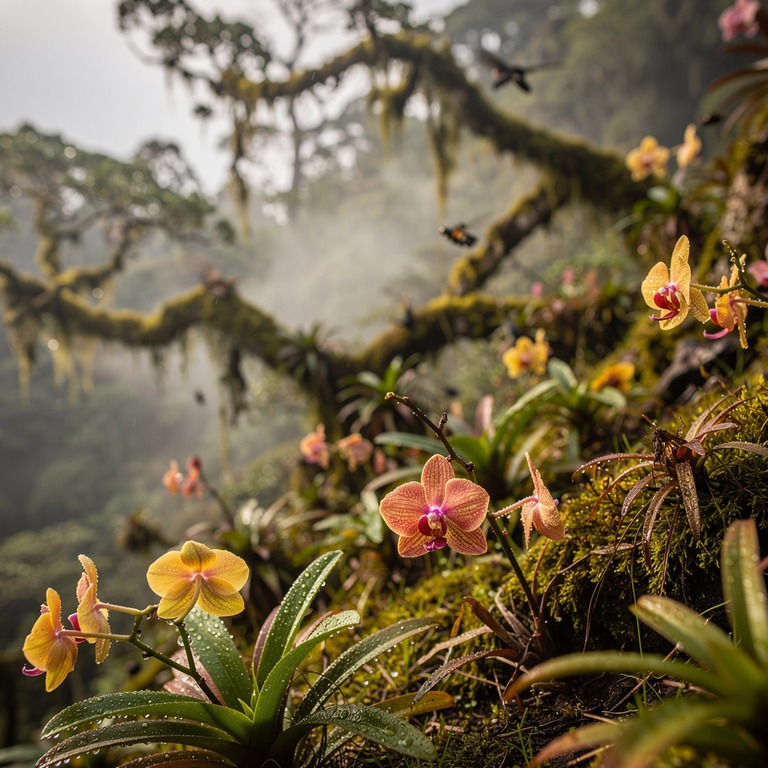
A Guided Practice You Can Try Today
Here's a stripped-down version of a guided meditation you can do standing or sitting under a tree. Read it through first, then go outside and try it from memory. Pause between steps. There's no stopwatch.
- Arrive. Stand still. Let your eyes soften. Notice that you have, in fact, stopped moving. For most of us that alone takes a minute to register.
- Breathe once, consciously. Not deeply. Just noticed. Feel the small pause at the top and the smaller one at the bottom.
- Consider the exchange. The air moving into your lungs was, moments ago, inside a leaf. Trees take what you exhale and hand you back what you need to live. This has been happening every second of your life. You are, right now, in conversation with the plant kingdom.
- Drop your attention to your feet. If you can stand barefoot on soil or grass, do. If not, imagine roots extending from your soles. Feel weight. Feel gravity. Feel the planet holding you up — a job it does unglamorously, without fail.
- Notice the air itself. Forest air carries a different texture than indoor air. Freshness after rain, that cold clean quality near running water. Let it move through you without analysing it.
- Say it to yourself, silently. I am nature. Not as a slogan. As a fact you had temporarily forgotten.
- Stay a while longer in silence. Five minutes. Ten. However long before the urge to check your phone becomes louder than the trees.
- Return slowly. Wiggle your fingers. Notice sound again. Walk back as if you're coming home from somewhere, not just leaving a park.
That's it. No incense, no app subscription, no certification required. The practice is the thing.
How This Fits With Deeper Plant-Medicine Work
Readers who find their way to this corner of the internet are often weighing something bigger — an ayahuasca ceremony, a psilocybin retreat, an ibogaine program, a serious conversation with master plants. Forest bathing isn't the same thing. Nobody is suggesting it is. But the two practices are closer cousins than they might first appear.
Everyone who sits with plant medicine will tell you the same thing eventually: the ceremony is the easy part. What matters is what happens before and after. Preparation and integration — the quiet weeks of walking, eating simply, journaling, and letting the nervous system settle — are where the real work lives. A regular forest practice is one of the better preparation tools available. It teaches your body what calm feels like without substances, so that when something stronger comes along, you have a reference point for coming back.
For people navigating addiction recovery or working through depression and trauma with the help of psychedelic healing, time in nature isn't optional background scenery. It's part of the medicine. Facilitators who've been doing this for years will often prescribe forest walks between ceremonies, not because it's quaint, but because it works.
Small Honest Caveats
A few things worth saying plainly. If you're expecting to feel transformed after one walk, you probably won't. The effect is cumulative and quiet. Most people notice it around the fourth or fifth outing, often retroactively — oh, I've been sleeping better this month.
Weather matters less than you think. Light rain is actually ideal; the air thickens with phytoncides and ions after it. Cold is fine if you dress for it. The one thing that genuinely interferes is bringing your phone out to document the experience. If you can't resist, leave it in the car.
And if you live somewhere without easy access to woods — a dense city, a treeless suburb — the research still suggests that even a single mature tree in a courtyard, visited regularly, offers something. Not everything, but something. Our bodies are not picky. They just want contact.
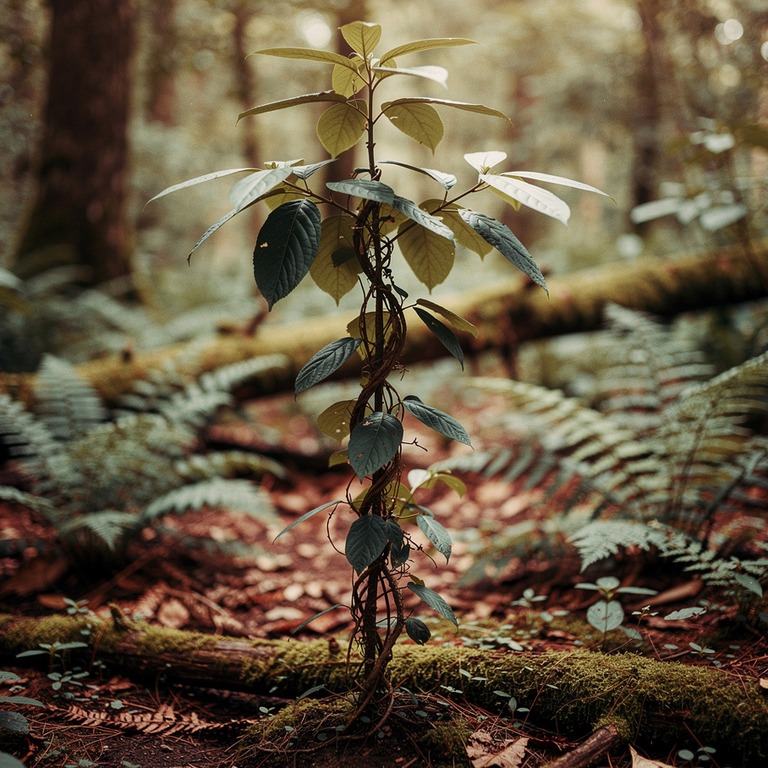
Coming Back as Someone Who Belongs Here
The most interesting shift that happens with a steady forest practice isn't physiological. It's a slow erosion of the sense that you are a visitor to the natural world. You start to notice that the water in your body once moved through stone, that the minerals in your bones were pulled from soil by plants you'll never meet, that the calm you keep chasing in retreats and apps and supplements was sitting under a hemlock the whole time, waiting.
That shift matters because so much of modern suffering seems to rest on a quiet, unspoken assumption that we're separate — from each other, from the ground, from anything that isn't a screen. Fifteen minutes under a tree, done regularly, is a surprisingly effective argument against that assumption.
For readers who want to take the next step beyond a park bench — whether that's a dedicated forest-therapy retreat, a plant-medicine ceremony, or an integration-focused program that combines the two — a range of relevant retreats can be browsed on our marketplace here. Go for a walk first, though. The trees are a good place to start.

Craving More Stories?
Join our ShopAyahuascaRetreats newsletter for the latest updates on thrilling
destinations and inspirational tales, delivered straight to your inbox!
We value your privacy. Your email address will never be shared or published.