 English
 Deutsch
 Français
 Nederlands
 Español
SHOP AYAHUASCA RETREATS BLOG
Choosing an Ibogaine Clinic: Red Flags, Green Lights, and What to Ask Before You Book

Luca Reeves
August 25, 2026
Your ultimate guide to discover transforming ayahuasca and psychedelic experiences. Dive into serene destinations and elevate your consciousness to unparalled heights.
Discover Ayahuasca & Psychedelic Retreats NowSearch for ayahuasca & psychedelic retreats
Discover retreats, trainings, and holidays from all over the world
Every week someone messages me asking a version of the same question: How do I know if an ibogaine clinic is actually safe? Fair question. The stakes are unusually high with this particular plant medicine, and the industry sits in a strange legal grey zone where oversight is patchy and marketing budgets are not. So let's talk about it plainly — no incense, no soft focus, no wide-angle jungle shots.
Ibogaine is a serious intervention. It's been used for decades to interrupt opioid dependence, and the results people report can be genuinely remarkable. It's also cardiotoxic, contraindicated with several common medications, and has caused deaths — almost always at clinics that cut corners on medical screening. Choosing where you go is not a vibes decision. It's closer to choosing a surgeon than picking a yoga retreat.
Why the Choice of Clinic Matters More Than the Molecule
People often ask me which brand of ibogaine, which extract, which dose. Those questions matter less than you'd think. What matters far more is who's monitoring your heart during the flood dose, whether they have a defibrillator in the room, and whether the person calling the shots has actually seen hundreds of sessions or just twenty.
The molecule does what the molecule does. The clinic determines whether you survive it comfortably or end up in a story nobody wants to be in. I've spoken with facilitators in Mexico, Costa Rica, Portugal, New Zealand, and a handful of underground providers across North America. The gap between the top-tier operations and the sketchy ones is enormous — and it's rarely visible from the website.
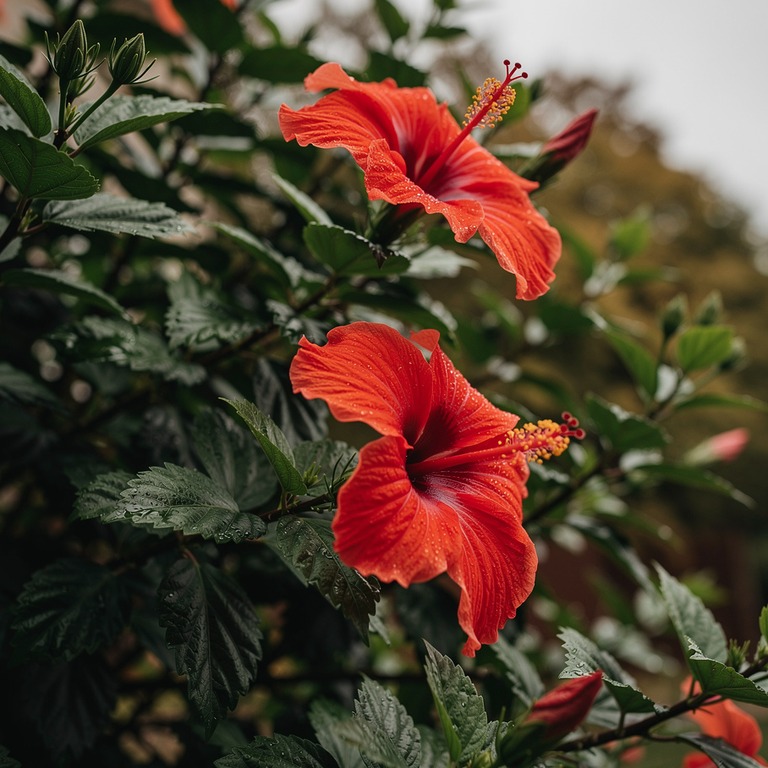
Websites all look roughly the same. Palms, hammocks, a tasteful shot of a treatment room, testimonials from someone named Mark who got his life back. That tells you nothing. Here's what actually does.
The Non-Negotiables: Medical Screening and Monitoring
If a clinic doesn't require the following before accepting you, walk away. I'm not exaggerating — walk away, cancel the deposit, eat the loss.
- A recent EKG, ideally within a few weeks of treatment. Ibogaine prolongs the QT interval, which can trigger fatal arrhythmias in vulnerable hearts.
- Comprehensive blood panels, including liver function and electrolytes. Low potassium or magnesium is a known risk factor for cardiac events during ibogaine treatment.
- A detailed medication and substance history. Some SSRIs, methadone, and certain other drugs need to be tapered weeks before treatment. A clinic that shrugs this off is dangerous.
- An honest cardiac and psychiatric history intake, ideally reviewed by an MD, not just a coordinator.
During the flood dose itself, continuous cardiac telemetry is standard at reputable clinics. That means you're wired up, someone qualified is watching the monitor, and emergency equipment is within arm's reach. If a place tells you monitoring is intermittent, or that a nurse checks in every couple of hours, that's not a clinic — that's a room with beds in it.
What Questions Should You Actually Ask?
When you get on a call with a prospective clinic, they'll usually control the conversation. Don't let them. Come with a written list. Here's what I'd ask, and roughly what a good answer sounds like.
- Who's the medical director, and are they on-site during treatments? You want a named physician with cardiology or addiction-medicine experience, present or immediately reachable, not a consultant they mention in the FAQ.
- How many ibogaine sessions has your team supervised? Under a hundred is inexperienced. Several hundred is solid. Thousands is a mature operation. Ask specifically about the person in the room, not the total across all staff.
- What's your protocol if something goes wrong cardiovascularly? A confident answer names specific drugs (magnesium sulfate, for example), specific equipment, and the nearest hospital by name and driving time.
- How do you determine the dose? Body weight alone isn't enough. Reputable places use test doses, staged flood protocols, or careful titration based on your individual response.
- What does aftercare look like? Ibogaine's most valuable feature is the so-called afterglow — a window of weeks where cravings are muted and neural plasticity is elevated. Squandering that window is one of the biggest reasons people relapse. Ask what integration support you get, for how long, and who provides it.
If the person on the call gets defensive at these questions, that's your answer. Good clinics welcome them. They've heard them all before and they're glad you're doing your homework.
Red Flags That Should End the Conversation
Some of these are obvious. Others are subtler and easier to miss when you're excited or desperate — and let's be honest, most people considering ibogaine are at least a little of both.
- They downplay the cardiac risk. Anyone who tells you ibogaine is safe if you're generally healthy is either lying or ignorant. Neither is who you want holding the syringe.
- They don't require you to stop certain medications. Some clinics will treat people still on methadone or buprenorphine without proper transitions. This can be done, but it requires expertise. If they wave it off casually, run.
- Pressure tactics on booking. Limited-time discounts, urgent language, a coordinator who keeps calling — this is a treatment center, not a timeshare pitch.
- Vague answers about the medicine itself. They should be able to tell you whether they use pure ibogaine HCl, total alkaloid extract, or root bark, and why. If they can't, they don't know their own product.
- No mention of psychological screening. Ibogaine is not appropriate for everyone. Active psychosis, certain bipolar presentations, and unstable trauma responses can be made worse. A responsible clinic screens carefully and turns some people away.
- Testimonials but no medical credentials. Glowing reviews are easy to collect. Board certifications and actual clinical protocols are not.
The Aftercare Question Nobody Wants to Answer Honestly
Here's the part that gets glossed over in the marketing. Ibogaine is not a cure. It's an interruption — a powerful one, often the most powerful many people have ever experienced — but the weeks and months that follow determine whether it holds. And most clinics don't do aftercare well.
The best ones offer structured integration: weekly calls with a therapist trained in psychedelic integration, group support with other alumni, sometimes booster microdose protocols, and clear guidance on nutrition, sleep, and the sober-community relationships that actually keep people upright. The worst ones drive you to the airport with a pamphlet.
Before you book, ask what happens on day 30, day 60, day 90. If the answer is essentially we hope you're doing well, drop us a line, understand that you'll be building your own aftercare from scratch — and factor that into your planning. Line up a therapist at home before you leave. Join an online integration circle. Have your first two weeks back mapped out before your feet touch the plane.

What About Cost, and Is Cheaper Ever Better?
Reputable ibogaine treatment typically runs somewhere between six and twelve thousand US dollars for a five-to-ten-day program, depending on country, medical staffing, and length of stay. Some elite programs go higher. Anything dramatically cheaper — say, under three thousand for a full flood-dose treatment — is almost certainly cutting corners somewhere important. Usually medical monitoring. Sometimes the medicine itself.
That doesn't mean the most expensive place is the best. Some clinics charge premium prices for a nice pool and a chef, while the medical side is average. What you're actually paying for is the physician's hours, the telemetry equipment, the pharmaceutical-grade ibogaine, and the aftercare infrastructure. Ask them to break it down.
Trust Your Read of the People
One last thing. After you've done the medical due diligence, pay attention to how the humans on the other end of the phone make you feel. Ibogaine work is intimate. You'll be in an altered state for a day and a half, sometimes longer, and the people around you will be shaping that experience whether they mean to or not.
Do they seem grounded? Do they answer hard questions without defensiveness? Do they treat you like a whole person or like a case number? A brilliant clinician with a cold bedside manner is still better than a warm hugger with no protocols — but ideally you get both. The best facilitators I've met are quietly competent, a little bit funny, and very hard to rattle.
For readers who want to take this further and compare properly vetted programs side by side, a curated selection of ibogaine and plant-medicine retreats can be browsed on our marketplace here. Do the medical homework first, ask the uncomfortable questions, and give yourself permission to walk away from any place that doesn't earn your trust — the right clinic will.


Craving More Stories?
Join our ShopAyahuascaRetreats newsletter for the latest updates on thrilling
destinations and inspirational tales, delivered straight to your inbox!
We value your privacy. Your email address will never be shared or published.