 English
 Deutsch
 Français
 Nederlands
 Español
SHOP AYAHUASCA RETREATS BLOG
Burnout, Broken Judgment, and Why Plant Medicine Might Be the Reset You Need

Fiona Holloway
September 29, 2026
Your ultimate guide to discover transforming ayahuasca and psychedelic experiences. Dive into serene destinations and elevate your consciousness to unparalled heights.
Discover Ayahuasca & Psychedelic Retreats NowSearch for ayahuasca & psychedelic retreats
Discover retreats, trainings, and holidays from all over the world
There's a particular kind of tired that doesn't announce itself. You keep working. You keep hitting deadlines. You keep making decisions that feel, in the moment, like reasonable ones. And then a year passes, or three, and you look back at choices you made and wonder who exactly was at the wheel.
I've been writing about ayahuasca and psychedelic retreats for a while now, and one pattern keeps surfacing in the intake forms and post-ceremony conversations I overhear: people don't usually arrive at plant medicine because life is going great. They arrive because something has quietly broken. Often, that something is judgment itself — eroded by years of burnout they never quite named.
This piece is for the reader who is exhausted, high-functioning, and beginning to wonder whether a retreat might help. It's also for anyone who has read about ayahuasca, psychedelics, or master plants as tools for addiction and depression, and is trying to figure out if the hype has any substance under it. Short answer: yes, but not the way most retreat marketing tells you.
The Burnout Nobody Diagnoses
When people imagine burnout, they picture collapse. Someone who can't get out of bed. Someone who has clearly, obviously stopped. That version exists, but it's the minority.
The more common version is the person who keeps showing up. They still ship the project. They still take the meeting. From the outside they look fine — maybe even impressive. Inside, something else is happening. Concentration takes more effort. Sleep is shallow. The things that used to feel meaningful feel like tasks. And because output continues, the person interprets that output as proof they're okay.
They aren't. This is the trap. You are using the very organ that's been degraded — your own brain — as the instrument for evaluating whether that organ is degraded. It's a broken feedback loop, and it can run for years before anything visible cracks.
Why This Matters for People Considering a Psychedelic Retreat
Here's where plant medicine enters the picture. Ayahuasca, psilocybin, ibogaine, San Pedro — these are sometimes called master plants precisely because, in the right container, they seem to bypass the usual defenses. The exhausted, competent, deeply defended part of you doesn't get to run the show for a few hours. Something else gets a turn.
People who have spent years pushing through often describe their first ayahuasca ceremony as the first time in a decade they felt what their body was actually saying. Not what their calendar said. Not what their KPIs said. What their nervous system had been trying to tell them since roughly 2019.
That's the pull, and it's real. It's also why psychedelic healing has moved from fringe to something your dentist's cousin has now tried. But the pull is not, by itself, a booking decision. So let's talk about what to actually consider.
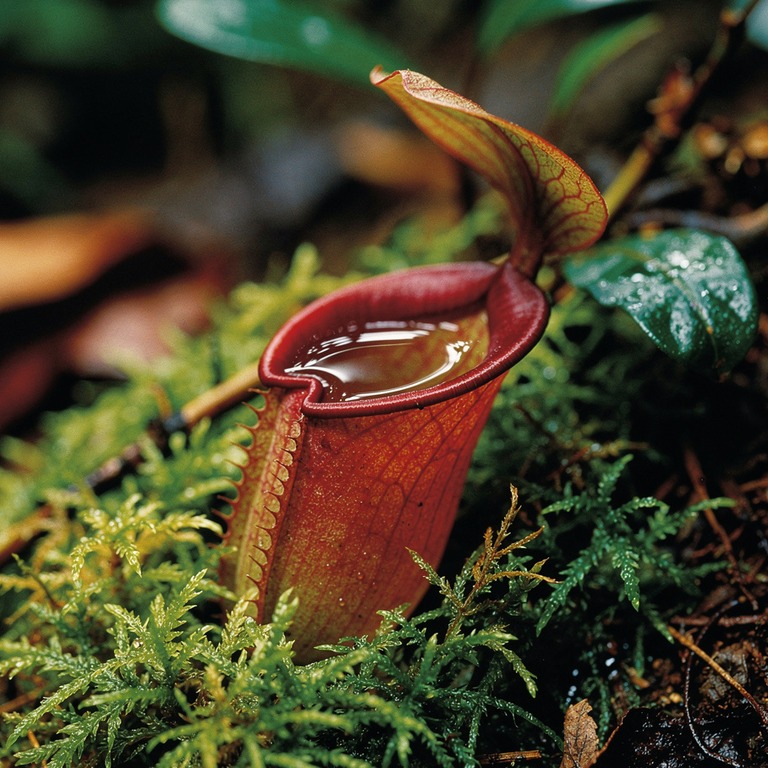
Is Plant Medicine Genuinely Useful for Burnout, Addiction, and Depression?
There is a growing body of clinical research — not a mountain, but a real hill — showing that psychedelics can meaningfully help with treatment-resistant depression, alcohol and opioid addiction, PTSD, and the kind of stuck-life-pattern exhaustion we've been describing. Ibogaine has an unusual track record with opioid dependence. Psilocybin has produced striking results in end-of-life anxiety and major depression. Ayahuasca is being studied for depression and trauma, and has decades of traditional use for what Amazonian traditions would call soul-level fatigue.
None of this makes plant medicine a cure. What it seems to do — when the ceremony is well-held and the integration afterward is taken seriously — is briefly loosen the grip of the patterns you've been living inside. You get a window. What you do with that window is the actual work.
For a burned-out professional considering ayahuasca specifically, the honest framing is this: a good ceremony can show you, viscerally, that you've been operating on fumes. That's information you couldn't get from another vacation. But the retreat is not going to redesign your life for you. It's a diagnostic and an opening. Recovery is what happens in the eleven months after.
How to Choose a Retreat Without Making Another Depleted Decision
Here is the part I want you to actually slow down for. If you are burned out and researching retreats, you are — by definition — making a significant decision while under-resourced. That doesn't mean don't go. It means apply some of the same rigor you'd apply to any high-stakes call.
A few things worth checking before you send a deposit anywhere:
- Facilitator lineage and training. Who trained them? For how long? A weekend workshop is not a lineage. Ayahuasca in particular has a long apprenticeship tradition — ask, and listen for a real answer.
- Medical screening. Reputable retreats will ask about SSRIs, heart conditions, personal and family history of psychosis, and current medications. If they don't screen, that itself is the answer.
- Group size and staff ratio. Twelve participants with two facilitators is not the same experience as thirty with two. Neither is automatically wrong, but you should know which you're buying.
- Integration support. Ask what happens after. If the answer is a WhatsApp group and best wishes, that's a red flag. Real integration is where the healing actually consolidates.
- Refund and safety policy. A center that has thought carefully about medical emergencies, participant conflict, and psychological difficulty will have written policies. One that hasn't, hasn't.
And a piece of advice I wish more people took: run the decision past someone who isn't as tired as you are. Not because they know better. Because they aren't inside the same fog. This is the single cheapest safeguard available, and burned-out people almost never use it.
What a Real Ceremony Actually Looks Like
People ask me constantly what an ayahuasca ceremony feels like, and I've stopped giving a clean answer because there isn't one. Some nights are terrifying. Some are boring. Some rearrange your understanding of your own life so thoroughly that you spend the next month trying to describe it and failing.
What's consistent: you'll sit or lie in a ceremonial space, often called a maloca, usually after several days of a specific diet that excludes salt, sugar, pork, alcohol, and — importantly — most pharmaceuticals. A facilitator or curandero will serve the brew. Icaros, the traditional songs, will be sung. The experience typically lasts four to six hours. You'll probably purge at some point. Everyone purges. It's part of it, and no, it isn't the worst part.
The worst part, usually, is the honesty. Plant medicine has a way of showing you the thing you've been avoiding — the job you should have left, the relationship you've been managing instead of being in, the way you've been drinking every night to take the edge off the exhaustion that's been telling you something for years. That's the medicine. It's also why people who show up hoping for a mystical vacation often leave rattled instead of blissed out.
The Piece Almost Everyone Underestimates: Integration
If I could give one piece of advice to someone booking their first ayahuasca or psilocybin retreat, it would be this: budget for integration as seriously as you budget for the retreat itself. That means a therapist familiar with psychedelics, an integration circle, or a coach who understands the terrain. It means blocking off unstructured time when you get home — not flying back into a Monday meeting.
The insights that arrive during ceremony are like dreams. Vivid at the moment, half-gone by breakfast, entirely gone by the following week unless you do something with them. Journaling, somatic work, honest conversations, small behavior changes — that's where a retreat either becomes a turning point or becomes an expensive story you tell at dinner parties.
A Sober Word on Risk
Plant medicine isn't for everyone. If you have a personal or family history of schizophrenia or bipolar disorder, most reputable centers will and should decline you. If you're on SSRIs, MAOIs, lithium, or certain heart medications, the interactions can be serious — sometimes fatal. Ibogaine in particular requires cardiac screening. This is not the space for winging it.
There is also the harder-to-name risk of a poorly held ceremony: a facilitator who crosses boundaries, a center that treats participants carelessly, a group dynamic that turns extractive. These situations happen more often than the glossy retreat websites suggest. Choose slowly. Read participant accounts that aren't on the center's own website. Trust the small, uneasy feelings.
Coming Back to the Question
If you're reading this because you're exhausted and quietly wondering whether ayahuasca or another psychedelic retreat might be the reset your life needs — that instinct is worth taking seriously. It's also worth interrogating. Ask yourself what you actually want a retreat to do. Ask what you'd need to have in place, before and after, to give the experience a real chance.
And then move slowly. Talk to someone rested. Do the reading. If something here speaks to you, the range of ayahuasca and plant-medicine retreats discussed throughout this space can be browsed on our marketplace here. Take your time with it. The whole point, after all, is to stop making depleted decisions.

Craving More Stories?
Join our ShopAyahuascaRetreats newsletter for the latest updates on thrilling
destinations and inspirational tales, delivered straight to your inbox!
We value your privacy. Your email address will never be shared or published.